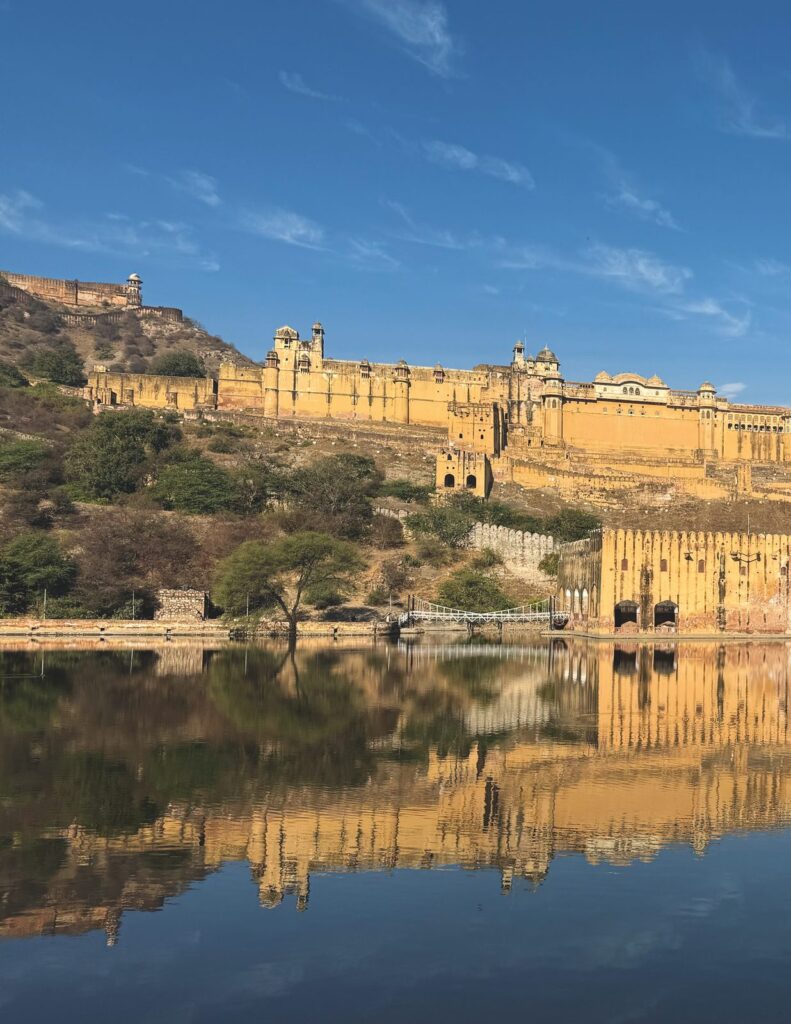
For more than 35 years, Amarjeet Grewal has worked from a mine-to-market perspective and across multiple business disciplines in the colored gemstone industry. With her vast experience and successes, she offers a unique lens into the challenges and opportunities facing the sector today. Amarjeet is not only a marketing expert, but she is also an advocate for women’s entrepreneurship and a strong believer in giving back through service, mentorship, and community engagement. To learn more about her thoughts on the colored gem sector, InColor caught up with this very busy woman in her office in Calgary (Canada).
Interview conducted by Cynthia Unninayar, Editor, InColor
InColor: You are well known for your work promoting ammolite in global markets. What attracted you to this unusual gemstone?
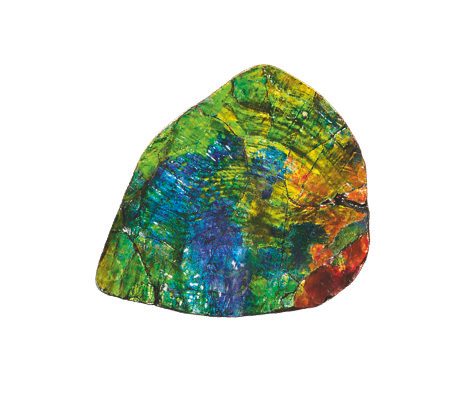
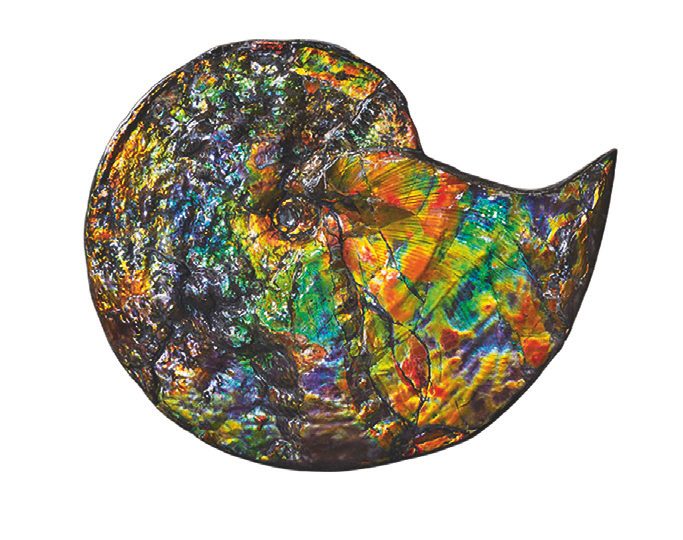
Amarjeet Grewal: What attracted me to Ammolite was that it challenged every conventional idea of what a gemstone could be. It is extraordinarily rare, uniquely Canadian, more than 70 million years old, and no two pieces are ever exactly alike. But what fascinated me equally was the opportunity to help build an entire gemstone category. When I entered the industry more than 35 years ago, ammolite was still largely unknown in global markets. As a result, we were not simply selling a gemstone, but we were educating the trade, building consumer confidence, developing international markets, and creating an appreciation for something the world had not yet fully discovered. That experience shaped much of my philosophy about colored gemstones today: rarity alone does not create a market. You need education, consistency, credibility, provenance, and patience. Building enduring value takes time.

Q: Colored gemstones in general are enjoying increasing attention in the jewelry industry. What do you think is driving this trend?
AG: Over the years, I have watched the definition of luxury evolve. There was a time when luxury was much more prescriptive—the consumer was often told what was prestigious, what was valuable, and what they should aspire to own. Today's consumers are far more individualistic. They want to discover something that speaks to them personally. Colored gemstones are perfectly positioned for this attitude shift because they offer extraordinary diversity—not only in color, but in origin, rarity, character, history, legend, and price point. Beyond ruby, sapphire, and emerald, we are seeing greater appreciation for spinel, tourmaline, garnet, aquamarine, tanzanite, ammolite, and many other remarkable gems. The opportunity for our industry is to help consumers discover this much broader world of color.
Q: Beyond rarity and beauty, what factors do you believe shape a gemstone’s long-term value and desirability?
AG: Rarity and beauty will always be fundamental, but long-term desirability is also shaped by provenance, authenticity, craftsmanship, supply, consumer awareness, and the strength of the story surrounding a gemstone. A beautiful gem becomes even more compelling when the customer understands what makes it exceptional. Perhaps it comes from a historically important mining region, has an unusual geological origin, displays a rare optical phenomenon, or has been cut by a master lapidary. These details add layers of meaning. I also believe that scarcity must be respected. In the luxury market, long-term value is not created by making something appear abundant or competing primarily on price. It comes from protecting rarity, maintaining standards, educating the market, and building confidence over time. True luxury is about authenticity, distinction, and enduring desirability.
Q: When it comes to the stories behind the gems, how important is it for sellers in the gemstone industry to understand and be able to convey these stories?
AG: Stories are extremely important, but I believe our industry must distinguish between marketing narratives and genuine provenance. The most powerful gemstone stories do not need to be manufactured—they are already there. A gemstone can carry millions of years of geological history. It may come from one specific place on Earth, pass through the hands of miners and master cutters, reflect generations of cultural knowledge, and eventually become part of someone's own personal history. Our responsibility is not to embellish that story, but to understand it, respect it, and communicate it accurately. When we do that well, a gemstone becomes much more than a beautiful object. It becomes a connection—to the Earth, to people, to a place, and eventually to the person who owns it.

Q: As for the journey a gem takes from mine to market, how has the industry’s understanding of transparency, ethical sourcing, and provenance evolved in terms of strengthening consumer confidence regarding this journey?
AG: Transparency is the foundation of trust. Today's consumers ask more sophisticated questions. They want to understand origin, treatments, sourcing practices, and the journey their gemstone has taken. But transparency must be meaningful. It is not enough to use words such as ethical, sustainable, or responsible without being able to substantiate them. As an industry, we need to be clear about what we know, what we can document, and sometimes what we do not know. That honesty builds credibility. Provenance can be powerful when it's genuine and traceable— understanding the people, land, geology, craftsmanship, and communities connected to it creates confidence and adds depth to the ownership experience.
Q: What is the biggest challenge facing dealers and retailers who sell colored gemstones?
AG: Education remains one of our industry's greatest challenges and greatest opportunities—and that applies not only to consumers, but to the trade itself. Colored gemstones are wonderfully complex. There is no single formula that determines beauty or value. Color, tone, saturation, clarity, origin, treatments, rarity, cutting, size, durability, market demand, and sometimes optical phenomena all play a role. Two gemstones of the same variety and carat weight can have dramatically different values. Our responsibility as industry professionals is to make that complexity understandable without oversimplifying it. An educated customer is not a threat to a good retailer; an educated customer is more confident, more appreciative, and more likely to become a lifelong collector.
Q: How can businesses improve consumer education without overwhelming potential buyers?
AG: The key is to make education accessible, engaging, and relevant. We do not need to turn every customer into a gemologist. We simply need to give them enough meaningful information to understand and appreciate what makes a gemstone special. Educational blogs, short videos, newsletters, social media posts, and in-store conversations can explain topics such as gemstone treatments, durability, color, rarity, mining locations, and provenance in simple language. I have always believed that education should be part of the customer experience, not a sales presentation. The best sales professionals listen first, understand what matters to the customer, and then share the knowledge that is most relevant to that individual. When customers feel informed rather than pressured, they are far more comfortable making important purchasing decisions.
Q: Beyond traditional advertising, where should companies focus their marketing efforts?
AG: The platforms have changed dramatically over the years in the industry, but the fundamentals have not. Whether you are meeting a customer at an international trade show, across a retail counter, through a website, or on social media, you are still building trust. Digital marketing has given our industry extraordinary tools to reach global audiences, but visibility alone is not a strategy. Companies need to give people a reason to pay attention. Share knowledge. Show the people behind the business. Take customers behind the scenes. Explain why one gemstone differs from another. Show the cutting process, the mine, the design journey, and the craftsmanship. The strongest brands do not simply promote products; they build authority, curiosity, and community around what they represent.
Q: What advice would you give retailers hoping to distinguish themselves in an increasingly competitive market?
AG: Focus on personalization and expertise rather than price competition. Many consumers choose colored gemstones precisely because they want something distinctive. Custom jewelry, birthstones, anniversary gemstones, collector pieces, bespoke designs, and jewelry celebrating many of life's milestones all give retailers an opportunity to create deeply personal experiences. Price may close a transaction, but relationships build businesses. Customers remember how you made them feel, whether you listened to them, whether they trusted your guidance, and whether you helped them find something that genuinely meant something to them. The retailers who will thrive are those who become trusted advisors rather than simply sellers of products.
Q: Are there areas of the colored gemstone industry that you believe are currently overlooked?
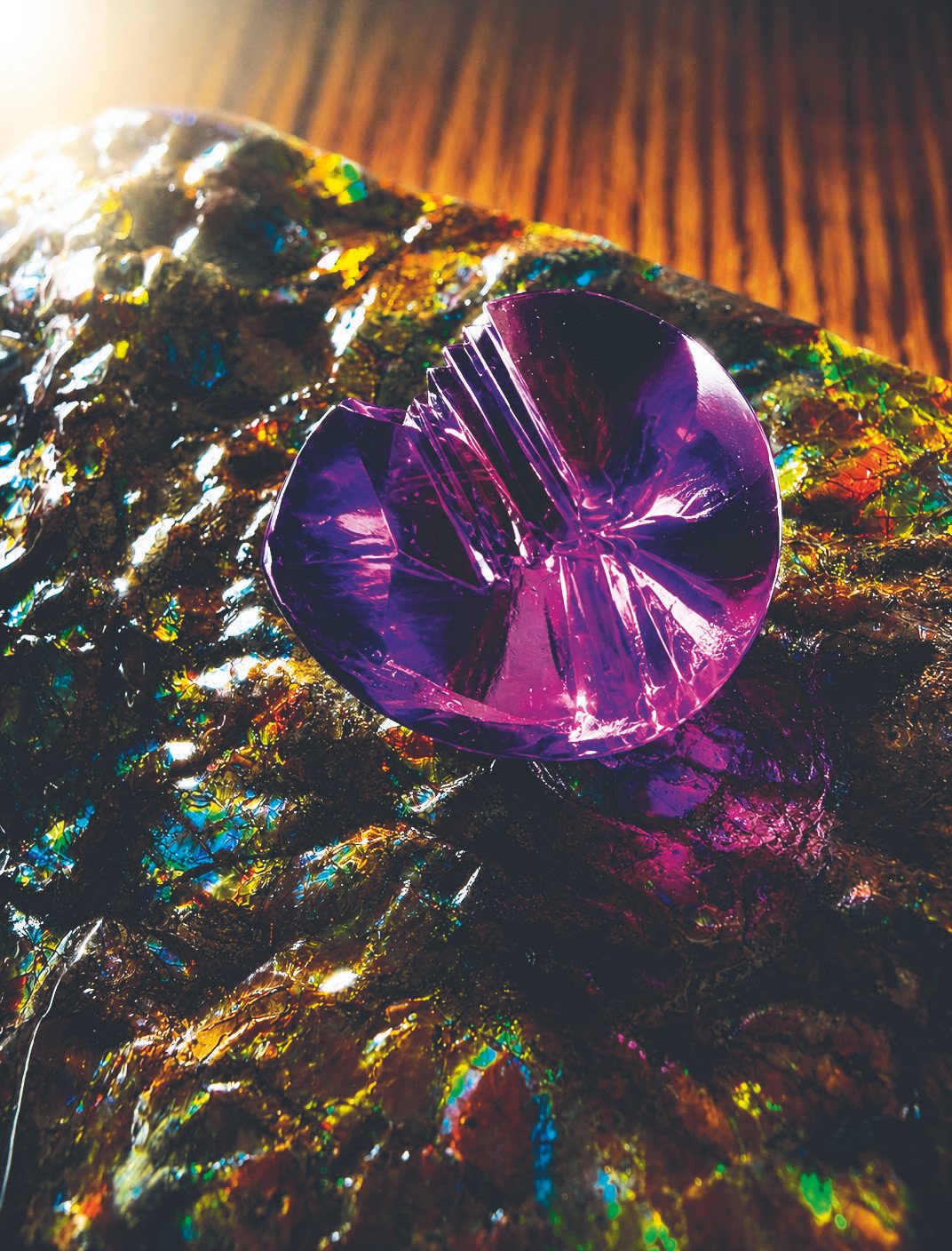
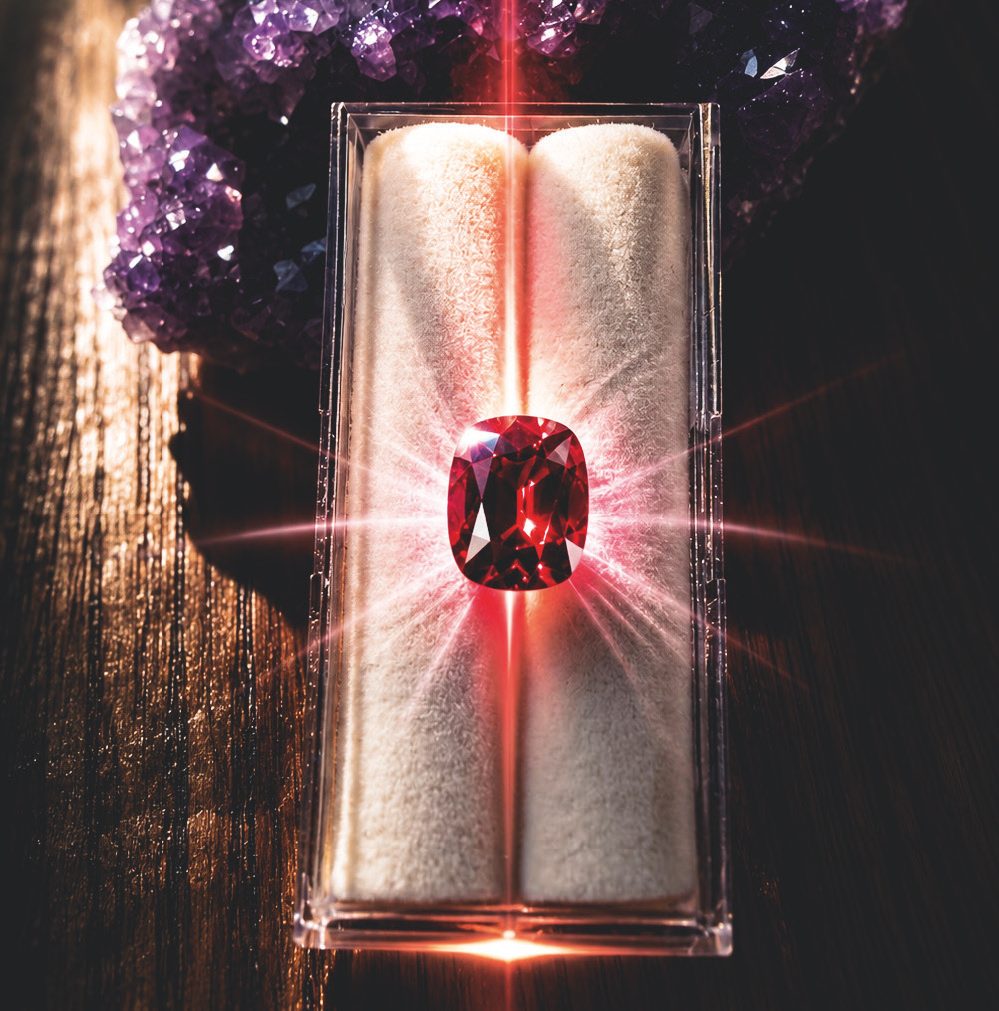
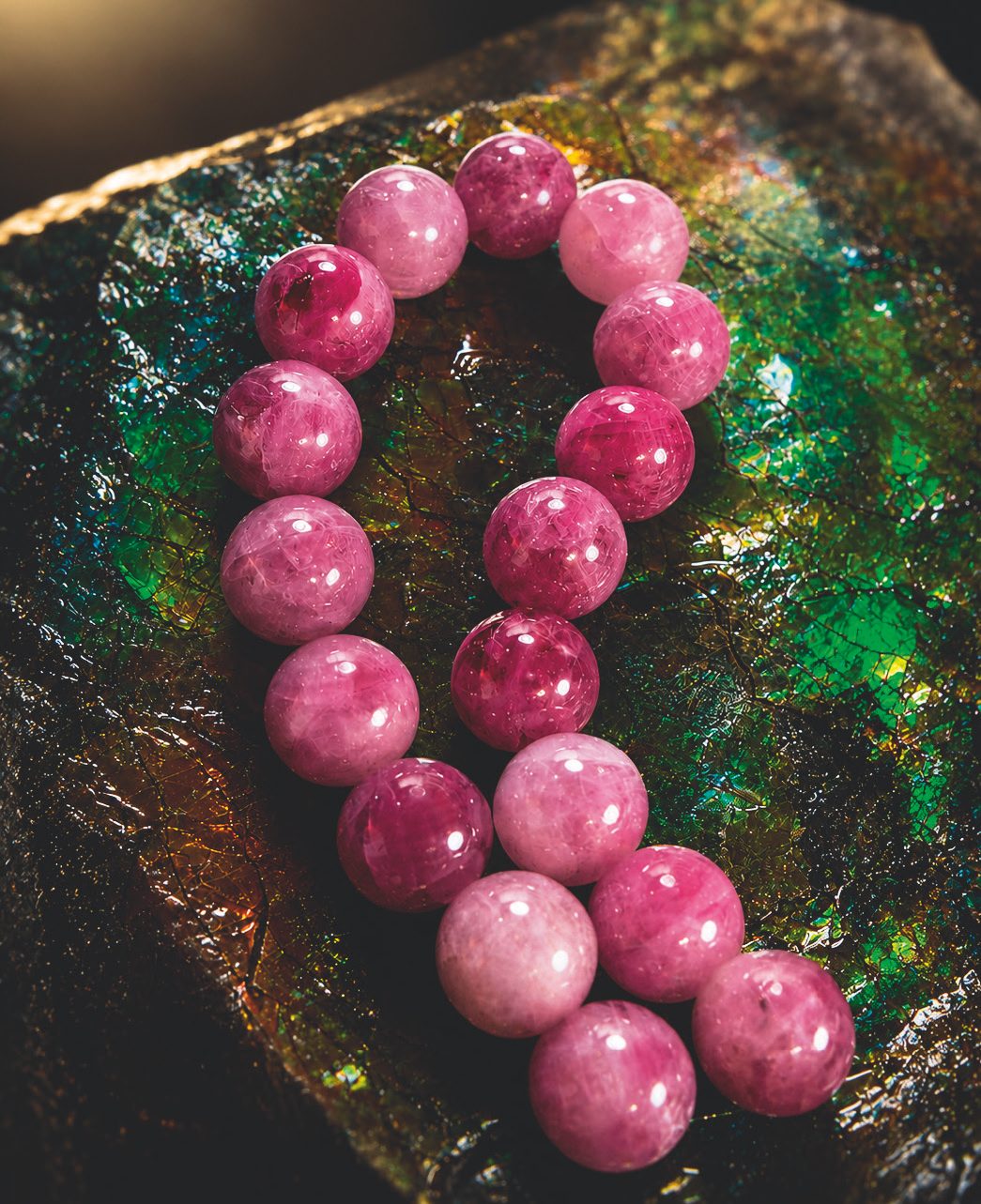
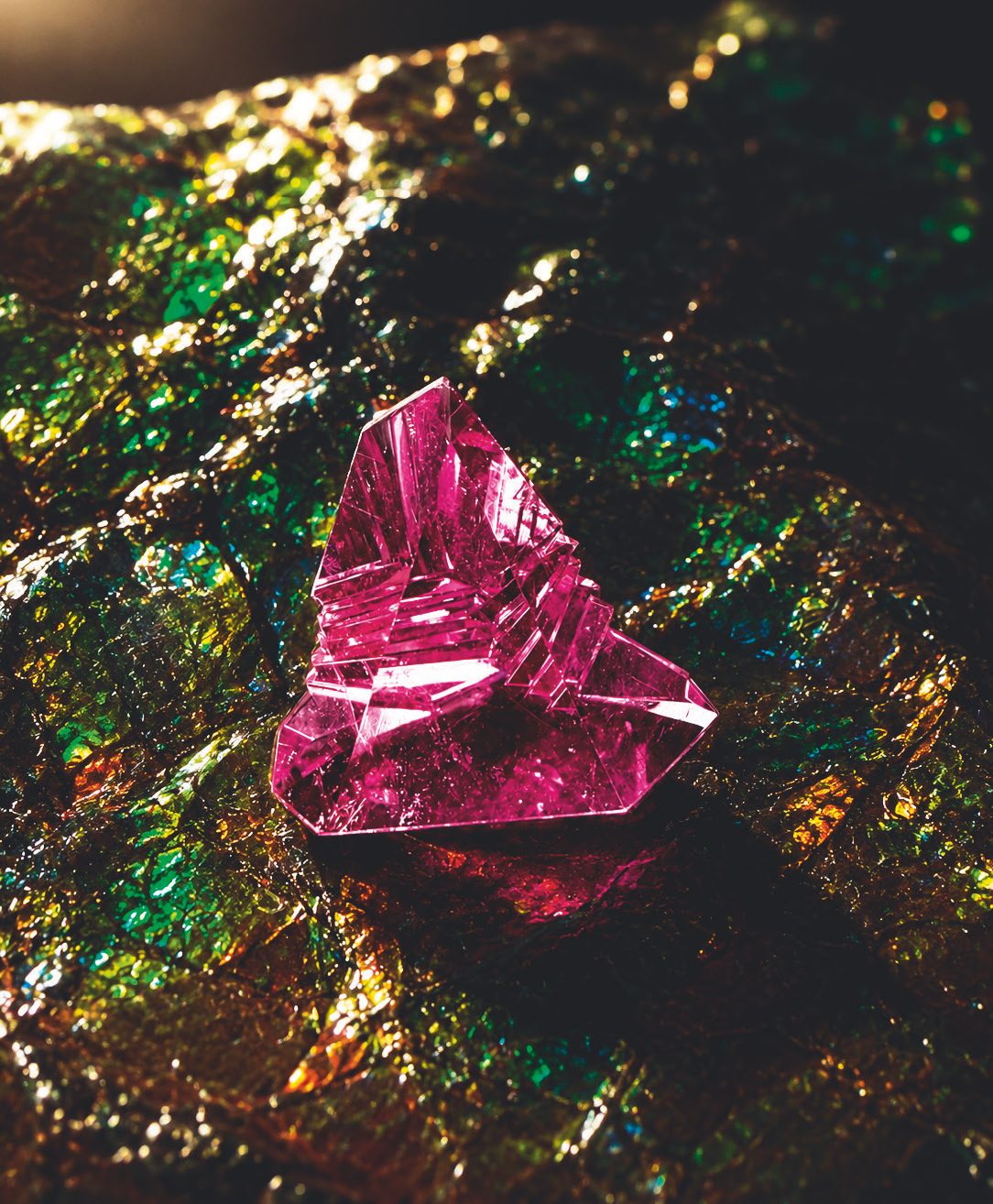
AG: I believe there are several areas we still undervalue. The first is the extraordinary world beyond the most commercially recognized gems. There are beautiful, genuinely rare stones that remain largely undiscovered by mainstream consumers—not because they lack merit, but because they have not yet had the benefit of sustained education and market development. The second is lapidary artistry. We often talk about the gemstone but not enough about the cutter. A master cutter can reveal the life, color, brilliance, and personality within a piece of rough. That expertise deserves far greater recognition. And finally, I believe we need to place greater value on the people and knowledge behind the entire mine-to-market journey. Miners, geologists, cutters, designers, manufacturers, dealers, retailers, and educators all contribute to the final experience of a gemstone. After 35 years in this industry, I remain convinced that some of our greatest opportunities are still hiding in plain sight. There are extraordinary gemstones, remarkable craftspeople, and compelling stories that the wider world has yet to discover.
Q: Looking ahead, where do you see the colored gemstone market heading?
AG: I am very optimistic about the future of colored gemstones. Consumer demand for authenticity, rarity, individuality, and meaningful experiences continues to grow, and colored gemstones naturally align with all of those values. At the same time, the industry will need to continue evolving. Consumers will expect greater transparency, better education, stronger digital experiences, and more authentic storytelling. They will want to understand not only what they are buying, but where it came from, why it is special, and what values stand behind the company selling it. Businesses that combine gemological expertise with transparent practices, compelling storytelling, strong visual presentation, and genuine customer relationships will be well positioned for long-term success. Ultimately, the future belongs to those who can preserve the wonder and romance of gemstones while giving today's consumer the knowledge and confidence to truly appreciate them. Every gemstone is one of a kind—and our job as an industry is to help people understand why that matters.
Images are courtesy of Amarjeet Grewal.