Formed over one billion years ago within the Canadian Shield, Auralite-23 represents one of North America’s most complex quartz occurrences. Characterized by pronounced color zoning, hematite-rich terminations, and multi-phase microscopic inclusions, this material originates from a single locality in the Thunder Bay region and provides a rare window into prolonged hydrothermal evolution in Precambrian volcanic terranes.
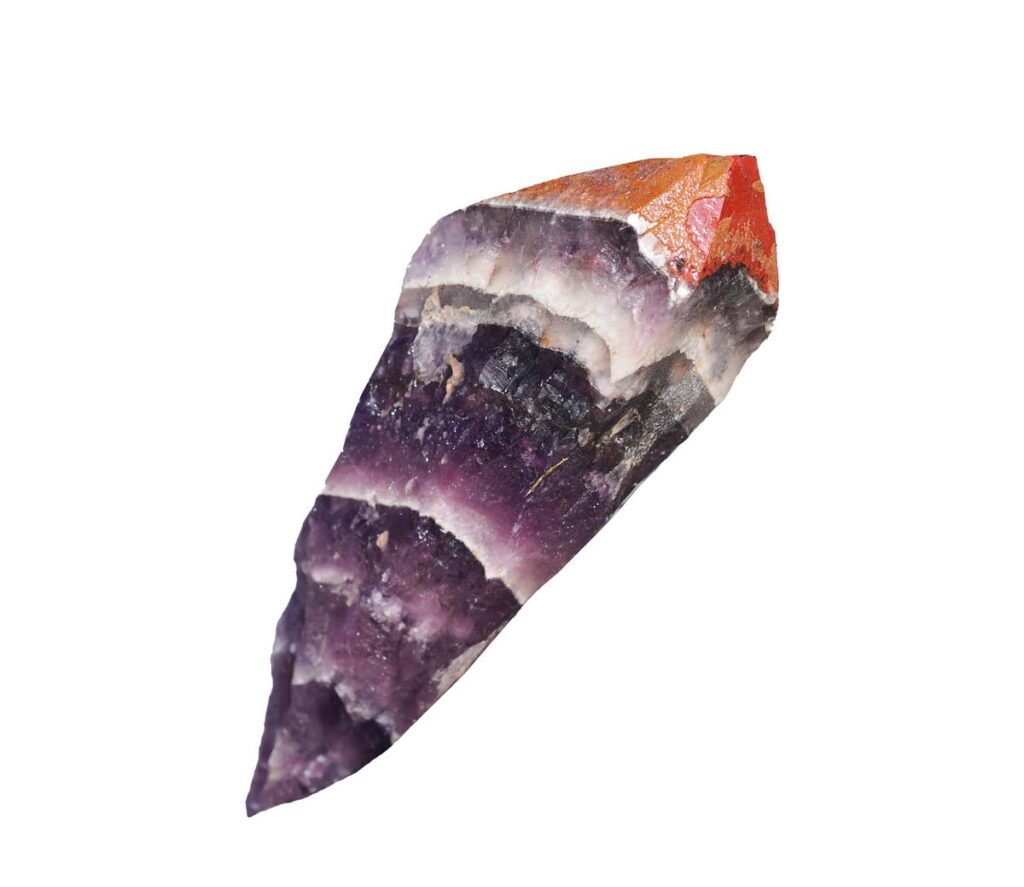
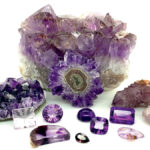
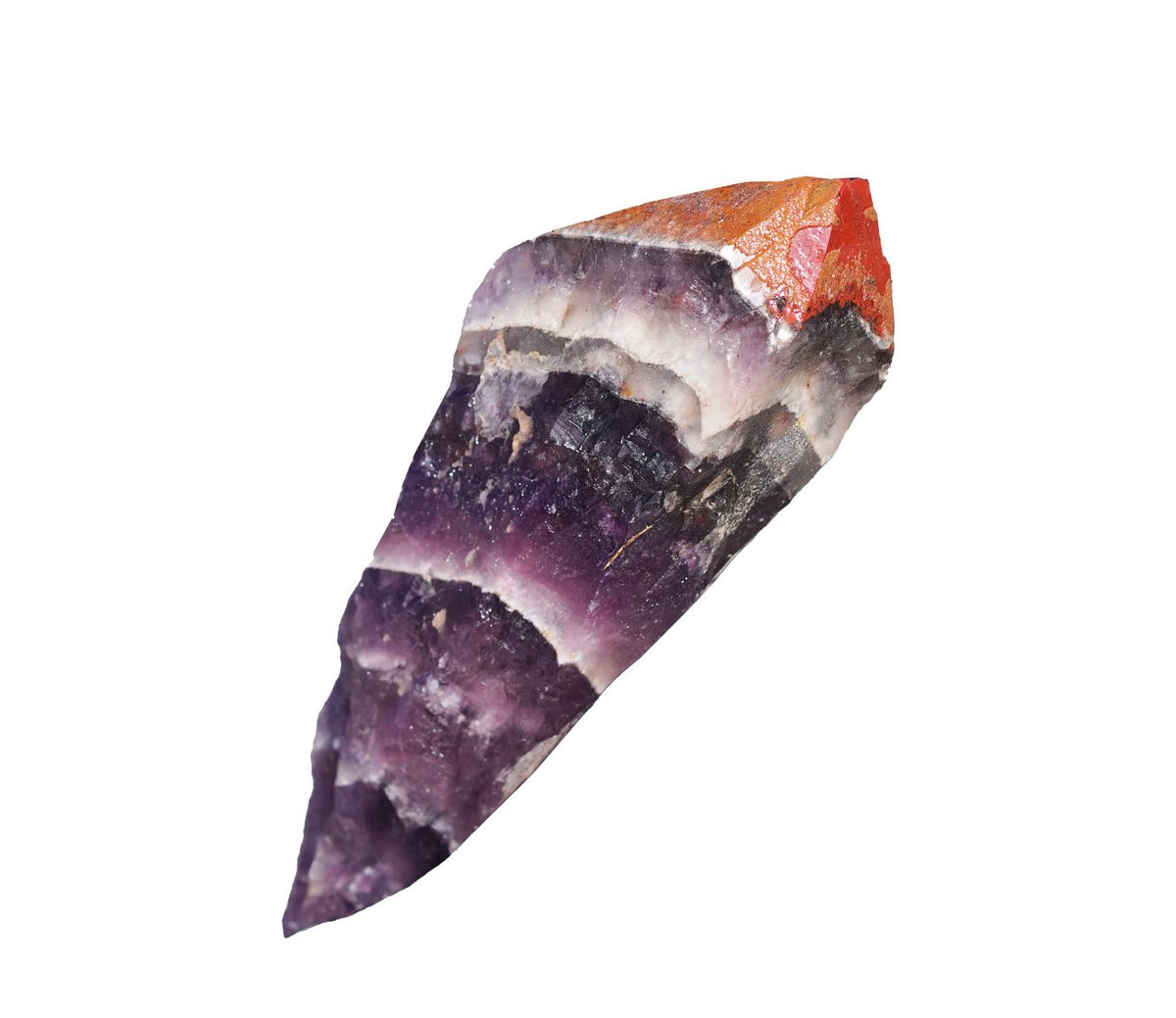
During field examinations in Thunder Bay—an area defined by Proterozoic basalt formations and glacially sculpted lake systems—we encountered quartz crystals that immediately differed from conventional amethyst. Distinct zoning from violet to smoky tones, iron-oxide surface caps, and dispersed metallic inclusions signaled a uniquely evolved quartz system with trace mineral phases seldom observed together at this clarity scale.
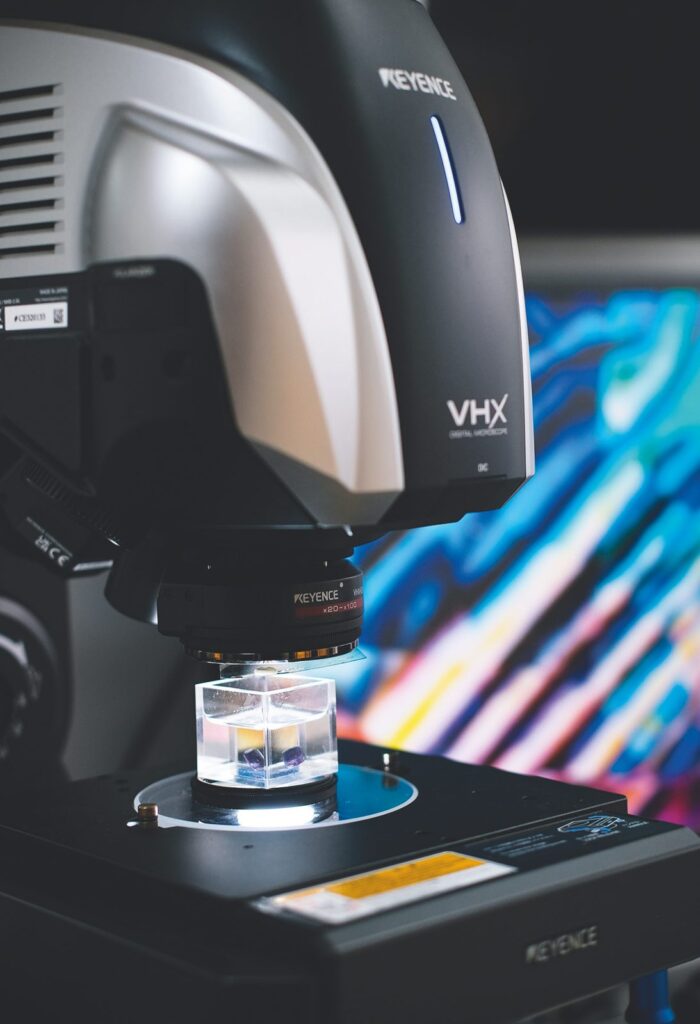
Under magnification, plate-like reflections consistent with titanite, radiating manganese-rich inclusions, iron microcrystals, and occasional gold-toned particles were documented. These inclusions support a multi-stage crystallization process associated with hydrothermal fluid evolution, potentially influenced by episodic temperature and oxidation shifts.
While the purple coloration is attributable to iron within the quartz lattice, the material’s defining characteristics lie in its accessory phases, including hematite, goethite, pyrolusite, titanite, and other iron-bearing minerals.
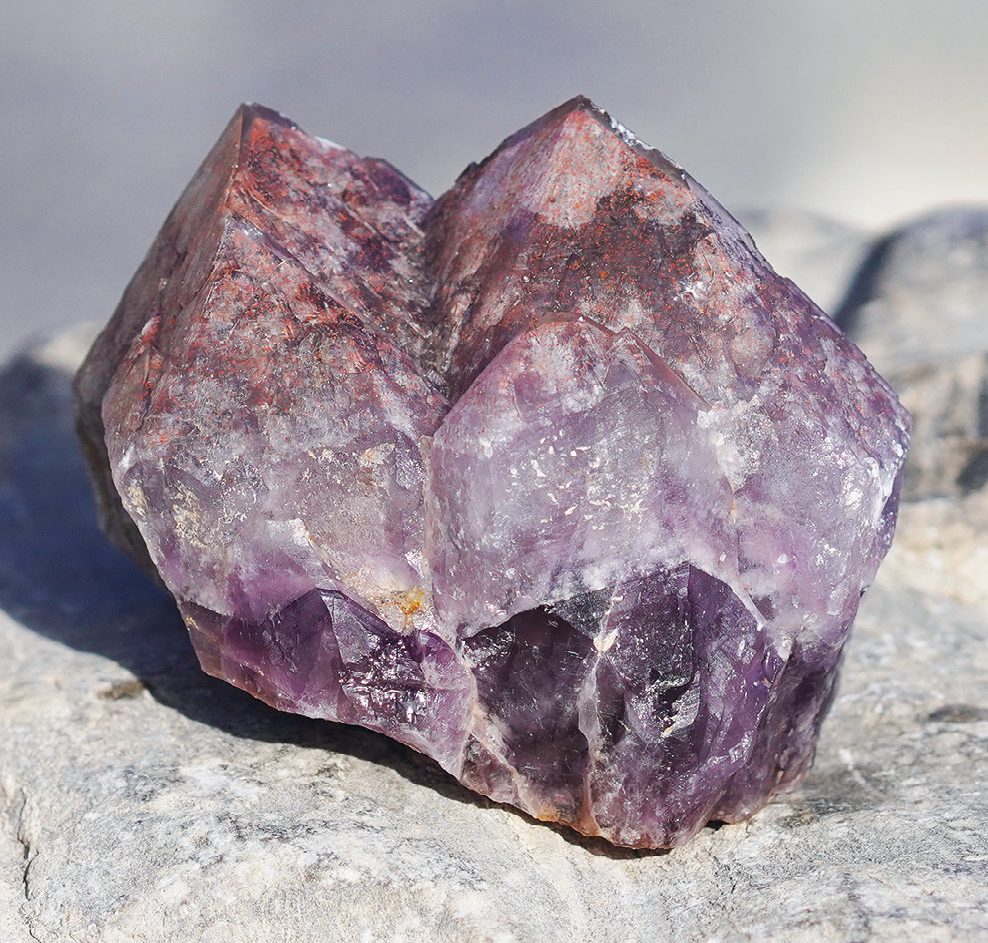
Unlike large-scale amethyst deposits in Brazil or Uruguay, Auralite-23 derives exclusively from a controlled mining zone accessible only during brief northern field seasons. Extraction practices remain selective and ecological, aligned with the cultural significance of the Sleeping Giant (Nanabijou) in Indigenous heritage. Limited access and careful stewardship naturally constrain annual production.
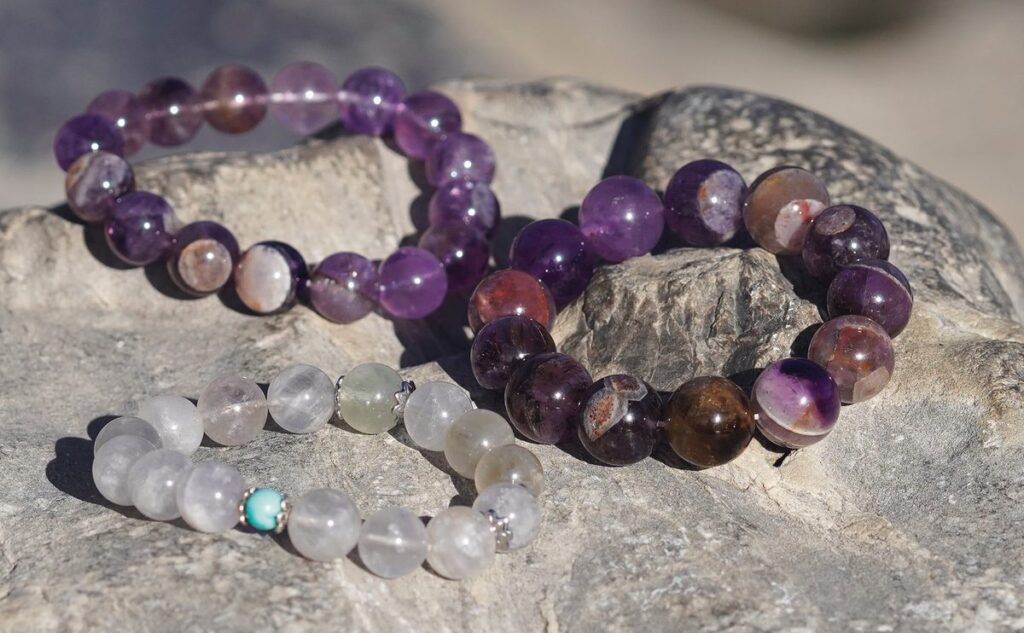
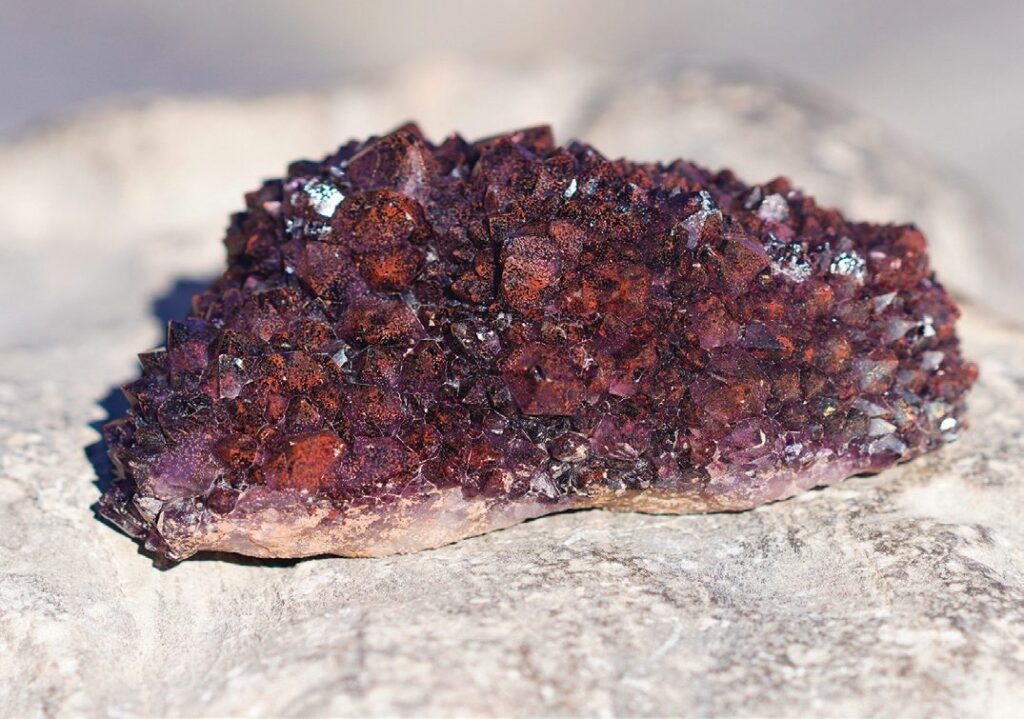
Each crystal—whether intact point, matrix piece, or polished form—retains evidence of its geological history:
- Banding reflecting fluctuating thermal and chemical conditions;
- Hematite “crown” terminations indicating late-stage oxidation events;
- Multi-phase inclusions documenting prolonged mineral transport within hydrothermal pathways.
These features position Auralite-23 as a valuable reference material in studying shield-type hydrothermal systems and contribute to discussions surrounding locality-specific quartz evolution in North America.
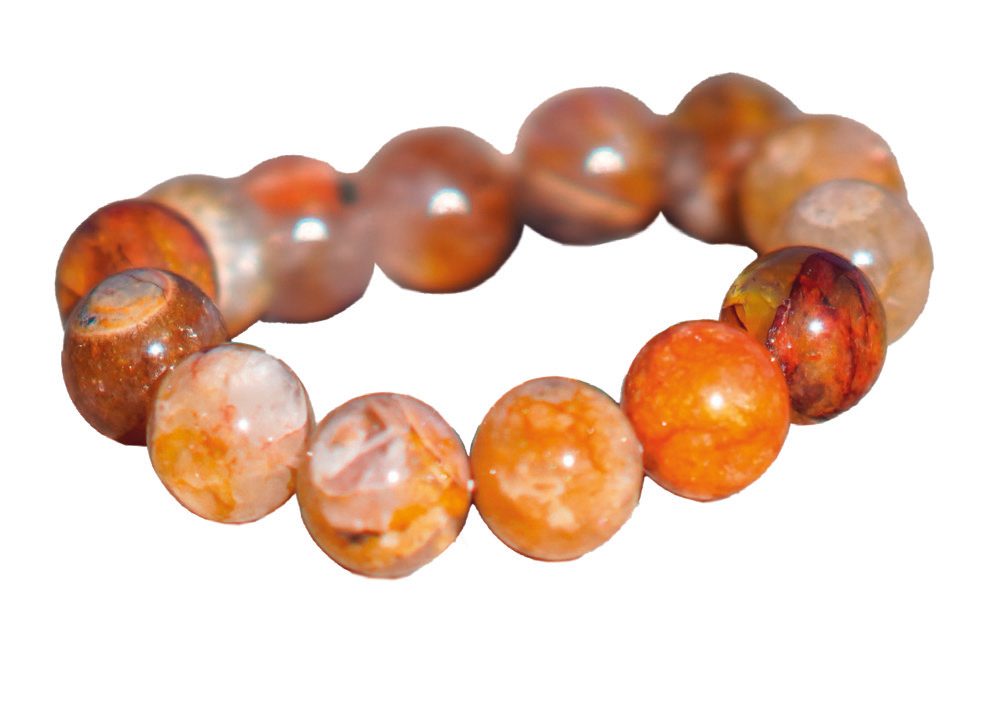
For collectors and gemologists, the stone offers traceable provenance, natural formation integrity, and mineralogical diversity beyond aesthetic value. For jewelry use, its untreated character and structural stability appeal to designers prioritizing origin narrative and natural crystal texture.
As interest increases in ethically sourced North American minerals, Auralite-23 quietly reinforces the role of locality and geological context in modern gem scholarship.
About the Author
Fiona Jing Tan is a gemologist and jewelry appraiser specializing in origin-specific gemstones and Canadian mineral localities, with field research experience in Thunder Bay’s quartz occurrences and other Shield-type environments.