
Written by Theodore Rozet & Valentin Fejoz
- Limited to 1,000 Copies
- Price: US$150 / 5,000 THB per copy (plus shipping and handling)
- Pages: 610
- Dimensions: 176×250 mm (6.93×9.84 inches)
- Weight: 2.00 kg (4.40 lb)
- Full color throughout
Theodore Rozet is managing partner of Bellerophon Gemlab Group, and has built solid expertise in the field by leading the Bangkok lab for more than seven years. A well-published specialist in colored gemstones and spectroscopy, he is passionate about photomicrography. Valentin Fejoz is the current director of the Bellerophon Gemlab in Bangkok, and has previously authored two books, 'Le Guide d'Indentifcation des Gems' and 'Gems Fine Art.' An accomplished writer and expert in spectroscopy, he is also passionate about photomicrography. This book was born of the two authors' shared passion for the hidden and fascinating world of inclusions, brought to life through hundreds of stunning photomicrographs. Pushing the boundaries of traditional gemological imaging, they used Bellerophon's Keyence VHX-7000 microscope, which allowed them to explore these inclusions in magnif ications ranging from 20x to 2500x. While these tiny 'imperfections' offer clues to the origin of the emeralds and their formation, this book also reveals them to be incomparable works of gemstone art. Bellerophon Gemlab is a Paris-based gemological laboratory, with branches in Bangkok and Colombo, and is well known for gem analysis, treatment detection, and origin determination. With the support of its CEO, Martial Curti, Bellerophon provided material and financial support for this book project.
Reviewed by Cynthia Unninayar, Editor, InColor
Includes over 1,000 photomicrographs, macro-photographs, maps, and diagrams.
or gemologists, mineralogists, aficionados, jewelers, collectors, and anyone fascinated by the hidden stories locked within gemstones, this 610-page scientific volume on emerald inclusions is an exceptional contribution to gemological literature.
FWhile the primary focus is the study of inclusions—the microscopic features trapped within emerald crystals during their formation—the book is far more than a technical reference. It offers a comprehensive overview of these beautiful gems, covering their geology, global sources, treatments, synthetic counterparts, and, perhaps most impressively, an extraordinary photographic collection that showcases some of the world's finest emerald specimens.
The book begins with an introduction and overview of emeralds, explaining why this variety of beryl has captivated civilizations for thousands of years. It explores the chemistry behind emerald coloration, the geological environments that produce these remarkable gemstones, and the rarity that makes fine emeralds among the most prized colored gemstones in the world. Readers new to gemology will appreciate the clear explanations, while experienced professionals will value the scientific depth woven throughout the text.
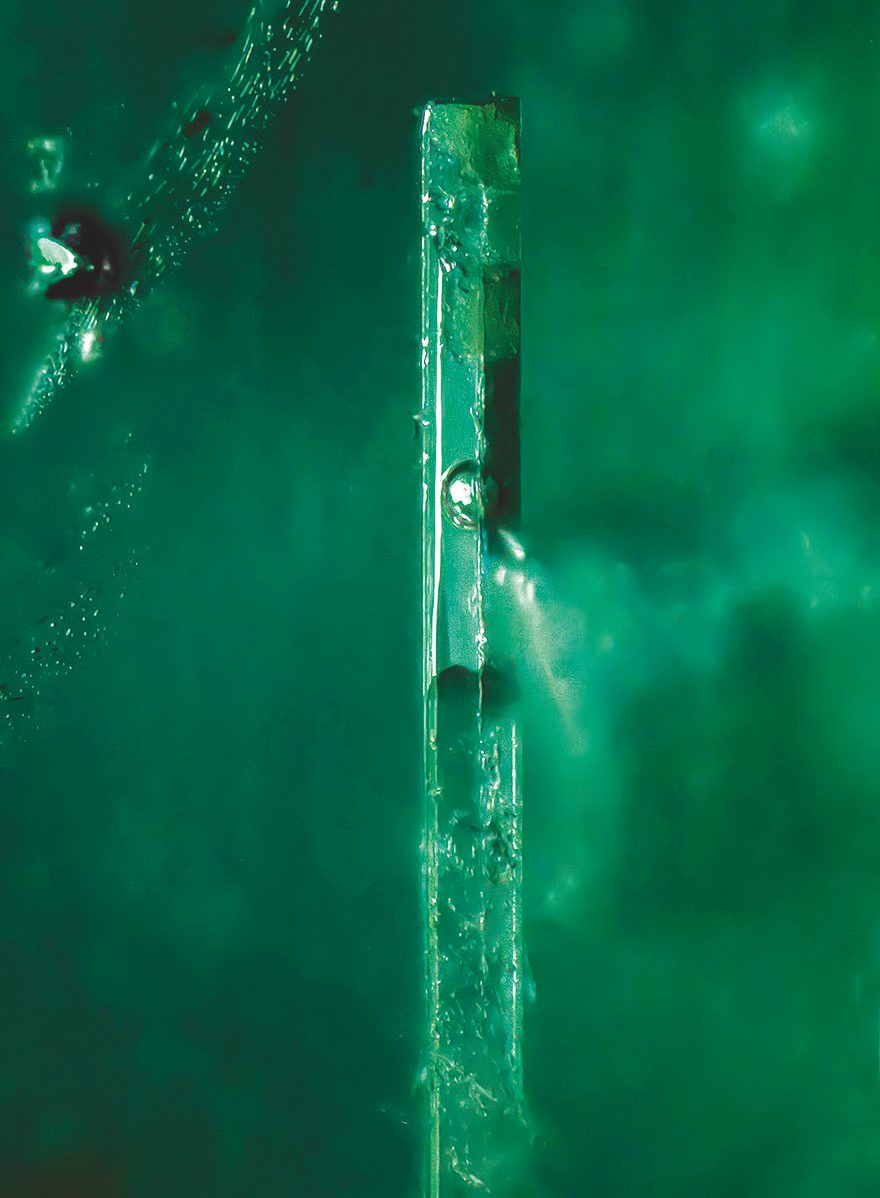
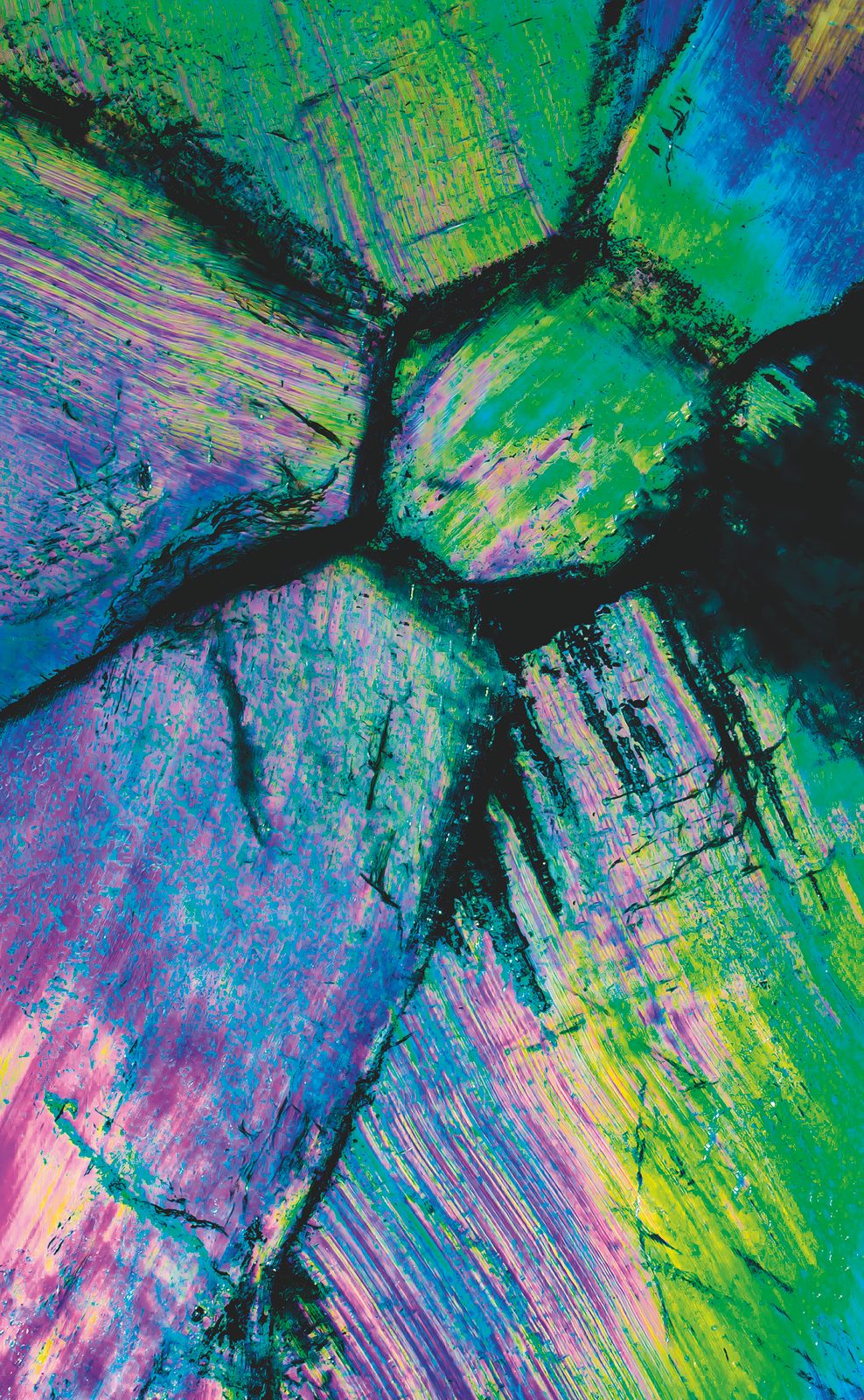
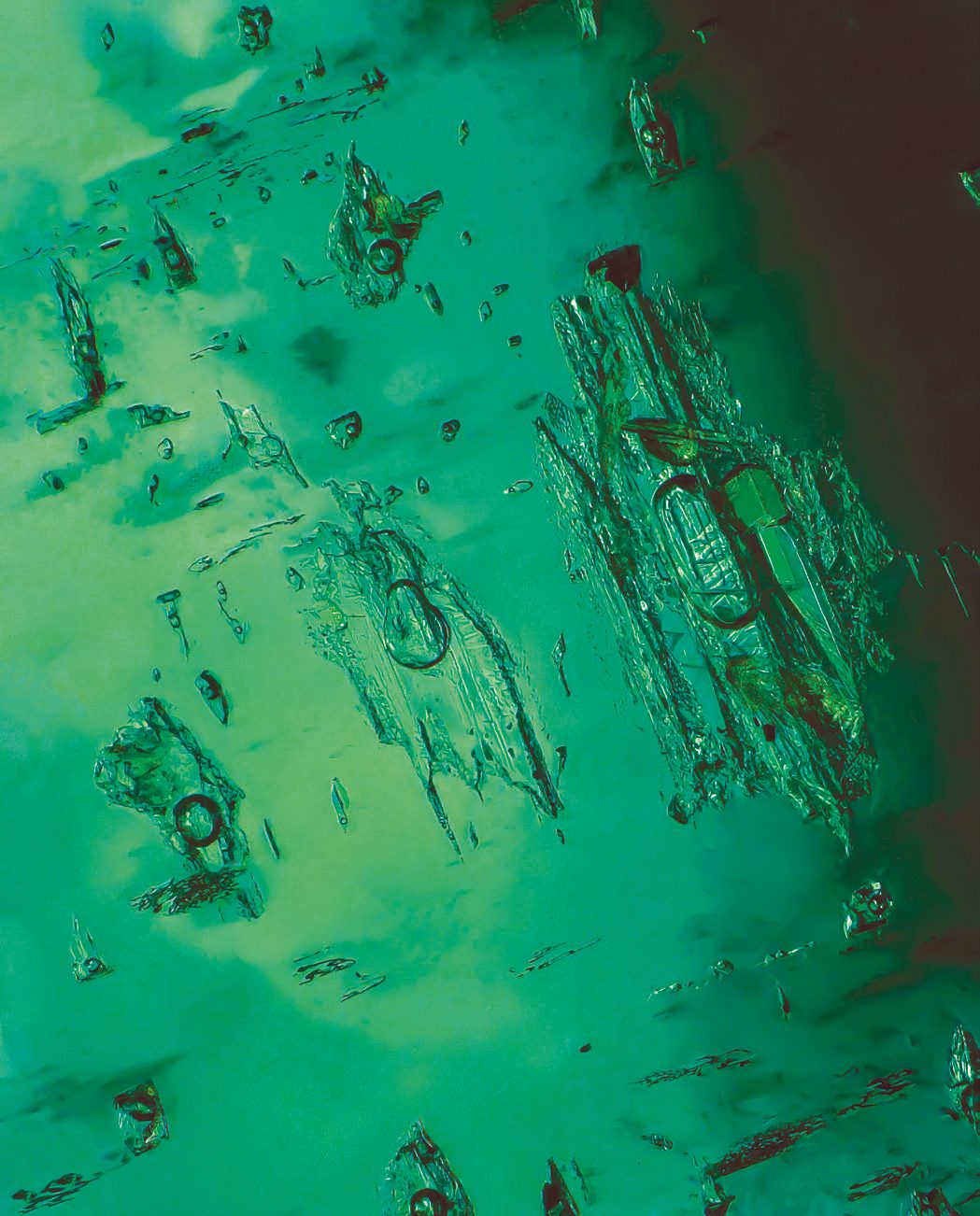
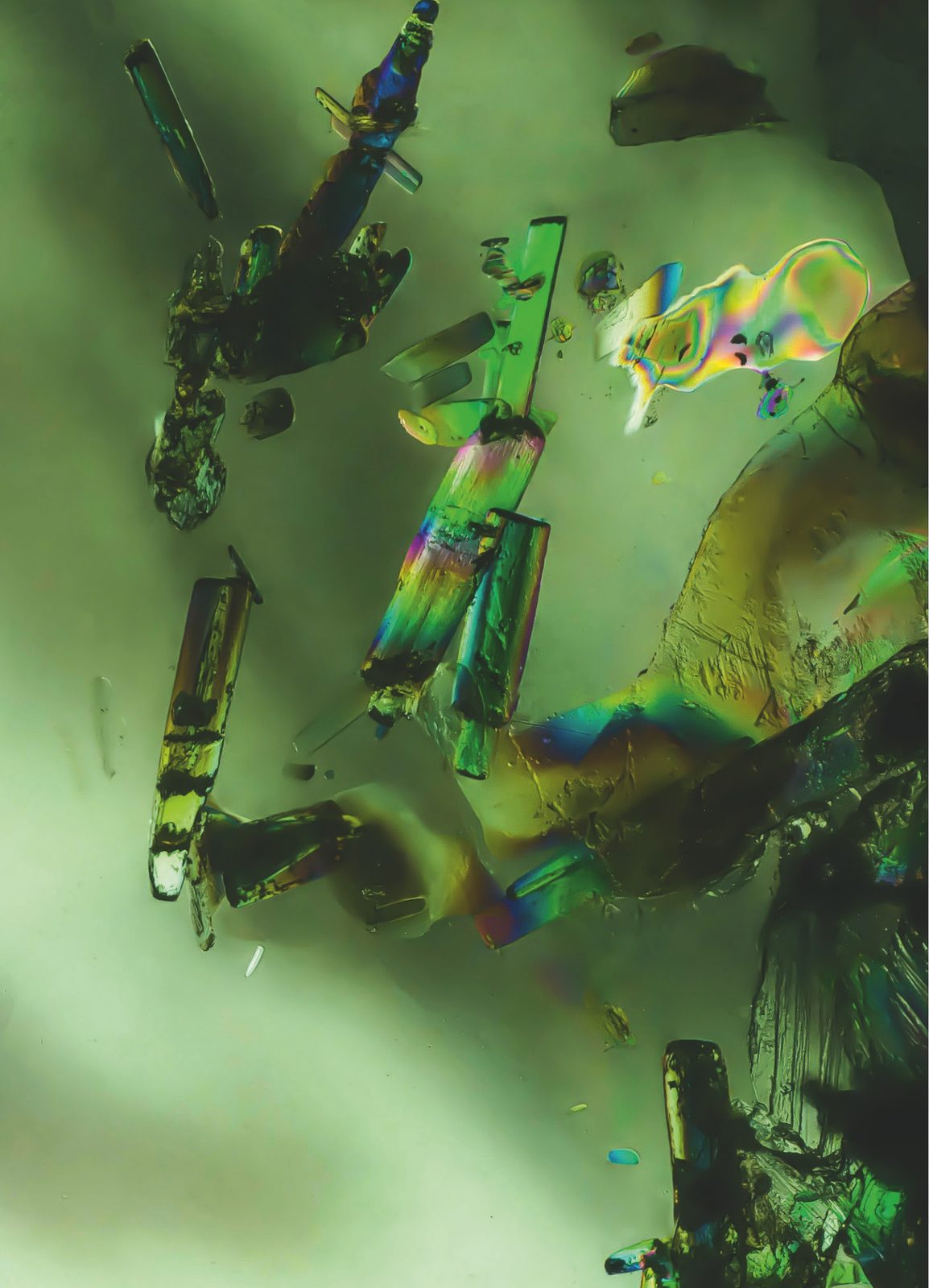
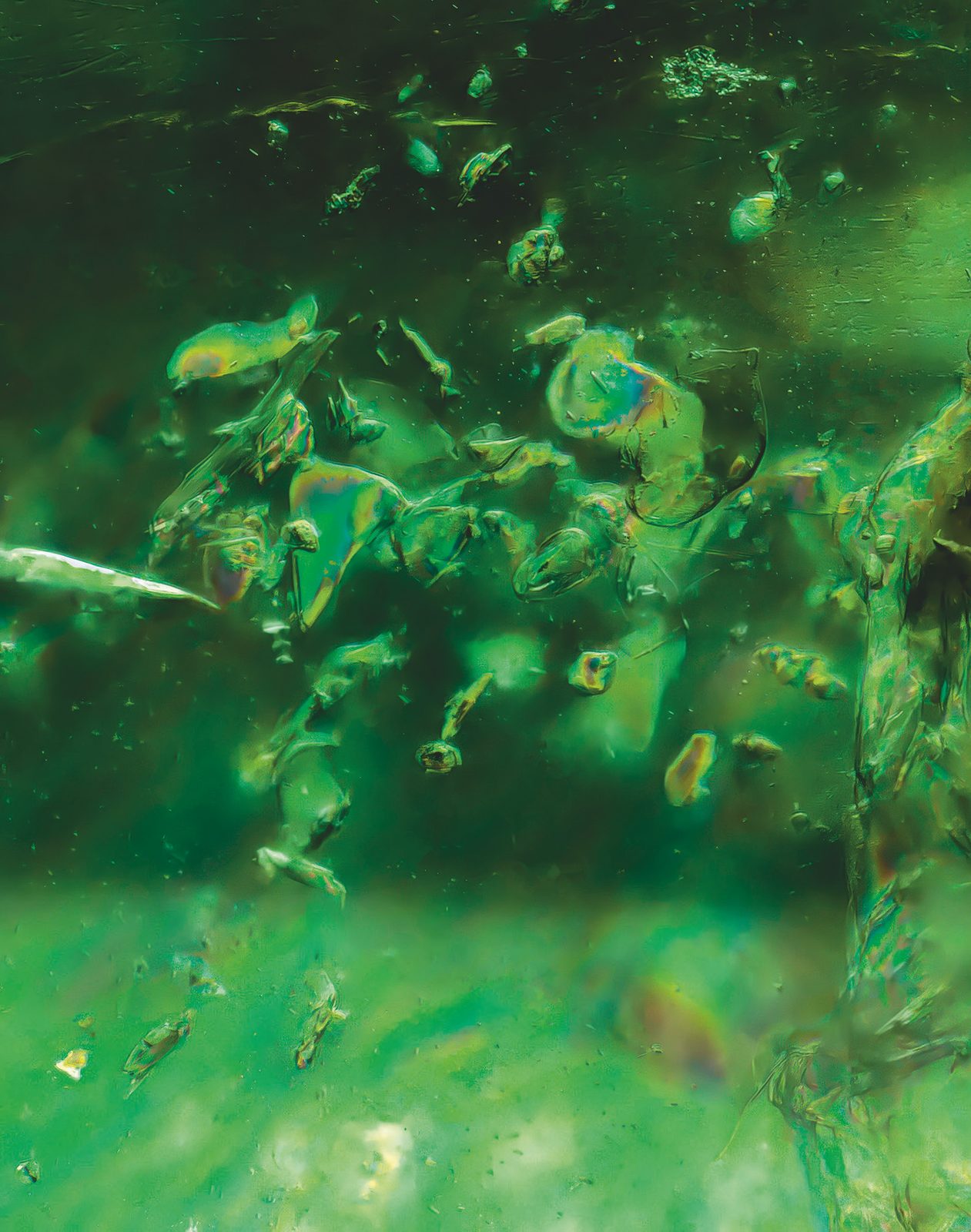
The heart of the book lies in its exhaustive examination of emerald inclusions. Rather than viewing inclusions simply as imperfections, the authors demonstrate how they serve as geological fingerprints that reveal a gemstone's history and origin. The types, shapes, and patterns of the inclusions—fluid, three-phase, growth tubes, crystals, fractures, etc.—are presented with meticulous detail. Spectacular and high-quality photomicrographs allow readers to appreciate these microscopic landscapes, transforming what might otherwise seem like abstract scientific concepts into fascinating visual discoveries.
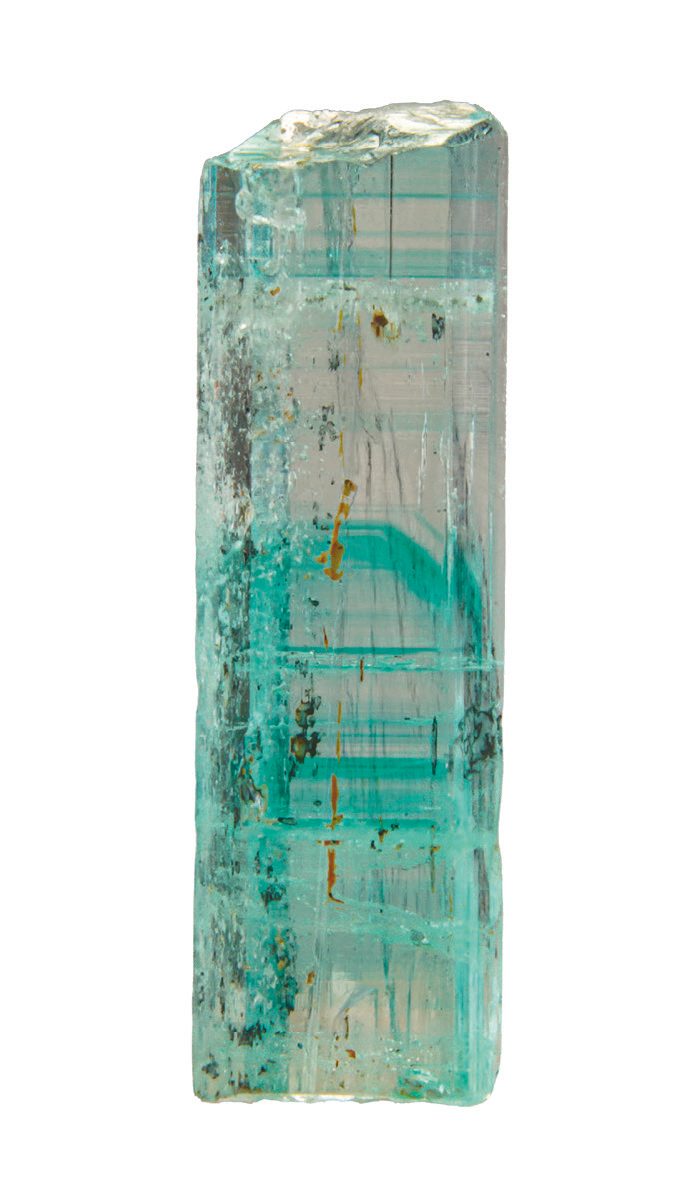

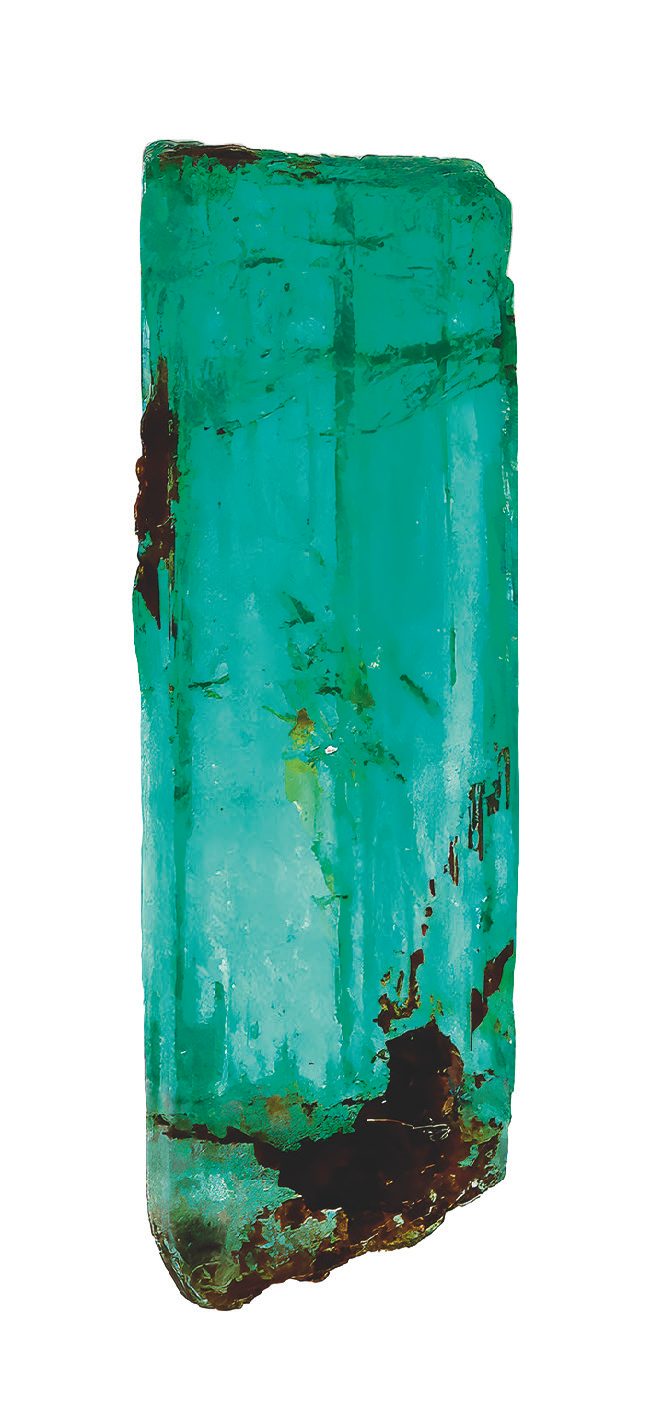
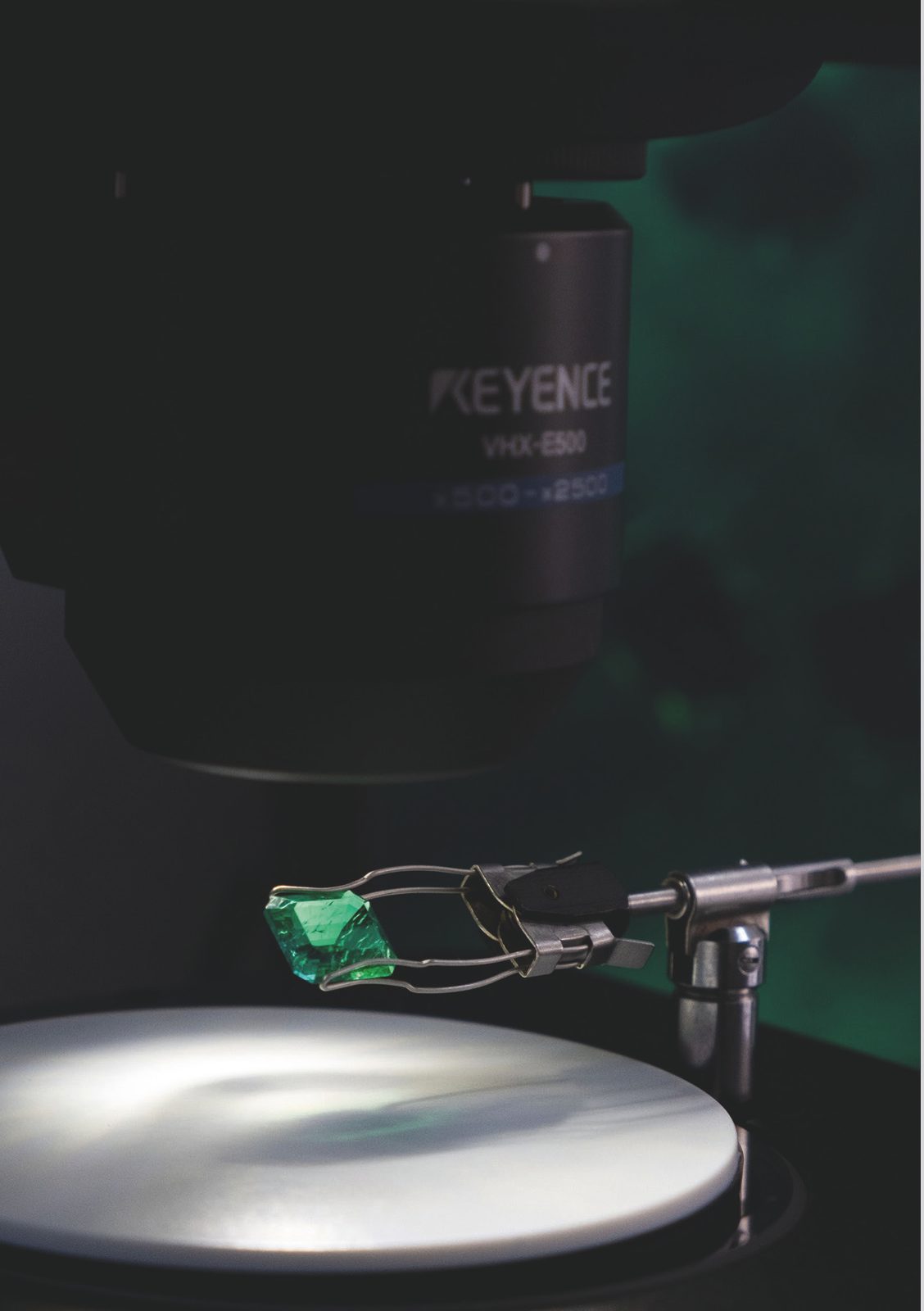
One of the book's greatest strengths is its global perspective. Emerald deposits from around the world are carefully documented, allowing readers to compare the distinctive inclusion characteristics associated with different mining regions. The legendary emeralds of Colombia receive extensive coverage, including the remarkable trapiches, illustrating why they remain the benchmark for exceptional quality. Equally fascinating are discussions of emeralds from Zambia, whose geological history differs markedly from Colombian material and produces unique internal features.
The survey extends far beyond the better known sources. Emeralds from Afghanistan and Pakistan reveal the remarkable gemstones produced in the mountainous regions of Central Asia. Brazil's numerous deposits illustrate the diversity possible within a single country, while Russia's historic Ural Mountain emeralds provide insight into one of the world's classic mining localities.
Emerging sources—including Madagascar, Ethiopia, Tanzania, Zimbabwe, South Africa, China, Australia, and Austria, among others—are represented with informative descriptions and beautiful photographs. This broad geographic coverage makes the book an invaluable comparative reference for professionals involved identification and origin determination.
The photography deserves special recognition. Every chapter is enhanced by crisp, colorful images that capture the external beauty and the internal complexity of emeralds. The macrophotography of emeralds and emerald art highlights the vivid green hues that have made emeralds legendary, while the microscopic images reveal intricate inclusion scenes that resemble miniature works of art. The pairing of natural gem photographs with corresponding photomicrographs enables readers to connect external appearance with internal structure, reinforcing the educational value of the book.
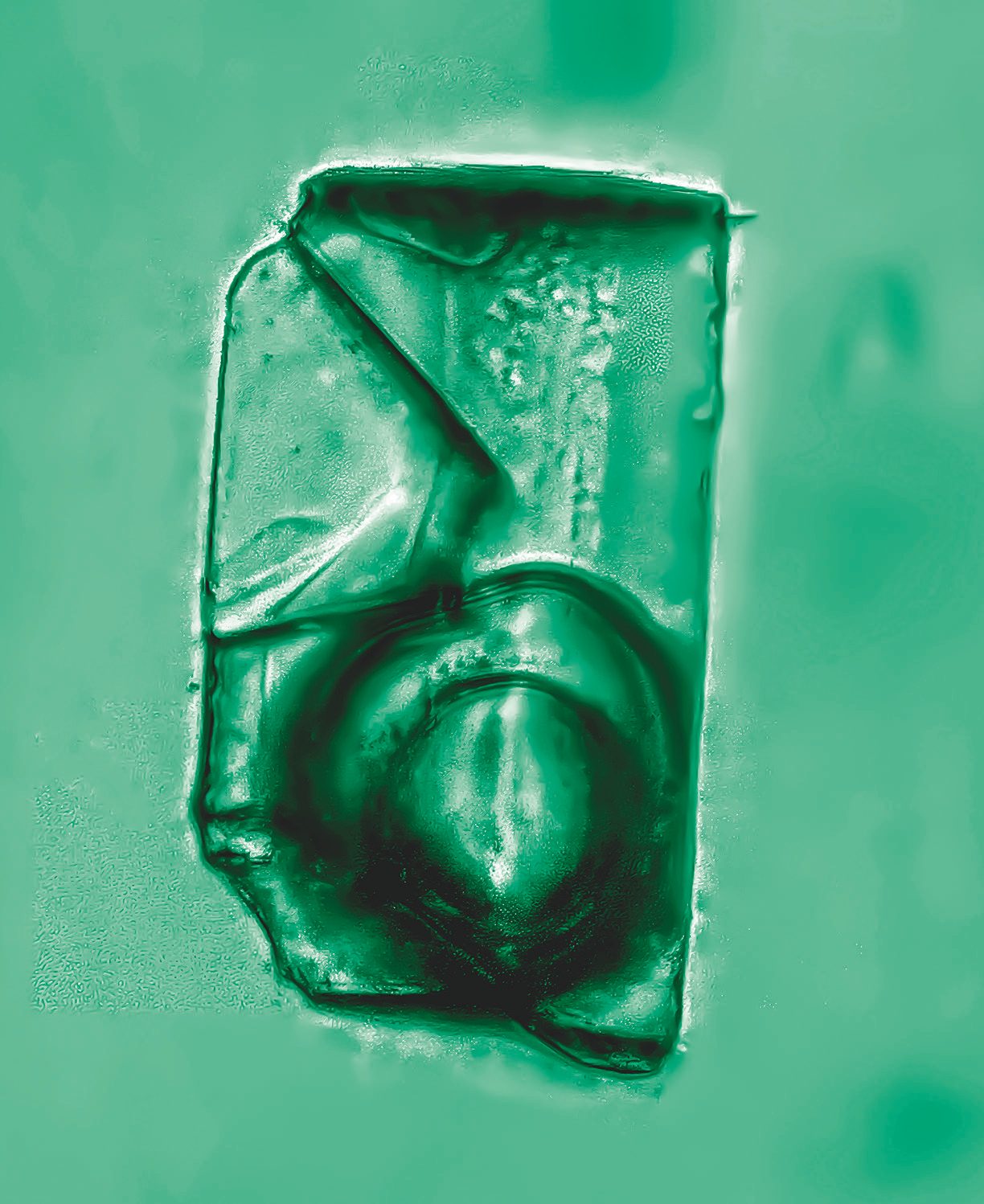
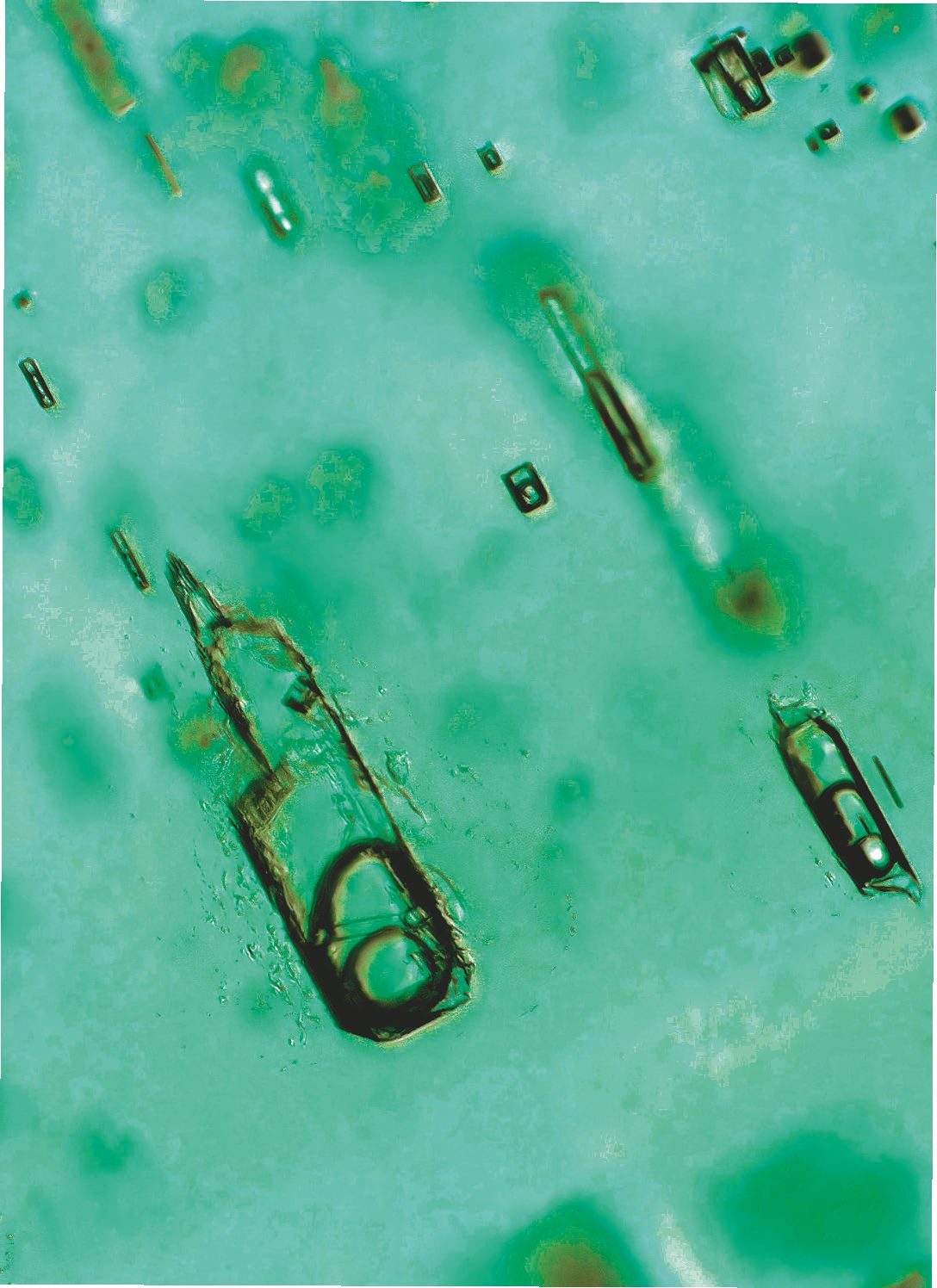
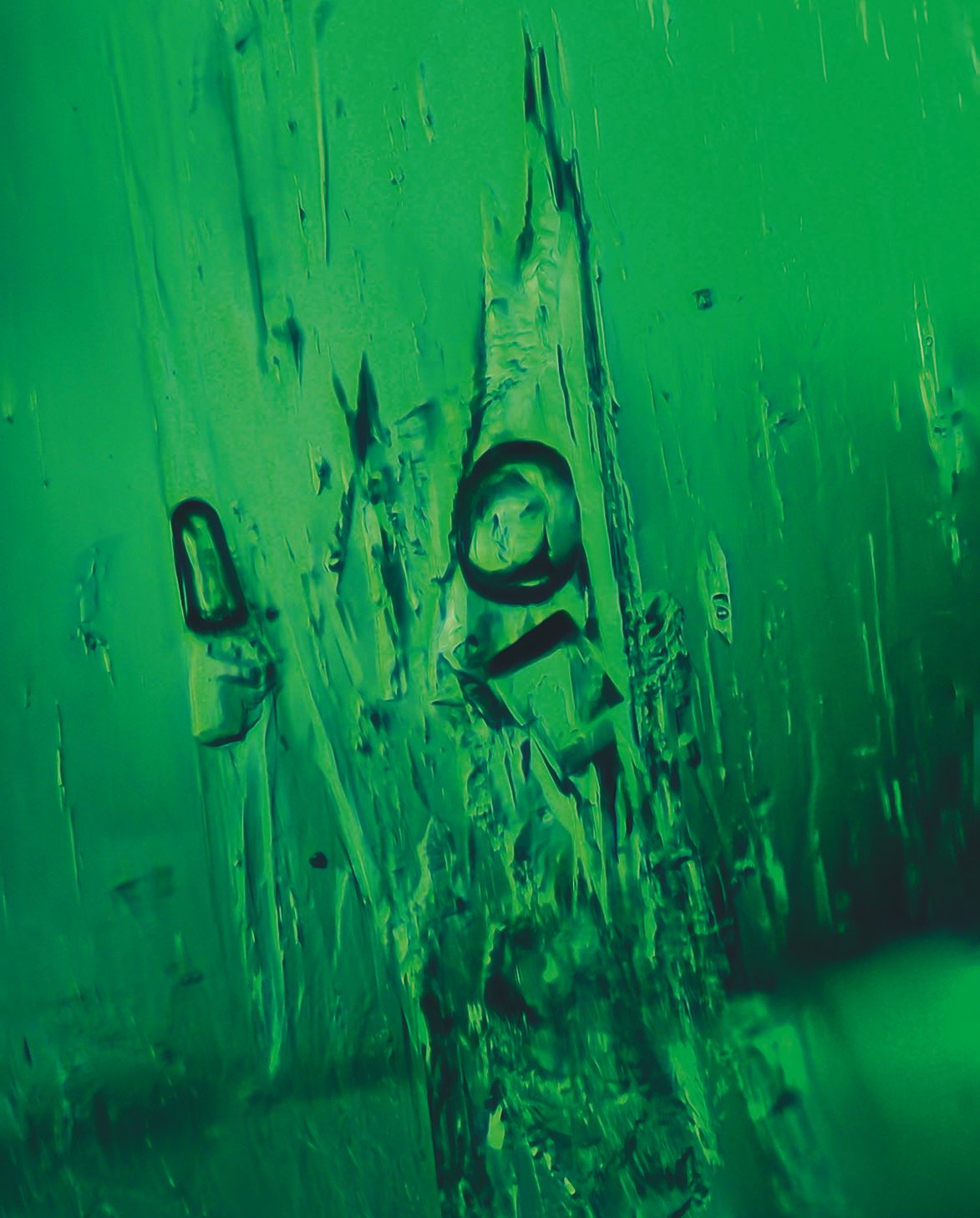
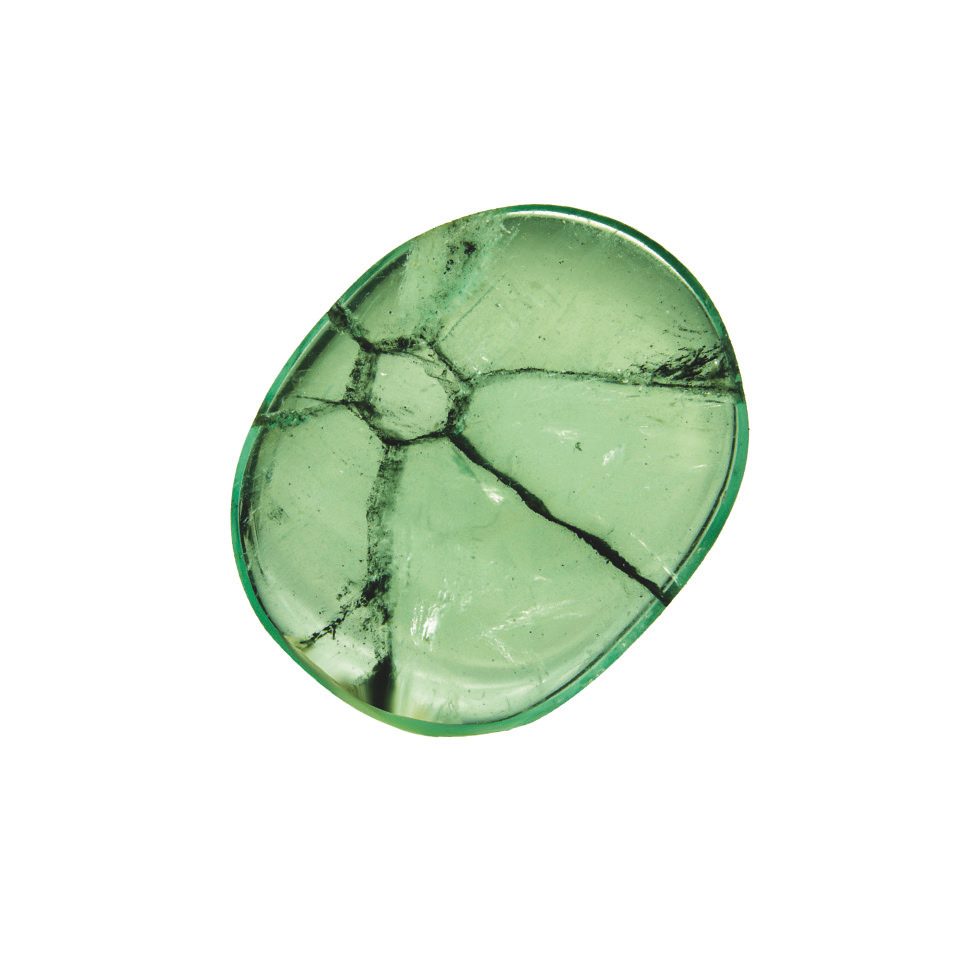
A well-formed 3.286-ct Muzo trapiche emerald.
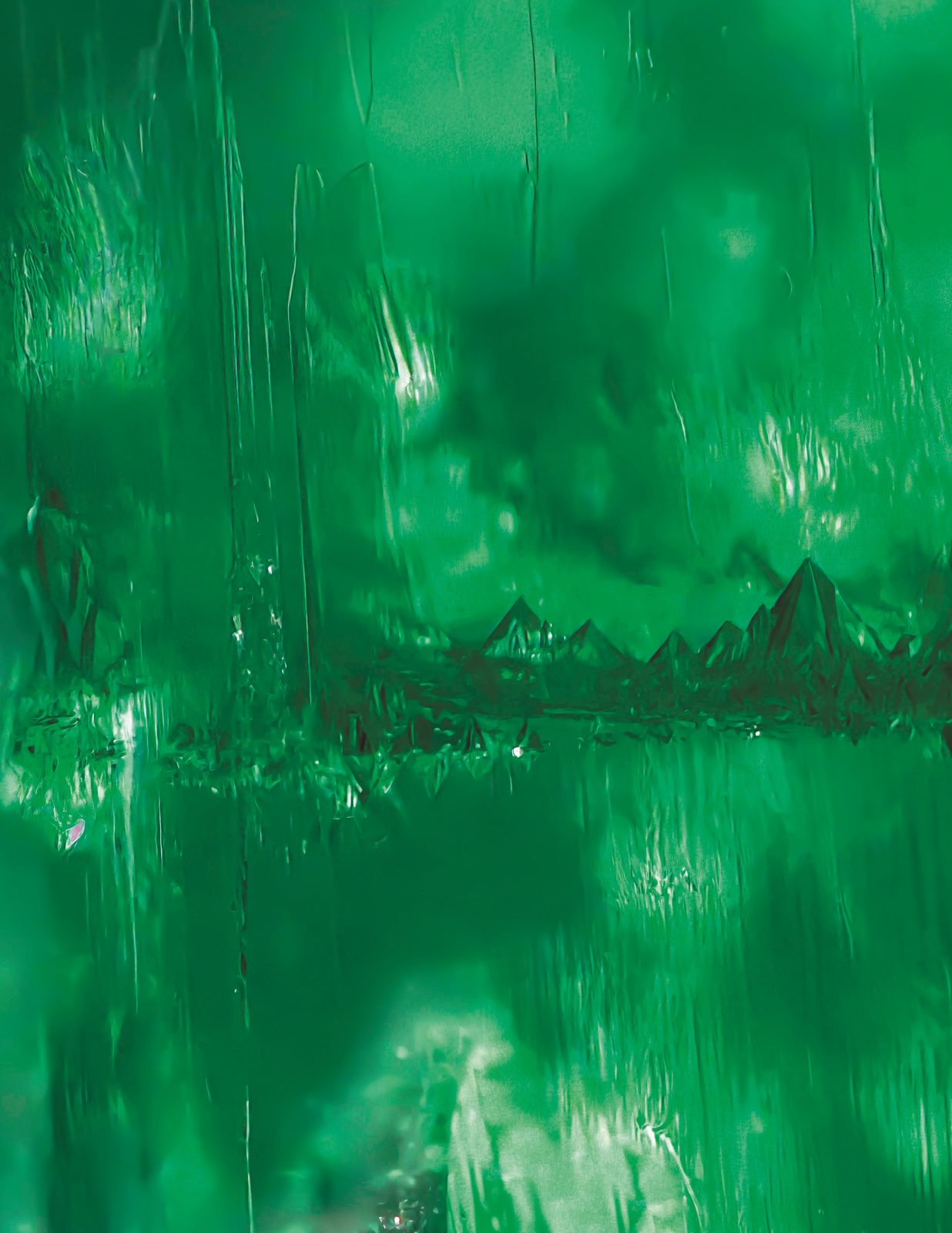
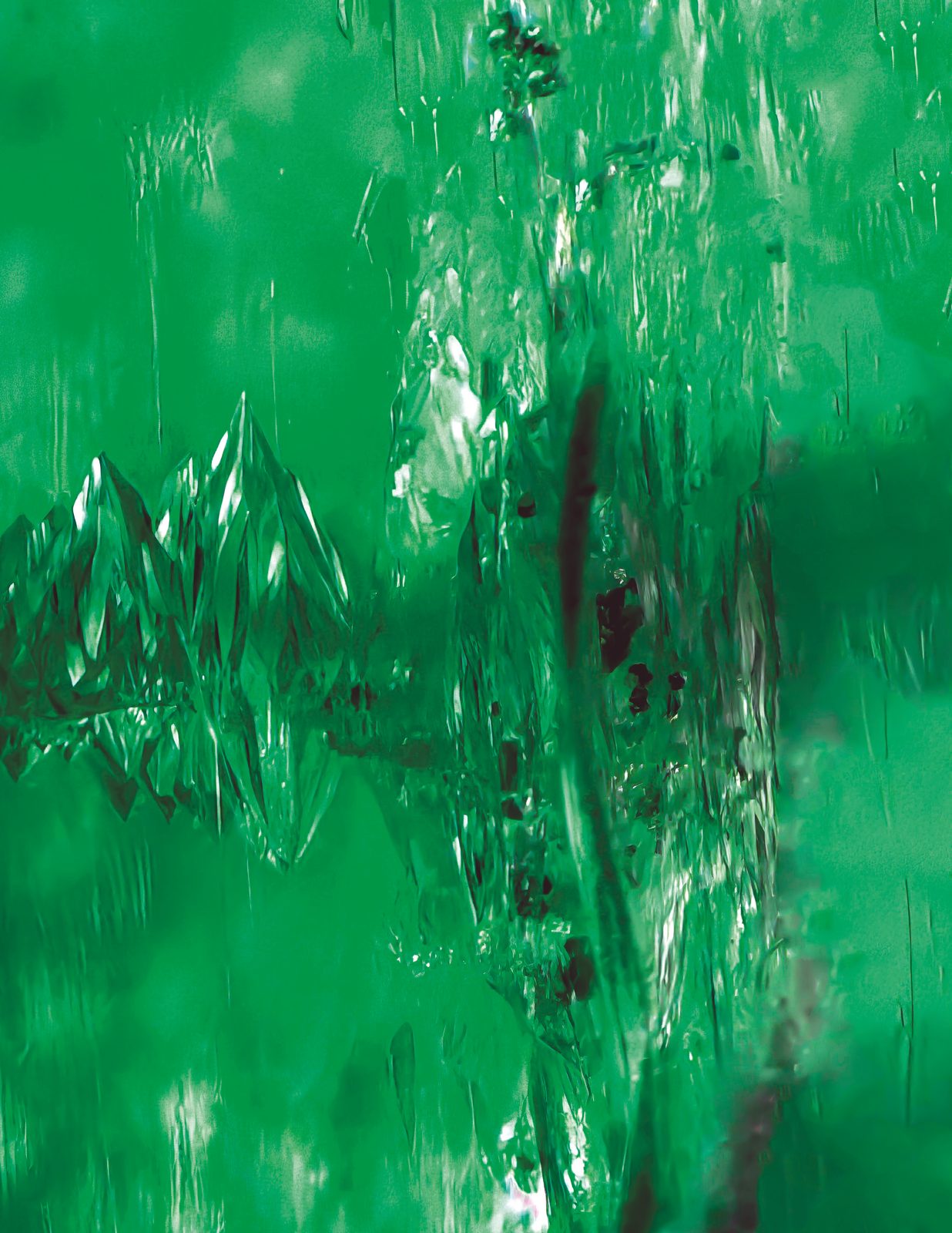
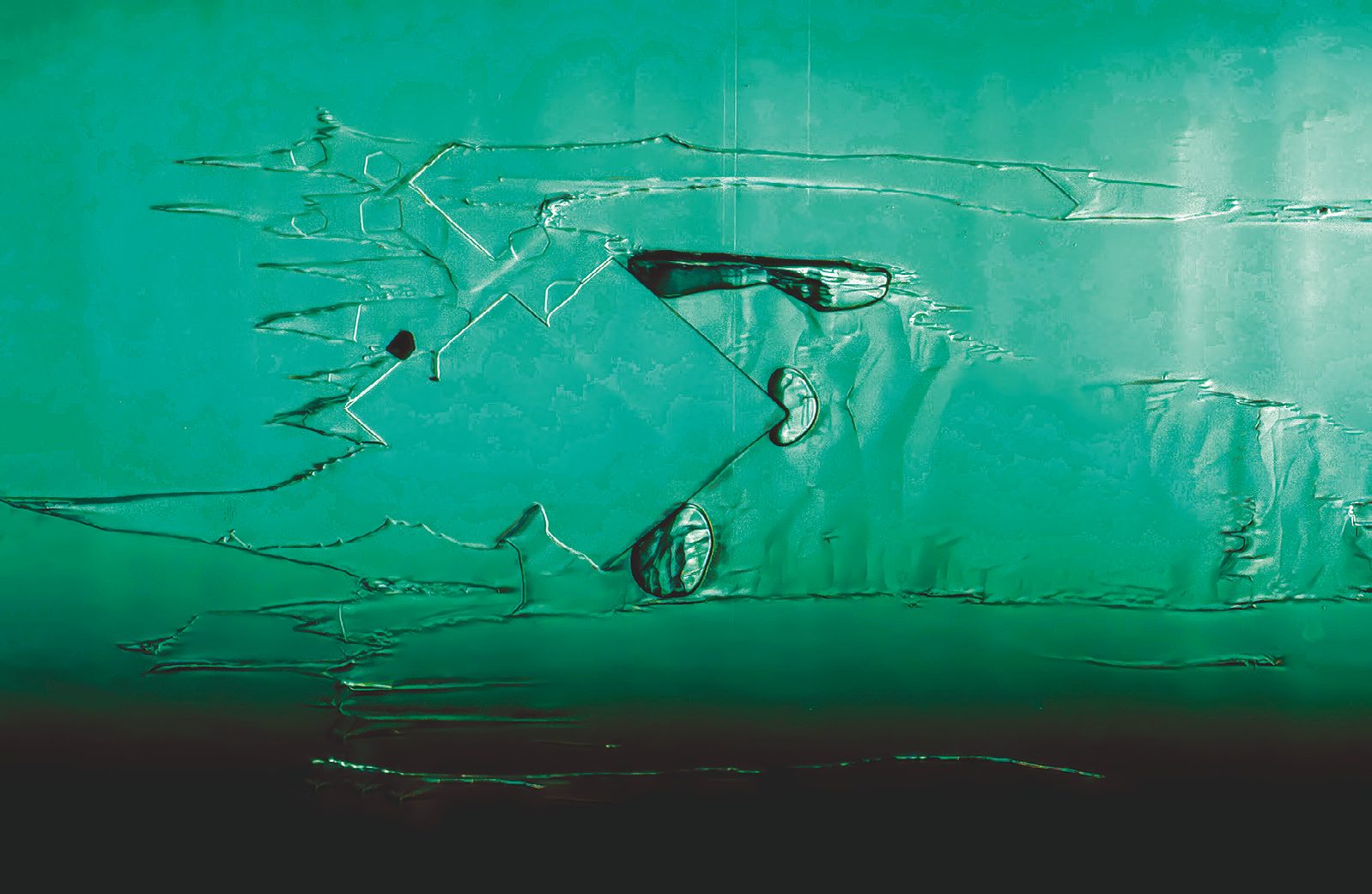
These three-dimensional like structures are growth cavity formations that resemble very sharp mountains with spike-like shapes. This feature that resemble very sharp mountains with spike-like shapes. This feature is present in many emeralds from Panjshir, Afghanistan. is present in many emeralds from Panjshir, Afghanistan.

Beyond natural emeralds, the author devotes attention to enhancement and treatment, subjects of practical importance in today's gemstone market. Oiling, resin filling, and other clarity-enhancement methods are explained, with discussions of how these treatments affect appearance, durability, disclosure, and valuation. Microscopic images illustrate the diagnostic features that allow gemologists to recognize treated stones, making this section particularly useful for laboratory professionals and appraisers.
Equally valuable is the comprehensive treatment of laboratory-grown emeralds. The book examines the history and evolution of these emeralds, comparing hydrothermal and flux-grown products with their natural counterparts. The accompanying photomicrographs demonstrate the diagnostic features that distinguish man-made material from natural emeralds. Rather than presenting lab-grown gems as mere imitations, the author acknowledges their scientific significance while emphasizing the importance of accurate identification and ethical disclosure.
Despite its scientific rigor, the writing remains engaging and approachable. Technical terminology is introduced thoughtfully and supported by abundant illustrations, allowing readers with varying levels of expertise to follow the discussion easily. The balance between scholarly research and visual presentation makes the book equally suitable as a teaching resource, laboratory reference, and even a small coffee-table volume for gemstone enthusiasts.
In sum, this is an outstanding scientific reference that successfully bridges gemological research with accessible education. Its combination of authoritative text, exceptional photomicrography, world coverage of emerald localities, detailed discussions of treatments and man-made emeralds, and remarkable photographs of natural specimens make it one of the most comprehensive works available on the subject.
Whether used by gemologists, museum curators, gemstone dealers, researchers, students, or serious collectors, this book stands as both an indispensable identification guide and a celebration of one of Nature's most captivating gemstones.