

There is a quiet poetry to spinel—a gemstone that has adorned the crowns of kings, yet spent centuries living under another’s name. In the soft glow of a jeweler’s lamp, its fire feels familiar—like the embers of ruby, the blush of sapphire, the neon of tourmaline—and yet, it belongs wholly to itself.
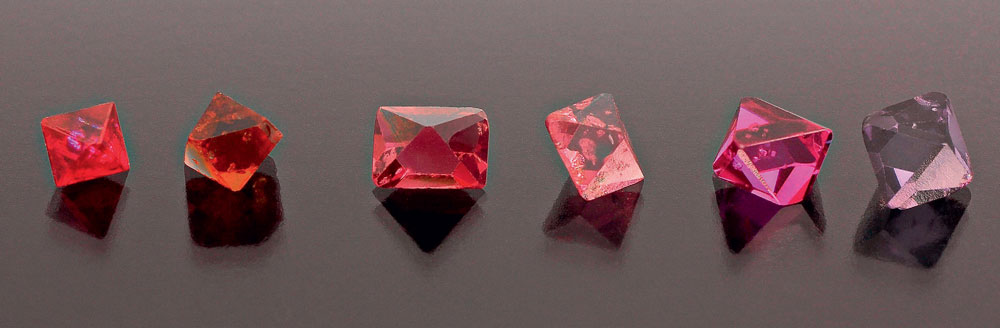
For generations, spinel was the unsung hero of royal treasures, mistaken for its more famous cousin, the ruby. But in recent decades, it has emerged from the shadows, reclaiming its rightful place among the world’s most captivating gemstones. To rediscover spinel is to rediscover the story of beauty overlooked—and of resilience rewarded.
A Royal Impostor, Revealed

History remembers spinel as both muse and mystery. In the jeweled histories of Asia and Europe, few stones have played such a dramatic double role—adored by monarchs, misidentified by gemologists.
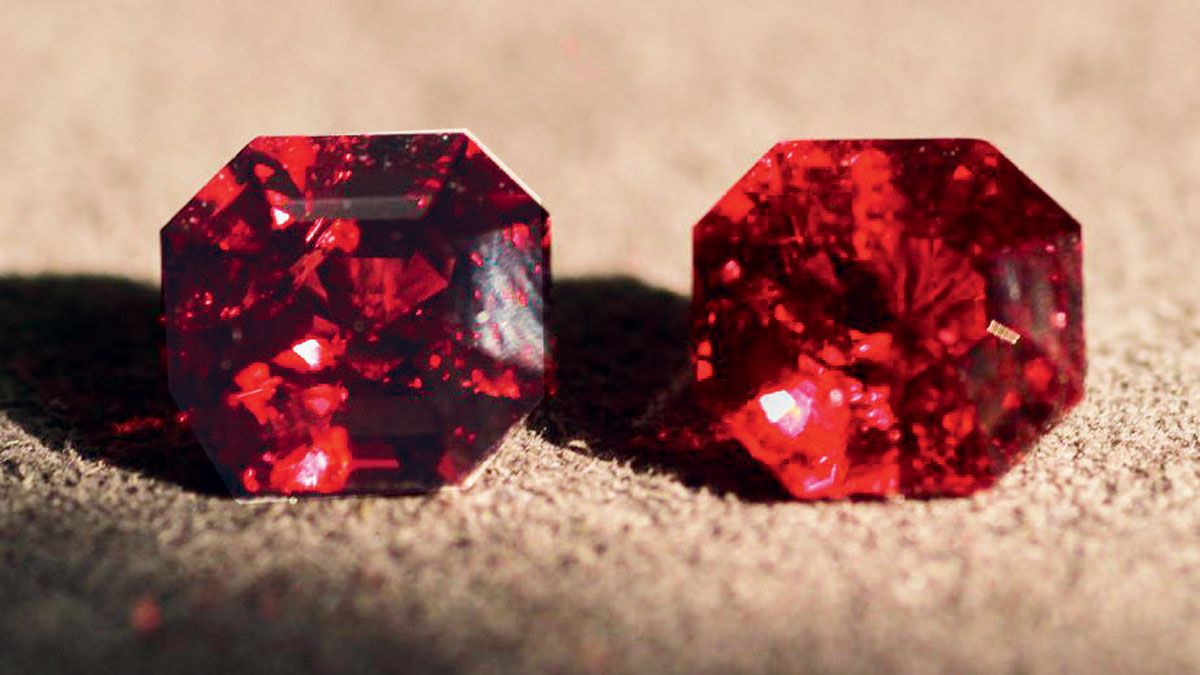
The most famous example lies atop the British Imperial State Crown, the so-called Black Prince’s Ruby. This deep crimson gem, gifted to England’s Edward of Woodstock in the 14th century, is not a ruby at all, but a large, unheated red spinel—its glow undimmed by seven centuries of history. Likewise, the Timur Ruby, inscribed with the names of Mughal emperors and now housed in the British Museum, is another magnificent spinel of royal descent.
Centuries before modern gemology, ruby and spinel were indistinguishable by eye. Both were mined from the same gravel beds of Central and South Asia, their colors overlapping in fiery shades of red and pink. It was only in the 18th century, with the advent of crystallography, that scientists finally separated them by their atomic structure. By then, spinel had already left its mark—not just on crowns, but on history itself.
A Spectrum of Fire
If ruby evokes passion and sapphire represents serenity, spinel embodies joy. The gem is unconfined, luminous, and endlessly diverse. It is one of the few gemstones that appears in nearly every hue that Nature can create.
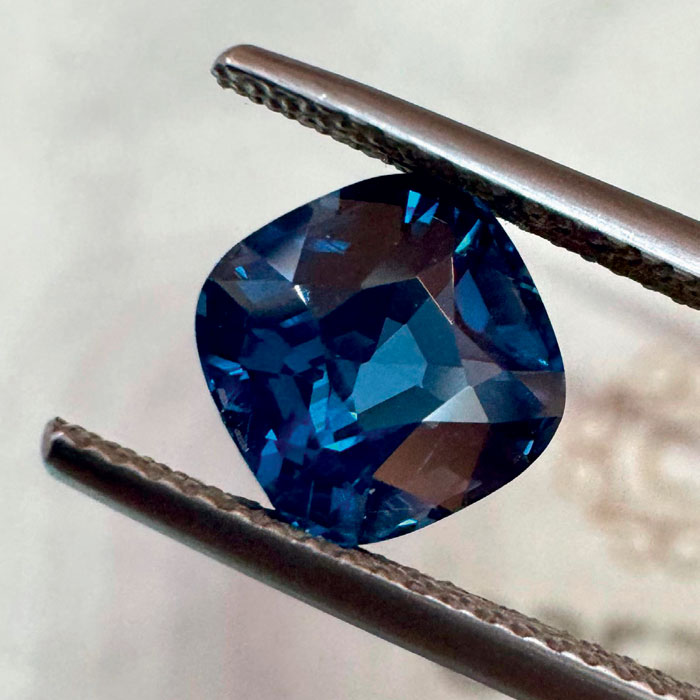
The reds and pinks, long celebrated from Burma’s storied Mogok Valley, range from delicate rose to vivid crimson. The lavender and lilac tones of Sri Lanka whisper elegance, while the cobalt blues of Vietnam’s Luc Yên region possess a brilliance that rivals fine sapphire. In recent years, the electric Jedi Spinels from Tanzania’s Mahenge—stones so vibrant they seem lit from within—have captivated collectors and designers alike.
Gemologically speaking, spinel’s beauty is rooted in its purity. It is almost always untreated, a rarity in today’s gemstone market. Its natural fluorescence gives certain colors—especially the hot pinks and reds—a glow that feels almost supernatural under sunlight. Spinel may have been misunderstood, but it has never been modest.

The Mines and Their Magic
Each spinel deposit tells a story, a narrative not just of geology, but of people and place.
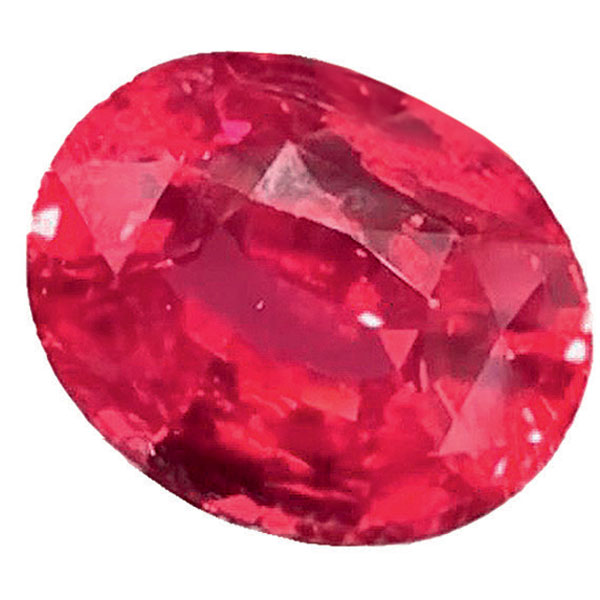
In Myanmar, miners still search the gravels of Mogok, where legends say that rubies and spinels were once guarded by mythical serpents. The spinels from this fabled valley are pure and vivid, often with a silky, glowing warmth that seems to radiate from beneath the surface.
Sri Lanka, known as the Island of Gems, offers a softer palette—pastel pinks, lilacs, and grays that carry a sense of refinement. Here, traditional river mining continues as it has for centuries, with families passing down both skill and reverence for the Earth.
Tanzania’s Mahenge gave the world something entirely new in 2007: a neon-pink spinel of extraordinary brightness. Dealers called them Jedi Spinels for their vivid, uncorrupted color—a playful term that has since entered the gemological vocabulary.
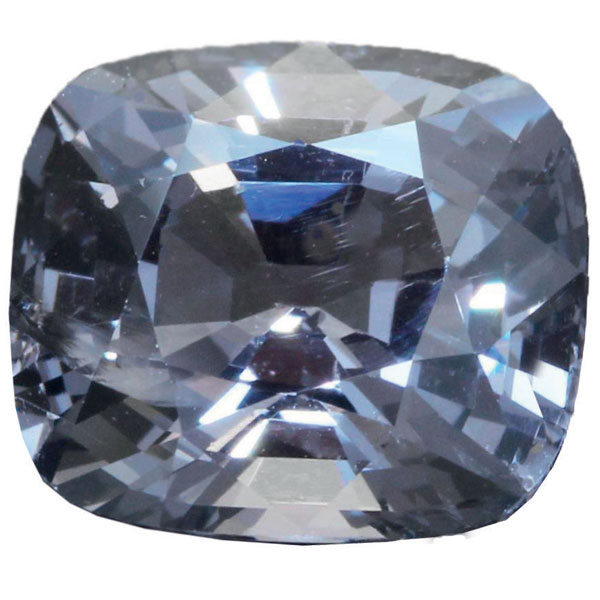
And in Vietnam’s Luc Yên and Madagascar’s remote deposits, a new generation of miners and gem cutters are adding colorful new chapters to spinel’s story, including blues and grays, proving that Nature’s palette is still far from exhausted.
The Modern Renaissance
In the last decade, spinel has undergone a transformation worthy of its mythic past. Once relegated to the margins of gem collections, it has now become one of the most sought-after colored stones among connoisseurs.
Several forces have driven this renaissance. First, the market’s growing appreciation for untreated, natural gemstones—those whose beauty comes directly from the Earth—has given spinel a distinct advantage.
Second, its remarkable color range and Mohs hardness of 8 offer jewelers creative freedom: from fiery reds that recall Burmese rubies to vibrant blues to cool grays that echo moonlight.
At international trade shows, from Hong Kong to Tucson, one can feel the shift in perception. Collectors, who once asked for sapphires, now pause at the sight of a vivid Mahenge pink. Designers seek out spinel for bespoke creations, drawn to its clarity and unpretentious elegance.
There is also an emotional aspect. Spinel feels authentic. It is a gem without pretense. In a market crowded with enhancements and marketing-driven prestige, its honesty resonates with a new generation of buyers who value transparency and individuality.
Why Spinel Matters Today
Collectors fall in love with spinel not because of its fame, but because of its feeling. There is something inherently joyful about holding a gem that glows without help, that doesn’t need enhancement to shine, that connects Nature’s wonder with human artistry.
Spinel also carries a quiet symbolism. Its resilience mirrors the human spirit—enduring centuries of mistaken identity, only to reemerge stronger and more admired. It teaches us that legacy is not defined by recognition, but by integrity.
As the world of fine gemstones continues to evolve, spinel stands as a bridge between past and present, between the royal treasures of Asia’s empires and the modern atelier’s bench. Its story is not just about mineralogy or market trends; it is about rediscovery, patience, and the enduring allure of truth revealed.
A Legacy Reborn
To understand spinel is to understand the evolution of connoisseurship itself. What was once considered “lesser” is now revered for precisely the qualities that make it unique: its purity, its character, its refusal to conform.
In a way, the rediscovery of spinel mirrors the journey of fine jewelry today—away from uniformity, toward individuality; away from status, toward substance. It is no coincidence that some of the most discerning collectors are now turning to spinel as the ultimate expression of understated luxury.
Every era has its gemstone muse. For ours—an age that values authenticity, story, and soul—spinel feels perfectly timed. It is the gemstone of revival: ancient in lineage, modern in spirit, and radiant in every sense of the word.

Rahul Jain is the Director of Caram, a family-run house of fine gemstones and jewelry that was founded in Germany in 1975, but built on over 250 years of gemstone heritage. Based in both Germany and Hong Kong, Rahul represents the seventh generation of his family in the gemstone trade. His work focuses on preserving connoisseurship, ethical sourcing, and the art of transforming rare gemstones into modern heirlooms.