As a Canadian gemologist and Canadian Accredited Jewellery Appraiser, I have come to think of Las Vegas Jewelry Week as far more than a series of trade shows. It is one of the few weeks each year when dealers, designers, manufacturers, retailers, miners, and collectors all come together, offering a unique opportunity to observe how our profession is evolving. This year was no different and each of the four main shows—JCK, Couture, Luxury, and the Las Vegas Antique Jewelry and Watch Show—not only showcased amazing products and new launches, but also continued to inform us about the evolution of the gem and jewelry industry.

The years immediately following the pandemic were defined by urgency. Retailers hurried from booth to booth, appointments ran behind schedule, and exhibitors struggled to keep pace with demand. Buyers often placed orders out of concern that inventory would disappear before they had another opportunity.
This year felt noticeably different. The official message remained optimistic. Organizers reported strong attendance and healthy business activity, reinforcing the resilience of the North American jewelry market. Yet, as I spent the week moving between conversations at JCK, a different theme emerged—one repeated by exhibitors representing colored gemstones, diamonds, pearls, and finished jewelry alike.
"It feels slower this year."
At first, that comment seemed difficult to reconcile with the steady flow of visitors throughout the exhibition halls. The aisles were busy, appointments remained full, and serious buyers were clearly present. What had changed was not the number of people attending, but the way they approached purchasing.
Retailers arrived with carefully planned schedules, defined budgets, and clear priorities. Less time was spent browsing. More time was devoted to asking detailed questions, comparing suppliers, and selecting products with greater intention. Several exhibitors remarked that although spontaneous booth traffic had softened, conversations had become longer and more productive.
Buyers were no longer purchasing because others were buying. Instead, they wanted confidence that every piece they selected deserved a place in their inventory. That shift was reflected in the questions being asked. Rather than focusing solely on what was selling well, buyers increasingly wanted to understand why a particular gemstone or collection stood apart. Provenance, craftsmanship, rarity, and traceability were no longer secondary talking points—they had become central to the purchasing decision.
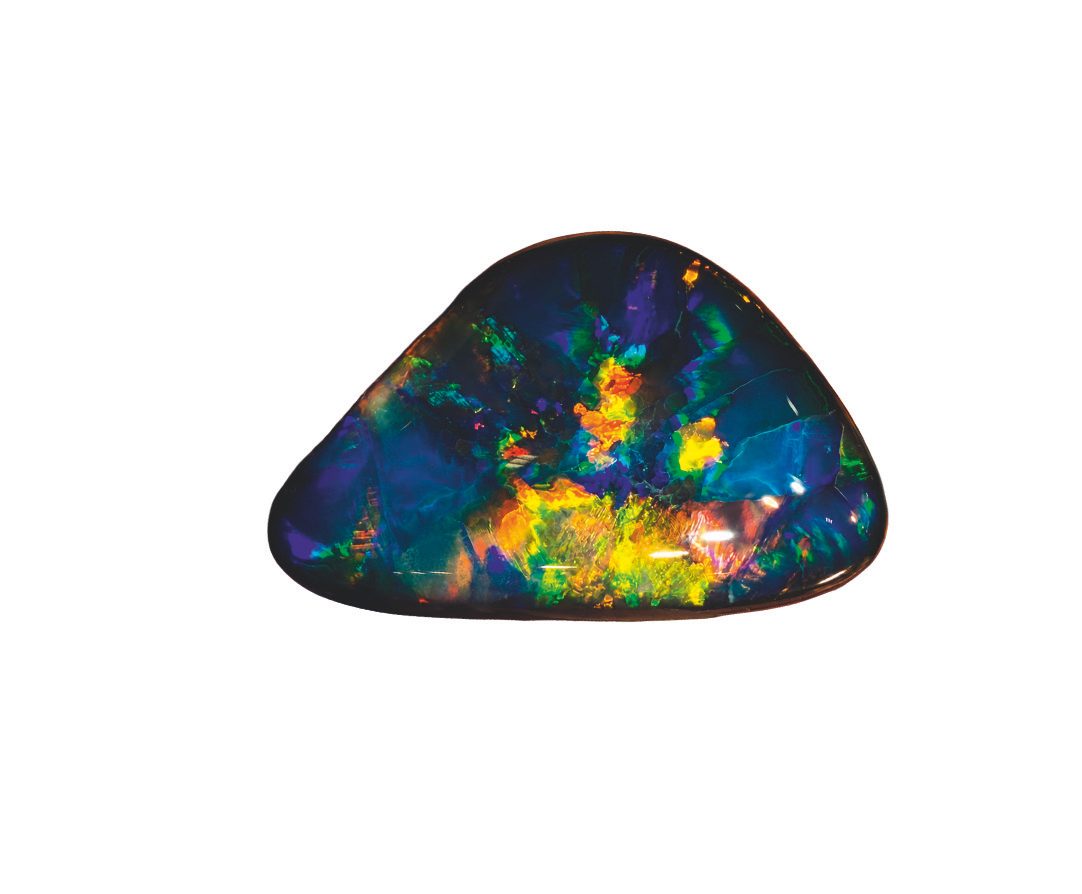
One trend was particularly difficult to ignore. Demand for exceptional natural-colored gemstones remained remarkably strong throughout the week. Dealers specializing in fine Colombian emeralds and high-quality natural rubies consistently described healthy demand for top material, with several noting that prices for truly exceptional stones are continuing to strengthen as supply becomes increasingly limited. While buyers were undoubtedly more selective, they showed little hesitation when presented with gemstones of outstanding quality and documented provenance.
Taken together, these conversations suggested that the shows were not experiencing weaker demand, but a more disciplined market. Buyers were still investing with confidence, but they were now simply investing with greater purpose. In many ways, Las Vegas Jewelry Week 2026 was less about buying more, and more about buying better.
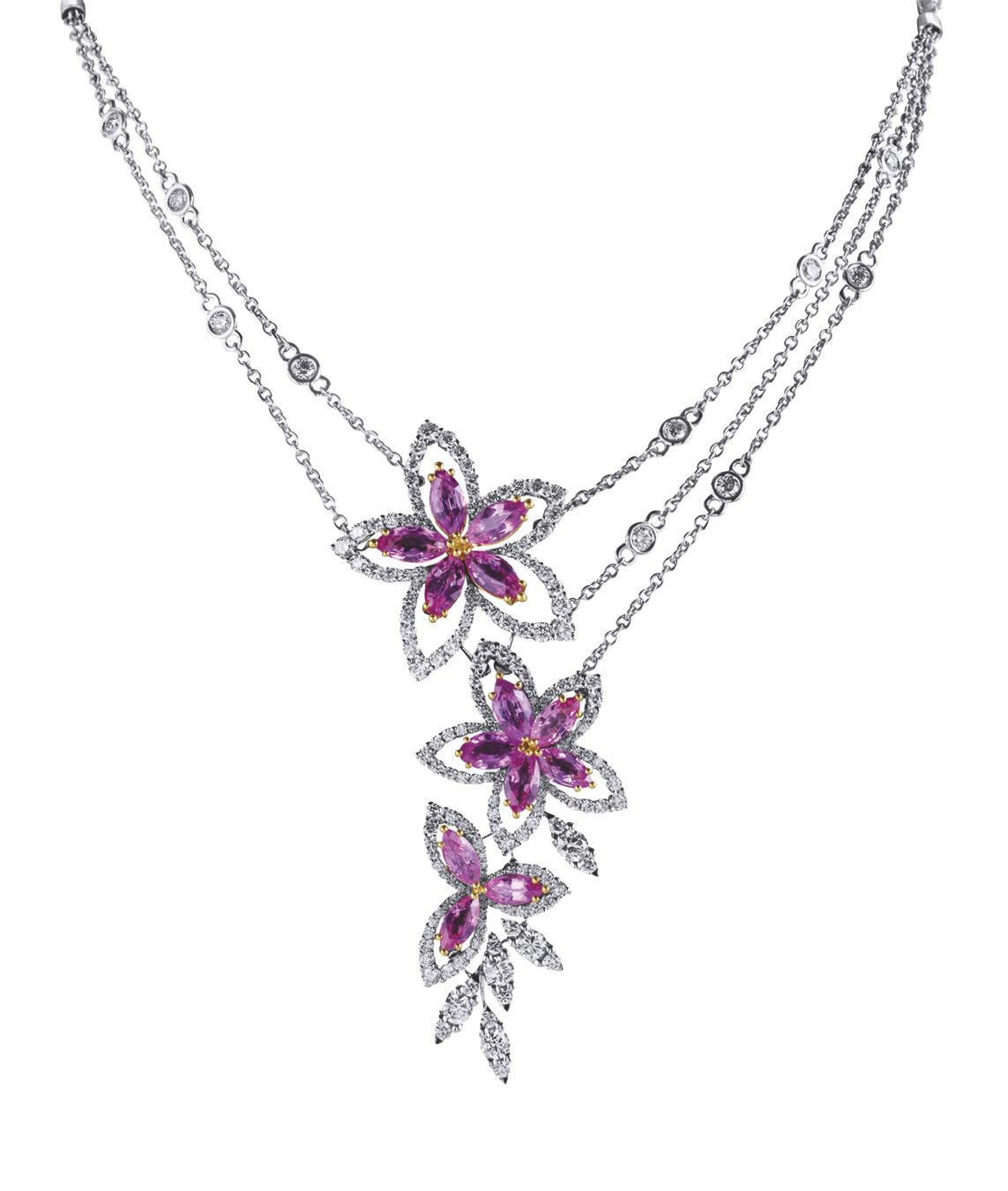
Redefining Luxury
If JCK demonstrated that buyers are becoming more selective, the Couture show revealed what they are choosing.
The atmosphere at Couture remained unmistakably optimistic. While exhibitors acknowledged the challenges posed by economic uncertainty and historically high gold prices, there was little indication that confidence had disappeared from the luxury sector. Instead, conversations suggested that the definition of value is continuing to evolve.
What interested me most was not whether high-end clients were still buying—they clearly were—but how they explained their purchasing decisions.
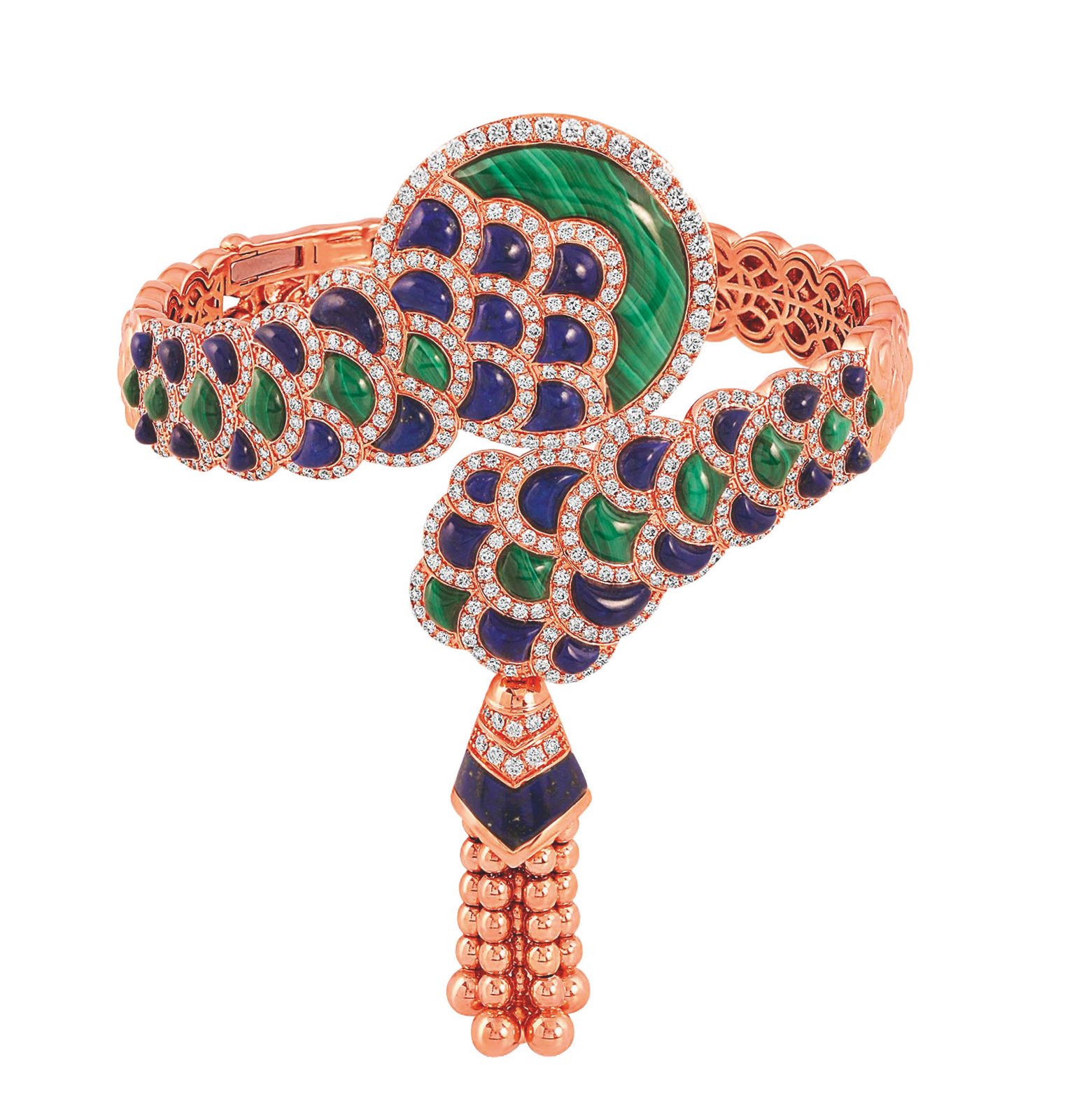
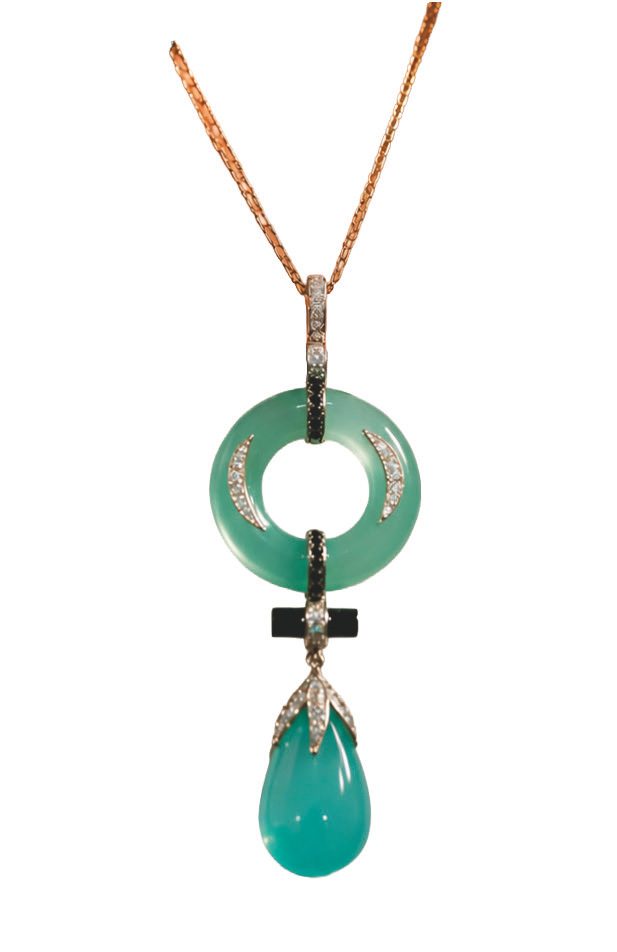
Across conversations with designers, gemstone dealers, and luxury brands, discussions rarely centered on trends alone. Instead, they focused on craftsmanship, originality, and the ability of a piece to tell a meaningful story. Buyers were looking for jewelry with a distinctive identity rather than simply following seasonal fashion.
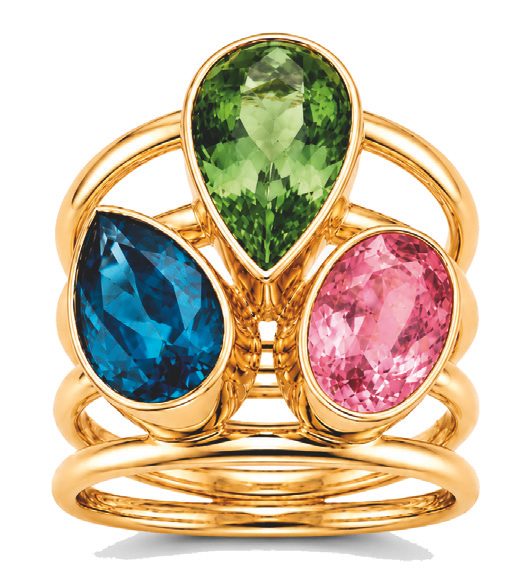
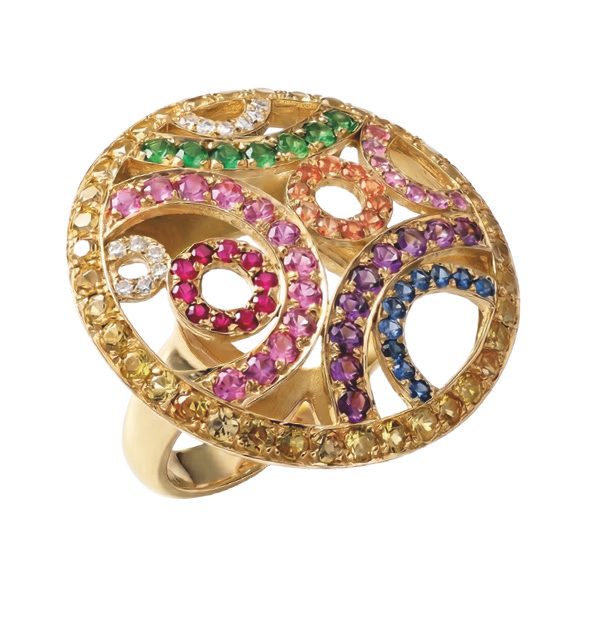
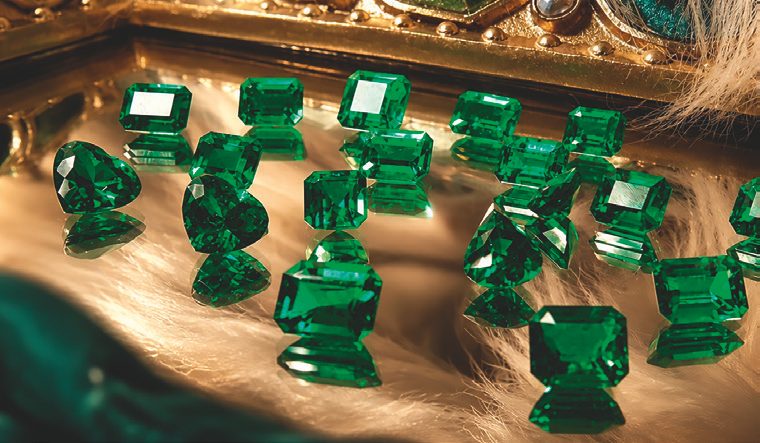
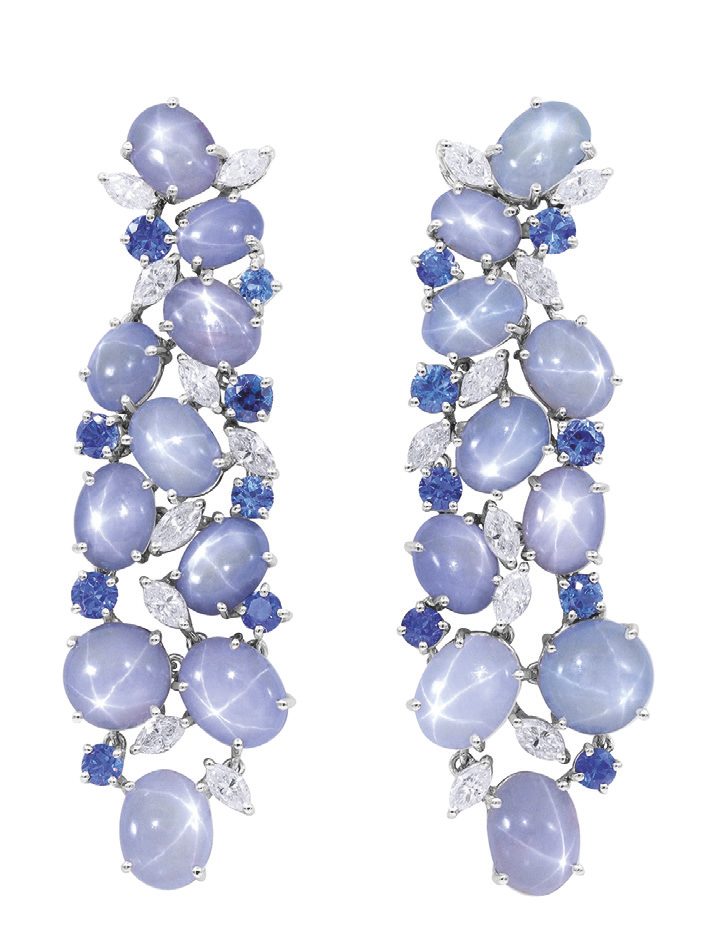
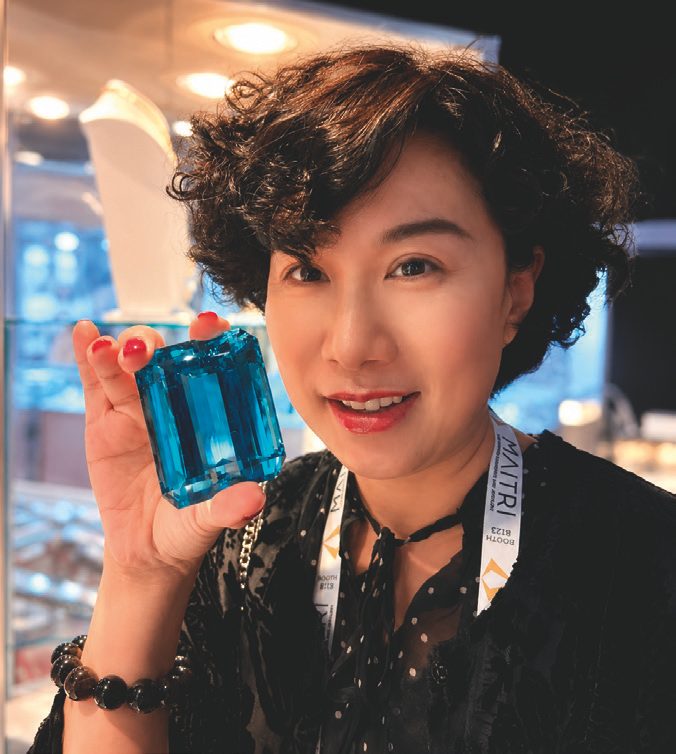
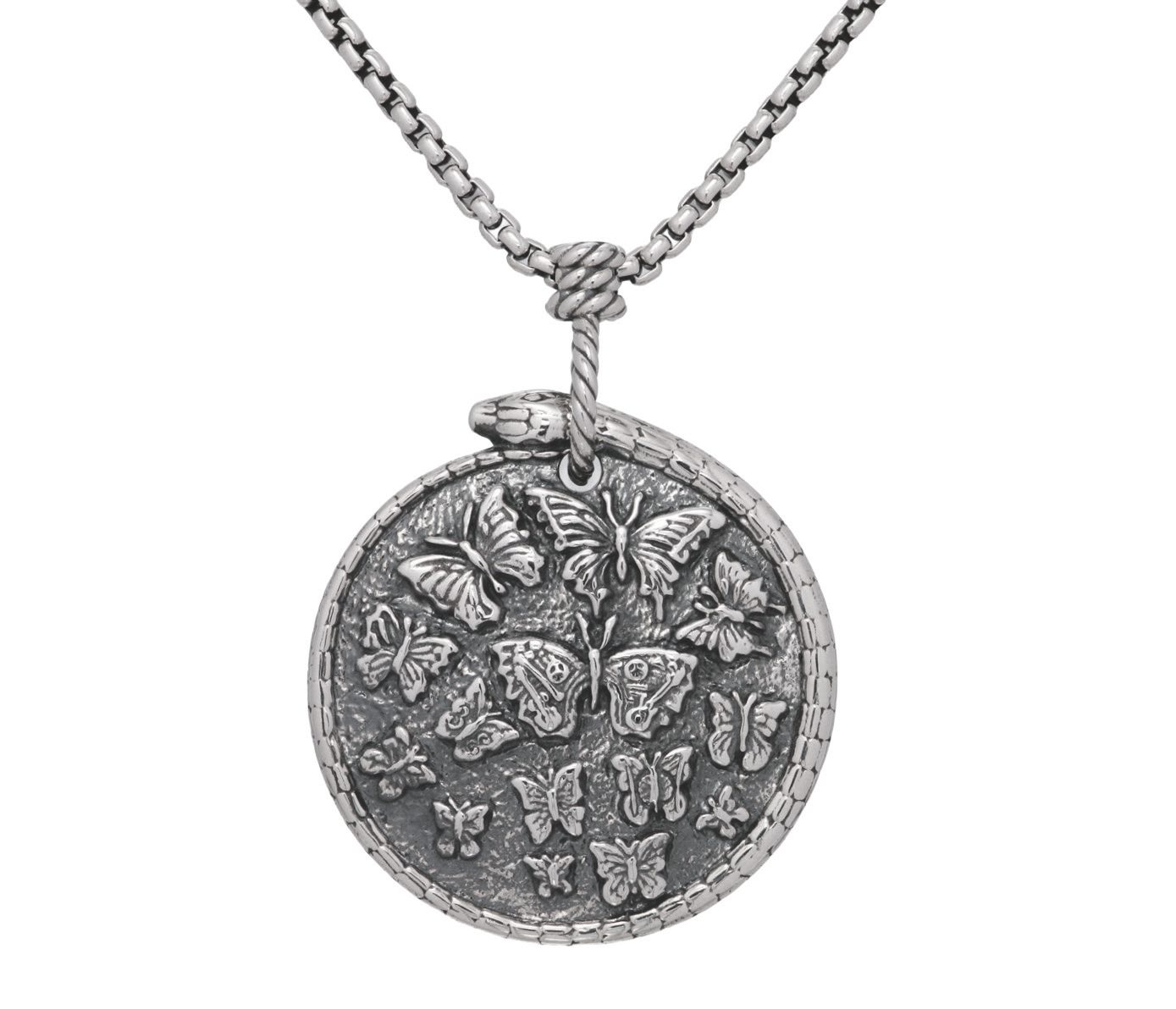
Aside from the plethora of colored gems, pearls represented another highlight in all the shows. Several exhibitors specializing in fine pearls described continued strength in the luxury market, particularly for Australian South Sea pearls and exceptional Tahitian pearls.
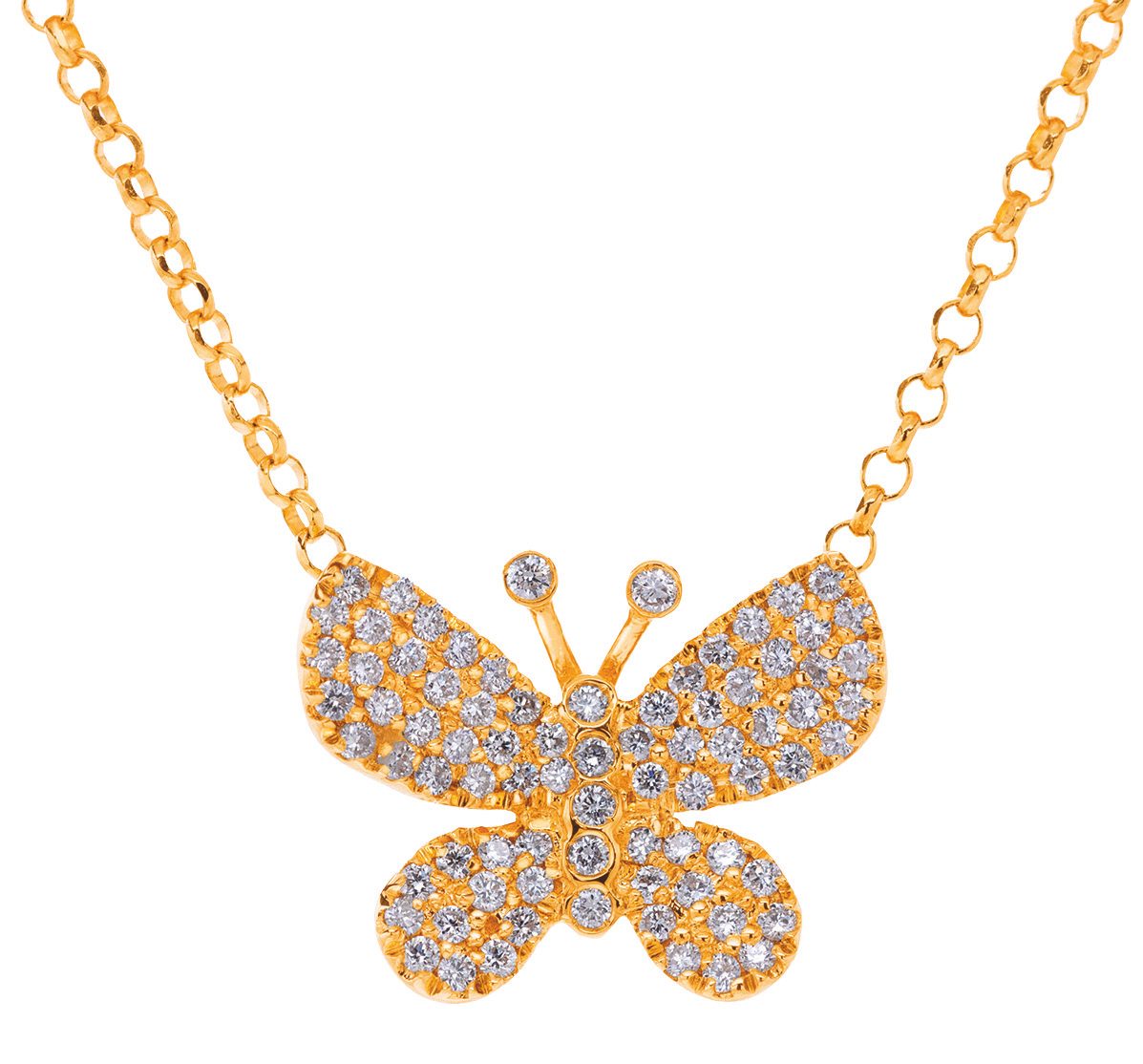
Rather than being viewed as traditional jewelry, these pearls are increasingly appreciated for their individuality, natural beauty, and timeless elegance. As with colored gemstones, buyers appeared willing to invest in the finest material while becoming more selective about everything else.
Looking to the Past
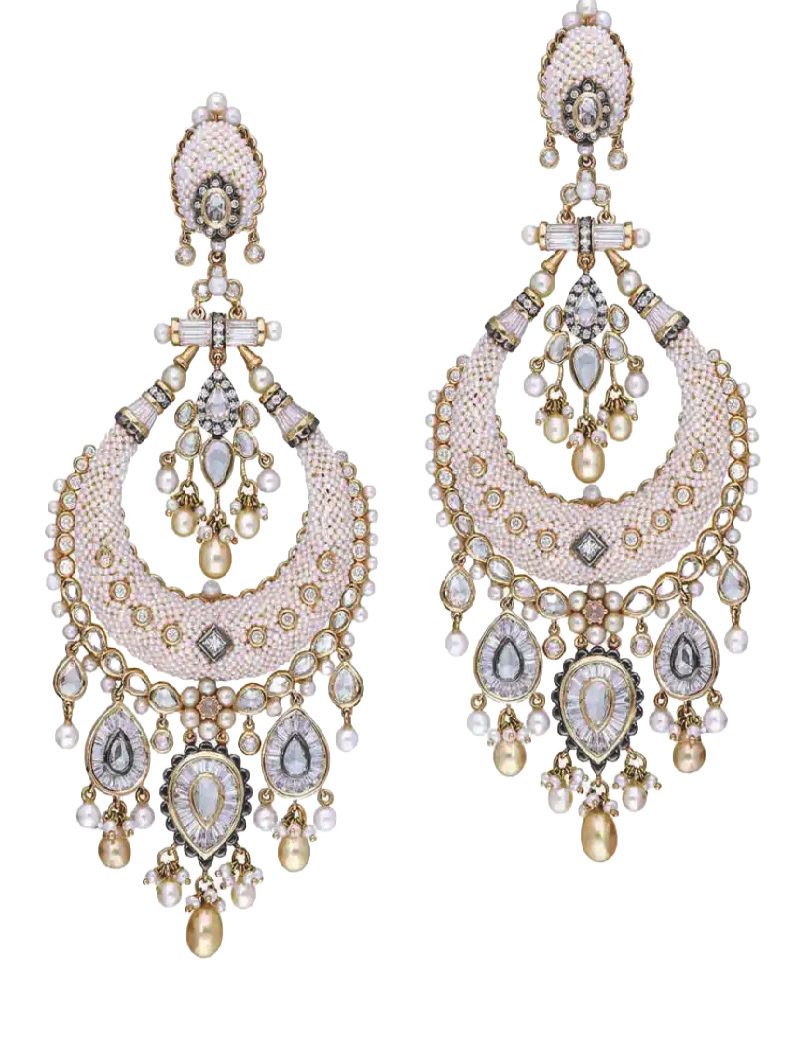
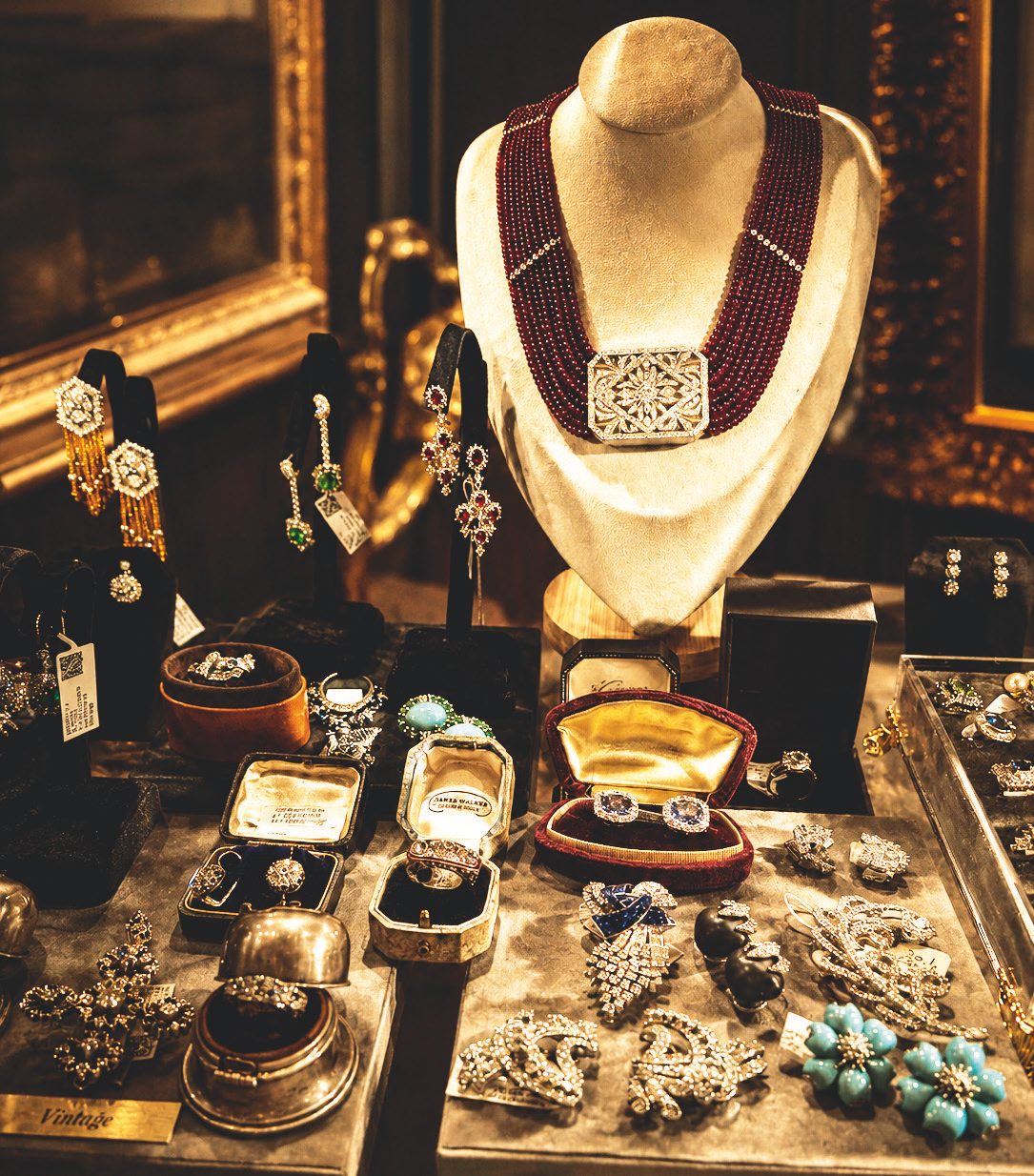
The growing emphasis on authenticity extended naturally into the Las Vegas Antique Jewelry & Watch Show. For many years, antique jewelry has occupied a specialized niche within the trade. This year, however, it felt increasingly connected to the broader conversations taking place across Las Vegas. Dealers spoke of growing interest from younger collectors who are drawn not only to history, but also to individuality, sustainability, and craftsmanship that cannot be re-created through modern manufacturing.
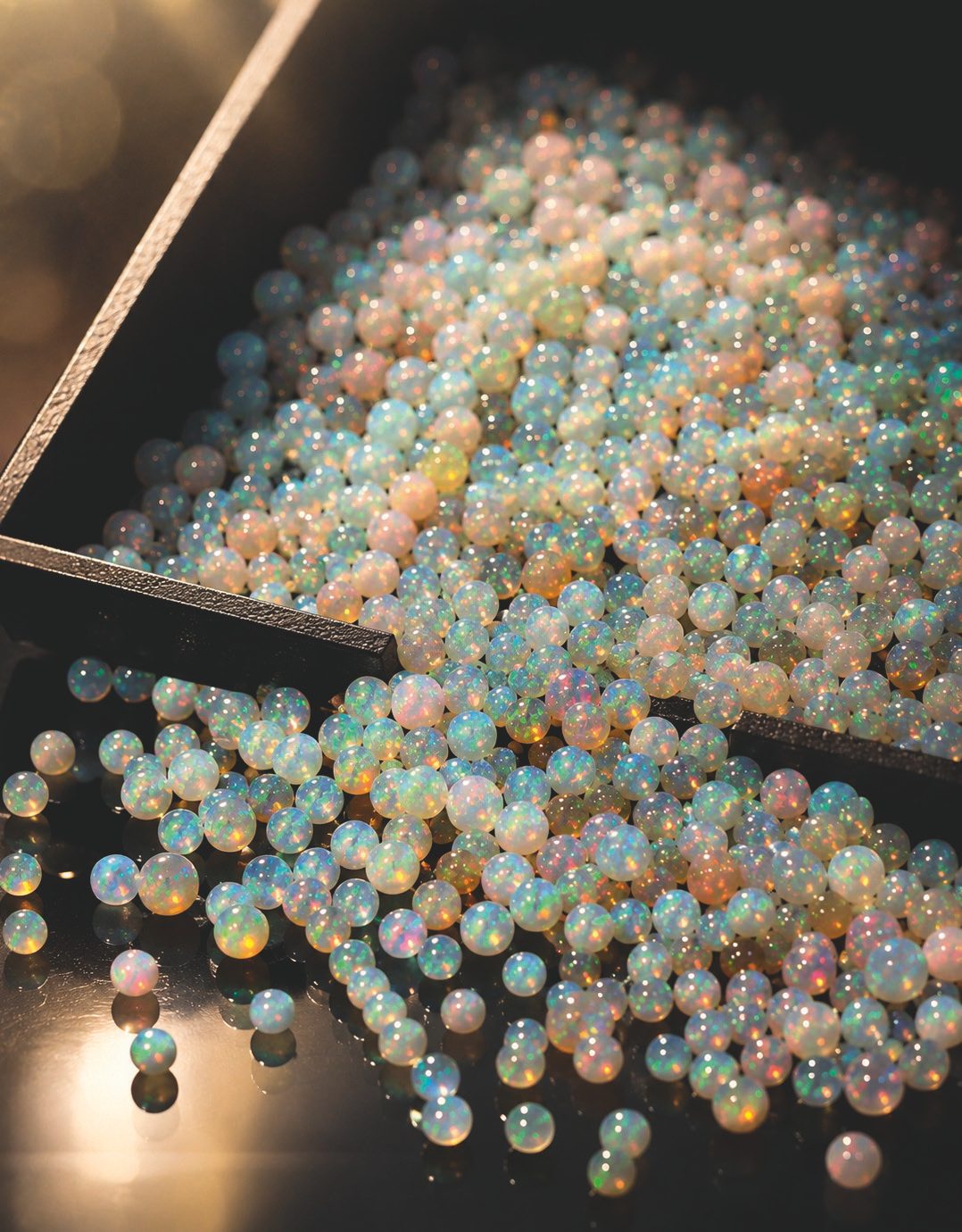
From a gemological perspective, I found this particularly encouraging. Whether examining an old-cut diamond, a hand-fabricated setting, or a jewel that has survived for generations, antique jewelry reminds us that value is not created solely by rarity of materials. It is also shaped by craftsmanship, provenance, and the human stories carried through time.
In an era increasingly influenced by technology and artificial intelligence, that message felt especially relevant. Innovation continues to transform our industry, yet it also highlights the enduring appeal of objects that cannot be replicated by algorithms or mass production.
Throughout Couture, Luxury, and the Antique event, I was struck by how closely they reflected the same message that I had heard throughout the main JCK show.. Luxury is becoming less about abundance and more about discernment. The strongest demand is no longer driven simply by what is new, but by what is exceptional, authentic, and genuinely difficult to replace.
Looking to the Future
As I left Las Vegas, I found myself thinking less about attendance figures than about the conversations that had taken place throughout the week. Across all the shows, one message emerged again and again: buyers are asking better questions.
The value of a natural gemstone has never rested solely in the stone itself. It also lies in the knowledge that allows us to understand it—the story of its formation, its provenance, and the craftsmanship that reveals its beauty.
For those of us who believe in the future of natural gemstones, that is perhaps the most encouraging trend of all.
When I boarded my flight home to Canada, I realized that what I would remember most about Las Vegas Jewelry Week 2026 was not a record sale, a crowded aisle, or even an exceptional collection. It was the quality of the conversations, which reflected an industry becoming more thoughtful.
Perhaps that will be the lasting legacy of Las Vegas Jewelry Week 2026—not that we learned to buy more, but that we learned to choose better.
About the Author
Fiona Tan, GG (GIA), is a Canadian gemologist and Canadian Accredited Jewellery Appraiser, as well as an ICA/InColor contributor specializing in colored gemstones, jewelry appraisals, and mine-to-market research.