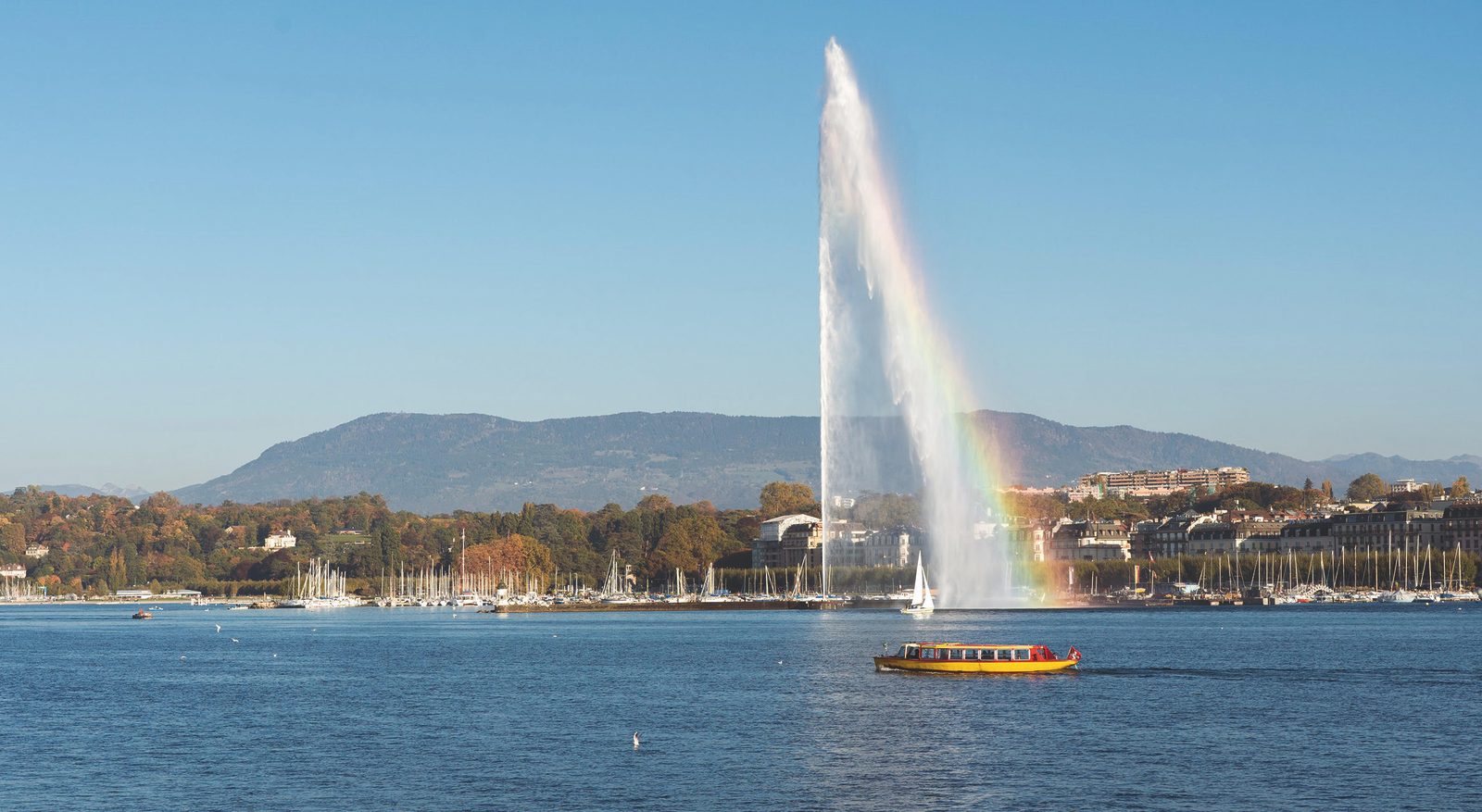
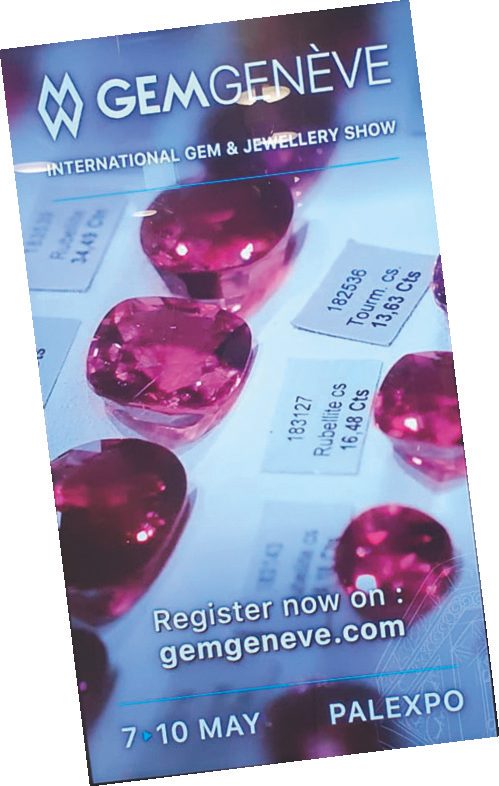
Celebrating its tenth anniversary, the 2026 edition attracted more than 5365 visitors from 109 countries, who came to see the products offered by the show’s 240 high-end exhibitors in the world of jewelry and gemstones, Dealers, cutters, collectors, auction specialists, designers, retailers, gem laboratories, and luxury watch suppliers met under one roof, creating an environment where commercial activity was supported by education, networking, and the exchange of knowledge.
Several market trends became increasingly visible. Demand remained strongest for natural, untreated colored gemstones with reliable provenance and laboratory documentation. Buyers showed growing interest in rarity, collectability, and long-term value rather than speculative purchasing. Traceability, responsible sourcing, and sustainability were no longer niche topics but regular subjects of discussion among professionals.
After another visit to GemGenève, one conclusion becomes increasingly clear—the event has established its own identity within the international jewelry calendar. Rather than competing to become the largest exhibition in the world, it continues to focus on quality, expertise, and carefully selected participants. This boutique philosophy gives the fair a distinctive atmosphere where conversations are often more important than crowds and where long-term business relationships take precedence over quick transactions.
Unheated sapphires from Kashmir and Sri Lanka continued to command exceptional interest. Their combination of rarity, natural beauty, and limited availability has made them increasingly difficult to source in recent years. Dealers specializing in important sapphires reported that serious buyers were prepared to wait for the right stone rather than compromise on quality.
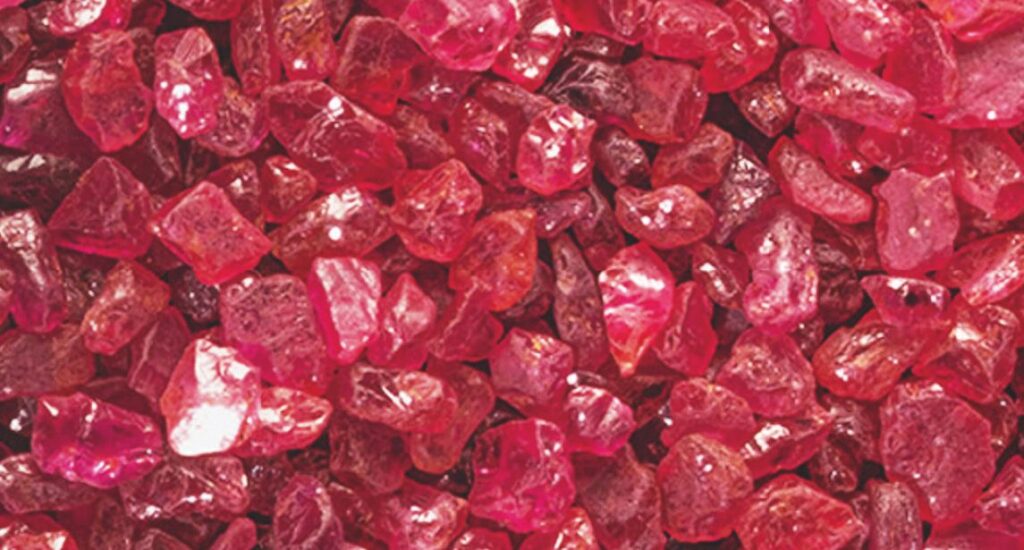
The same was true for rubies. Burmese material remains the benchmark for many collectors, yet high-quality Mozambique rubies have firmly established themselves in the international market. The finest untreated examples now compete with traditional sources, particularly when color saturation, transparency, and cutting quality reach the highest level.
Colombian emeralds were equally prominent. Stones displaying vivid green color, excellent transparency and minimal treatment attracted considerable attention.
Particularly desirable were emeralds accompanied by laboratory reports confirming minor or insignificant oil treatment. In today’s market, documentation has become almost as important as beauty itself.
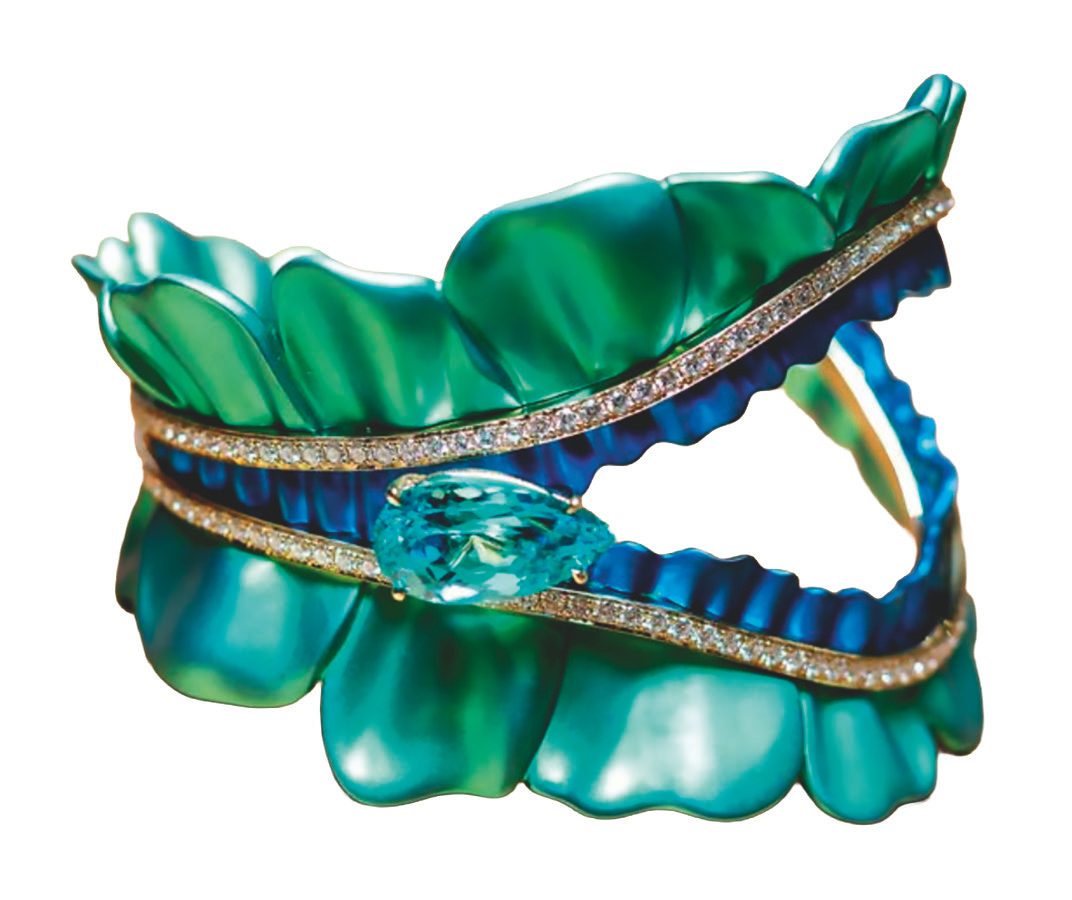
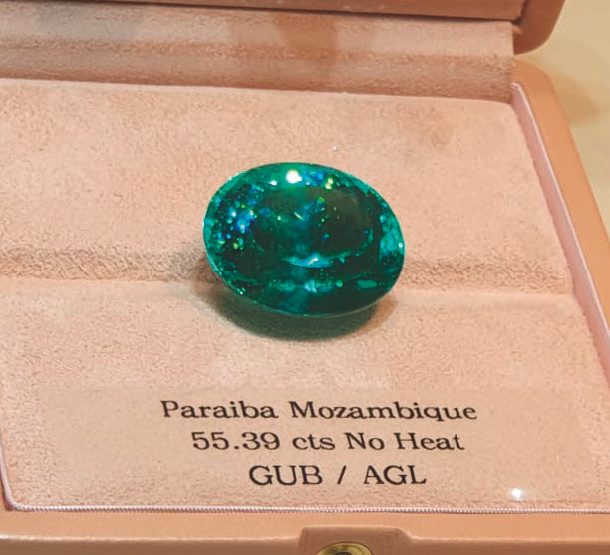
One noticeable change compared with previous years was the growing visibility of gemstones beyond the traditional Big Three. Paraíba tourmalines continued to fascinate buyers with their unmistakable neon blue-green color, while fine spinels— especially vivid reds, cobalt blues and soft pastel tones—were displayed by several specialist dealers. Alexandrites, owing to their remarkable color-change and increasing rarity, also remained highly sought after by collectors searching for truly unusual gems.
Perhaps the most interesting observation was not simply which gemstones attracted attention, but why. Several years ago, many buyers concentrated primarily on size. Today, conversations increasingly revolve around provenance, rarity, treatment status, and overall character. An untreated five-carat sapphire with exceptional color may now generate more interest than a much larger stone of ordinary quality. This reflects a growing level of sophistication among collectors and professional buyers.
The overall mood could best be described as cautiously optimistic. Buyers were selective yet demand for exceptional gemstones and museum-quality jewelry remained resilient despite continuing global economic uncertainty. Across many conversations, the emphasis had clearly shifted from volume to quality and from short-term opportunity to lasting value.
Natural diamonds also demonstrated remarkable resilience at the upper end of the market. Although the global diamond industry continues to adjust to changing consumer behavior and the rapid growth of laboratory-grown diamonds (LGDs), exhibitors at GemGenève focused almost exclusively on exceptional natural stones. Rather than competing on price or volume, dealers presented rare diamonds distinguished by outstanding cut quality, provenance, and rarity. Fancy colored diamonds also continued to attract specialized collectors, particularly in pink, blue, and vivid yellow categories. Interestingly, too, the rise of LGDs appears to have strengthened appreciation for natural diamonds rather than weakened it, suggesting that buyers are increasingly valuing the uniqueness, geological history, and individuality of natural—qualities that cannot be replicated in a laboratory.

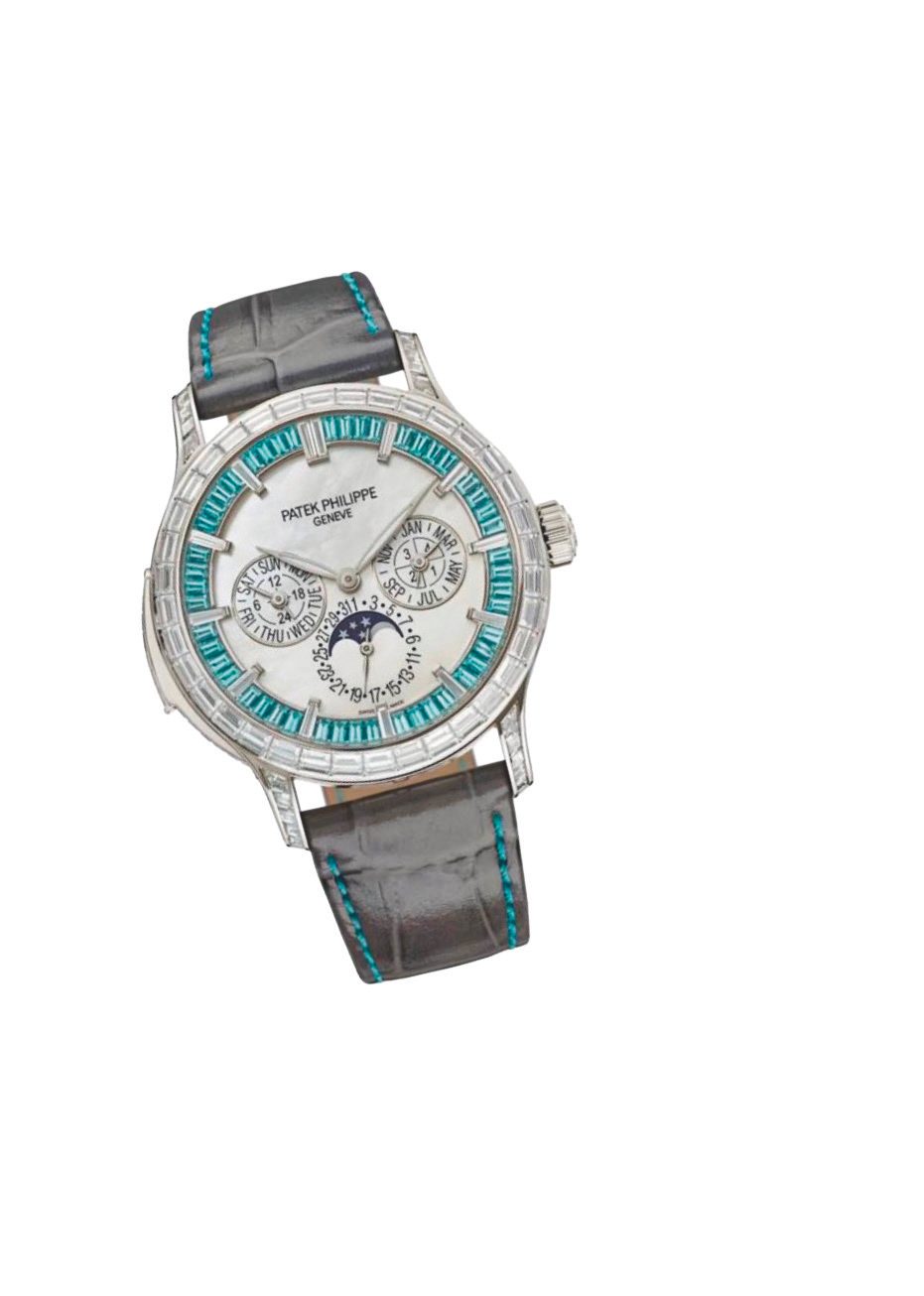
Switzerland’s watch industry provided another important insight into market demand. Many exhibitors continue to supply gemstones for prestigious Swiss watch manufacturers, a highly specialized business that receives little public attention. Producing perfectly matched parcels of tiny sapphires, rubies, emeralds, and spinels requires extraordinary precision. Every stone must match in color, dimensions, clarity, and cutting proportions to ensure flawless setting in bezels, dials, hour markers and high-jewelry timepieces.
As someone who has spent years trading colored gemstones while also reporting on developments within the international jewelry industry, I found the atmosphere refreshingly focused. Dealers were willing to discuss provenance, treatment disclosure, cutting quality, and market dynamics with a level of openness that reflects the maturity of this event.
Beyond trading, GemGenève continued to strengthen its educational and cultural role. A carefully curated program of exhibitions, lectures, panel discussions, book presentations and design initiatives complemented the commercial side of the fair. Awards recognizing jewelry design, craftsmanship, and emerging talent demonstrated the organizers’ commitment to supporting the next generation of the industry.
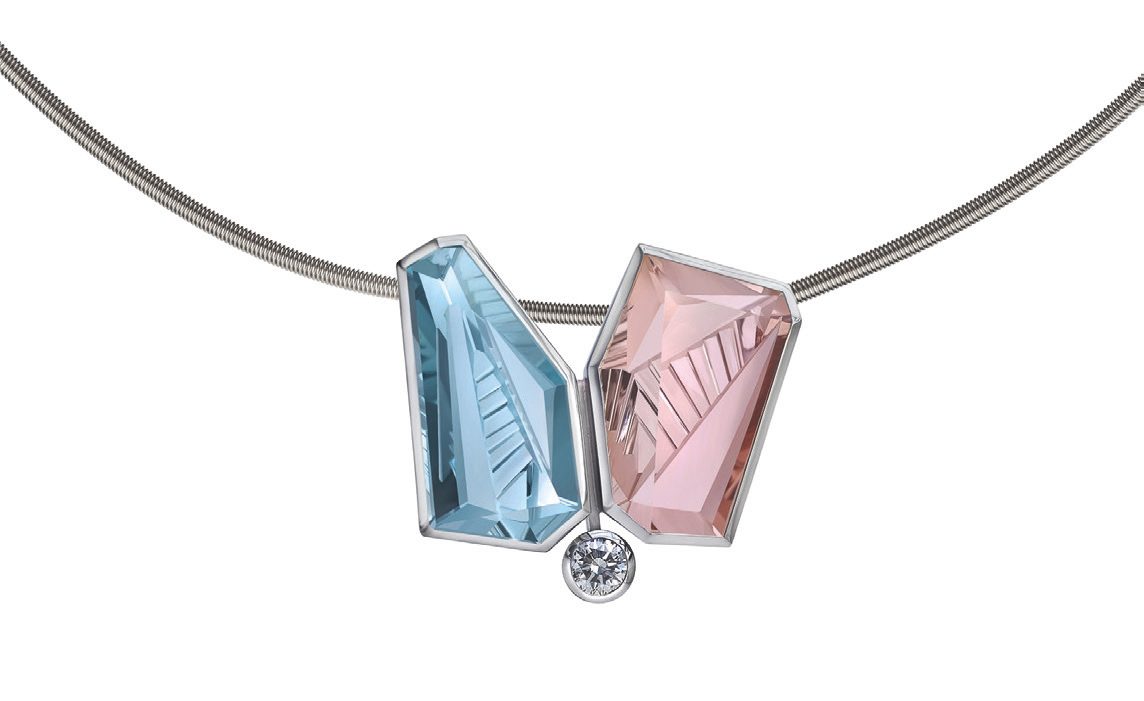
GemGenève has also become increasingly important as a platform for emerging designers. The Designers‘ Village, introduced several years ago and now one of the exhibition’s defining features, presented the work of independent designers from different cultural backgrounds using colored gemstones a variety of other materials. The emphasis was less on material value and more on originality, craftsmanship, and artistic identity.
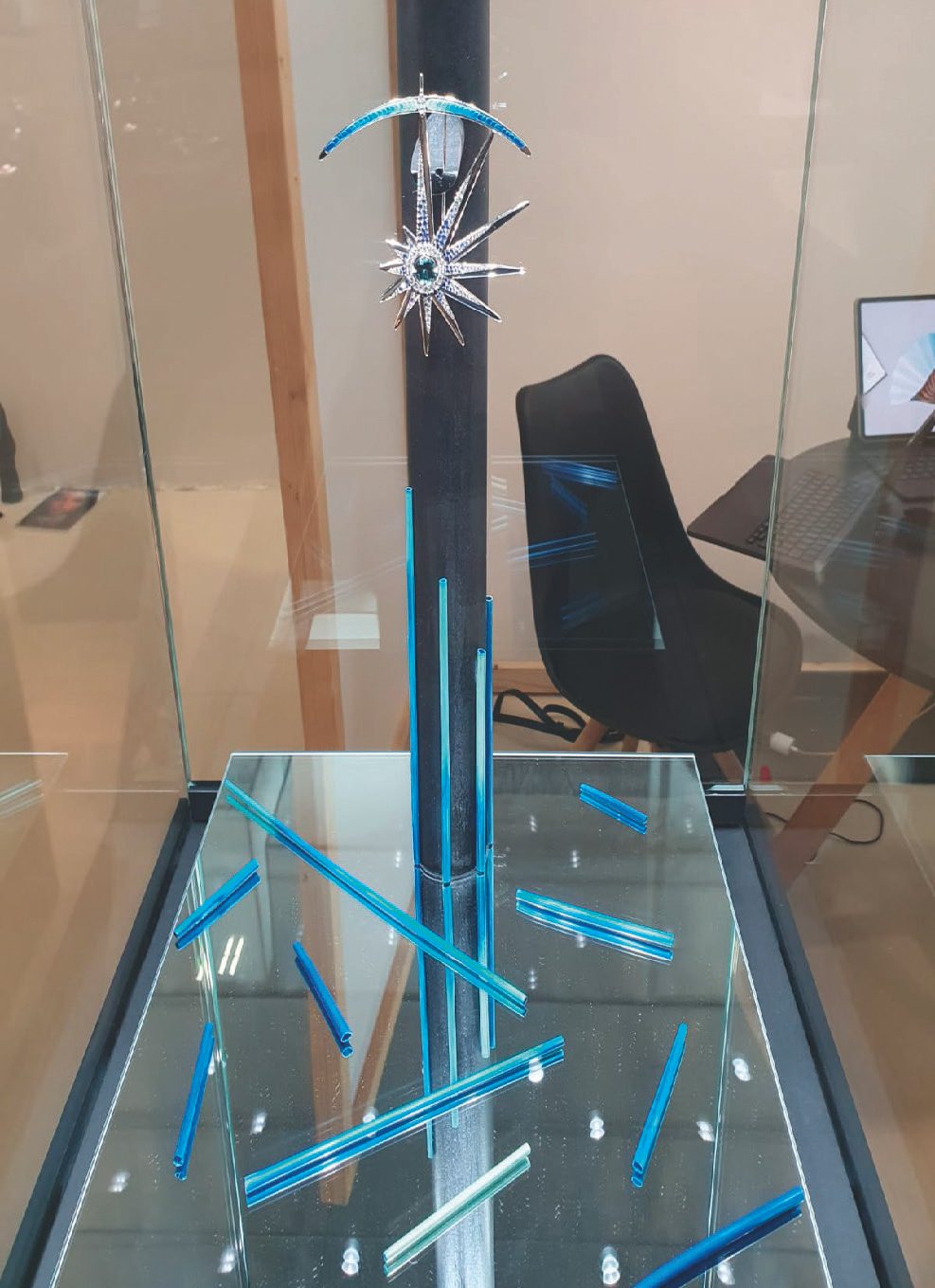
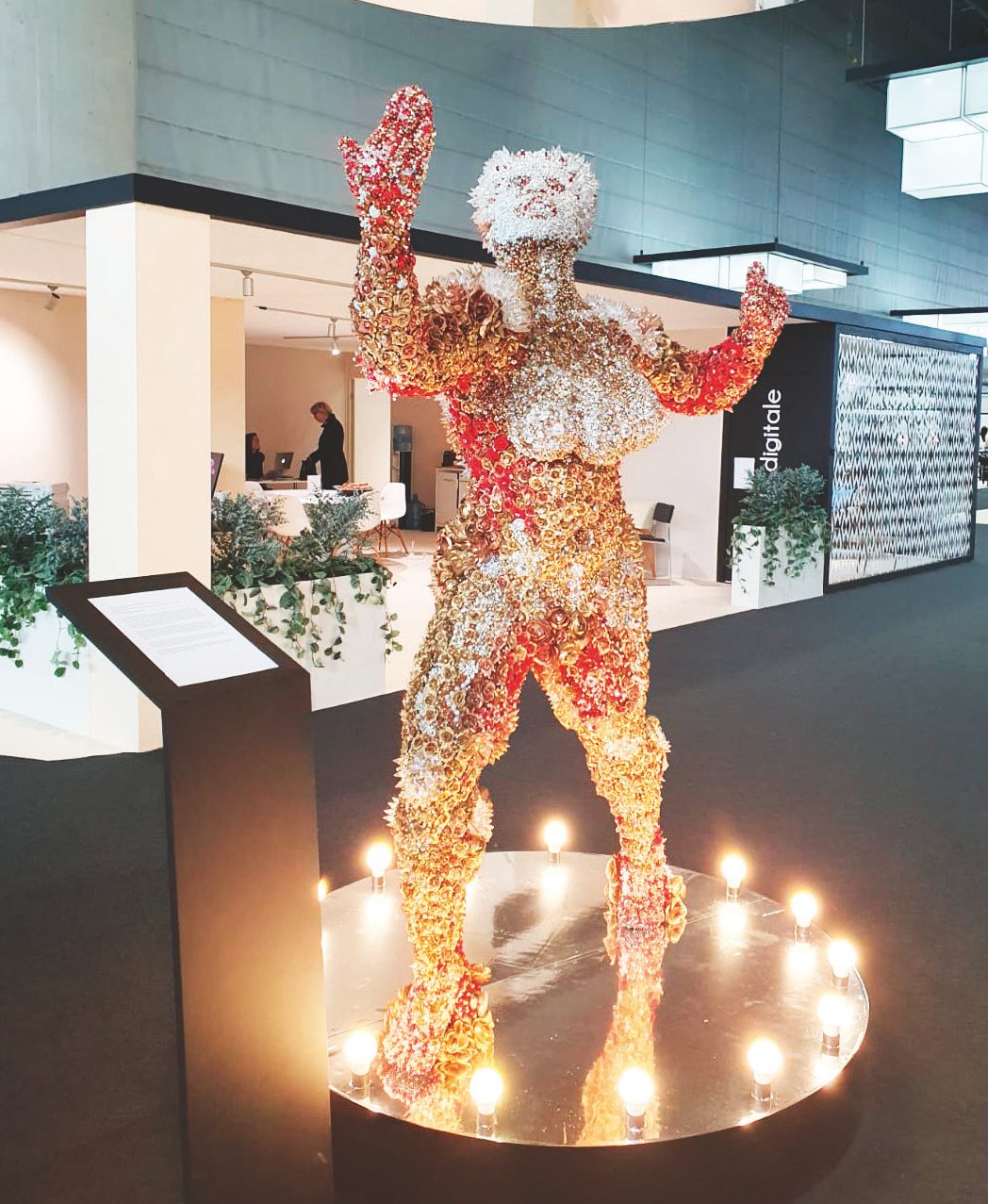
The GemGenève Awards Ceremony has gradually become one of the most anticipated moments of the exhibition. Celebrating creativity, technical excellence and innovation across a wide range of disciplines. This year’s program included prizes for jewelry design, gouache illustration, photomicrography, student projects, and collaborations with educational institutions, as well as the Osmium x GemGenève competition and the Éric Horovitz Foundation Award. The awards are supported by the Swiss Gemmological Institute SSEF, underlining their educational and professional significance.
From a market perspective, cautious optimism appears to be replacing uncertainty. Buyers are increasingly selective yet demand for extraordinary gemstones and exceptional jewelry remains remarkably strong. The emphasis has shifted from quantity to quality, from speculation to connoisseurship, and from trend-driven purchasing to long-term value.
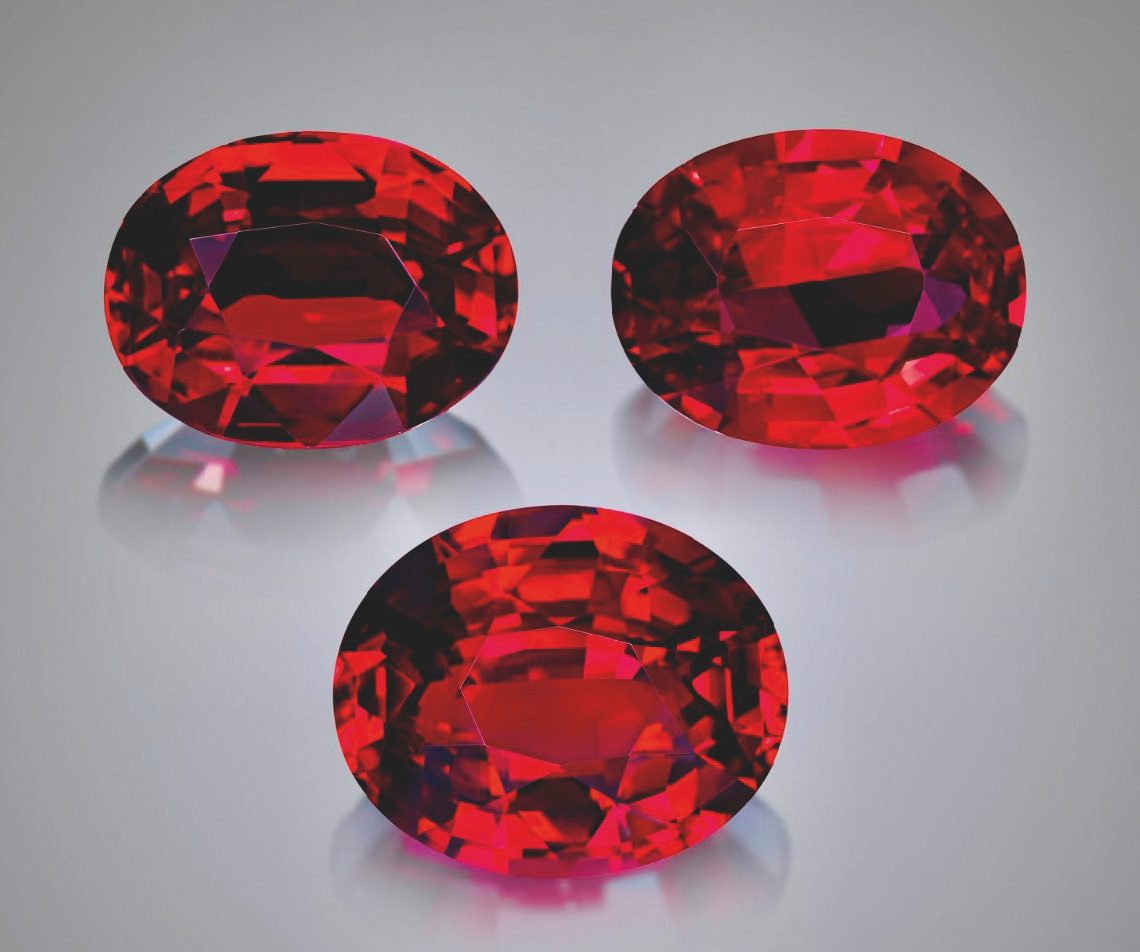
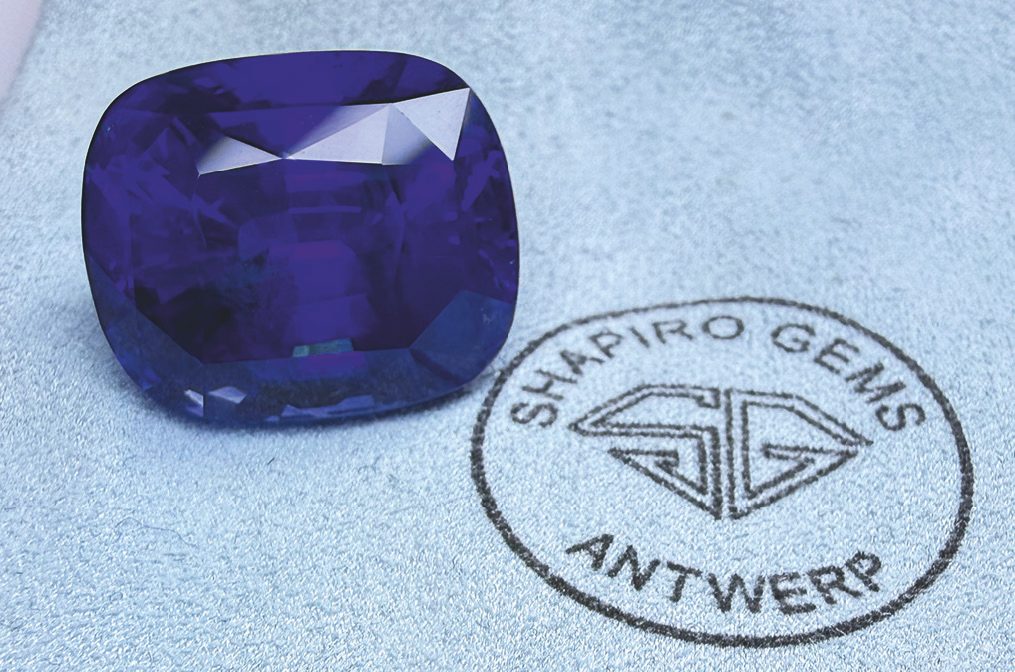
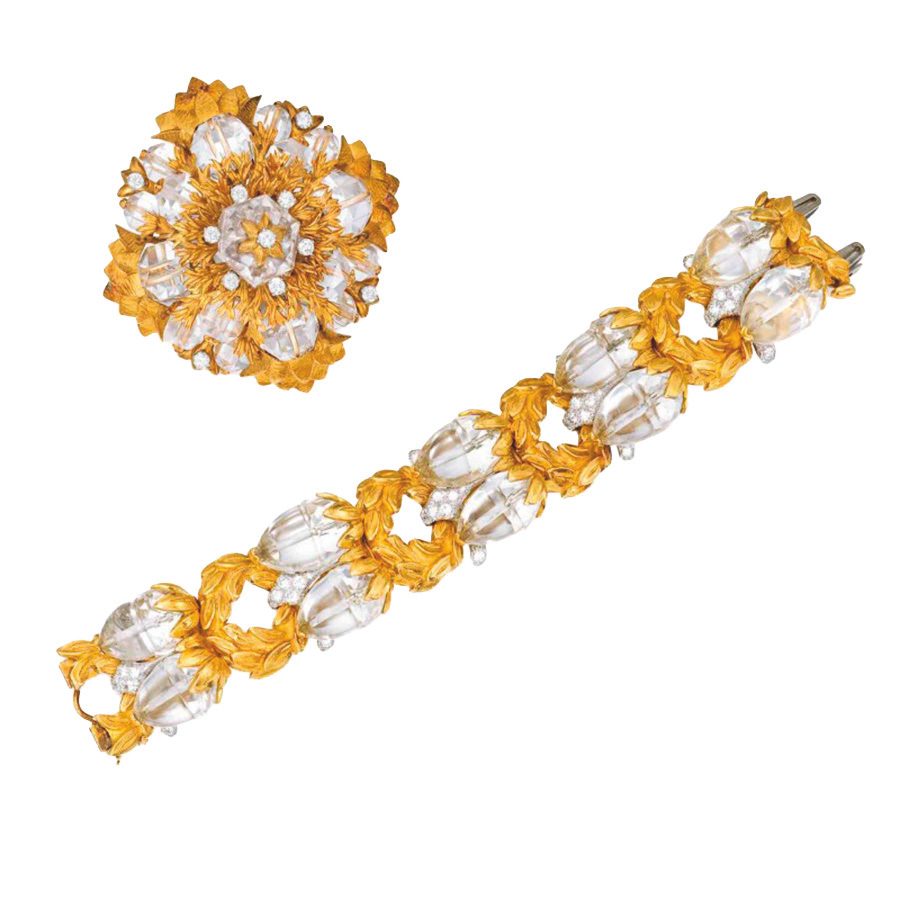
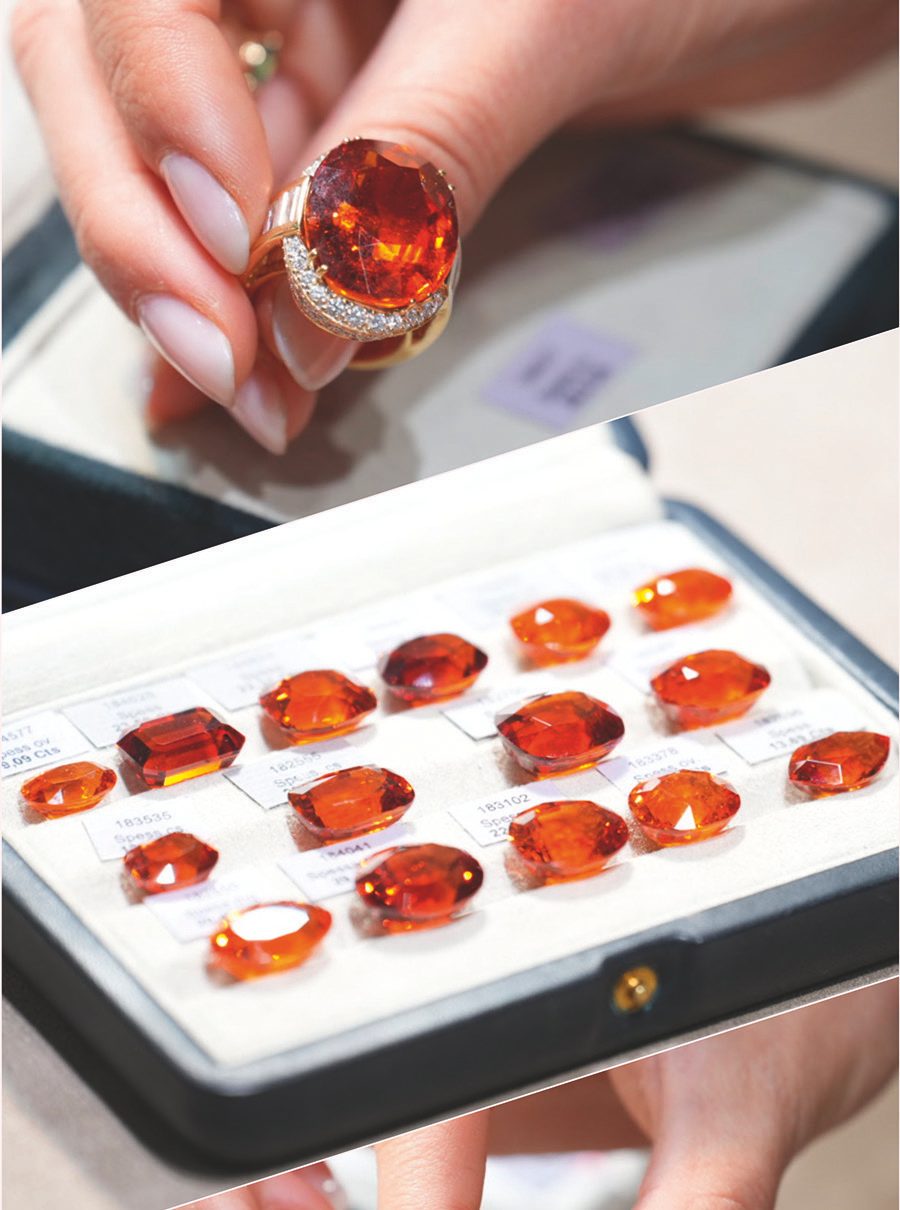
Overall, GemGenève reflected a market that is becoming more selective rather than weaker. The emphasis has clearly shifted from quantity to quality, from commercial inventory to exceptional rarity, and from short-term price considerations to long-term value.
For professionals working in colored gemstones, this evolution represents one of the most significant developments shaping the industry today.