In the center of Kuala Lumpur stands the renowned Islamic Arts Museum Malaysia, one of Southeast Asia’s leading institutions devoted to Islamic artistic heritage. Since its opening in 1998, the museum has become a destination for scholars, collectors, and visitors interested in the visual culture of the Islamic world. Its galleries contain more than 10,000 artifacts spanning over 14 centuries of art, design, and culture.
Among the museum’s collections, the Jewellery Gallery shines—quite literally. Display cases filled with gold ornaments and vividly colored gemstones reveal how jewelers of this era transformed precious materials into objects of extraordinary beauty. The collection is particularly remarkable for its use of colored gemstones, which played both aesthetic and symbolic roles in the jewelry traditions from across the Islamic world.
The Gemstone Tradition in Islamic Jewelry
Gemstones have long held an important place in Islamic jewelry. Their vibrant colors, rarity, and durability made them ideal materials for personal adornment. Beyond their beauty, however, many stones were also valued for their believed spiritual and protective qualities.

Turquoise, for instance, has been cherished for centuries throughout the Middle East and Central Asia. Known for its distinctive sky-blue to greenish-blue color, the stone was historically mined in Persia (modern-day Iran) and traded widely across the Islamic world. Turquoise was often believed to protect the wearer from misfortune and to bring good luck.
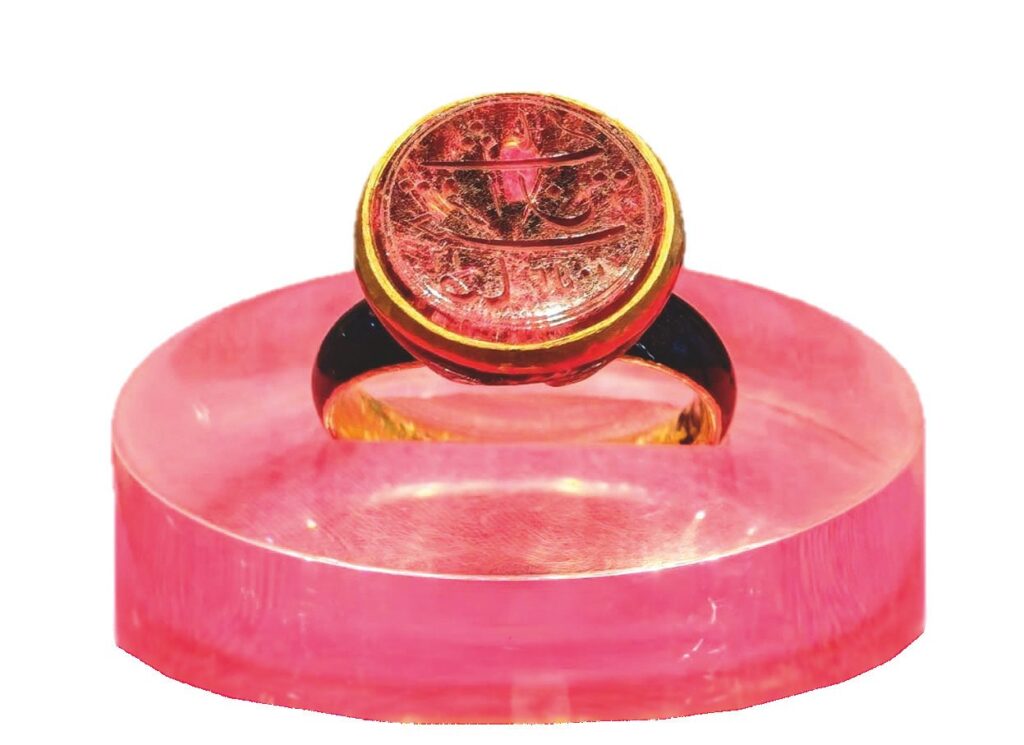
Carnelian, a reddish-orange variety of chalcedony, was also highly prized. Its warm color and smooth polish made it popular for signet rings and engraved seals. Carnelian rings were particularly significant because they were traditionally associated with the Prophet Muhammad, making the stone both culturally and spiritually meaningful.
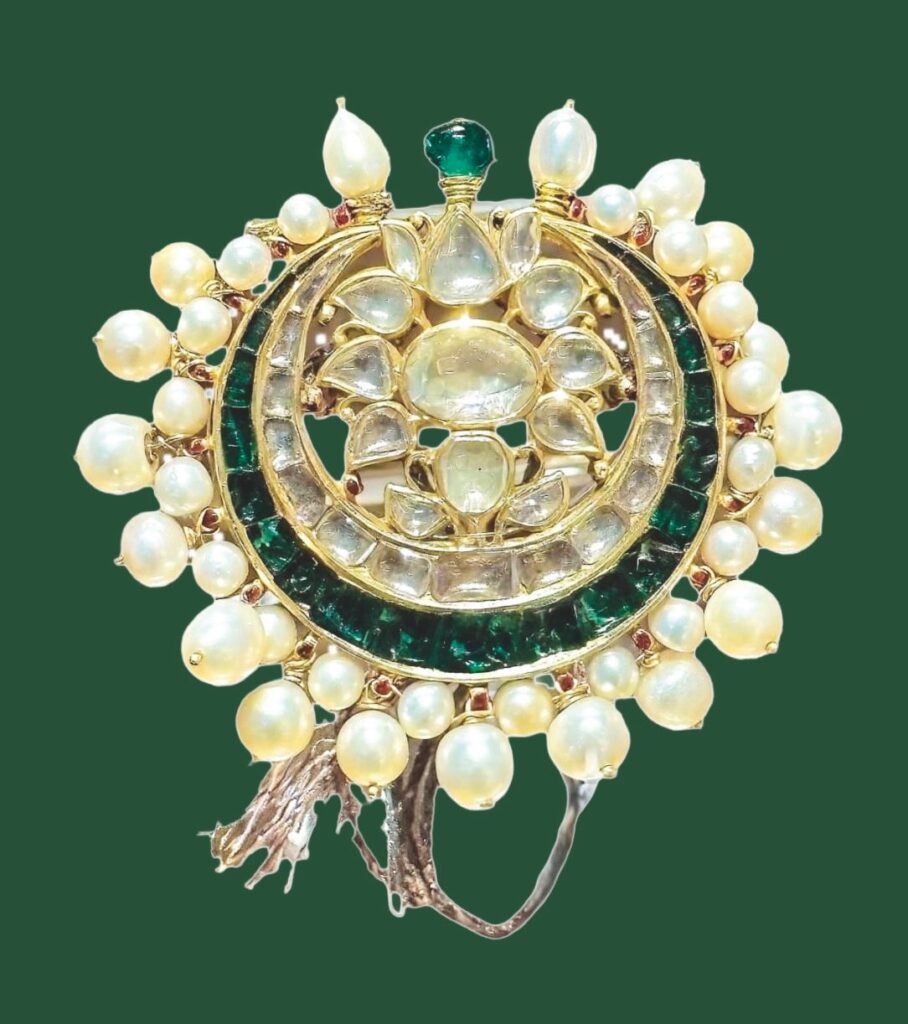
Nose ornament with rubies, diamonds, and pearls, 20th century. (Photo: Omar Bin Mat Zaini)
Mughal Jewelry – Emeralds, Rubies, and Diamonds
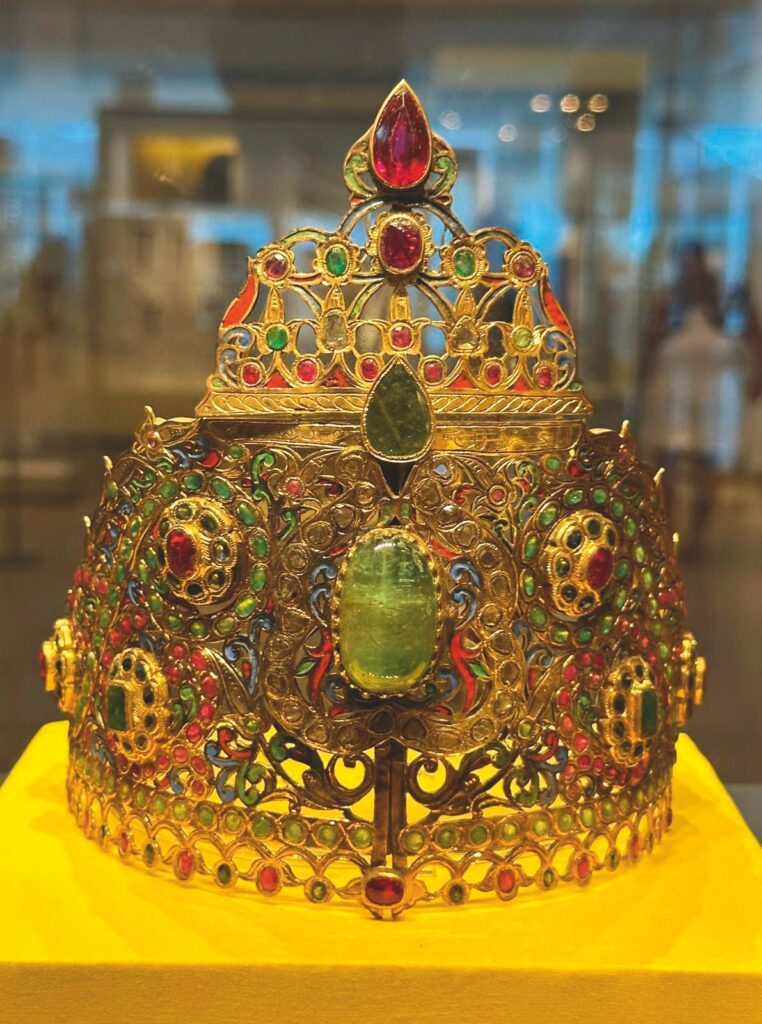
Some of the most spectacular gemstone jewelry in the museum comes from the Mughal Empire. Mughal rulers were very passionate collectors of gemstones, especially emeralds, rubies, and diamonds. These stones were often sourced from distant regions through extensive trade networks.
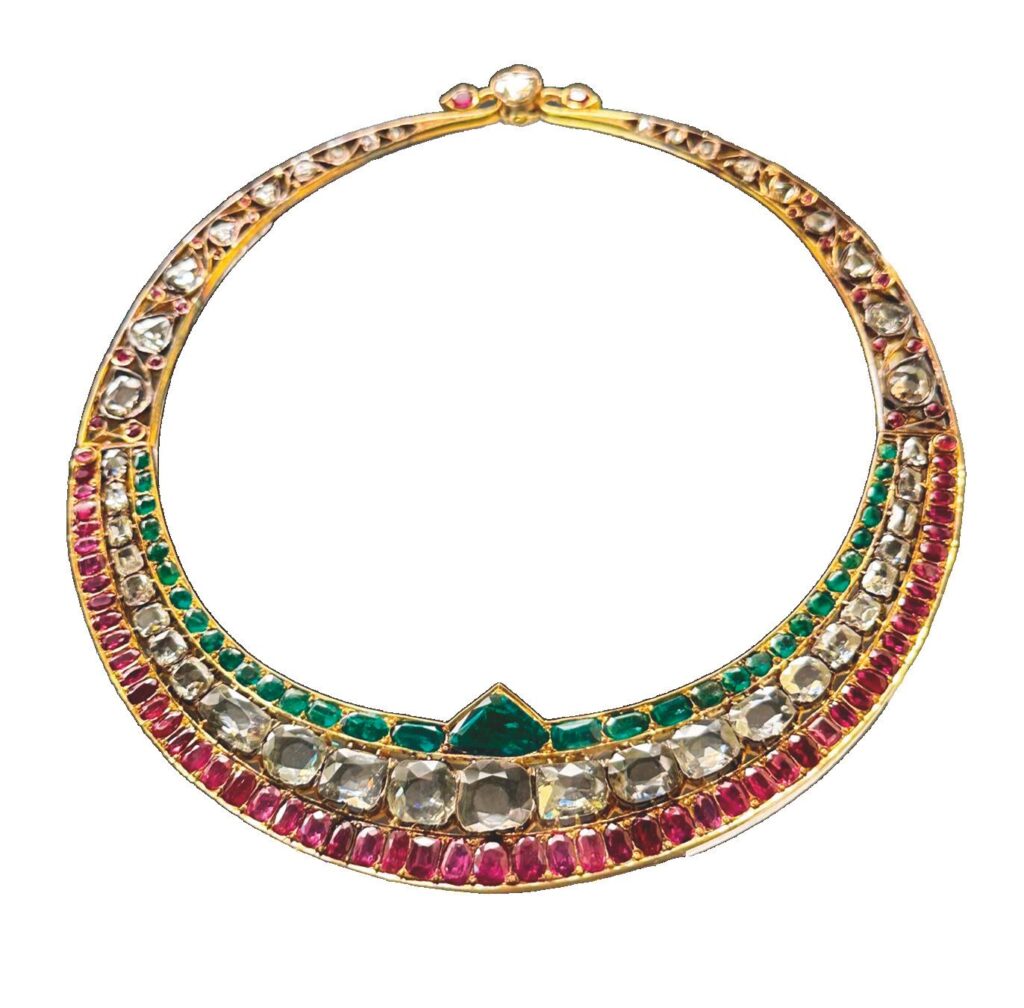
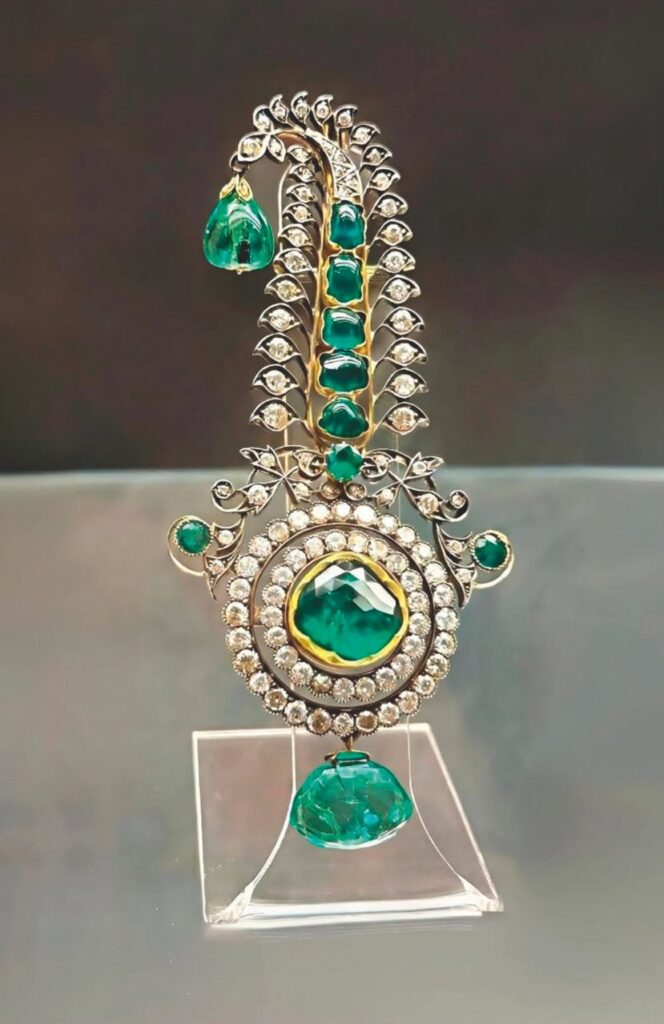
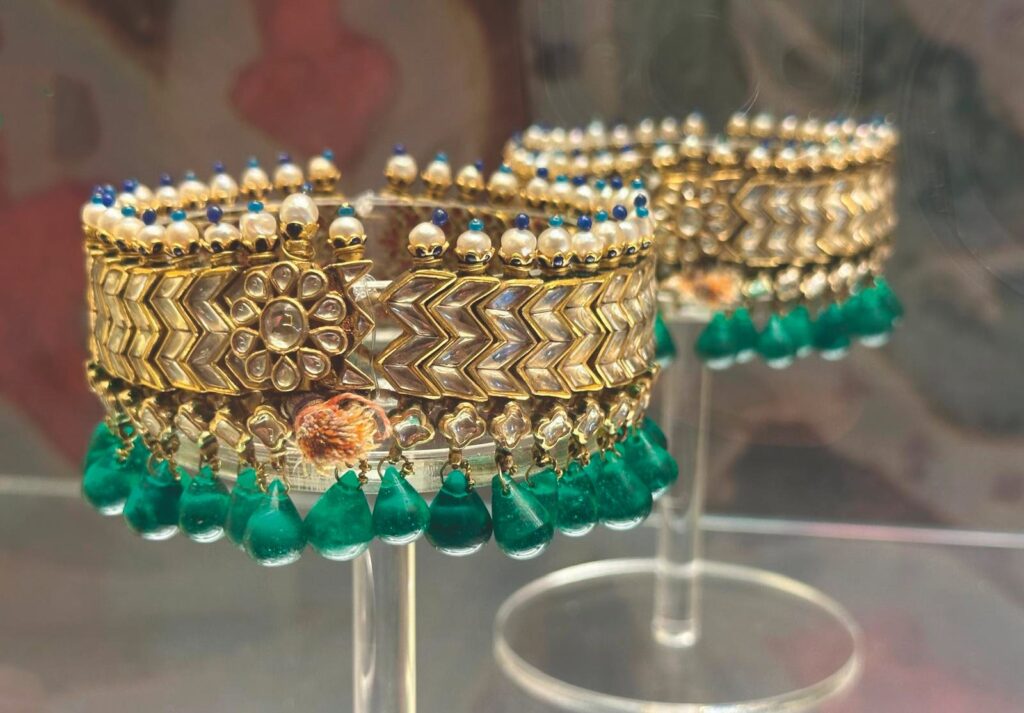
Emeralds, with their deep green color, were frequently imported from Colombian mines after the 16th century. Mughal jewelers often carved emeralds with floral patterns or inscriptions, transforming the stones into miniature works of art.
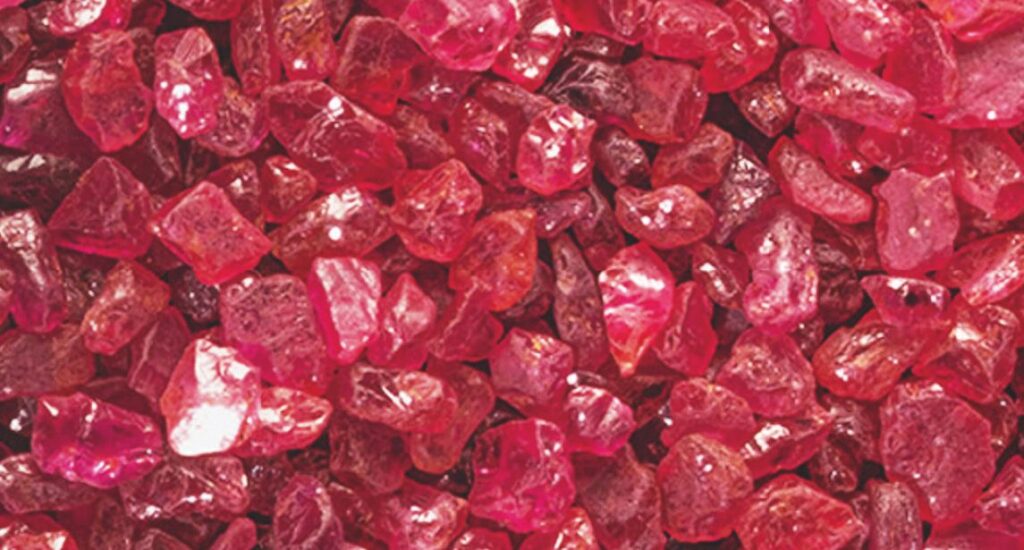
Rubies, typically sourced from the famous mines of Burma (modern Myanmar), were valued for their rich red color and exceptional hardness. In Mughal jewelry, rubies symbolized power, vitality, and royal authority.
Diamonds also held great prestige in the Mughal court. India itself was historically one of the world’s earliest sources of diamonds, particularly from the Golconda region. These diamonds were often set into gold jewelry using techniques that allowed maximum light reflection, enhancing their brilliance.

The Mughal preference for large, vividly colored gemstones resulted in jewelry that was both opulent and visually striking. Necklaces, turban ornaments and pendants from this period demonstrate a sophisticated understanding of gemstone arrangement and color harmony.
Jewels of Hyderabad – The Legacy of the Nizam
An especially notable highlight of the collection is a necklace once belonging to Mir Osman Ali Khan, the last ruling Nizam of Hyderabad. The Nizams of Hyderabad were among the wealthiest patrons of jewelry in the modern era, renowned for their extraordinary collections of diamonds, emeralds, and pearls.
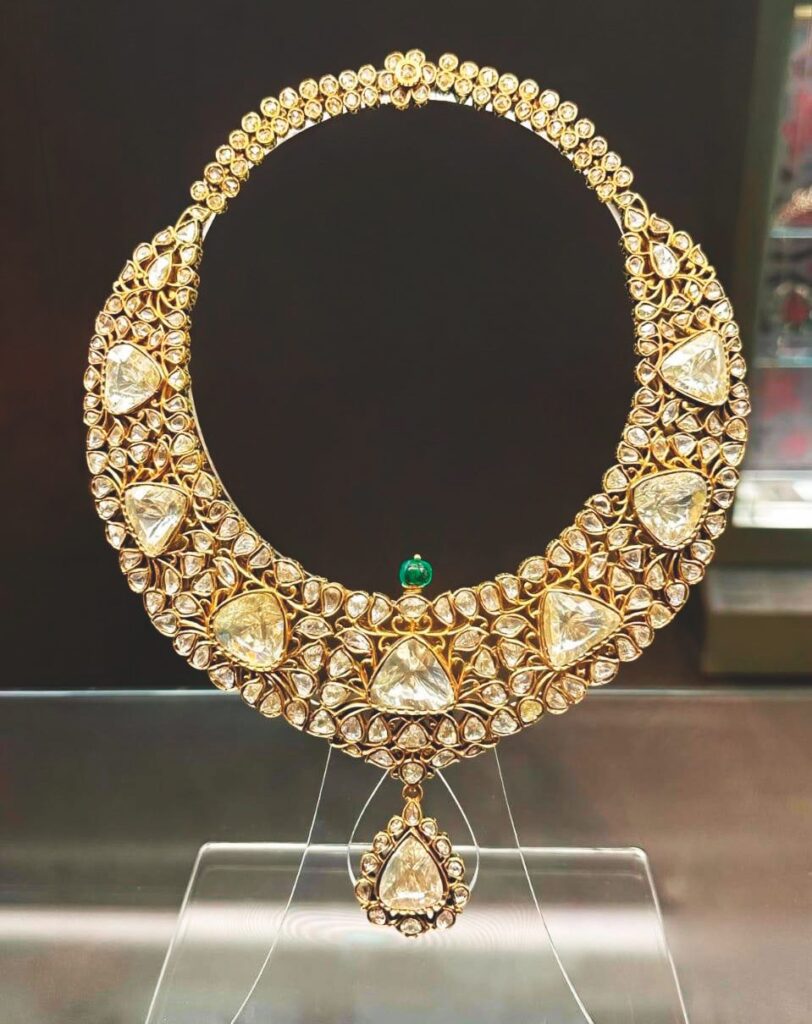
The necklace associated with the late Nizam reflects the opulence and refined craftsmanship characteristic of the Hyderabad court. Jewels from this tradition often feature large gemstones set in elaborate gold frameworks, demonstrating the continued influence of Mughal gemsetting techniques well into the 20th century. The presence of such a piece in the museum highlights the global significance of the Nizams’ jewelry collections and their enduring reputation for extraordinary gemstone treasures.
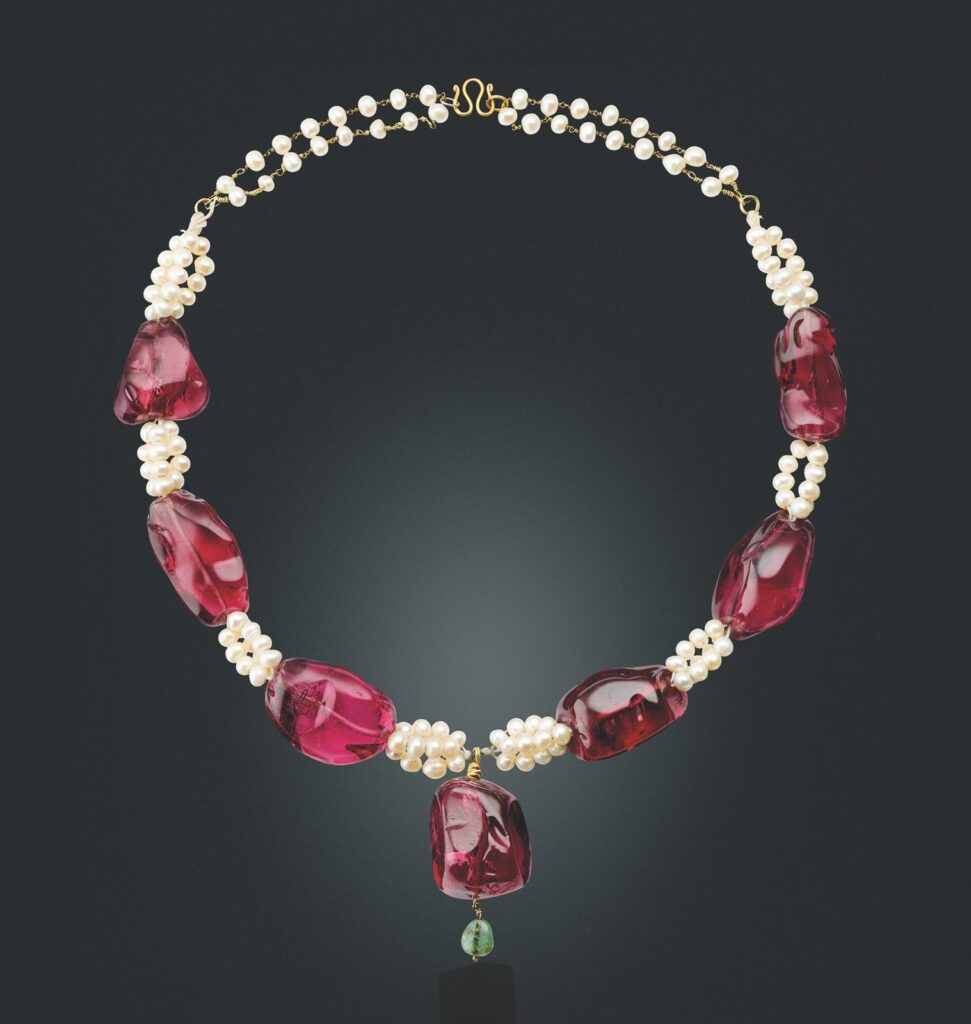
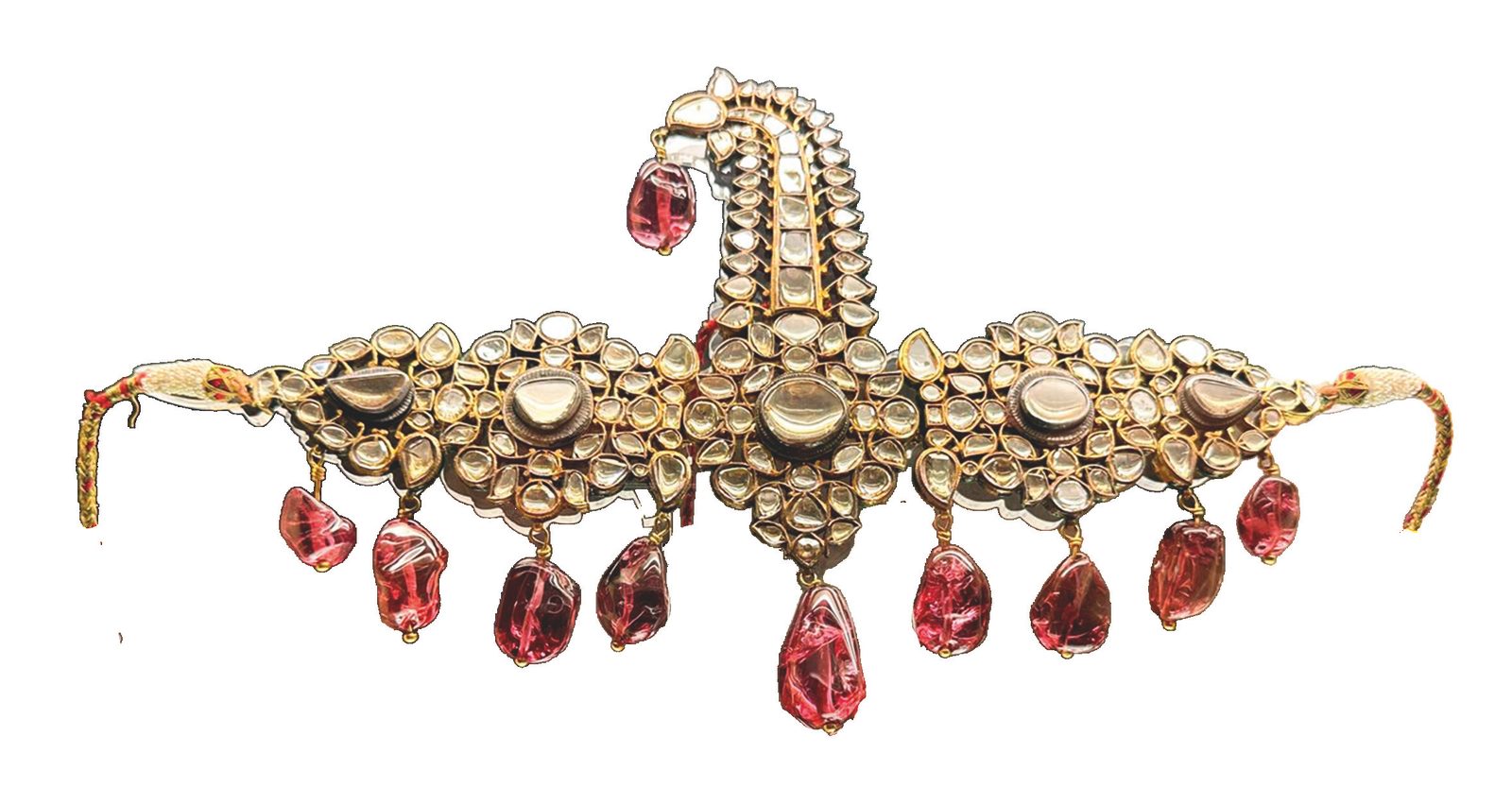
Spinels—often mistaken historically for rubies— were among the most prized gemstones in royal treasuries across the Islamic world.
These stones, typically sourced from the famous mines of Badakhshan in Central Asia, are known for their vivid red to pink hues and exceptional clarity. Throughout history, large spinels were treasured by emperors and sultans and were frequently engraved with the names of rulers or significant dates.
In this necklace, the deep red spinels are beautifully contrasted with luminous natural pearls. Pearls were highly valued in Islamic courts, particularly those harvested from the waters of the Persian Gulf. Their soft luster and organic beauty complemented the brilliance of colored gemstones, creating jewelry that was both elegant and symbolic of imperial status.
Ottoman Jewelry – Sparkle and Precision
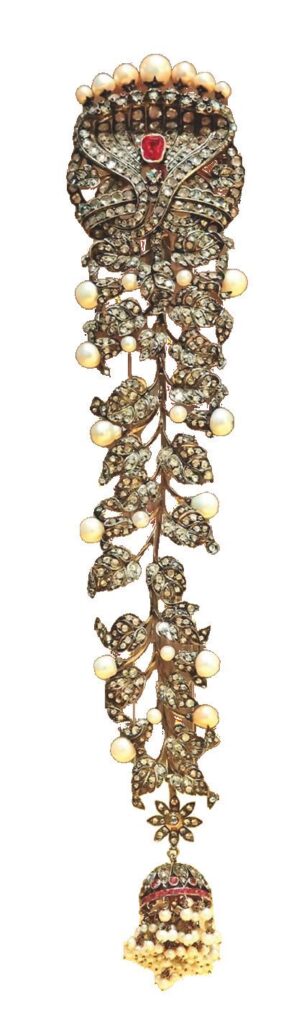
Jewelry from the Ottoman Empire reveals a slightly different gemological aesthetic. Ottoman artisans favored diamonds arranged in delicate patterns that created dazzling surfaces of reflected light. The diamonds used during the 18th and 19th centuries were often rose-cut, a style that features a flat base with a domed crown composed of triangular facets. This cut produced a softer sparkle compared to modern brilliant-cut diamonds but was highly valued for its elegance and historical character.
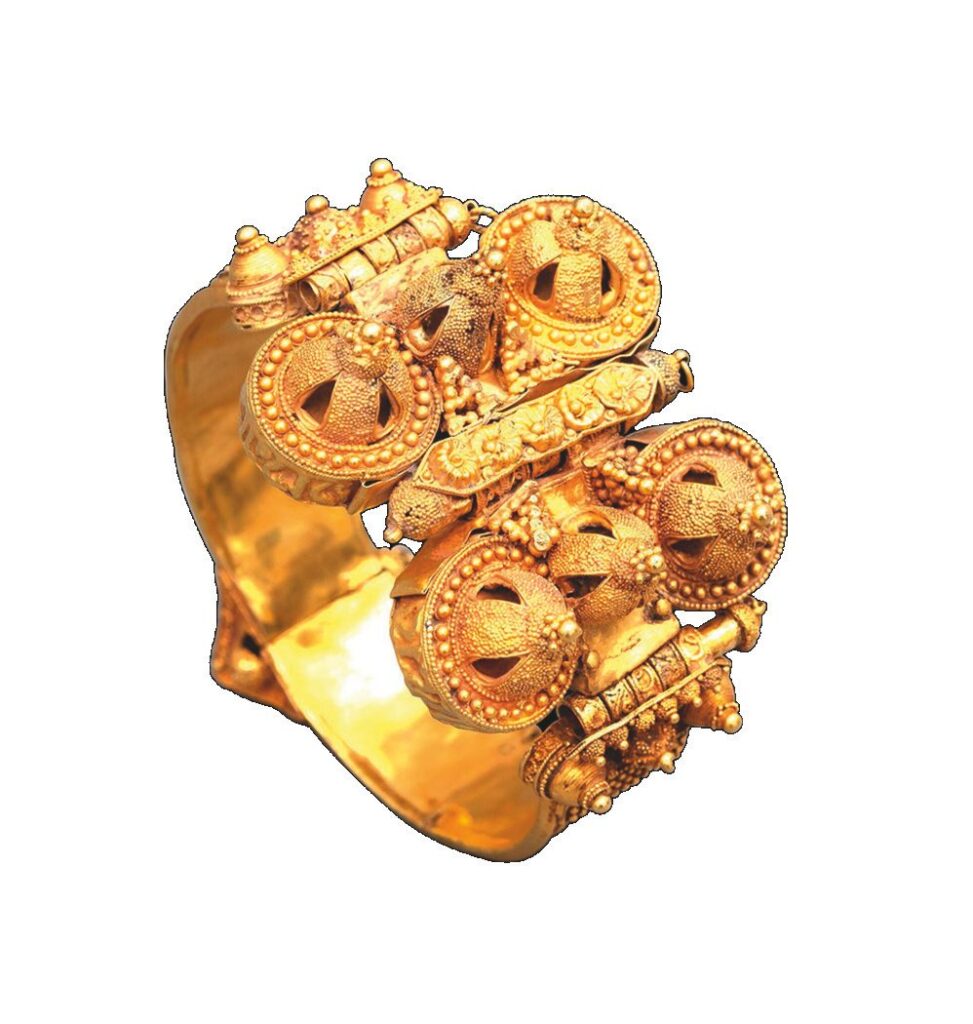
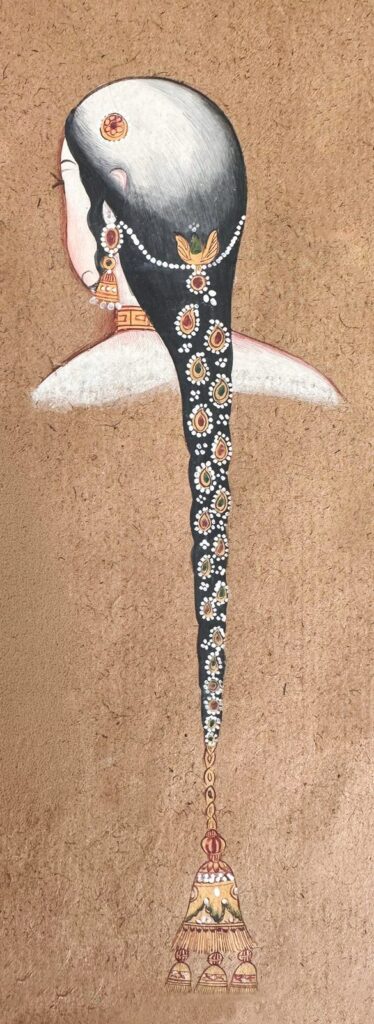
Ottoman jewelers frequently combined diamonds with colored stones such as emeralds and rubies to create contrast and visual balance. Turban ornaments, brooches, and ceremonial decorations often featured symmetrical gemstone arrangements framed by finely worked gold.
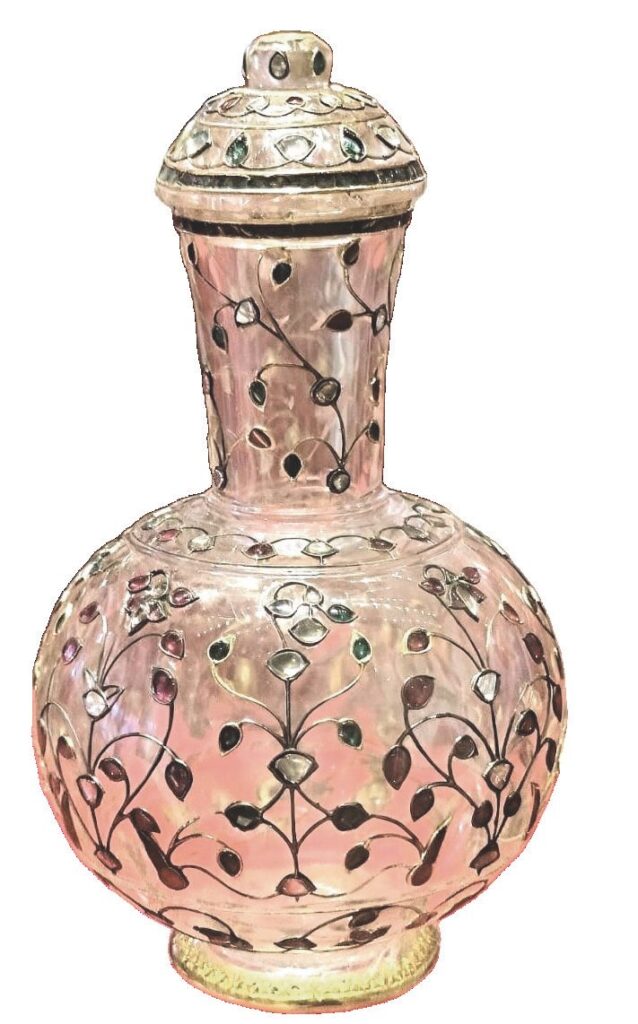
Persian Jewelry – Turquoise and Enamel
Jewelry from Iran, particularly during the Qajar period, highlights the extraordinary importance of turquoise. Persian turquoise mines—especially those near Nishapur—produced some of the most highly valued stones in the world. These gems were admired for their intense blue color and minimal matrix patterns.
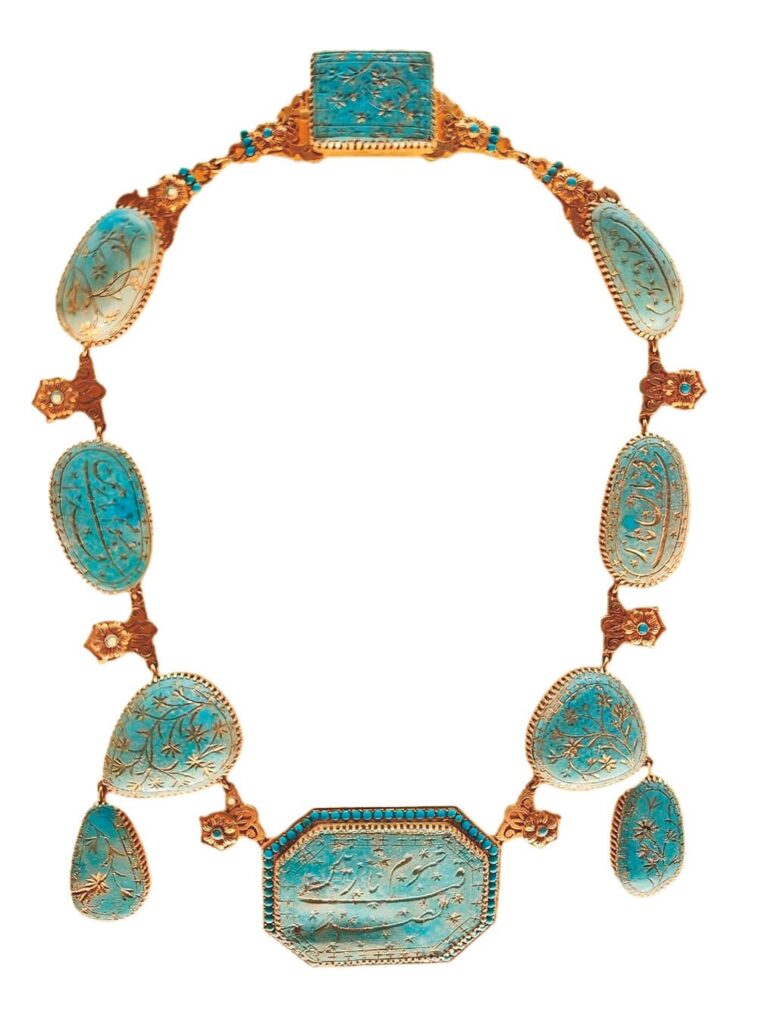
Persian jewelers often paired turquoise with enamel decoration. Enameling allowed artisans to add bright colors such as cobalt blue, white, green, and red to metal surfaces. When combined with gemstones, enamel created striking visual compositions that emphasized contrast and vibrancy. In many pieces, turquoise stones were cut into cabochons—a smooth, rounded shape without facets—which enhanced the natural color and surface luster of the gem.
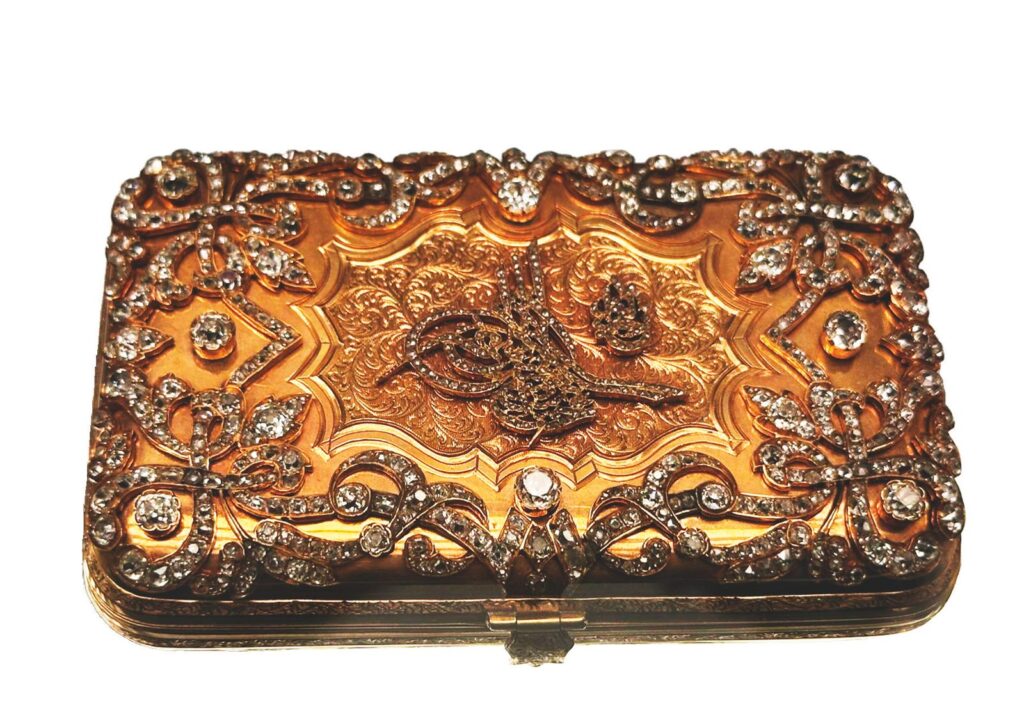
Gold cigarette case set with diamonds, Ottoman, Turkey, 1876 – 1882.
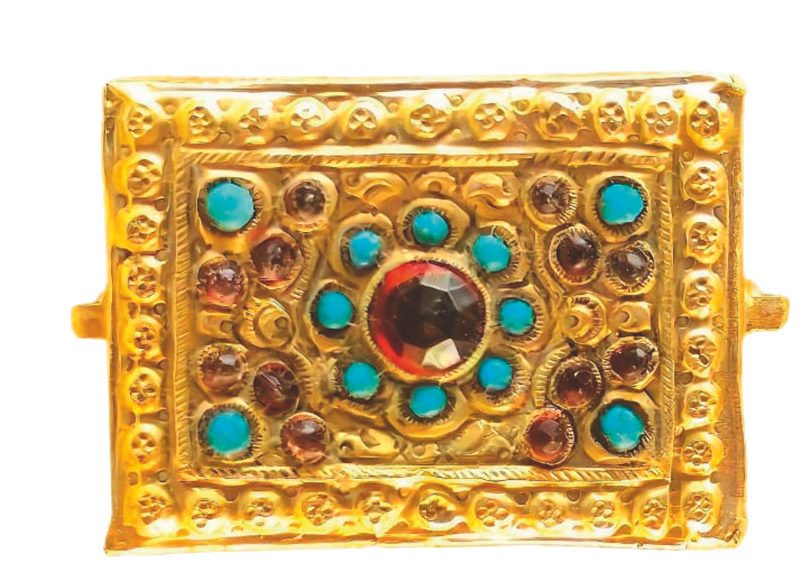
Turkmen jewelry, for example, frequently incorporated large carnelian stones set into heavy silver frameworks. The deep red color of carnelian was believed to possess protective properties, while the silver metal itself was thought to ward off negative energy.
In some cases, colored glass was used as a substitute for gemstones, allowing artisans to achieve vibrant color effects even when precious stones were not available. The resulting jewelry pieces are bold, dramatic, and rich in cultural symbolism.
Gem Cutting and Setting Techniques
The brilliance of these gemstones is enhanced by the techniques used to cut and mount them. Many gems in Islamic jewelry were shaped as cabochons rather than faceted stones. The cabochon cut highlights the natural color and translucency of gems like turquoise, agate, and carnelian.
For diamonds and some other stones, rose-cuts were commonly used before the modern brilliant-cut became widespread. These early cuts created subtle flashes of light rather than intense sparkle.
Jewelers also developed sophisticated setting techniques. Stones were often placed in closed-back settings, sometimes with reflective foil behind the gem to enhance its brightness. This technique was particularly common in Mughal jewelry, where it intensified the color and brilliance of gemstones.

A Celebration of Gemstone Beauty
Today, visitors exploring the Islamic Arts Museum Malaysia in Kuala Lumpur encounter far more than mere decorative ornaments. The jewelry collection reveals the deep relationship between gemstones, craftsmanship, and cultural identity.
From the luminous turquoise of Persian necklaces to the vivid emeralds of Mughal court jewelry, the powerful red spinels of imperial ornaments, and the opulent jewels associated with the Nizam of Hyderabad, each piece tells a story of gemology, artistry, and human creativity. Together, they form a dazzling testament to how colored gemstones have inspired jewelers across centuries to transform Nature’s treasures into enduring works of art.
(Photos are courtesy of the author unless otherwise specified.)