Sleeping Beauty Turquoise from Arizona’s Globe-Miami district is celebrated for its pure, uniform robin’s-egg blue color and nearly matrix-free microcrystalline texture, making it one of the most influential turquoise varieties in modern gemology. This article summarizes the geological conditions that contributed to its formation, emphasizing supergene weathering processes, exceptionally iron-poor host rocks, and arid-climate oxidation that together produced its distinctive hue. Rare variants—including the Black Pearl Sleeping Beauty and the highly compact green turquoise—offer insight into localized chemical and redox changes within the deposit during its final operational years. The study further examines the challenges associated with laboratory-based origin determination, reviews treatment methods such as stabilization and the Zachery process, and proposes a classification framework based on color, texture, and matrix characteristics. Although mining ceased in 2012, Sleeping Beauty Turquoise continues to serve as a benchmark for quality, cultural significance, and gemological research, preserving its legacy as an iconic gemstone of the American Southwest.
Fourteen years have passed since the Sleeping Beauty Mine fell silent—its final truck leaving the pit and the once-vibrant blue seams fading into history. However, the color that it gave the world, the pure and unbroken sky-blue, still defines the ideal of turquoise today.
This article is a tribute to that legacy and pays special gratitude to Monty Nichols, the legendary mine owner who has lived quietly since its closure. His generosity in sharing rare archival photographs and personal recollections made it possible to complete this record of the gem that has become an American icon.
The story of Sleeping Beauty Turquoise is more than geology—it is a story of integrity, of craftsmanship, and of a color so vivid that it has outlived its source. From the dry copper hills of Arizona to the jewelers’ benches of the world, its legacy endures as a symbol of truth in simplicity and the enduring power of the Earth itself.
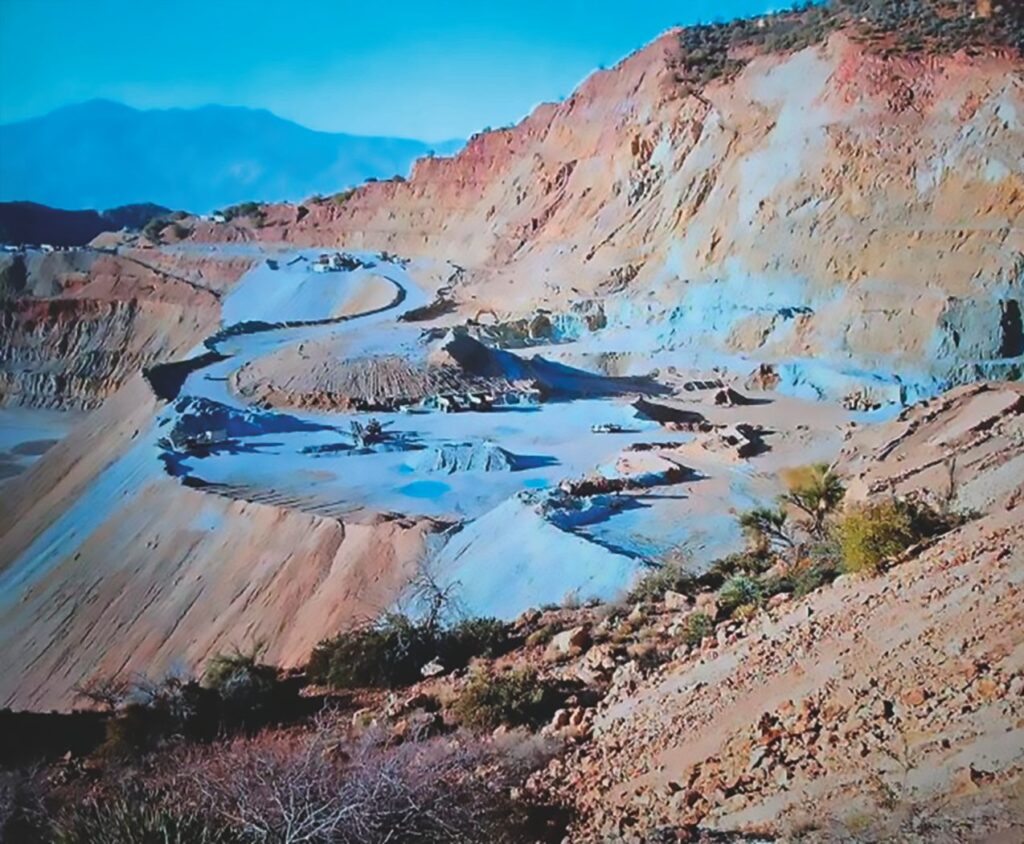
Awakening the Sleeping Giant
Among the many mineral treasures found in the copper belts of the American Southwest, few possess the enduring beauty and cultural resonance of Sleeping Beauty Turquoise. Known for its unmistakable Robin’s-egg blue color and fine, porcelain-like surface, this gemstone has long symbolized clarity, purity, and the legacy of American gem craftsmanship.


The name Sleeping Beauty derives from a nearby mountain whose ridgeline resembles a reclining woman. According to local tradition, the peak was regarded by Indigenous communities as a protector of both land and sky. Its name also evokes the tranquil character of its finest stones—gems that seem to embody stillness in mineral form.
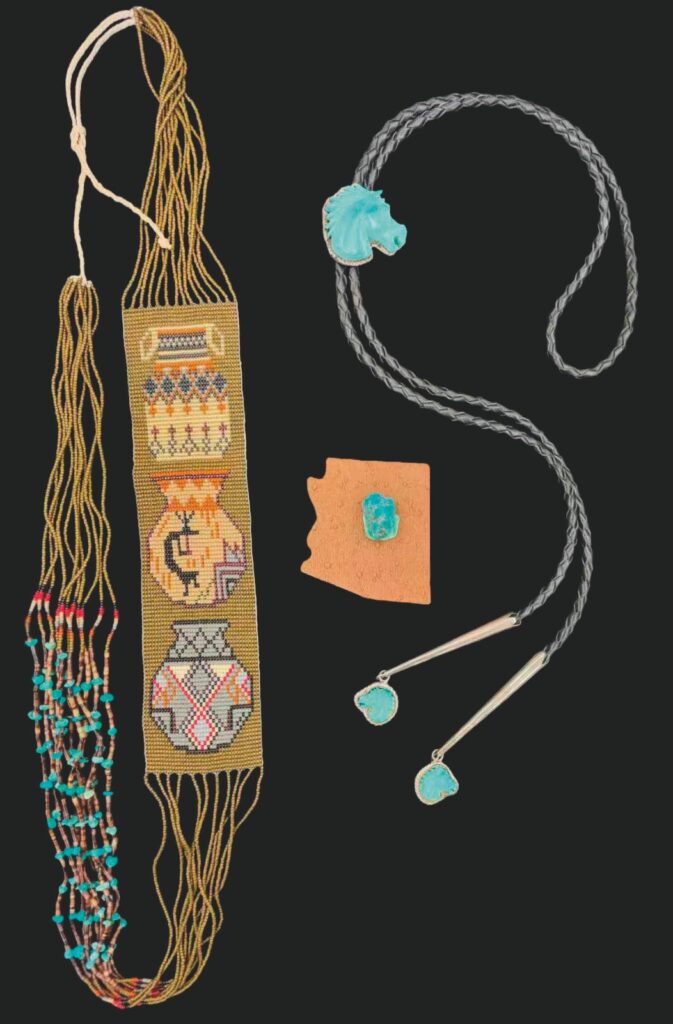
Their appeal reaches across cultures and industries: for Native American artisans, they represent the sky and a sacred connection to the spirit world; for international jewelry houses, they offer chromatic perfection and design versatility; for collectors, they preserve a tangible link to an era of American mining now closed.
Birth of a Legend: Monty Nichols and the Sleeping Beauty Mine
In the early 1970s, miner and lapidary expert Monty Nichols took leadership of Arizona’s famed Sleeping Beauty Mine, transforming a long-standing copper operation into one of the world’s most recognizable sources of turquoise. Born into a family of miners, Nichols combined technical skill with geological intuition, developing expertise in mineral chemistry and lapidary arts that would later set new industry standards for turquoise cutting and grading.
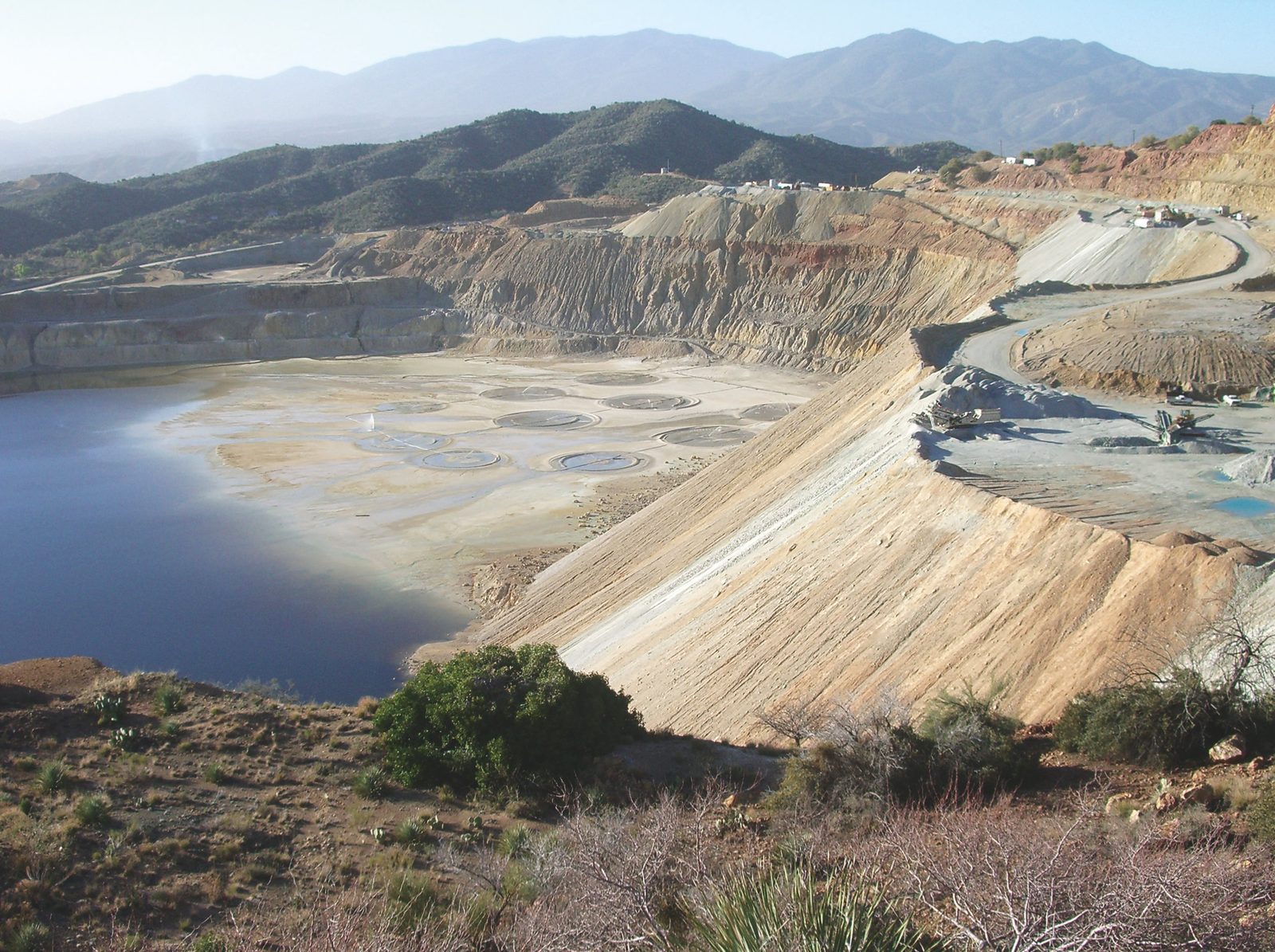
The Sleeping Beauty deposit lies within the broader American Cordillera, a geologic belt of copper-rich formations extending from Arizona into New Mexico. Initially developed for copper extraction, the mine’s by-product—an exceptionally pure, vividly blue turquoise—soon eclipsed its primary ore. With minimal veining and a rare porcelain-like surface, it became the benchmark for uniformity and color purity in American turquoise. While turquoise from this region had been gathered since prehistoric times, it was not until the mid-20th century that the material’s consistent hue and clarity drew global attention.
Under Nichols’ direction, production methods became increasingly exacting. Stones were graded meticulously, with any material showing discoloration or matrix firmly rejected. This rigorous approach gave rise to the mine’s signature “flawless blue,” which soon appeared in jewelry houses from Santa Fe to New York to Paris. Nichols also fostered close working relationships with Navajo and Zuni artisans, ensuring a reliable supply of turquoise for ceremonial use and helping connect traditional craftsmanship with global design markets.
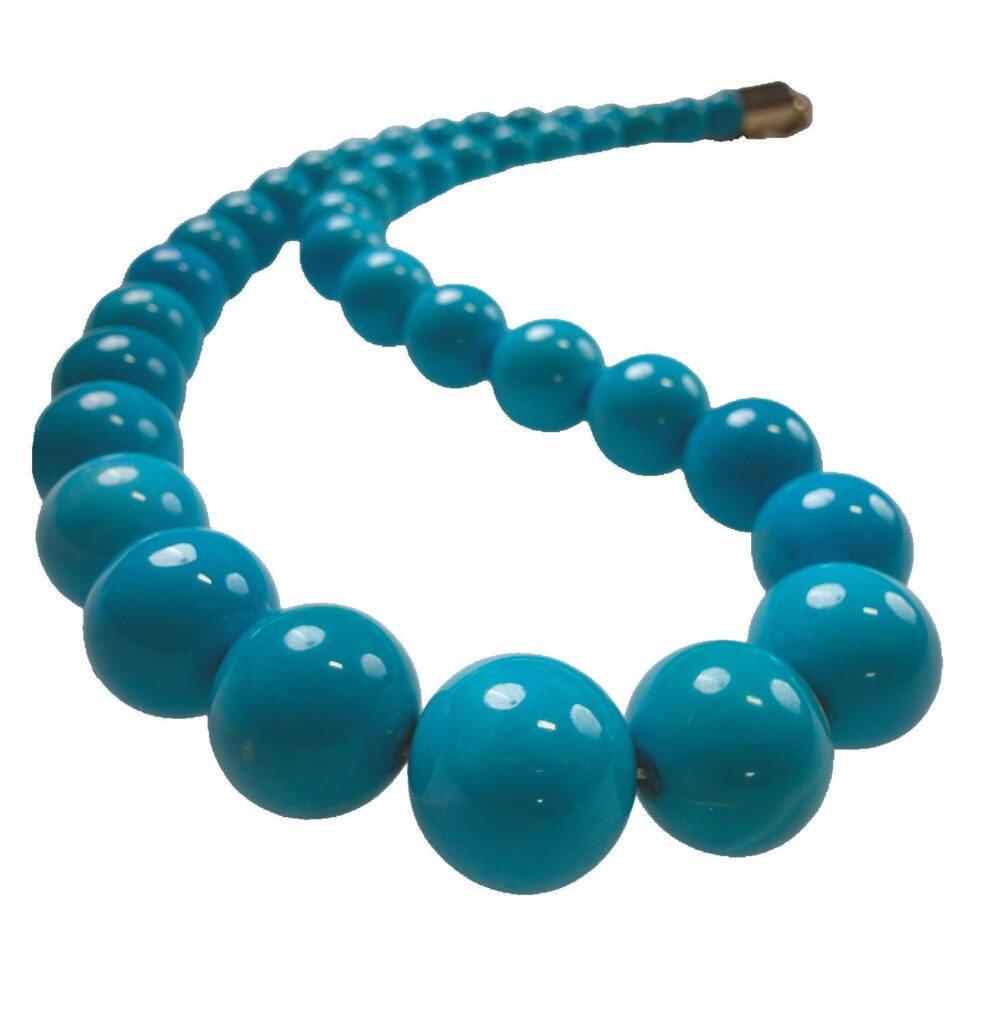
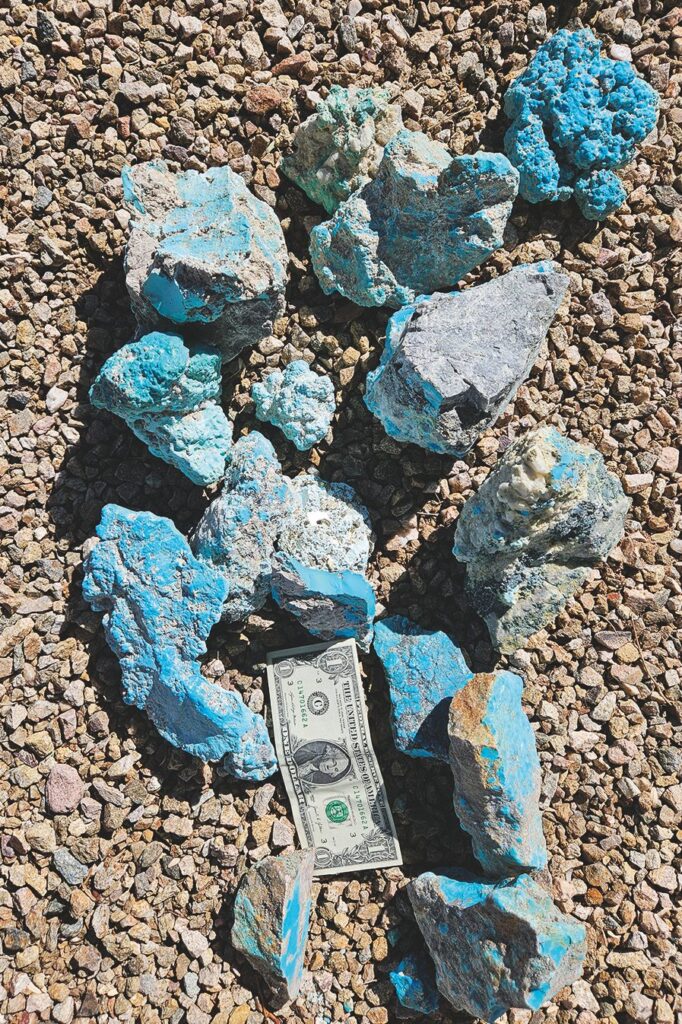
For decades, the Sleeping Beauty Mine symbolized excellence in American turquoise. Yet, by the early 21st century, new pressures began to mount. Nichols later explained that the decision to close the mine was driven not by resource exhaustion, but by stricter environmental regulations, declining copper prices, and the impending expiration of the mine’s lease with the copper company.
A feasibility study revealed that further turquoise extraction would require removing large sections of mountain—an operation demanding extensive manpower, heavy equipment, and significant capital investment. After careful evaluation, Nichols and his team chose not to renew the lease, officially ending mining operations in 2012.
Contrary to popular belief, the mountain was not depleted. Rich turquoise still lies beneath its surface, but the cost and environmental implications of renewed mining render future operations highly improbable. As Nichols said, “The mountain still holds its treasure—but whether it will ever wake again, that is for future generations to see.”
Today, the Sleeping Beauty name endures as a hallmark of quality and purity. Its turquoise continues to circulate through international markets, museum collections, and fine jewelry ateliers—an enduring legacy of American gem-mining history and the vision of one man who gave new life to a sleeping mountain.
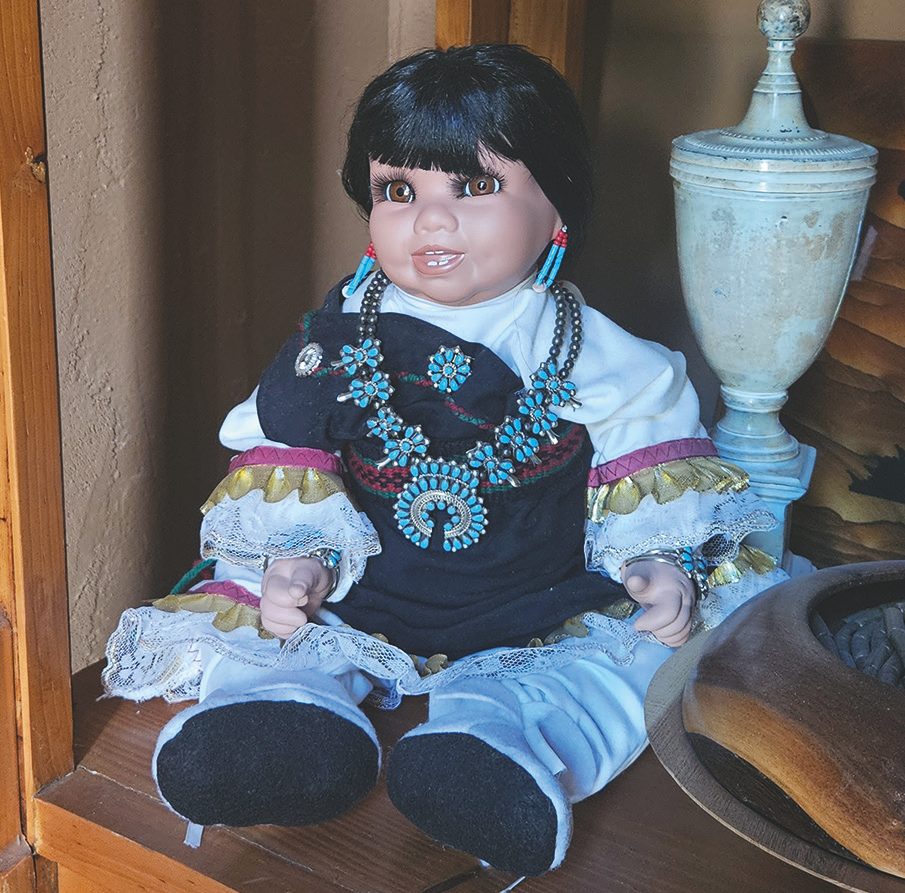
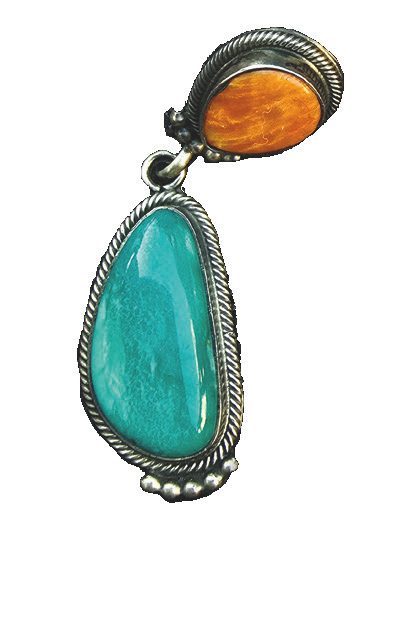
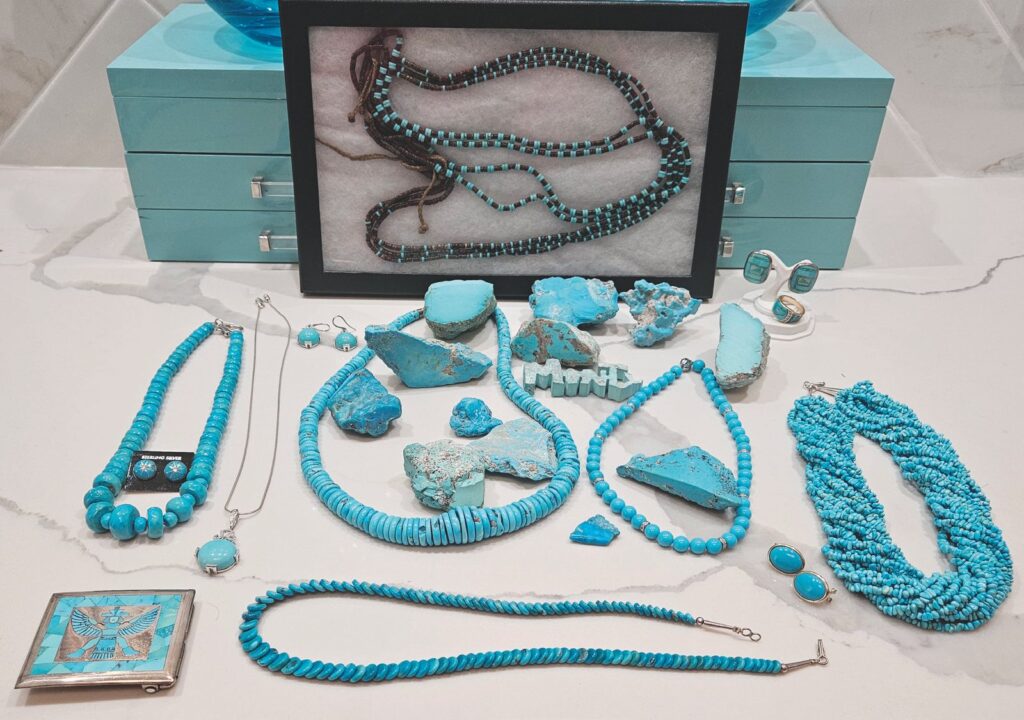
In cataloguing Monty’s inventory, the author observed subtle variations that few might have noticed: delicate shifts in tone, trace inclusions, and the occasional webbing pattern that hinted at greater geological diversity within the Sleeping Beauty deposit. These findings inspired a deeper investigation using modern gemological tools and comparative reference to known turquoise localities.
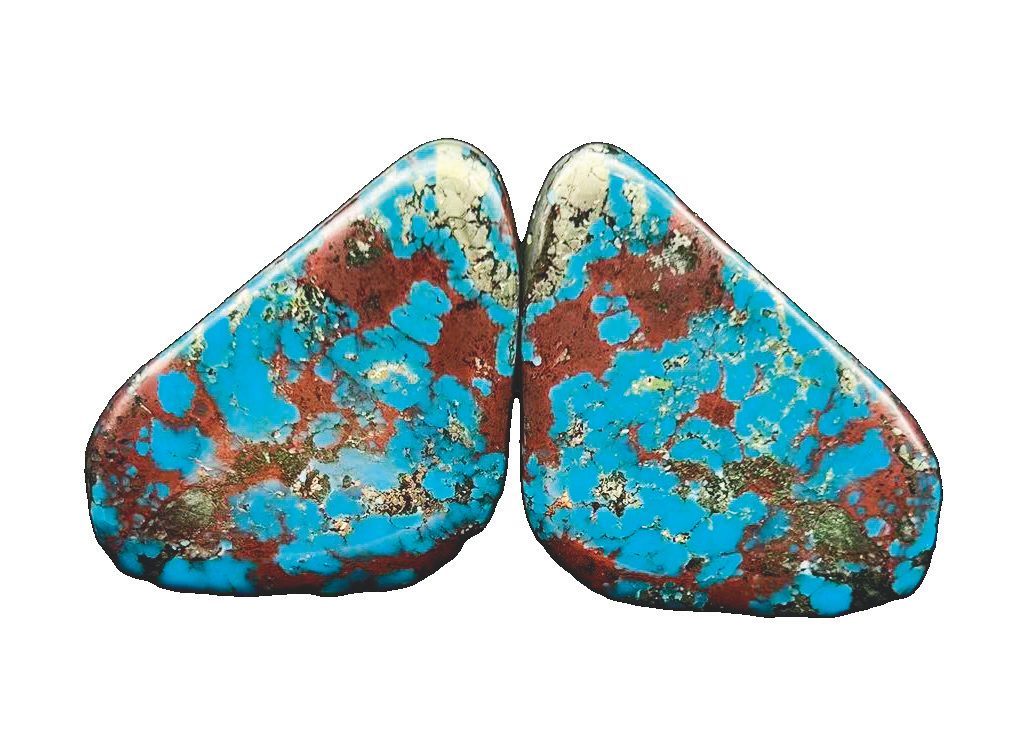
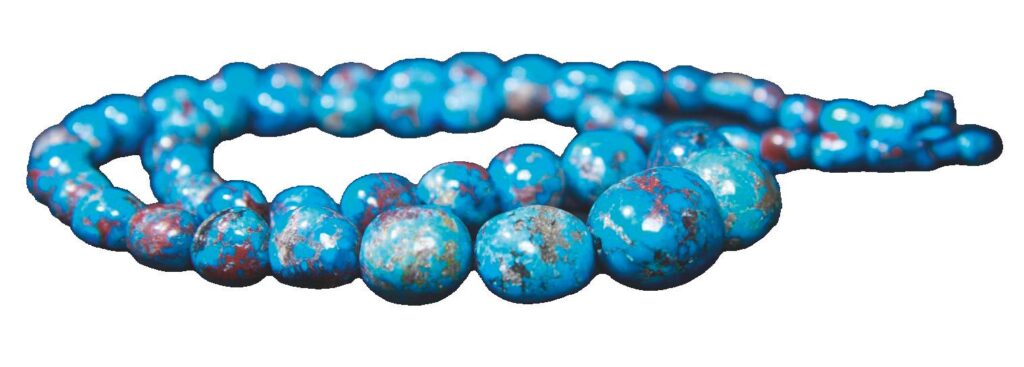
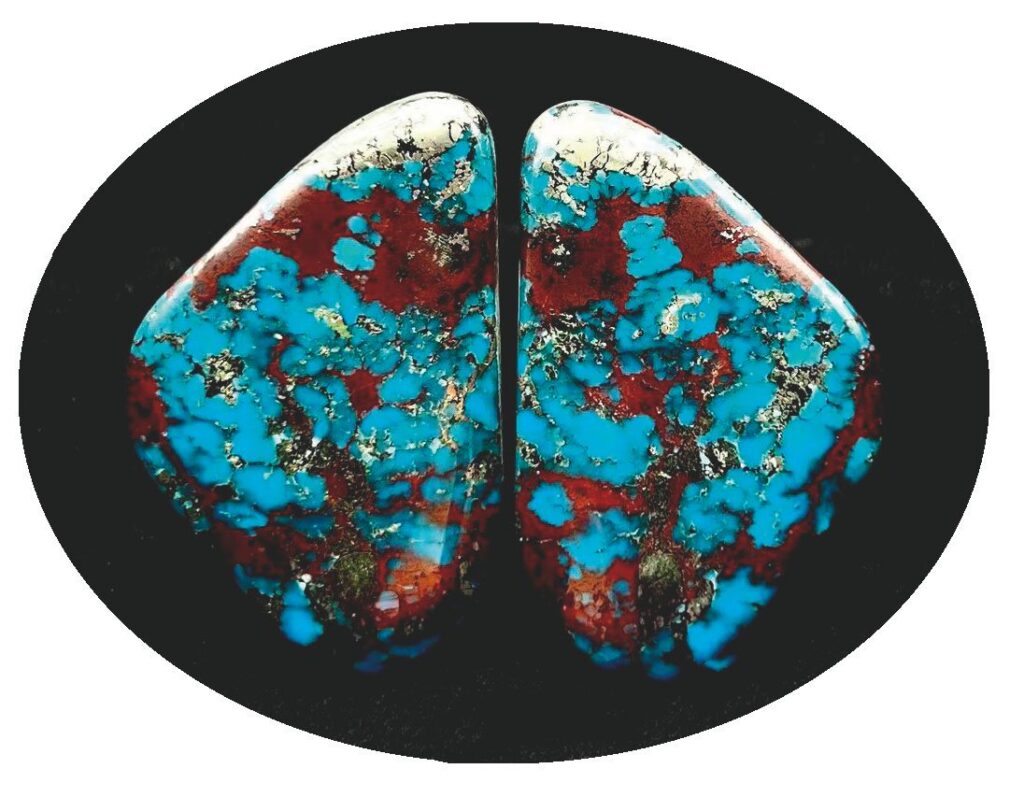
During this process, a small but extraordinary parcel was discovered, one that is now known among collectors as “Monty’s Last Vein.” This material defied the traditional image of Sleeping Beauty turquoise. Within this group, stones revealed an unexpected combination of hues and textures—the pure blue typical of Sleeping Beauty interlaced with reddish-brown veining reminiscent of Bisbee turquoise, and golden-copper webbing similar to that of Lander Blue.
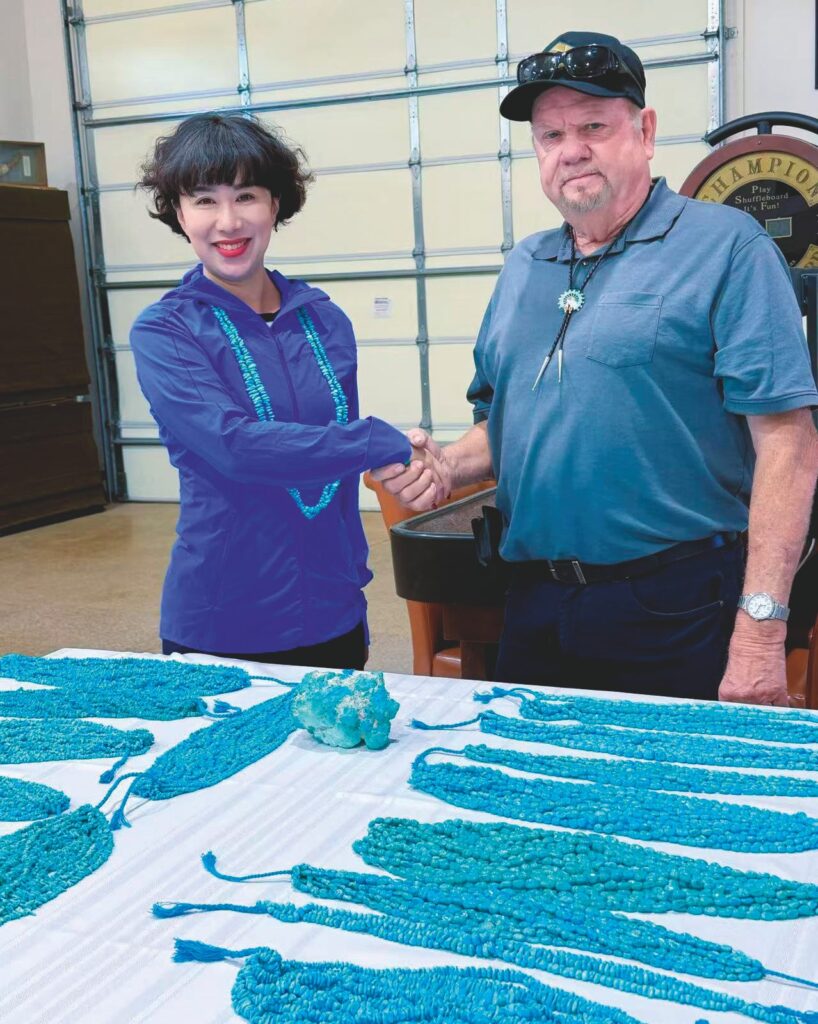
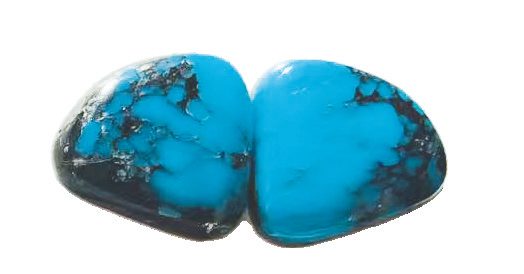
According to Nichols, this pocket was discovered during the mine’s final months of operation. At first, he regarded it as an anomaly—too dark and uneven to represent the high blue standard for which the mine was famous. Only later, after cutting and polishing several pieces, did he realize its extraordinary character. Under light, the stones revealed a layered depth—shifting between blue, bronze, and soft crimson highlights. Collectors would later nickname this striking variety the “Black Pearl Sleeping Beauty.”
The total yield of this material is estimated at less than two pounds, and nearly all of it remains in private hands. It represents not only an aesthetic rarity but also a geological record of the mine’s closing chapter—capturing the subtle chemical transitions that took place deep within the deposit.
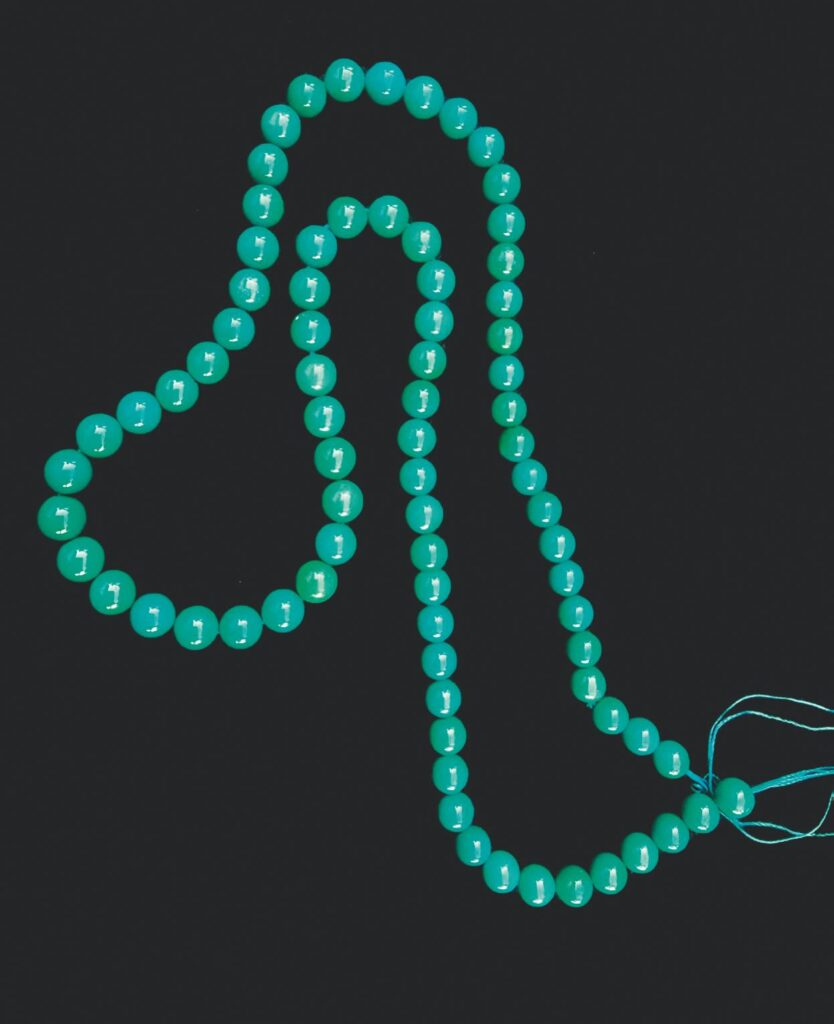
The author’s research also brought renewed attention to another exceptional variant: the Green Sleeping Beauty Turquoise. Though the mine occasionally produced compact, high-ceramic green material, it was rarely seen on the market. For decades, most of these stones were intentionally backfilled to preserve the mine’s global reputation for flawless “high blue” turquoise. Nichols explained that his partners at the time believed the Sleeping Beauty name should remain synonymous with its signature blue. Only in the final stage of production did Monty polish a limited number of the green stones, revealing a luminous tone and translucency unlike any other turquoise from the region.
Properties and Qualities of Sleeping Beauty Turquoise
Among all turquoise varieties, Sleeping Beauty stands apart for its exceptional purity of both its uniform and luminous robin’s-egg blue color and texture. Unlike deposits that contain dark veining or brown matrix, turquoise from Arizona’s Sleeping Beauty Mine formed in compact microcrystalline masses that are nearly inclusion-free. When polished, it develops a soft porcelain-like gloss and a depth of color reminiscent of the desert sky over Globe at noon.
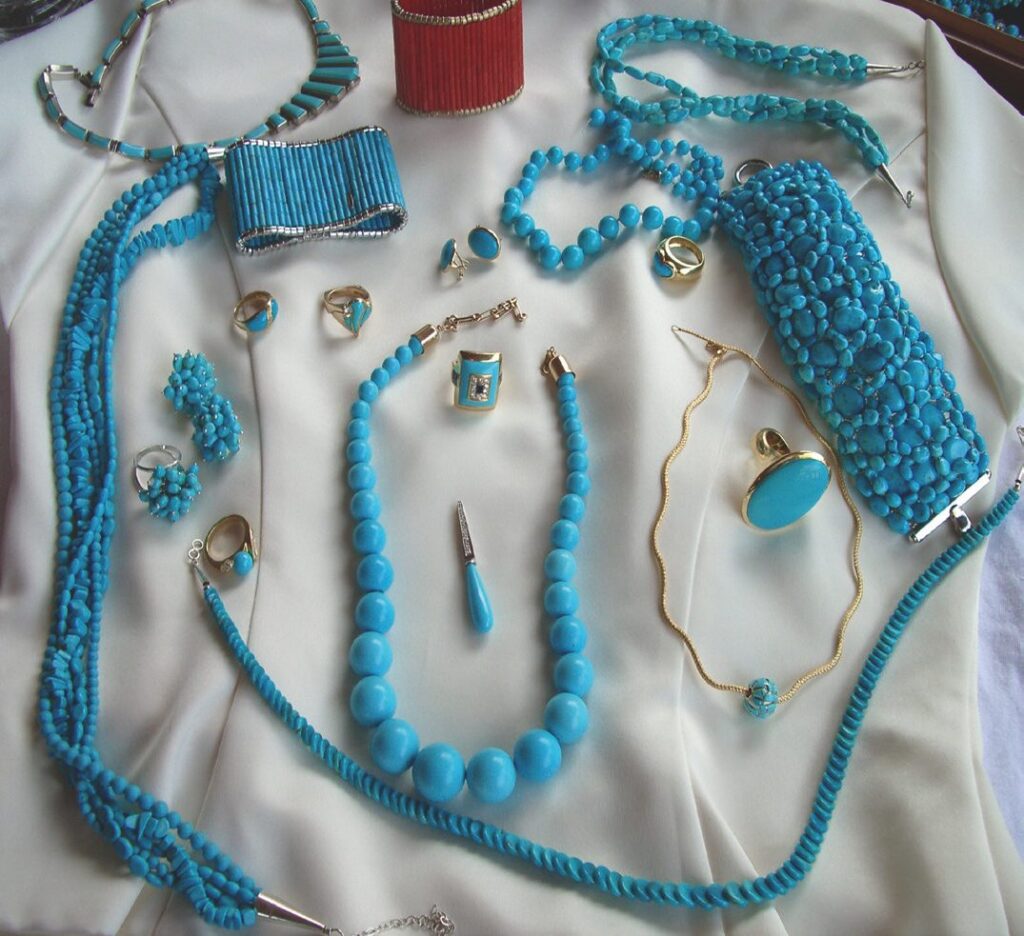
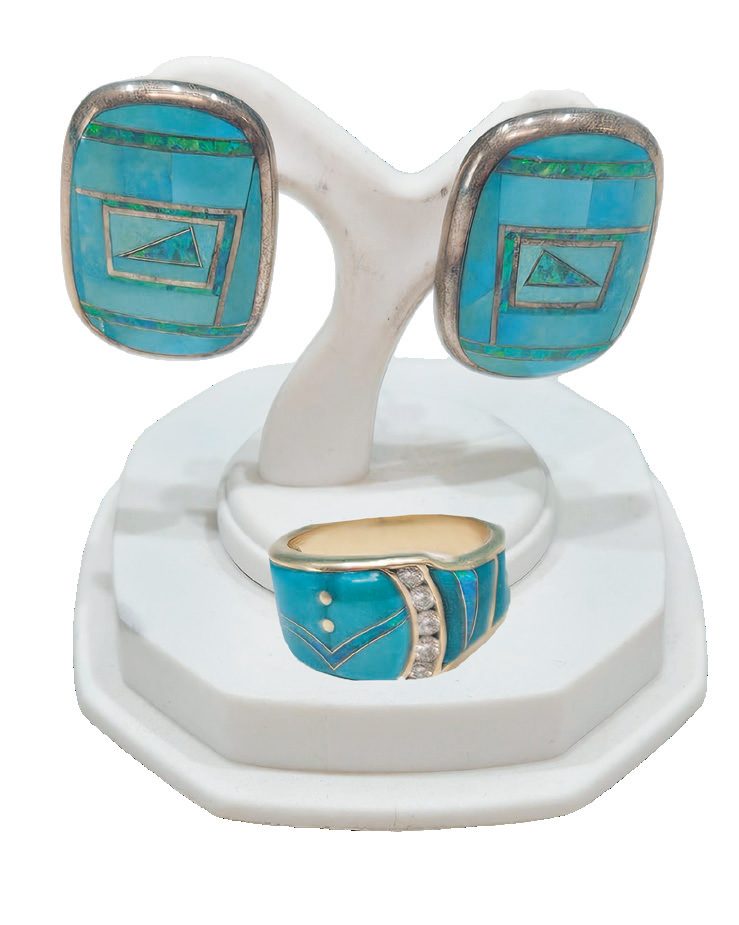
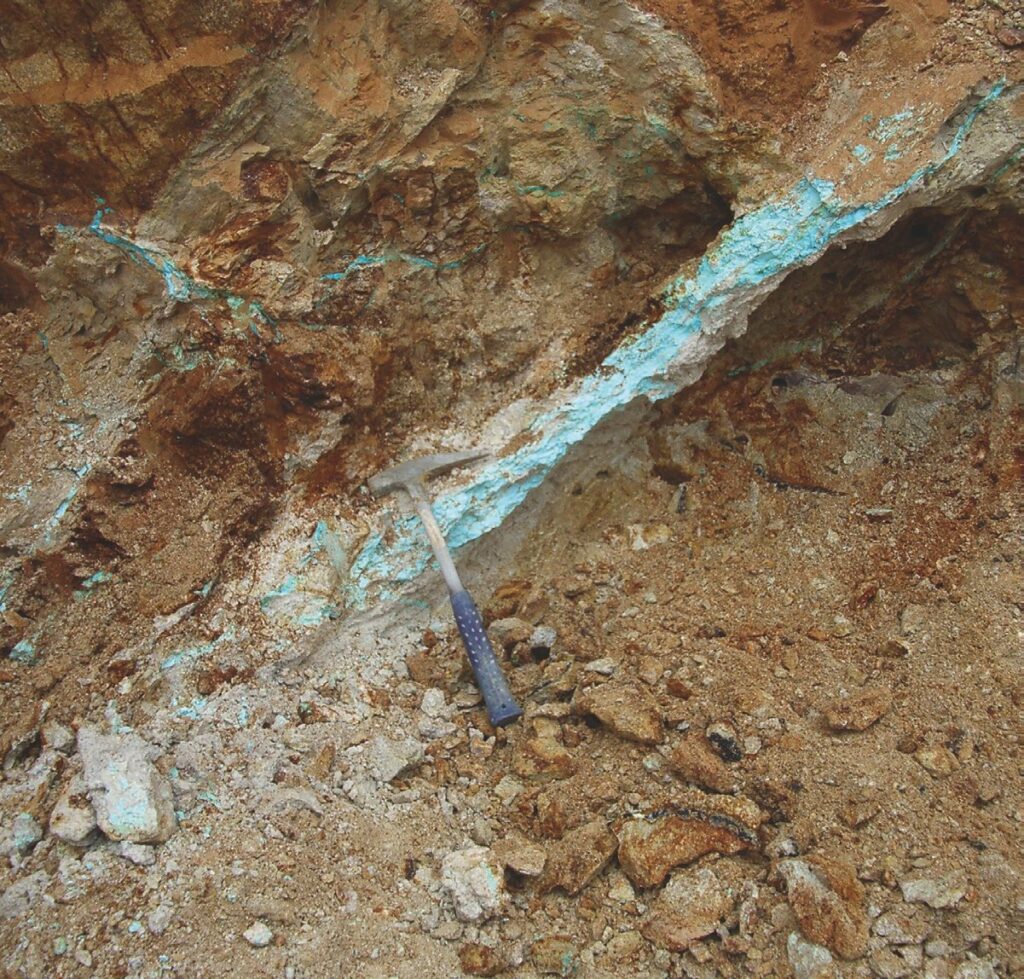
Sleeping Beauty was never an underground mine. Every piece of turquoise—from small nodules to the finest high-blue—was exposed in daylight along the benches of an open-pit copper operation. No tunnels or adits were ever constructed for turquoise extraction. Instead, the material appeared naturally as weathered benches were cut back for copper, making it a true surface-born product of oxidation.
This purity reflects a highly specific geological setting. Formed entirely within the supergene zone of the Globe-Miami district, the deposit developed as copper-rich host rocks oxidized under an exceptionally arid climate. This chemical clarity—high copper and aluminum with iron reduced to nearly zero—gave rise to its iconic hue and produced a dense, fine-grained structure that lapidaries value. With a Mohs hardness of 5–6, Sleeping Beauty Turquoise is durable yet capable of taking an exquisite polish, yielding cabochons of exceptional smoothness and brilliance.
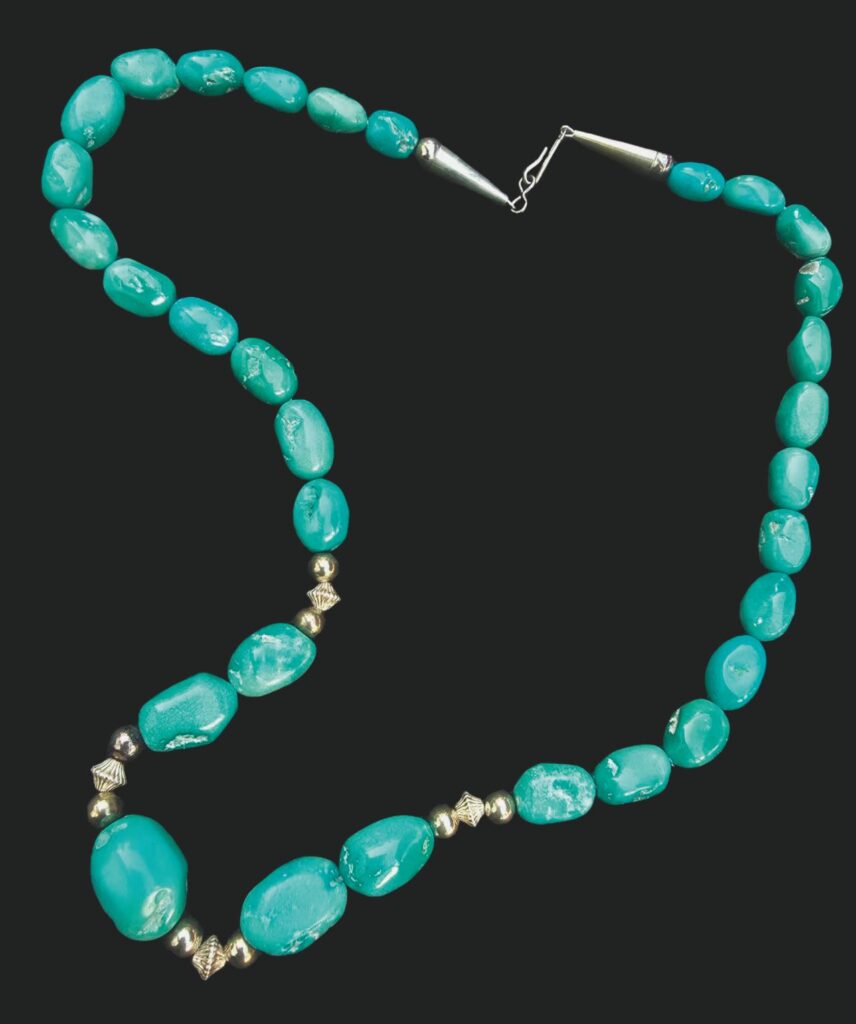
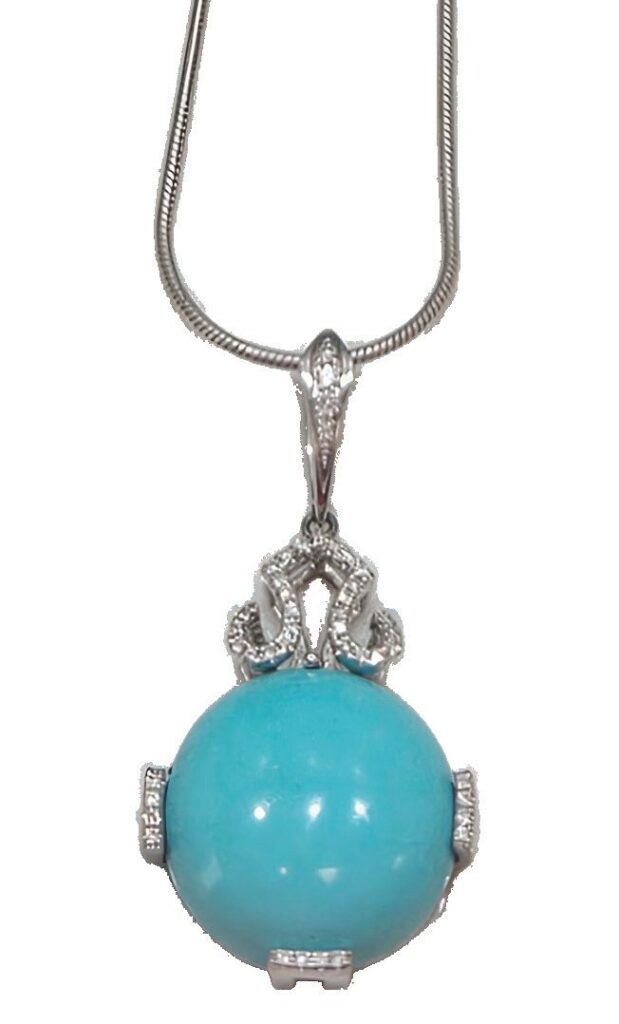
Such uniformity is rare. While turquoise is mined worldwide—from China to Iran to Egypt and across the American Southwest—few sources combine this level of chromatic consistency, density, and workability. Its blue was favored by Native American silversmiths and later by luxury jewelry houses such as Tiffany & Co. and Cartier, establishing it as the standard against which other turquoise is measured.
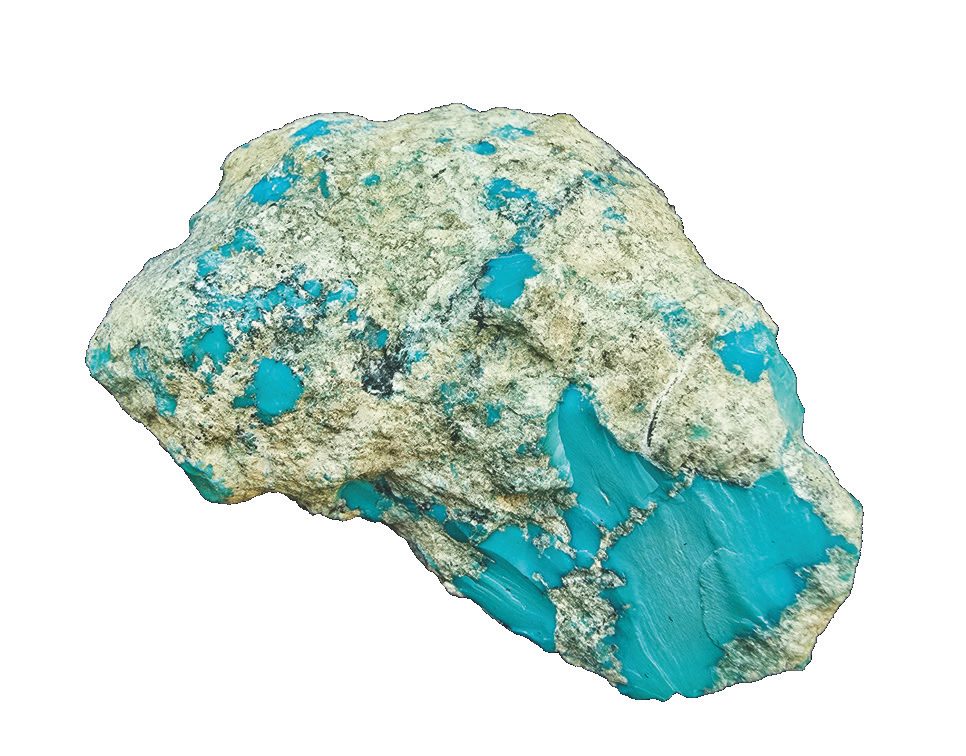
Since the mine’s closure in 2012, no new material has entered the market. Remaining rough exists largely in private collections, driving demand and elevating the value of untreated stones.


Can Laboratory Evidence Prove the Source of Sleeping Beauty Turquoise?
In gemological research, few topics generate more debate than the question of turquoise provenance. For the Sleeping Beauty material once mined near Globe, Arizona, this issue has grown increasingly complicated since the mine’s closure in 2012.
As rough becomes scarce, commercially motivated labeling based solely on color has blurred the line between geological identity and marketing terminology, prompting a fundamental question: Can modern science truly confirm where a turquoise originated? Turquoise is a hydrous phosphate of copper and aluminum whose chemistry varies widely according to local weathering conditions. Because it commonly forms in the oxidized zones of copper deposits—environments that are broadly similar worldwide—samples from different localities often display overlapping chemical and spectral features. Sleeping Beauty’s low iron content, high aluminum proportion, and vivid blue color are characteristic, yet similar profiles have been reported from other U.S. and Asian deposits.
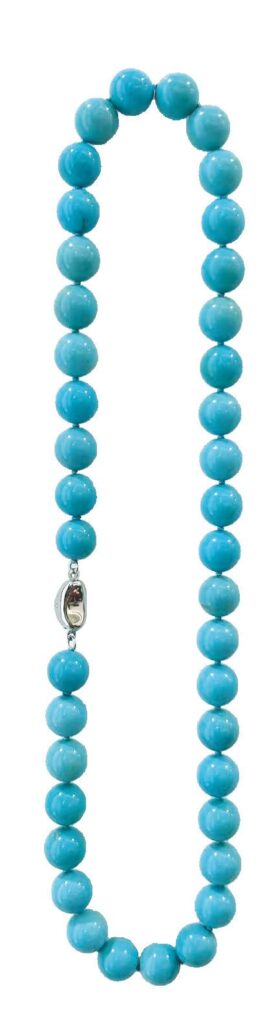
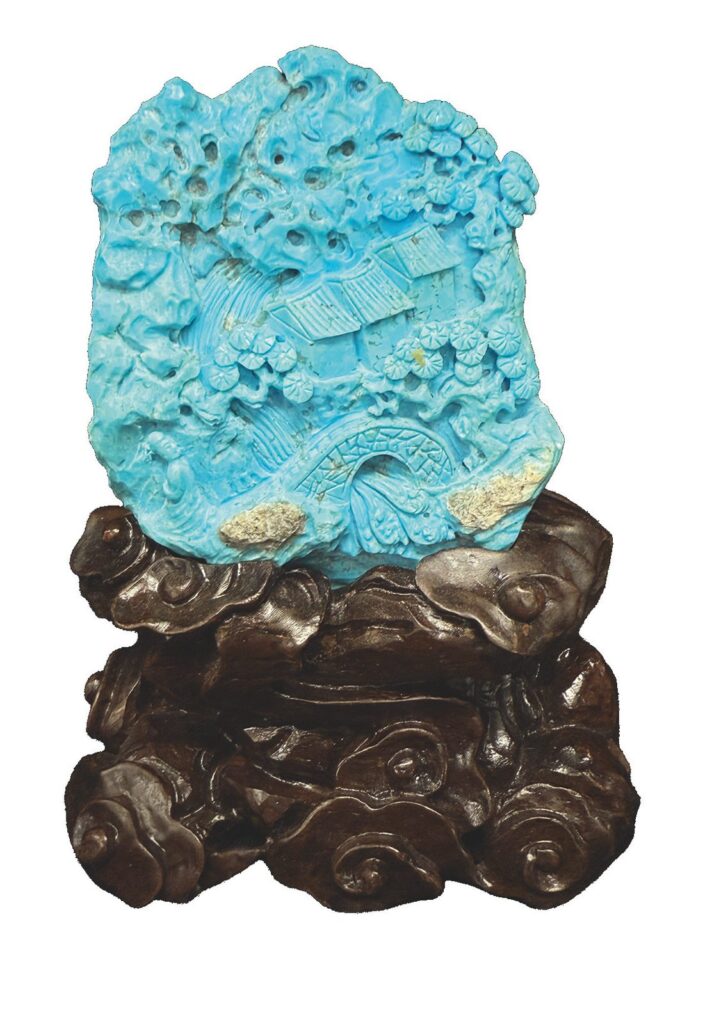
Modern laboratories employ techniques such as LA-ICP-MS, stable-isotope analysis, FTIR, Raman, and XRD to characterize trace elements, bonding environments, and lattice structure. These tools can identify treatments, distinguish natural from imitation materials, and indicate whether a sample is broadly consistent with known reference sets. However, none of these methods can currently provide a definitive origin determination for Sleeping Beauty Turquoise.
Treatments—such as stabilization, waxing, and dyeing—can alter or obscure natural chemical signals, while the absence of a global turquoise reference database makes detailed comparison difficult. Even within a single mine, natural variability can be considerable, further limiting certainty.
Thus, laboratory testing can offer valuable clues and help assess authenticity, but provenance remains an expert interpretation rather than a scientifically conclusive result.
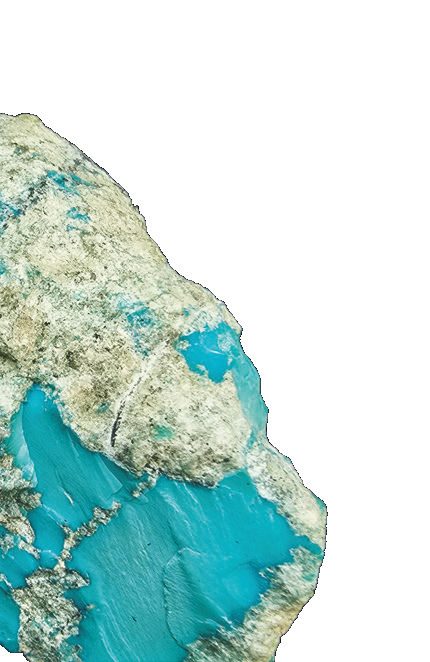
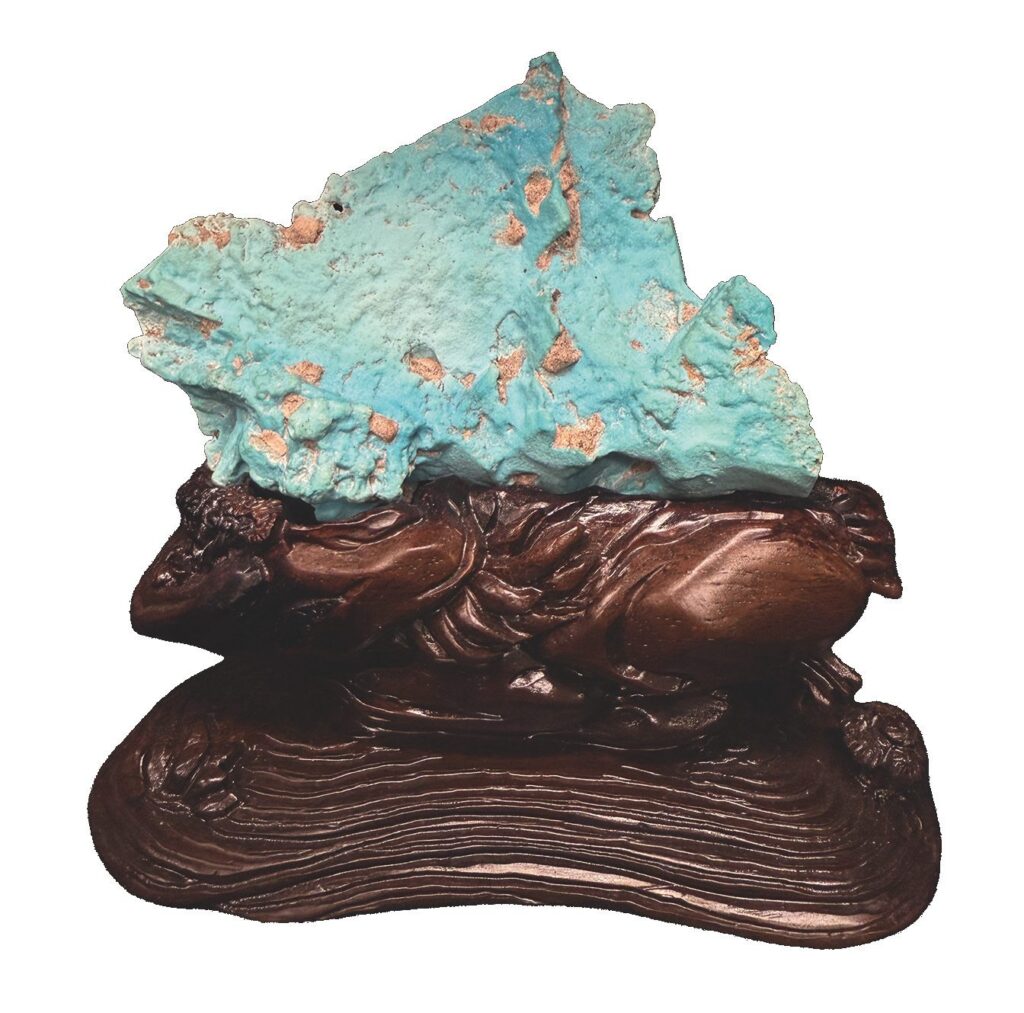
Carved landscape sculpture fashioned from untreated Sleeping Beauty Turquoise. The vivid sky-blue color and relatively uniform texture make this material suitable for intricate carving. (Photo: Fiona Tan)
The System Classification of Sleeping Beauty Turquoise
Although Sleeping Beauty turquoise is best known for its pure, unbroken sky-blue color, the material exhibits subtle variations that reveal the geological complexity of the Arizona deposit. Over the decades, lapidaries and traders have developed informal grading conventions based primarily on color tone, saturation, and the presence or absence of matrix, each reflecting both aesthetic preference and mineral composition.
The highest grade, often referred to in the trade as Robin’s-egg blue, displays a uniform, medium-intense tone without gray or green undertones. Its color is soft yet vivid—a balanced hue that has come to define the classic Sleeping Beauty ideal. Slightly darker stones, described as bright electric blue, are equally desirable to some collectors for their intensity and brilliance, though they occur less frequently. At the lighter end of the spectrum, baby-blue to pale-blue material shows cooler undertones and is often used in delicate, contemporary jewelry designs. All three color groups belong to the authentic visual range of Sleeping Beauty Turquoise, each representing a distinct expression of the mine’s geological environment.
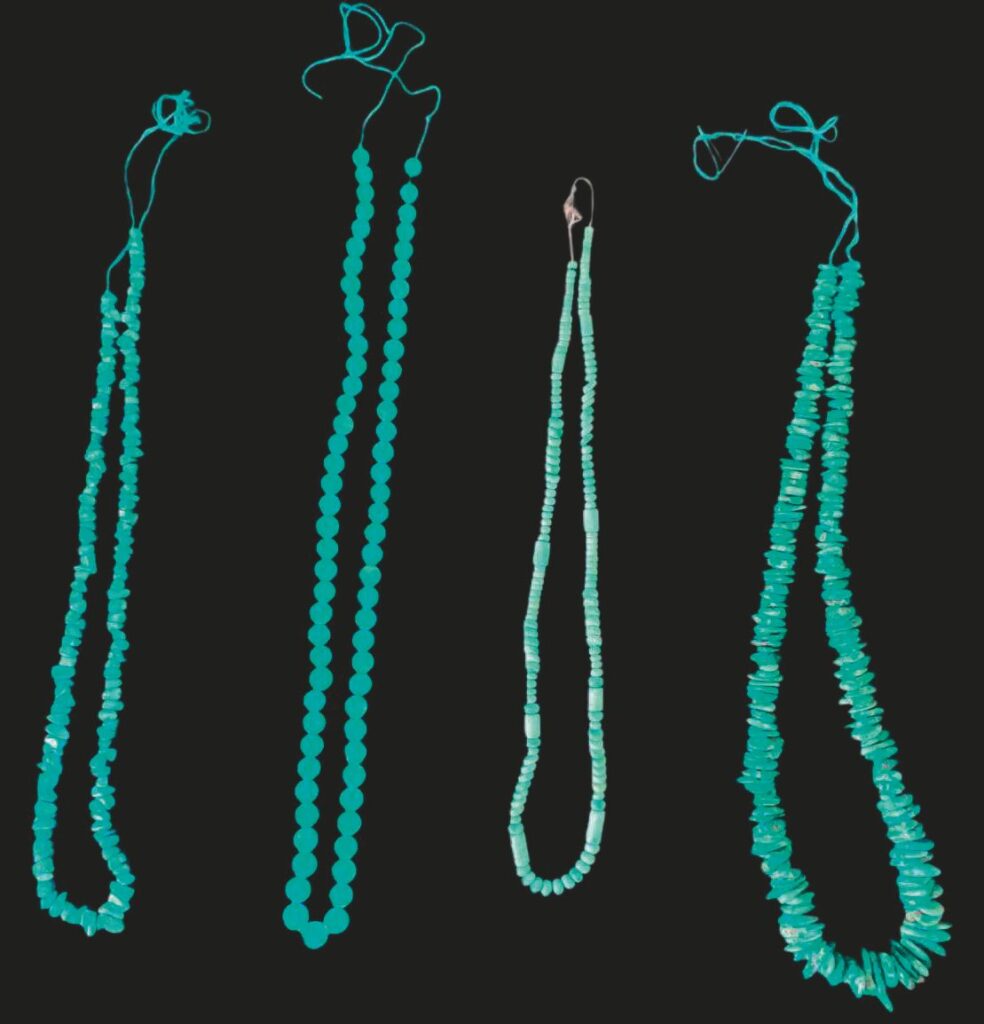
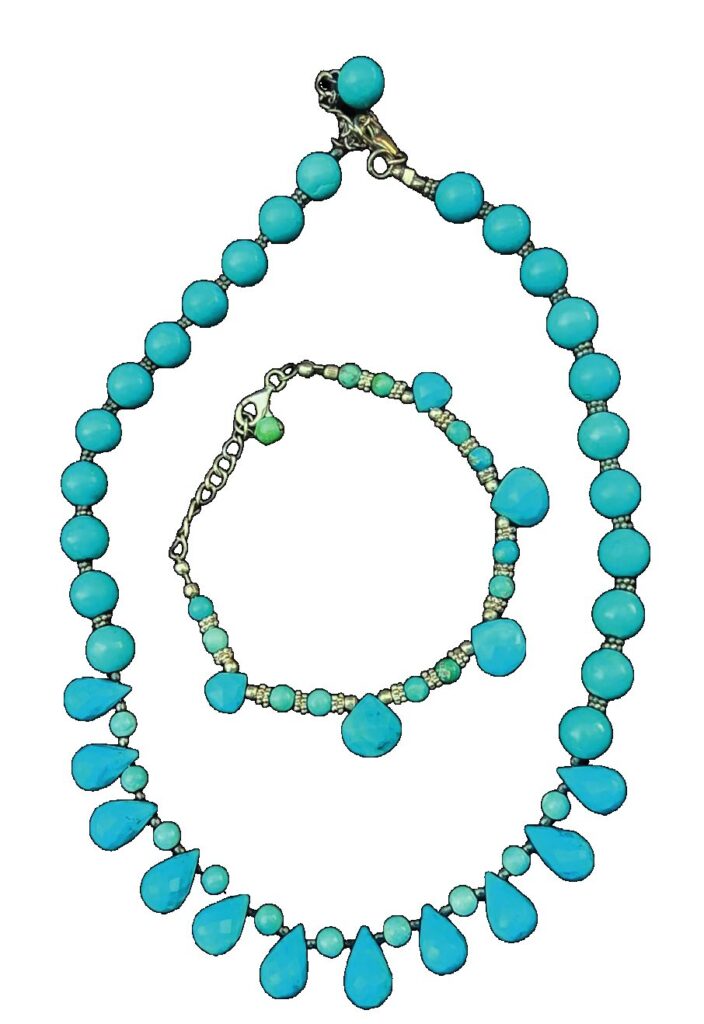
In addition to the celebrated blue material, a small quantity of green Sleeping Beauty turquoise emerged during the mine’s final years of production. These rare stones were identified and catalogued by Monty Nichols, who immediately recognized their unusual hue and remarkably high ceramic-like density. The green tone was not the result of contamination or altered chemistry, but of a subtle and localized shift within the supergene environment—specifically, a slight increase in iron during crystallization.
In the deeper or more peripheral pockets of the weathered copper zone, oxidation–reduction conditions fluctuated just enough to allow iron to substitute into the turquoise structure, producing a vivid and highly stable green. Although the Sleeping Beauty operation historically backfilled almost all green-leaning material to preserve its reputation for the iconic high blue, Nichols kept a handful of these extraordinary pieces. Once polished, they revealed a luminous, fine-grained surface unlike any other green turquoise in the American Southwest. Today, authentic green Sleeping Beauty Turquoise is virtually absent from the commercial market, surviving only in private collections and archival records—a significant reminder of the deposit’s hidden mineral diversity.
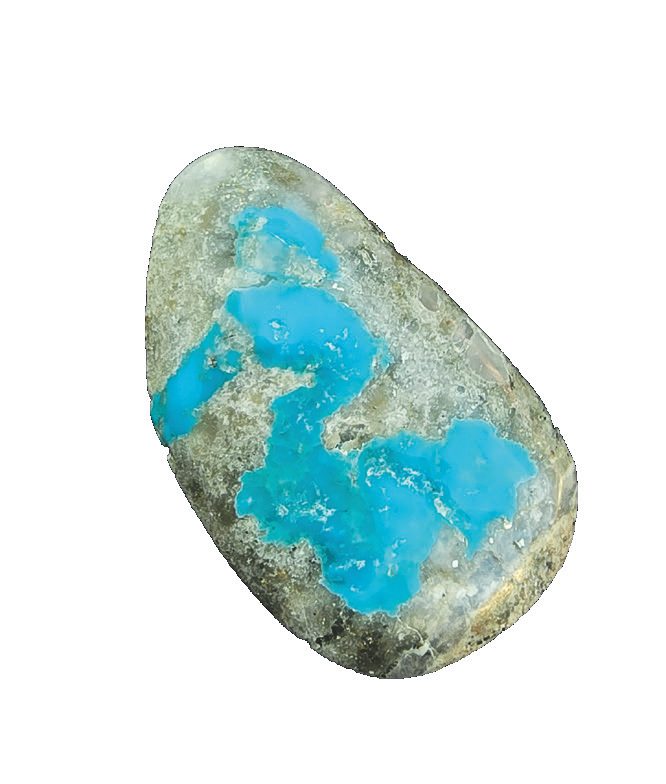
Another visual clue to the stone’s individuality is the matrix, the veining or web-like patterns caused by the host rock. The most coveted examples are matrix-free, exhibiting pure color fields uninterrupted by inclusions.
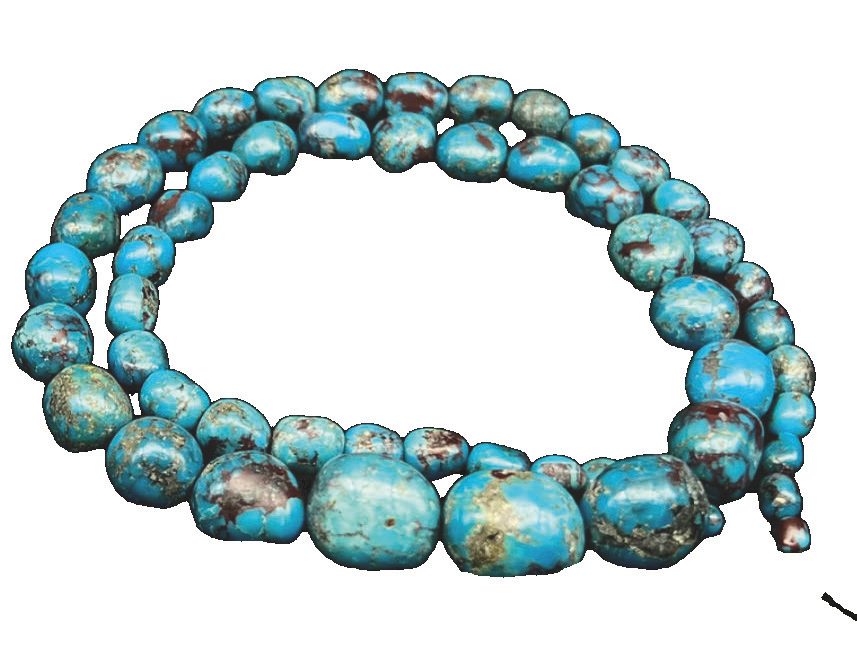
As mentioned earlier, one of Nichols’ late-period discoveries was the distinctive and rare form, known as “Black Pearl Sleeping Beauty.” It features delicate bronze and reddish webbing within the blue body color, a natural combination that recalls the intersection of three geological influences within the deposit’s final productive vein. Its visual effect is dramatic but refined, shimmering subtly under light without overwhelming the turquoise’s essential identity.
Other matrix patterns occasionally include minute metallic or pyritic specks, adding a reflective sparkle across the surface. Though less common, such inclusions testify to the complex mineral chemistry of the Sleeping Beauty system and are increasingly valued by collectors seeking specimens that capture the mine’s full mineralogical range.
Taken together, these variations—whether the immaculate blue of matrix-free cabochons, the enigmatic “Black Pearl” webbing, or the elusive green tones of the mine’s final discoveries—illustrate that Sleeping Beauty Turquoise was never a uniform product of color alone. Rather, it represents a mineral spectrum shaped by time, chemistry, and human discernment. Each shade and texture tells a different part of the same story: a turquoise born of Arizona’s copper heartland, refined by geology, and perfected by the hands that recognized its beauty.
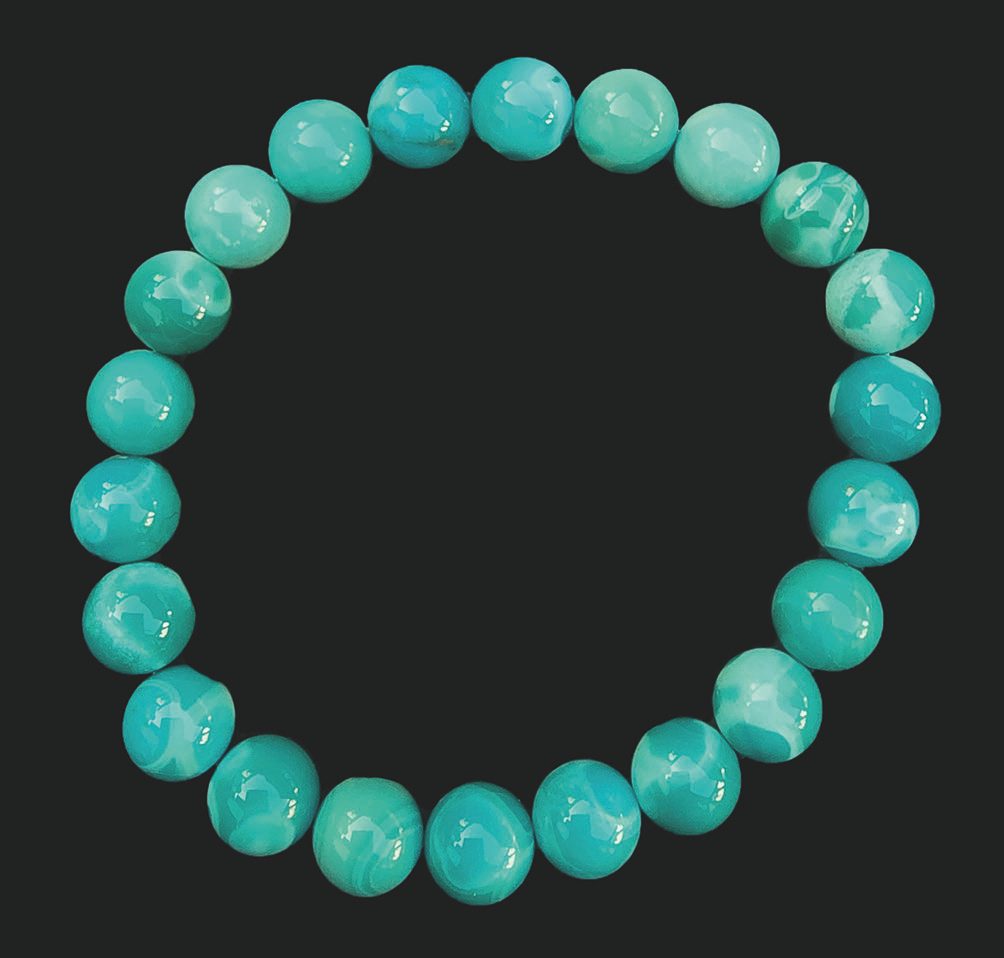
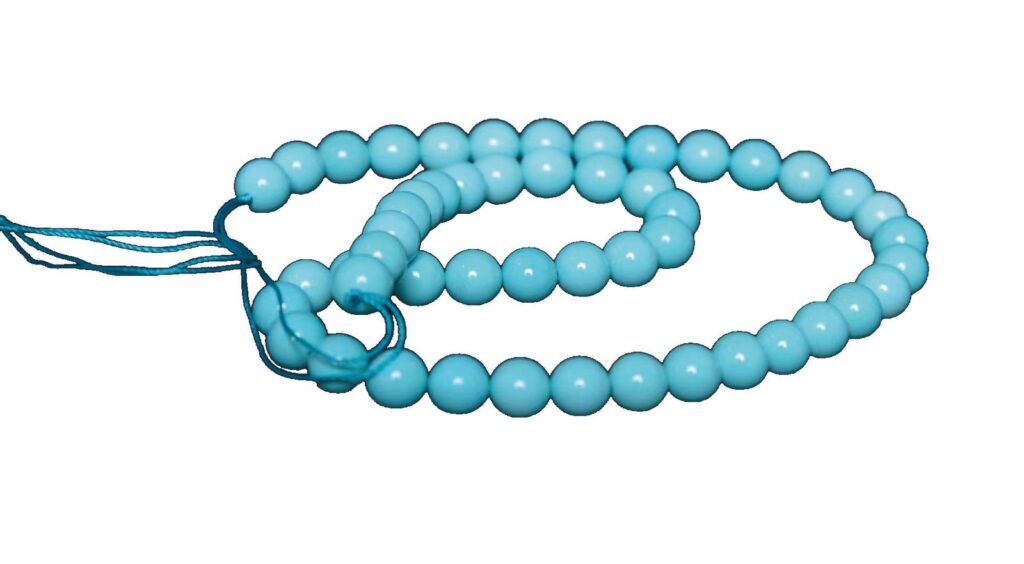
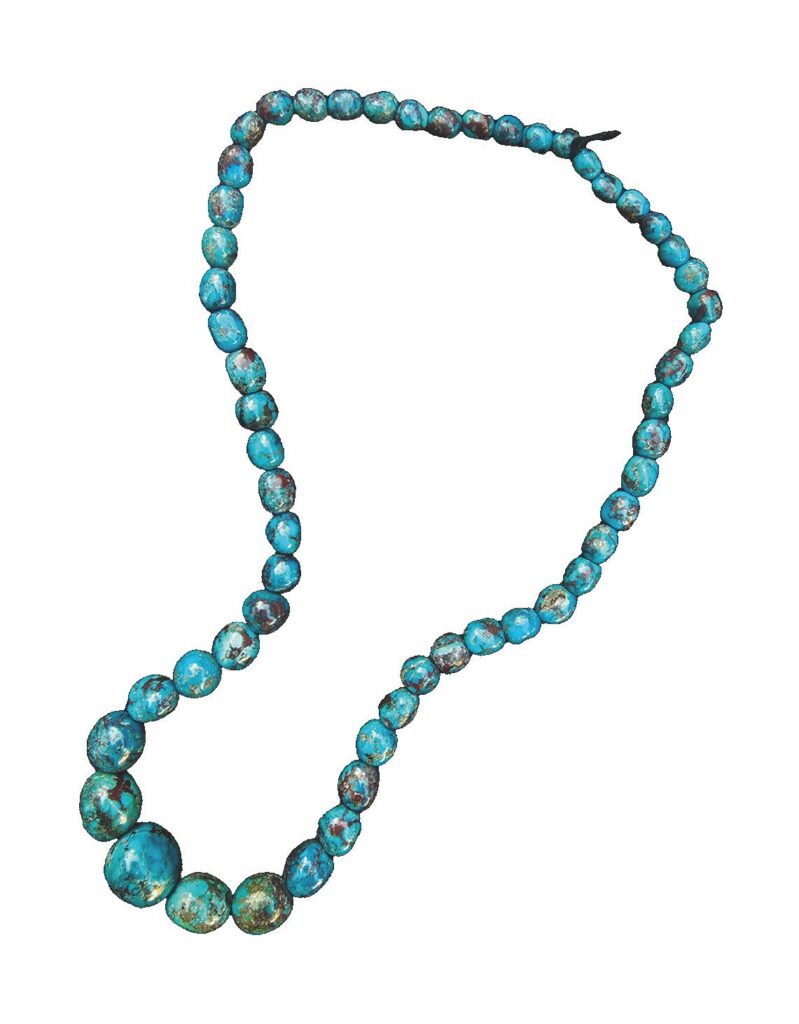
Bracelet made of natural Sleeping Beauty Turquoise nuggets. The irregular shapes and soft sky-blue color reflect the beauty that made the mine’s turquoise legendary. (Photo: Fiona Tan)
Understanding Treatments in Sleeping Beauty Turquoise
Turquoise, by its very nature, is rarely perfect when extracted from the ground. Its porosity and relatively modest hardness—typically between 5 and 6 on the Mohs scale—make it vulnerable to discoloration, dehydration, and surface damage. For this reason, most turquoise, including the celebrated Sleeping Beauty variety, undergoes some form of stabilization or optimization before entering the jewelry market. These processes are not deceptive by definition; rather, they have become essential to preserving the gem’s longevity and beauty.
It is estimated that over 95% of all Sleeping Beauty Turquoise has been stabilized or otherwise enhanced, most commonly through resin impregnation under vacuum pressure. This treatment reinforces the stone’s natural microstructure, deepens its polish, and prevents future discoloration. When performed with skill and transparency, stabilization does not alter the turquoise’s inherent color chemistry or optical character.


A less common, but equally important enhancement is the Zachery treatment, a proprietary low-impact method long respected within the turquoise trade. Rather than using resin or organic fillers, the process relies on a gentle electrolytic diffusion that introduces trace inorganic ions into the stone’s surface structure. This subtle shift reinforces the outer microcrystalline network, reducing porosity and allowing the turquoise to take a higher, cleaner polish—while leaving its weight, color, and overall identity unchanged.
Because the treatment works with the stone’s natural chemistry rather than coating it, Zachery-treated turquoise remains remarkably close to its original structure and is often visually indistinguishable from untreated Sleeping Beauty material, even under magnification. Within the trade, it is widely accepted, provided that the treatment is clearly disclosed and the integrity of the material is preserved.


At the other end of the spectrum are reconstituted, dyed, or composite materials, produced by grinding low-grade turquoise and combining it with resin and pigments to imitate the uniformity of fine rough. These man-made products may appear vivid at first but lack the internal grain structure, natural luster, and durability of genuine turquoise. Over time, they are prone to discoloration and surface cracking. While such materials serve a role in fashion jewelry, they must not be marketed as natural or of Sleeping Beauty origin.
A newer and more technically sophisticated imitation now entering the global market is porcelain-fused turquoise. This engineered material is created by bonding powdered or lower-grade turquoise with inorganic silicates or glass-like compounds under heat and pressure to mimic the high-blue, high-ceramic look for which Sleeping Beauty is famous.
At first glance, these stones can appear flawless—uniform in tone, dense in texture, and capable of taking a mirror-like polish. Yet, under magnification or spectroscopic examination, they reveal a fused, non-crystalline texture devoid of the hydrous phosphate structure that defines true turquoise. Although visually appealing, porcelain-fused turquoise is a man-made composite, not a natural gemstone, and must be labeled accordingly.
The growing use of these advanced composites underscores a broader truth: in the turquoise trade, the issue is seldom whether a stone has been treated, but whether its treatment is properly disclosed.
Full transparency allows buyers to make informed choices, strengthens consumer confidence, and preserves the integrity of the gem market. As turquoise expert Joe Dan Lowry noted in a recent industry discussion, “Perfection is not the point—honesty is.” In the story of Sleeping Beauty turquoise, science and ethics remain inseparable, ensuring that this legendary gem continues to be valued not only for its color, but for the truth it represents.
The Legend Continues
More than a decade has passed since the last truck left the Sleeping Beauty Mine, yet its color—the unmistakable, unwavering blue—continues to speak across time. The turquoise born from Arizona’s copper hills remains as vivid in memory as it is in the stone itself: calm, balanced, and unmistakably pure.
What made it enduring was not spectacle nor marketing. It was the quiet discipline of people like Monty Nichols, who believed that honesty and precision could define a gem more powerfully than promotion ever could. He chose his material carefully, cut it with respect, and told its story truthfully. That integrity, more than anything, is what built Sleeping Beauty’s reputation.
Today, no new material emerges from the ground, yet the existing stones still circulate in the hands of collectors, artists, and families. Some rest in museums, others are worn daily, absorbing the warmth of the human skin. A few remain sealed in drawers—small capsules of the past—waiting for the next generation to rediscover them and feel, perhaps for the first time, that same quiet sense of wonder.
Sleeping Beauty Turquoise endures not through hype, but through care. It represents something increasingly rare in the gem world: certainty. Its color does not need to shout; it simply exists, whole and honest, a reflection of the land and the people who shaped it.
The mine may be silent, but the story continues—whenever light meets that perfect blue and someone pauses long enough to see what remains. Its story endures not only through geology and craft, but through the shared memory of the people who shaped it—miners, artists, and collectors whose lives intersected with a single perfect shade of blue.
Acknowledgments
The author gratefully acknowledges Monty Nichols, owner of the Sleeping Beauty Mine, for providing essential historical information and access to rare archival material. Appreciation is also extended to Jacob Lowry, Director of the Turquoise Museum in Albuquerque, New Mexico, for his insights on turquoise provenance. The author further thanks Prof. Mingxing Yang and Prof. Yan Li of the Gemmological Institute, China University of Geosciences (Wuhan), for their valuable geological comments and expert guidance.
References
- Bergman, S. C. (2020). Turquoise: Geology, mineralogy, and gemology. Mineralogical Record, 51(4), 455–472.
- Bergman, S. C., & Rapp, G. (2013). The geologic occurrence and formation of turquoise: A review. Gems & Gemology, 49(2), 82–97.
- Emmett, J. L., & Douthit, T. R. (1993). Chemical treatments of gemstones. Gems & Gemology, 29(4), 250–268.
- Fritsch, E., & Rossman, G. R. (1987). An update on color in gems: I. Blue, violet, and purple. Gems & Gemology, 23(2), 75–88.
- GIA. (2014). Turquoise: Identification and treatment overview. Gems & Gemology, 50(4), 278–281.
- Gaillou, E., Post, J. E., & Bassim, N. (2010). Microstructure and chemistry of turquoise: An electron microprobe and spectroscopic analysis. American Mineralogist, 95(1), 1–10.
- Hurlbut, C. S., & Kammerling, R. (1991). Gemology. John Wiley & Sons.
- Kammerling, R. C., Koivula, J. I., & Fryer, C. W. (1990). Turquoise and its imitations. Gems & Gemology, 26(4), 268–282.
- Lowry, J. D. (2019). Current issues in turquoise authenticity and trade ethics. Journal of Gemmology, 36(2), 150–158.
- Lowry, J. D., & Lowry, D. (2014). Turquoise Unearthed: An Illustrated Guide. Rio Nuevo Publishers.
- Nichols, M. (2008). The Sleeping Beauty Mine: History and production notes. Lapidary Journal Jewelry Artist, 62(5), 40–47.
- Post, J. E. (1999). The mineralogy of turquoise-group phases. American Mineralogist, 84(6), 1080–1086.
- Purtscheller, F., & Tessadri, R. (1985). Mineralogical and genetic relationships of turquoise. Mineralogy and Petrology, 33, 1–16.
- Rossman, G. R. (2014). Causes of color in minerals and gemstones. Elements, 10(6), 431–436.
- Sampson, E. A., & Thomas, V. (2017). Provenance challenges in gem materials with overlapping chemistry. Journal of Gemmology, 35(3), 204–216.
- Sun, Z., & Zhang, Y. (2016). LA-ICP-MS characterization of turquoise from Chinese deposits. Chinese Journal of Geochemistry, 35(4), 589–602. (in Chinese with English abstract)
- Wang, J., & Li, D. (2020). Spectroscopic features of natural and treated turquoise. Spectroscopy and Spectral Analysis, 40(12), 3765–3772. (in Chinese with English abstract)