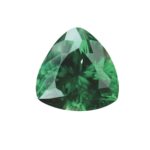
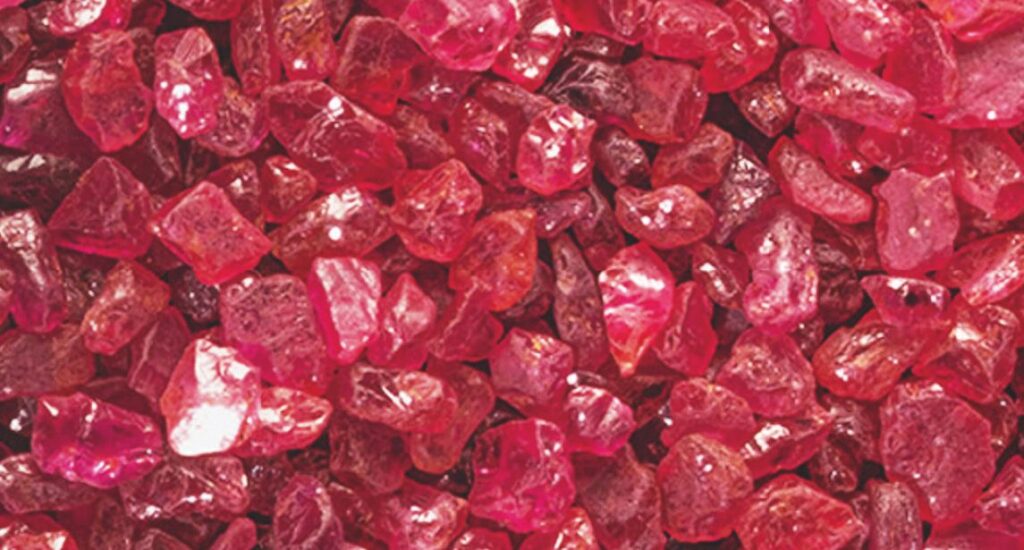
Brazil occupies a distinctive place in the global gemstone landscape. With over 109 varieties of gemstones found across its vast territory ─ from emeralds and aquamarines to tourmalines, topazes, and amethysts ─ the country is recognized not only for its geological richness but also for the increasing professionalism and responsibility embedded in its mining practices.
The abundance of gems, however, is just one facet of Brazil’s strength. By integrating technological innovation, social and environmental responsibility, and a well-established lapidary tradition, Brazil has positioned itself as one of the top three exporters of colored gemstones in the world. In 2024, it exported 21,927 tons of gemstones, behind only Uruguay and Madagascar, according to ITC Statistics. Key markets include the United States, China, Thailand, India, and Germany.
This strong position emerges at a time of significant change in the global gemstone and jewelry market. New consumer behaviors, rising expectations for traceability and transparency, and the advancement of environmental and social standards are reshaping the industry. In response, Brazil presents itself as a leader prepared to guide the sector through this transformation, combining beauty with purpose and tradition with innovation.
Centuries of History, Centuries of Expertise
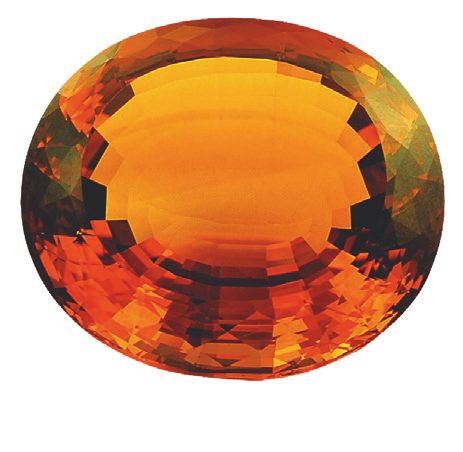
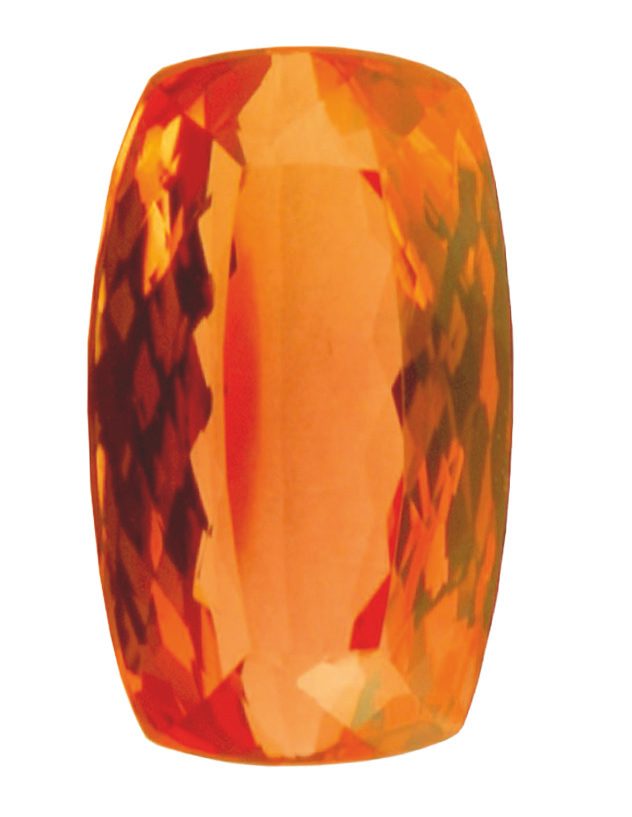
Brazil’s relationship with gemstones spans centuries. The first gem to be produced in significant volume was the diamond, establishing Brazil as one of the world’s top producers in the 18th and 19th centuries. Around the same time, Imperial Topaz ─ unique to Brazil ─ was discovered in Minas Gerais, further solidifying the country’s status as a gemstone powerhouse.
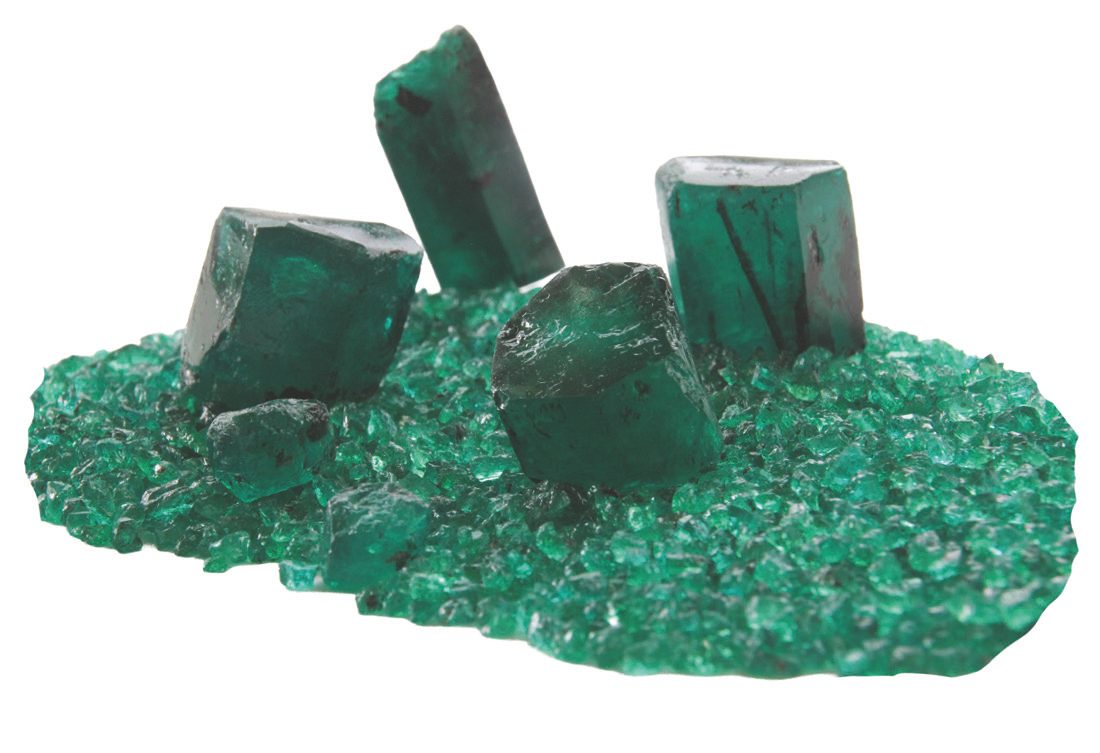
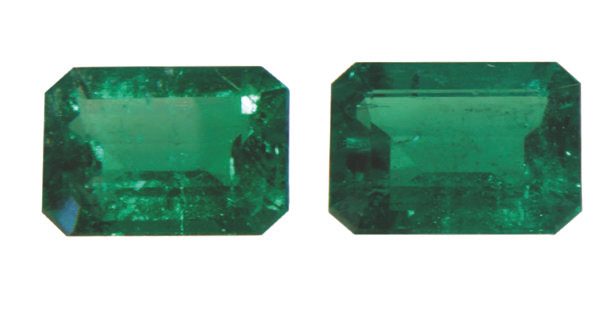
Emeralds also played a role during the Colonial period, although their recognition took time. It was not until 1963 that gemologist Jules Roger Sauer traveled to Salininha, east of the São Francisco River in Bahia, to examine green beryl crystals discovered by local prospectors. Convinced of their authenticity, Sauer undertook several trips to the Gemological Institute of America (GIA), where he successfully demonstrated that the green beryls were indeed Brazil’s first true emeralds ─ a landmark moment for the nation’s gemological recognition on the world stage.
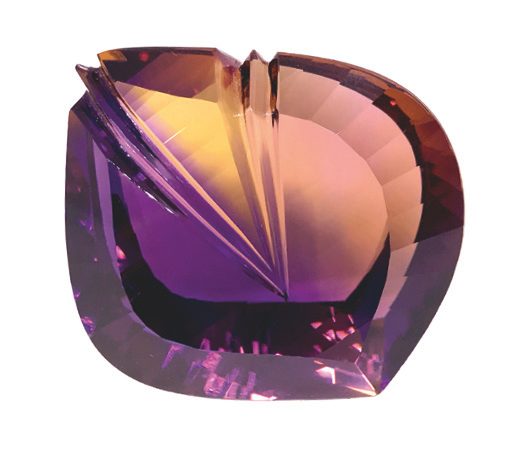
Amethysts, another important Brazilian gemstone, also have a long and rich history. Their exploitation in the Alto Sertão region of Bahia dates back to the late 19th century, with commercial ties involving German traders and garimpeiros (artisanal, small-scale miners) in Brejinho das Ametistas between 1870 and 1930. In the south, discoveries in Rio Grande do Sul during the 1920s led to increased production in towns like Iraí and Ametista do Sul.
Initially extracted by local farmers and hunters, the deposits were later explored through garimpos (the artisanal mines employing the garimpeiros). By the 1960s, with tractors and underground gallery systems, they became a model for development that still characterizes the region’s mining landscape today.
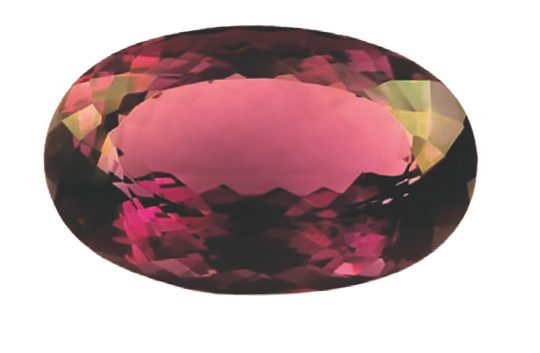
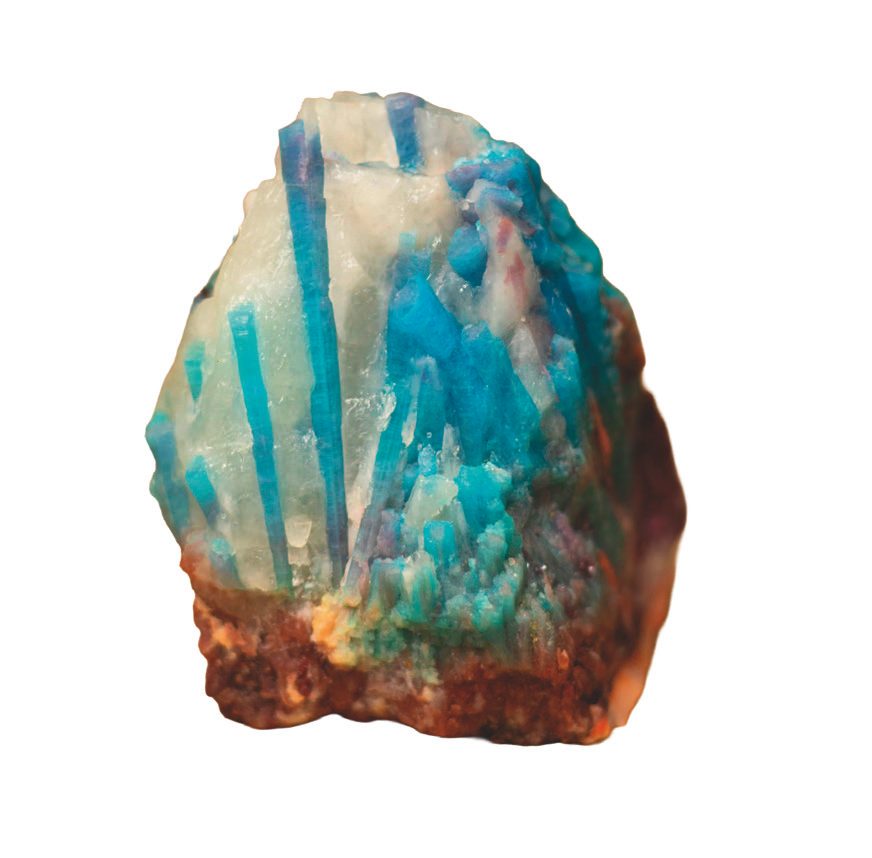
Today, in terms of production volume, Brazil’s most prominent gemstones include emerald, amethyst, tourmaline, diamond, rose quartz, beryl, opal, quartz, morganite, alexandrite, topaz, and aquamarine. The quality and range of these stones continue to support Brazil’s growing influence in international markets.
From Artisanal Mining to Structured Operations
Historically associated with informal, artisanal mining, Brazil’s gemstone sector has undergone a profound evolution. Over the past two decades, structured mining companies have introduced advanced technologies, from 3D geological modeling and underground tunnels to drone mapping and digital traceability systems.
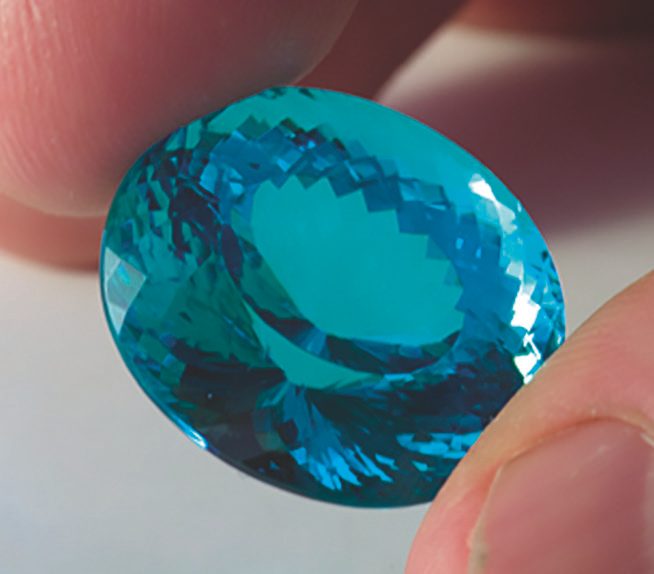
Companies like Belmont Emeralds in Minas Gerais, Brazil Paraíba Mine in Rio Grande do Norte, and the Cruzeiro Mine, known for its tourmalines, illustrate how Brazilian mining now aligns efficiency and safety with sustainability and social impact. Many companies also invest in educational programs, community development, and the inclusion of women in the workforce, reflecting broader values of diversity and progress.
Supportive Frameworks and Strategic Incentives
Brazil’s legal framework for mining is known for being robust and detailed. While it is often seen as complex, it remains open to dialogue and improvement. Regulatory agencies like the National Mining Agency, Federal Revenue Service, and Geological Service of Brazil maintain active engagement with industry stakeholders to promote a transparent and sustainable sector.
Export activity is particularly encouraged. Precious stones under NCM 7103 benefit from tax exemptions intended to promote national industry. As a result, gemstone exports are effectively free from taxation.
For imports, however, several taxes apply: Import Duty (7.2% to 9%), PIS/PASEP-Import (2.1%), COFINS-Import (9.65%), and ICMS (17%-18%, varying by state). These measures help ensure a fair balance between trade development and fiscal responsibility.
IBGM: Representing and Advancing the Industry
Founded in 1977, the Brazilian Gems and Jewellery Trade Association (IBGM) is a private, non-profit entity that plays a central role in the national gemstone industry. Its mission is to represent, mobilize, integrate, and promote all segments of the gem, jewelry, fashion jewelry, and watch production chain.
IBGM fosters the development of the sector by harmonizing interests, encouraging knowledge exchange, and advocating for ethical, transparent, and competitive practices. Notably, the association supports the professionalization of the industry through training, promotion, and dialogue between public and private actors.
One of the most remarkable aspects of the Brazilian gemstone industry is its female leadership. According to IBGM, approximately 70% of gemstone-exporting companies in Brazil have women occupying strategic positions in international trade, operations, or executive leadership. It has brought agility, empathy, and innovation to the sector, reinforcing Brazil’s reputation for reliability and professionalism.
Building Trust Through Relationships
Another key strength of the Brazilian gemstone industry lies in its service culture. Brazilian companies are known for their ability to understand market demands, adapt quickly to changes, and cultivate long-lasting relationships with international partners. This focus on building trust and fostering collaboration has become a hallmark of the country’s presence in global markets.
Clients and partners frequently highlight Brazil’s responsiveness, clarity in communication, and willingness to align expectations, a soft power that adds value far beyond the intrinsic qualities of the stones themselves.
A Model for Sustainable Growth
As the gemstone industry evolves, Brazil continues to demonstrate its readiness to lead. With a combination of mineral richness, technical capacity, organizational efficiency, and institutional alignment, the country is well-positioned to meet the expectations of an increasingly informed and demanding global market.
More than just suppliers of beautiful gemstones, Brazilian companies tell stories of responsibility, innovation, and connection. And when these stories are well-crafted, they shine just as brightly as the stones they accompany.