For those born in September, sapphires offer more than symbolism — they offer enduring value. Long associated with nobility, wisdom, and protection, sapphires have also become a cornerstone of the colored gemstone market. Today, their identity as a birthstone intersects with new aesthetic tastes, ethical expectations, and evolving consumer behavior, making September’s gem an increasingly strategic asset in the gem and jewelry trade.
A Storied Past, A Modern Relevance
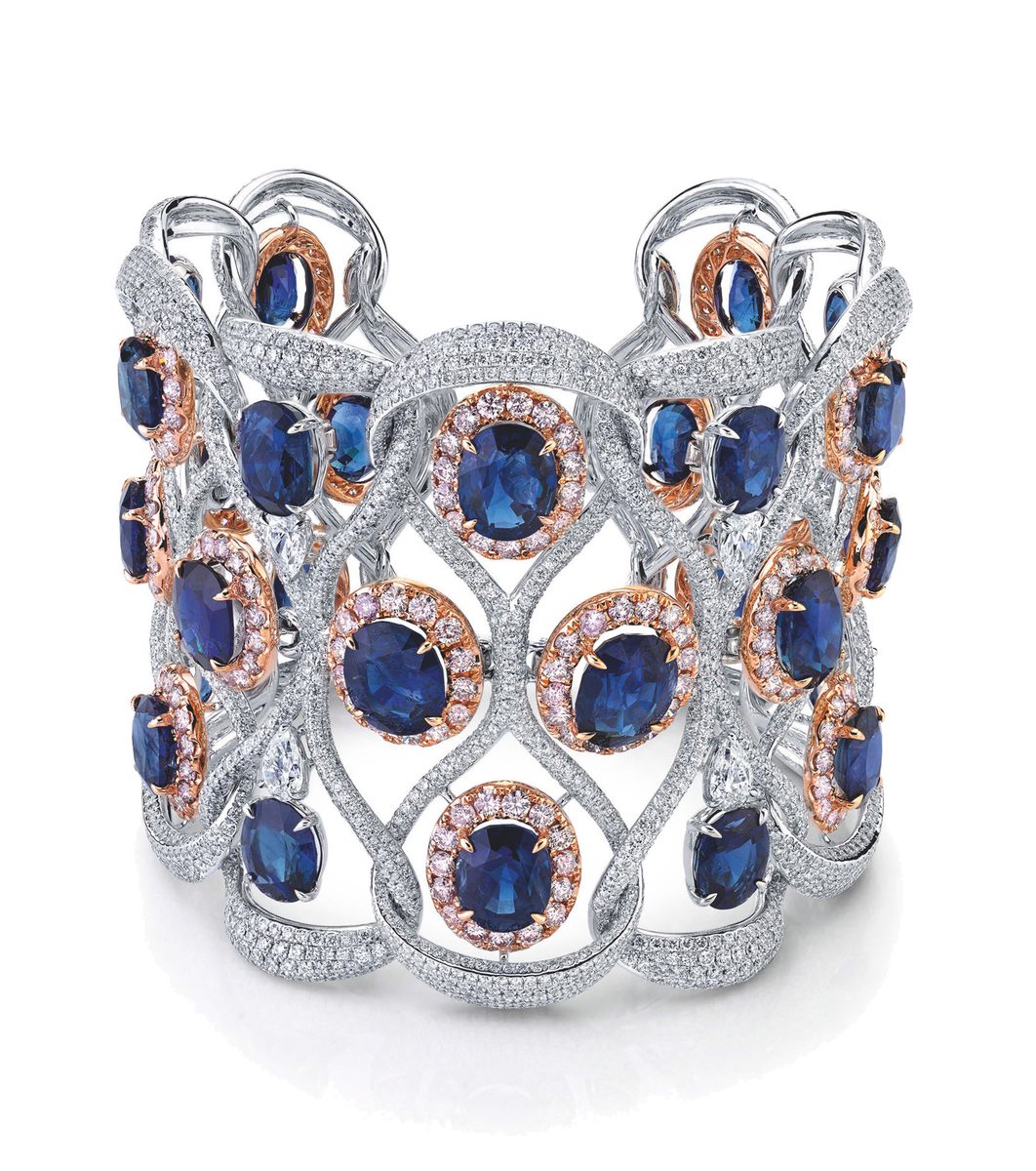
Once revered by ancient Persians as the stone that gave the sky its color, sapphires have long embodied depth and clarity — not just visually, but spiritually. In medieval Europe, clergy and royalty alike prized sapphires for their perceived divine power and protective properties. These historical associations continue to resonate, especially in the birthstone segment, where symbolism matters.
The global attention sparked by Princess Diana’s now-iconic Ceylon sapphire engagement ring ─ passed down to Kate Middleton ─ only reaffirmed sapphire’s stature in popular consciousness. But beyond tradition, the market has broadened. Today’s sapphires are as likely to appear in a bespoke pendant for a September birthday as in high-concept designer jewelry or even in men’s accessories.
Beyond Blue, Color Diversity Driving Demand
While the classic image of a sapphire is a deep, velvety blue, often referred to as royalor cornflower, today’s consumers are discovering the gem’s surprising tonal diversity. Sapphires occur in nearly every color except red (which is classified as ruby), with fancy colors such as pink, yellow, green, purple, and the sought-after peach-pink padparadscha. Star sapphires are also attracting a great deal of attention.
While blue remains sapphire’s signature, the stone’s chromatic range offers a significant market advantage and presents fresh opportunities for retailers to engage style-conscious and younger consumers.
Once conventional, birthstone jewelry is now highly personal. Jewelers are responding with sapphire pieces that match not just a calendar month, but a client’s taste, lifestyle, and values. From the icy appeal of pastel blues to the dramatic tones of teal and parti-colors, there is no single September sapphire; and that’s precisely the point. Collectors are drawn to the gem’s multiple hues which reflect a broader appetite for Individuality and narrative in fine jewelry.
Durability Meets Design
Ranking 9 on the Mohs hardness scale, sapphire is second only to diamond in durability, making them a practical choice for every-day wear.
This inherent resilience, coupled with their visual appeal, fuels the popularity of sapphire in bridal and men’s jewelry, as well as in heirloom quality pieces. For jewelers, this offers confidence in the longevity, of both the product and in customer satisfaction.
As customization continues to dominate consumer preference, sapphires are well positioned. Their durability supports intricate cutting, fantasy shapes, and unconventional settings, adding design flexibility to their long list of marketable features.
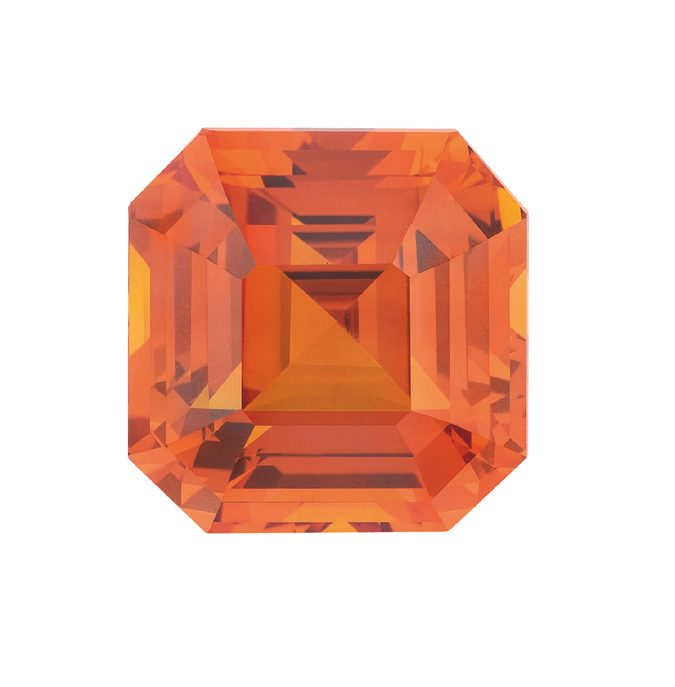
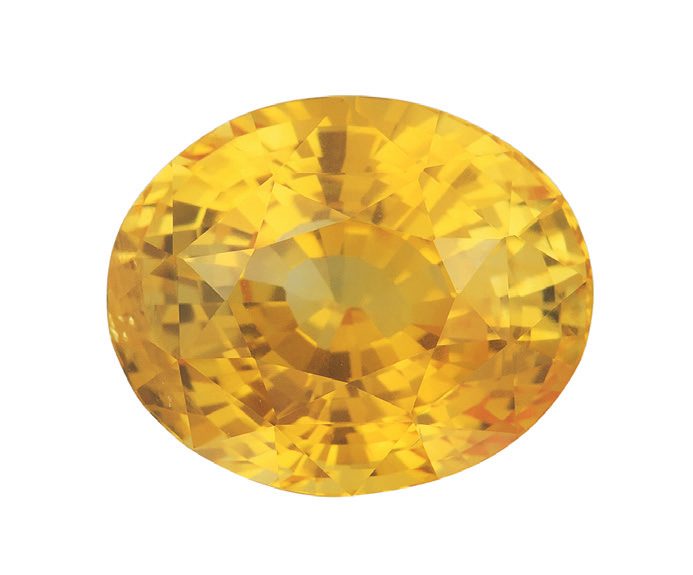
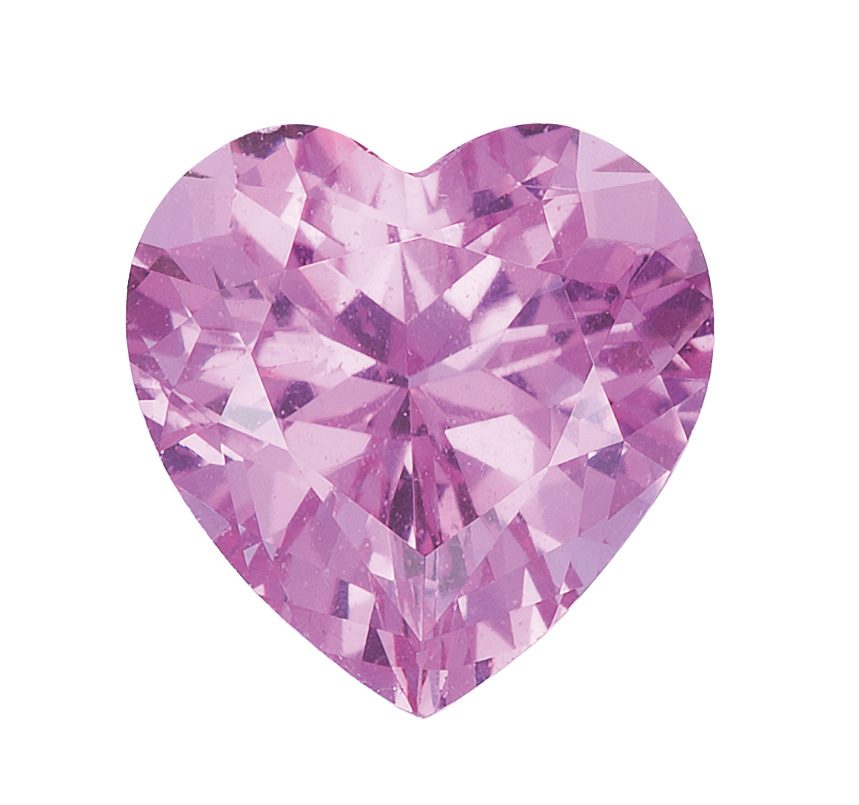
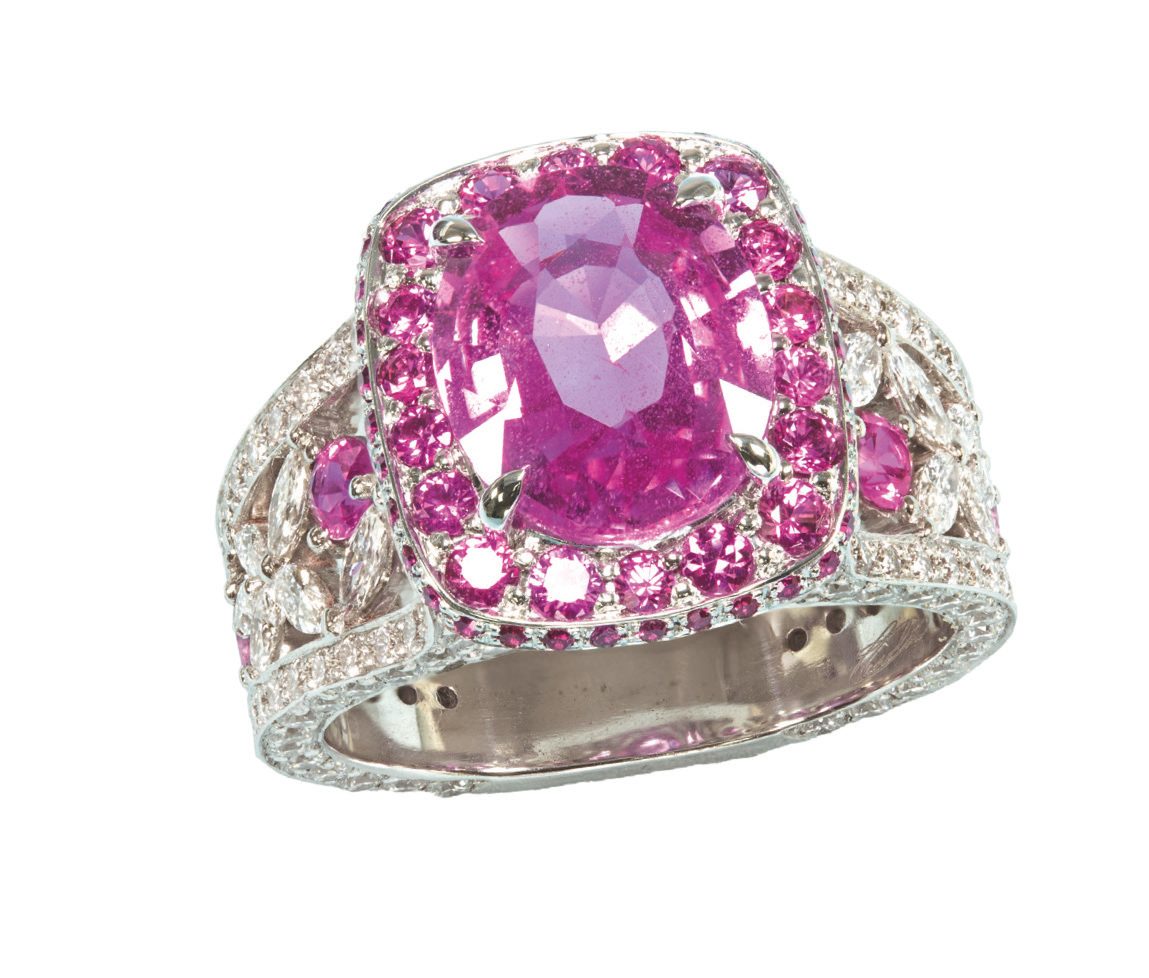

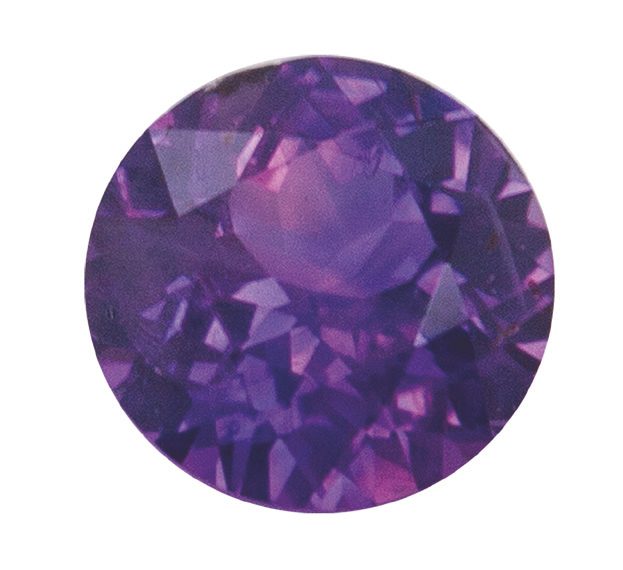
"Fortunately, or unfortunately, the demand for sapphires by far outweighs production, therefore the prices have steadily risen since 2021."
Afshin Hackman, vice president, Intercolor
"Sapphires offer a breathtaking spectrum of colors, including new combinations of colors as in the 'Nebula' sapphires discovered recently. These gems not only captivate us with their vivid hues, but also with their symbolism, rich history, and emotional resonance."
Caroline Chartouni, designer, Caroline C
"Sapphires are heavenly stones. They evoke serenity, yet they are majestic with great strength."
Nar Wong, designer, Nar Wong Jewelry
Provenance and Transparency: Today’s Sapphire Story
Sapphires are mined across a diverse range of geographies, each with its own aesthetic profile and traceability potential. Just like diamonds, they are found in a number of different localities. Traditional sources like Sri Lanka and Myanmar remain benchmarks, while Madagascar, Ethiopia, Nigeria, Tanzania, Thailand, and Australia offer volume and color diversity. Notably, Montana sapphires are gaining traction as domestic buyers seek ethically-sourced, American-mined alternatives with full supply-chain transparency.
“Being a fifth-generation sapphire dealer from Sri Lanka, I am proud to represent our gem and its heritage! Sri Lankan sapphires are well-known the world over, having been part of important royal collections that span continents and centuries. What is most surprising is that our mining techniques haven’t changed in hundreds of years. Such techniques have been passed down for generations and manage to minimalize environmental disruptions while remaining true to the ancient traditions of Sri Lankan gemstone mining.”
Armil Sammoon: CEO/Chairman of Sapphire Capital Group and Chairman of the FACETS Sri Lanka tradeshow.
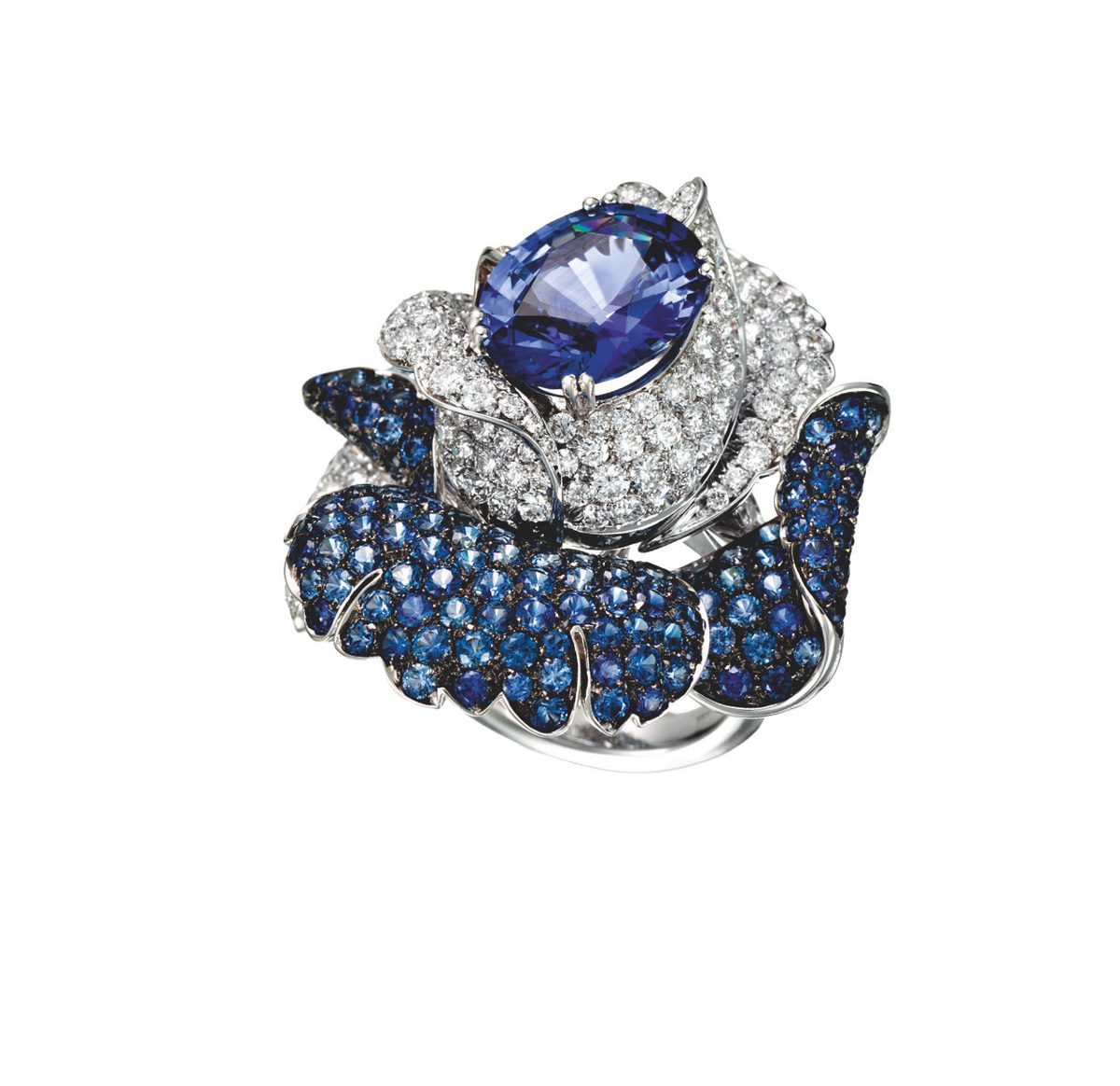
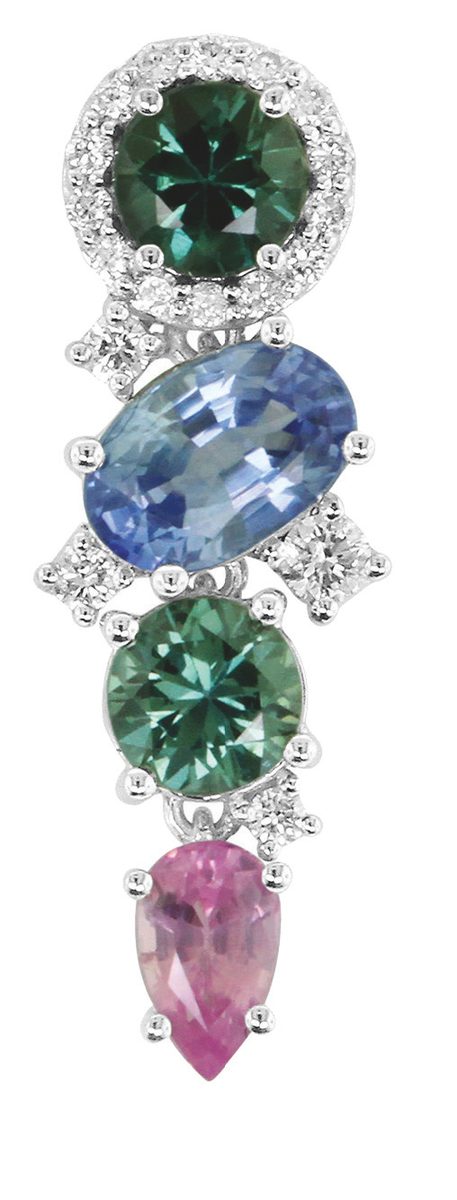

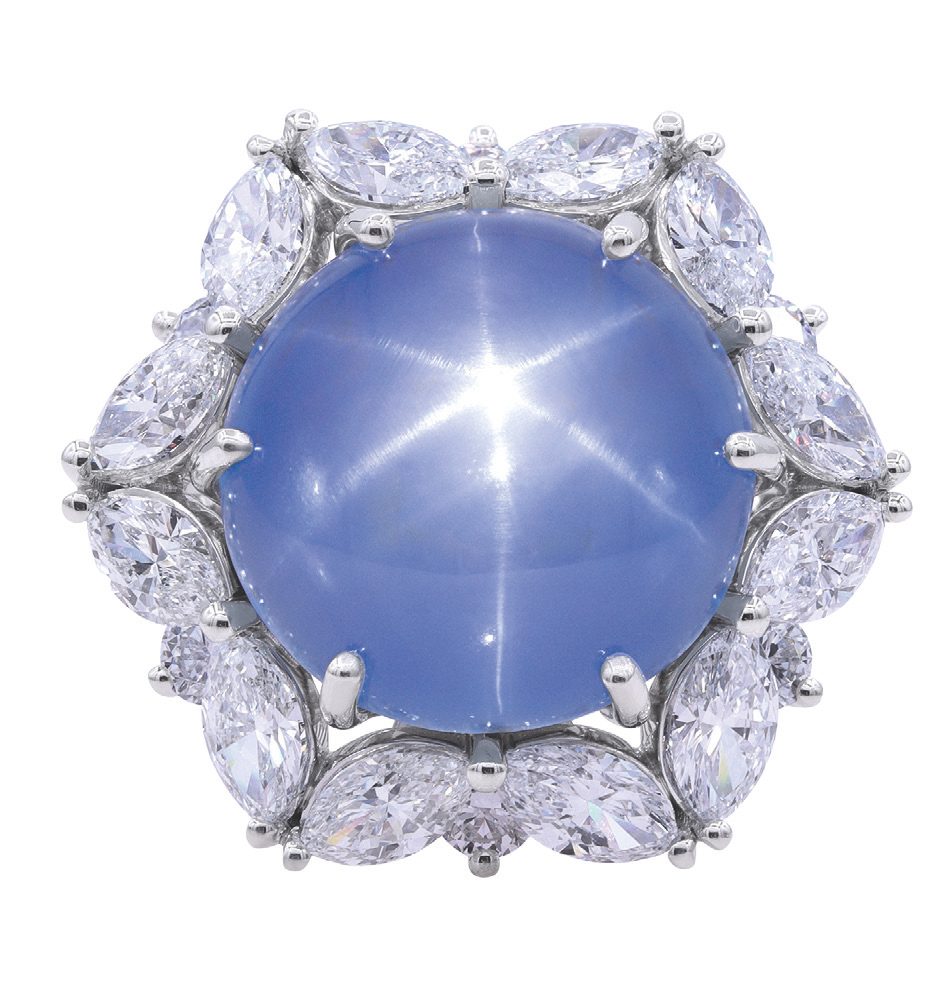
“What I love most about sapphire is the incredible kaleidoscope of colors it comes in. From bi-color to color-change varieties, sapphire offers a world of beauty and rarity that you simply don’t find in diamonds.”
Yehouda Saketkhou, Yael Designs
Each region carries its own gem footprint, influencing the traceability conversation now central to the industry. Retailers and consumers want to know the story behind their stones. Origin reports, ethical mining credentials, and supply-chain transparency are no longer optional in the high-end market. They are expected. In response, brands and suppliers are aligning with third-party certifications and traceability platforms. Lab reports, supported by gem labs, are now integral to premium positioning.
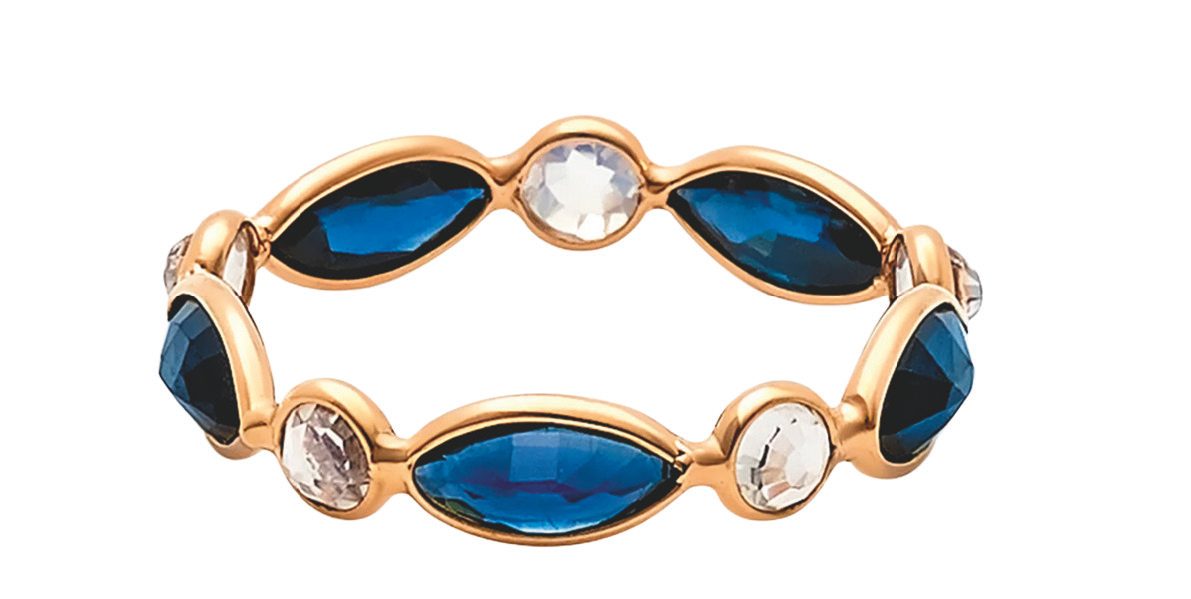
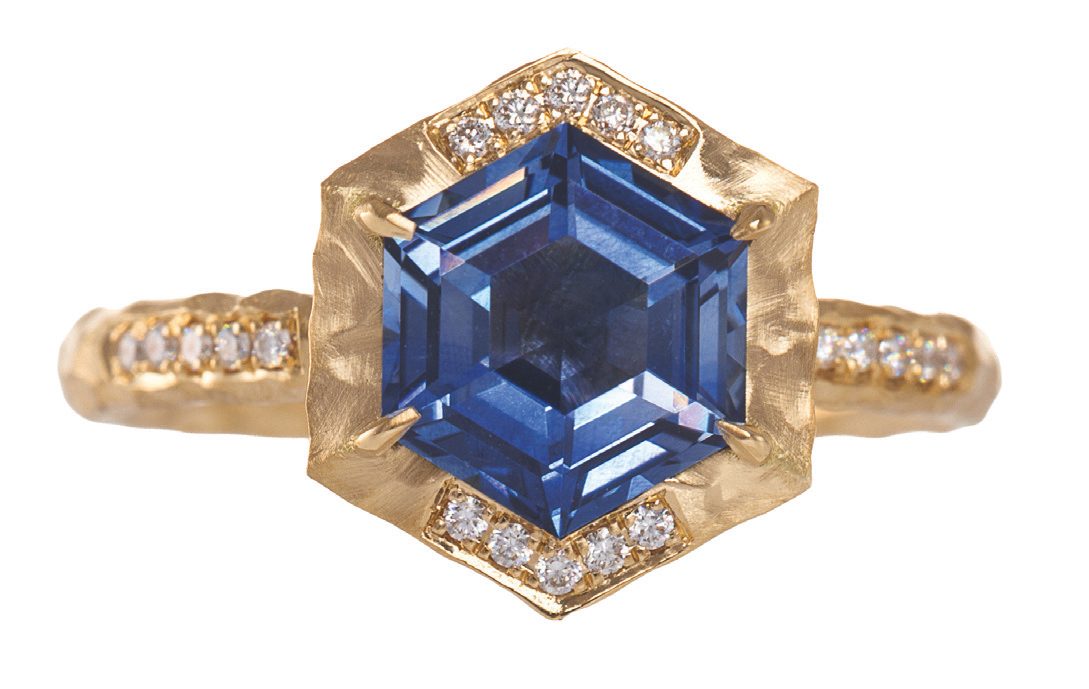
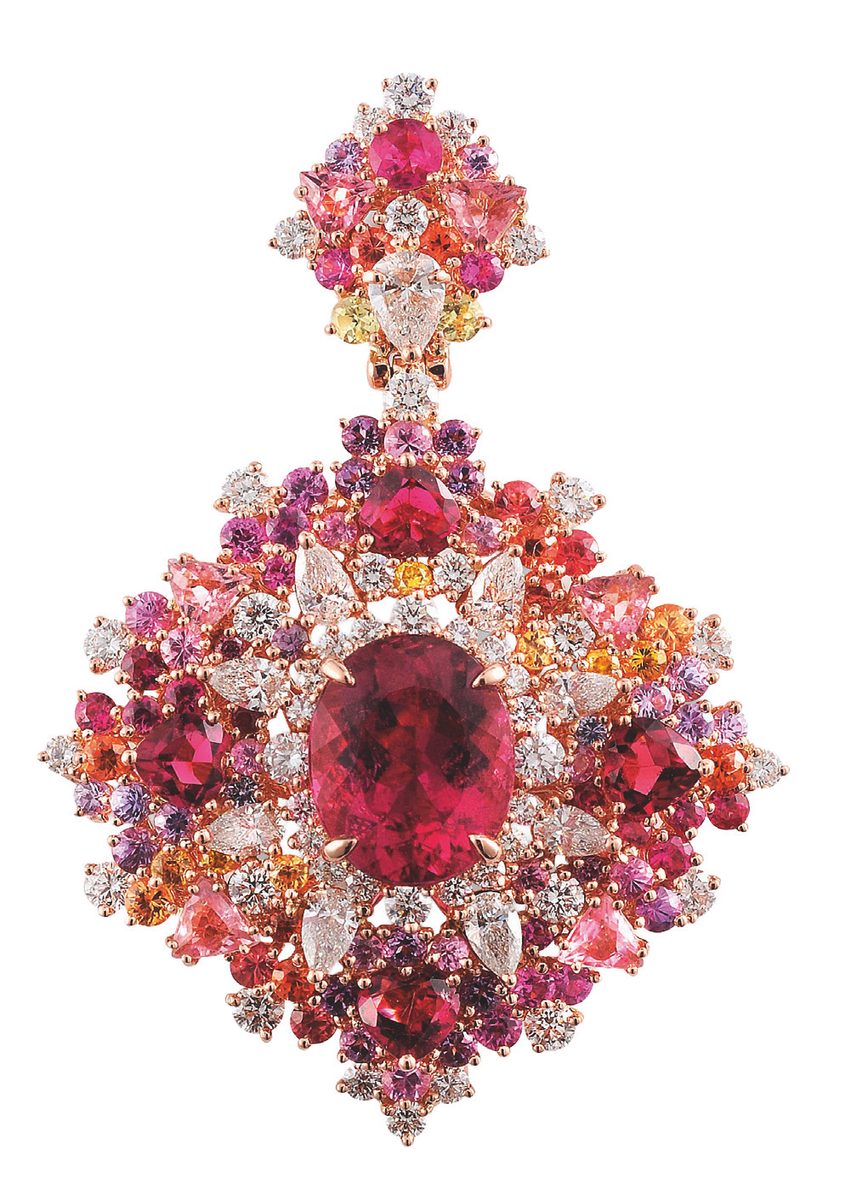
“Sapphires offer an incredible mix of beauty, depth, and versatility. Cherished for centuries, they still feel fresh and relevant today. I also appreciate that they can be ethically sourced, which aligns with my values as a designer committed to responsible craftsmanship.”
Pamela Froman, designer, Pamela Froman Fine Jewelry
"I love using sapphires and because of their beauty and hardness. They give me much freedom to create colorful and eye-catching designs, such as my 'Floral' and 'Monet' collections."
Sabina Lee, designer, Green G Jewelry
Enhancements and Trust in the Trade
Standard heat treatment continues to be widely accepted for sapphires, enhancing color and clarity while maintaining value, provided it is clearly disclosed. However, the rise of more aggressive diffusion and surface treatments has reinforced the need for transparency and dealer education.
Debbie Azar, Founder of GSI laboratory in New York emphasizes the importance of scientific gem testing (RI, SG, microscopy) and trustworthy certification. “It’s these processes that enable a lab to determine natural from synthetic sapphires. In a recent discovery, GSI identified a flame-fusion synthetic gem masquerading as a Kashmir sapphire. Counterfeits like this and forged certificates can deceive consumers.”
Labs play a crucial role here. Advanced spectroscopy and geographic fingerprinting now offer higher certainty on origin and treatment status, and are vital tools in maintaining consumer trust and ensuring the integrity of the birthstone story.
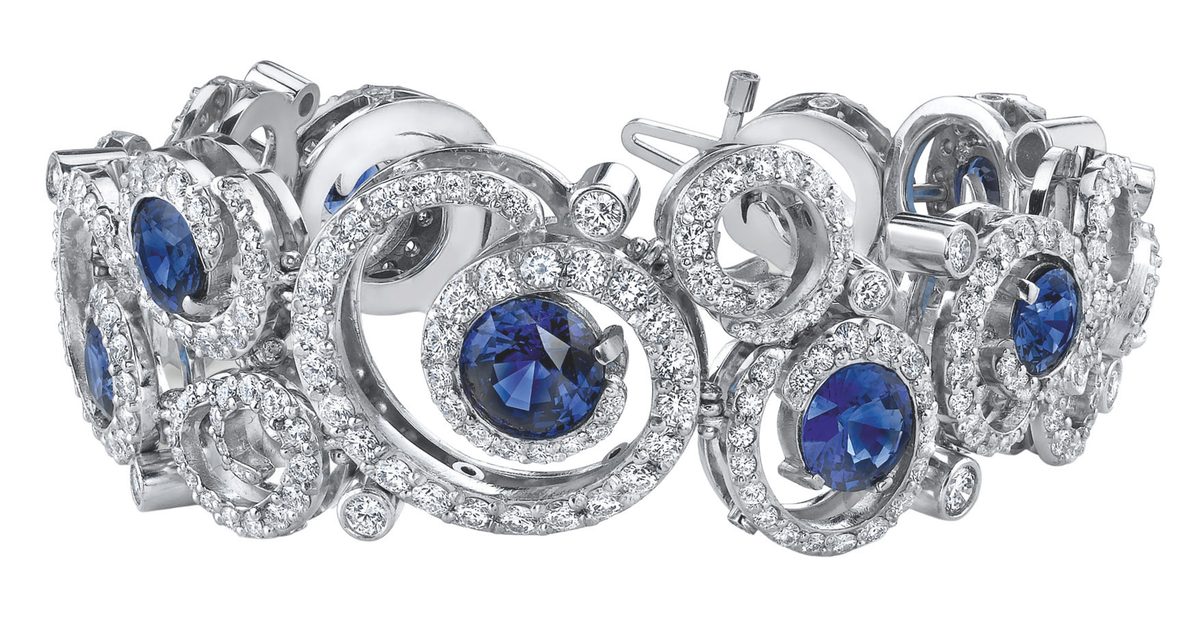
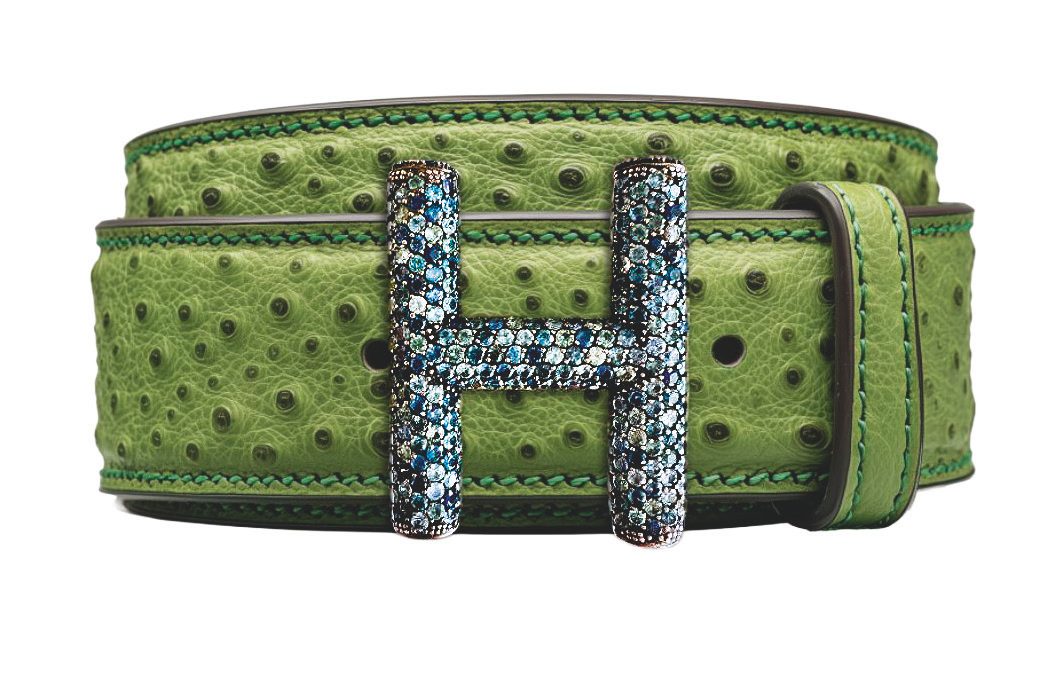
“I have always loved sapphires. While blue sapphires are the standard due to their popularity, neutral color, and durability for everyday wear, there truly is a sapphire for everyone.”
Niveet Nagpal, president, OMI Privé.
Market Outlook: Personalized, Ethical, and Evergreen
The sapphire market continues to thrive, propelled by a blend of heritage, innovation, and conscious consumerism. Designers are pushing the boundaries with fantasy cuts and mixed-media settings, while digital platforms expand the reach of independent lapidaries and small-batch mines.
As personalization and storytelling shape jewelry purchasing habits, sapphires — especially as birthstones — offer a rich narrative canvas. For September-born consumers, the gemstone represents identity and tradition. For the industry, it represents growth and innovation.
From high-end bridal to fine bespoke birthstone collections, and everything in between, sapphires continue to deliver in beauty, durability, and consumer relevance.
As the gemstone world adapts to demands for transparency, sustainability, and individual expression, sapphires prove themselves more than timeless, they stand out not just for their visual brilliance, but for their ability to reflect the spirit of the times. The gem of kings and queens remains as relevant as ever, shimmering with history and promise!
About the Author
Hayley Henning is a seasoned business development, branding, and marketing professional in the colored gemstone industry with nearly three decades of experience. When she is not strategizing and storytelling, she’s traveling, linking colored gemstones with people and places.
Photos are courtesy of company/brand featured.