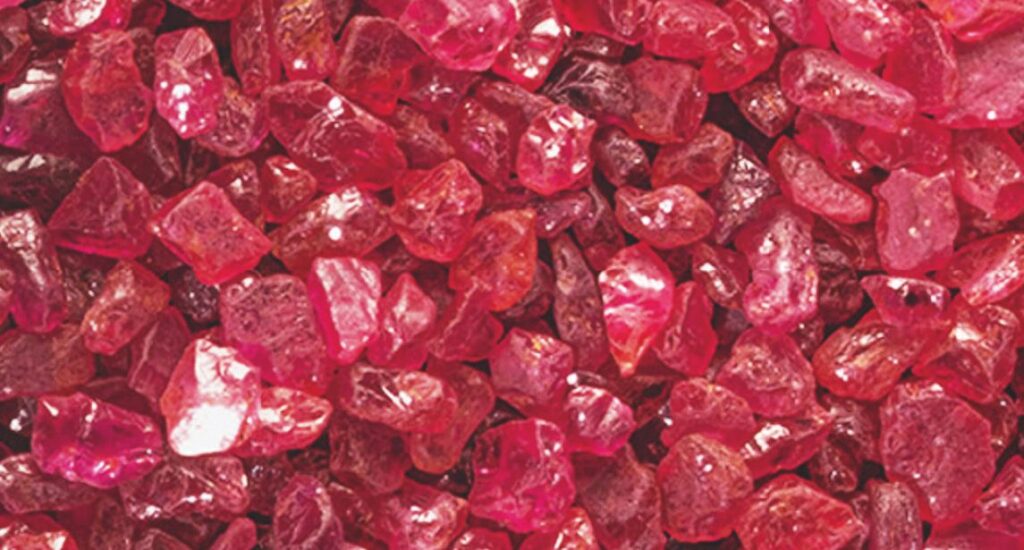
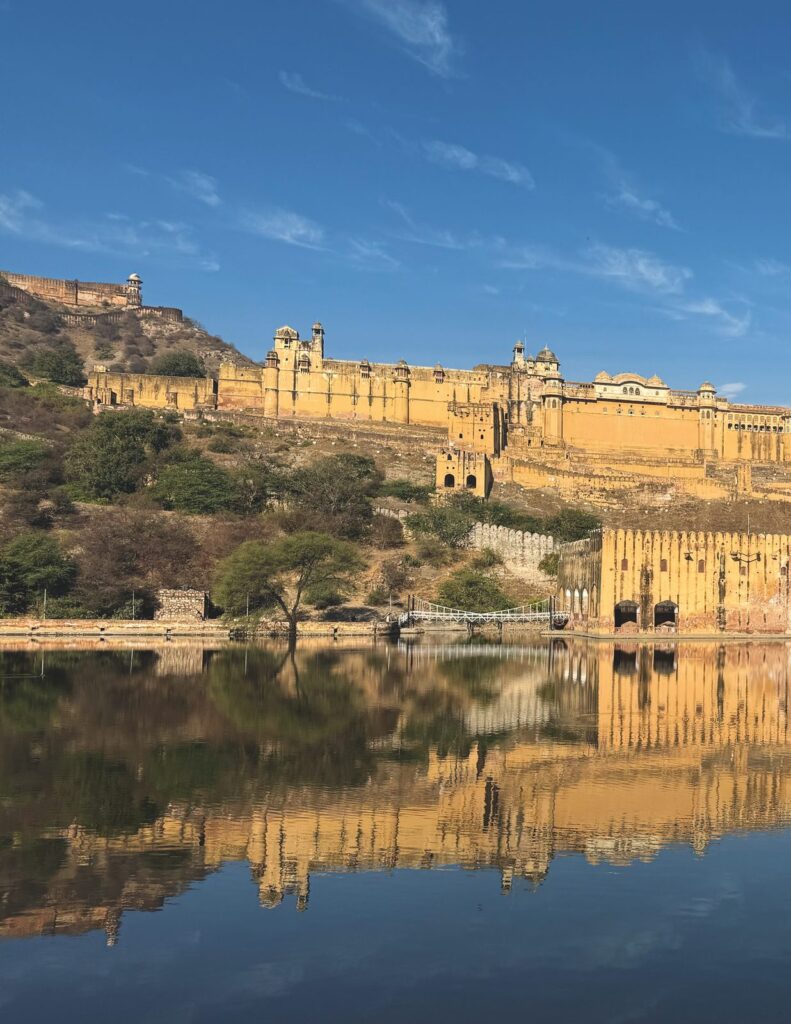
In today’s evolving luxury landscape, value is no longer measured solely in carats or clarity, but in conscience. As discerning consumers seek meaning behind their purchases, the colored gemstone industry is emerging as a natural champion of responsible luxury—an industry where authenticity, sustainability, and human connection converge.
Vibrant, rare, and rich in history, colored gemstones have long captivated the imagination. But it is their potential to foster environmental and social responsibility that now sets them apart in the luxury world. These natural treasures are not just beautiful; they can also be transformative.
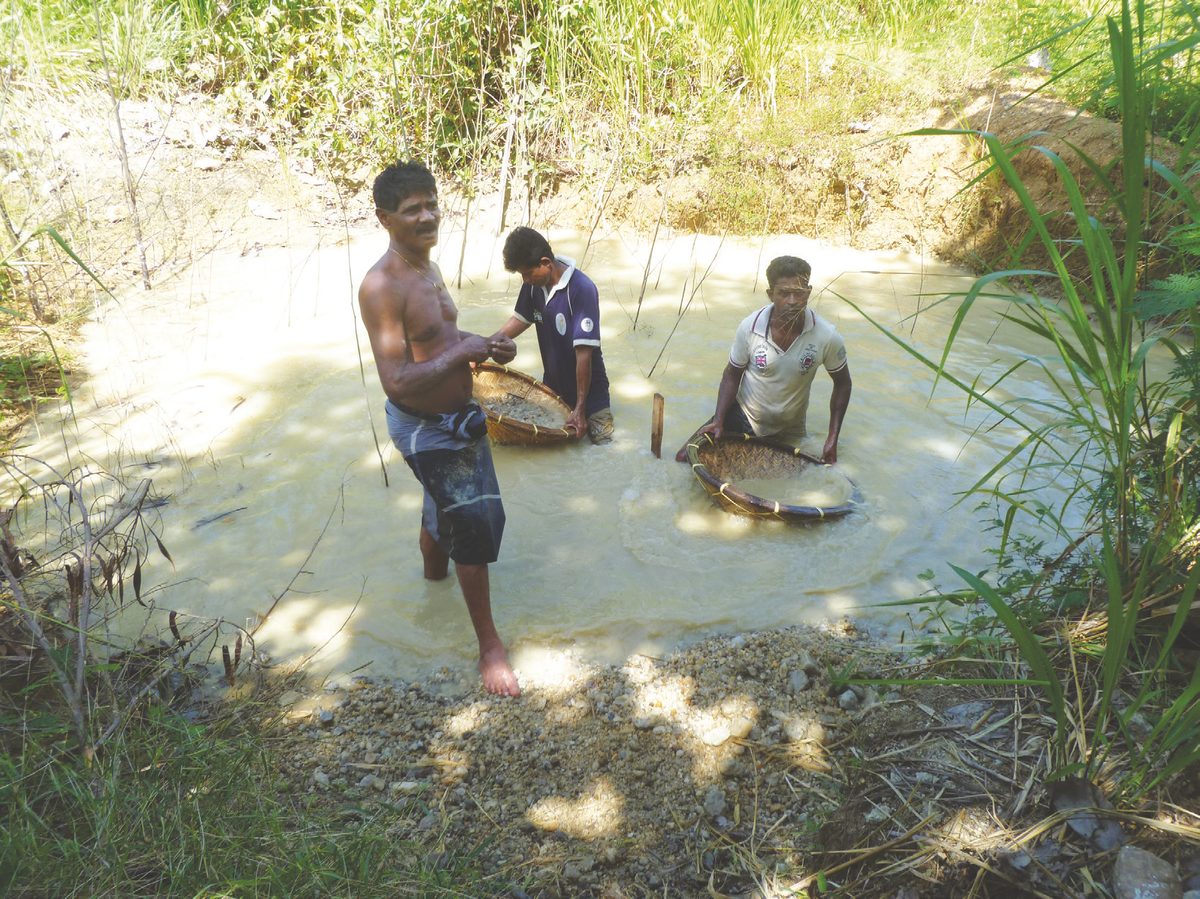
It is believed that at least 80% of colored gemstones are sourced from regions where mining is conducted on a small scale, often by local or artisanal miners.
These communities, while integral to the global gem trade, have historically lacked access to infrastructure, healthcare, education, and fair market opportunities.
Luxury That Lasts and Lifts
When mined and traded responsibly, colored gemstones have the potential to uplift entire communities, preserve local cultures, and support sustainable livelihoods. This is where industry-led philanthropy and development initiatives play a vital role.
Colored gemstones are inherently one-of-a-kind, making them natural candidates for slow luxury – a movement that prioritizes quality, longevity, and individuality over mass production. Their uniqueness demands thoughtful craftsmanship, minimal waste, and enduring design – values that align seamlessly with the principles of sustainability. And, unlike trend-based goods, a fine colored stone often becomes a generational heirloom. It holds not just beauty, but also meaning – particularly when its story includes ethical origins and social impact.
Sustainability Through Traceability and Storytelling
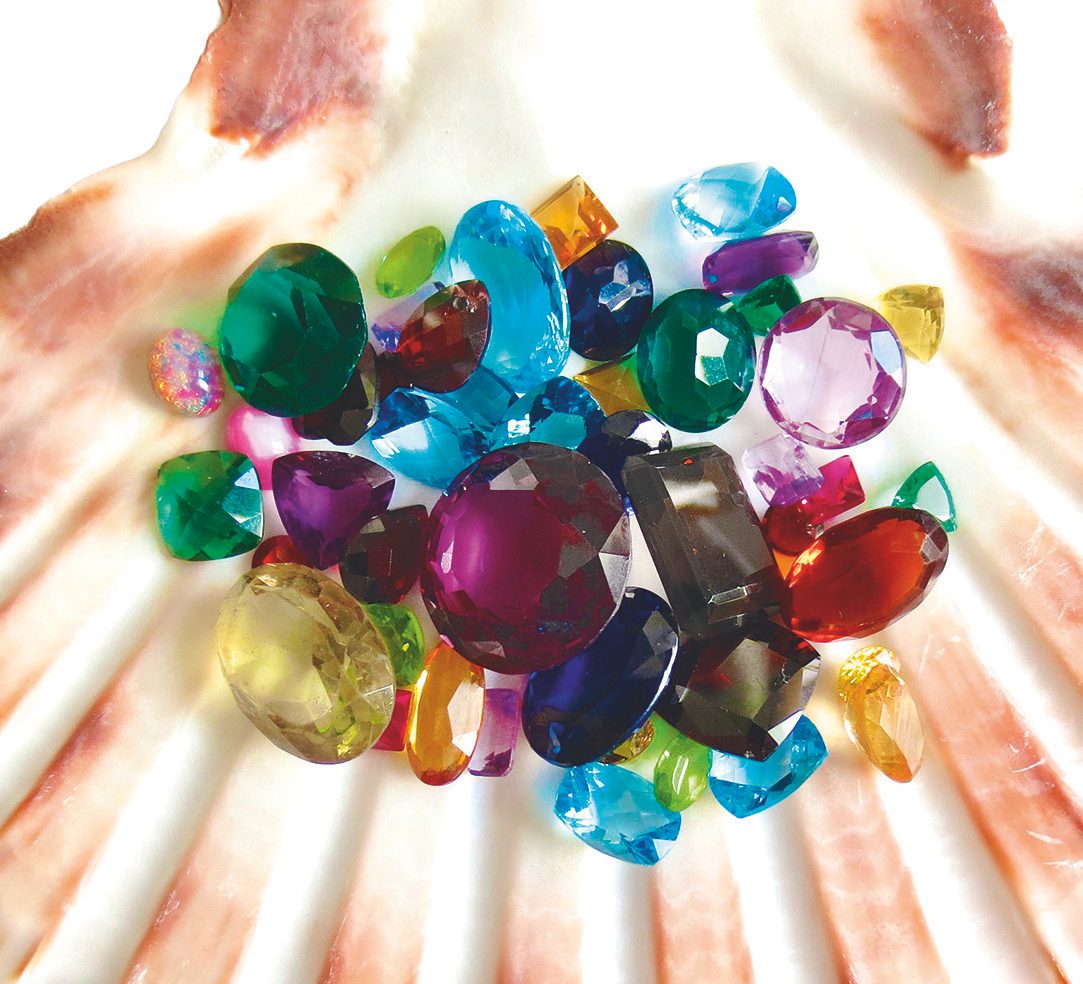
Modern gemstone buyers increasingly want to know the story behind their stones—not just their beauty or rarity, but their origin, treatment, and ethical context. This demand for transparency is driving innovation in traceability, as well as a cultural shift toward full disclosure and storytelling.
By working with suppliers committed to responsible sourcing and supporting programs such as Gem Legacy, Virtu Gem, Amsha Africa Foundation, Moyo Gems, and IMPACT Transform, to name only a few, the gemstone industry has the power to lead a new era of luxury, an era where sustainability is not an afterthought, but a defining attribute. They can connect consumers with the real people, places, stories, and practices behind the jewelry they love—adding depth and purpose to every piece.
There are also philanthropic organizations that are dedicated to helping the industry in other ways. By funding grassroots development projects—ranging from access to clean water, installation of solar panels to provide power and improved mining tools to women’s empowerment programs and education, these entities help ensure that the people behind the gemstones benefit meaningfully from the value they help create.
One such charitable initiative making a real impact is Gems Keep Giving©, a non-profit registered in New York, that is dedicated to supporting artisanal mining communities across the colored stone supply chain. The initiative is grounded in a simple but powerful principle: that the luxury of the final product should reflect dignity, respect, and opportunity for everyone involved in its journey. Through partnerships with trusted local organizations and sustained industry support, Gems Keep Giving© provides a model for how philanthropy and commercial enterprise can work together to build a more equitable trade.
Conclusion
Colored gemstones are redefining what it means to be luxurious. They are not just expressions of wealth, but of values—an investment in beauty that uplifts the Earth and the people who shape it. This is the future of fine jewelry: one-of-a-kind, ethically grounded, and deeply human.
About Gems Keep Giving©
Targeted beneficiaries of Gems Keep Giving are artisanal and small-scale colored gemstone mining and cutting communities. Often, these communities experience challenging barriers to realize the full benefit of their resources and labor. Gems Keep Giving has an open and transparent process by which entities can apply for support.
Criteria for funding include projects that support a gem-producing community, have secured the support of the local government and/or NGO organizations, and can provide accountability to our Board. The projects will be closely monitored for performance by local stakeholders. Board Members include Hayley Henning (Chairperson), Damien Cody, Rocco Gay, Henry Ho, Ashoo Sinchawla, Brian Cook, and Robert Weldon.
In addition to individual contributions, recent support for GKG’s important work has come from JCK and GemGenève. For further background on GKG, see the website www.gemskeepgiving.org