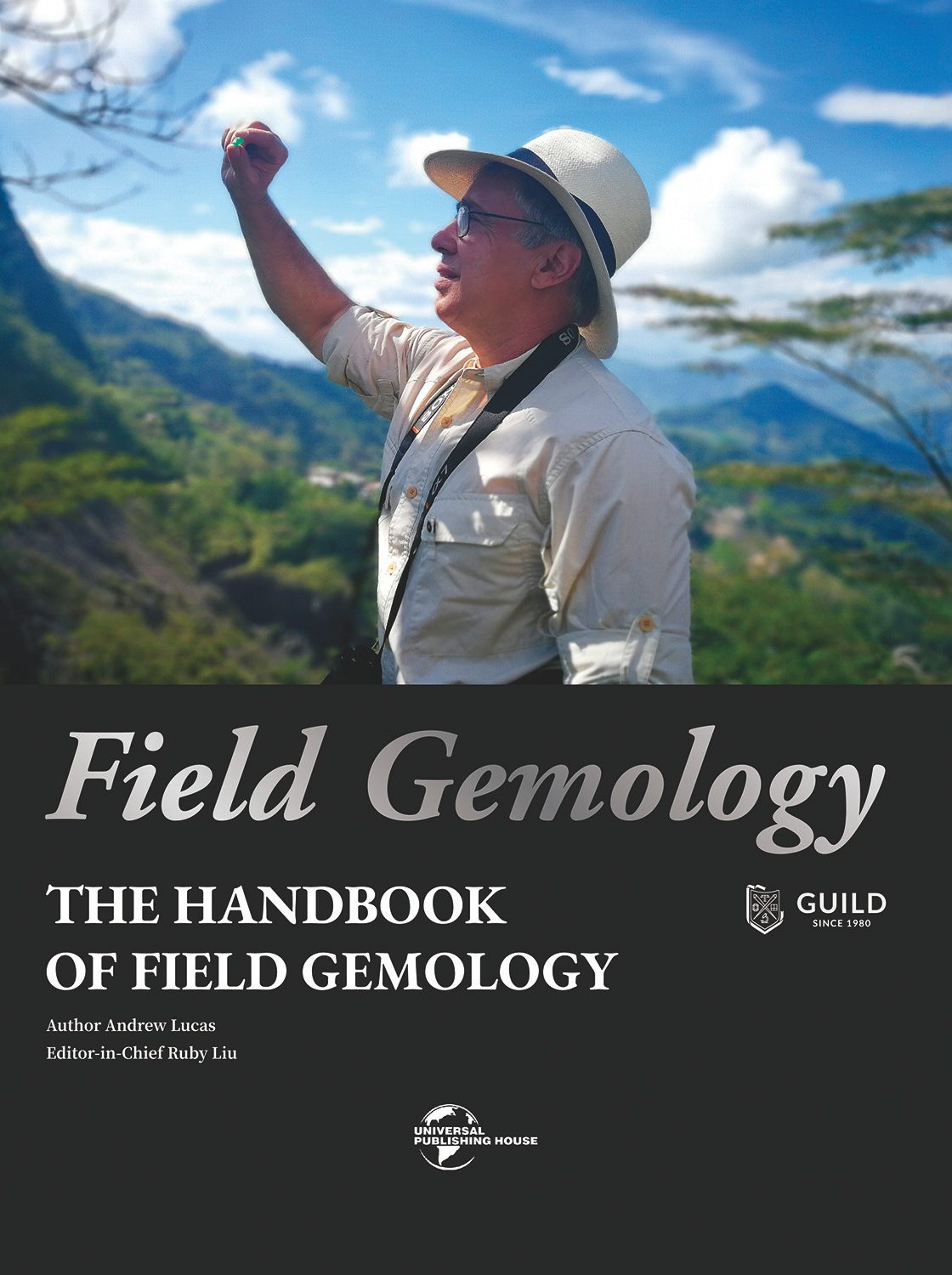
The Foreword to The Handbook of Field Gemology offers a glimpse into the professional trajectory of author Andrew Lucas, starting with his early career in antiques, which led to studying antique jewelry from around the world, then learning about gemstones, followed by a strong interest in gemology.
In 2018, he joined GUILD Gem Laboratories as the Chief Field Gemologist, bringing extensive experience from his previous 28-year role at GIA. Later, he became President of Guild Gemology Education and Senior Vice President of Guild Gem Laboratories. One of the world’s leading experts in mine-to-market field gemology, he has developed courses using more than 3000 firsthand video materials from gem-producing countries and regions around the world.
Lucas has now distilled his 30-year career as a field gemologist into an authoritative, focused, and practical guide that stands out in the niche world of gemological literature. Written with hands-on application in mind, it bridges the gap between academic gemology and real-world field work. Although it caters primarily to gemologists, jewelers, and serious enthusiasts, gem aficionados worldwide will also find it to be a good read.
Published in December 2025, this compelling and comprehensive handbook includes 335 pages of information and images depicting the various steps and challenges involved in the gem industry, from mine to market, in an easy to read and logical style and format, with key points highlighted in each chapter. This review offers a brief look at some of the chapters and images that are featured that readers of all levels of gem interest, knowledge, and experience will find interesting, whether they are aspiring fields gemologists or not.
Field gemology is the cornerstone of both gemological education and laboratory services… There is no doubt that field gemology is an indispensable part of gemological education… In the gemstone trade, conflicting sources of information are abundant. If you aim to became a reliable interpreter of industry trends, you must personally go into the mines and witness them yourself. ─ Andrew Lucas
Chapters 01 ─ 04
The author starts by offering a basic definition of a field gemologist, and what type of people tend to be attracted to this kind of work, as well as potential applications of field gemology. He also discusses the meaning of mine-to-market, and why this big picture of a gem’s life is so important to the trade. Notably, he writes in detail about the changes and evolution of the colored gemstone supply chain, as well as the consolidation of the jewelry sector as a whole.
Continuing his description of field gemologists, Lucas insists that they are not tourists but rather goal-oriented individuals who travel the world in search of knowledge, sometimes facing hardships… while also visiting amazing places.
Chapters 06 ─ 07
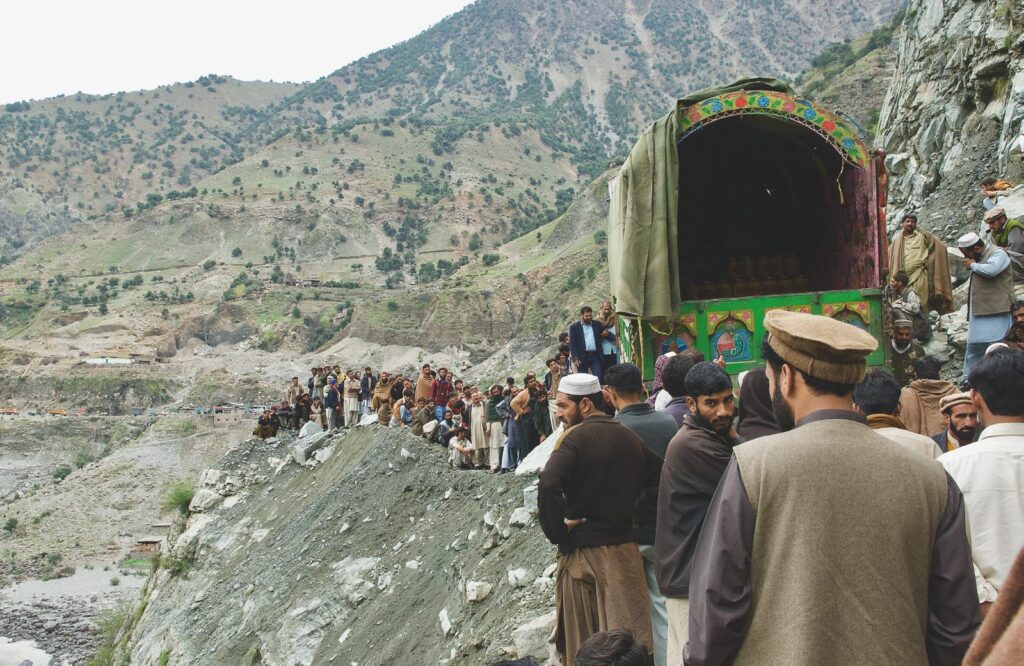
More than a travelogue, the book offers a wide-ranging blueprint for how field gemologists plan their trips, including having the necessary equipment, advice on travel and health risks, understanding local laws and customs, possible hazards, as well as potentially dangerous situations and conflicts.

Anecdotally, Lucas also mentions his experiences in defusing some worrisome situations. The key is knowing how to adapt, improvise, and overcome.

Chapters 08 ─ 10
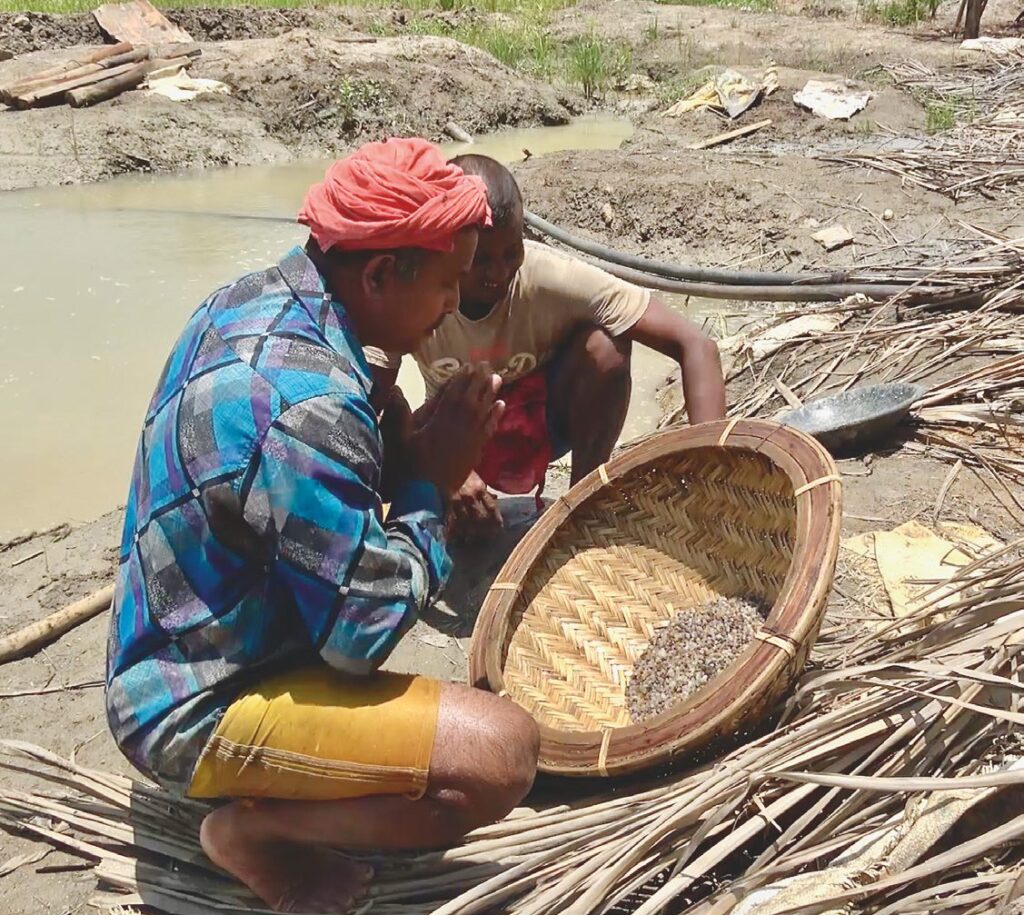
The author includes many examples of the types of mines, e.g. open pit, tunnel mining, and secondary deposits, as well as legal, illegal, formal, and informal operations. He also offers guidance on protocols for visiting the mines, whether artisanal or large-scale, as well as gaining permission to video or photograph them. The next step in a gem’s journey is to the cutting factories, which are an imporant part of the supply chain. Once the trip is planned, it is important to create a story around the trip that appeals to the target audience.
Chapters 11 ─ 12
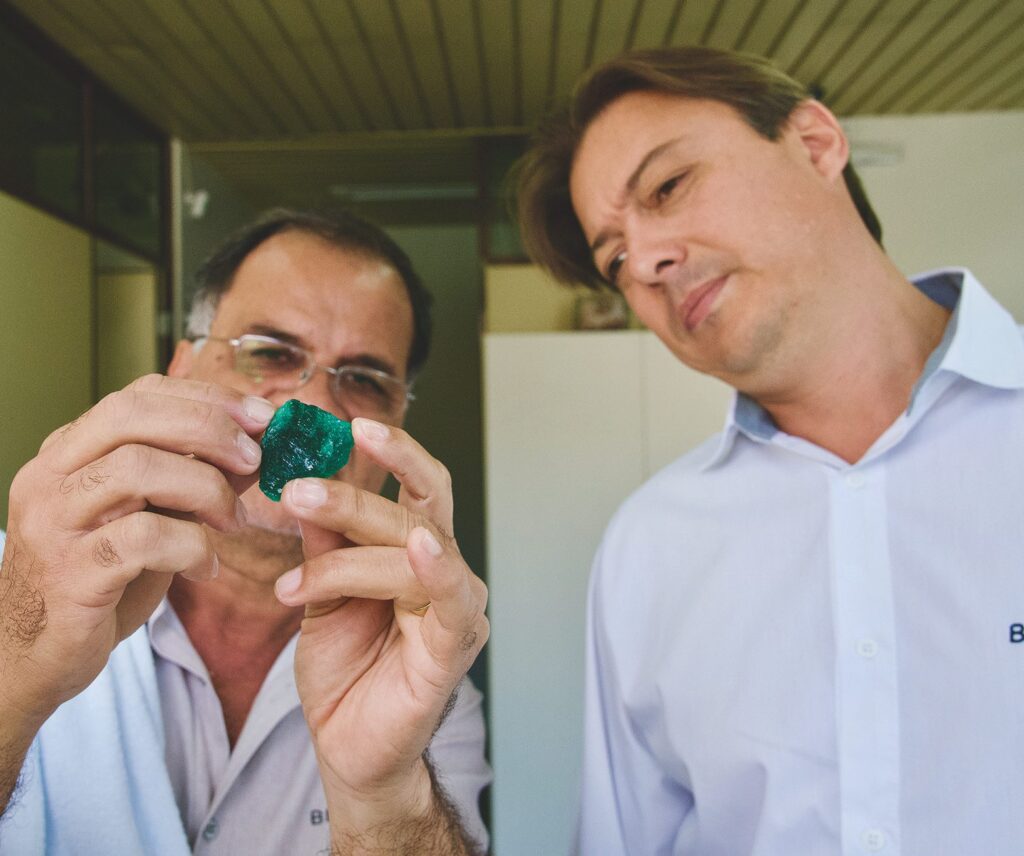
These chapters deal with gemology in the field, which the author notes is completely different than in a laboratory. Included are descriptions of crystal morphology, inclusions, and instrumentation. He also cautions that the "closer you are to the source, the more you may run into syntethics, imitations, and undisclosed treatments," and the importance of understanding the material’s characteristics at the source. This leads into how to buy in the field without getting cheated. Lucas also includes pages of absorption spectrum charts for a variety of gems as well as spectacular images of inclusions in colored stones.



Chapters 13 ─ 15
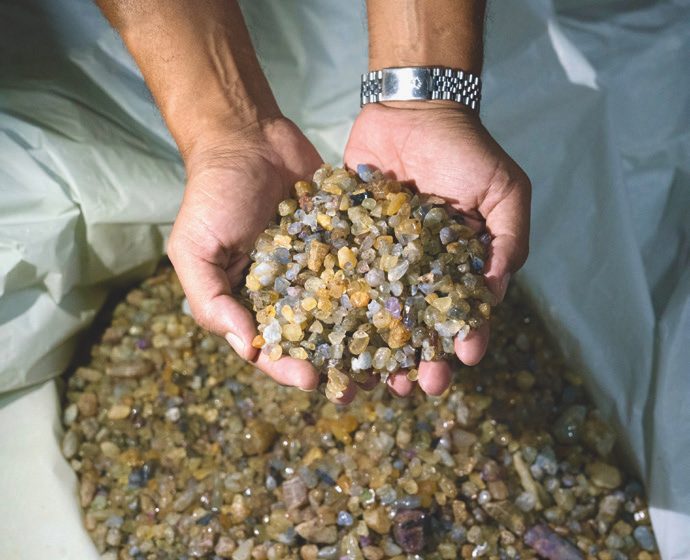
These chapters describe the collection of samples in the field with the focus on the importance of obtaining reference samples to create a gemological database. The characteristics of stones from different locations is central to determining a gem’s origin. Education is also discussed in terms of teaching people in mining areas about their gems. In the short Chapter 15, the author stresses how essential it is to build trust with people in the field and treat them with respect.
Chapter 16
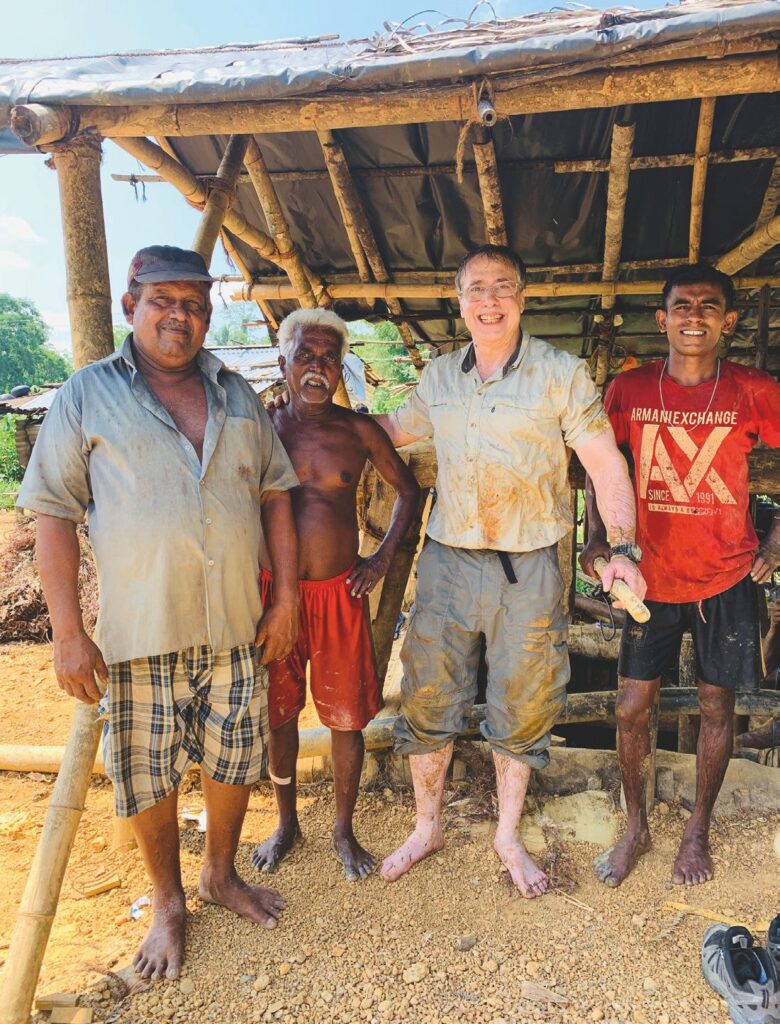
This chapter is devoted to Sri Lanka and its gemstone heritage, including descriptions of the deposits and mines, as well as how the gems treated, traded, and cut on the island. The pages are filled with spectacular imagery of its natural beauty as well as some of the extraordinary world famous jewels that have been found there.
Chapter 17
This chapter focuses on the gem trade in Thailand, a major hub of the colored gemstone industry. From Bangkok to Chanthaburi—the main centers for cutting, treatments, and trading—to visits to small artisanal mines, the book also discusses how Thailand is also losing some market share for cutting and treatments to places such as Jaipur and Sri Lanka. Having said that, Thailand is still the most important stop along the global supply chain for colored gems.
Chapter 18
Discussing the future for mine-to-market field gemologists, the author notes that a new breed is up and coming. They include those with global supply chain resource connections for buying at the right price, and those with firsthand storytelling to build their professional image and customer base. Importantly, they are adept at live-streaming and social media for selling direct to consumers.

Chapter 19
The last chapter includes maps that provide a visual reference to some of the most important gemstone-producing regions in the world.
Conclusion
One of the book’s strongest qualities is its clarity of purpose. It acknowledges a key challenge in gemology: most gemstones are encountered in less-than-ideal conditions, in remote areas or insecure situations, or where sophisticated lab equipment is unavailable.
The author addresses this constraint by presenting methods that rely on good training, common sense, portable tools, and observational skills. This practical orientation makes the book especially valuable for professionals who travel or work in sourcing environments, but also for those who simply want to learn more about the journey that a gemstone takes from mine to market.

Each gemstone has a unique story, and field gemology can bring that story to consumers.
Title: The Handbook of Field Gemology Author: Andrew Lucas ISBN: 978-1-76188-147-3 Pages: 335 Size: 889 x 1194 mm Publisher: Universal Publishing House