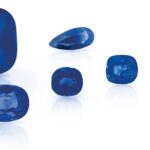
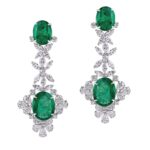
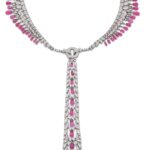
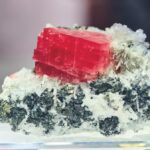
What exactly is the “Tucson Dream?” I posed this question to some of my colleagues and friends to try and understand it better.
For first-time attendees to the Tucson experience, the response was a sense of wonder and amazement. Others reminisced about what they call the Golden Years, i.e. 10 to 15 years ago. And then there were those from the newer generation who have been attending the show for only the past 5 to 7 years, showing little surprise at the deep changes that have shaped our market. While many attendees have been coming for years, there are those who have made the yearly pilgrimage since the very beginning!
Of course, the Tucson Dream has evolved over the last 40 years. But what exactly has changed? And what is the Tucson Dream for us, today?
The Beginning
When I first heard about Tucson, I was sitting in a gemology class, trying to learn the difference between spinel and ruby. The city felt like a faraway, almost mythical place, a destination reserved for the worthy, those already established in the gem world. Years later, when I finally had the means to go and see it for myself, Tucson was overwhelming.
From the moment you land, you’re surrounded by gem show advertisements, in the airport and on the streets. The entire city gets swept up in this excitement. There was an electric atmosphere, a kind of frenzy that took over all of Tucson. I remember watching people run — as soon as shows like GJX or AGTA (among many other shows in Tucson) opened — desperate to be the first to secure the best deals and the finest gems. It felt otherworldly.
The Shifts
But as the years passed, things inevitably shifted — not necessarily for better or worse, but they changed. The frenzy faded. We watched as the market grew more difficult: saturated, overpriced, and increasingly controlled by a handful of major companies.
Yet, alongside these challenges, positive transformations emerged. Miners in many countries gained more rights. Ethical sourcing and origin transparency became about more than just price tags; they became essential values. Increasing numbers of women entered and shaped the jewelry and gemstone industries. Stones that were once ignored or cast aside are now celebrated and treasured. The colored gemstone industry expanded to heights we didn’t think possible!
As someone who has experienced Tucson from both sides — initially as a student trying to buy my first gems and, later, as an exhibitor at the prestigious AGTA show — I like to think that I have a unique perspective.
After speaking with both vendors and buyers, one thing became clear: there is no single reason for the shifts we’ve witnessed. What we are living today is the result of countless small events and gradual changes that have accumulated over the years.
How Was It?
The 2025 Tucson gem shows were, like every year, a mixed bag — great for some, disappointing for others. But what set this year apart from the others? One recurring theme I heard was about pricing.
Everything was significantly more expensive in the colored gemstone world — yet the quality often didn’t match the price hike. And no, it can’t be explained away by ordinary inflation.
Part of the reason is the sheer ease of entering the gem trade today. With social media and online platforms, anyone can start buying and selling gemstones without being a trained gemologist or having any formal education. This accessibility has led to market saturation — and with it, a demand that is increasingly difficult for Mother Earth to satisfy.
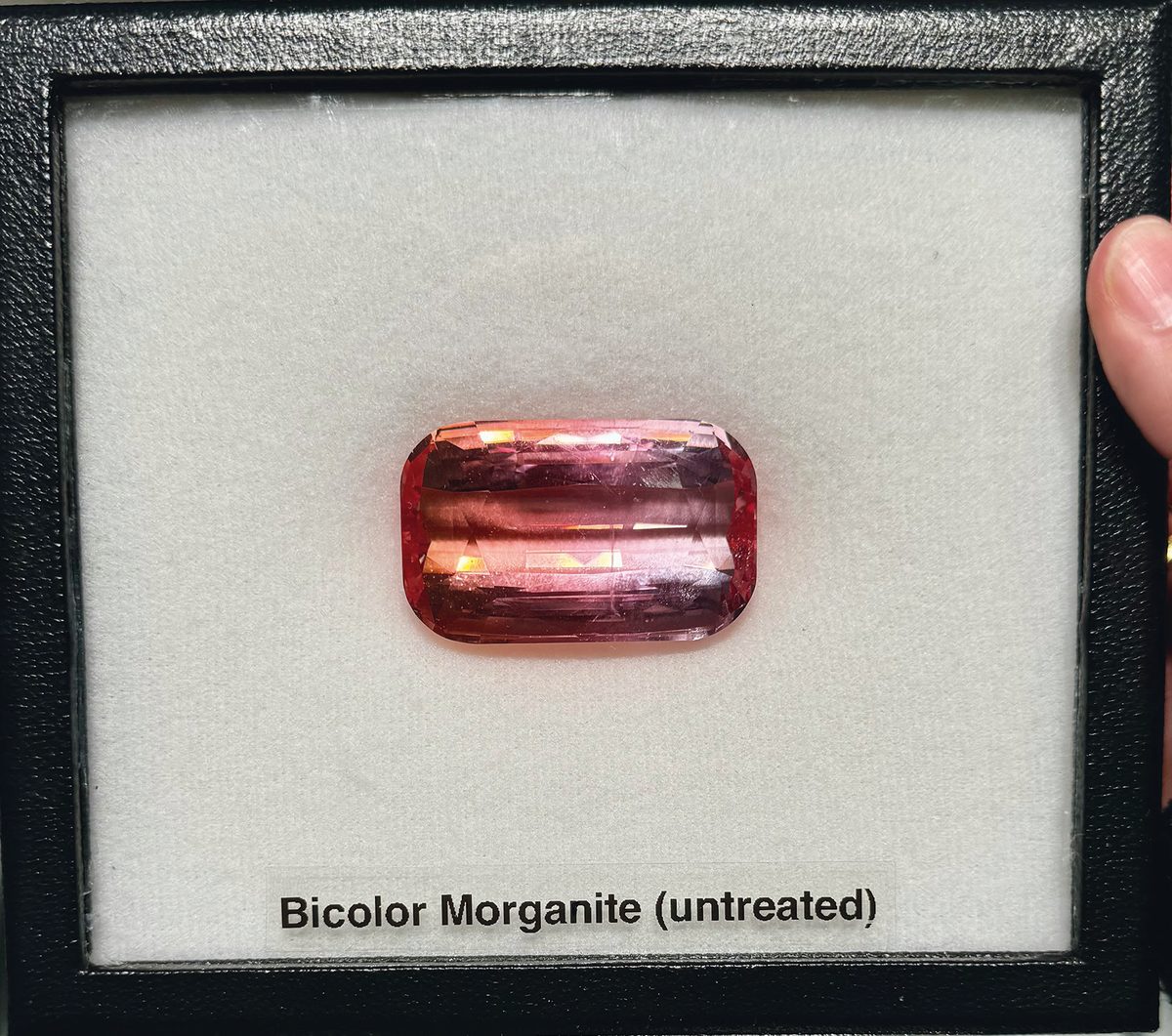
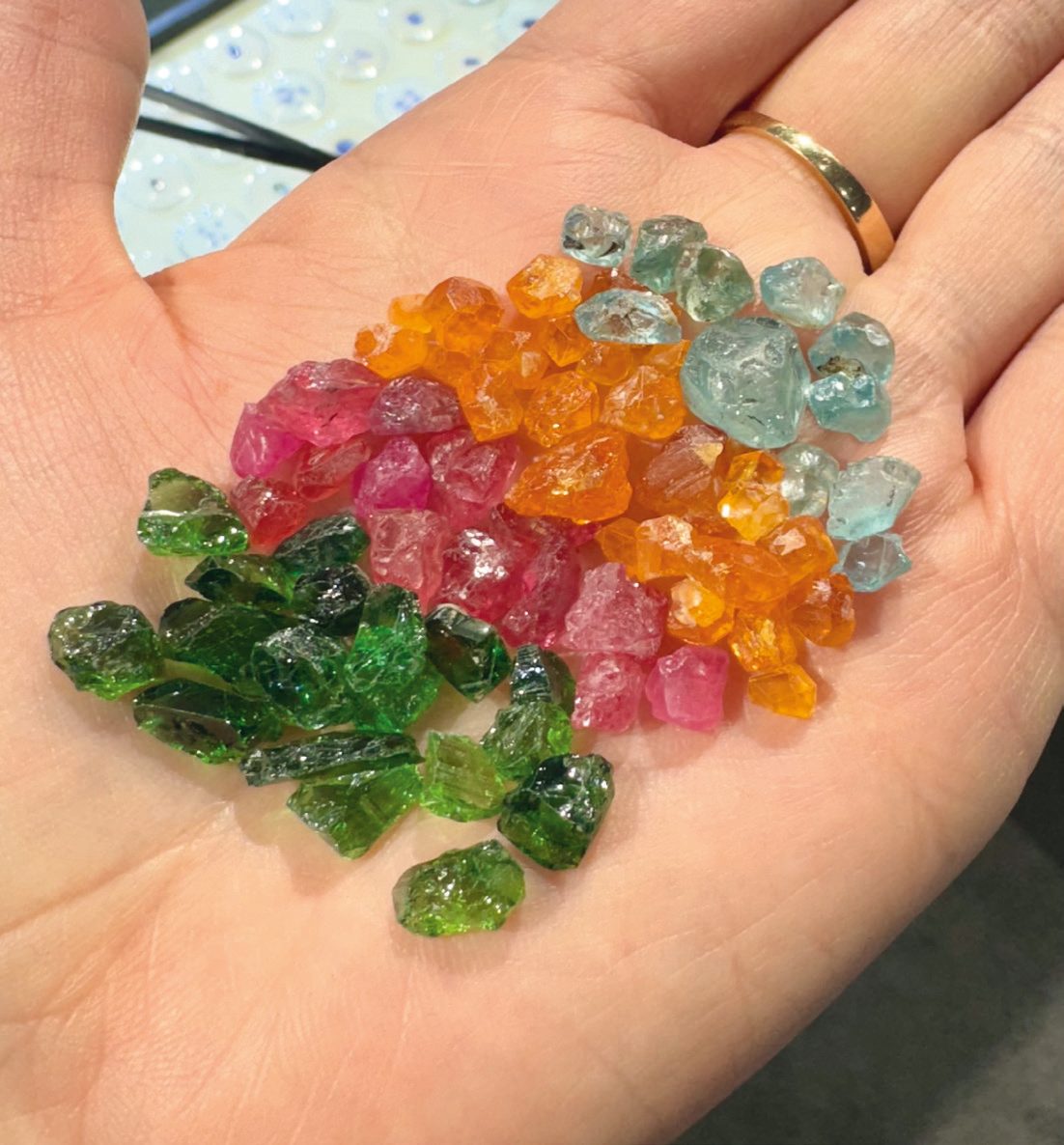
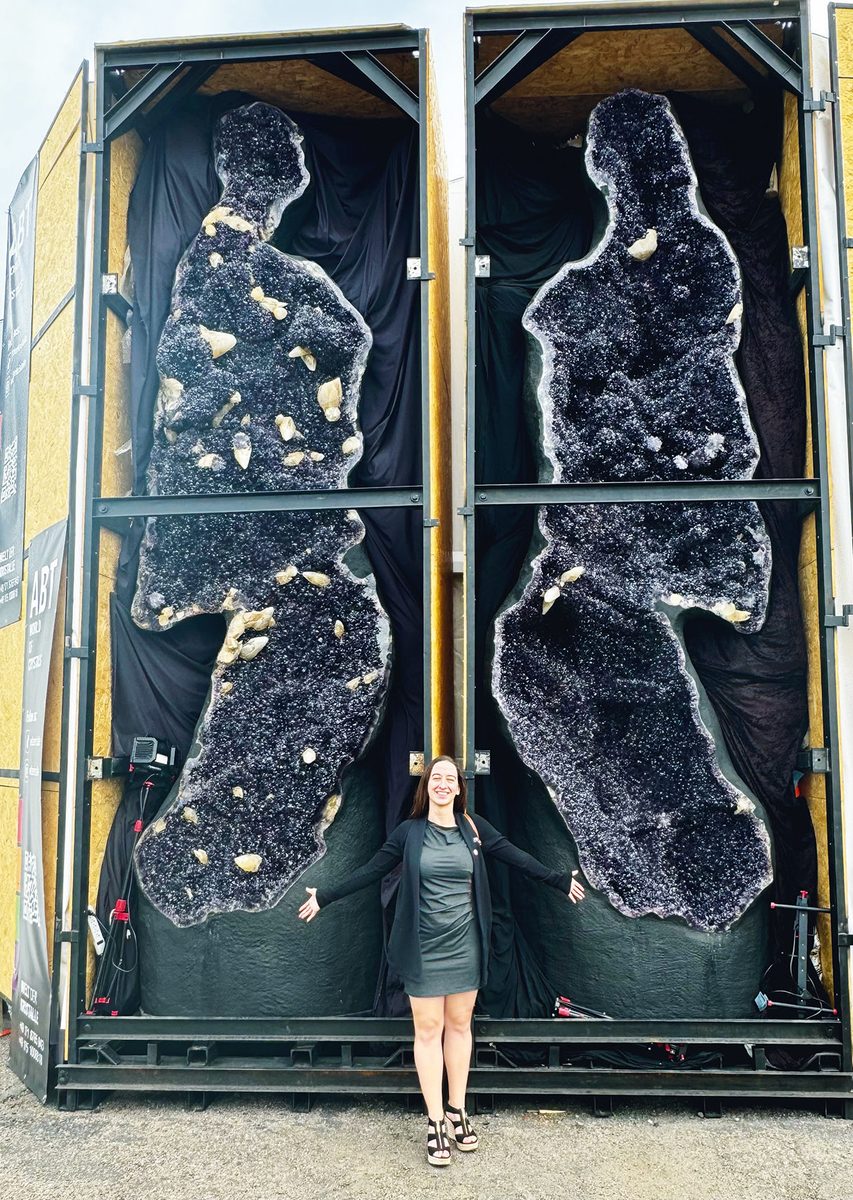
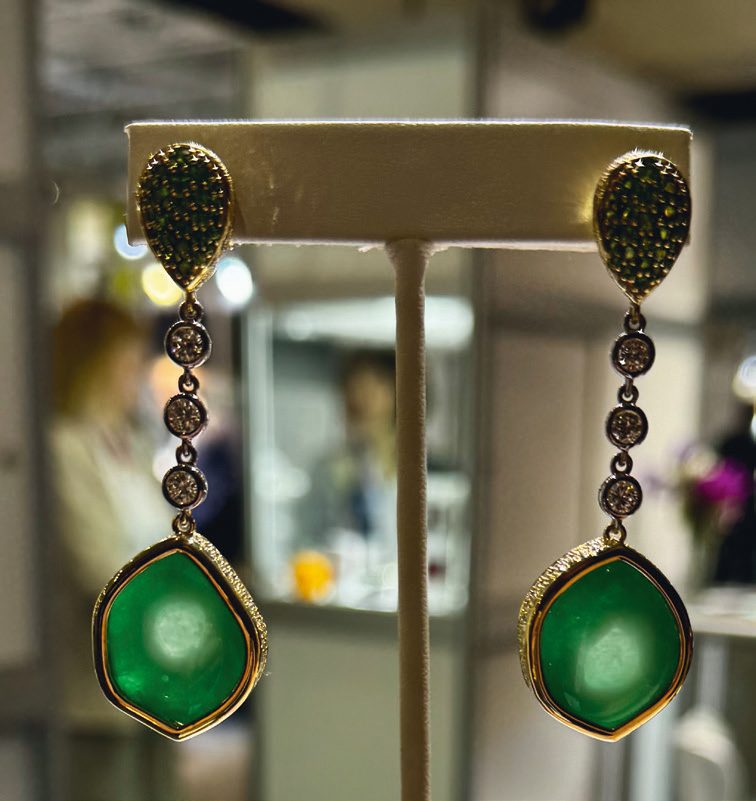
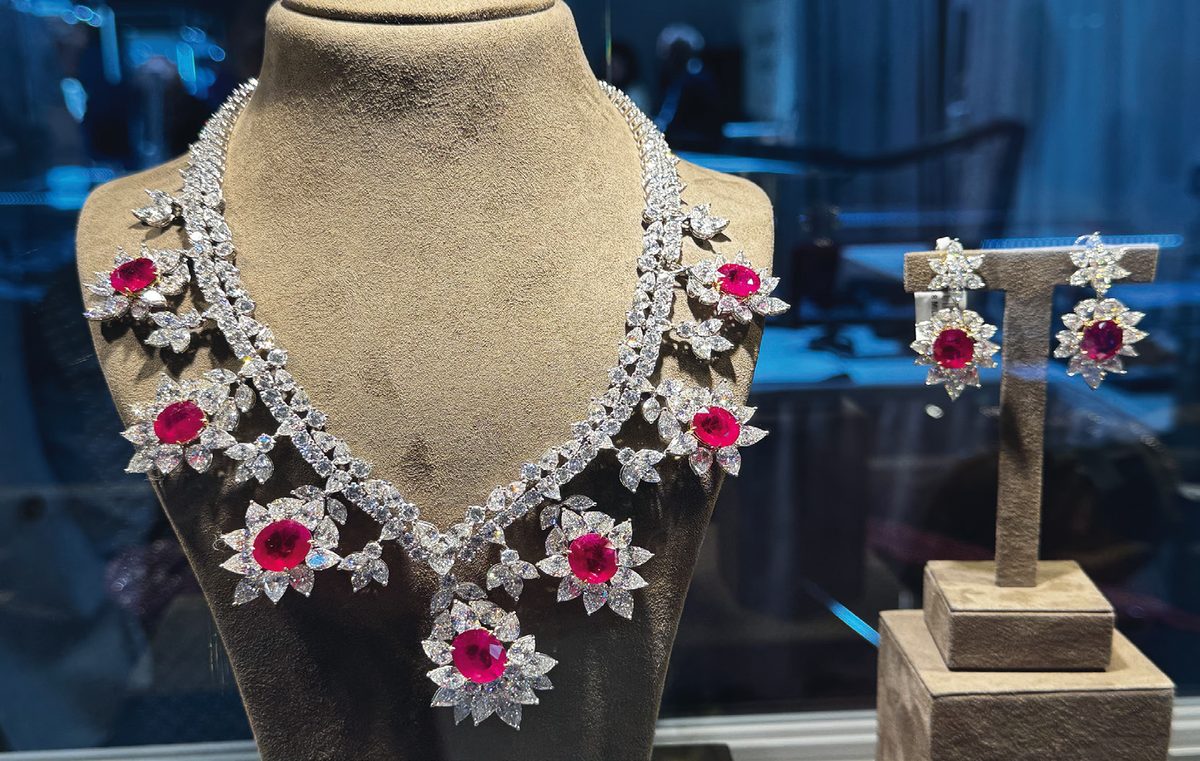
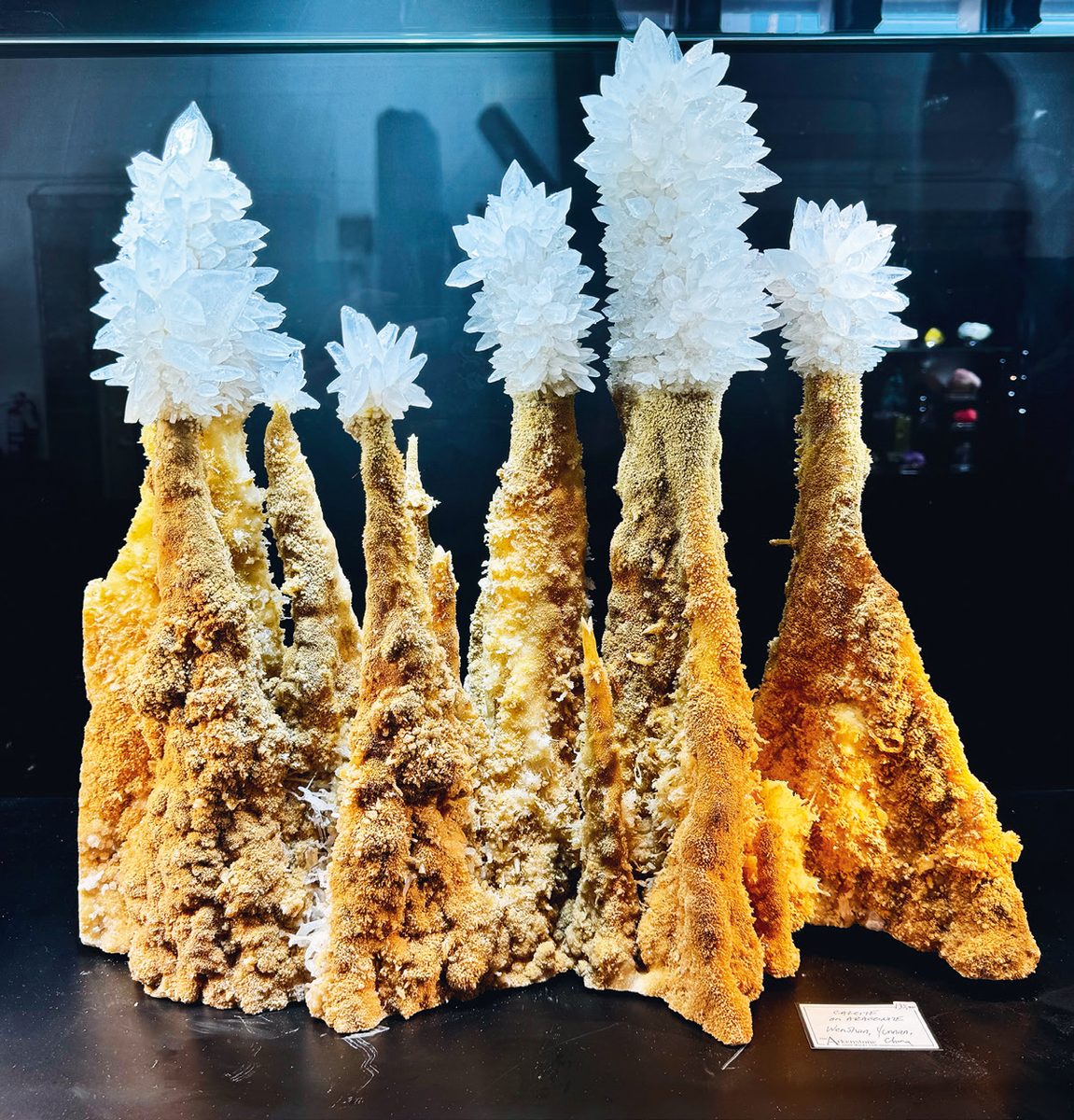
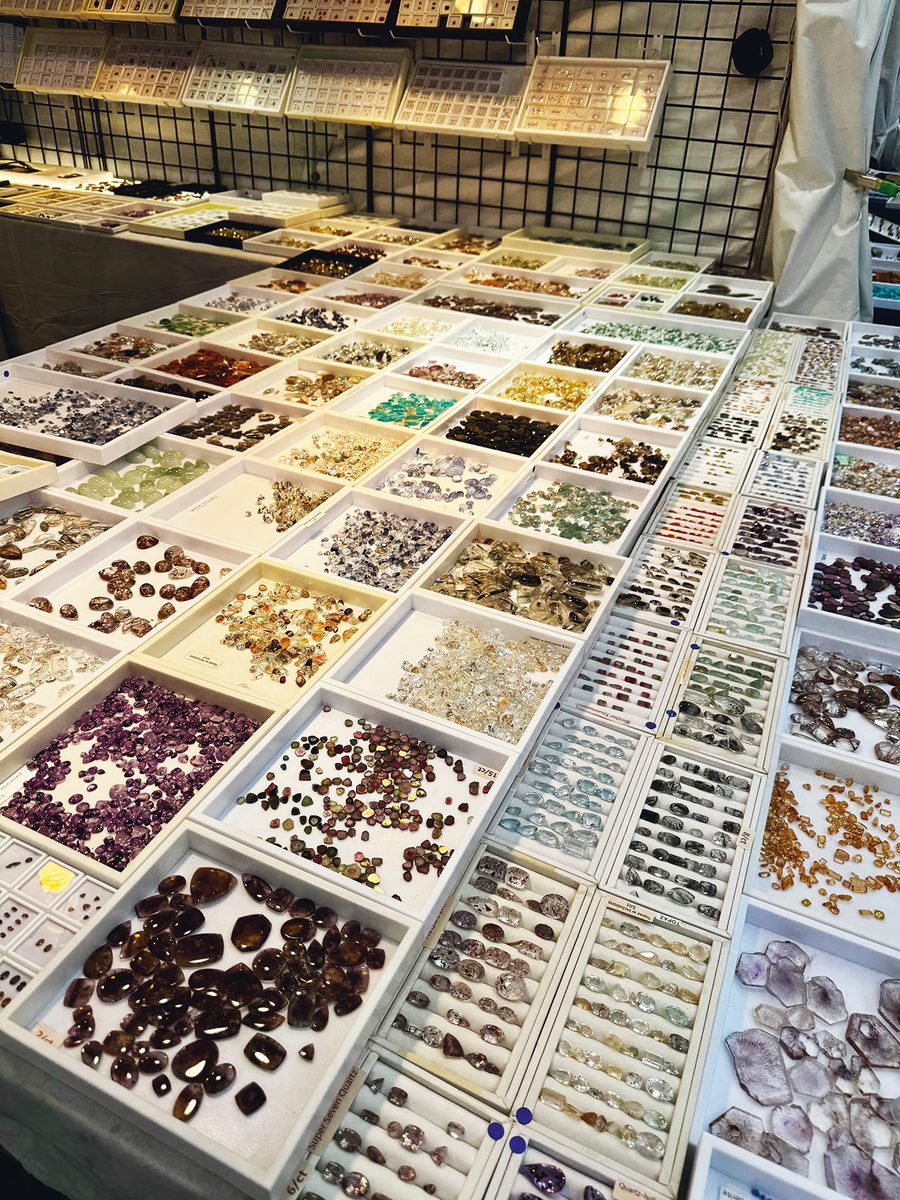
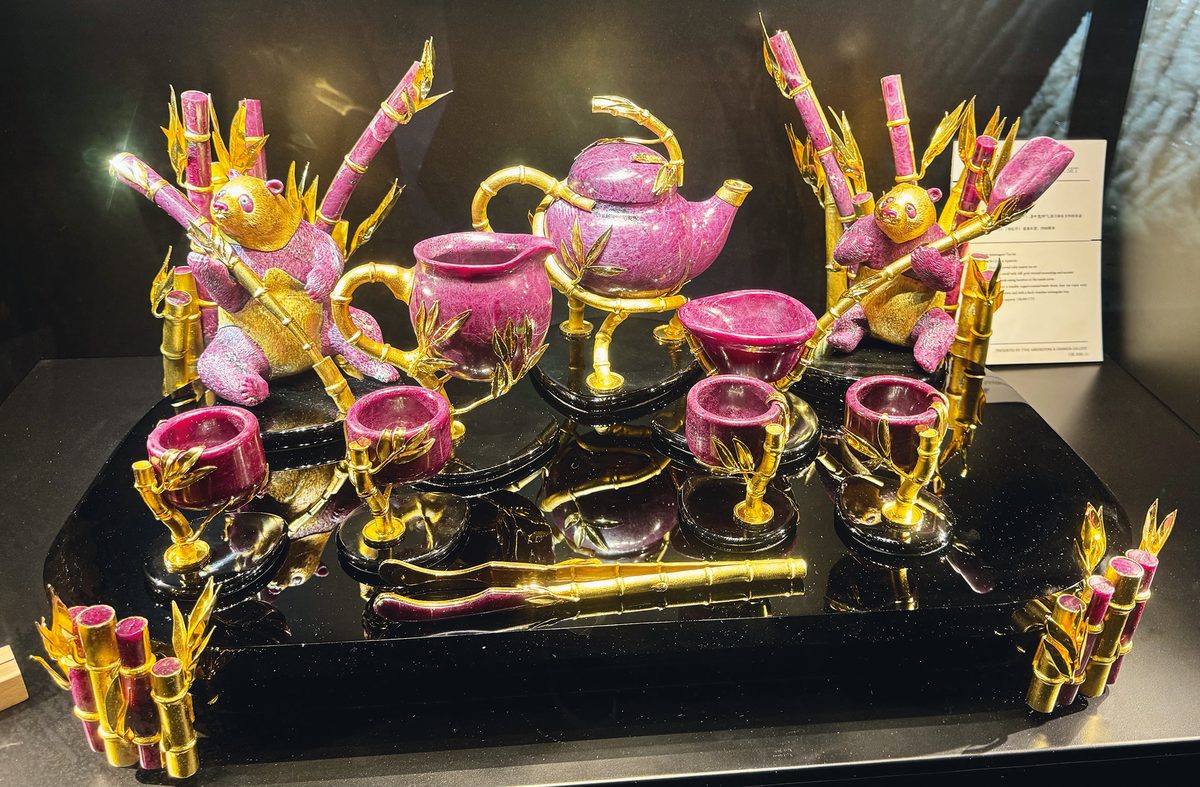
The same dynamic is playing out in other natural resource industries, like wood, so it’s no surprise that gemstones are facing similar pressures — especially for rare and hard-to-source materials. Gems such as quartz or diamonds, however, are some of the exceptions.
Countries like Kenya, Morocco, and Tanzania are experiencing demand that far outpaces supply. As soon as quality material comes out of the ground, it’s a bidding war, and the highest bidder wins. With demand rising continuously and relentlessly, prices soar — not just for top-tier stones, but for lower-grade material as well. Topaz, garnets, sapphires, spinels, and emeralds are all experiencing an exponential rise in value and price. Especially the rough.
The result? We find ourselves paying premium prices for goods that don’t meet previous standards — simply because there’s nothing better available.
And, of course, this is compounded by rising costs of living, travel, import/export fees, new taxes, and global economic challenges. Some countries, for example, Malawi, even attempted to halt gemstone exports altogether — only to retract the decision days later due to an intense backlash.
Adapting to today’s market requires thinking outside of the box. Selling not just a gem but a story, a value, or even a rarity is what people are looking for today. Perfection is still a bestseller, but alongside it, for the first time, included gemstones have found their place.
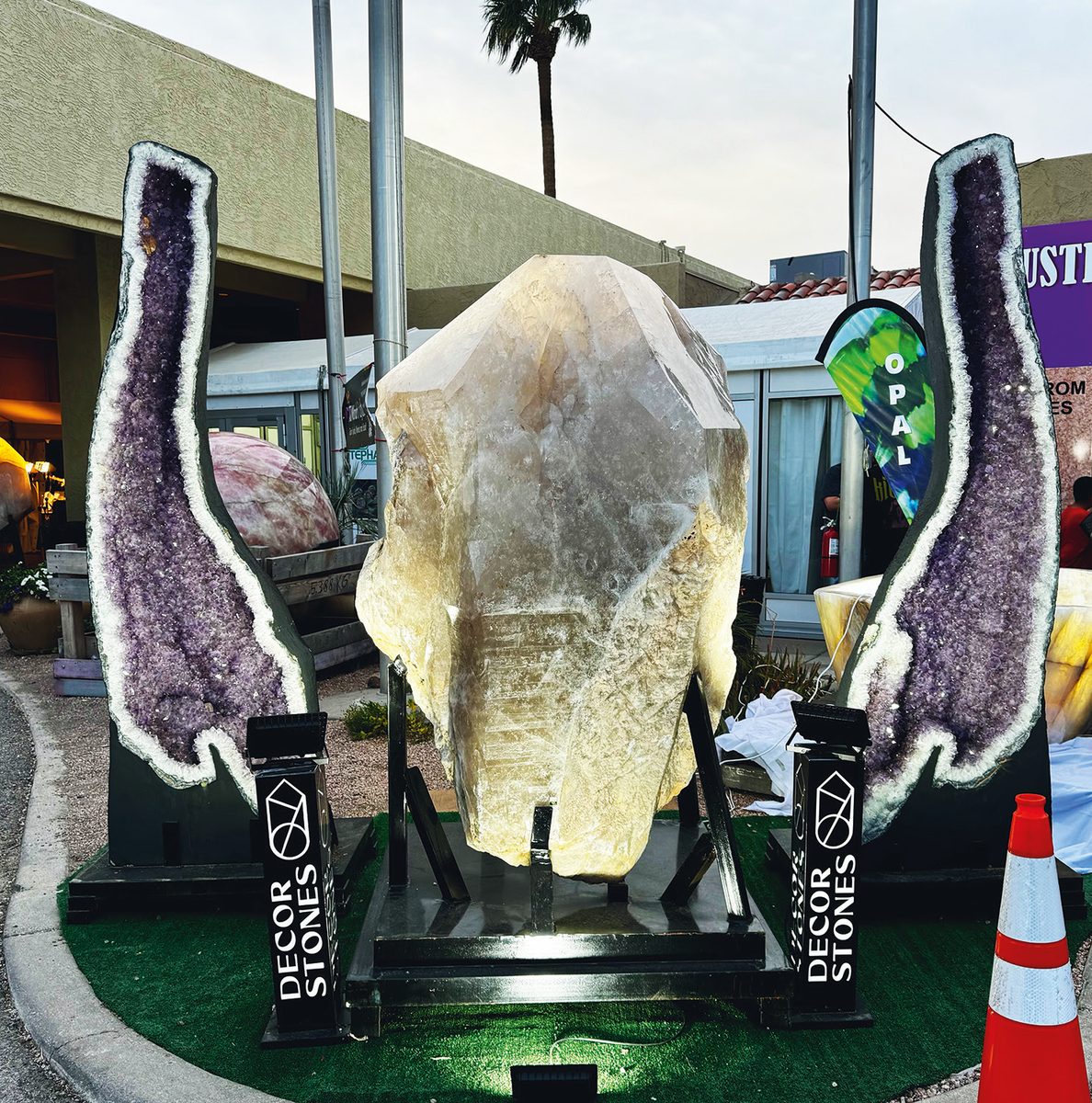
And, Today
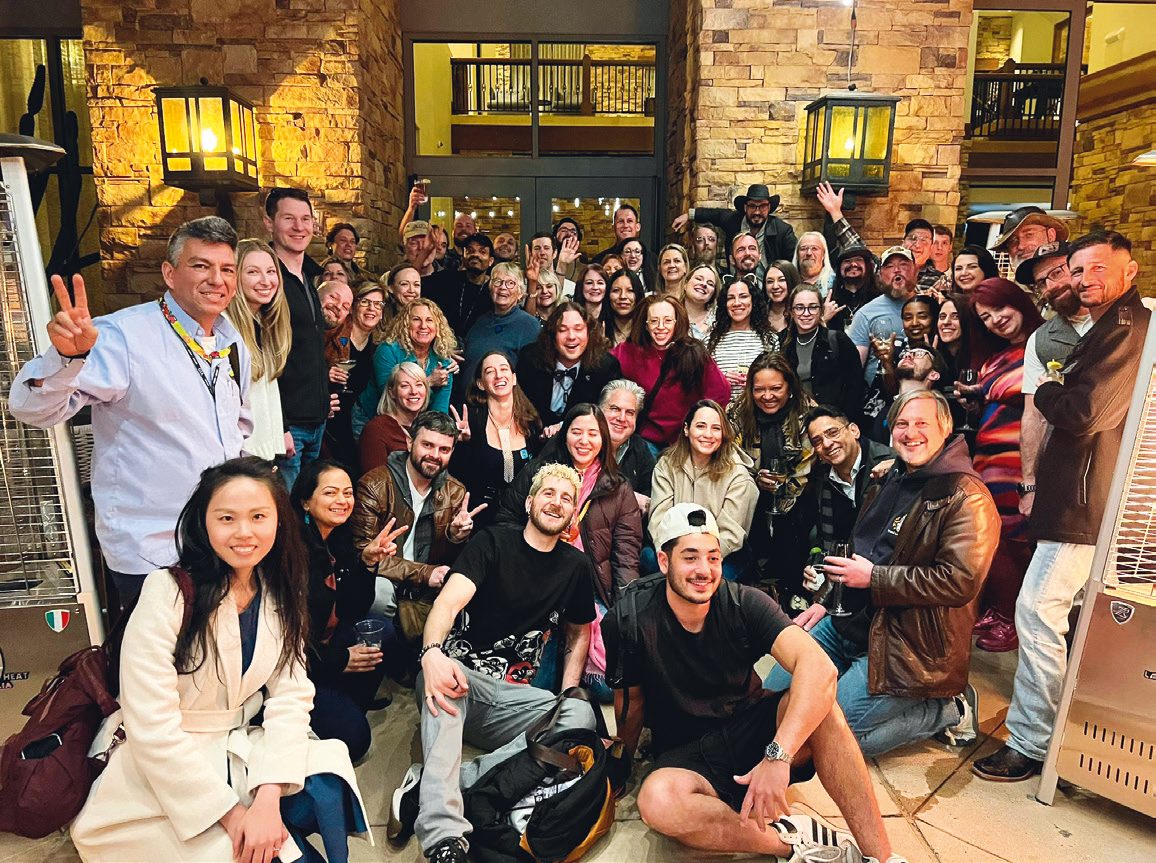
So, what is the Tucson Dream today? Maybe it’s not just about scoring the best deal. Maybe, for many of us, it’s about connecting with others who share the same passion, about finding that one perfect stone or finding something that speaks to us — whether it’s a gem, a story, or a new relationship in the industry.
Whatever form it takes now, one thing is certain: the Tucson Dream is still alive, although it has been transformed, reshaped by time, the market, and our evolving values. Adapting to the new market is up to us, whether we want to follow and shine, or dully fall behind…
About the Author
Lauriane Lognay FGA AJP GIA PJA is a gemologist with the Fellowship of the Gemmological Association of Great Britain who also has a diploma in jewelry. She founded Rippana Inc. in 2012 in Montréal, Canada, when she was 21. She offers lapidary and appraisal services in addition to selling gemstones. Lauriane travels to mines and gem markets in numerous countries during the year, such as Tanzania, Vietnam, and Myanmar to buy the best rough and cut gemstones the field has to offer.
All images are courtesy of the author.