By Martial Curti[1]; Theodore Rozet[2]; Giada Musilli[3]; Valentin Fejoz[2]; Anselme Arsac[1]; Elsa Marlin[3]; Piotr Hinnemann[3]; Carolina Guzzi[3]; Geir Atle Gussiås[4]
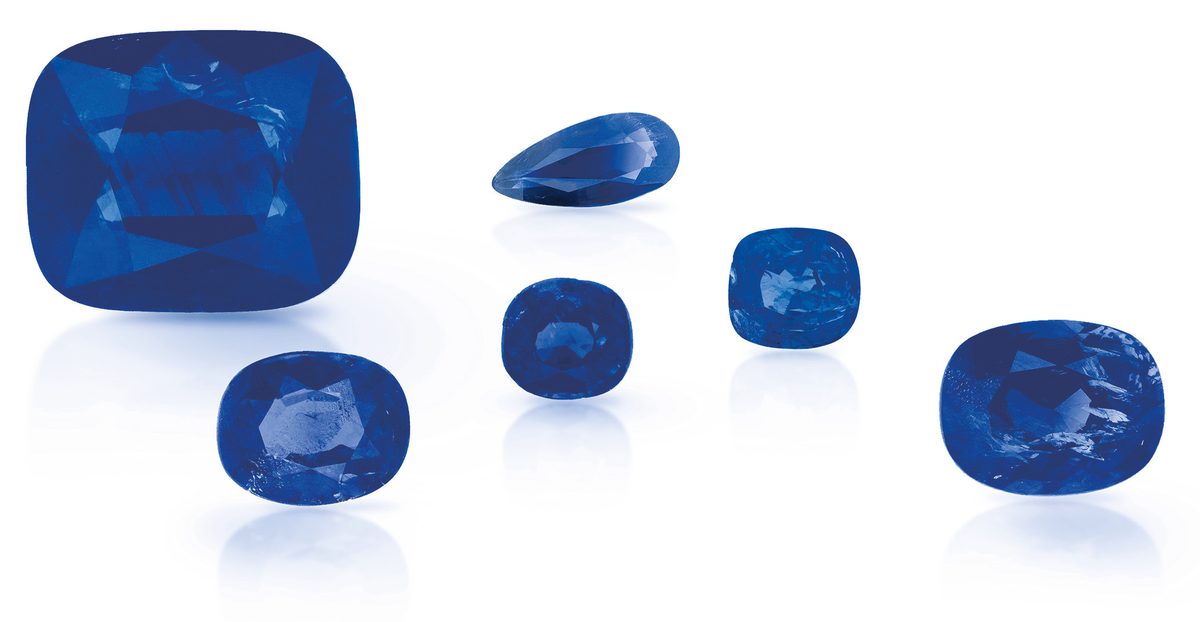
In recent months, the gemstone market has witnessed the emergence of new deposits yielding remarkable materials. Blue metamorphic sapphires from An Phú, in the Luc Yen region of Vietnam, have quietly garnered some attention for their quality and distinctive features.
This not so new material (Huong et al, 2012), completely different from the traditional Basalt-related commonly known Vietnamese blue sapphire (Smith et al, 1995), appears in small quantities for now. The typical range is 1 to 2 carats in size, with some rare 5-carat stones, exhibiting a captivating medium to vivid blue hue. Notably, these sapphires display a rare milkiness and velvety appearance, characteristics that evoke comparisons to the legendary Kashmir sapphires (Figure 1).
Our attention was drawn to this intriguing material through trusted contacts within the Luc Yen market, especially thanks to Mr. Geir Atle Gussiås. Upon collecting, receiving, and analyzing reference samples, we were surprised to observe internal features closely resembling those associated with Kashmir-origin sapphires. These features included subtle milky cloud banding, as well as snowflakes and streamer inclusions, a characteristic scenario often associated with Kashmir Sapphire.
Interestingly, some market rumors suggest that some gemological laboratories have issued provenance determinations attributing some of these sapphires to a Kashmir origin. This has added a layer of intrigue and complexity to their evaluation, raising questions about the potential implications for the trade (Krzemnicki, 2017; Peretti and Peretti, 2017).
In this study, we aim to document and characterize this new material, comparing its gemological properties with sapphires from other renowned deposits and providing clarity on its origin.
Samples & Analytical Methods
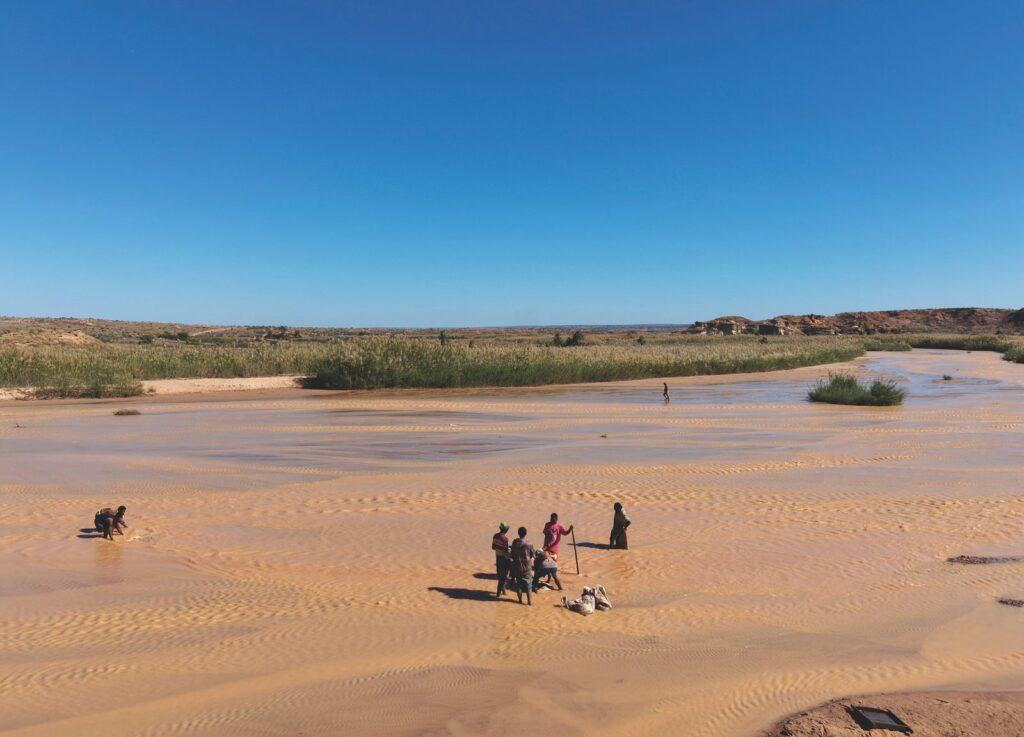
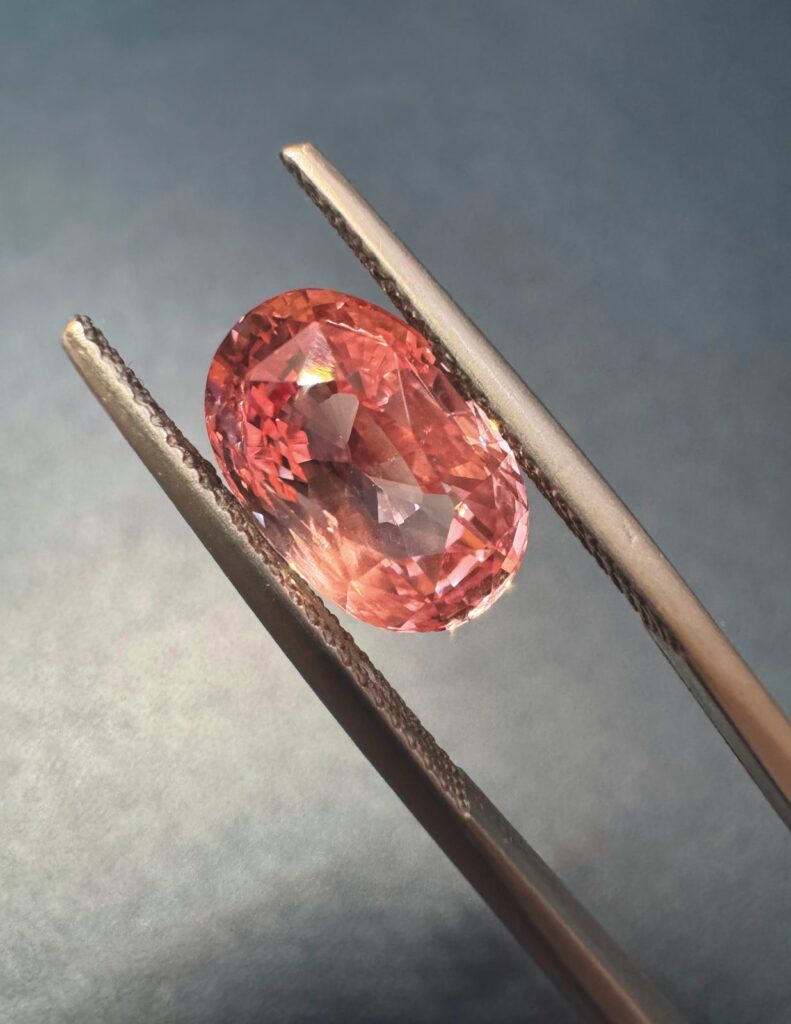
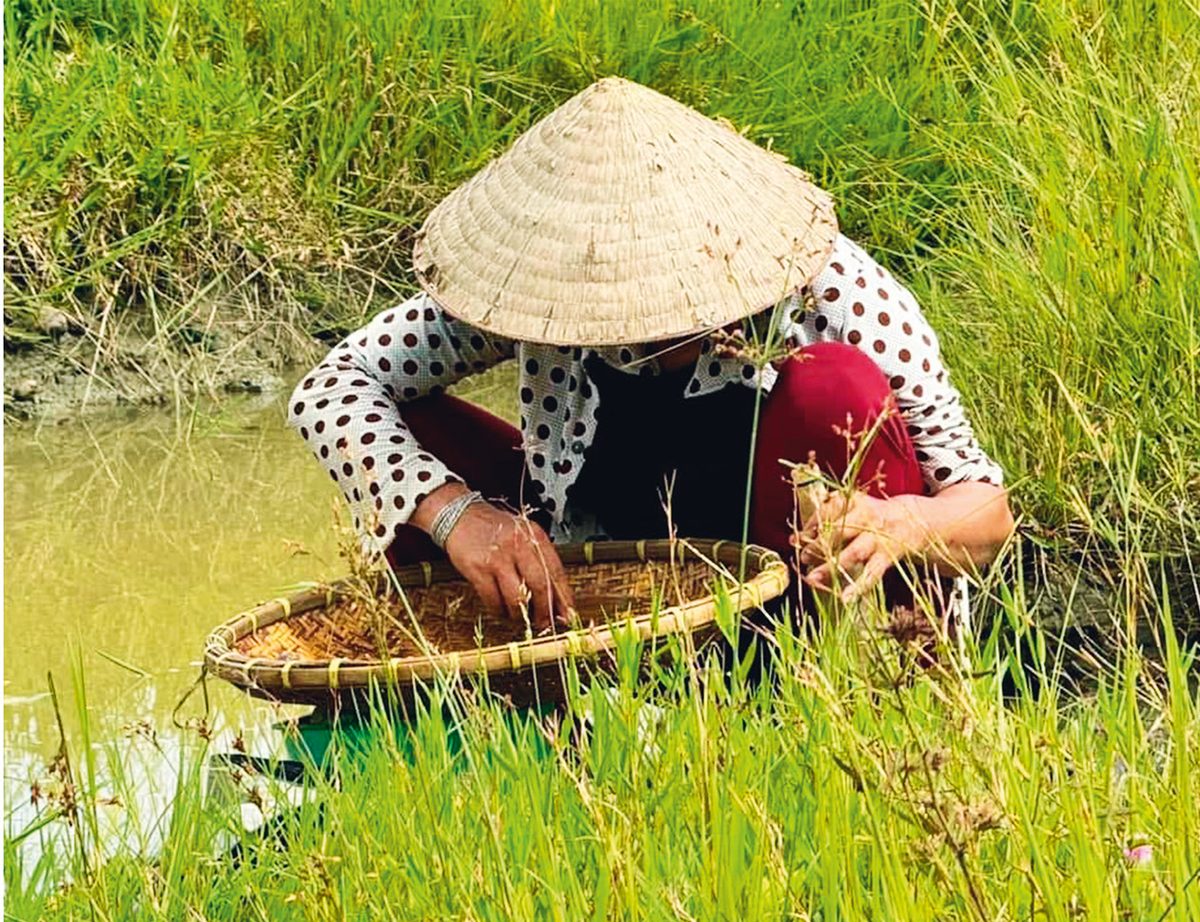
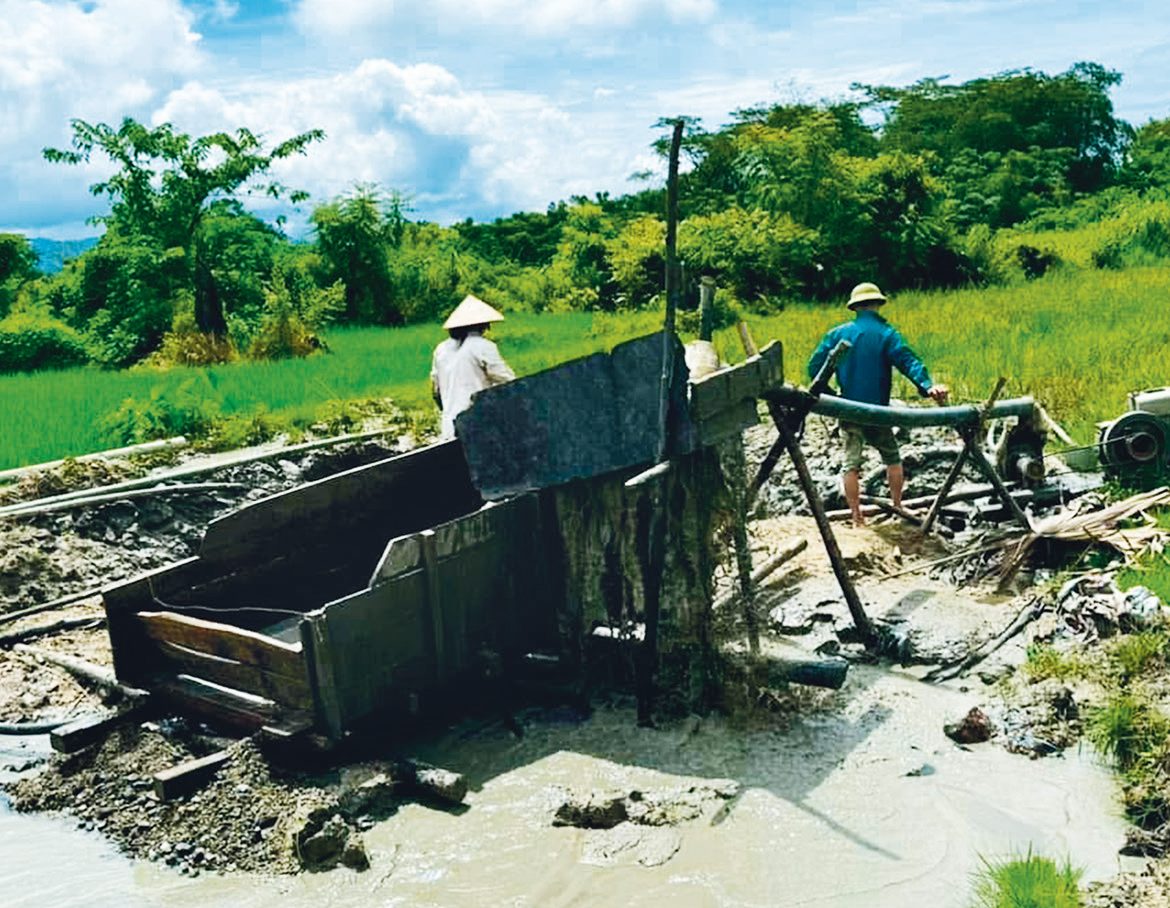
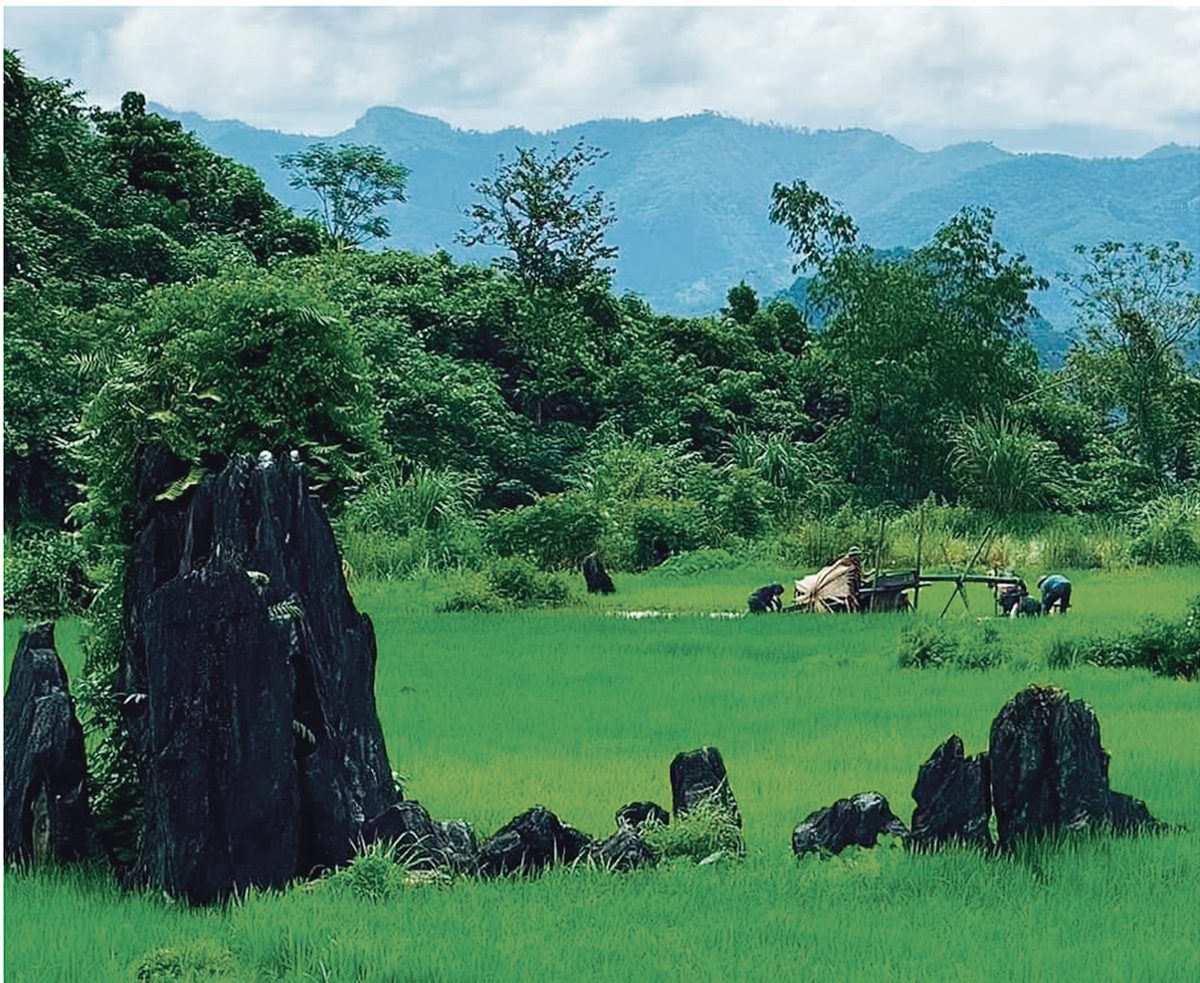
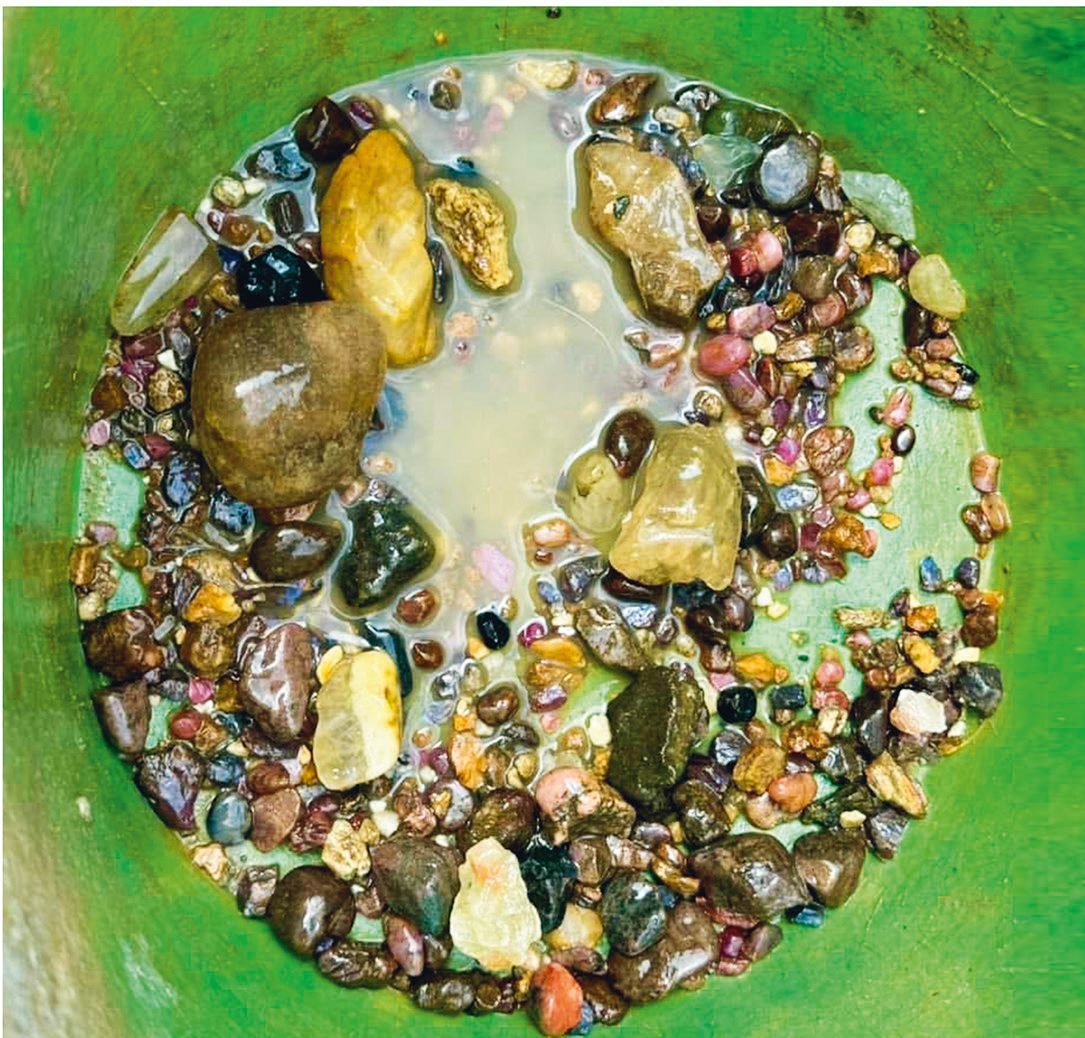
The sapphires included in this study have been exclusively purchased in the Luc Yen market and were not collected directly from the mine, believed to be in the An Phú commune. Reference samples were either bought by our gemologists or obtained from a reliable source and collected as close to the mining source as possible (Figures 2 to 5).
A total of fifteen faceted samples were acquired, ranging from 0.3 to 4 carats. Trace element chemistry was collected using an LA-ICP-MS system. Microphotography of internal inclusions was captured at Bellerophon Gemlab under different magnifications with a Keyence VHX-7000 system and under different types of illumination, with a fiber optic light source.
Non-polarized FTIR spectra were collected at Bellerophon Gemlab using a Frontier Perkin Elmer FTIR spectrometer equipped with a 4X beam condenser accessory and a diffused reflectance (DRIFT). The resolution was set at 4 cm–1. Raman spectra were obtained of inclusions when possible at Bellerophon Gemlab using a BWT-8400000340 I-Raman Plus 785S. UV-vis were performed on an integrating sphere with a diameter of 50 mm with a typical reflectance of 99% in the visible range, using an SR-4XR250-50 Ocean Insight spectrometer 500 lines blazed at 250 nm, with a slit 50, coupled with a pulsed Xenon 220 Hz, 220-750 nm, and a halogen light source. EDXRF was performed using a Skyray EDX3000 Energy Dispersive X-ray Fluorescent Spectrometer. The testing time was 200s at 16kV and 45kV.
Internal World of Luc Yen Sapphire
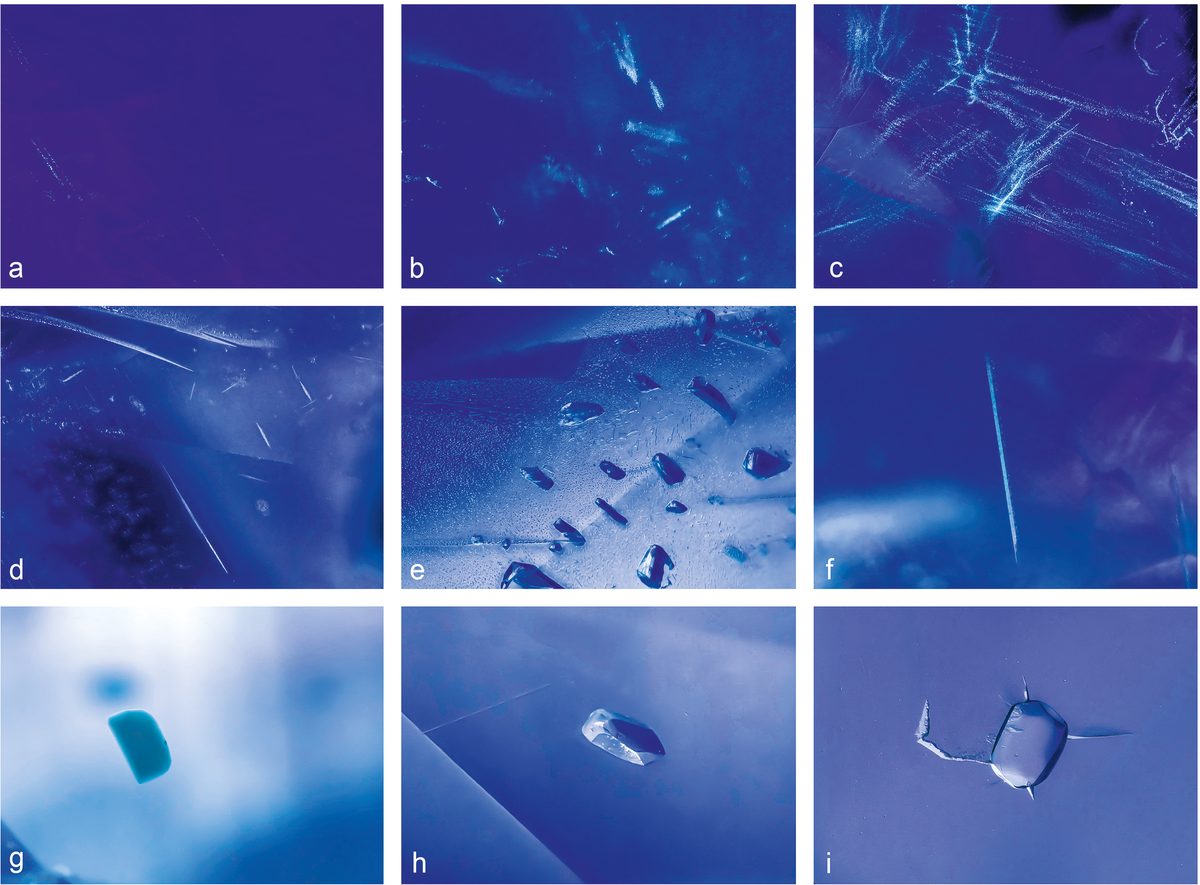
As regards their internal characteristics (Figure 6), the most common features are poly-synthetic twinning, observed in most of the samples, and an overall velvet appearance of the crystal due to submicroscopic particles that scatter light (Palke et al, 2019).
Negative crystals filled with two-phase CO2 are also a common occurrence, with various sizes, often arranged in fingerprint-like planes. Mixed short and long rutile silk has been observed in one reference, unevenly distributed as dense clouds throughout the stone. Green gahnospinels are the most common solid inclusions found, followed by rounded unknown prismatic transparent crystals. Microscopic dark opaque crystals, most probably graphite, are also seen inside a negative crystal. Other mineral inclusions include mica and zircon. Patterns of silk and particle clouds of varying textures are also present in many references, including the so-called ladder, streamer and snowflake patterns, as well as milky cloud bands following the hexagonal growth of the sapphire.
Lastly, rose channels and growth tubes with discoidal screw-like tensions are present in some samples, sometimes filled with epigenetic filler, including goethite and hematite, when reaching the surface.
Gemological Properties of Luc Yen Sapphires
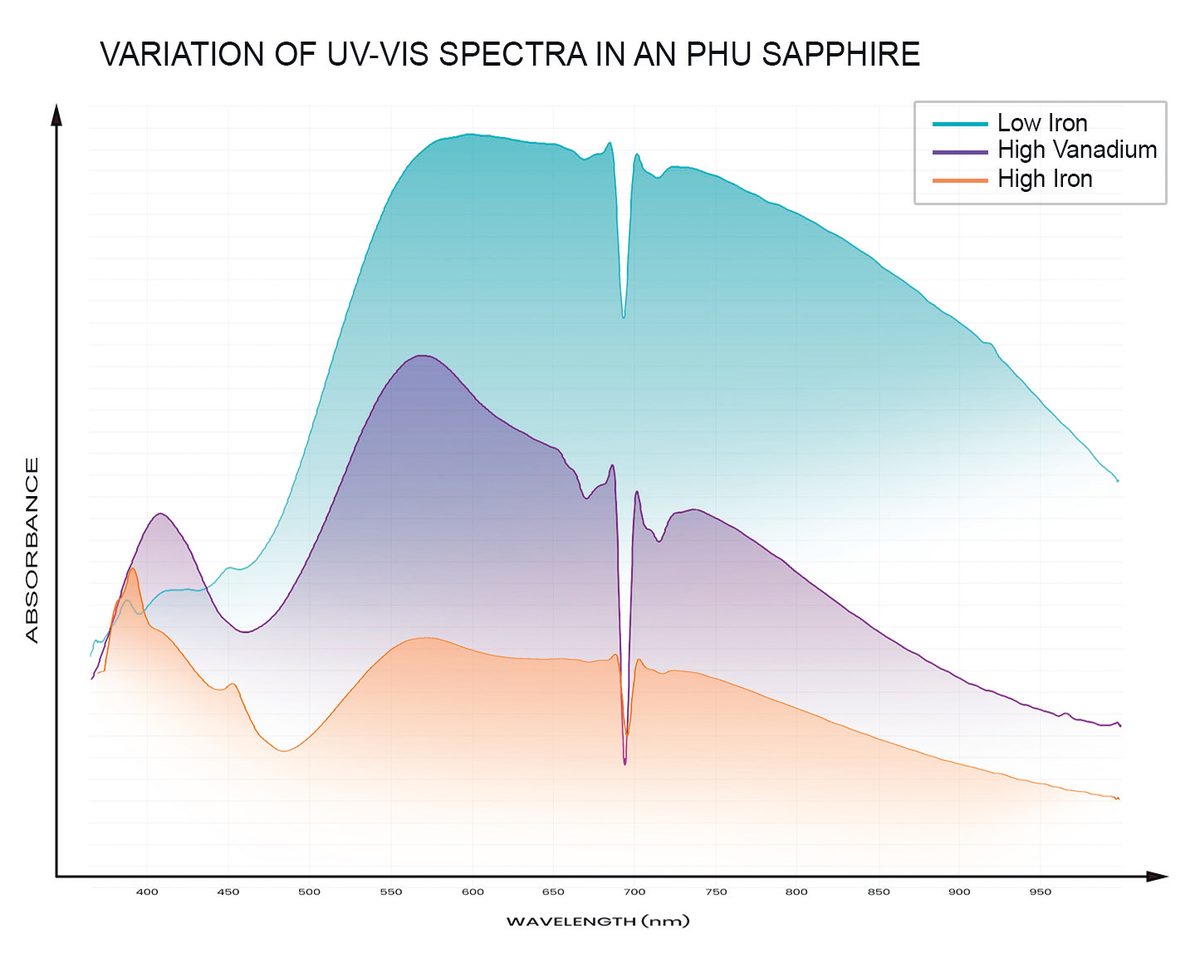
Their UV-vis spectra display a wide variation in their chromophore ratios. Apart from the blue component due to the Ti4+Fe2+ pair (IVCT) (Dubinsky et al, 2020), all sapphires display a strong Cr3+ fluorescence emission band, visible in their red fluorescence under ultraviolet light.
The Fe3+ isolated and pair chromophores range from absent to being the dominant one. More interestingly, V3+ and Cr3+ absorbance spectra may be present in some samples, giving them a slight color shift as well as a subtle violetish hue (Figure 7). Their FTIR spectra show the presence of hydroxides for most of the samples, mainly kaolinite, goethite and/or boehmite. The 3309 cm-1 associated with OH stretching and titanium ions in pairs is present in some samples (Balan, 2020).
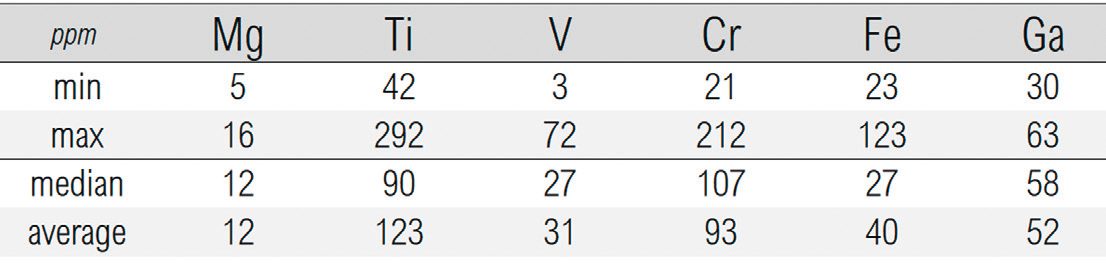
Trace elements chemistry of this deposit displays fairly usual fingerprinting in regard to other metamorphic sapphires (Figure 8), with the exception of the unusual amount of chromium present in most samples.
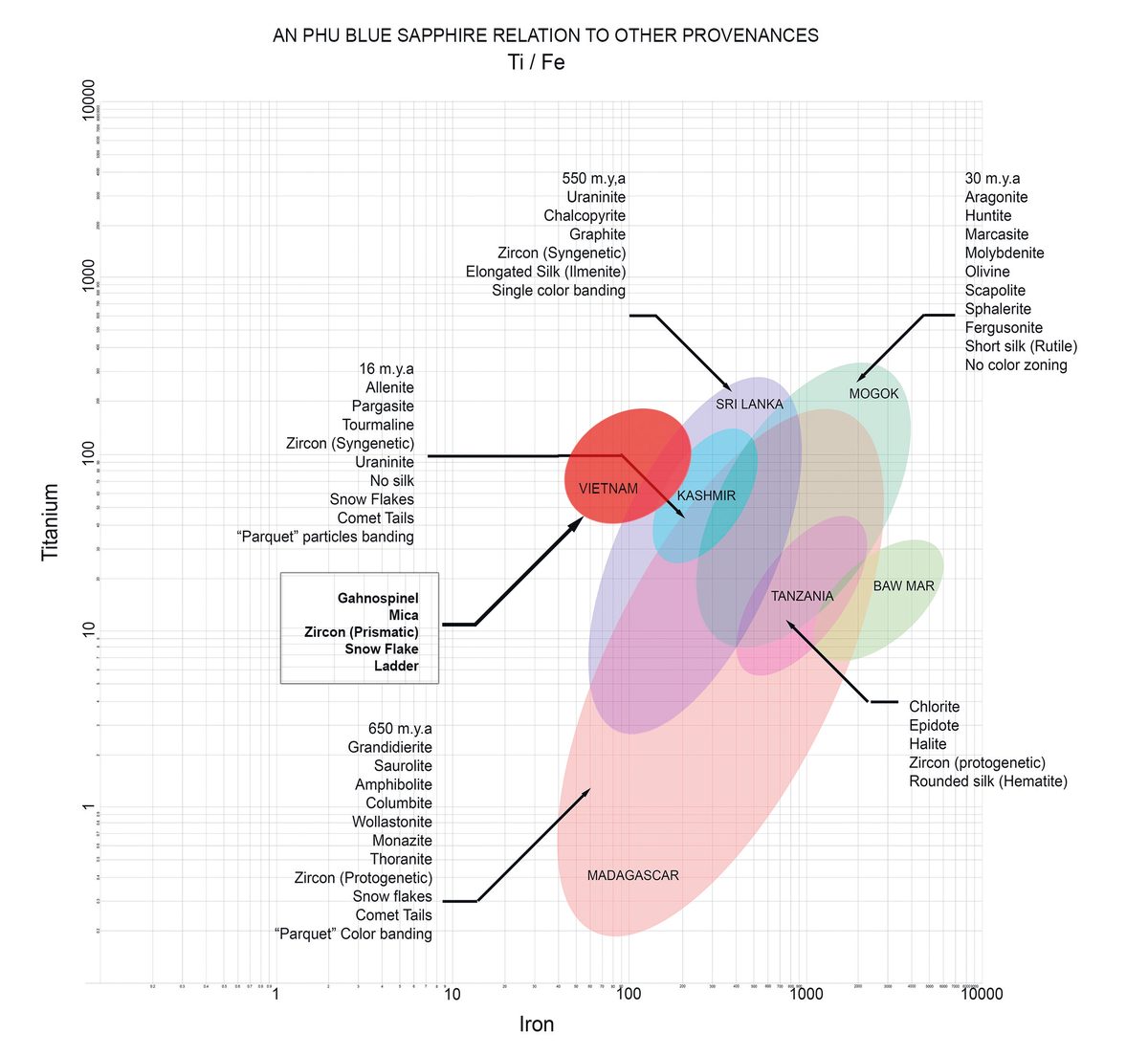
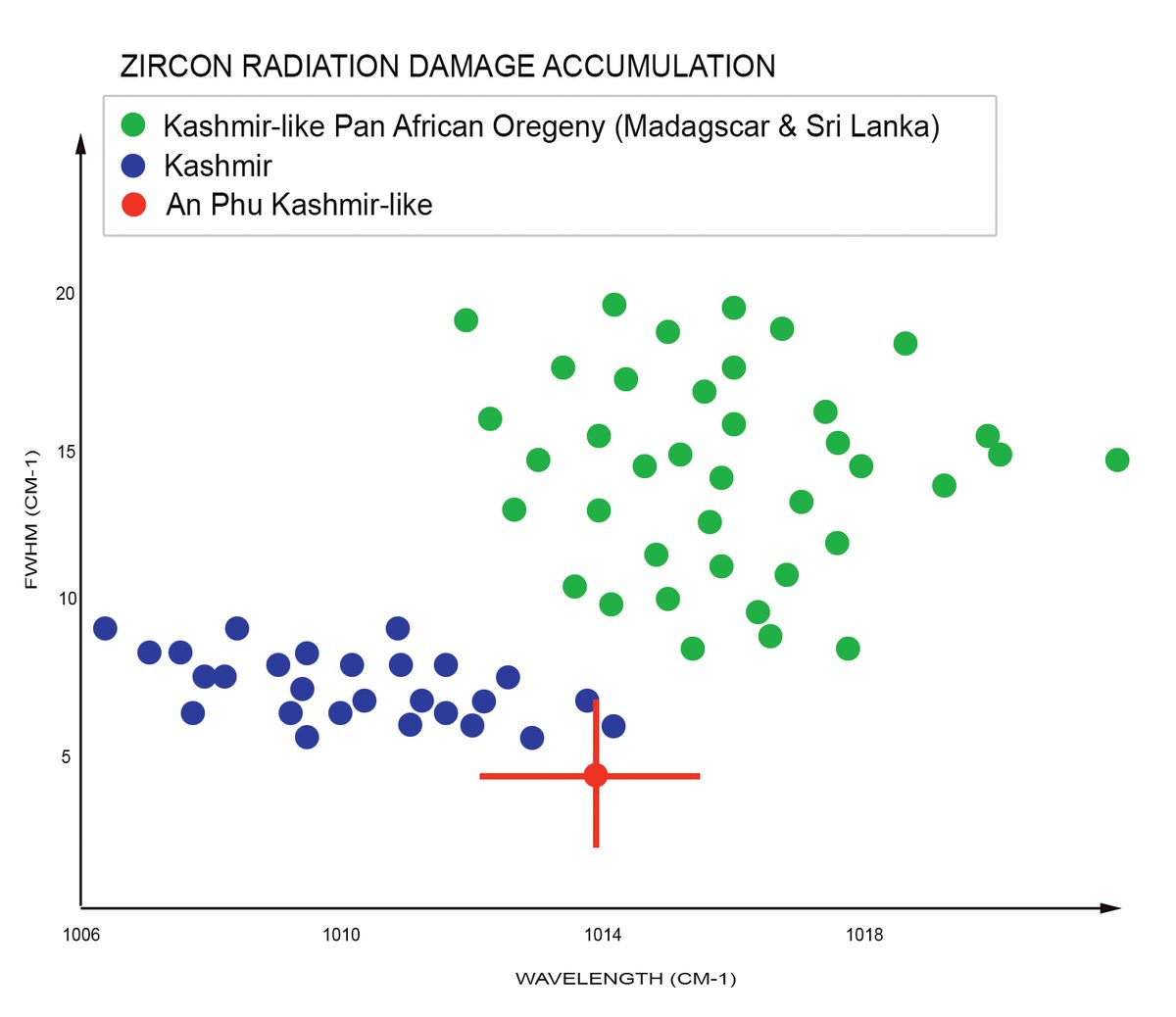
The only zircons available show a low degree of disorder due to the radiation damage accumulation, with an fwhm of 4.86 cm-1, which is expected when assuming a Himalayan orogeny (Xu and Krzemnicki, 2021).
This last point is the most concerning for the arrival of this new Kashmir-like deposit, as the quantification of radiation damage in zircon remains an excellent criterion to separate Kashmir sapphire from all other Kashmir-like Pan-African orogeny sapphires to date (Figure 9).
It is also important to note that Pargasite inclusions, a suggestive indicator of Kashmir origin, have previously been referenced in sapphire from the An Phú area (Kane et al, 1991).
Comparison with Kashmir
As of today and based on these fifteen samples only, we can note that it remains fairly possible to separate the two deposits; their inclusion scenario, however similar (Figure 10), displays slight differences.
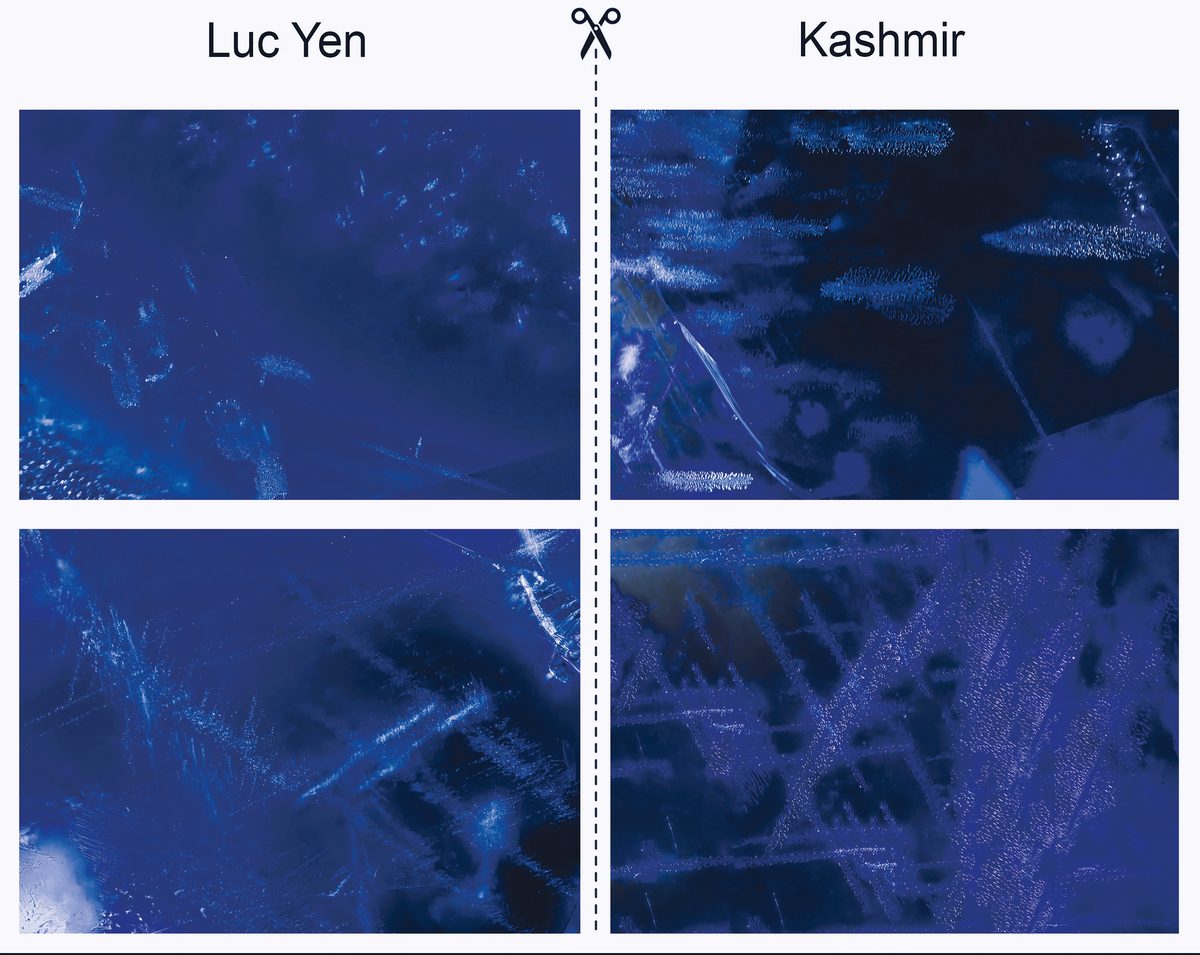
We can note that no well-formed microscopic rutile silk has ever been referenced in Kashmir sapphire (Atkinson and Kothavala, 1983; Hanni, 1990), while it is present in one of our Luc Yen samples.
The numerous pronounced poly-synthetic twinning can be suggestive of a Vietnamese origin as well. The zircon, even if similar in age and radiation damage, presents a very different visual, with Kashmir being elongated and corroded (Palke et al, 2019) while Vietnam samples show a compact prismatic crystal (Figure 6).
We can also note that no so-called “parquet” (a tight milky color banding pattern commonly seen in Kashmir sapphires) (Krzemnicki, 2017) has so far been seen in Vietnam sapphires.
The chemical trace element also enables a better distinction between the two (Figure 6), and lastly the UV-vis spectra of the gem obtained so far diverge from the classical Kashmir spectra observed (Krzemnicki, 2014).
Conclusions
This new deposit, whatever the importance it may or may not take, reminds us, because of the existence of a Himalayan Kashmir-like deposit, that the knowledge of our science and what is commonly defined and agreed upon today is in constant evolution.
As of now, this deposit seems like an oddity and does not display an alarming overlapping origin determination with Kashmir. However, it should be watched carefully to ensure that it stays that way.
References
Atkinson, David and Rustam Z. Kothavala [1983] Kashmir Sapphire. Gems & Gemology, 64-76.
Balan [2020] Theoretical infrared spectra of OH defects in corundum (α-Al2O3). European Journal of Mineralogy, Copernicus, 2020, 32 (5), pp.457-467. 10.5194/ejm-32-457-2020, hal-02959747.
Dubinsky, E.V., J. Stone-Sundberg, J.L. Emmett [2020] A quantitative description of the causes of color in corundum. Gems & Gemology, 2020, 56, 2–28.
Hanni, H.A. [1990] A contribution to the distinguishing characteristics of Sapphire from Kashmir. Journal of Gemmology, 1990, 22, 67-75.
Huong, L.T.T., Tobias Häger, Wolfgang Hofmeister, Christoph Hauzenberger, Dietmar Schwarz, Pham Van Long, Ursula Wehmeister, Nguyen Ngoc Khoi, and Nguy Tuyet Nhung [2012] Gemstones from Vietnam: An Update. Gems & Gemology, 2012, 48, 158–176. http://dx.doi.org/10.5741/GEMS.48.3.158.
Kane R.E., S.F. McClure, R.C. Kammerling, D.K. Nguyen, C. Mora, S. Repetto S., and J.I. Koivula [1991] Rubies and fancy sapphires from Vietnam. Gems & Gemology, 27, 136-155, http://dx.doi.org/10.5741/GEMS.27.3.136.
Krzemnicki, Michael S. [2014] The quest for “Kashmir” sapphires and “Burma” rubies. Origin determination of gemstones: Possibilities, Challenges and limitations. Scottish Gemmological Association Conference, May 2014.
Krzemnicki, Michael S. [2017] Kashmir-like sapphires from Madagascar entering the gem trade in large sizes and quantities; SSEF Trade Alert, March 2017.
Palke, Aaron C., Sudarat Saeseaw, Nathan D. Renfro, Ziyin Sun, and Shane F. McClure [2019] Geographic Origin Determination of Blue Sapphire. Gems & Gemology, 2019, 55, 536–579, http://dx.doi.org/10.5741/GEMS.55.4.536.
Peretti, Adolf and Francesca Peretti [2017] Identification of sapphires from Madagascar with inclusion features resembling those of sapphires from Kashmir. InColor, No. 35, 34-42.
Smith, Christopher P., Robert C. Kammerling, Alice S. Keller, Adolf Peretti, Kenneth V. Scarratt, Nguyen Dang Khoa, and Saverio Repetto [1995] Sapphires from Southern Vietnam. Gems & Gemology, 31, 168-186.
Xu, Wenxing and Michael S. Krzemnicki [2021] Raman spectroscopic investigation of zircon in gem-quality sapphire: Application in origin determination; Raman Spectroscopy, Volume 52, Issue 5.
Affiliations
[1] Bellerophon Gemlab Pvt., 808/8 One Galle Face, 00200 Colombo, Sri Lanka; [2] Bellerophon Gemlab Ltd., 26-28 Mahesak, Soi 3, 10500 Bangkok, Thailand; [3] Bellerophon Gemlab SAS, 16 Place Vendôme, 75001 Paris, France; [4] BalderGems Ltd., 46 Le Van Tam Street, 320000 Luc Yen, Vietnam.
Photos are courtesy of the authors and Bellerophon Gemlab unless otherwise specified.