The colored stone market has been a fairly strong one of late. There have been a few strong years for demand starting with the pandemic onward. The lack of competition from travel and experiences brought some of the strongest years for sales in a while. This continued through 2022. Then starting in about 2023, the market started to get a little quieter, though this wasn’t to say that the market wasn’t doing well. Rather, it was just leveling out from the highs seen during the pandemic.
This year started out decently but narrowed a bit in activity amid some of the concerns with the U.S. tariffs and how they would impact the economy. Additionally, production is limited, and that scarcity is supporting current prices. The biggest impact on pricing from here would be if consumer buying is tampered based on economic policies.
With all that in mind, here are some of the trends that have shaped this market in recent years and will continue to influence it in 2025 and onward.
Supply, Price, and Demand
One of the main issues affecting the gem market today is supply ─ overall, it remains very limited. COVID-19 played a part in that, putting a stop to mining and trading activity for a bit, and forcing some miners to find other jobs to make money, some of which never returned. There have also not been many new deposit finds in a while. A combination of low production and geopolitical issues and policy changes in source countries has led to a very tight global supply.
Not surprisingly, this has led to a price increase in color over the past few years, especially in the fine and extra fine categories. Buyers, as a result, have become more selective. On the wholesaler side, stone dealers are more hesitant to sell product for less than asking price because material is hard to replace, especially at the high end, so they are thinking about the cost of selling versus the cost of replacing in the current market.
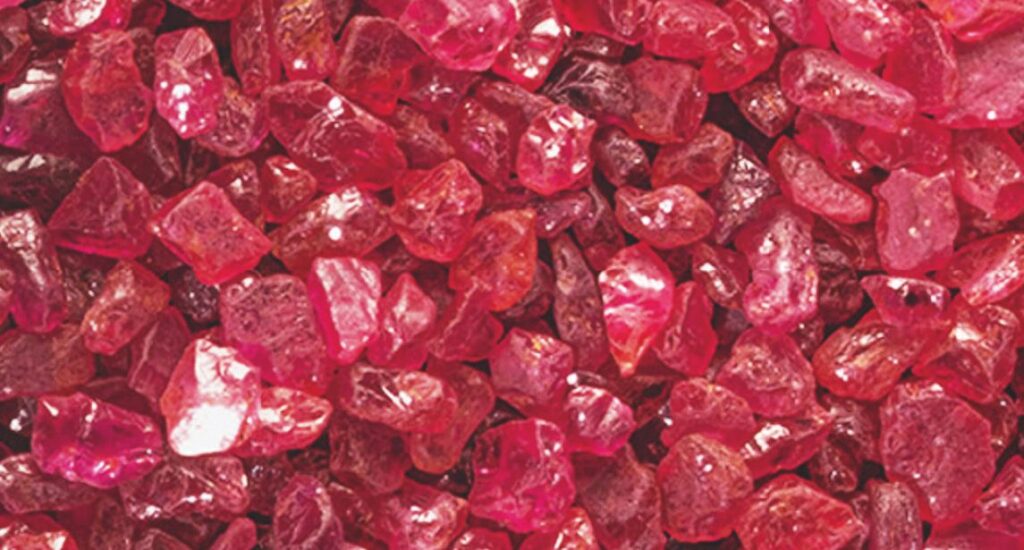
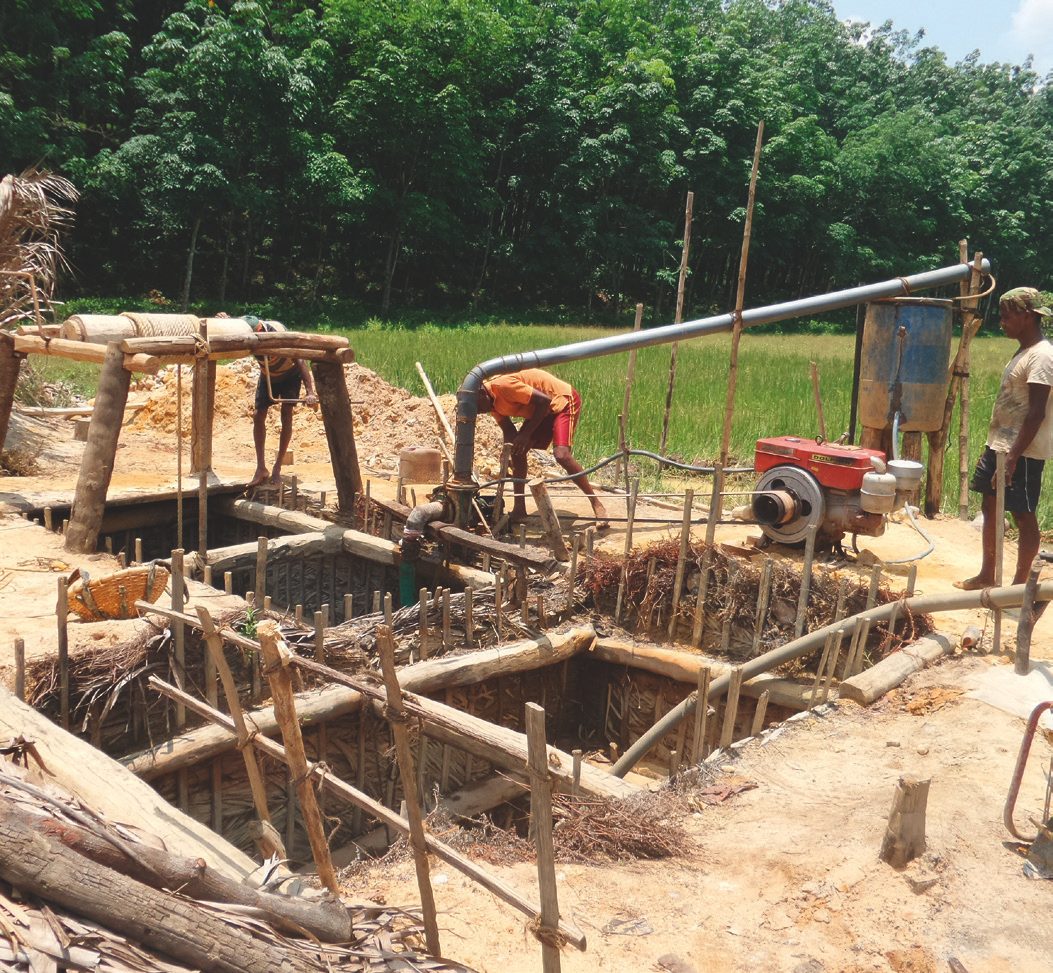
Rough prices have also been fairly high across the board over the last few years for several reasons; the first going back to the limited supply in the market driving them up. Additionally, the emphasis on responsible sourcing has led to price increases in several rough gem varieties like garnets and tourmalines, which are generally seen more often in the small-scale mining programs. Social media has also given miners access to new routes to market outside of normal channels and the potential for higher asking prices.
These supply and price factors are significant because they are influencing a lot of the buying trends seen in the market over the last few years. There is a lot of optimism for color, especially with renewed interest in a wider variety of goods.
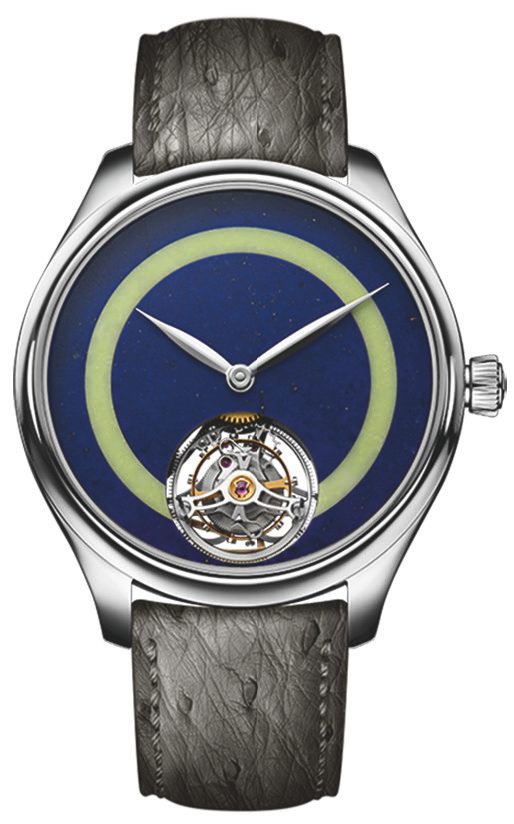
There is also an increased use of color in new places. Jewelry designers are using opaque stones as the center pieces in big jewels, as accents in place of the enamel trend that took over design the past three or so years, or on watch dials. In fact, reports from Watches & Wonders Geneva 2025 said there was a lot of color on this year’s watch releases, especially on dials ─ not just enamel and lacquer but also ornamental stones.
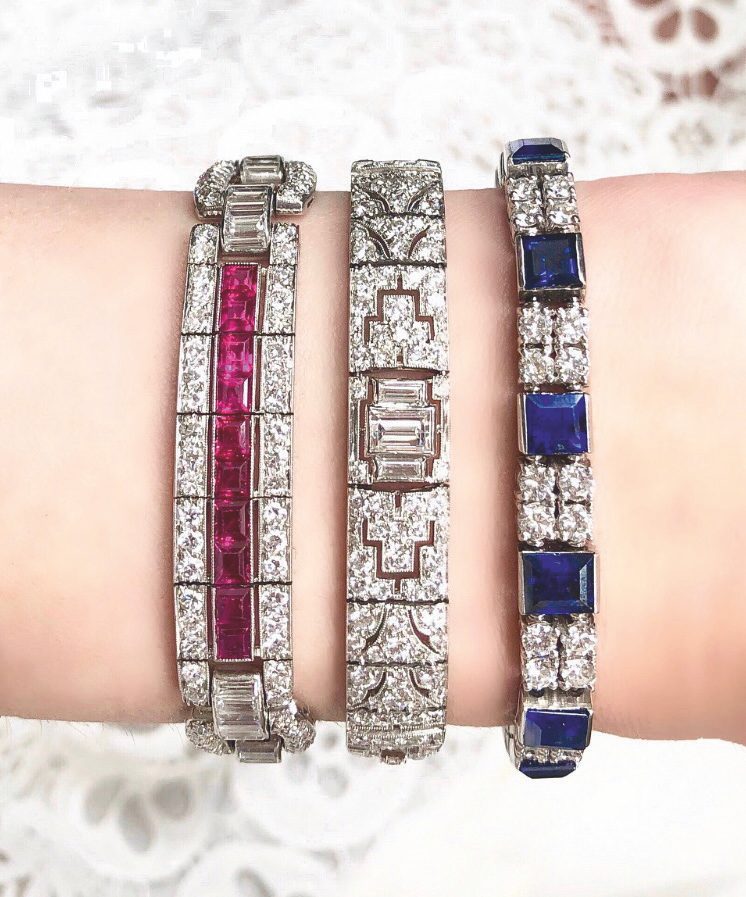
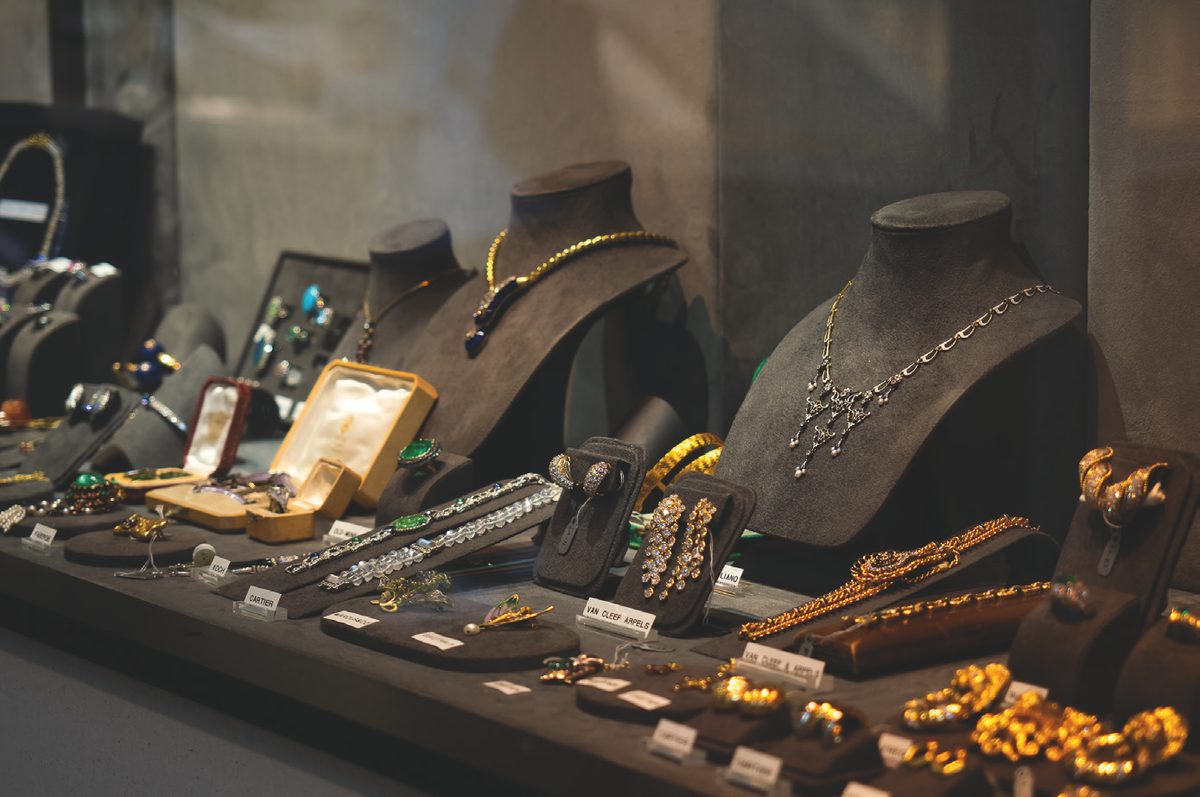
Other styles growing in popularity amid high prices are estate jewels, where buyers are looking for deals for colored stones, and gemstone beads, which designers are increasingly turning to, especially those with a strong color. The latter could also be because of the high price of gold, offering designers an alternative way to string a necklace, for example, rather than a solid gold chain.
Buying activity in significant color markets such as Tucson has been more across the board than ever before; where one used to be able to hone in on a color or variety standing out, in 2025 and even 2024, wholesalers told GemGuide that buying was fairly broad. As one exhibitor said, the trend was, in fact, that there really weren’t any trends. This year in Tucson showcased the widest array of stones beyond the Big Three seen in a while.

This widening of buyer preferences has led to interest in several smaller, niche areas in the colored stone world. Last fall, wholesalers in Hong Kong and Bangkok said they had more buyers looking for hazy or “opalescent” sapphires, referring to those with numerous rutile silk needles that give the stone a cloudy appearance.
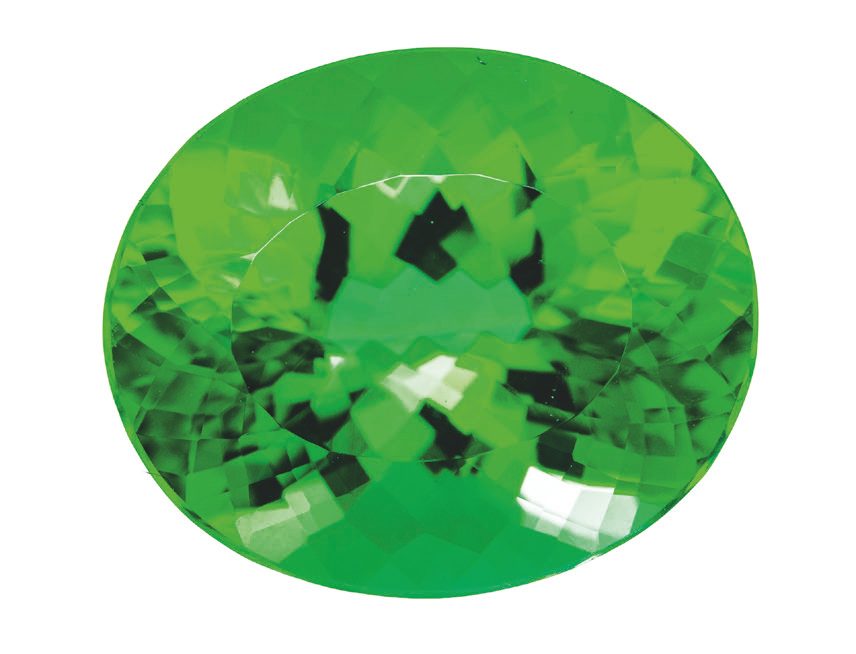
Another interesting rising trend has been buyer interest in green cuprian tourmaline. The material, coming mostly from Mozambique and Paraíba, Brazil, can have the same neon hues as the beloved blue material but at a more affordable price point. It’s also generally higher clarity material and relatively available in comparison.
Other materials that are gaining traction include parti sapphires. This is reflective of an overall interest in “funkier” goods like the parti sapphires from Australia that combine rich blues and yellows in interesting ways, the bi-color goods from Rock Creek, Montana, that can offer blues and oranges in the same stone, or corundum cut with the growth zones right under the table.
Buyers are also looking for color substitutions by using new stones or accepting more colors in traditional stones, for example, material being marketed as “denim sapphire” or “neon green beryl.” More wholesalers are also using semi-transparent or opaque ruby and sapphire, especially in shapes like cabochons, bullets, or domes, to offer more price points in those goods.
Government & Policy
When examining the current market outlook, it’s necessary, especially from a U.S. perspective, to address the potential impact on the economy that is created by tariffs. They directly stifle consumer spending and will impact American consumers. They will also influence the gem trade.
Early conversations around tariffs included topics like potentially needing to use old stock, the potential of moving goods to different markets for cutting, etc, depending on the tariff amount, and the impact on small-scale miners and communities at the source dependent on trading activity.
At press time, many of the tariffs were paused as negotiations were ongoing, and the trade is keeping an eye on what will happen afterwards. At the Las Vegas jewelry shows, it appeared buying was more vigorous than expected, with those in color reporting that some buyers were trying to get ahead of increased costs of tariffs.
On a global perspective, many gemstone source countries have been focusing their efforts on enacting policies that would help them retain more of the revenue from their mineral wealth, with varying levels of success and effects on the trade.
One example is Zambia, which enacted a 15% export duty on precious gemstones this spring, added on top of the existing 6% mineral royalty tax, making a total tax on revenues of 21%. This made the emerald trade in Zambia non-competitive, as Brazil’s aggregate revenue tax is 2% and Colombia’s aggregate revenue tax is 2.5%. After the local trade spoke out about it, it was reversed in just a month.
This year, Malawi has had similar developments, which are still ongoing. Earlier in the year, the government put a halt on gem exports as they reviewed their export valuation process. Shortly after the halt was announced, the government said it would only be for 21 days, but according to locals, it’s still in place.
Changing Channels & Players
A silver lining of the diamond market upheaval has been a turn toward color. Though the growth in market share for color preceded this, it has sped things along, with more companies that once traded exclusively in diamonds now also doing so in color or designers adding color to what were previous diamond-only jewelry lines.
This isn’t necessarily a full turn away from diamonds for these companies but rather a balance between both categories. It started in earnest with small, independent designers and custom jewelers but has moved into the mainstream to include some major companies.
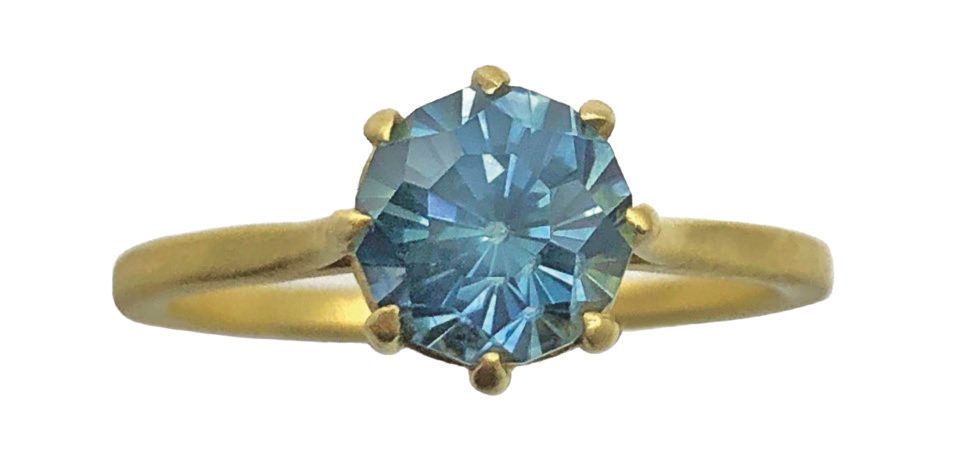
Another opportunity area for color is commitment jewelry; the rate of growth of color in this category has accelerated, and it’s now a crucial component. In fact, one of the big takeaways from the Las Vegas shows in the past few years has been the prominent rise of color in bridal and the evidence that it was no longer on the fringe of design. The shift doesn’t seem to be price related but rather a natural extension of the consumer trend of a focus on story, style, and personal expression.
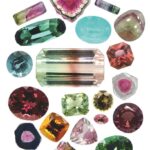
By volume, sapphire remains the most popular colored gem, while ruby and emerald are also well represented. But there are many other options popping up in the market: zircon, pink spinel, peridot, tsavorite garnet, mandarin garnet, and tourmaline, to name only a few.
Meanwhile, in terms of changing and new channels, one area that has become more popular as a means of selling color are tenders, an event whereby potential buyers submit sealed bids for lots of goods. These international events allow for miners to reach a wider global audience.
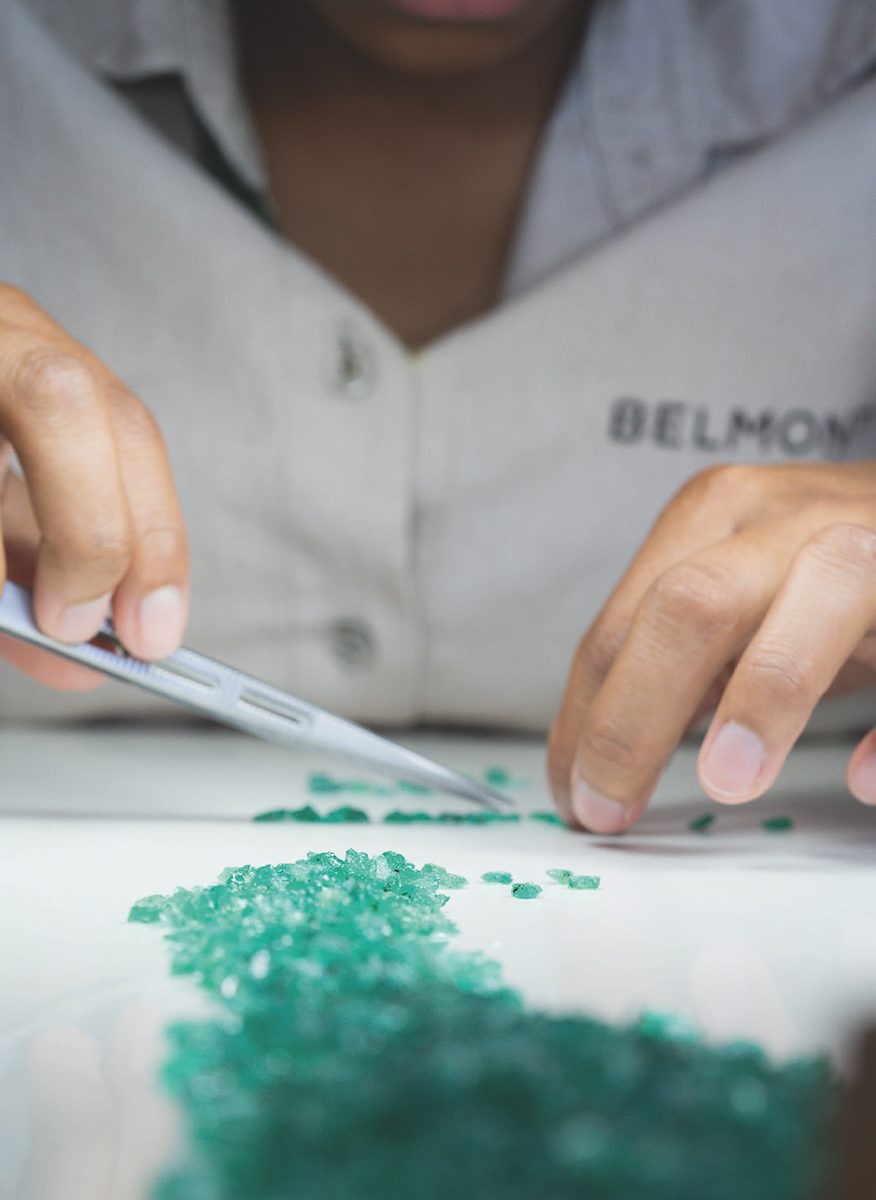
One area that has become more popular for selling color are tenders.
Two interesting examples of tenders are Belmont Brazilian emeralds and Potentate Montana sapphires, both of which hold tenders through Bonas Group. Belmont has leveraged the tender system to gain international awareness for its emeralds, raising its perception in the global trade. Its biannual auctions have been attracting an increasingly qualified audience, reflecting the market’s growing recognition of the quality of the emeralds. Belmont continues to make investments in their production process to answer the increased demand while keeping their brand story front of mind.
Potentate, meanwhile, held its first tender in Bangkok in Fall 2024, taking Montana sapphires to the international trade and teaching them about Rock Creek sapphires. The team in Tucson this year said the event went very well, telling GemGuide that interest was across the board for heated and unheated colors.
This sales method is also notable because, in some cases, tenders affect a category’s pricing. For example, Mozambique rubies are now sold almost exclusively from big miners through the tender system. As such, the fine end of Mozambique rubies went up in GemGuide this spring as a result of reported higher prices from interested buyers at some of the events.
Meanwhile, trade show relevance has increasingly been questioned for the colored stone market since the pandemic. With the exception being, of course, the Tucson gem shows, fewer dealers and wholesalers are going to the big shows, instead finding opportunity in the smaller, curated events, which provide a good setting for discovery and strong connections.
Two in particular that seem to attract more of the market are GemGenève and Inhorgenta, with the former reporting it had expanded to two halls for its May 2025 event.
Responsible Sourcing
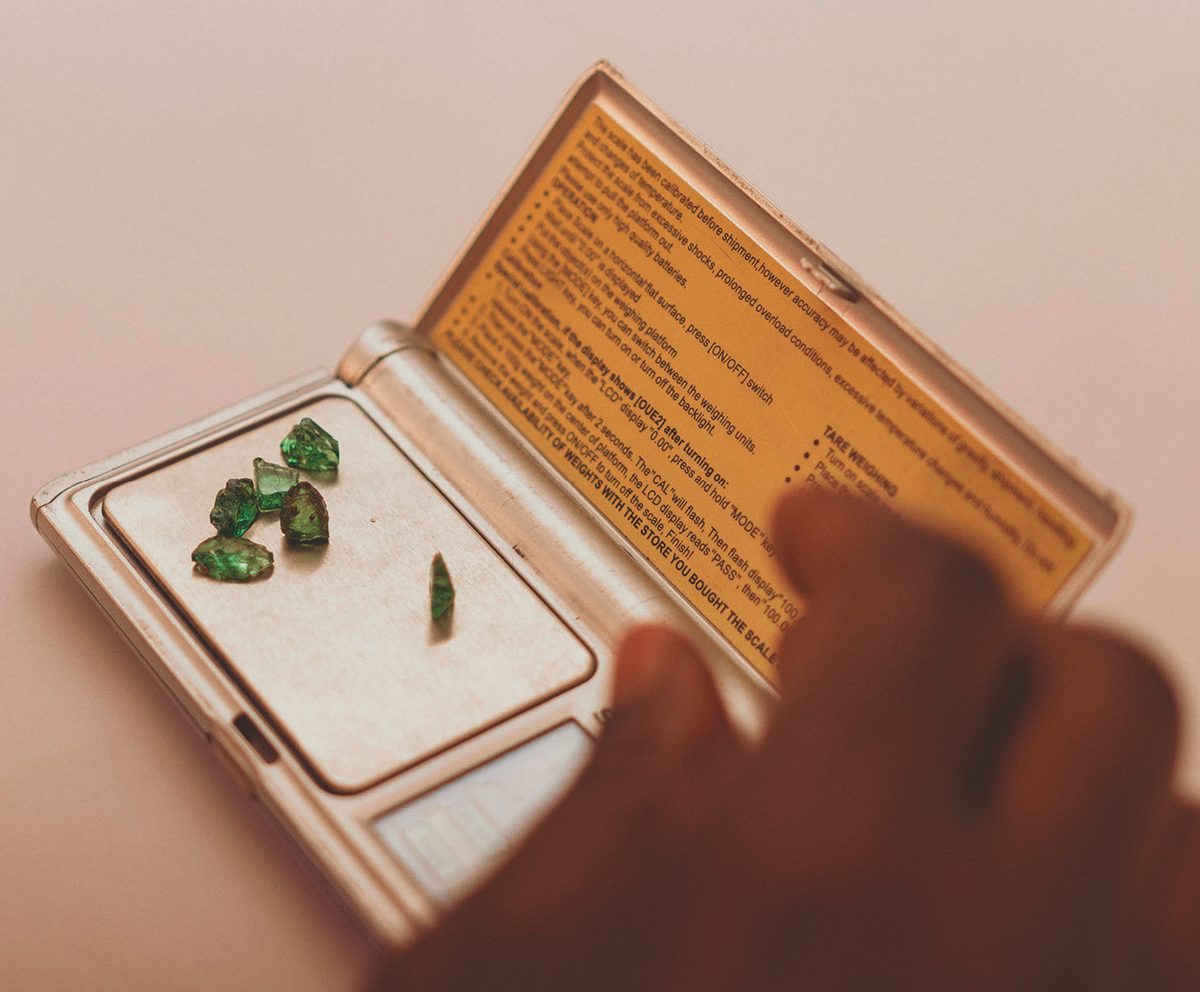
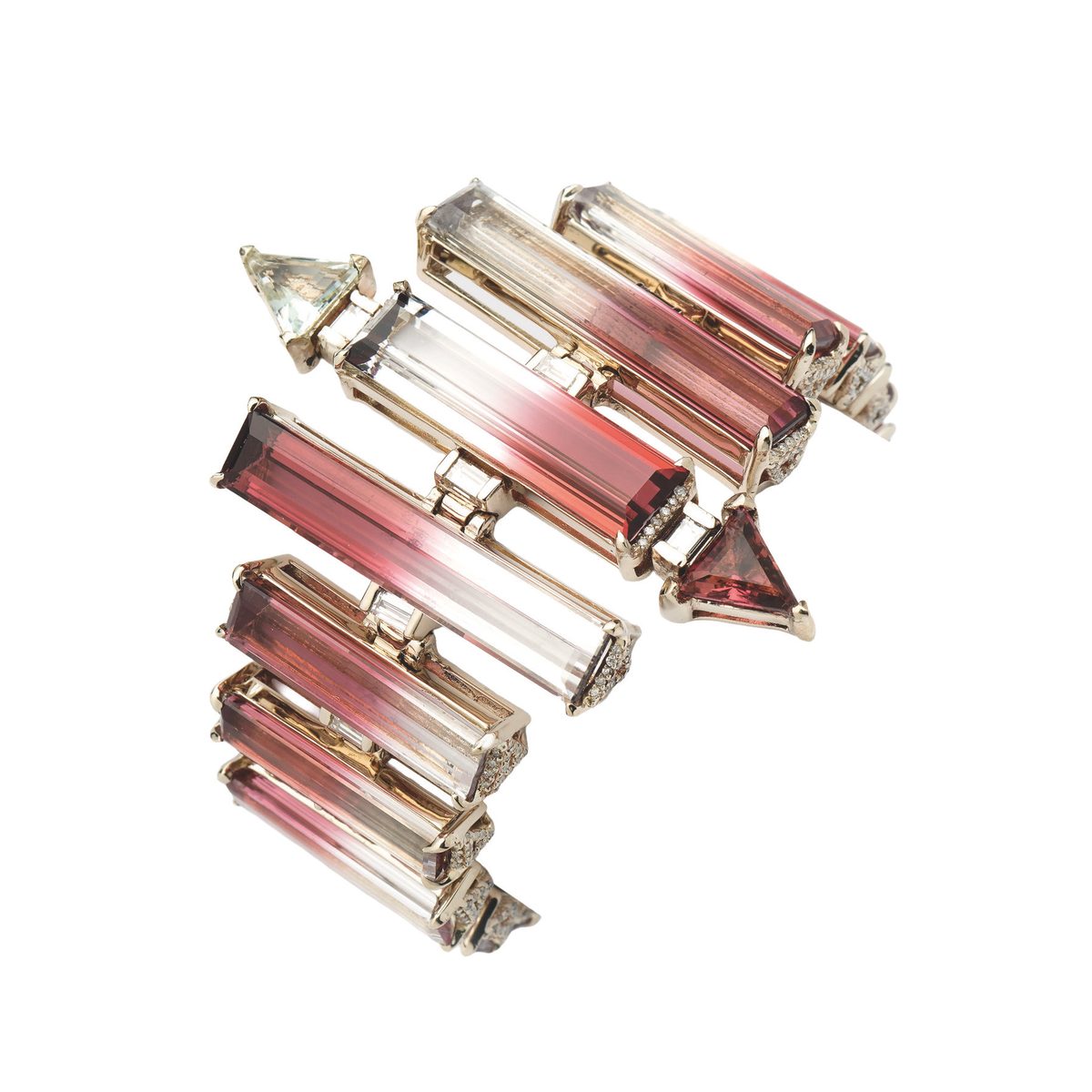
In the space of traceability and transparency, there is a trend of more miners collaborating directly with designers to create exclusive collections, allowing them a way to market more materials and tell their stories and offering a tighter supply chain for makers seeking one.
Gemfields was the first to do so, collaborating with modern designers for more than a decade to create collections with its emeralds and rubies. Muzo also launched a collection in 2018 that was designed to grow appreciation for Colombian emeralds, showcasing fine designs using tumbled and cabochon material. Last winter, Cuprian & Co. announced a designer partnership to showcase the green hues available in cuprian tourmaline material. And there’s also the Cruzeiro example, which saw the Brazilian miner collaborate with Brazilian designers starting during the pandemic to showcase the stones and design talents of the country.
There are also more members of the trade traveling to the source to understand the supply chain, especially designers and retailers. In fact, there are now whole groups and companies developing around it, marketing not only the educational opportunities they provide through the firsthand experiences but also participant ability to speak directly to today’s inquisitive consumers about their sourcing afterward.
And while it’s vital that the trade make sure they are doing right by the miners and traders during these visits to keep them safe and not exploit the situation, there is also exceptional opportunity in them.
Lisa Koenigserberg, president and founder of Initiatives in Art and Culture, said it perfectly in her article in GemGuide about her visit to the Cruzeiro mine and why experiences like that are important: “Because each person is different, that which moves them to commit to responsible sourcing and ethical practice will be in line with who they are. Therefore, it is critical to offer as many experiences, perspectives, and points of view as possible and then invite people to experience them.”
About the Author
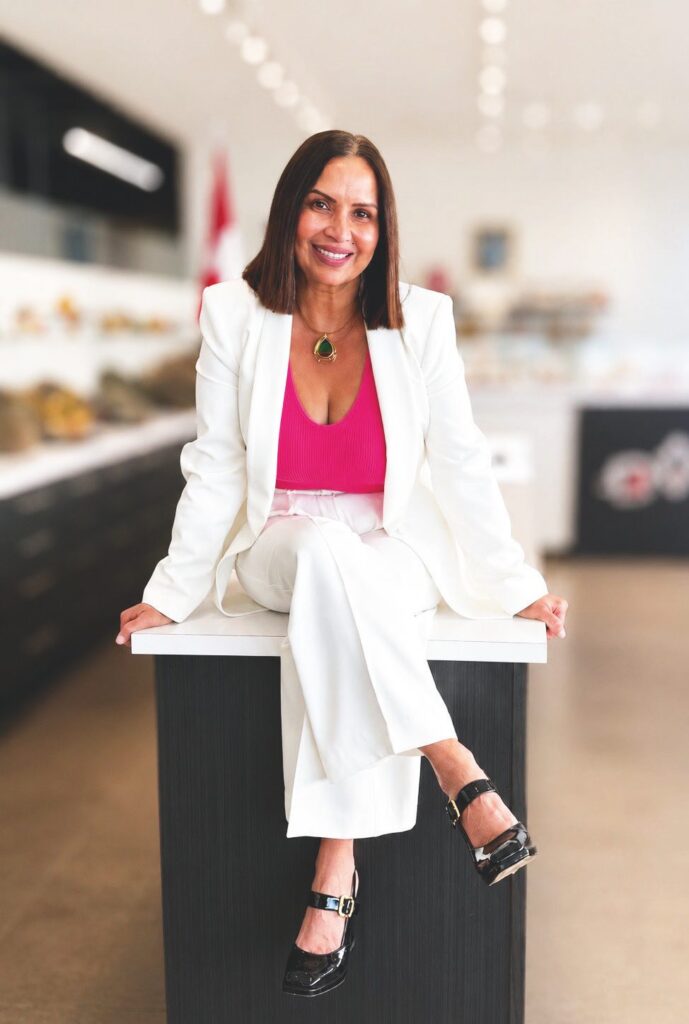
Brecken Branstrator, GIA GG, is the editor-in-chief of Gemworld International’s GemGuide publication, the industry leader for gemstone pricing and market information. She has written about gems and jewelry for more than a decade and has dedicated herself to covering the colored gemstone sector in depth, from topics like supply and pricing to responsible sourcing developments. She has traveled extensively across the United States and internationally to attend trade shows and conferences to visit brands and source markets firsthand.