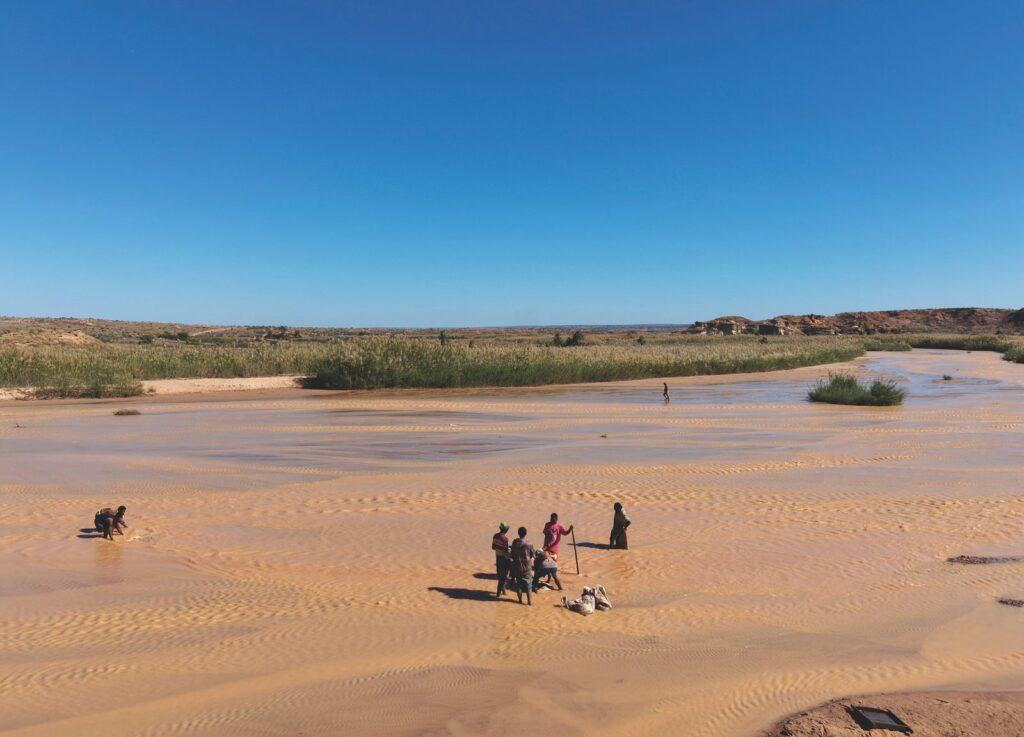
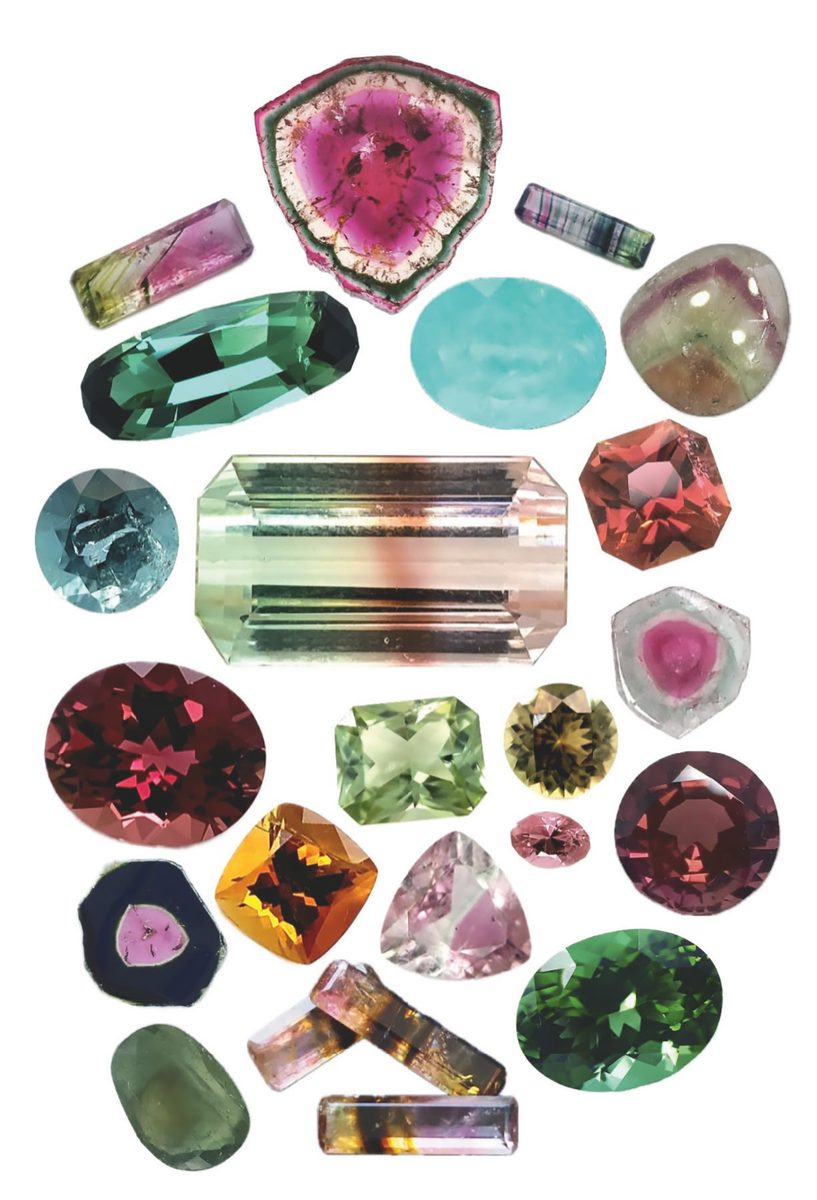
Although most people know of tourmalines and their numerous colors and shades, very few myths follow them. Unlike diamonds, rubies, and sapphires that are rich in legends and sensational stories, tourmalines have remained mostly in the background.
Although these colorful gems were already called tourmaline as early as the 1700s, their identification as an actual species was more recent. The gem is said to have been first discovered on the Isle of Elba (hence the name Elbaite which is still used today).
Turmali and Elba
According to multiple sources, the origin of the name could be derived from a Sinhalese term, Turmali, which was used by Ceylonese (Sri Lankan) merchants for gemstones of unproven identities. History can retrace the use of these tourmalines, with estimates indicating that they were circulating as early as 27 BC to 395 AD, used mainly as a decorative stone and for carving.
Throughout history, tourmalines have had a wide array of names such as Lyngourrion, Lychnis, Turmalin, Pierre de Ceylan, Ash-Attracter, Zeolithus Vitreus, etc. And, with time, we have come to understand tourmaline not as a single mineral, but as a group of related but different minerals together.
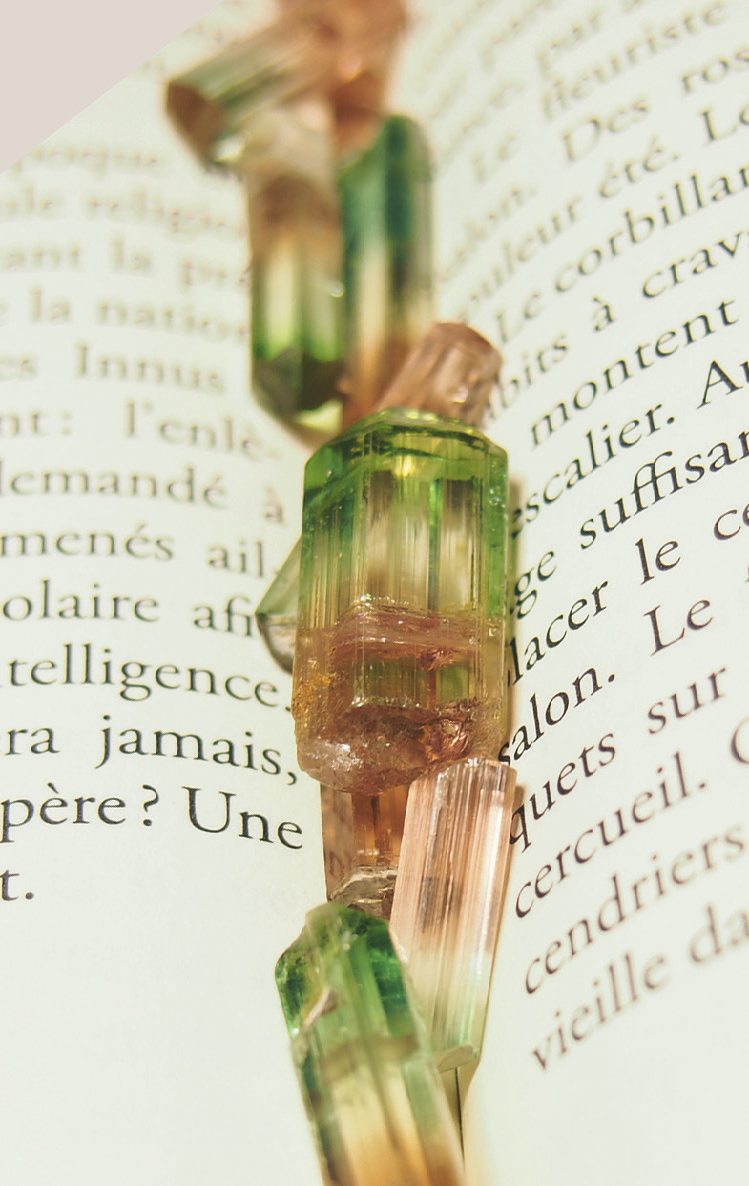
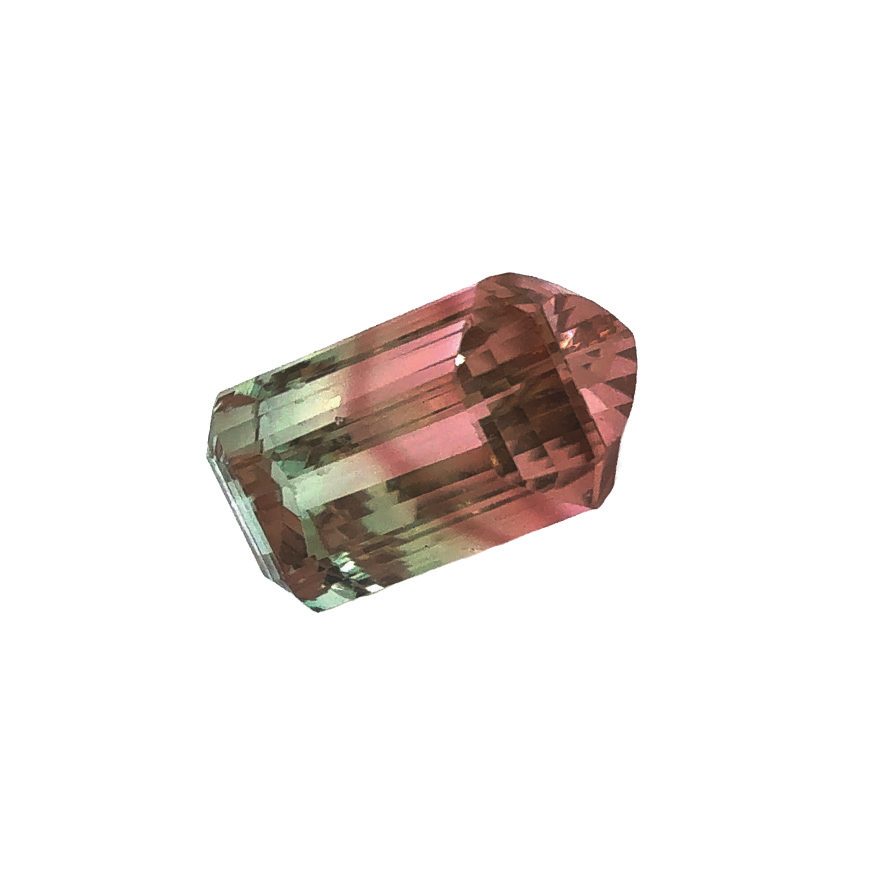
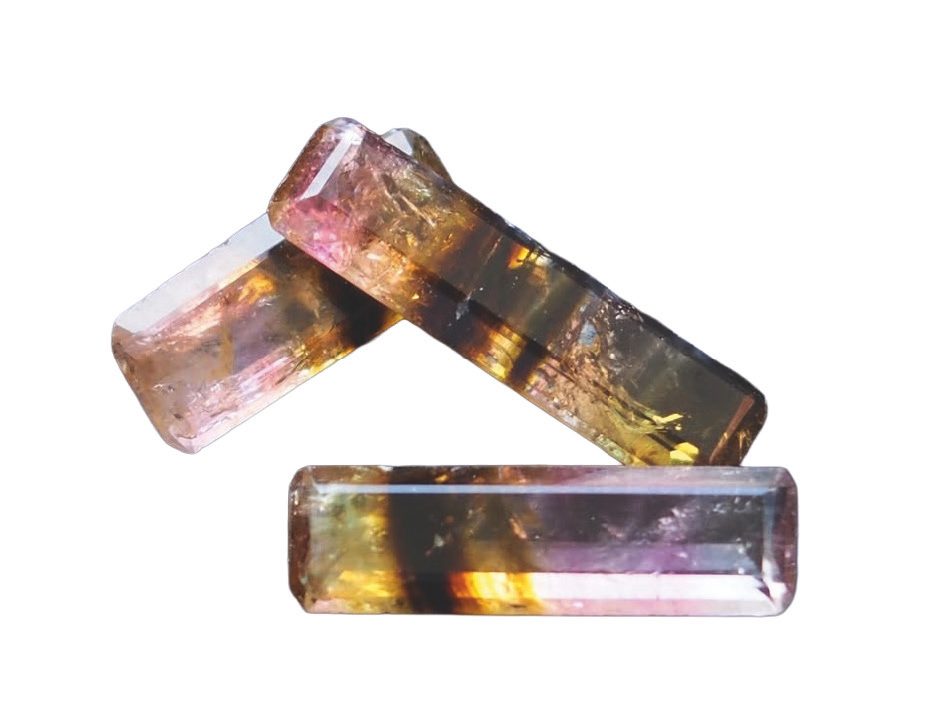
What is hardly understood by science but is rather amazing, is that you can have more than one species of tourmaline in the same crystal, truly making this gem a one-of-a-kind, each time!
When Did Tourmaline Become a Popular Gemstone, and Why?
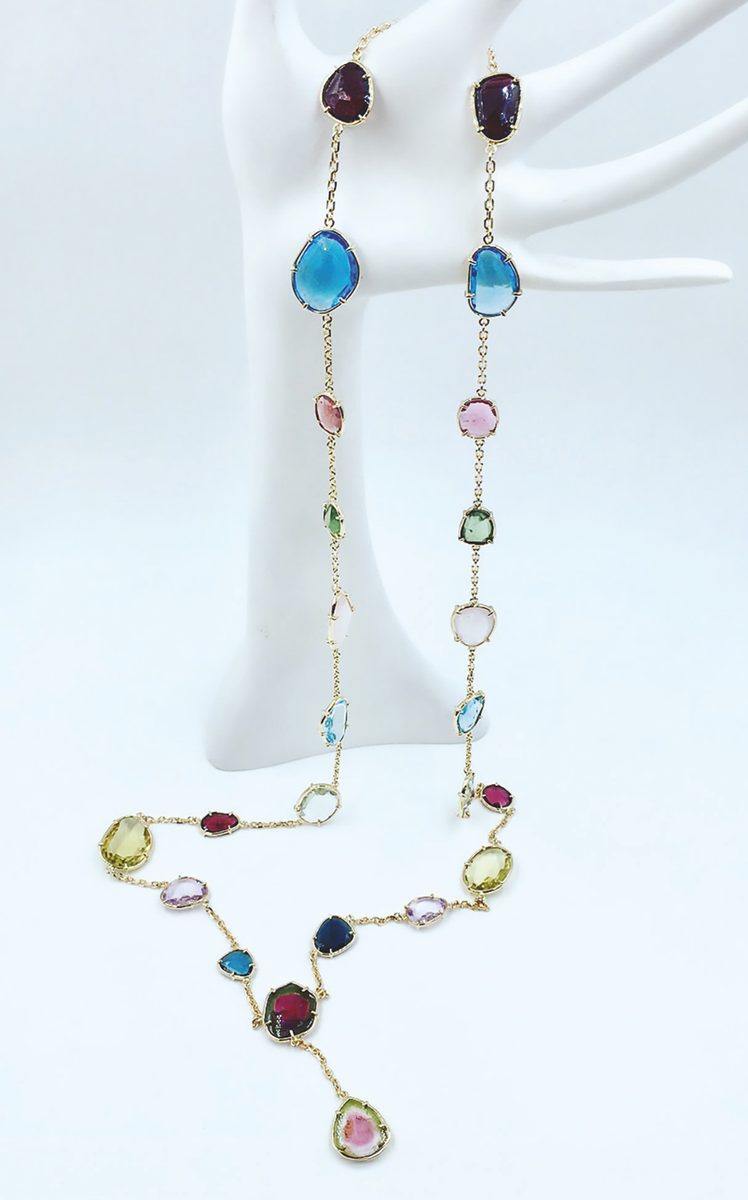
Pinpointing exactly when tourmaline gained recognition as a popular gemstone isn’t easy, but its rise can be traced through a few key moments in gem history.
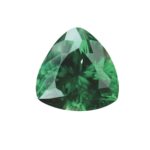
One of the earliest advocates of tourmaline was the renowned gemologist, George Kunz. Early in his career at Tiffany & Co., Kunz became fascinated by the stone’s unique qualities after a young man walked into a Tiffany store to show his vivid green pleochroic gem to Charles Tiffany. From that point on, George Kunz fell in love with the gem and would promote tourmaline both in jewelry and as a collector’s item.
However, it wasn’t until the mid-20th century that tourmaline really began to gain broader popularity. Due to its usefulness in pressure sensitive gauges and other military instruments, tourmalines were widely used during and after World War II. This created a surge in demand for the gem, and the start of something beautiful for the jewelry world.

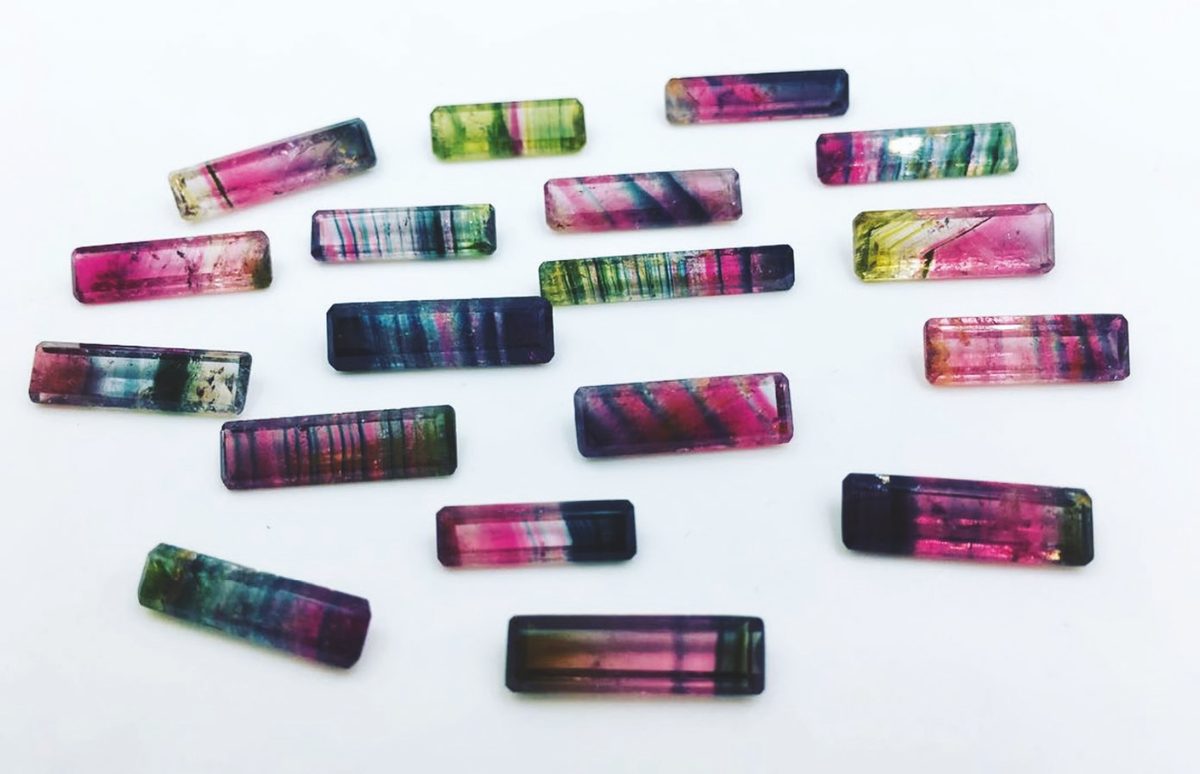
‘’All stages of imaginable color possibilities are captured by this gemstone which, in addition to white and black, embraces every hue to be found in the spectrum, and not only in pure tones but in all fine nuances of innumerable shades, transition, and mixtures. Should a collector set himself the task of amassing all the colorings of tourmaline, he would find a lifetime insufficient to incorporate the thousands upon thousands of ever differently tinted specimens into his collection.’’
Dr. Edward Gübelin, C.G., F.G.A., The Color Treasury of Gemstones, 1975
The wave of German immigrants to Brazil in the 1930s helped. They mixed jewelry making skills and cutting expertise from Idar-Oberstein with the seemingly infinite supply of tourmaline from deposits in the state of Minas Gerais. This provided a strong start into the jewelry world and then into gemology for tourmaline to be considered as an independent gemstone.
Varieties
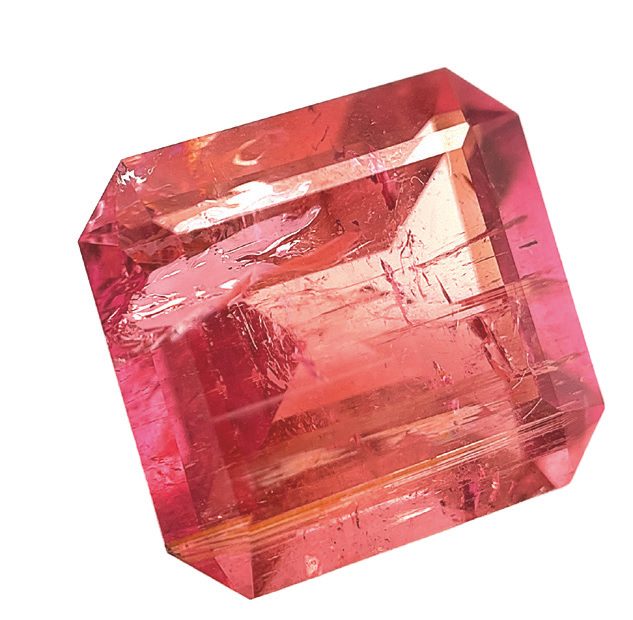
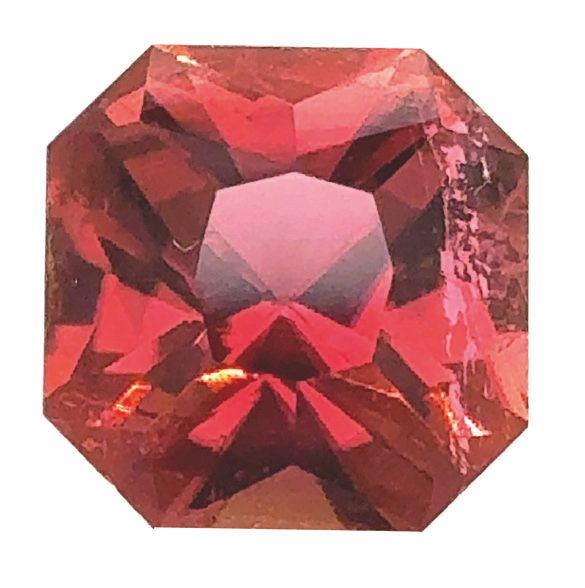
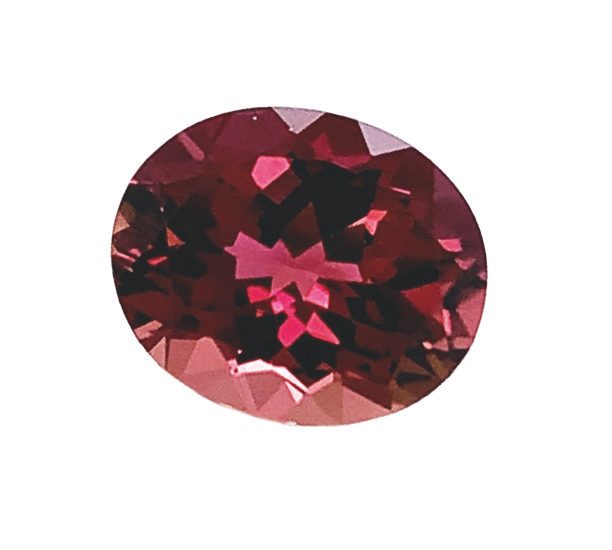
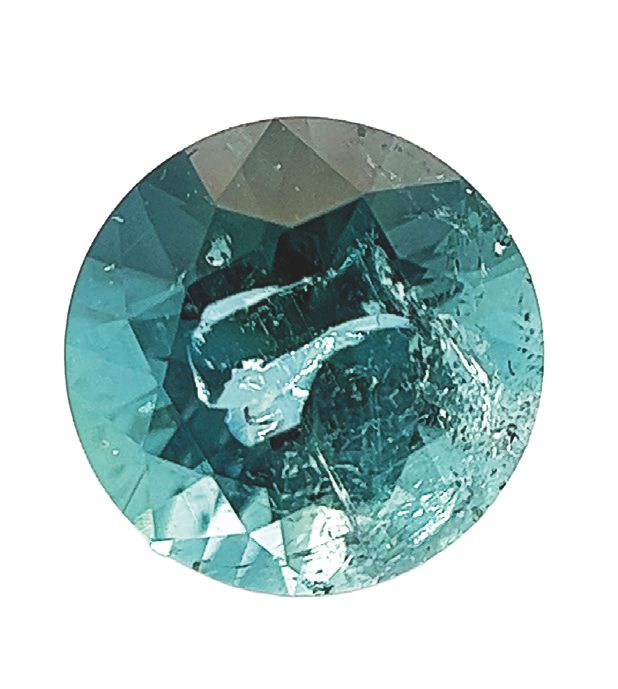
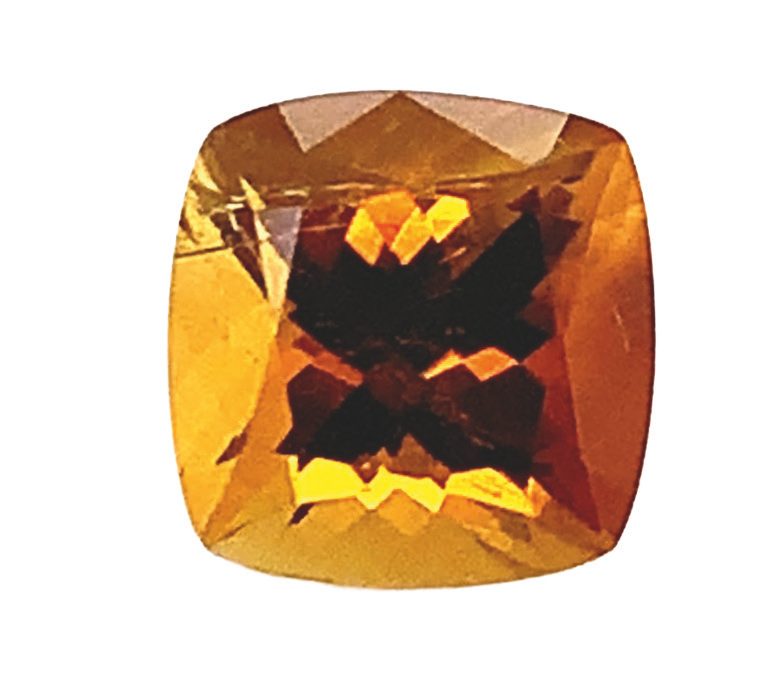
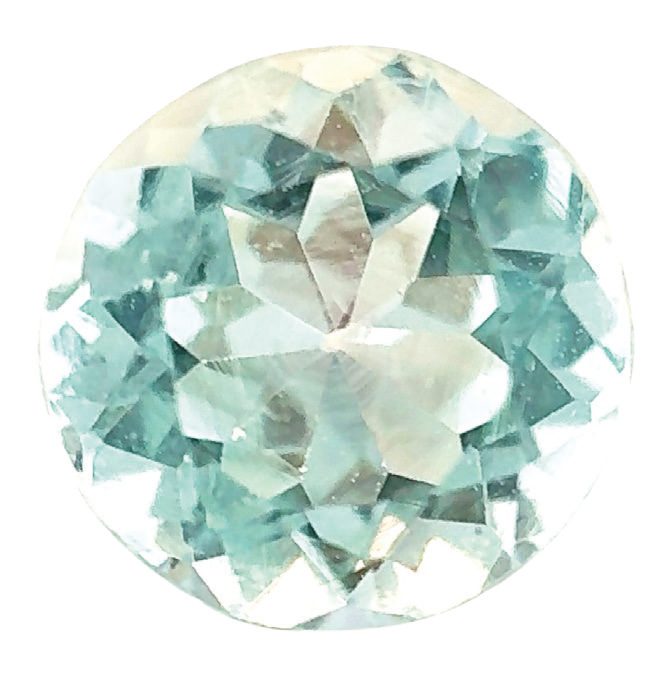
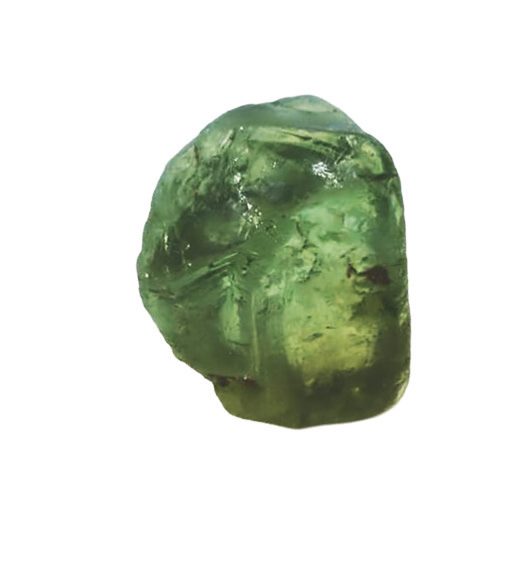
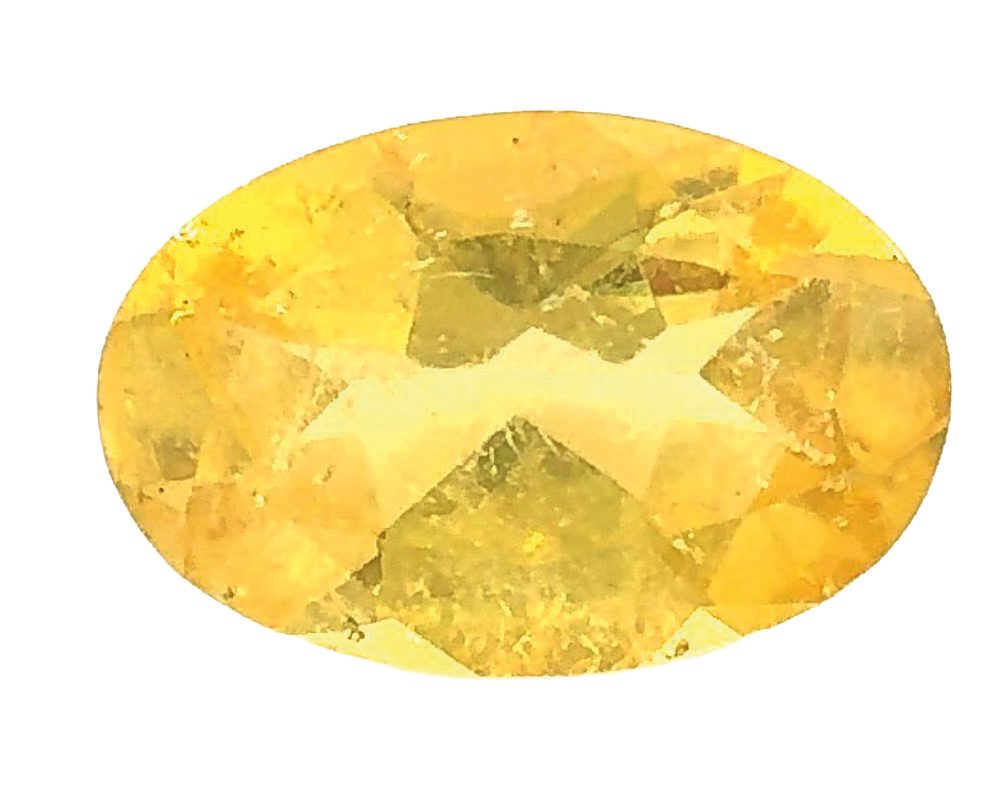
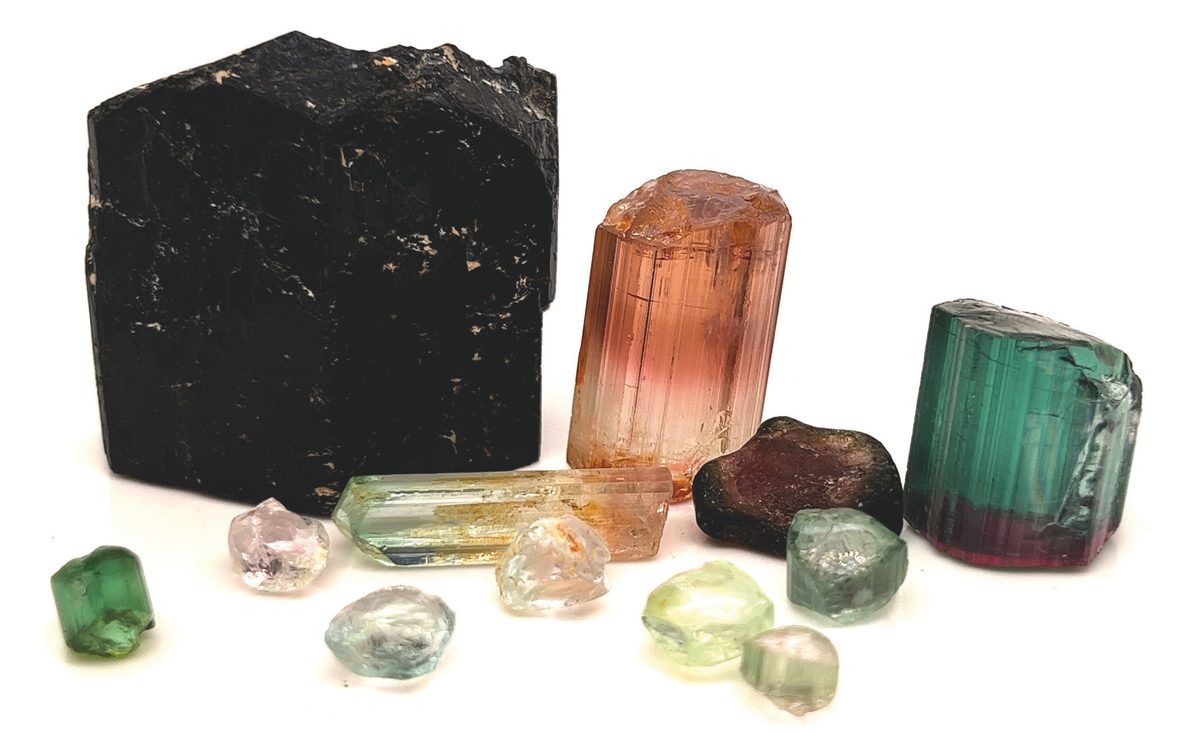
Tourmaline is not a single mineral, but a group of boron silicate minerals with complex and variable compositions. The classification of tourmaline is based on chemical composition, especially the dominant elements present in specific structural sites.
There are many different varieties of tourmaline, and some of them are almost impossible to distinguish unless you have a laboratory with Raman spectroscopy and other scientific tools to help with identification. Here are some of the most important ones.
1. Elbaite – the most gem-quality variety of tourmaline.
Chemical Formula: Na(Li,Al)₃Al₆(BO₃)₃Si₆O₁₈(OH)₄
Color: Wide range – pink, green, blue, colorless, polychrome.
The Elbaite variety includes the following:
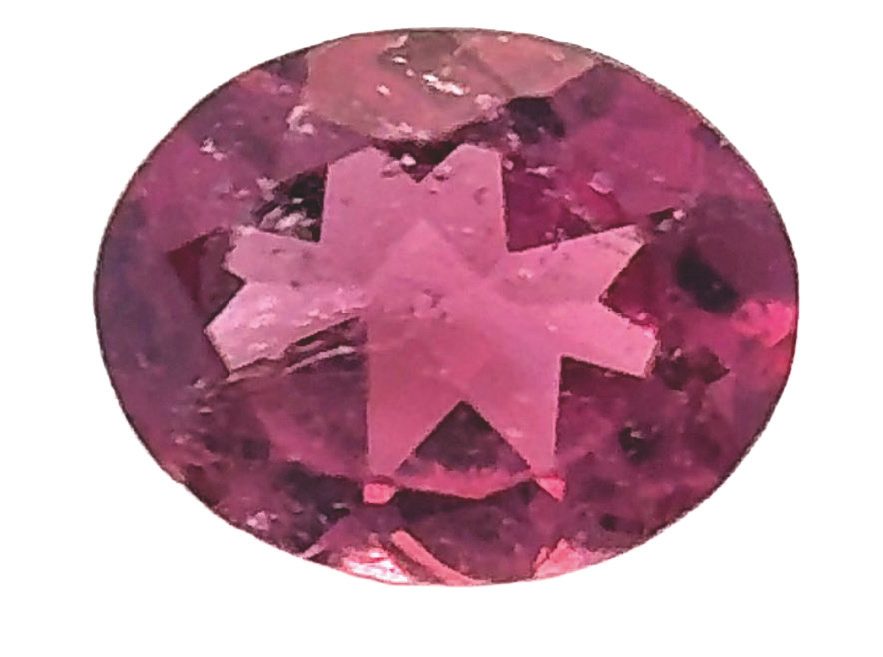
Rubellite (pink to red) from the Latin Rougeâtre;
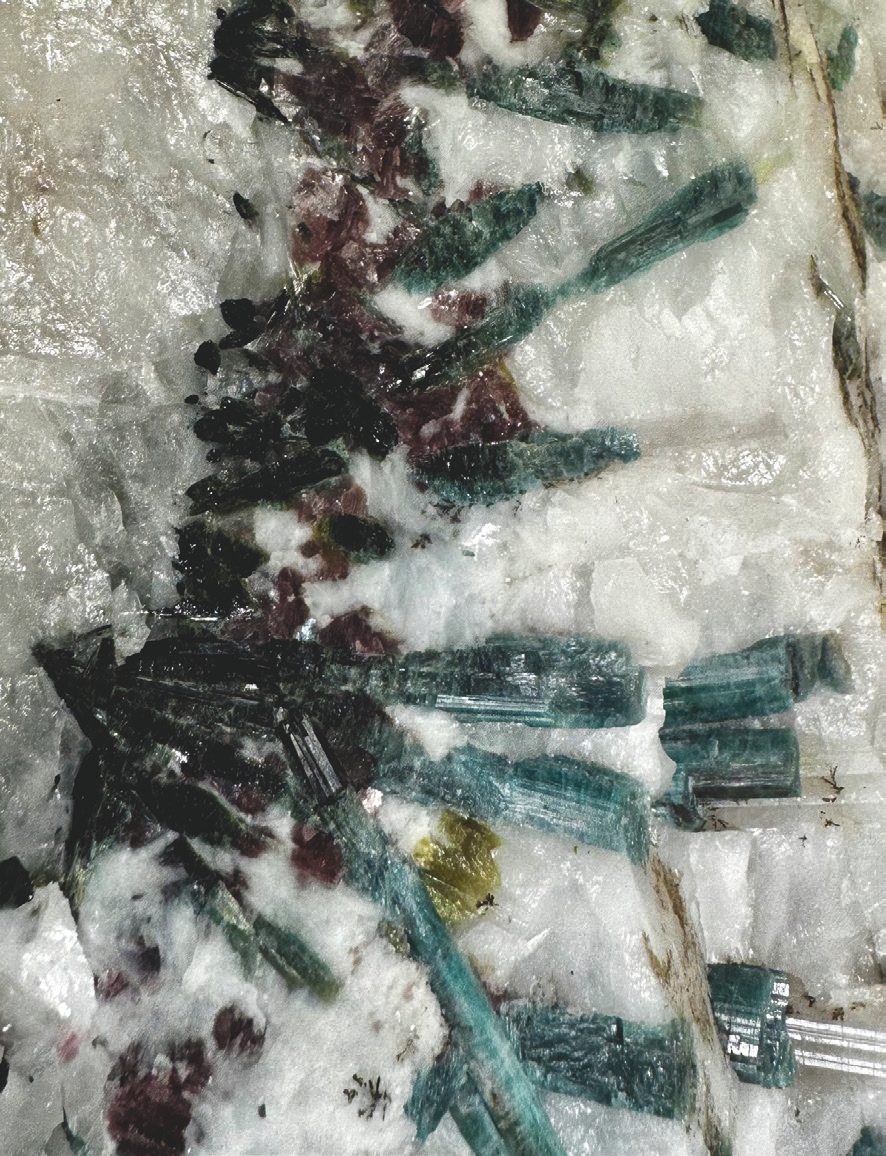
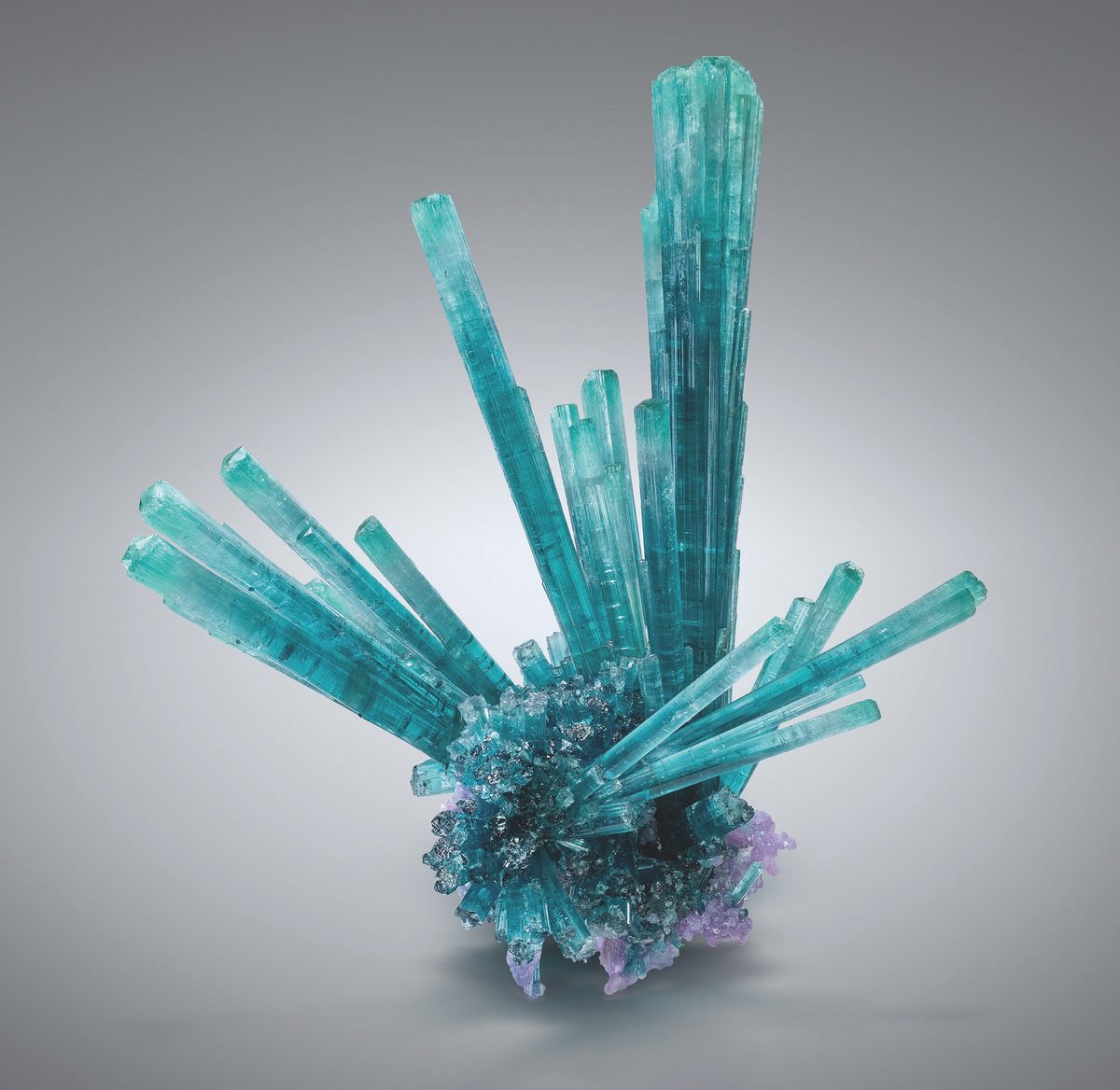
Indicolite (blue, to blue green);
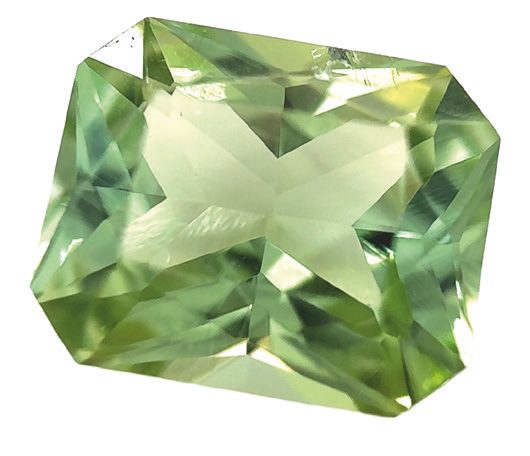
Verdelite(all shades of green), from a hybrid word of Latin and Greek for green stone;
Achroite(colorless) from the Greek Incolore;
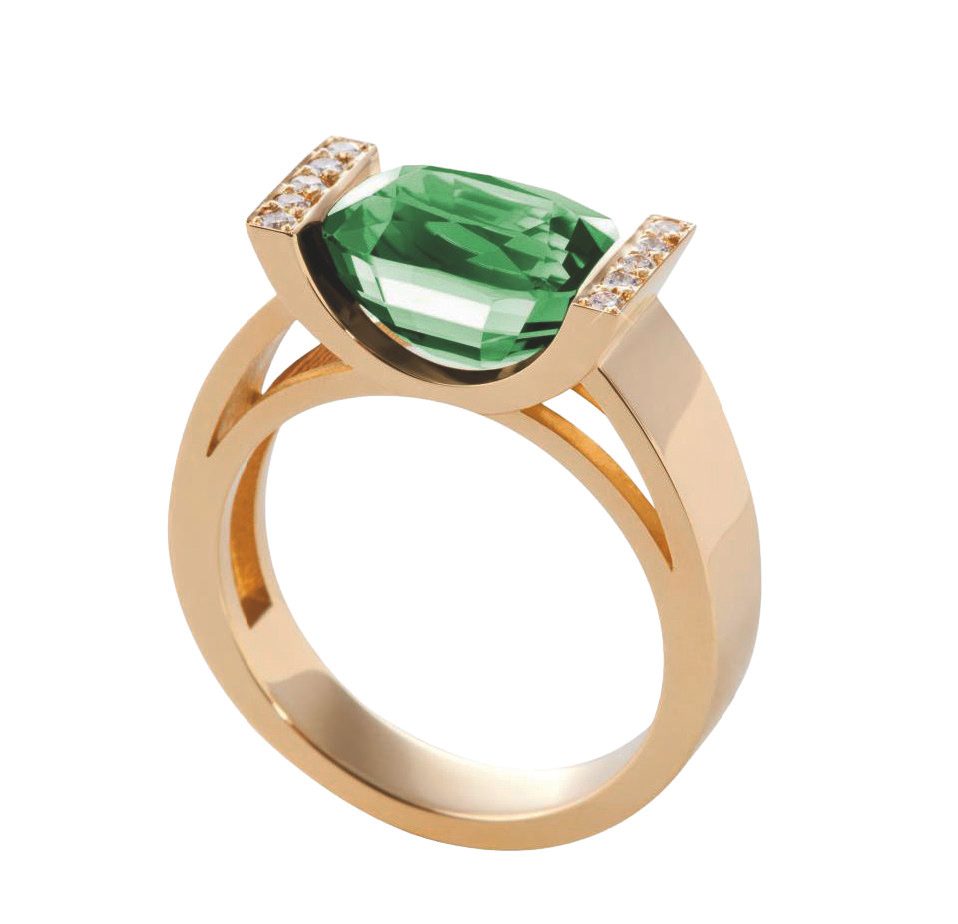
Chrome Tourmaline(deep forest green to lighter green);
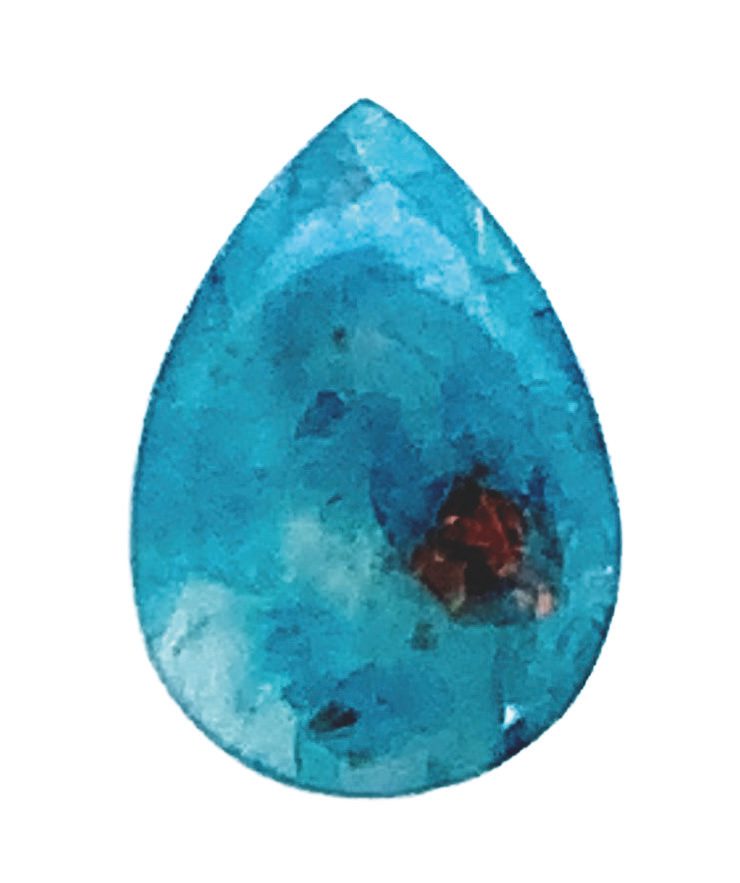
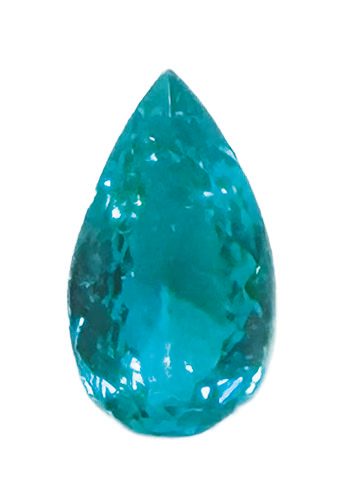
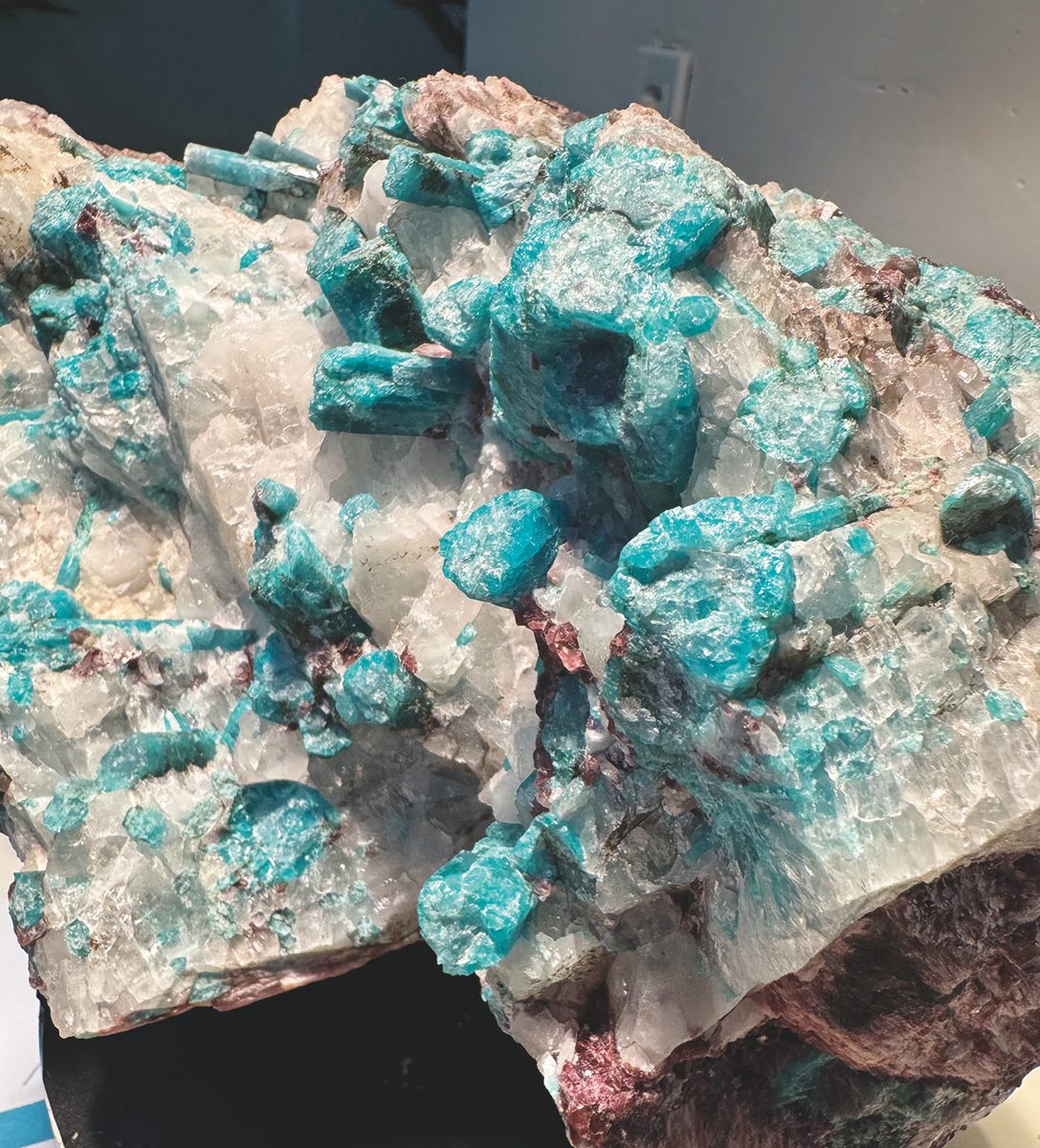
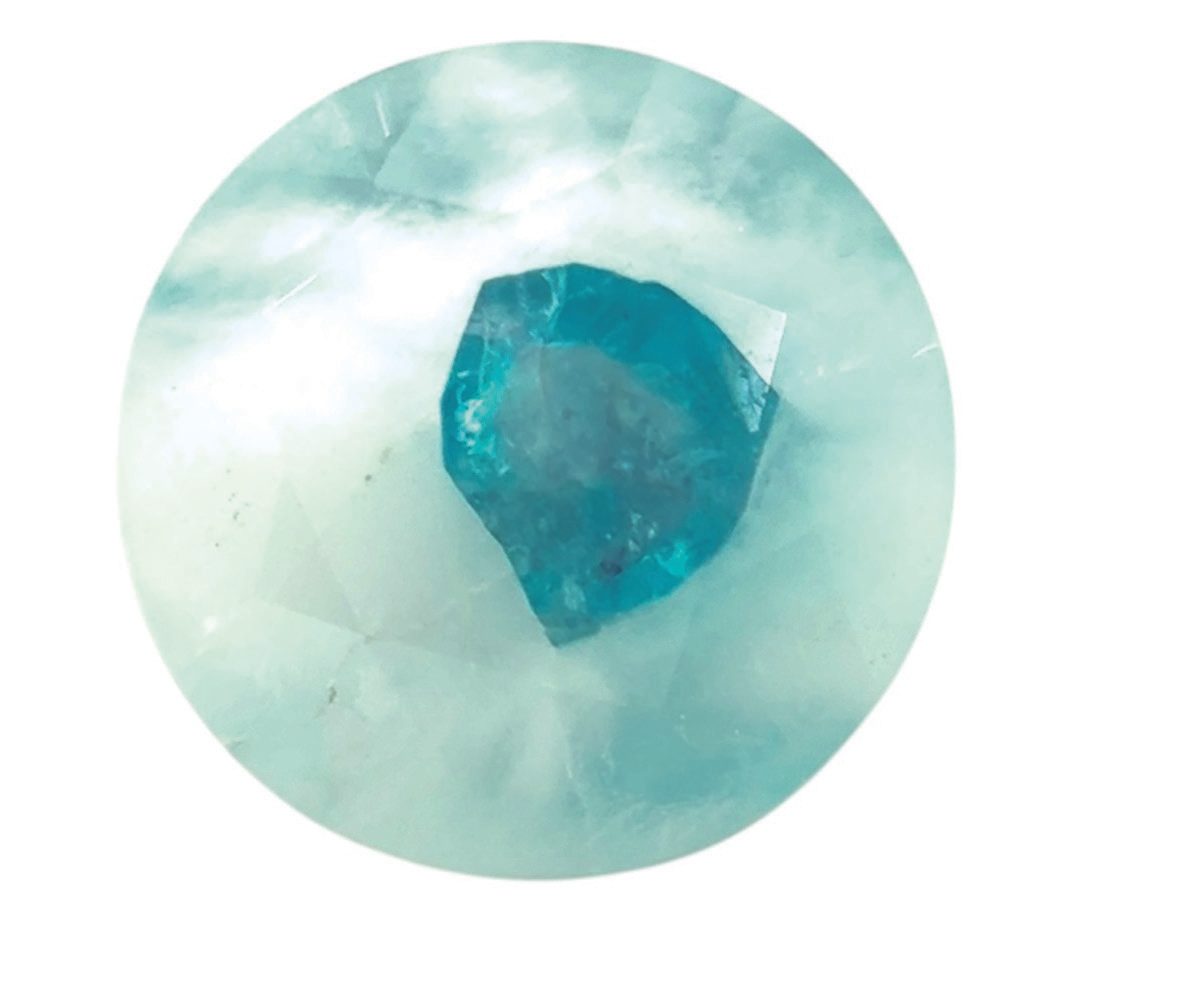
Paraíba Tourmaline(A sub-variety of the cuprian elbaite, this is the trade name for neon blue-green copper-bearing tourmaline from Brazil, Mozambique, and Nigeria).
2. Schorl
Chemical Formula: NaFe²⁺₃Al₆(BO₃)₃Si₆O₁₈(OH)₄
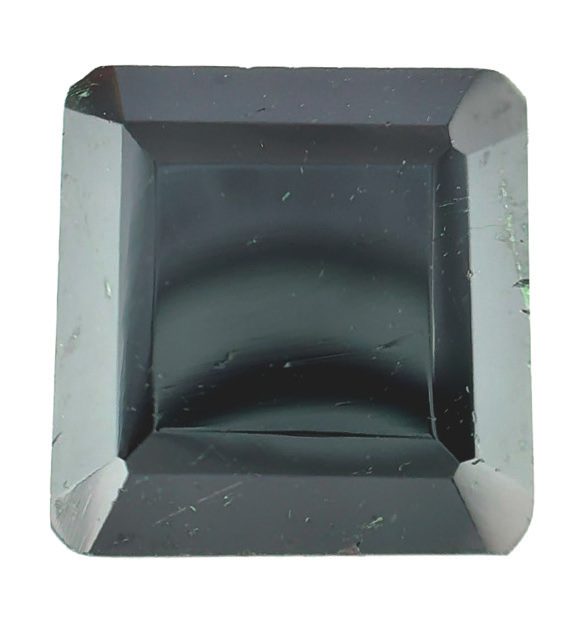
Color: Black.
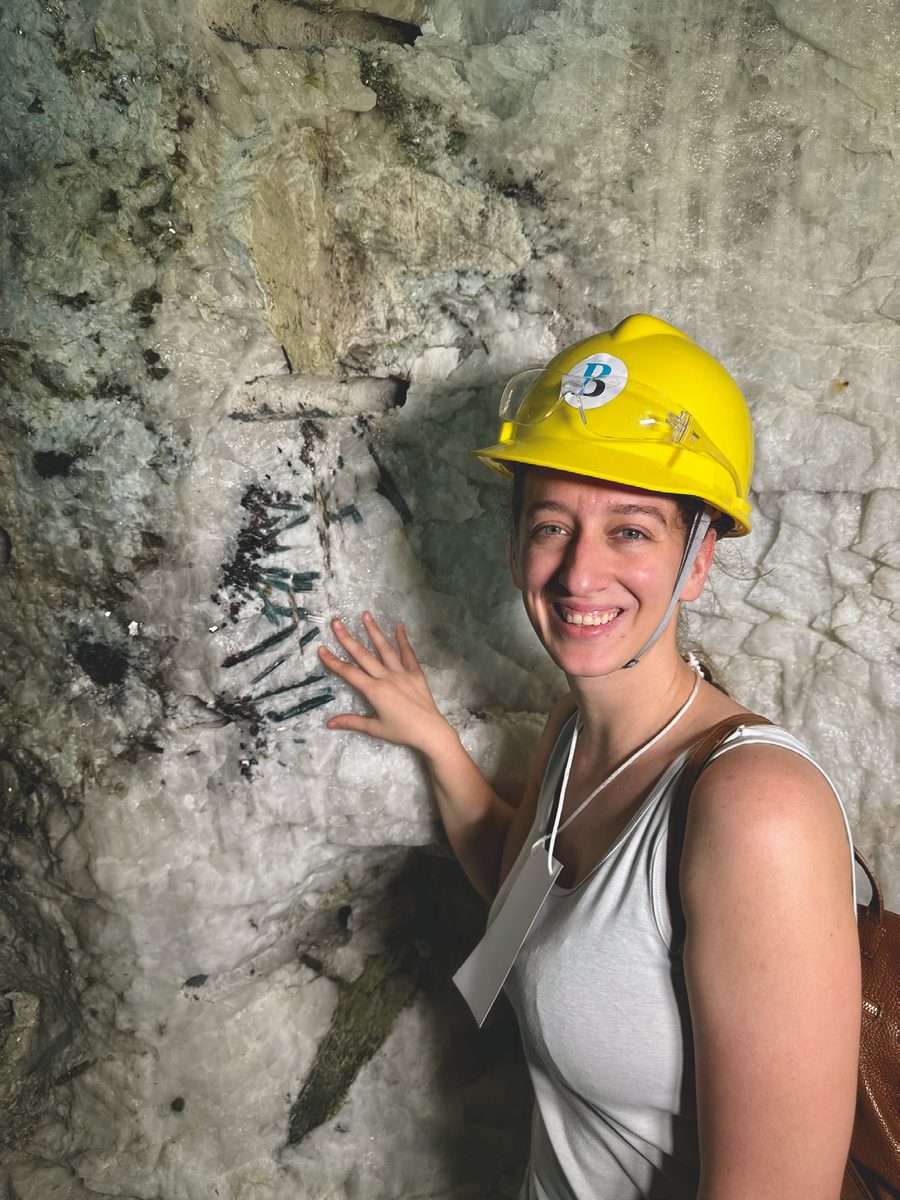
Once called Schorlite. The most common variety is rich in iron and typically opaque, but not very popular overall. The name comes from an old mining term used for ‘’garbage.’’ It is also a gem used for mourning jewelry.
3. Dravite
Chemical Formula: NaMg₃Al₆(BO₃)₃Si₆O₁₈(OH)₄
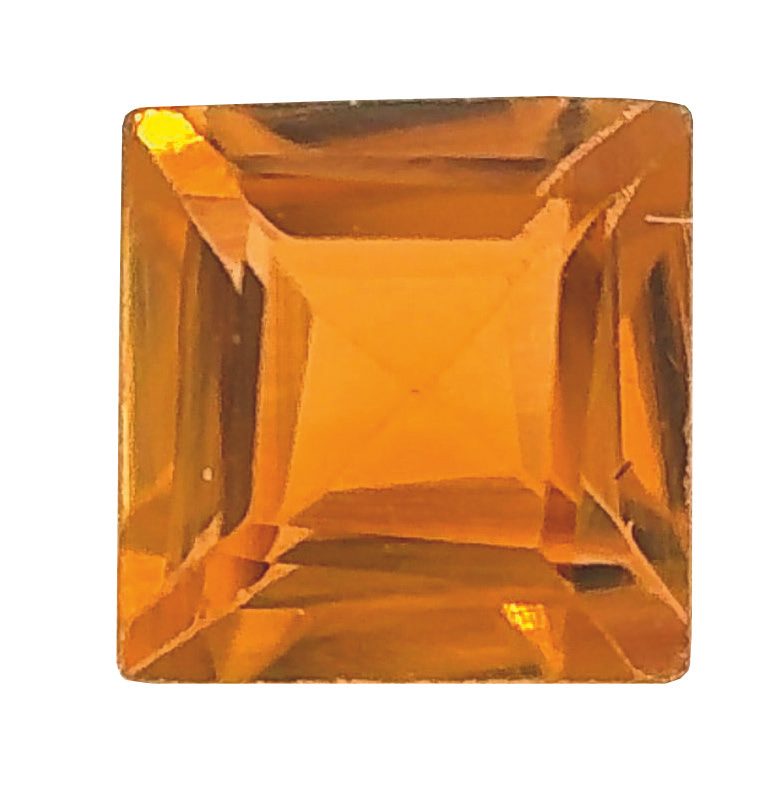
Color: Brown to yellowish brown, dark green.
Often found in metamorphic rocks, it is the Mg-dominant counterpart to schorl. The name come from the Drava, in Austria.
4. Uvite
Chemical formula: CaMg₃(Al,Fe³⁺)₅(BO₃)₃Si₆O₁₈OH)₄
Color: Green, brown, reddish.
Often confused with dravite, but it contains calcium, and occurs in smaller crystals. The name comes from the Uva province in Sri Lanka.
5. Liddicoatite
Chemical Formula: Ca(Li,Al)₃Al₆(BO₃)₃Si₆O₁₈(OH)₄
Color: Often multicolored or polychrome (pink-green, brown, blue, violet etc.).
It is named after gemologist Richard T. Liddicoat and was formerly grouped with elbaite until recently. It is often cut in slices and not often faceted.
6. Foitite
Chemical Formula: (NaFe²⁺Al₆)(BO₃)₃Si₆O₁₈(OH)₄
Color: Dark blue, brown, reddish brown to black.
It is a rare, iron-rich tourmaline with vacancy in the alkali site (Na-deficient).
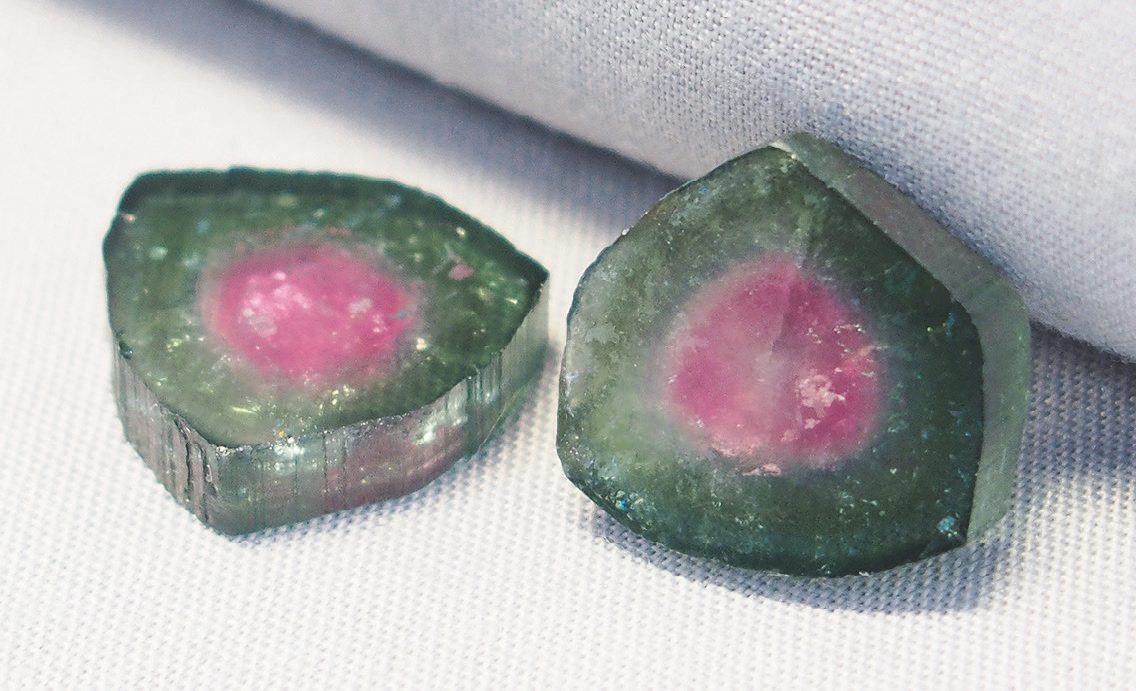
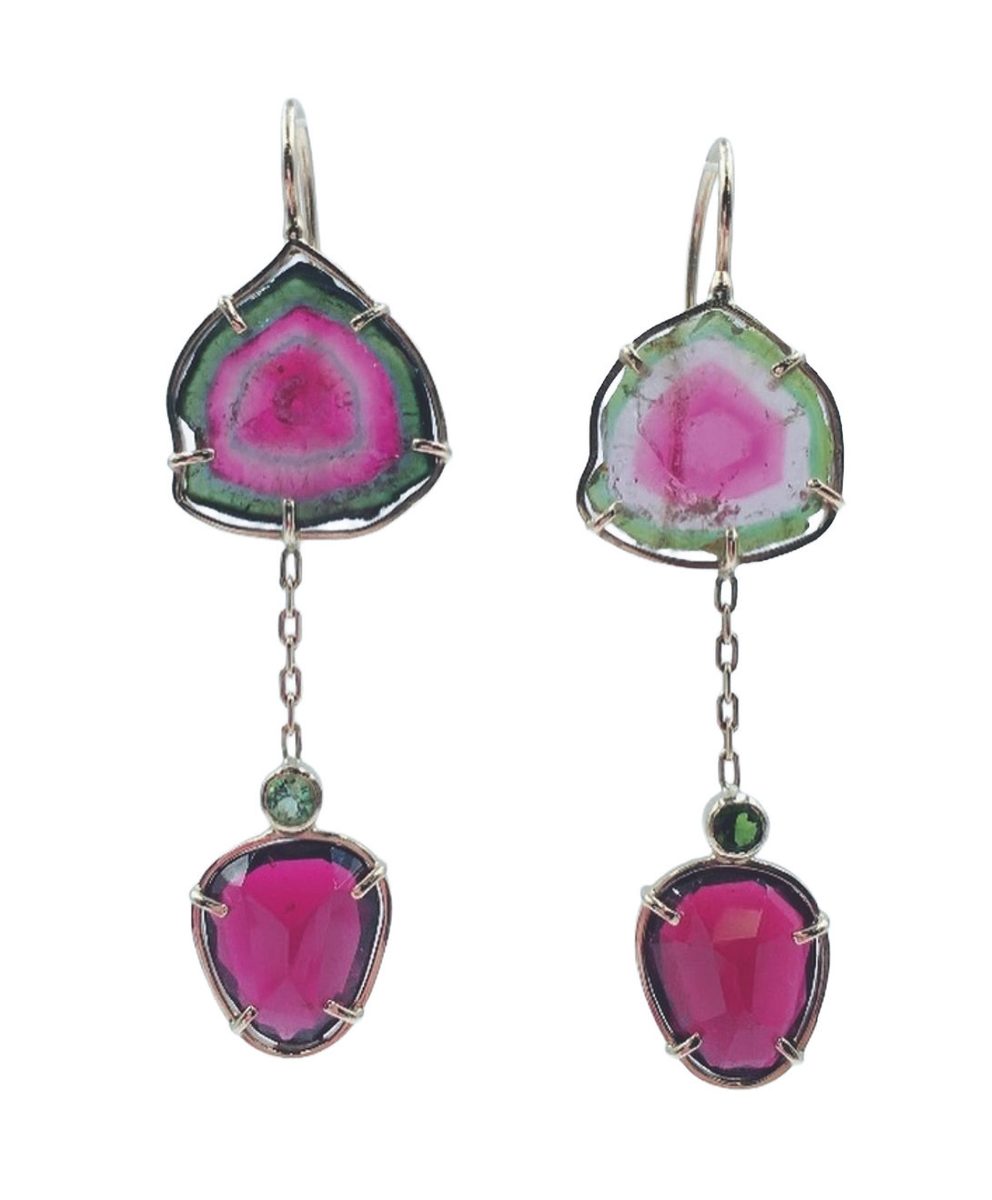
7. Watermelon Tourmaline
Chemical Formula: A(D3)G6(T6O18)(BO3)3X3Z
Color: Pink core and green rim.
This is usually an elbaite or a liddicoatite, cut into slices, with a pink core and green rim. Some variations of colors are accepted in the market for the term.
Other Rare Species and Varieties
● Trapiche Tourmaline: showing six-spoked growth features.
● Buergerite or Fluor-Buergerite
Chemical Formula: NaFe3+3Al6(BO3)3Si6O18(O,F,OH)4
Color: Bronze, Dark Brown, Black, Dark Purple.
It is named after the American crystallographer M.S. Buerger.
● Rossmanite
Chemical Formula: (LiAl2)Al6(Si6O18)(BO3)3(OH)3(OH)
Color: pale pink to colorless.
It was named after George R. Rossman in 1944, in recognition for his work on the spectroscopy of the tourmaline-group minerals (and many other mineral species).
● Fluor-Elbaite– A fluorine-dominant variety of elbaite.
● Feruvite – CaFe²⁺₃(Al₅Mg)(BO₃)₃Si₆O₁₈(OH)₄
It was discovered in New Zealand and named around 1989. It is very brittle.
● Oxy-Dravite / Oxy-Schorl– Variants with hydroxyl groups replaced by oxygen (O²⁻).
● Mohrenkopfturmalin (Moor’s Head Tourmaline)
Pale colored tourmaline with blackish terminations.
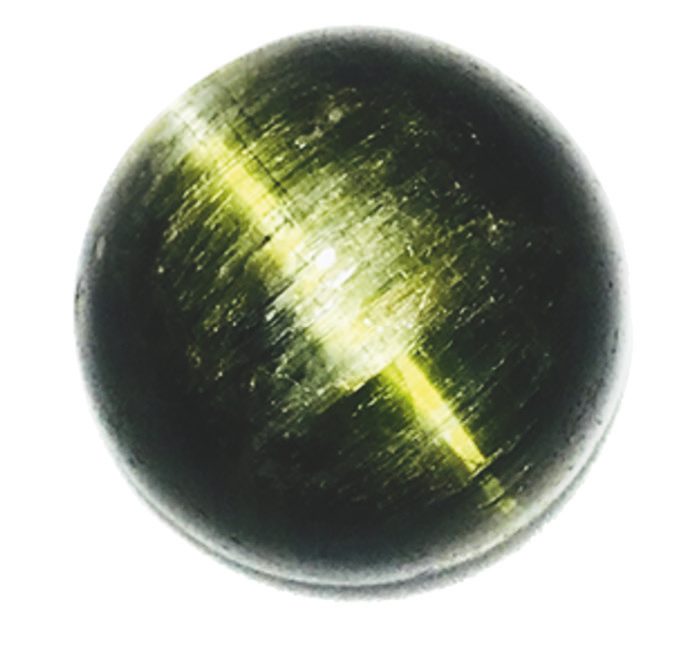
● Cat’s-Eye or chatoyant tourmaline
The optical phenomenon is created with a great quantity of fine parallel inclusions that reflect a concentrated band of light on them. It is found mainly in green, blue, and pink tourmalines.
Conclusion
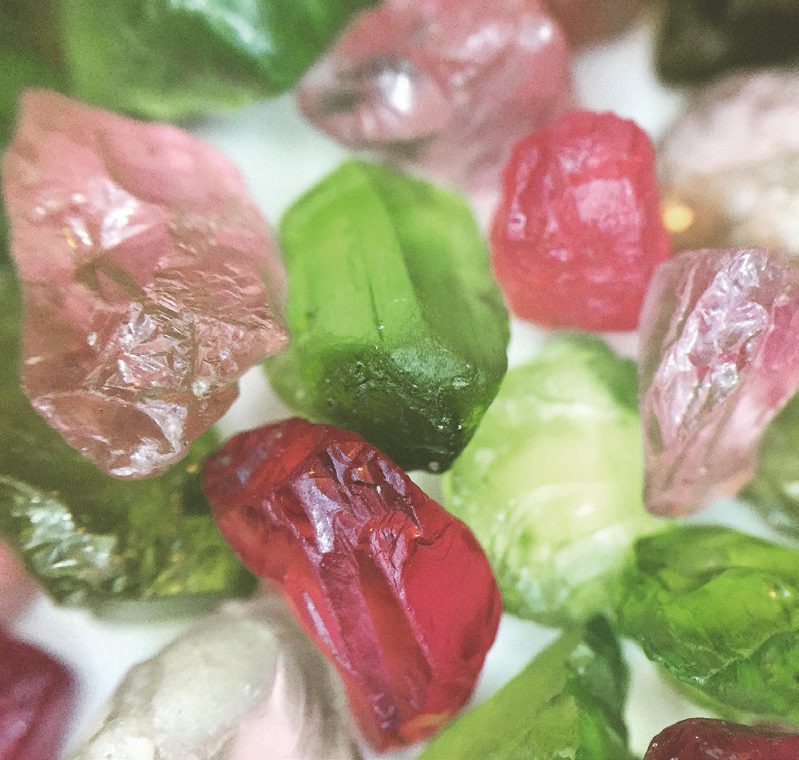
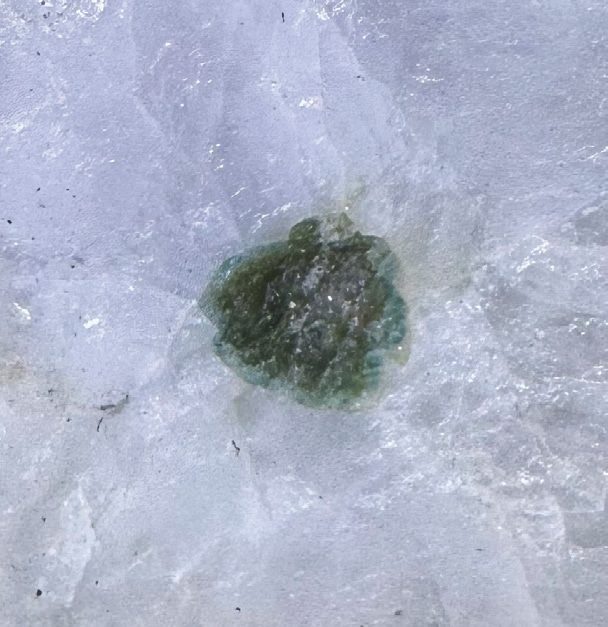
From ancient carvings traded in Ceylon and Brazil to the vibrant displays cherished by modern gem collectors, tourmaline has traveled a remarkable path, both literally and scientifically.
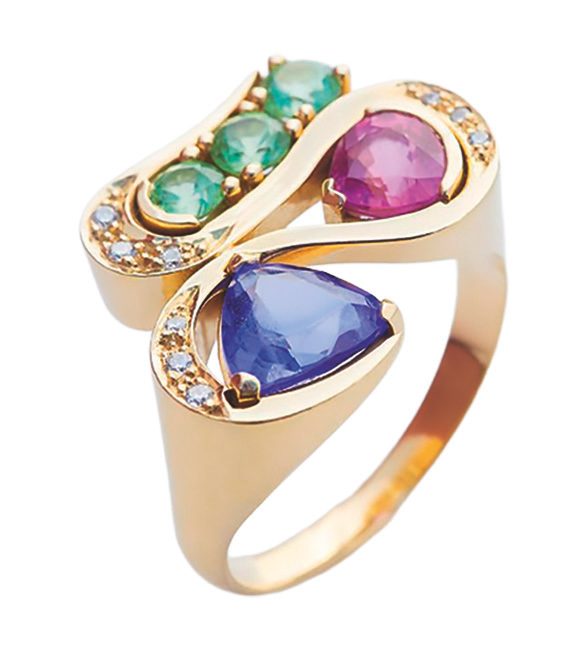
Once misunderstood and overlooked, it has since blossomed into one of the most diverse and celebrated gemstone groups. Its ability to capture nearly every hue imaginable, often within a single crystal, makes tourmaline a marvel of nature and a favorite among gemologists, jewelers, and connoisseurs alike.
With its wide range of species – each with unique chemical signatures, stories, and visual charm – tourmaline continues to captivate not only through its colors but through the intricate science embedded in each gem.
Whether used in fine jewelry, kept as a collector’s treasure, or admired for its optical phenomena, tourmaline’s kaleidoscopic character ensures its rightful place as one of the most versatile and enchanting gemstones of our time.
References
http://www.cigem.ca/414.html – An introduction and history of tourmaline.
mindat.org
Pfeil, Dr. Friedrich. 2015. Tourmaline – Fascinating crystals with fantastic inner worlds, Verlag, München,
Rubellite – Tourmaline Rouge, Mineral MonographeNumber 20, Lithographie, LtD. 2019.
Schummann, Walter. 2008. Guide des pierres precieuses.
About the Author
Lauriane Lognay, FGA AJP GIA, is a gemologist with the Fellowship of the Gemological Association of Great Britain who also has a diploma in jewelry. She founded Rippana Inc. in 2012 in Montréal, Canada, when she was 21 years old, and offers lapidary and appraisal services in addition to selling gemstones. She travels to mines and gem markets in numerous countries during the year such as Tanzania, Vietnam, and Myanmar to buy the best rough and cut gemstones that the field has to offer.
Photos are courtesy of the author unless otherwise indicated.