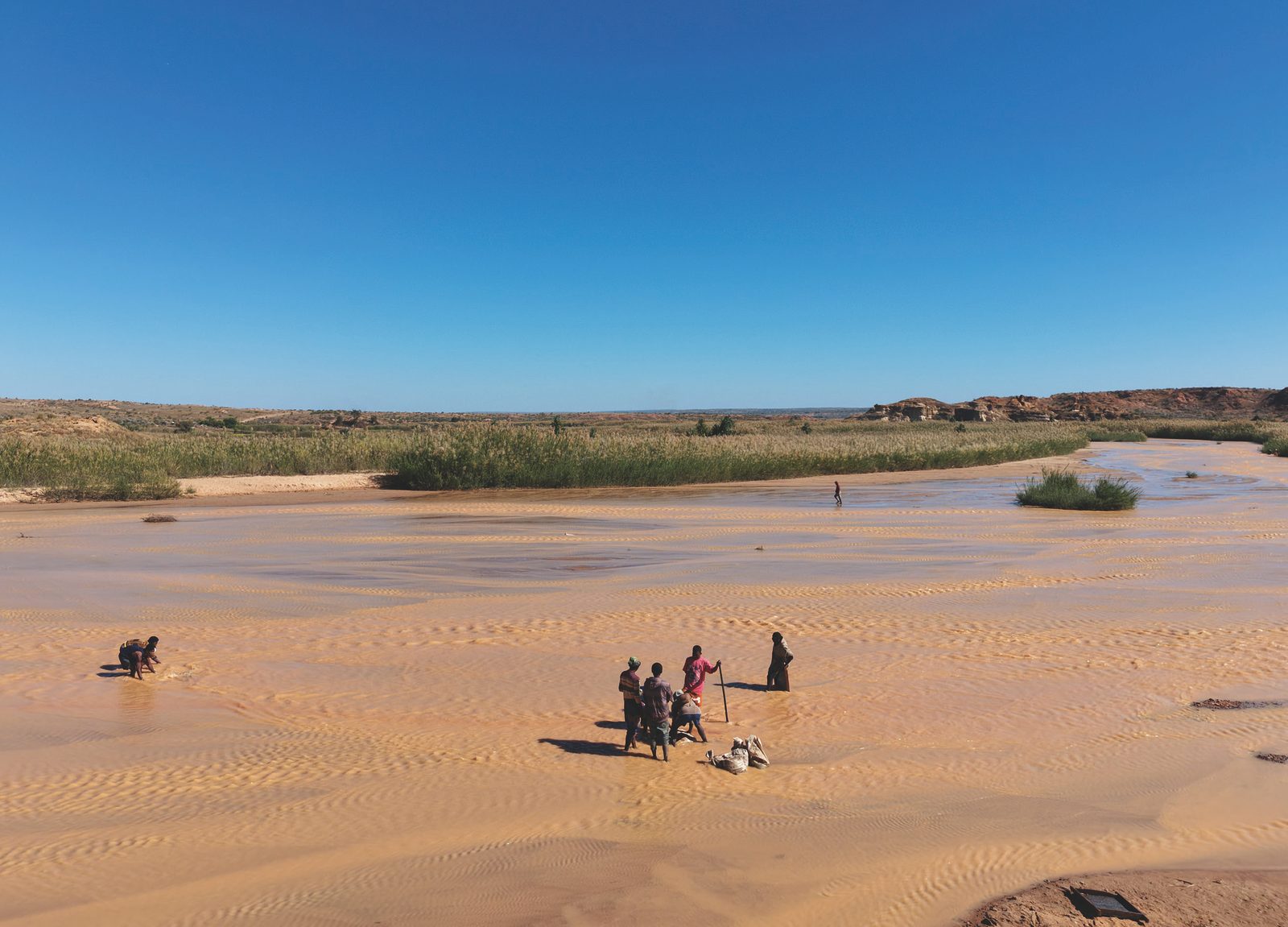
The Route Nationale 7 winds southwest from Antananarivo the highlands of Madagascar and, after many hours, the landscape opens onto the Isalo sandstone plateau. Here, seemingly in the middle of nowhere, lies Ilakaka—a town that did not exist before 1998 and that has since become one of the most important gem localities on Earth.
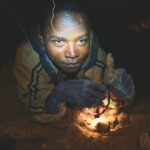
Above image: Artisanal mining on the Taheza River near Ambalavihy in the Ilakaka-Sakaraha region (Madagascar) in June 2026. (Photo: Laurent Cartier)
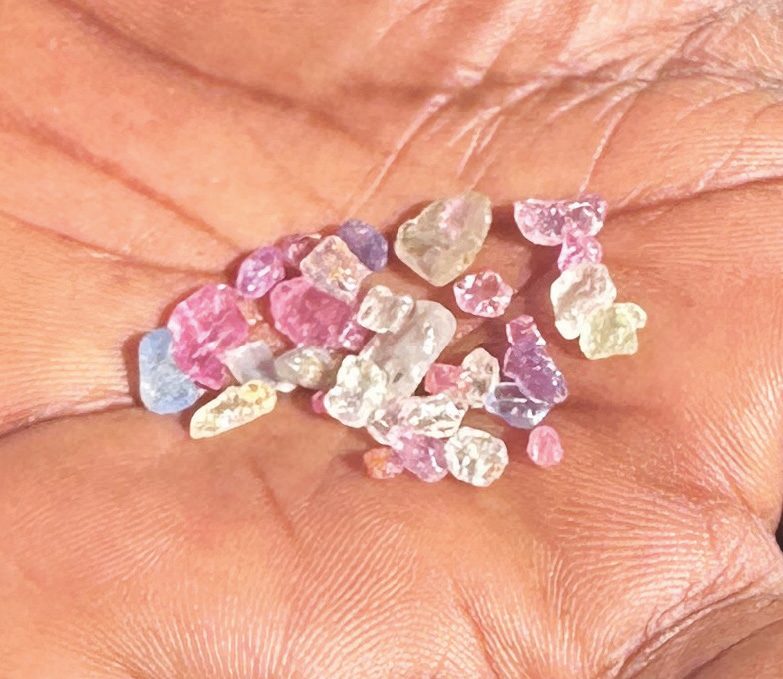
Nearly three decades after the rush began, the Ilakaka area remains the single most important source of pink sapphire in the world. Most of the vivid pink stones seen in the market today—in Bangkok, in Colombo, at the shows in Hong Kong and Tucson—began their journey in the gravels of this corner of southern Madagascar.
From Rush Town to Stable Source
The discovery in 1998 came at the end of a decade of Malagasy sapphire finds—Andranondambo's fine blue sapphires had triggered the first “vato manga” rush in the early 1990s, followed by Ambondromifehy in the north—but Ilakaka eclipsed them all. At its peak, the wider mining area is thought to have drawn as many as 200,000 people. Estimates have suggested that, during the early 2000s, the deposit accounted for a very significant share of the world's sapphire supply, and Madagascar as a whole remains one of the largest sapphire producers globally (Pinsault, 2025; Lucas & Liu, 2026).
Back then, many observers doubted the town would outlast the boom. Where other rush towns depopulated once the easily worked ground was exhausted, the Ilakaka and neighbouring Sakaraha region matured into permanent trading centres. Today the mining is quieter and the easily accessible gravel is gone, but mining and trading continues to be very active.
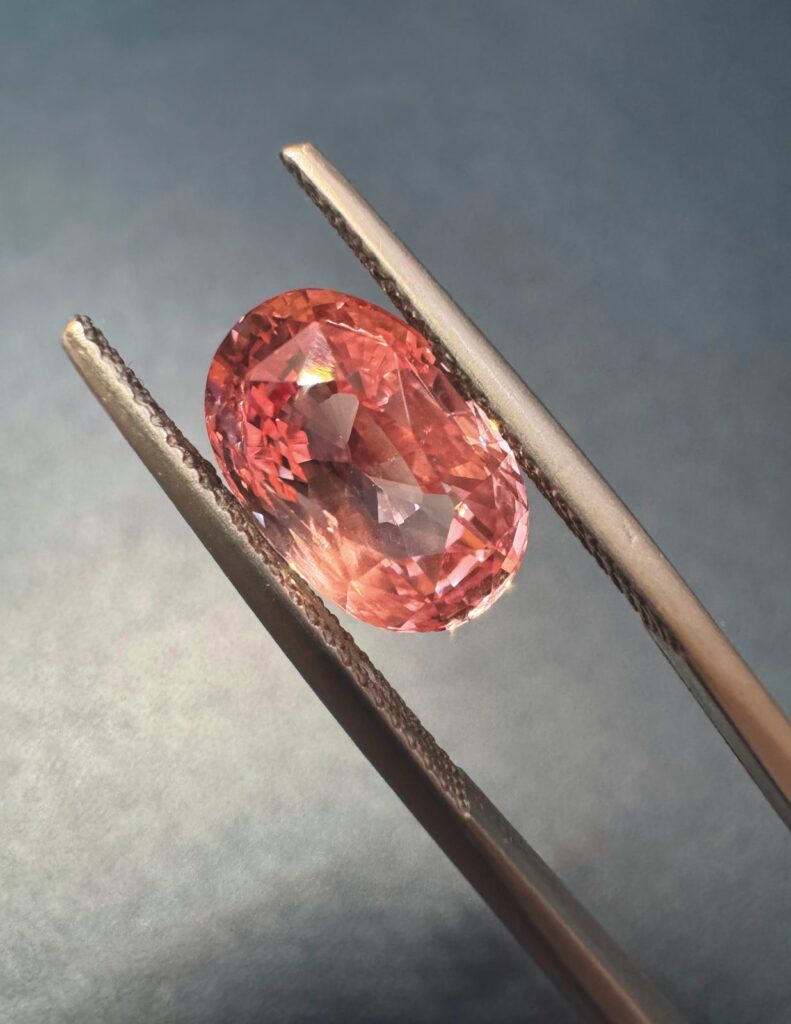
The Ilakaka deposit produces sapphires across the full color spectrum—blues, yellows, violets, padparadscha-like hues—and pink to purple stones are its signature. And that brings us to the subject that has occupied our laboratory for the past several years.
Why Heat Treatment Is the Defining Question
From the very beginning, treatment has been woven into Ilakaka's economics. Much of the sapphire production is heated. This is nothing to lament: heat treatment, when disclosed, is precisely what made the majority of this production marketable and turned rough in the gravel into income for miners. Indeed, the 1998 rush itself was partly propelled by international demand for affordable, heat-treatable corundum.
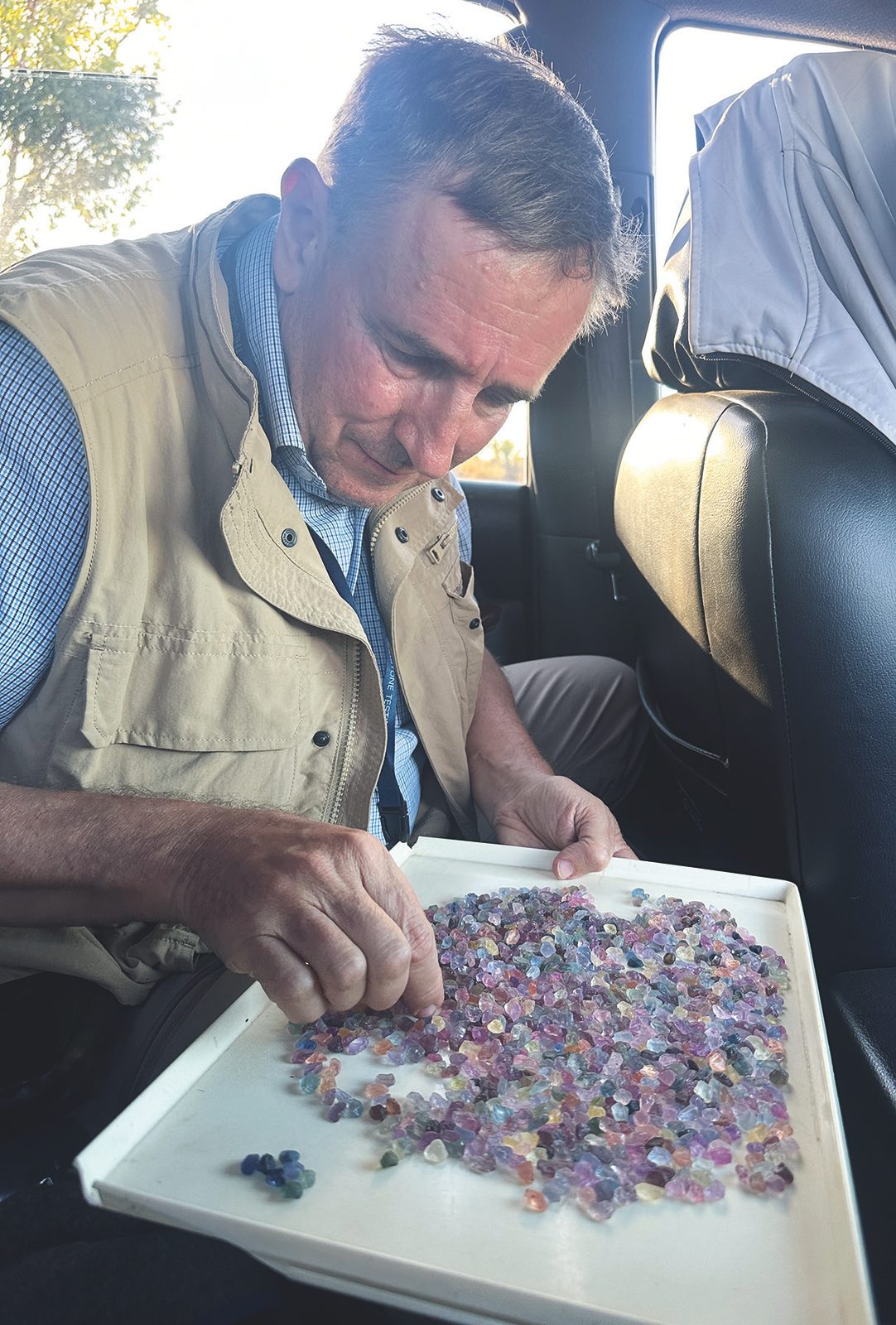
But the same economics create a premium at the other end: the unheated Ilakaka pink sapphire, with fine color straight from the Earth, commands significantly higher prices. And so, the ability to reliably separate heated from unheated stones is vital.
For stones heated at high temperatures—1,400°C and above—detection is generally straightforward, through altered inclusions visible under the microscope and characteristic spectroscopic features. The challenge is “low-temperature” heating, in the region of 800– 1,200°C, which often leaves no microscopic trace at all. In such cases, a lot rests on careful spectroscopic analysis and Raman analysis of zircon inclusions—and on how we interpret it.
A Long-Held Assumption, Tested
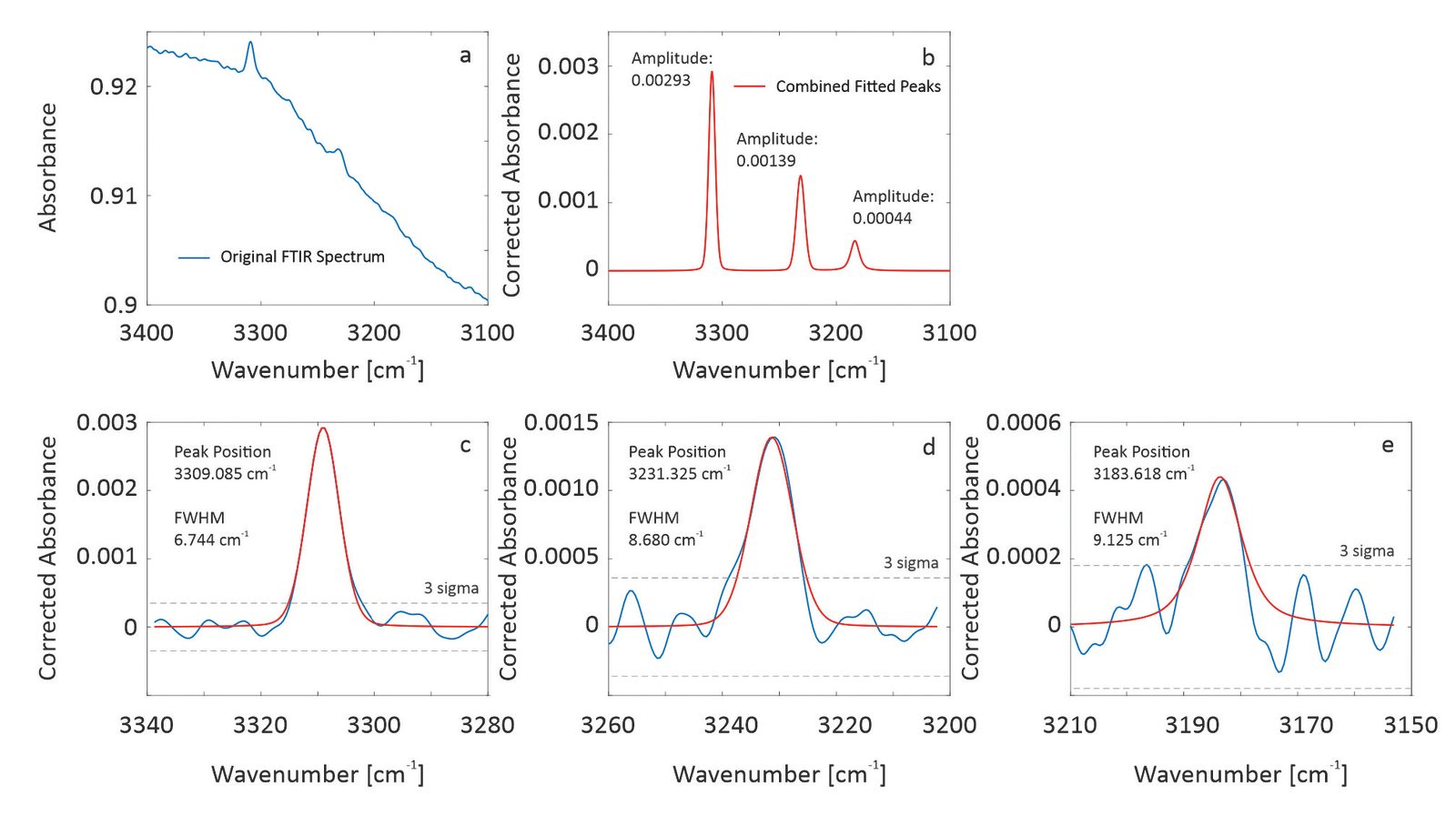
For years, laboratories have relied heavily on infrared (FTIR) spectroscopy. Structurally bonded hydroxyl (OH) defects in corundum produce a series of sharp absorption peaks—at 3309 cm⁻¹, 3232 cm⁻¹, and 3185 cm⁻¹—whose behavior was understood to change with heating.
Unheated metamorphic pink sapphires were thought to show only the 3309 cm⁻¹ peak; the appearance of the 3232 and 3185 cm⁻¹ bands was widely read, across the industry, as a robust fingerprint of heat treatment (Moon & Phillips, 1991; Saeseaw et al., 2020). In pink sapphires from Ilakaka, specifically, this reasoning went as far as treating the 3232 cm⁻¹ band as proof of heating (Karampelas et al., 2023)
Recent SSEF research adds an important nuance to this picture.
Goethite Inclusions and an FTIR Paradox
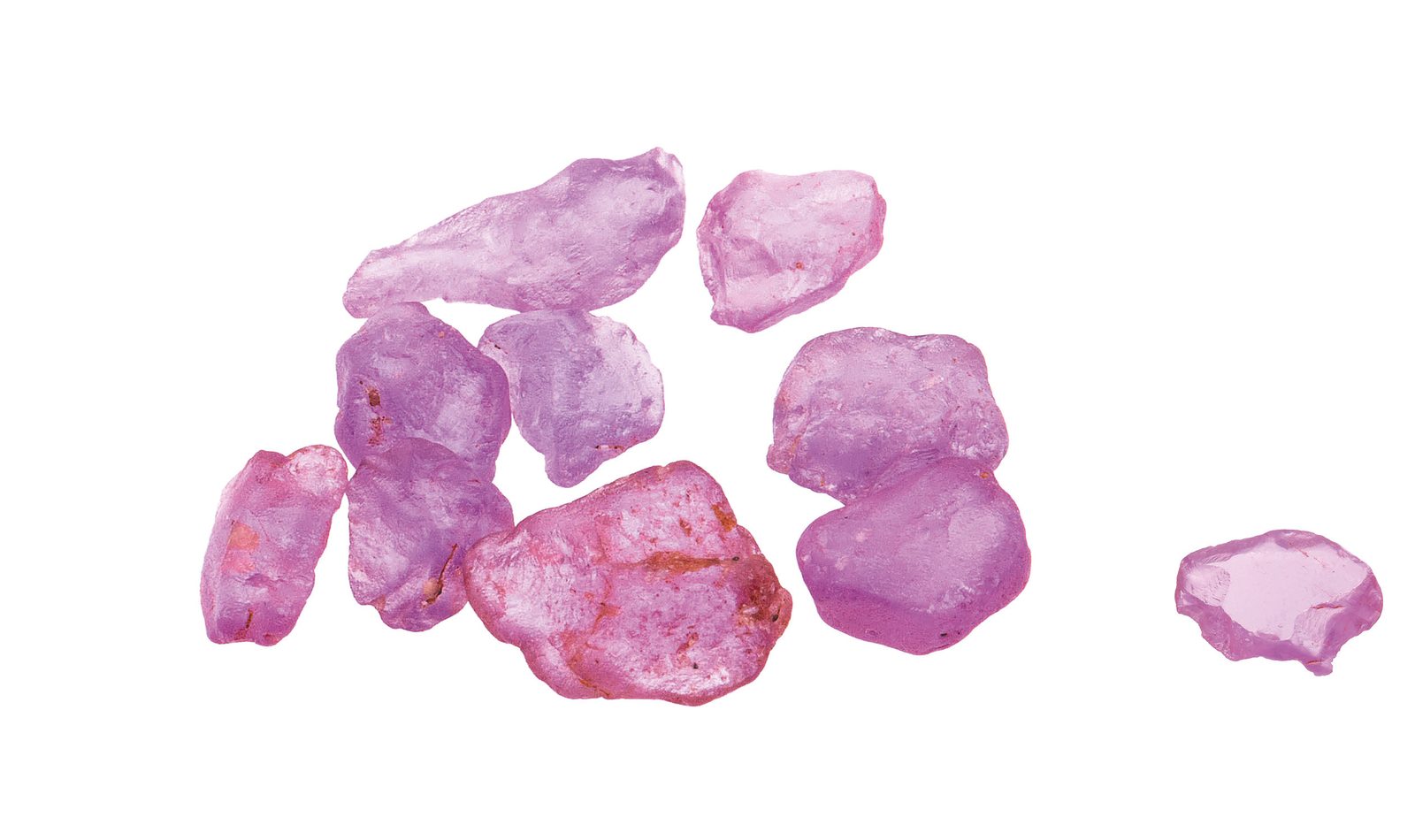
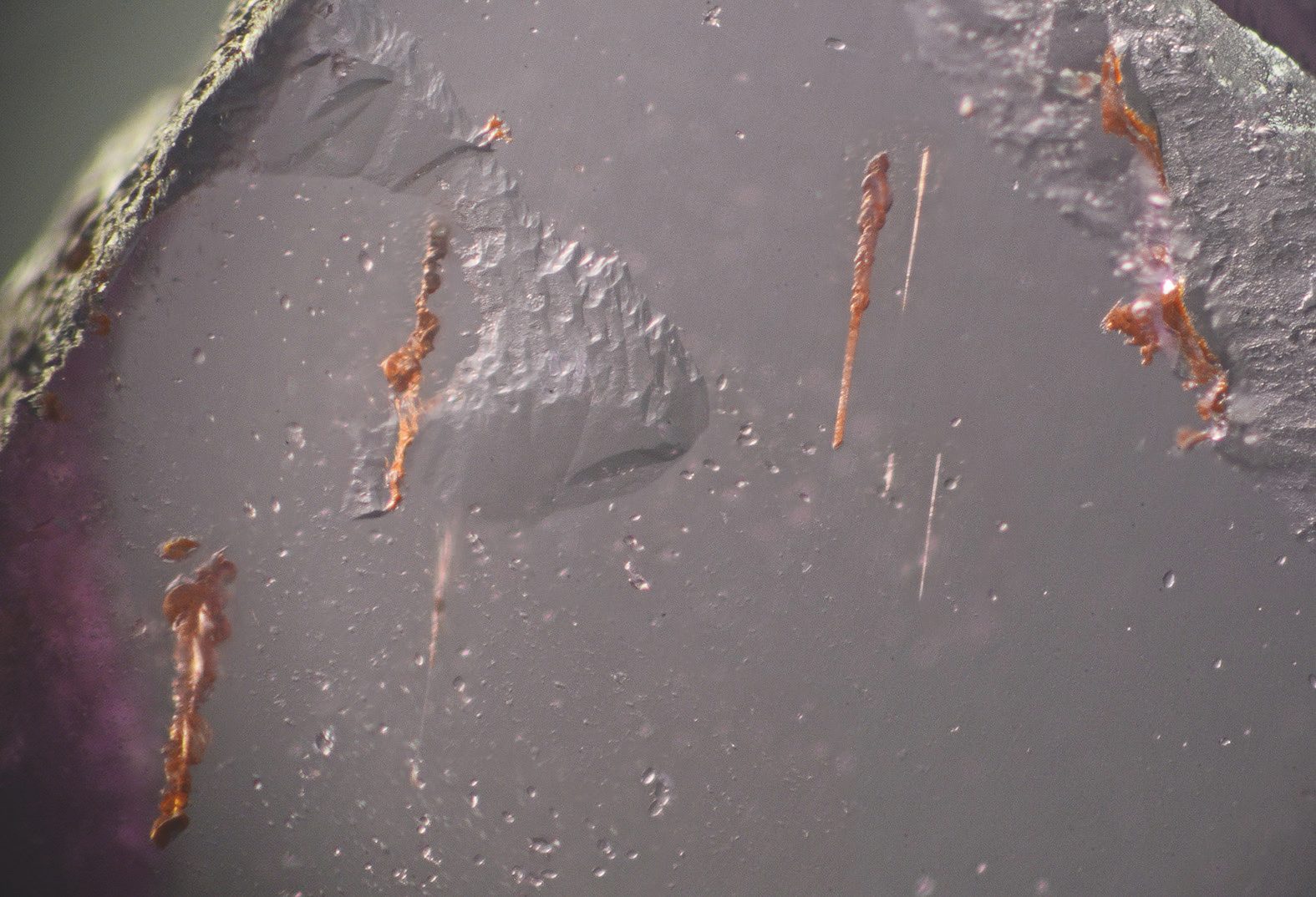
SSEF received a parcel of untreated rough pink sapphires, freshly mined at Ilakaka. From it, we polished a 0.71-ct slab and analyzed it in detail (Krzemnicki et al., 2026). The stone contained numerous tiny zircon inclusions (typical for Ilakaka pink sapphires) and several deep channels filled with a brown epigenetic material, which Raman analysis identified as goethite.
This matters enormously: goethite is an iron hydroxide that dehydrates to hematite at just 300–325°C, far below any heat treatment ever applied to corundum. Its intact presence is thus proof that the stone was never heated.
And yet, its FTIR spectrum showed clear peaks at 3231 and 3184 cm⁻¹—precisely the bands long interpreted as evidence of heating. The same pattern has since appeared in further unheated rubies and sapphires we have examined, where thermally fragile phases such as goethite and diaspore, or metamict zircon, independently confirmed the absence of heating.
The conclusion, published this year in The Journal of Gemmology, is that the 3232 and 3185 cm⁻¹ bands can occur naturally in unheated metamorphic corundum (Krzemnicki et al., 2026). They reflect the complex interplay of aluminium vacancies, titanium substitutions and OH defects formed during the stone's geological history—not necessarily anything done to it in a furnace or oven.
What This Means for Testing
The implications reach beyond FTIR. In recent years, considerable attention has also been given to zircon inclusions in Ilakaka pinks: these zircons are radiation-damaged (from natural irradiation in the earth), heating partially restores their crystal structure, and the width of their main Raman band narrows as a result. This is sound physics, and it is a genuinely useful indicator.
But the published data show heavily overlapping ranges between heated and unheated populations, and the measured values depend on the instrument and parameters used. Numeric cut-off values cannot simply be transported from one instrument to another or one laboratory to another, and a threshold drawn through overlapping distributions is a probability, not a proof. There is a further subtlety: if reference stones are classified as “heated” partly on the basis of FTIR bands that we now know can occur in unheated material, the calibration itself is on uncertain ground.
None of this diminishes the value of the underlying research—it means the field is converging on a more mature position, one that several research groups, ours included, have been pointing toward: no single measurement should carry the verdict.
Reliable determination of heat treatment in pink sapphire rests on convergent evidence from careful microscopy, Raman analysis of inclusions—both zircon and, crucially, thermally fragile phases such as goethite and diaspore, whose dehydration temperatures are hard physical constraints—and FTIR spectroscopy inter-preted with appropriate caution in both directions.
Outlook
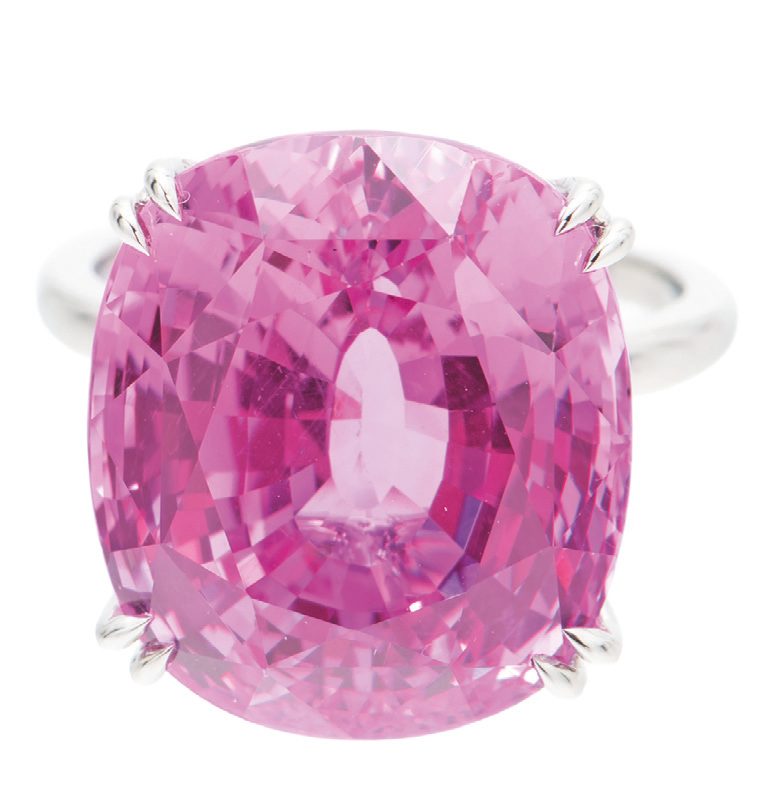
Interest in pink sapphire has grown considerably in recent years, and prices have risen with it. Two recent auction results—both stones tested by SSEF—are a testament to this.
At Christie's in June 2025, a Cartier ring set with an unheated 8.06-ct cushion pink sapphire from Burma (Myanmar), realised US$ 995,400. A year earlier, in May 2024, a 25.20-ct cushion pink sapphire from Ceylon (Sri Lanka), also unheated, achieved CHF 1,376,000.
Burma and Sri Lanka are the more historic sources for fine pink sapphire, but the growing appetite for the color has lifted desirability and prices for Madagascar pink sapphires, too.
Ilakaka remains the pink sapphire capital of the world, and on current evidence it will hold that position for years to come, with substantial resources still in the ground.
Heat treatment detection in pink sapphire is a field that keeps advancing. As in medicine, new analytical tools and growing datasets continually sharpen our understanding, and each refinement helps us determine whether a stone has been heated.
The interplay of microscopy, Raman and FTIR—read together rather than in isolation—is what makes a reliable determination possible, and our grasp of how these techniques complement one another improves with every well-characterized sample we study. A great deal of research is ongoing, and it continues to strengthen the foundations on which the trade can rely.

Acknowledgements
The authors would like to thank A. Leuenberger and Nirina Rakotosaona for the donation of research samples, and their SSEF colleagues Dr. H.A.O. Wang, Dr. Y. Sun, I. Beney, and Dr. M. Wälle.
References
Karampelas, S., Hennebois, U., Mevellec, J.-Y., Pardieu, V., Delaunay, A., Fritsch, E., 2023. Pink to purple sapphires from Ilakaka, Madagascar: Insights to separate unheated from heated samples. Minerals, 13(5), 704.
Krzemnicki, M.S., Wang, H.A.O., Sun, Y., Beney, I., Wälle, M., 2026. Unheated pink sapphire from Madagascar with OH-related 3232 and 3185 cm⁻¹ FTIR bands. The Journal of Gemmology, 39(8), 734–736.
Lucas, A., Liu, R., 2026. Ilakaka-Sakaraha, Madagascar Update. InColor, Spring/Summer 2026 (57), 12-40.
Moon, A.R., Phillips, M.R., 1991. Defect clustering in H,Ti:α-Al₂O₃. Journal of Physics and Chemistry of Solids, 52(9), 1087–1099.
Pinsault, L., 2025. Understanding the Global Supply of Emerald, Ruby and Sapphire. Gemfields Limited.
Saeseaw, S., Khowpong, C., Vertriest, W., 2020. Low-temperature heat treatment of pink sapphires from Ilakaka, Madagascar. Gems & Gemology, 56(4), 448– 457.