There is a color the sapphire family produces only rarely, and almost reluctantly—a soft meeting of pink and orange that seems less mined than remembered, like the last light of a tropical evening held inside a stone. The Sinhalese called it padmaraga, after the lotus. We call it padparadscha, and it remains, to this day, the one sapphire whose very name can turn on the judgment of an expert.
Most sapphires are known by a single word of color: blue, pink, yellow. The padparadscha is known by two, held in balance—and that balance is exactly what makes it so rare, and so often misunderstood. Let the color drift too far toward orange and the stone becomes an orange sapphire; let it fall back toward pink and it becomes a pink sapphire. The padparadscha survives only in the narrow ground between, which is why few gemstones ask so much of the eye simply to be named correctly.
A Name Born From a Flower
The name is generally understood to derive from the Sinhalese padmaraga, itself rooted in the Sanskrit words for lotus and color. Historical spellings vary— gemological literature has never fully settled on one— but the lotus at the heart of the word has always been the point. The flower opens in gradations of pink warmed by gold, and the finest padparadschas carry precisely that quality: a color that appears lit from within rather than laid on the surface.
For most of its history, the stone was inseparable from Ceylon. Sri Lanka’s gem gravels produced padparadschas of such delicacy that the island’s name became a kind of shorthand for the variety, and for generations the padparadscha was widely regarded as a Sri Lankan gem. That association has loosened as new sources have come forward, but it has never disappeared.
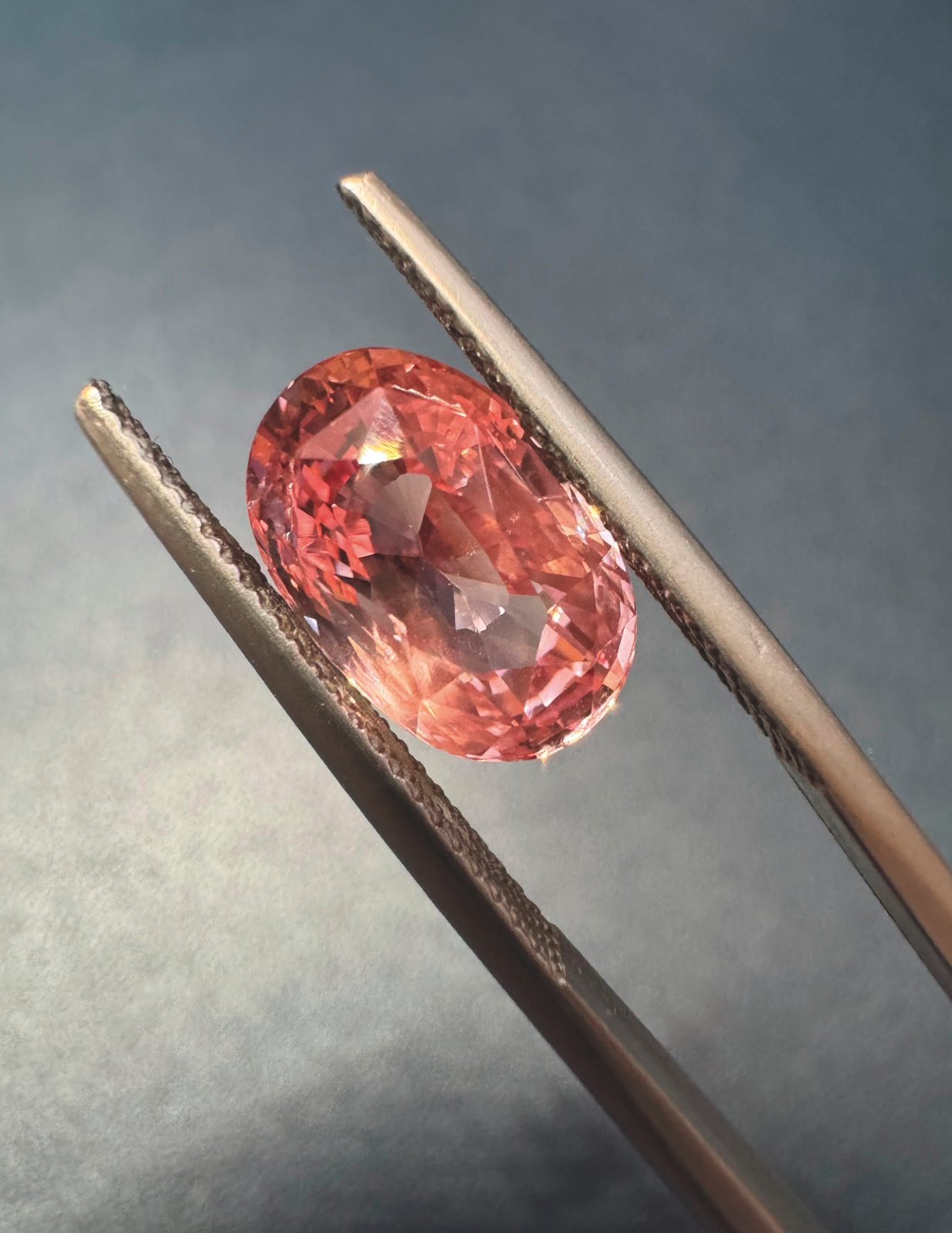
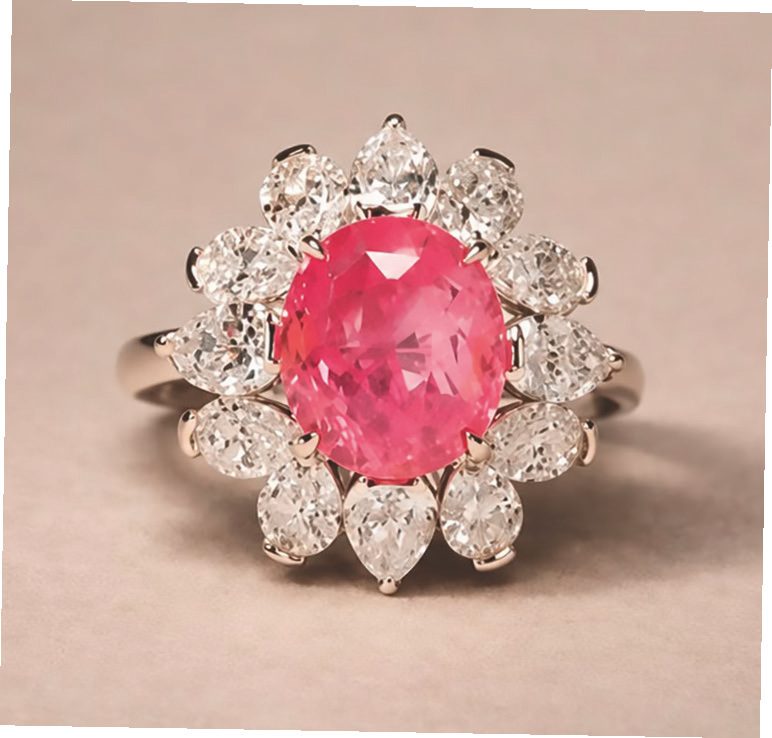
Opposite page: A 7-ct padparadscha sapphire of Sri Lankan origin, unheated, accompanied by a report from the American Gemological Laboratories (AGL). The oval holds pink and orange in the balance the name requires.

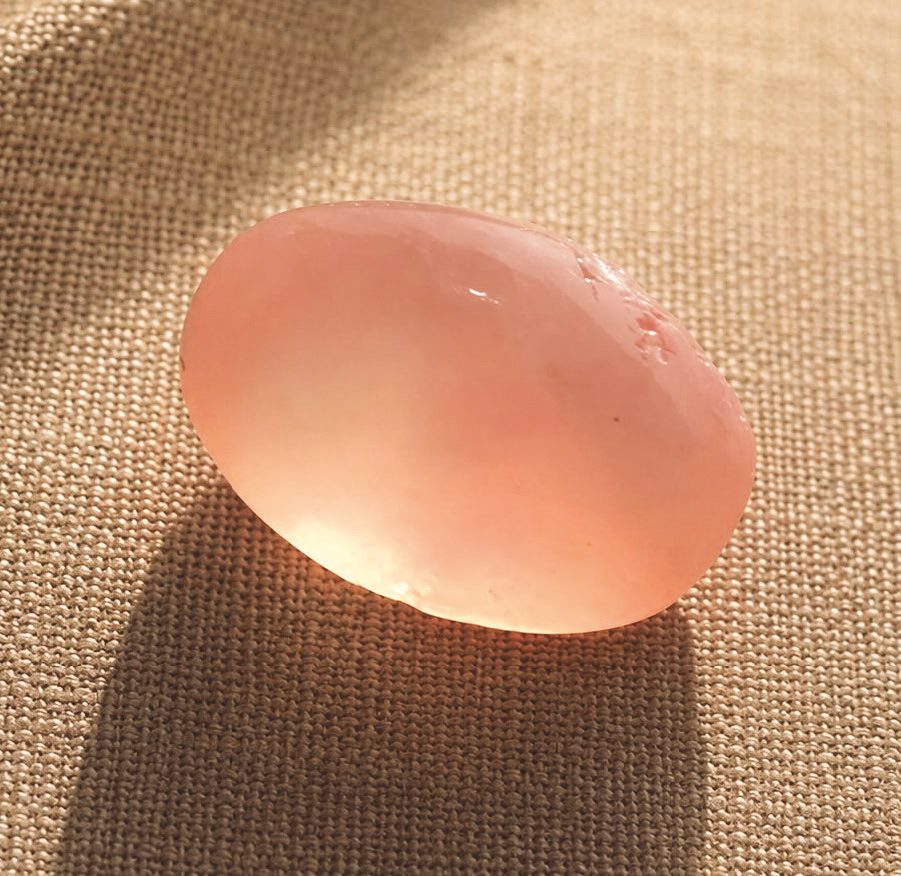
Among collectors, the Ceylon padparadscha still carries a particular romance—one earned over centuries rather than manufactured by the market.
The Anatomy of a Color
A padparadscha is corundum, the same mineral family as ruby and every other sapphire. What sets it apart is entirely a matter of color, and color in a gemstone is really three things working together: hue, tone, and saturation.
The hue must be a delicate mixture of pink and orange, with both present and neither dominating. Most authorities accept a range here rather than a single fixed point, but that essential duality is not negotiable—a stone that has lost either its pink or its orange has stopped being a padparadscha, whatever else it may be.
Tone, meaning how light or dark the stone appears, generally sits from light to medium; this is not a deep or brooding gem, and much of its beauty lives in that lightness. Saturation is the subtler variable. The classic padparadscha is soft rather than vivid, though exceptional stones can carry more color than one expects while still holding the delicate balance intact. What disqualifies a stone is not strength of color as such, but the loss of that pink-orange equilibrium into something more emphatic and less rare.
When all three align, the effect is unmistakable. The stone seems to glow from within rather than simply return light to the eye—a quality difficult to describe, impossible to imitate convincingly, and a large part of why the genuine article commands the rarity it does.
Why Even Experts Disagree
Here is the peculiarity that sets the padparadscha apart from most named gem colors. Few varieties provoke as much debate, and in this case the debate reaches all the way to the name itself: experienced gemologists can examine the same stone and reach different conclusions about whether it qualifies.
This is not a flaw in the trade. It reflects how narrow the definition genuinely is. Color exists on a continuum, and the boundary of “pink-orange” is a matter of trained judgment rather than fixed measurement. It matters, too, that the major laboratories do not work from a single shared rulebook—each publishes its own descriptive criteria, developed over years, and a stone that earns the padparadscha designation from one may sit just outside another’s. Add the ordinary variables of viewing—lighting, the cut of the stone gathering or scattering its color, even the reference image a viewer carries in memory—and it becomes clear why two honest opinions can diverge.
All of which is why, for any significant padparadscha, the laboratory report matters a great deal, and the name of the laboratory on it matters, too. A padparadscha designation from a respected lab is not a marketing label applied for effect. It is a considered opinion from people who assess these stones for a living, and it carries weight precisely because the judgment is so hard to make.
Sources Old and New
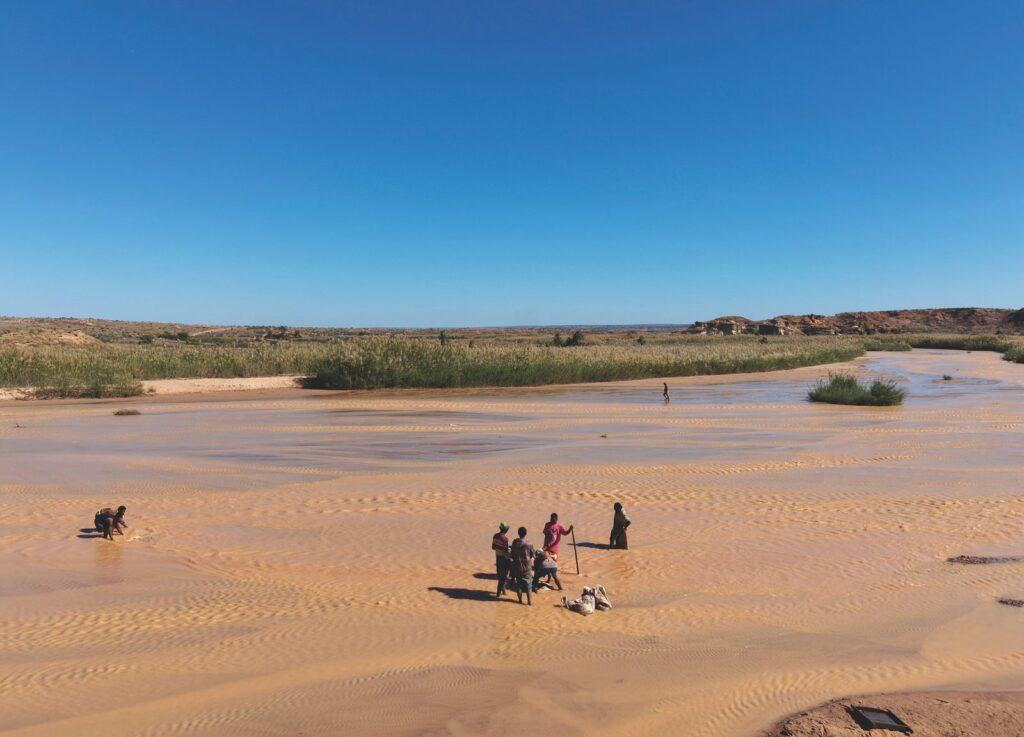
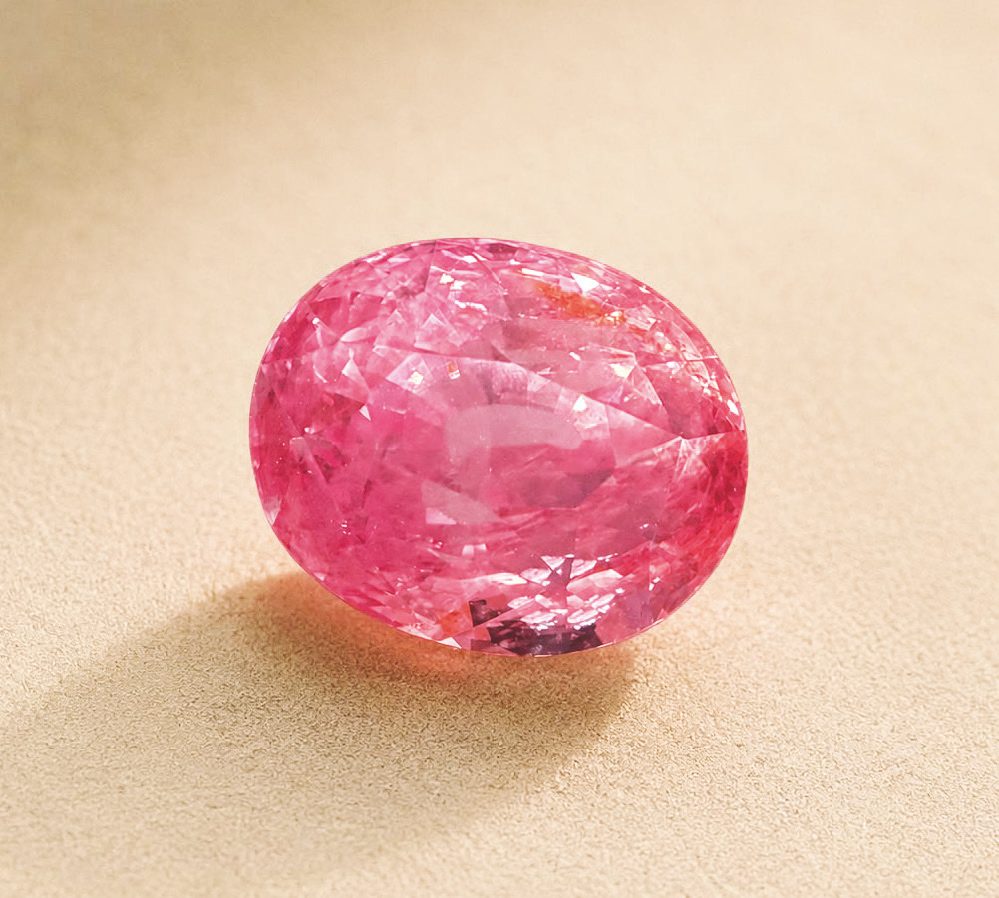
Sri Lanka remains the historic heart of the padparadscha, and many collectors still instinctively associate the name with Ceylon material. But the island is no longer the only source. Madagascar came to prominence during the late 1990s, and its deposits have since yielded pink-orange corundum of real merit. Parts of East Africa contribute stones as well. Good padparadschas are emerging from these newer sources, and a documented origin from a respected laboratory adds to any stone’s standing.
Origin matters here for more than provenance alone. It can shape a stone’s character—the particular way its pink and orange combine, the softness of its glow—and it bears on value in a market that has long held Ceylon material in special regard. As with so much in colored stones, the report tells you where a padparadscha stands in the formal sense, and the stone itself tells you the rest.
The Question of Treatment
Treatment is the other consideration that shapes rarity, and in a gem defined so completely by a delicate natural color, it is anything but a technicality. As with sapphires more broadly, padparadschas may be heated to improve color, and heating is widely accepted within the trade when it is disclosed. Other treatments exist that the trade regards less favorably, which is what makes disclosure and proper documentation essential rather than optional.
An unheated padparadscha carrying a clean laboratory report sits at the very top of the category—a stone whose color is entirely the work of Nature, verified by people qualified to say so.
I would put the principle plainly. When a stone’s whole identity rests on a soft, naturally occurring color, how that color came to be is not a footnote to the purchase; it is much of the purchase. It is worth understanding fully, and well before any serious decision is made.

What the Eye Knows
For all the weight the paperwork carries, there is a moment before the report that tells me something the paper cannot—the moment a stone is first seen in good, neutral light.
A genuine padparadscha has a kind of repose. The pink and the orange are not competing for attention so much as resting together, and the light moves through the stone without harshness or hurry. When that quality is there, one understands at once why the lotus gave the stone its name. When it is missing— when the balance tips, or the color feels forced, or the glow simply is not present—no certificate supplies what the eye has already found wanting.
That kind of recognition is what years in this work are for. It is also why the padparadscha rewards experience and patient observation as much as documentation, and why it has never been a stone to grasp quickly. Of all the sapphires, it is perhaps the one that most repays the slower look.
About the Author
Rahul Jain is the Director of Caram, a family-run house of fine gemstones and jewelry founded in Germany in 1975 and built on over 250 years of gemstone heritage. Based in both Germany and Hong Kong, Rahul represents the seventh generation of his family in the gemstone trade. His work focuses on connoisseurship, ethical sourcing, and the study of fine colored gemstones. All images are courtesy of the author.