The immensely popular television series in the United States, entitled The Gilded Age, created a renewed interest in this historical period. Among the most talked-about aspects of the show were the beautiful jewels and fashion worn by the major players. This article offers an overview of not only the spectacular jewels of this era but also the cultural and economic factors that influenced design and lifestyle.
Beginning after the end of the Franco-Prussian War in 1871, La Belle Époque, or Beautiful Era in French, continued until the outbreak of World War I in 1914. This period was largely defined by technological innovation, scientific advancement, economic growth, and a flourishing of art, culture, and refinement.
It was not just a time of financial boom for the elite, but also a period where the arts—especially jewelry—thrived in unprecedented ways, leaving a legacy that continues to captivate collectors, historians, and enthusiasts today.
In terms of artistic design, the Belle Époque overlapped the later years of the Victorian era, while seeing the emergence of such widely popular artistic movements as Art Nouveau, Arts and Crafts, Edwardian, and even the roots of Art Deco.
The Rise of Opulence: A Society in Transition
The Belle Époque emerged from the aftermath of the Industrial Revolution, a time of massive economic expansion. Technological advancements in areas such as electricity, communication, and transportation revolutionized the way people lived, worked, and interacted.
The economy was booming, and this newfound prosperity, particularly among the bourgeoisie and the nouveau riche, fueled the demand for luxury goods. This era saw an eagerness to display wealth and sophistication through conspicuous consumption—elaborate parties, grand estates, and, of course, extravagant jewelry. Society was marked by clear social stratification, with the wealthy often commissioning jewelry that symbolized their status and taste.
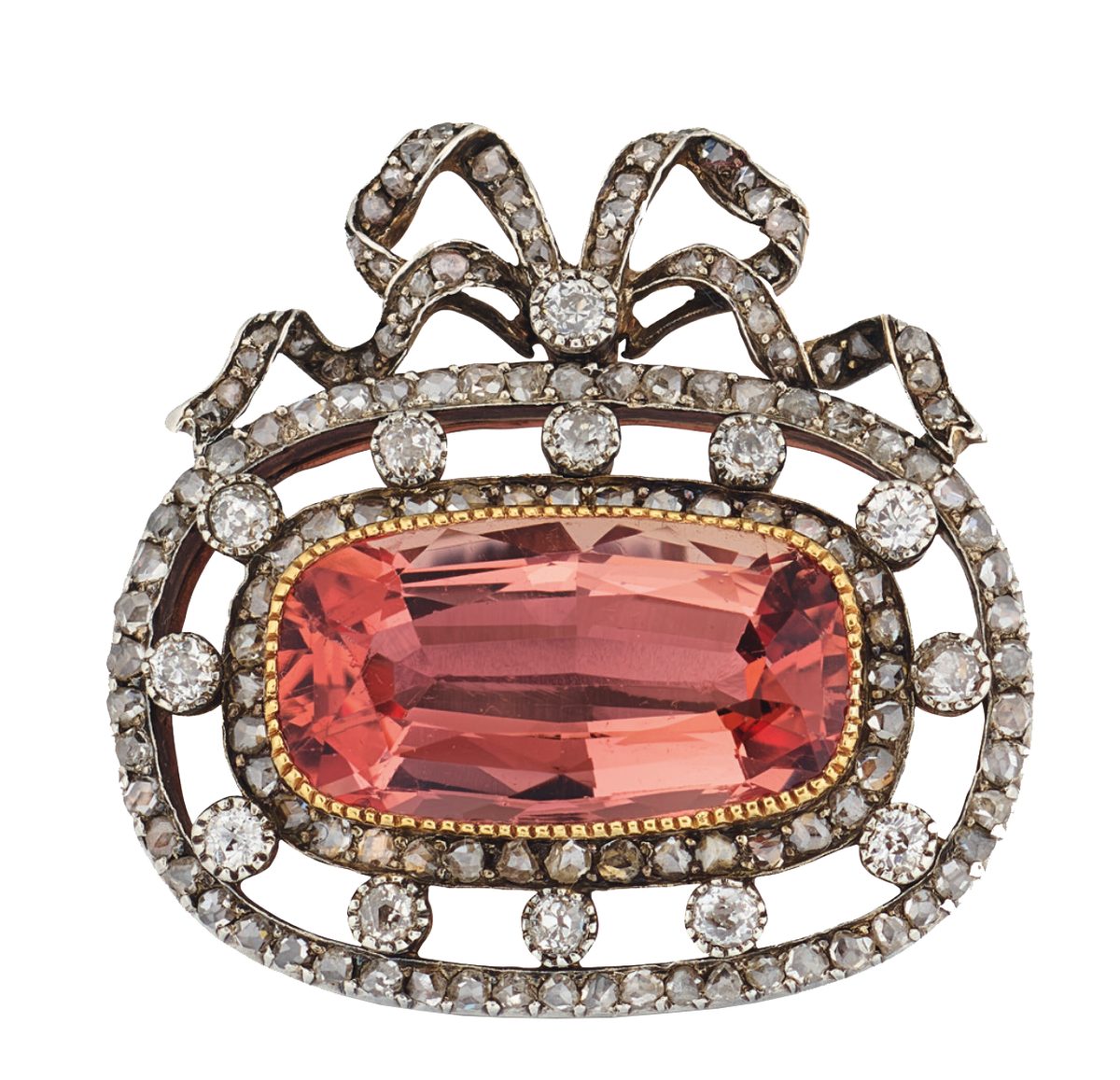
Paris, already known as the cultural hub of Europe, was at the center of the Belle Époque movement, attracting the best artists, designers, and jewelers of the time. The French capital became the beating heart of the period, hosting world’s fairs and expositions that displayed the era’s finest achievements.
Full of optimism, this new era celebrated progress in both artistic and technological fields. The demand for opulent jewelry was at an all-time high, and jewelers—no longer just skilled craftspeople—became celebrated artists in their own right, creating pieces that rivaled the works of painters and sculptors. Jewelry became more than a status symbol; it was a medium for artistic expression.

Art Nouveau and the Natural World
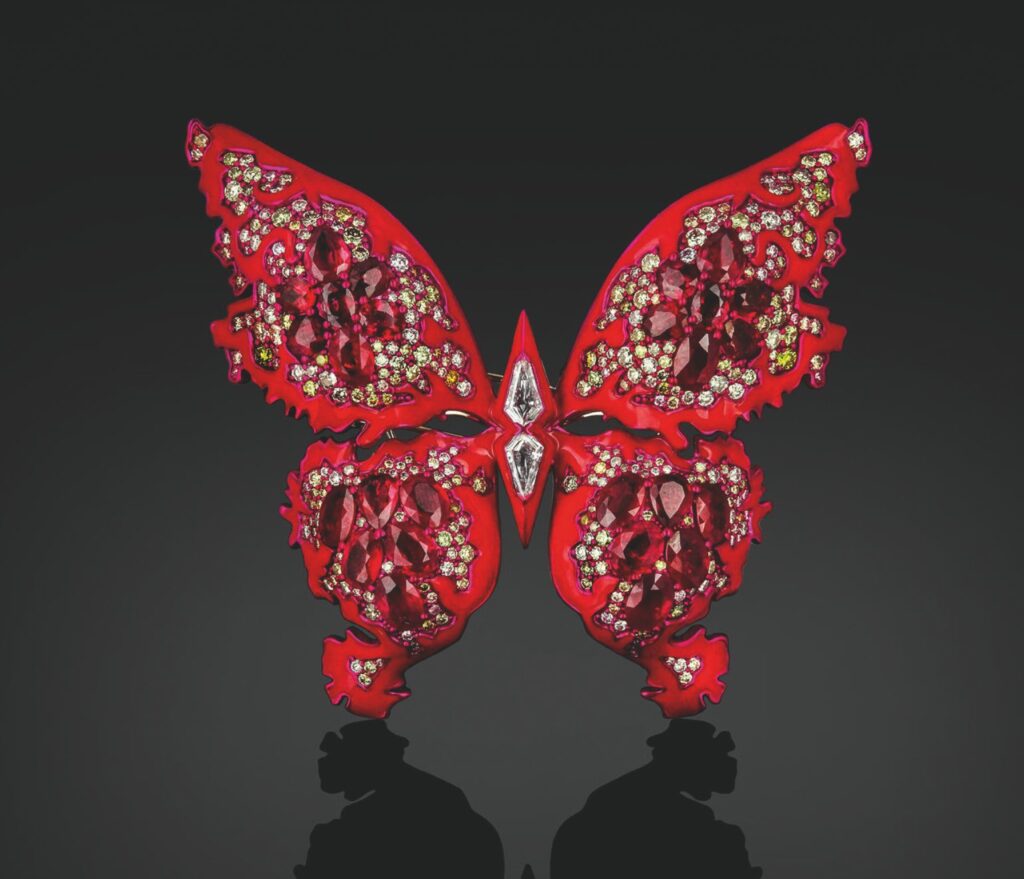
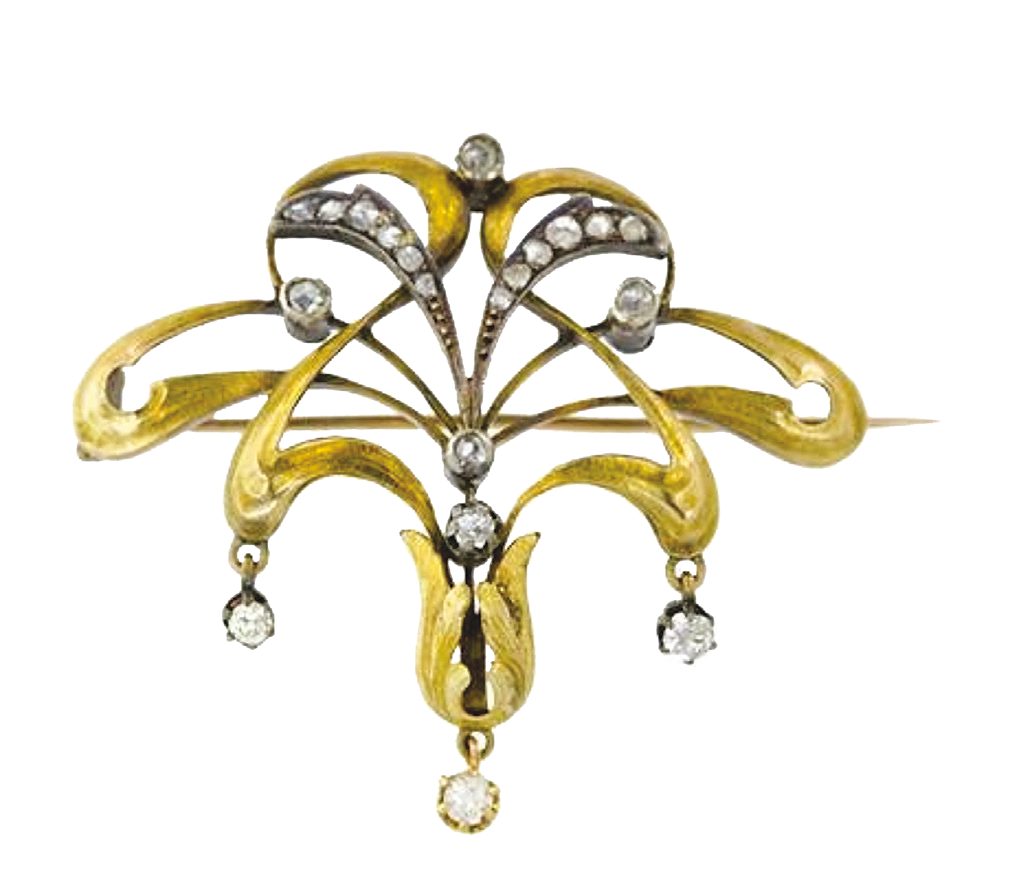
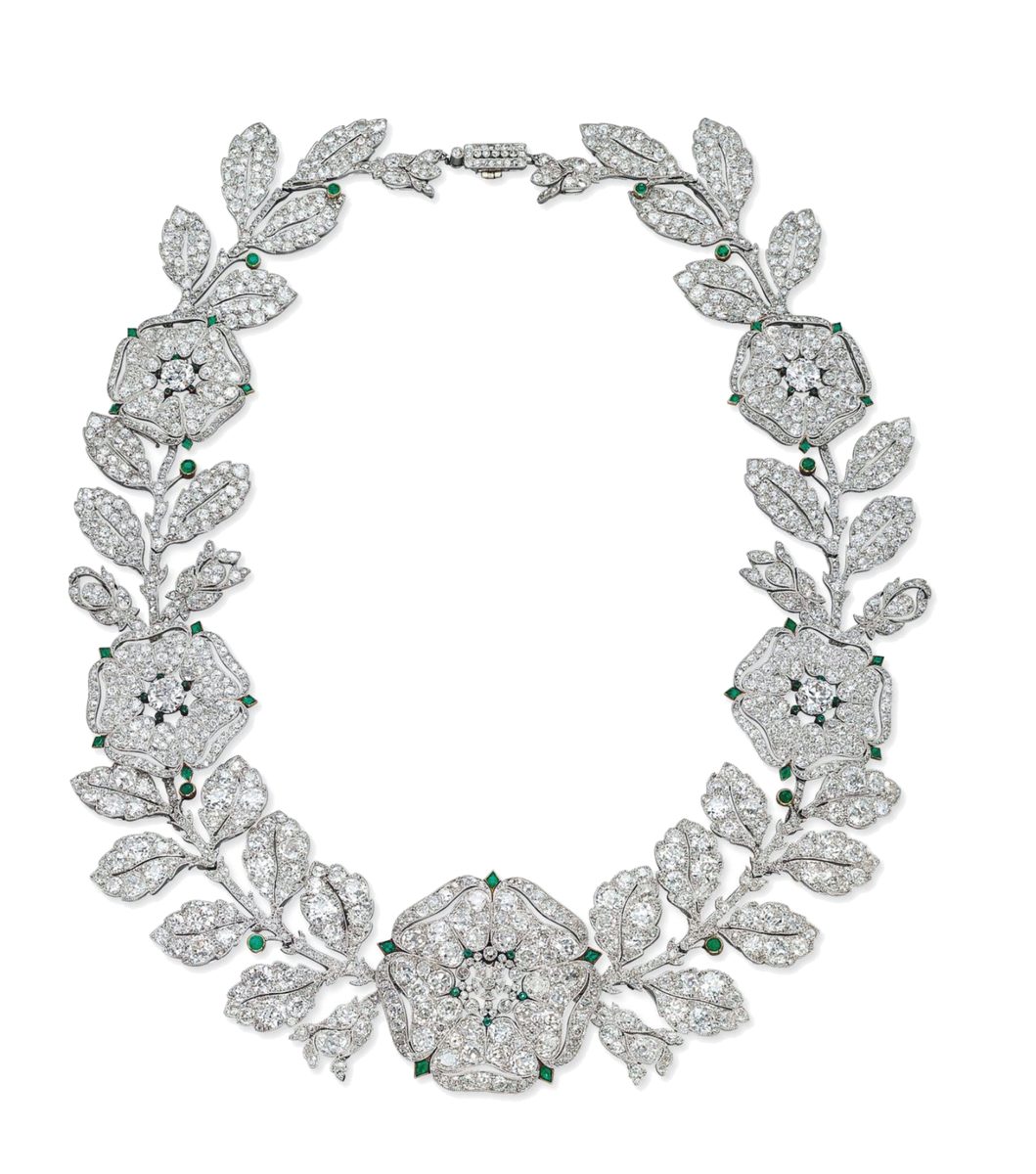
Art Nouveau was one of the most influential artistic movements of the Belle Époque period. It flourished from the 1890s to around 1910 and was characterized by flowing, organic shapes inspired by Nature. This style is most commonly associated with jewelry for its unique incorporation of natural motifs—flowers, leaves, butterflies, peacock feathers, and dragonflies, as well as the feminine form. Jewelry often combined elements like enamel and glass with precious stones to evoke a soft, iridescent effect that mimicked the forms of nature. The use of its characteristic whiplash lines and natural forms in jewelry was groundbreaking, and jewelers sought to integrate the natural world into their designs with unprecedented originality.
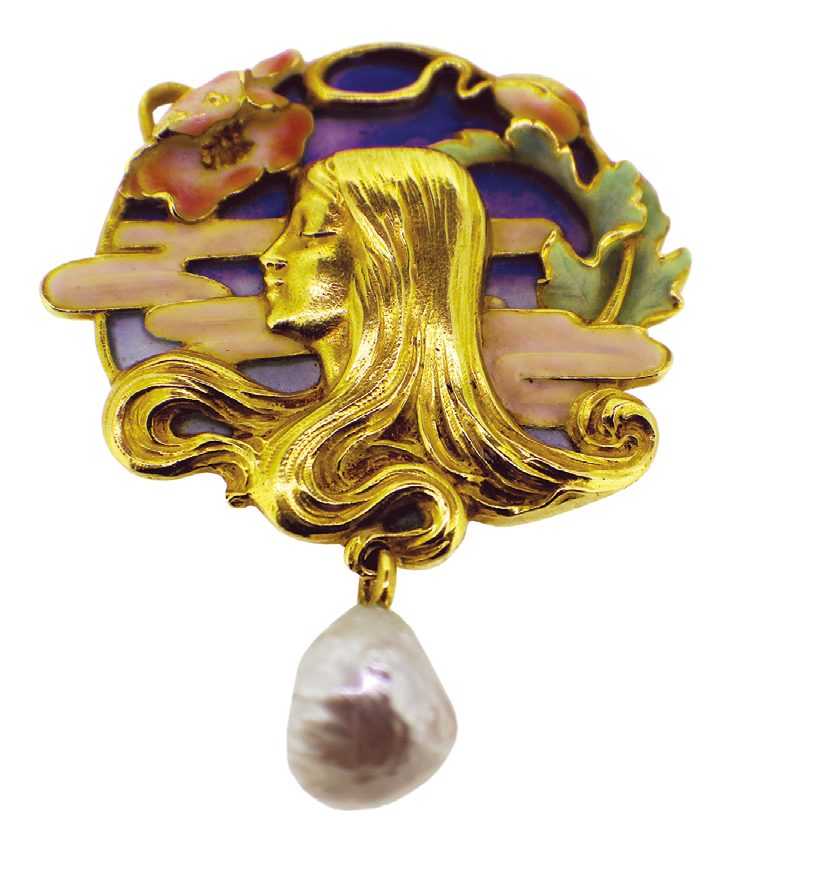
René Lalique, one of the most iconic names in Art Nouveau jewelry, revolutionized the industry with his innovative use of glass and enamel. Famous for their fusion of beauty and Nature, his designs often depicted themes of femininity, flowers, and wildlife. Lalique’s creations evoked the essence of Art Nouveau’s ideal, in other words, the seamless integration of art and Nature. His influence on Belle Époque jewelry cannot be overstated.
The Arts and Crafts Movement: A Rejection of Industrialization
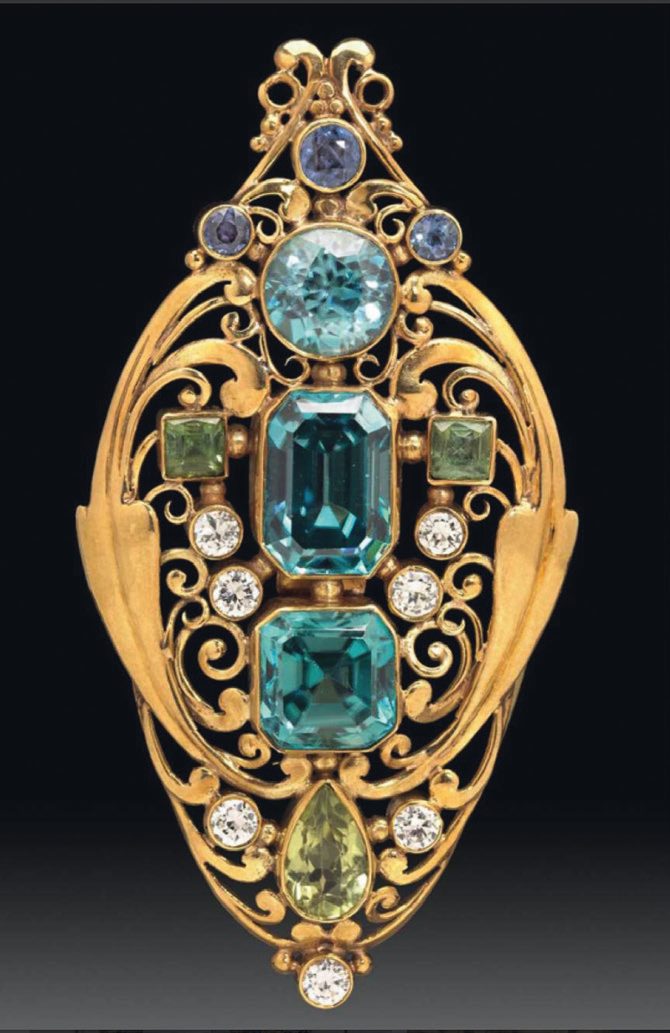
Emerging in the 1880s and lasting to around 1920, the Arts and Crafts movement was a direct reaction to the mass production of industrial society. This movement sought to revive the artistry of earlier times and emphasized handcraftsmanship and natural, unrefined materials, such as non-precious metals, semi-precious gemstones, with design inspirations drawn from Nature and the Japanism movement, as well as motifs from Gothic and Renaissance Revival, Art Nouveau, and the Edwardian era. Although it was initially popular, it was a movement at odds with the growing indulgence of the period.
While the Arts and Crafts movement struggled to compete with the wealth-driven demand for luxury, its influence remains today. Pieces from this era are highly sought after by collectors due to their rarity and the authenticity of their handmade craftsmanship. These designs stand in stark contrast to the grandiosity and opulence of Belle Époque’s other jewelry styles.
Art Deco: A Harbinger of the Roaring Twenties
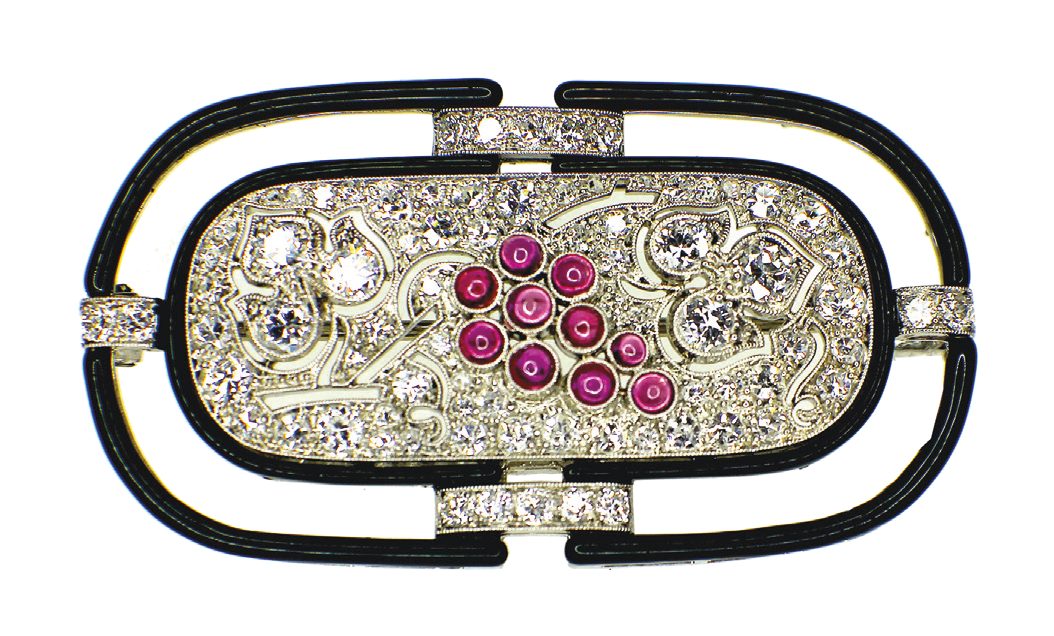
Although it did not fully emerge until after the end of the Belle Époque, the beginnings of the Art Deco movement can be traced to the tail end of the period. Art Deco was marked by sleek geometric designs and a focus on modern materials such as platinum and diamonds. The movement also embraced abstract forms and a departure from the organic, Nature-inspired motifs of the earlier era.
While the Art Deco style fully blossomed in the 1920s and 1930s, its roots can be seen in the changing tastes of the Belle Époque period. As the world prepared for the modernist era, jewelers were beginning to explore more streamlined, angular shapes, setting the stage for the sleek, sophisticated aesthetic of Art Deco.
Technological Advances in Craftsmanship
The Belle Époque was a time of extraordinary technological innovation that reshaped the world of jewelry. One of the most significant developments was the widespread use of platinum. This metal had the unique combination of durability and malleability, allowing jewelers to create intricate, delicate designs that were previously impossible. It became the metal of choice for many of the period’s most celebrated jewelers. With platinum’s ability to securely hold gemstones and diamonds, while allowing for minimal metal to be visible, the stone’s brilliance was allowed to shine through, creating an ethereal effect that was highly sought after during this time.
Another groundbreaking technique was the perfection of the pavé setting, a method of setting gemstones closely together to create a seamless surface. This technique allowed jewelers to explore new levels of precision and artistry, creating intricate patterns of diamonds and colored gemstones. Other advancements included the use of fine engraving, enameling, and delicate metalwork that allowed for richer textures and more vibrant designs.
Belle Époque Iconic Jewelry Styles and Motifs
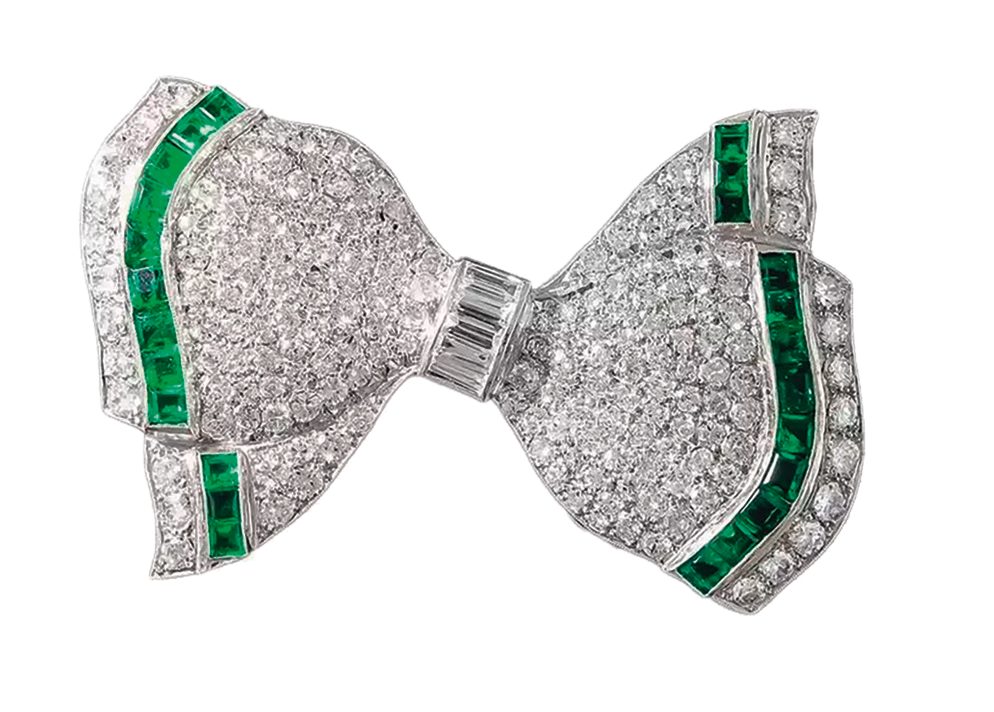
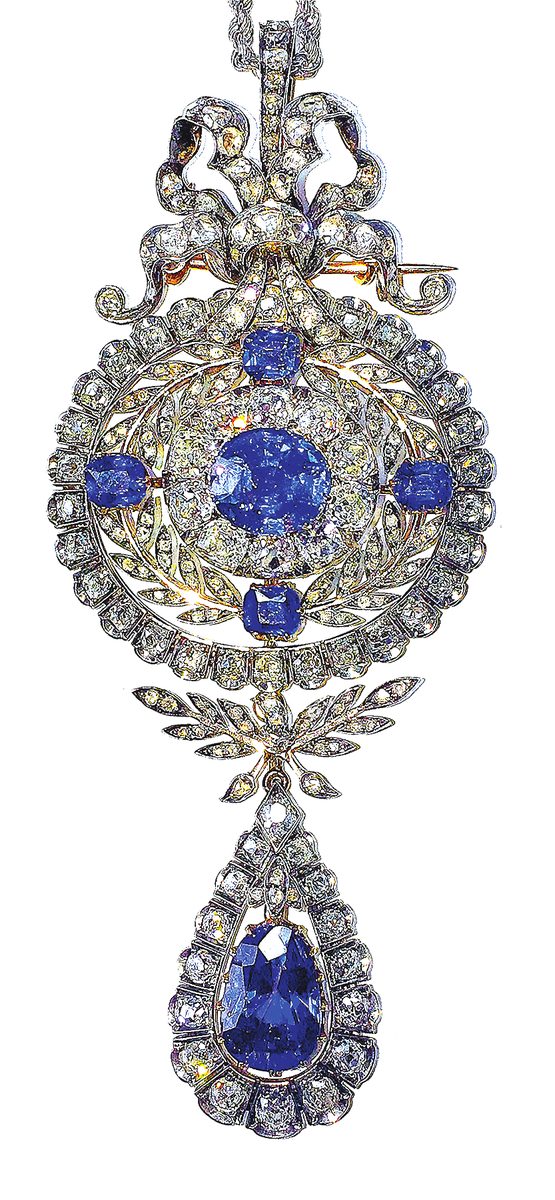
Belle Époque jewelry designs epitomized opulence, emphasizing platinum pieces adorned with large diamonds or lustrous white pearls. Among the popular motifs was résille (hairnet in French), a delicate fishnet-like design that featured intricate metalwork. The technique of millegrain was also prominent, featuring fine borders of tiny metal beads or dots surrounding gemstones, adding intricate detailing.
These designs were often inspired by Nature, with motifs that evoked leaves, garlands, flowers, feathers, shamrocks, and wheat, as well as bows, wreaths, lace, ribbons, stars, crescent moons, wings, horseshoes, and various sporting themes. With varying degrees of ornateness, they emphasized luxury and social status.
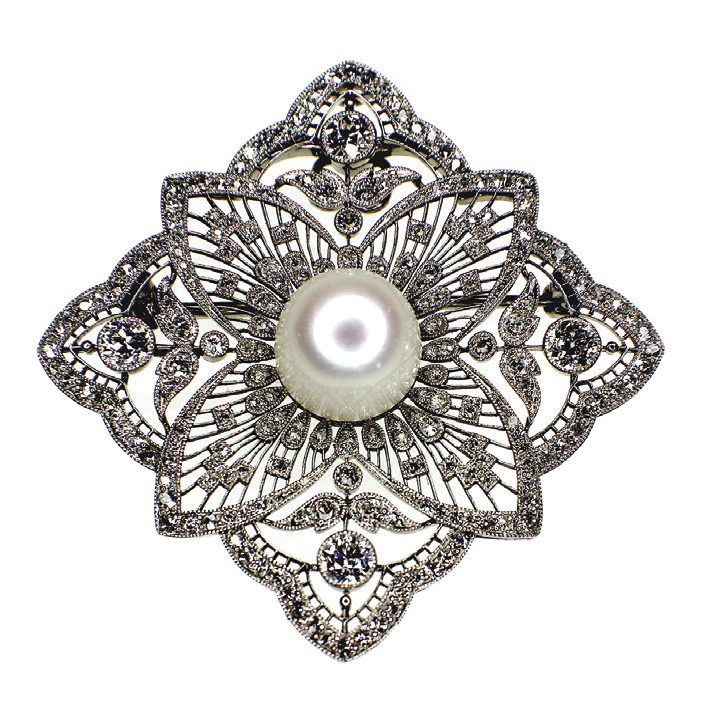
Throughout the Belle Époque, natural pearls maintained their allure, even as the first cultured pearls were being harvested in Japan, a development that wouldn’t become accessible to the public until 1921.
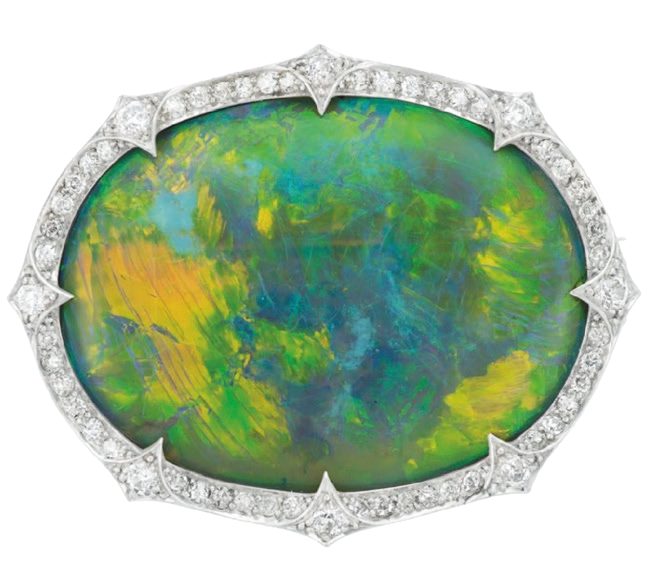
This era also saw the use of a diverse array of colored gemstones, including amber, amethyst, moonstone, chrysoberyl, malachite, tourmaline, demantoid garnet, and peridot. The gem-cutting styles of the era included cabochon that was particularly used in Arts and Crafts jewelry, as well as various cuts of diamond such as rose cut, old-mine cut, and old-European cut.

Dog collars (colliers de chien): These elaborate layered chokers were particularly fashionable during the Edwardian period. Their neck-hugging design evolved from the simple velvet bands of the Victorian era into more ornate styles with layers of pearls and intricate motifs. Queen Alexandra, wife of King Edward VII, famously wore a multi-strand pearl choker to conceal a scar on her throat, helping to popularize the trend.
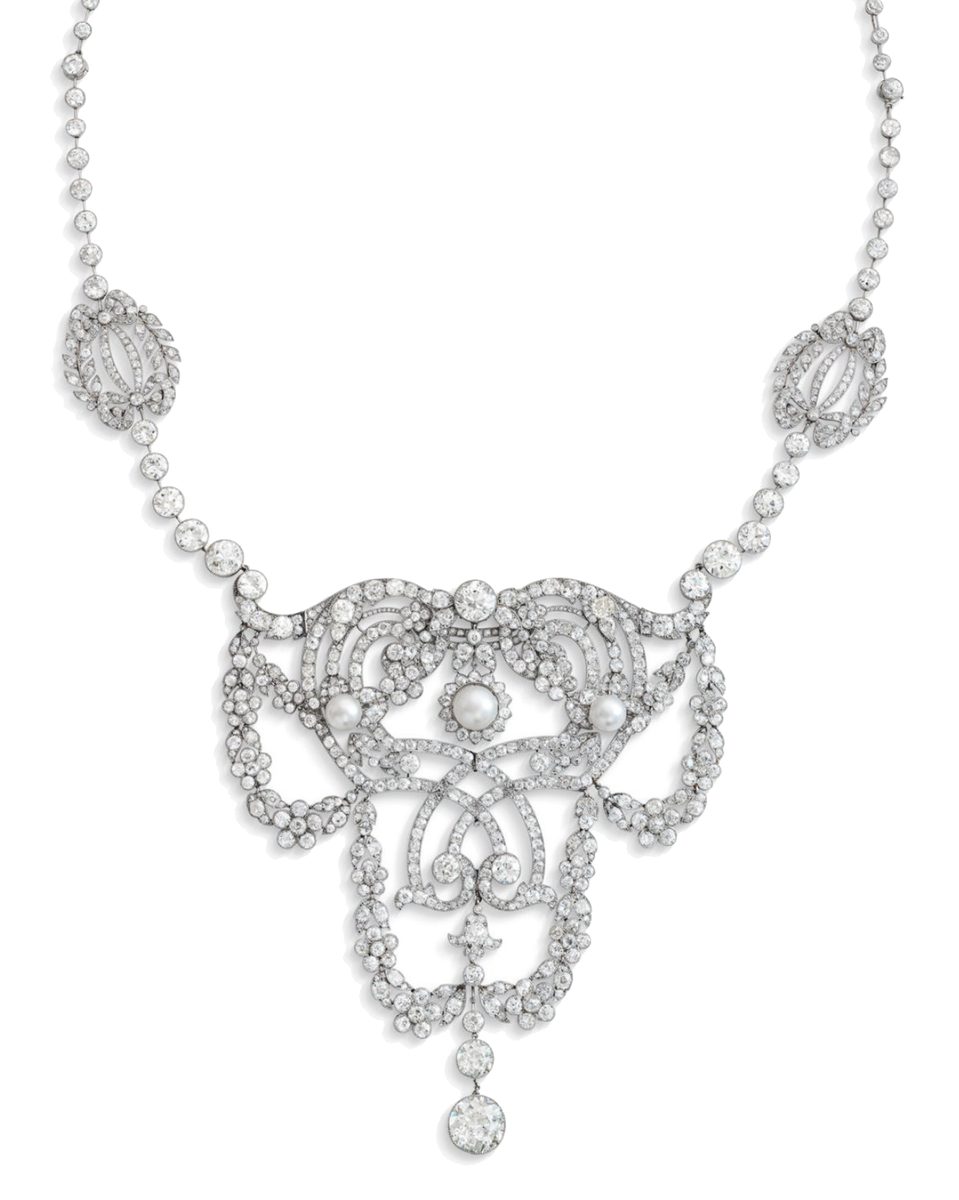
Festoon necklaces: Characterized by multiple draped layers, these designs often continued the adornment from chokers and extended down to the chest. Decorated with an array of precious and semi-precious gemstones, these pieces resembled garlands or wreaths.
Lavalières: Initially popularized in the 17th century by the Duchess of La Vallière, lavalières captivated the French court and remained a significant influence of future jewelry design. Revived during the Belle Époque, these pendant-style necklaces featured a chandelier design and were a favored accessory.

Refined Rings: Rings were a quintessential part of the Belle Époque jewelry wardrobe, especially in platinum and diamonds, although pearls, rubies, and sapphires were also prominent. Another feature was intricate millegrain finishing. Designs ranged from understated elegance to breathtaking opulence, incorporating motifs such as scroll-engraved galleries.
Sautoirs: Long necklaces usually composed of twisted or woven strands of pearls, sautoirs often ended in a tassel or decorative charm. Their design complemented the columnar shape of early 20th-century dresses and helped elongate the feminine silhouette.
Screw-Back Earrings: Invented in 1894, screw-back earrings revolutionized the jewelry world, eliminating the need for pierced ears. Delicate studs of pearls or diamonds were swapped for light, artfully-designed pendant earrings, thanks to the newly-developed techniques that made them feel weightless.
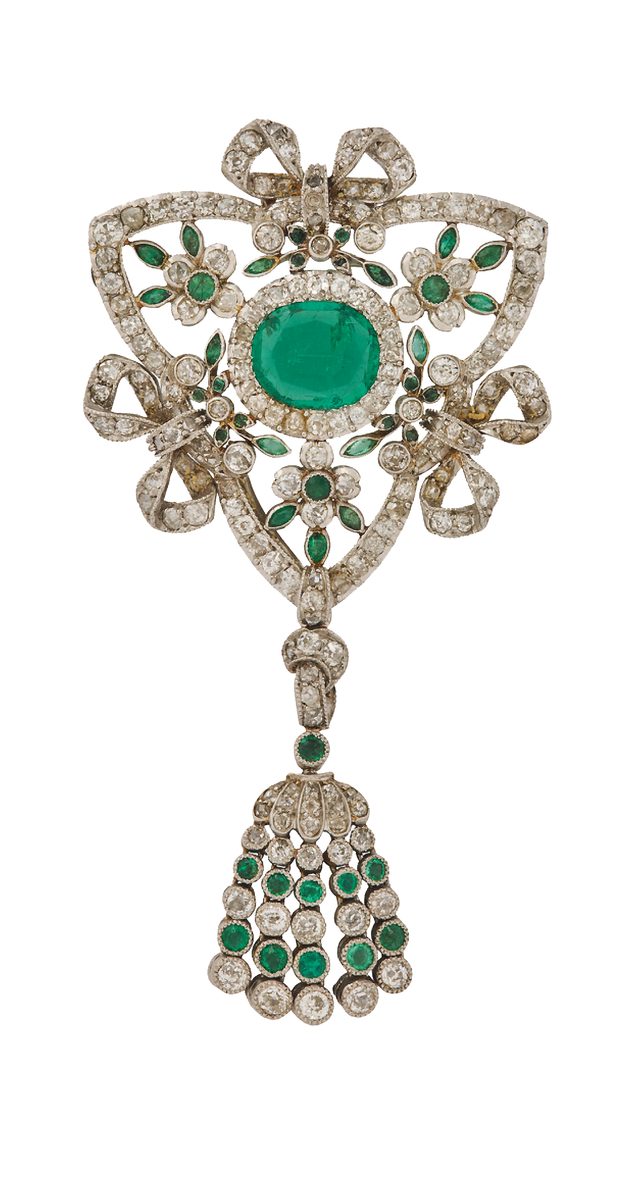
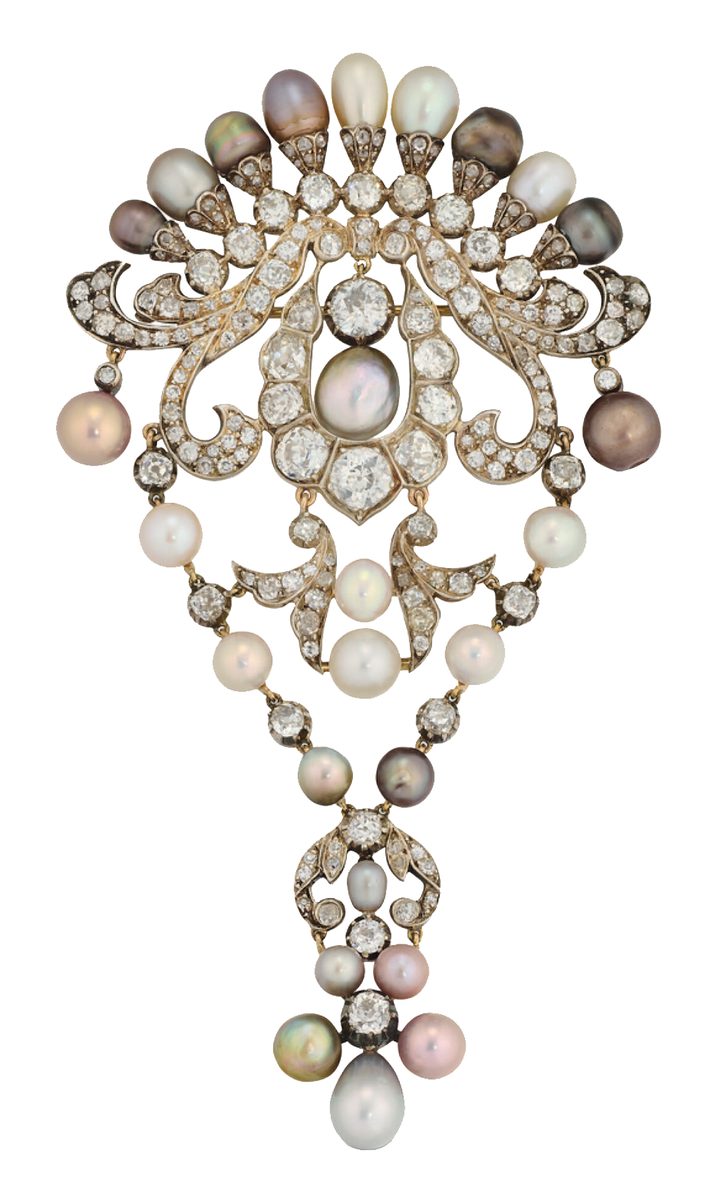
Stomachers (devants de corsage): These dramatic eye-catching pieces were worn at the center of a dress’s bodice. Made from gold, platinum, or silver and set with diamonds and pearls, stomachers became essential parts of formal court attire and ball gowns. They were often included in a parure (a complete jewelry set) and symbolized social standing. Because of their weight, they were typically worn only with corsets, adding another layer of opulence to the Belle Époque aesthetic.
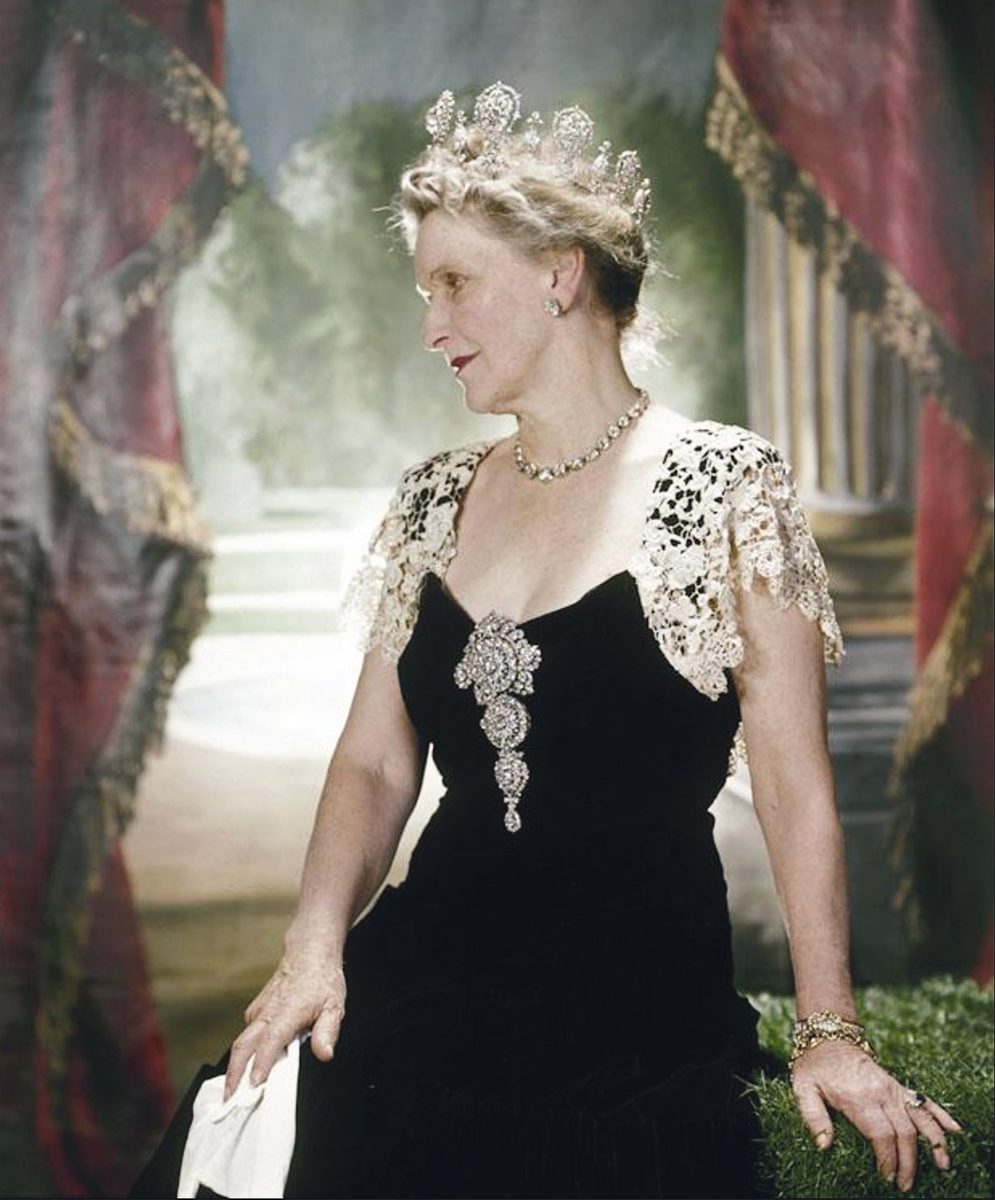
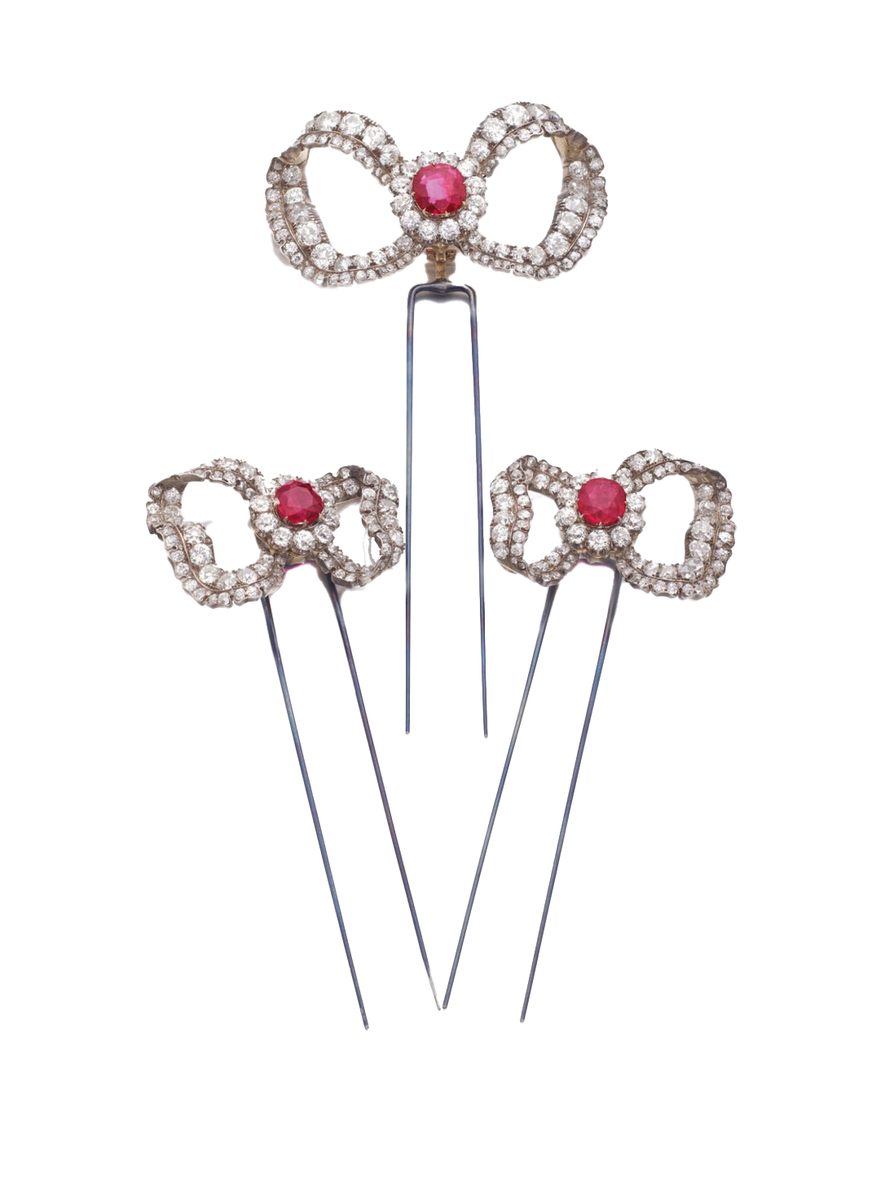
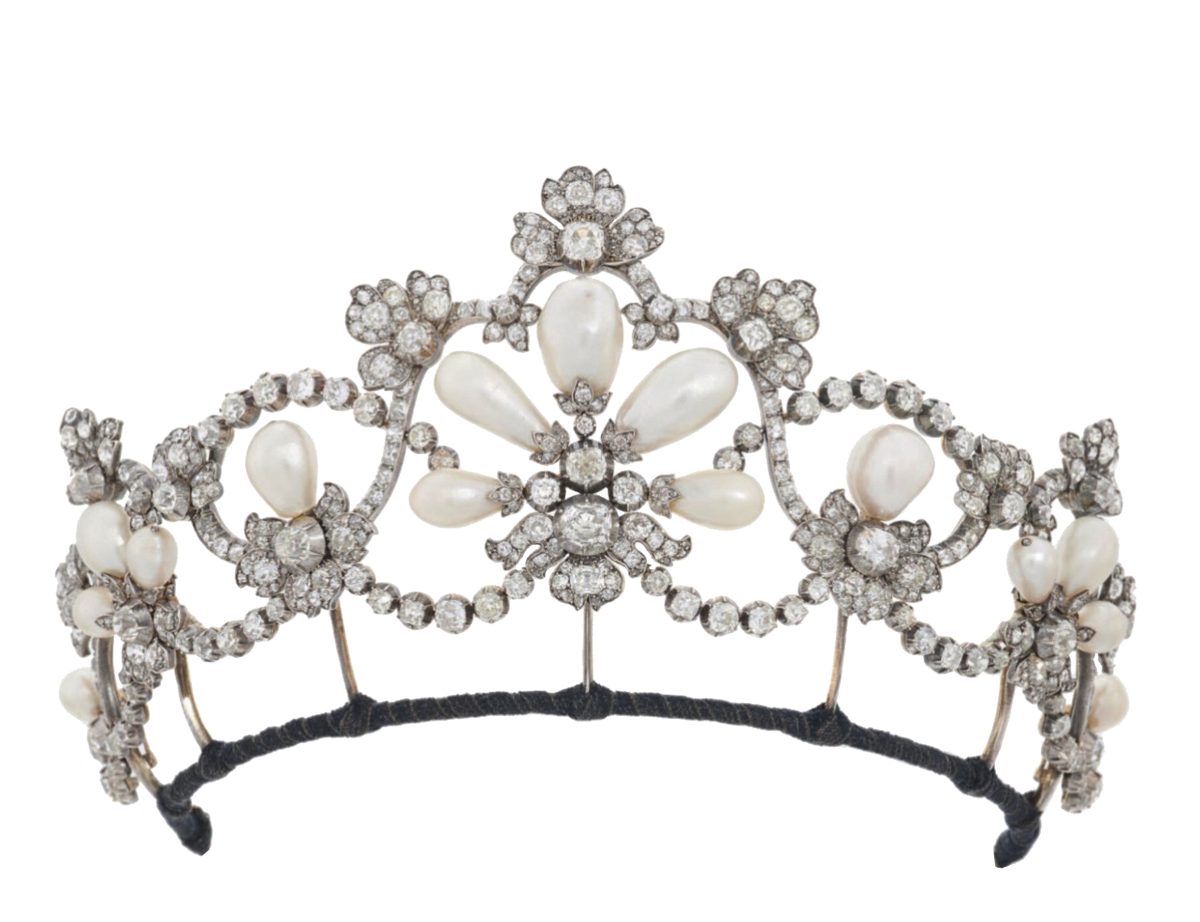
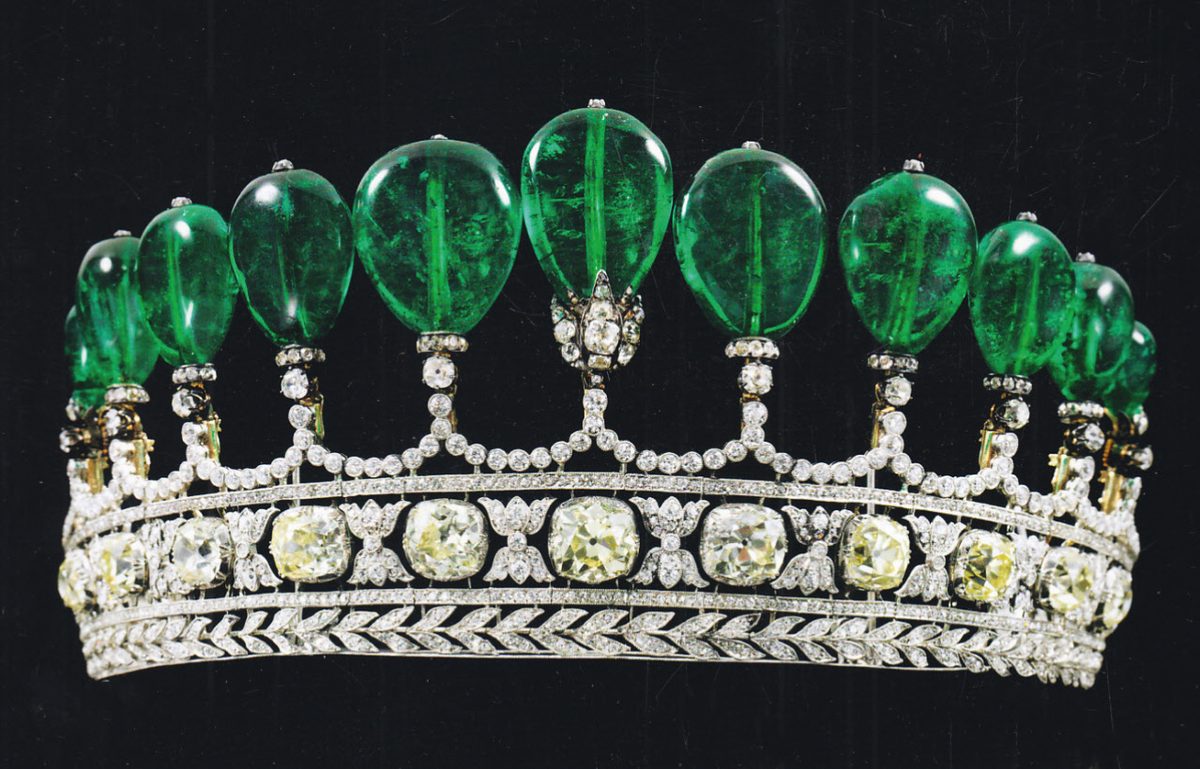
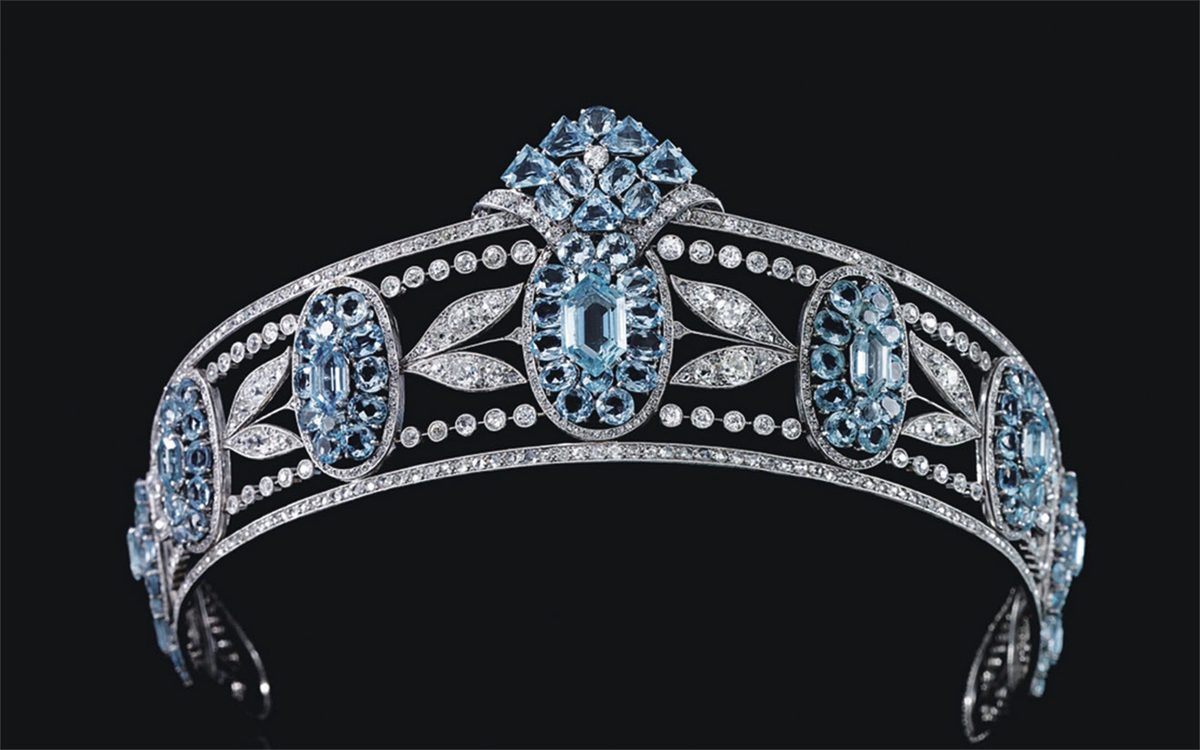
Tiaras and Hair Ornaments: Tiaras were an essential accessory for special occasions, such as balls and grand events, with their size often reflecting the wearer’s age and social status. With their rise to fame during this period, jewelry houses such as Cartier and Van Cleef & Arpels crafted tiaras not only for royalty but also for the social elite and the nouveau riche eager to make a statement. Hair ornaments were often worn with tiaras or to complete a look, creating a layered look characteristic of the period. Women wore their hair long but styled it in updos for public appearances, decorating it with jewels, pins, and feathers.
Famous Jewelers and Their Clients
Some of the most renowned jewelers of the Belle Époque period include names that are still legendary today, such as Cartier, Boucheron, Chaumet, Fabergé, Koch, Garrard, Tiffany & Co., and Van Cleef & Arpels. These houses became known for their exceptional craftsmanship and their ability to create luxurious, innovative designs that appealed to the aristocracy and the wealthy elite. They created pieces that were treasured by royalty, celebrities, and influential figures of the time.
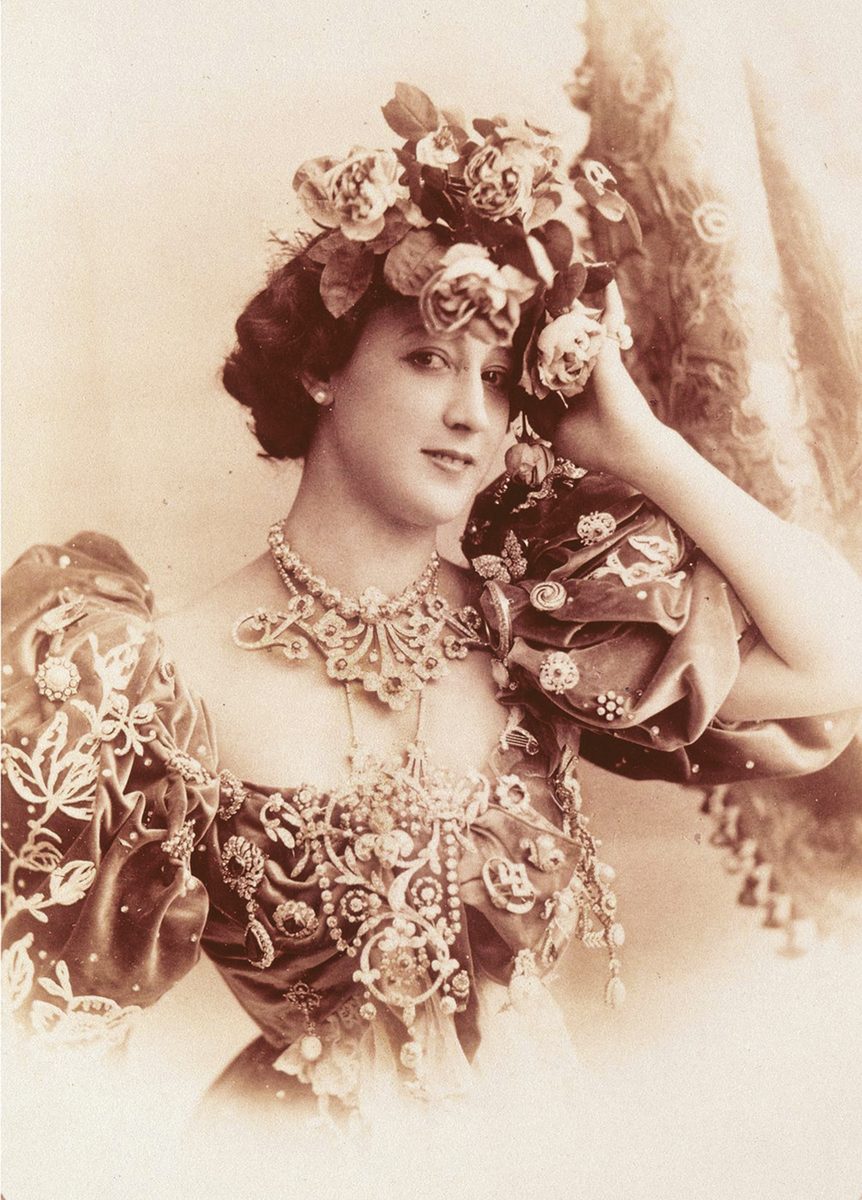
The courtesans of Paris, including such legendary figures as La Belle (Carolina) Otero, Liane de Pougy, La Paiva, and Valtesse de la Bigne, were among the most influential celebrities when it came to shaping fashion and jewelry trends during the Belle Époque. These women were often the recipients of extravagant gifts from powerful men, including royalty, and their adornment with diamonds, pearls, and other precious stones helped set the trends that defined the era.
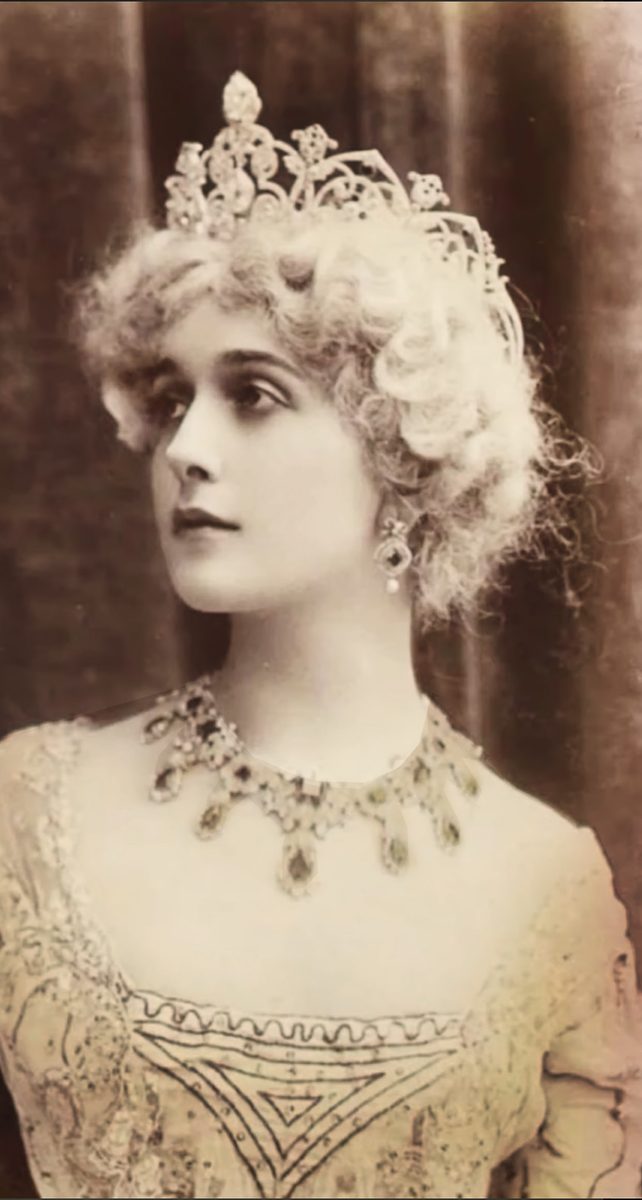
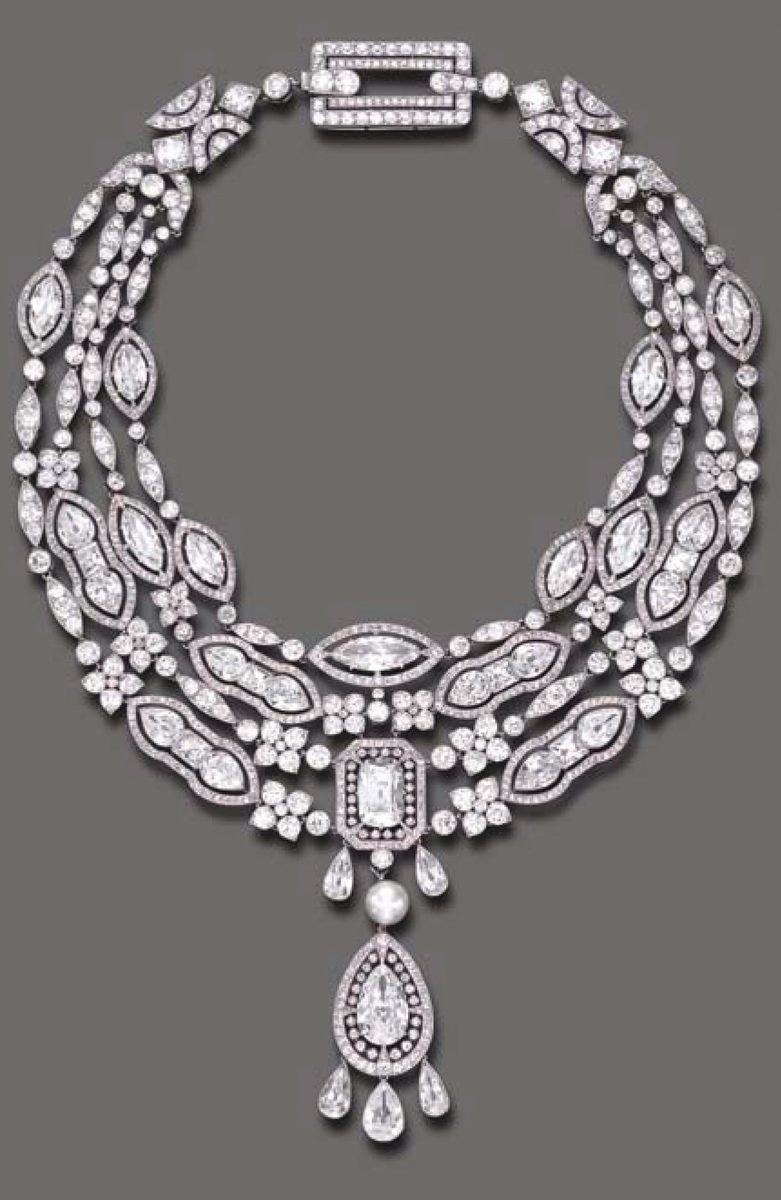
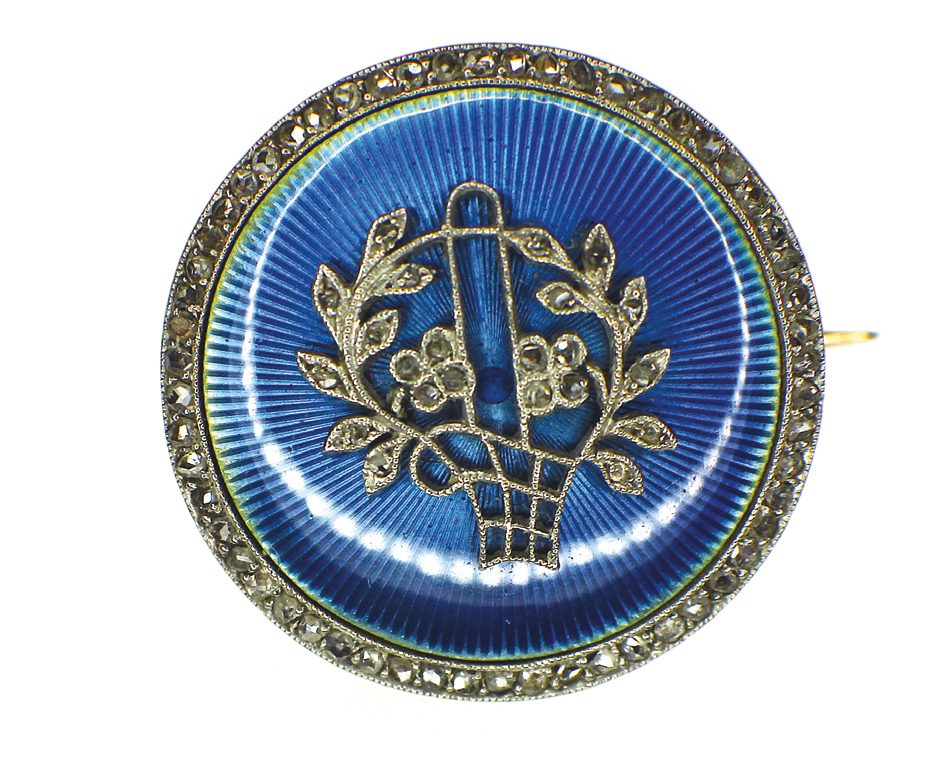
As the film industry flourished in the late 19th century, the title of ultimate trendsetter gradually shifted from European royalty and the bourgeoisie to Hollywood’s glamorous silver screen icons.
The End of the Belle Époque in the Shadow of World War I
The outbreak of World War I in 1914 marked the end of the Belle Époque era. The war brought about tremendous changes in society, economics, and culture, shifting the focus away from the glamour and opulence of the pre-war years. The demand for luxury goods, including jewelry, plummeted as the world plunged into a period of uncertainty.
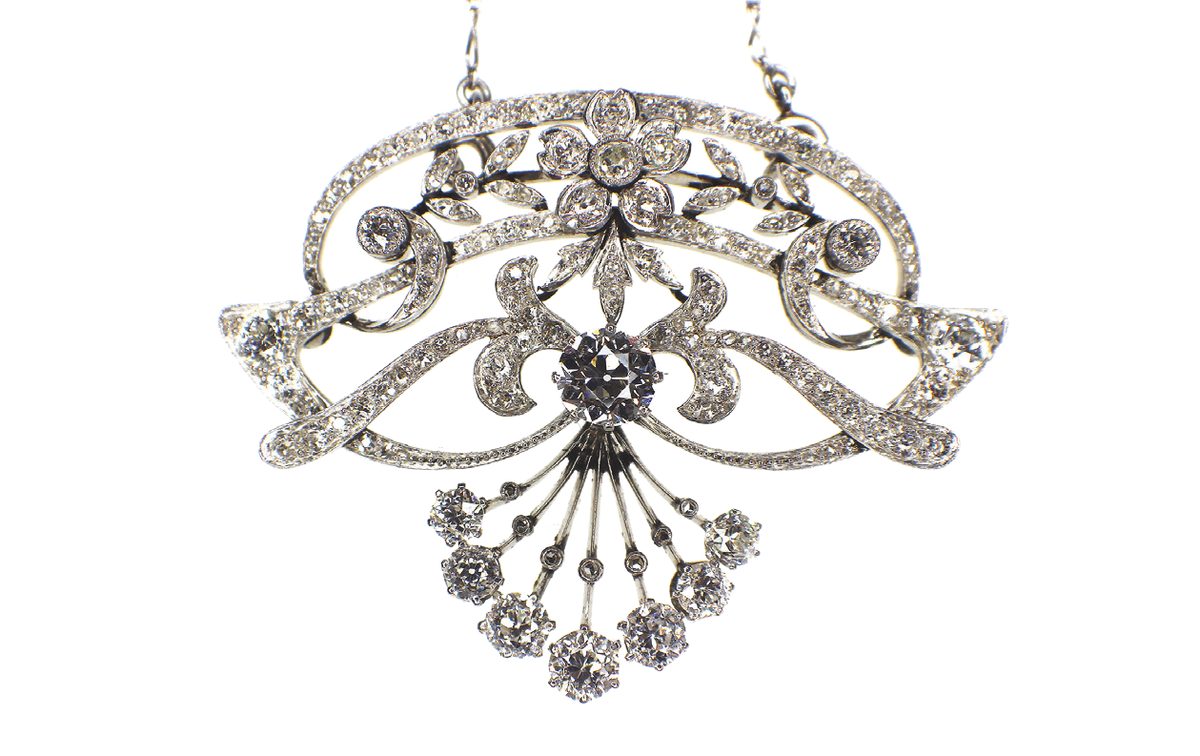
Despite the turbulent events that brought it to a close, the Belle Époque’s influence on design, fashion, and jewelry can still be seen today, both in historical collections and in contemporary works inspired by the grandeur of this golden age.
Yet, despite the tumult of the war, the legacy of the Belle Époque lived on, and its influence continues to be felt in the jewelry designs of the 21st century.
About the Author
A 30-year veteran of the gem and antique jewelry sector, Ioannis Alexandris attends the world’s important auctions and handles many of the precious jewels for sale. He is CEO of Gemolithos, which buys and sells antique jewelry and important gemstones. He is also the author of Antique Jewelry from 1800 to 1939 and can be reached at Ioannisalexandrisbook1@gmx.ch.