“Emerald mining is very hard!” is one of the most common remarks the author has heard while visiting emerald mines around the world. Ironically, the reason is that emeralds are not particularly hard compared to other minerals in their environment. Quartz, for instance, has a hardness of 7 on the Mohs scale, only slightly lower than emeralds at 7.5. However, in quartz-rich environments, emeralds tend to weather more quickly than harder minerals like rubies and sapphires (hardness 9) or diamonds (hardness 10). Because quartz is one of the most abundant minerals in the Earth’s crust, emeralds are unlikely to survive prolonged weathering and therefore rarely accumulate in secondary deposits. As a result, most emerald deposits are found in hard-rock formations, with only limited detrital or residual material present at the surface.
By Vincent Pardieu, VP Consulting WLL
The Challenges of Gemstone Mining
After the initial discovery of a gemstone deposit, mining is relatively straightforward. Miners first target surface-level detrital or residual deposits, which have formed over millions of years through natural weathering processes. This stage typically requires little more than washing gem-rich gravel, making it a simple, relatively low-cost endeavor that also doesn’t require much knowledge. It is similar to washing the waste rejected from large mines.
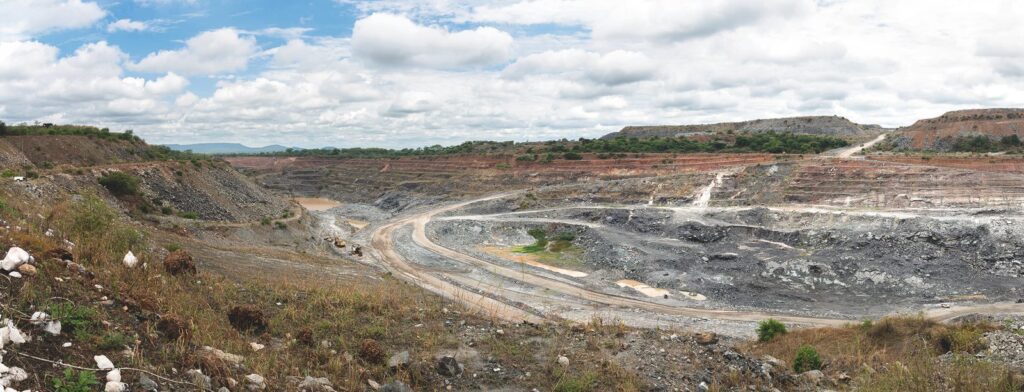
However, for gemstones like emeralds, which lack significant secondary deposits, mining must eventually transition to hard-rock extraction. Unlike surface mining, hard-rock mining presents a completely different set of challenges—it requires breaking solid rock, a process that is far more expensive and technically demanding. Success in this field depends not only on a miner’s ability to extract the gems efficiently but also on his understanding of the deposit’s geology. Identifying the right areas to mine is crucial, as not all sections of the rock will contain high-quality stones. This is true for both small-scale and large-scale operations.
Additionally, securing these valuable resources is an ongoing challenge. Theft—whether by workers or illegal miners—and jealousy—from competitors, neighbors, local authorities, or even family members—are constant concerns that miners must navigate to protect their finds and operations.

From Open Pit to Underground Mining
The early stages of hard-rock mining are usually open-pit type mining. Costs remain manageable since miners extract only a few cubic meters of ore with minimal waste. However, as mining operations deepen, costs escalate due to the increasing volume of waste that must be removed to access gem-bearing rock. At a certain point, shifting to underground mining becomes an economic necessity to reduce costs but also because underground mining offers several advantages:
- Access to Deeper Deposits. In many gem-producing regions, there is a widespread belief that deeper mines yield higher-quality gems. While this is not always true, in areas with a long mining history, deeper excavation indeed allows miners to access untapped resources within existing mining licenses.
- Targeted Extraction & Reduced Waste. When properly executed, underground mining enables miners to focus on gem-rich zones, minimizing waste production and environmental damage. However, to do this effectively, they must have a solid understanding of the deposit’s geology. Unfortunately, the knowledge of most miners is mainly based on past experiences rather than investing in specific geological studies and exploration methods such as core drilling. Thus, many miners don’t have the necessary understanding of the local geology to take the best decisions.
- Enhanced Security & Privacy. Perhaps one of the most obvious advantages of underground mining, and the least talked about, is the privacy and increased control over production that it provides. Large open-pit mines are difficult to secure—illegal miners can sneak in, workers may pocket valuable stones, and machinery operators can conceal high-grade material among waste, enabling external parties to recover the gems. In contrast, underground tunnels are easier to protect with gates, security cameras, and controlled access. If a significant gem pocket is uncovered, it remains unseen by outsiders, and management can restrict access until the find is secured. The fewer people seeing or touching high-value gems before being secured, the lower the risk of theft, or jealousy—two critical factors in ensuring the security and the success of a gem mining operation.
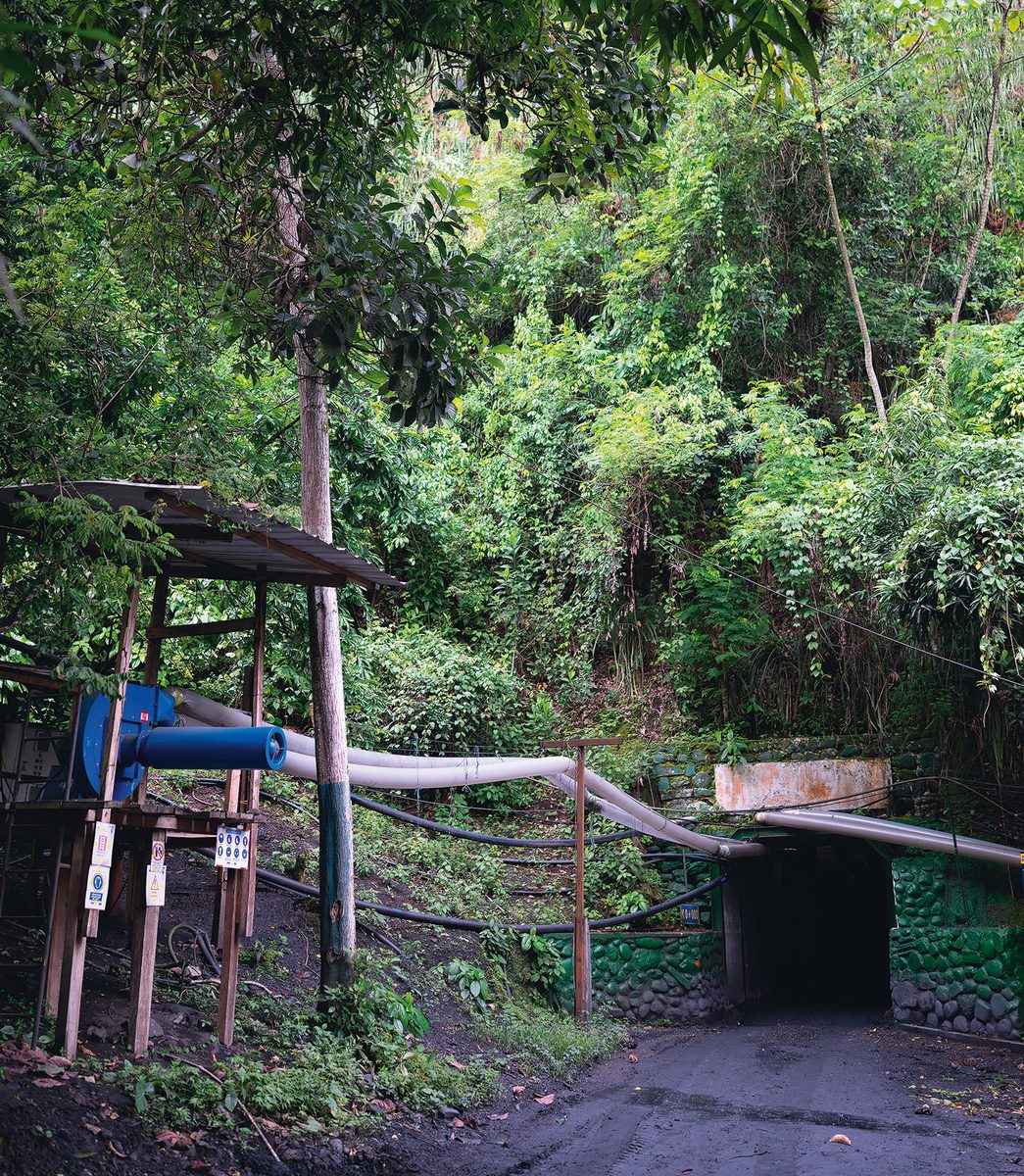
Despite these advantages, underground mining presents its own set of challenges. As tunnels extend deeper, ventilation, heat, flooding, and structural stability become increasing concerns. Additionally, while open-pit mining allows for easy visual assessment of rock formations, underground operations rely on more complex geological mapping. If a miner loses track of a gem-bearing vein, relocating another one can be difficult and expensive.
“Luck Is Not a Business Plan”
Emerald mining is challenging no matter where it takes place. Whether in the remote mountains of Pakistan and Afghanistan, the dense jungles of Madagascar and Colombia, or the forests of Brazil, Tanzania, and Zambia, the work is both physically demanding and often hazardous. The individuals involved—whether miners or investors—typically start with limited knowledge of geology or mining engineering.
Instead, emerald miners are often former farmers looking for an alternative income during the periods where their farms don’t require much labor, or adventurers drawn to the prospect of sudden wealth. If gem mining is tough, the possibility for anyone to strike it rich makes it attractive. This mentality is frequently referred to as the gem casino, a term popularized in the documentary Follow the Zebra to describe the mindset of small-scale African miners. In Colombia, as the country has a deep culture of gem mining, the author was not surprised to learn about two similar terms: Informal diggers are known in Colombia as guaqueros, taking their name from guaca, meaning pre-Columbian treasure.
During the Emerald Wars, mine owners—known as patrones—typically did not pay much in salary but instead allowed their men to mine freely at set intervals. If they managed to spot and extract a gemstone, it was theirs to keep. This system, known as la ilusión (the illusion), reinforced the idea that success in emerald mining is often a matter of luck.
This approach worked in the early days of a gem rush, when abundant surface stones made daily discoveries possible. Each day, a few lucky miners would find valuable gems, celebrating their newfound wealth in local bars and restaurants. Their success fueled hope and determination among hundreds of others, who were convinced that their lucky moment was just around the corner. But as a Burmese miner once told me, “Hope is the cruel mistress of gem miners.”
In the case of emerald mining in Colombia, something similar took place when mine owners were releasing huge amounts of waste debris towards the river at the bottom of the mine. This operation, known as El Tambre was carried out periodically and triggered a massive influx of guaqueros flooding the site hoping to strike it rich—or at least survive. At the base of the mine, these independent miners, armed with shovels and makeshift charcoal sacks, sifted through the torrent of mud, water, and rocks washed down from the mining concession, hoping to uncover an emerald.
As easily accessible surface deposits dwindled, mining shifted from a gamble to a complex technical and financial challenge. Extracting gems from deep hard-rock deposits requires significant capital for expertise, machinery, and fuel to ensure profitability. At this stage, luck becomes increasingly unreliable, though it is still a welcome surprise. Miners then faced three choices:
- Seek investors to finance equipment and improve efficiency, hoping production will cover costs and generate profits.
- Exploit investors, not to enhance operations, but to extract money for personal gain rather than re-investing in the mine.
- Sell the mine to recover their investment and move on to a less demanding business—often the case when the next generation lacks interest in continuing the trade.
After months or years of hard work with little reward, many miners abandon the dream of striking it rich, choosing instead to pursue new opportunities elsewhere. Luck alone is never enough.
Emerald Mining at Muzo
Colombia’s emerald mining industry is particularly fascinating. Despite competition from newer, more easily mined deposits elsewhere, Colombia has remained a dominant force in the emerald trade for centuries. This resilience is largely due to its ability to adapt to changing market conditions and mining technologies.
In 2018, I had the opportunity to visit Muzo after the Second World Emerald Conference in Bogotá. During this trip, we toured Esmeraldas Mining Services (EMS) (formerly known as MTC) and the new Esmeralda De Los Andes (EDLA) cutting facility in Bogotá. At the time, Muzo was undergoing significant organizational restructuring. What I witnessed was remarkable—not only was I visiting the most famous emerald mine in the world, but I realized I was also standing in the most modern emerald mining operation that I had ever seen.
This visit left a lasting impression. I became deeply curious about how Muzo had managed to remain a major emerald-producing area despite centuries of mining. Indeed, gems are only mined once. Mining is an extractive industry and so, if it is responsible, it cannot be sustainable; miners need to find new rocks to mine.
So, is the deposit at Muzo so rich that it can be mined for centuries? Or are the miners able to find new areas? The questions were fascinating.
Studying the evolution of Colombia’s emerald industry, from the pre-Columbian era to the infamous Emerald/Green Wars of the 1970s–1990s and its subsequent transformation is truly fascinating as it can be a source of inspiration for many other gem producing areas.
When I had the chance to return to Muzo in November 2024 for a two-week stay, it was a dream come true. Even as a seasoned field gemologist, opportunities to spend such an extended period in one of the world’s most significant gem-producing regions are rare. My time in Muzo deepened my understanding of the challenges and innovations that have allowed Muzo to persist and thrive.
The Evolution of Emerald Mining in Muzo ─ From Conflict to Modernization
Pre-Columbian Era
Before the arrival of the Spanish, indigenous Muisca people controlled the emerald-rich lands of western Boyacá. The emeralds were likely collected from natural outcrops and streams rather than through deep mining. They traded emeralds but had little personal use for them, often exchanging them for pottery and textiles with other indigenous groups who revered them for spiritual purposes. Emeralds were used in religious ceremonies, including offerings to gods at Lake Guatavita, fueling the legend of El Dorado.
Spanish Discovery of Emerald Deposits
The Spanish conquest of Colombia in the 16th century marked the beginning of organized emerald mining in Muzo. When the Spanish arrived in 1537, they quickly saw the emeralds used by the Muisca people as a great opportunity to generate profits. They began searching for the source of these gems, leading them to the region around Muzo. The Spanish introduced rudimentary mining techniques, including manual excavation with basic tools (picks and hammers) and underground mining techniques. They used forced labor using indigenous slaves, later replaced by other slaves from African origin. Water drainage systems were introduced to prevent flooding in the mines.

The emeralds were exported to Europe via Spain and then to India, Persia, and the Ottoman Empire, where they became symbols of wealth and power. Once the Spanish secured control, they established the town of Villa de la Santísima Trinidad de los Muzos in 1560, which became the center of mining operations. By the 18th century, the Spanish Crown took direct control of the Muzo mines, managing them under a monopoly system. However, corruption and inefficiency plagued the operation. Workers frequently stole emeralds, and illegal trade networks flourished.
19th Century ─ Political Upheaval and Private Ownership
With Colombia’s independence from Spain in 1819, the state took control of the emerald mines. The government leased the Muzo mines to private individuals. However, political instability, the difficulty of finding valuable gems due to lack of expertise and/or poor management led to the decline of official production. As a result, many mines were abandoned, allowing illegal trade and smuggling to flourish.
American geologist Joseph E. Pogue (1851-1926) who visited the Muzo emerald mines in July 1915 provides an interesting description of emerald mining in Muzo in his paper “The Emerald Deposits of Muzo, Colombia,” reprinted by Pala International on their website: palagems.com/emerald-colombia.
The emerald is won exclusively by open-cut mining. The steep slopes of the emerald formation, stripped of their covering of jungle, are worked in great terraced banks (bancos), affording benches on which lines of peons stand and attack the bench below with long iron crowbars. The comparatively soft limestone and shale are easily broken away in this way without recourse to blasting (which would shatter the fragile emerald crystals) and the emerald-bearing calcite veins are carefully removed by hand and taken to a sorting shed above. The debris falls down the step-like slope and the accumulation at intervals is swept down to the creek below by water led from reservoirs in the mountains above the workings.
In the sorting shed, the calcite veins are carefully broken by hand and the emerald crystals picked out. The finer material, together with gem-bearing debris gathered from “bedrock” and from the water channels below the banks, is washed on sloping tables and the emerald fragments withdrawn by boys.
The stones are separated into several grades according to color, size, transparency, and freedom from flaws. The product goes by mule to Bogotá from time to time, and there awaits transportation to London in larger consignments. The labor is done by Indian peons drawn from the neighborhood.
Mining officials and police are supplied from Bogotá or other towns. Great vigilance is exercised, when the mines are in operation, to reduce loss by theft. A body of military police is assigned to the mines; the exits are carefully guarded; watchmen are always on duty in small guardhouses on prominent points above the workings; overseers are in constant attendance during hours of work; and the workmen are impounded and not allowed to leave the mines until the culmination of a suitable period of search.
The mine buildings are commodious and comfortable, maintained in good condition. The mining equipment is simple, but the fragility of the emerald precludes the use of most types of equipment that would increase the quantity of ground handled.
In 1946, the Colombian government granted exclusive mining rights to the Bank of the Republic to formalize and regulate the industry. The idea was to eliminate illegal mining, maximize state profits, and create a more structured market. However, the plan failed spectacularly. The bank was unable to control smuggling, theft, and illegal mining, which were deeply entrenched in the region.
The guaqueros continued to dig for emeralds outside of official channels, often selling them through a growing network of private traders and smugglers. By 1968, the illegal market was five times larger than the legal market, and the government admitted defeat. The monopoly was abandoned, setting the stage for the emergence of powerful independent mine owners. (Brazeal, 2015)
The Green Wars
With the collapse of government control over Muzo’s emerald trade, powerful private figures known as patrones emerged to dominate the industry. Among them was Isauro Murcia, who built an extensive illegal mining network, recruiting guaqueros, and establishing a system of trusted buyers.
His main rival, Humberto “El Ganso” Ariza, controlled his own faction in Coscuez, another emerald-rich region. Tensions between Muzo and Coscuez escalated into Colombia’s first Green War (1970–1973), a violent conflict that divided the mining community and resulted in hundreds of deaths.
After Murcia’s death in 1979, new players rose to power, including Gilberto Molina and Víctor Carranza, leading to continued struggles for control. The most severe conflict in Muzo’s history, the third Emerald War, erupted in 1984.
This time, the emerald trade became entangled with Colombia’s growing cocaine industry. Gilberto Molina, then a dominant figure in Muzo, had close ties to drug trafficker Gonzalo Rodríguez Gacha (“El Mexicano”), a key player in the Medellín Cartel.
However, when Molina refused to sell shares of his mine to Gacha, their partnership turned into an armed conflict, triggering assassinations, ambushes, and guerrilla activity throughout the mining region. (Brazeal, The history of emerald mining in Colombia: An examination of Spanish-language sources, 2014)
By the time a peace agreement was reached in 1991, the conflict had left thousands dead, and the region was profoundly destabilized. The surviving mine patrones—including Víctor Carranza—negotiated a truce with the help of the Catholic Church and government officials, bringing a fragile peace to the area.
Before the peace accords, the patrones relied on private militias to protect their assets, enforce control, and eliminate rivals (Steiner, Memories of violence, narratives of history: Ethnographic journeys in Colombia, PhD thesis, 2005). Maintaining loyalty was critical, as a disloyal bodyguard could pose a greater threat than an enemy.
To secure allegiance, patrones used a combination of profit-sharing, social support, and access to mining opportunities. Instead of paying workers regular wages, mine owners allowed them to mine for themselves at designated times, in the ilusión system—the hope of discovering and secretly keeping a valuable emerald.
Additionally, mine owners tolerated and sometimes encouraged informal mining on their land, creating a system where guaqueros, brokers, and dealers depended on the patrones’ approval to access stones and trade networks.
Even scavengers relied on their goodwill. In return, patrones benefited from a network of informants and armed enforcers to maintain control. Loyalty—from miners, townspeople, and even family members—was reinforced through a simple but powerful currency: rough emeralds. (Brazeal, Nostalgia for war and the paradox of peace in the Colombian emerald trade, 2015)
Description of Muzo’s Mining in the 1990s
Jean Claude Michelou provides an interesting and rare description of emerald mining at Muzo in the 1990s in the book L’Emeraude published in 1996 by the French Gemological Association:
Ten to twenty bulldozers strip the mountain from top to bottom. Dynamite and jackhammers are used. When a calcite vein is exposed or a small pocket is uncovered, the heavy machinery gives way to workers who extract the emerald vein using small picks and hammers, under the watchful eyes of armed guards and representatives of the company’s owners. Every stone found is carefully placed in a small bag (called “Tula”), which is then secured in the administration’s safe before being inventoried by the patrones.
Open-pit mining requires a large amount of water. Reservoirs located above the work areas collect rainwater and draw water from the river below using pumps. This water is released to wash the mining areas and clear away debris and rubble to expose materials containing emeralds. The large quantity of mud produced in these rugged terrains makes the work extremely dangerous, even deadly during heavy rain periods.
Dry seasons traditionally lead to a reduction in open-pit mining, sometimes bringing operations to a complete halt. In some parts of the mine, the ground level has risen by seventy meters over forty years, with accumulated soil and waste covering previously exploited areas.

The Modernization of Muzo’s Emerald Trade (1991 ─ Present)
Peace brought great opportunities to the men who negotiated it. Rather than invest their money in private security forces and hired gunmen, they were able to invest in their mines and to rationalize their operations, curb pilferage, and mechanize their processes.
If security was still an issue, the likelihood of getting killed was much lower than in the times of conflict. Nevertheless, times were still challenging because peace and mechanization disrupted the social networks that had formed during times of violence, which also had the paradoxical effect of squeezing out the smaller players and threatening the livelihoods of thousands of miners and traders who benefited from the emeralds going through informal channels. This made some people nostalgic for the violent past when the patrones secured the loyalty of the people with rough emeralds. (Brazeal, 2015).
Emerging as the most powerful figure after the war, Víctor Carranza took control of the Muzo mines and established a more structured, albeit still informal, industry. He promoted stability by cutting deals with former rivals, ensuring that emerald wealth was shared among key players. Despite his legal troubles, Carranza remained the dominant force in the emerald trade for 20 years until his death in 2013.
Michelou also explains that Víctor Carranza significantly changed its mining methods in the early 1990s introducing underground mining:
Numerous tunnels, some stretching several hundred meters and even large enough for Jeeps to pass through, have been excavated along the mountainside. The debris and waste produced by explosions are transported outside in small wagons. From there, they are placed on a conveyor belt, washed, and sorted to recover any emerald crystals. Despite the ventilation system, temperatures inside the tunnels can reach 45°C (113°F).
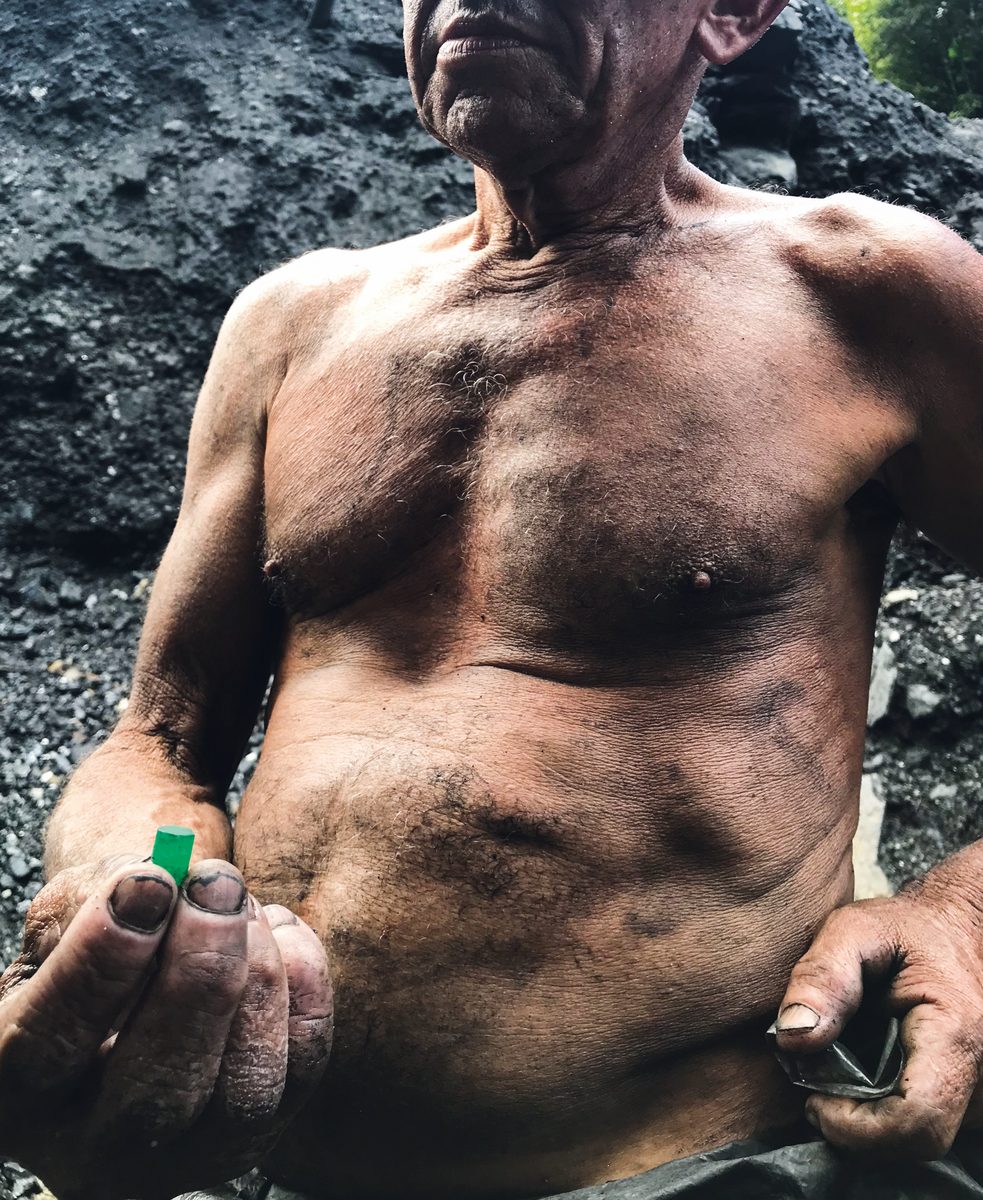
Deep within the mine, workers—covered in black dust, with only their eyes and teeth visible—use jackhammers to break apart the rock walls, searching for veins rich in emerald crystals. Once a vein is discovered, it is carefully extracted using small picks and hammers. The freed crystals are then placed into the Tula of a trusted supervisor responsible for accounting.
Tecminas and Coexminas also use a mining technique known as “clavadas”. This involves vertical shafts, sometimes exceeding 200 meters (650 feet) in depth, which serve as entry points for underground galleries that allow miners to reach emerald veins inaccessible from the surface. Elevators or hoists transport both miners and extracted ore to the surface for washing and sorting.
While Don Víctor Carranza had dedicated his life to emeralds, he also invested in other business, such as ranching. Like in many families and industries, the next generation is not always willing to follow in the family business. One of the most notable aspects of Muzo’s transformation was the arrival of foreign investors in 2009. In 2013, after the death of Carranza, investors completed the acquisition of the Puerto Arturo mine at Muzo from the Carranza family.
What happened next was then more than just a change of generation. In many ways, it was a revolution, since the gem industry was also undergoing a significant evolution at the beginning of the 21st century.
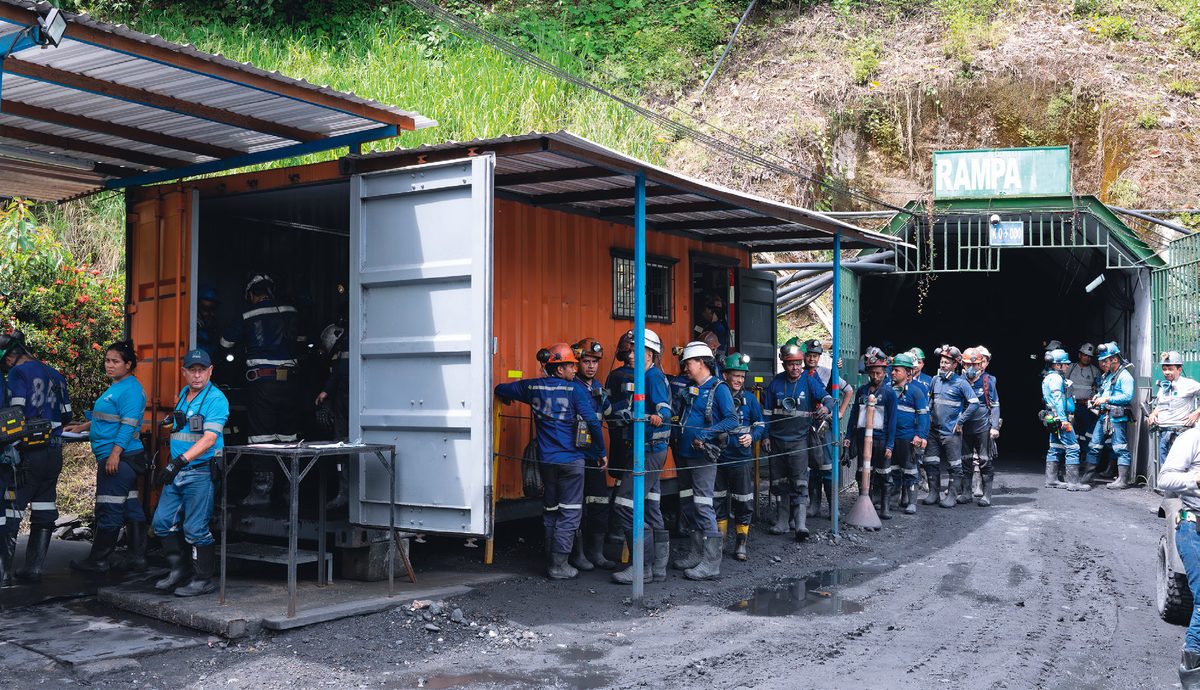
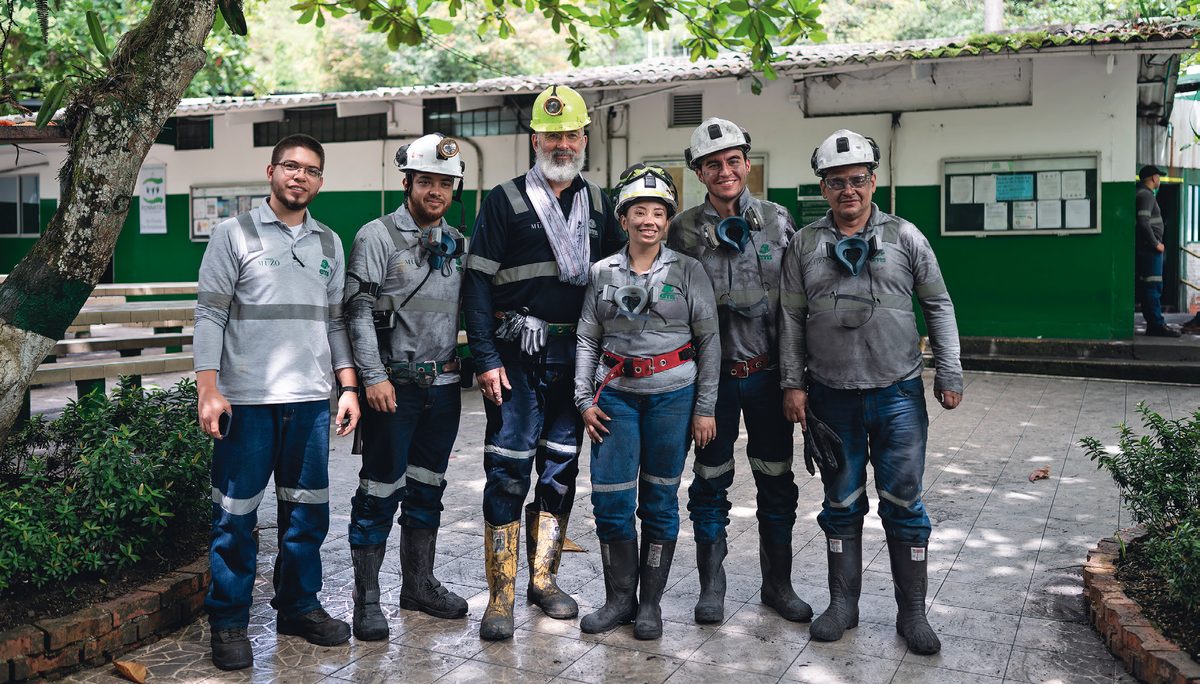
The company originally mining Puerto Arturo was called Minería Texas Colombia or MTC. Currently, it is called Emerald Mining Service or EMS. It brought modern business practices to Muzo and introduced formal employment contracts with social security and health benefits. It also significantly modernized the mines. With the help of experienced mining engineers and geologists, EMS revolutionized the way underground emerald mining was done.
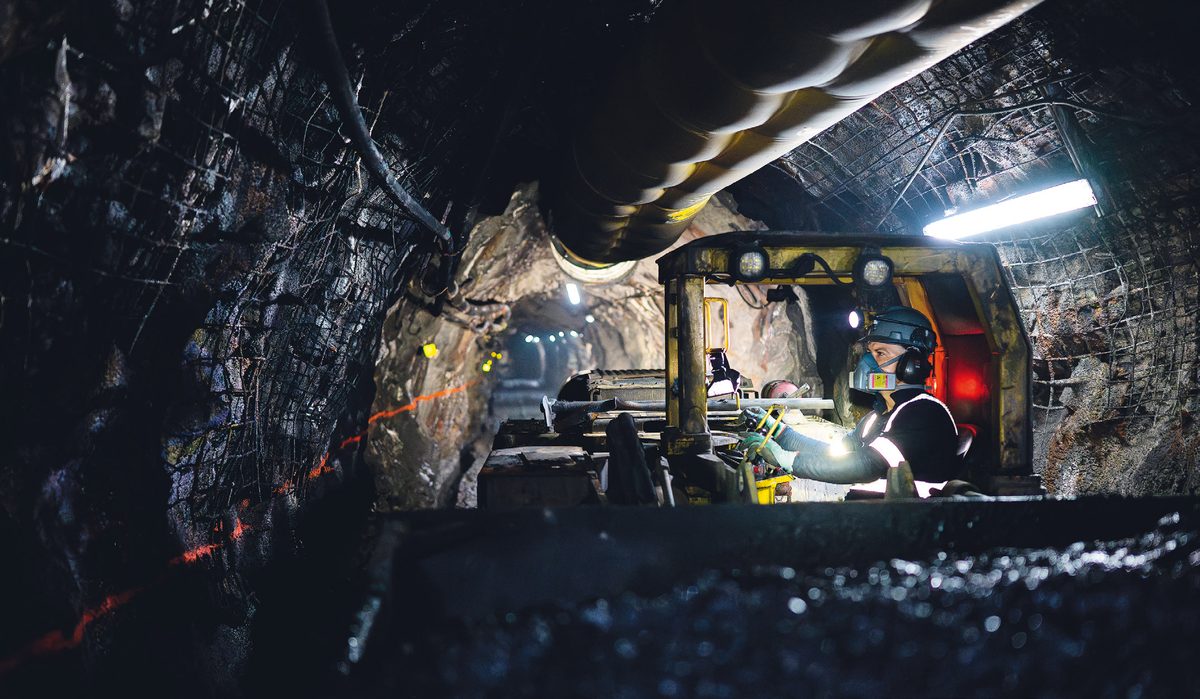
After the acquisition of the mine, the company invested in a very ambitious 900-meter long underground spiral ramp able to bring in heavy machinery to speed up the removal of the ore and the waste as well as enabling better ventilation and the installation of electricity and even Wifi.
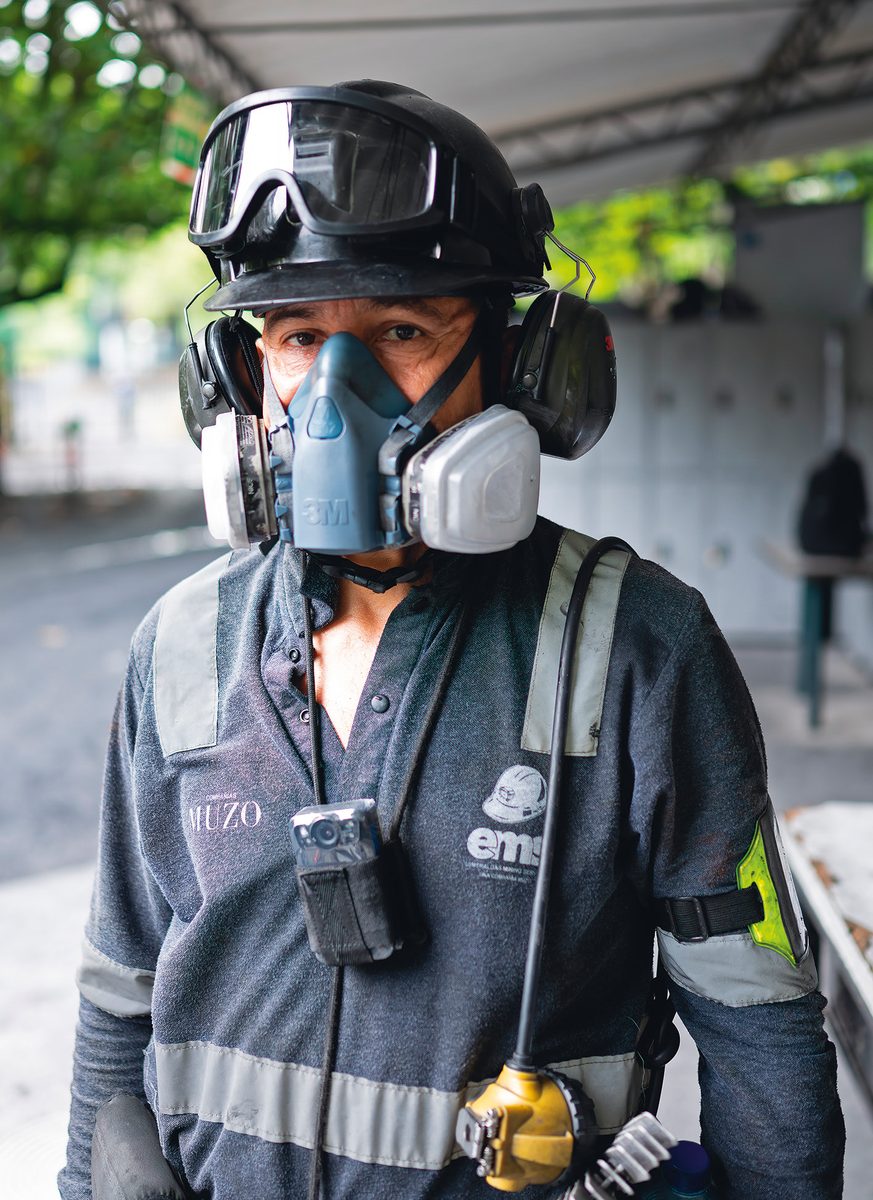
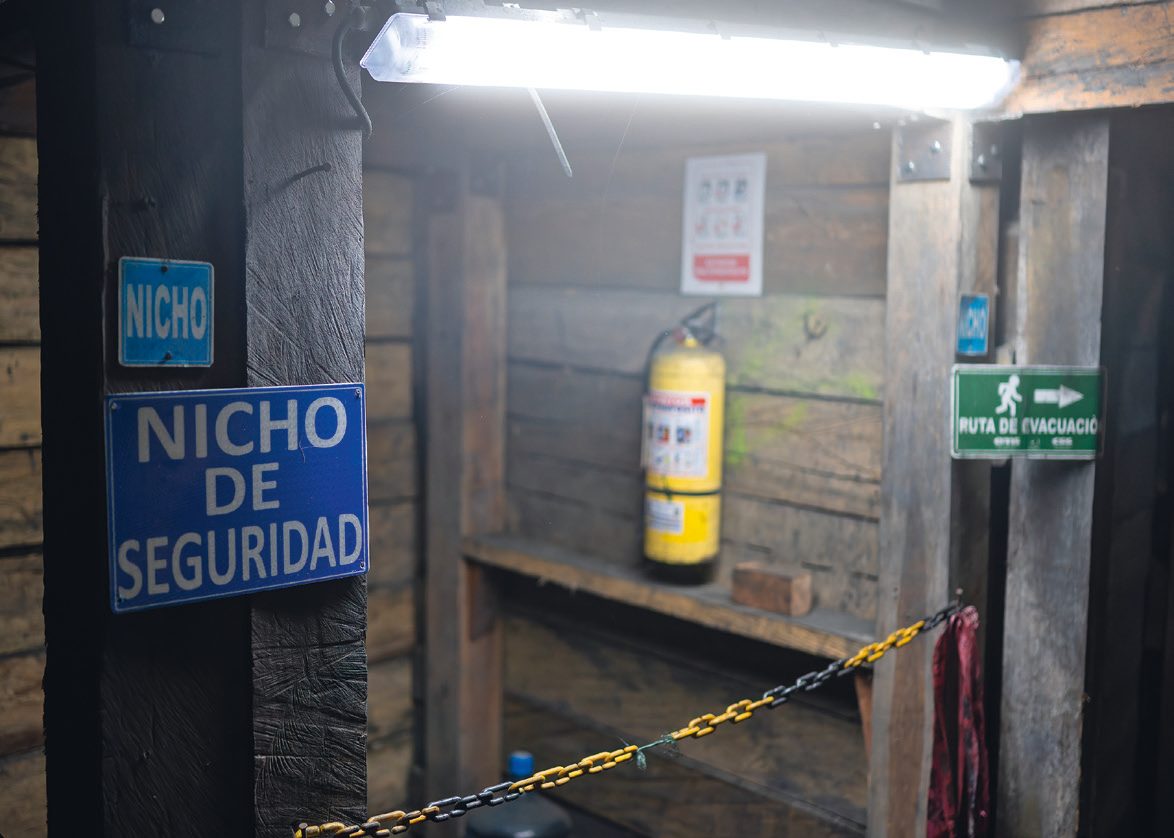
Regarding security, several pumping stations were placed along the ramp to prevent flooding. Safe areas, called Nichos de Seguridad, were also established where miners could find first-aid equipment and seek refuge in case of need. Miners were also provided efficient Personal Protection Equipment (PPE).
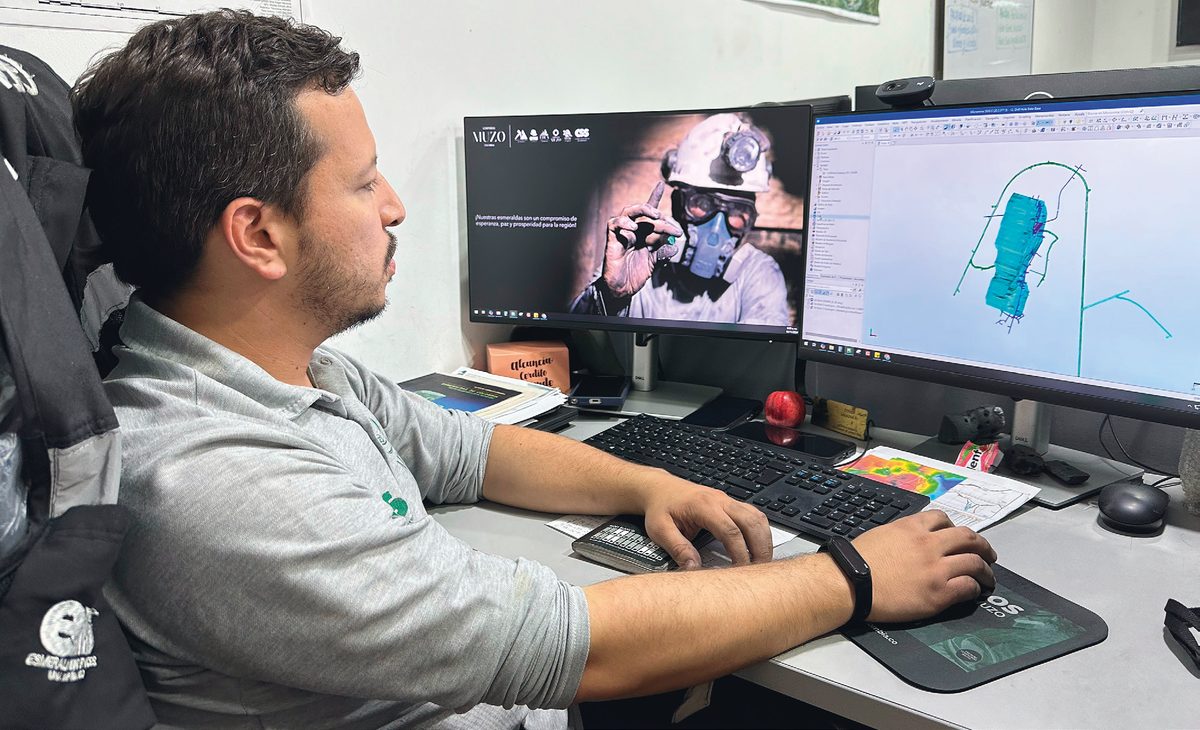
Geologists started using modern software to make a 3D mapping of the mine that they filled with production data to improve the understanding of the rock structure and identify potentially interesting areas to mine.
Using the spiral ramps as the starting point and the information in the 3D model, the mining engineers could then design the best way to access untouched areas of interest, thus minimizing the waste to be produced.
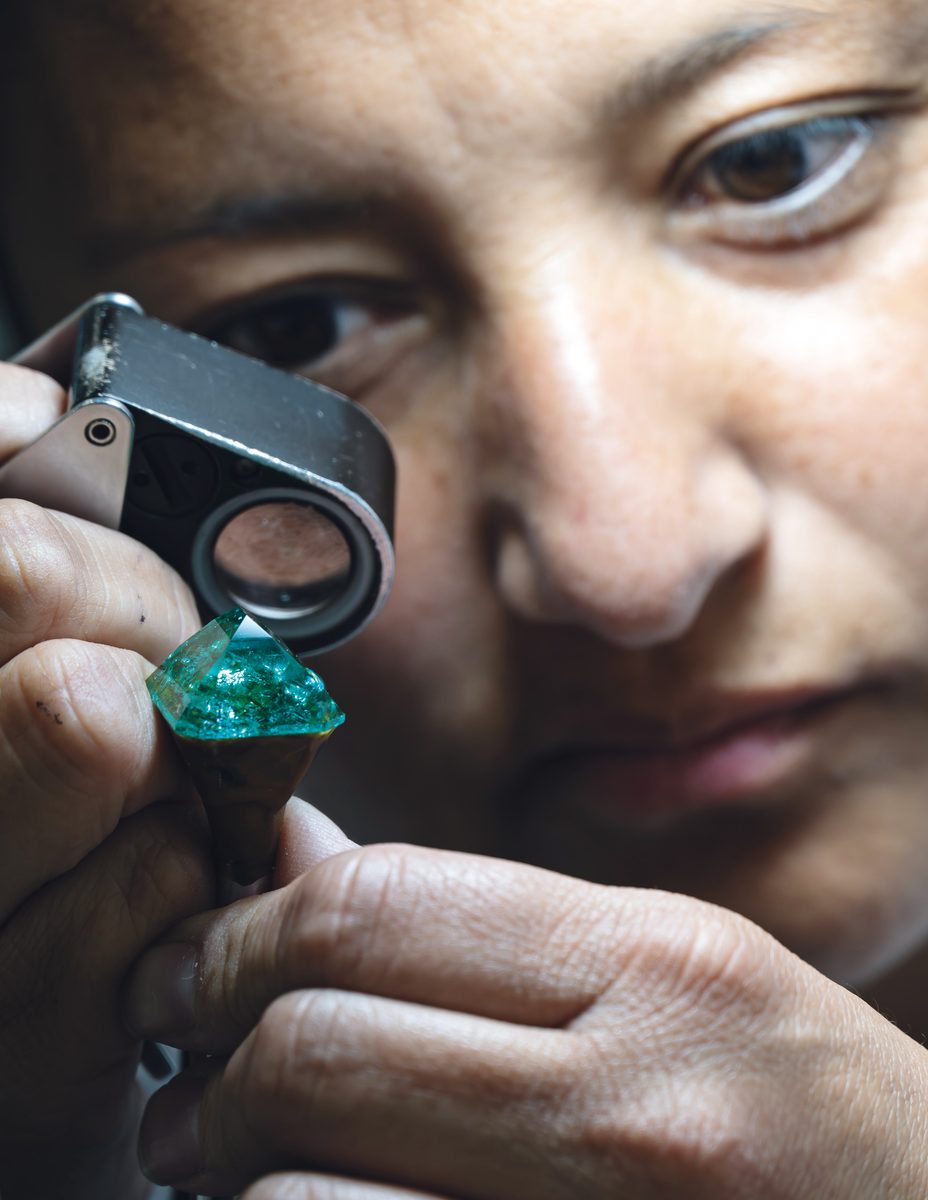
One of the most interesting techniques the author was able to witness at Muzo was that miners often mined upwards from the main ramp. The advantage is that gravity becomes an ally instead of a challenge. Bringing an empty cart to the work area is easier than taking a fully loaded one up.
There is also an advantage in terms of security, particularly in the case of water infiltration, since water and mud will accumulate away from the work zone in an area where pumping equipment can be installed.
While mining the ore, the waste will fall away, making it easier for geologists to study the mining front. This was very impressive and inspiring.
Another aspect of the modernization at Muzo was the transformation of the small emerald-cutting workshop, located in the free zone in Bogota, into a very efficient and modern cutting factory called EDLA (Esmeralda De Los Andes).
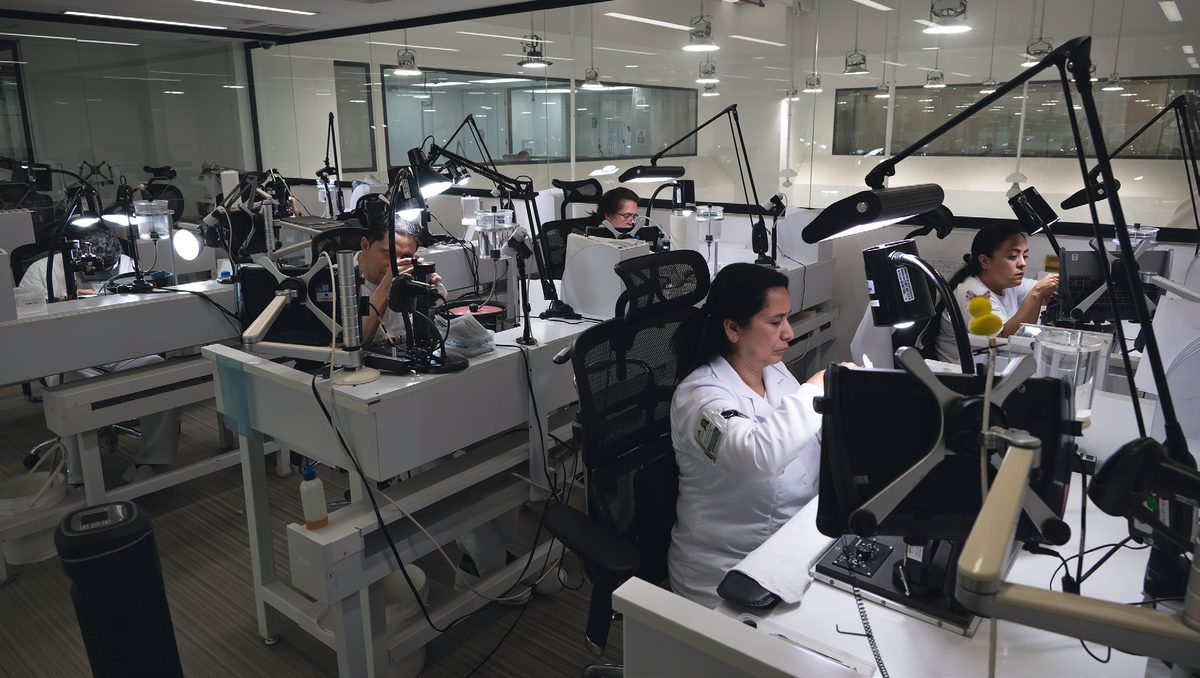
EDLA is now hosted in a modern building adapted to the cutting activity of about 80 cutters equipped with modern machines and tools. EDLA enables MUZO to cut its production to fit the very strict quality standards of the big brands in Europe and the U.S. where the company has established sales offices.
Muzo not only offers its customers beautiful well-cut stones from the most famous emerald mine on the planet, but it also provides them traceability.
Today, the gem and jewelry industry is facing strong pressure to implement changes and among these is providing traceability. This demand started in 1998 with a report published by the NGO Global Witness about conflict diamonds. That report had a strong impact on the diamond industry, particularly in the post-9/11 context where the U.S. started to check more carefully for potential funding for terrorist groups.
As science was not able to determine the geographic origin of diamonds, the governments of diamond-producing countries responded in 2003 by launching a legal administrative process to trace the stones from mine to market called the Kimberley Process Certification Scheme.
In 2005, a group of 14 private companies, including several big brands created the Responsible Jewellery Council (RJC) to show that they were following good industry standards and trying their best to create a responsible, worldwide jewelry supply chain, with the goal of procuring gems from legitimate suppliers. Since then, gem traders and mining companies have faced growing demand from customers in the gem and jewelry industry to prove traceability.
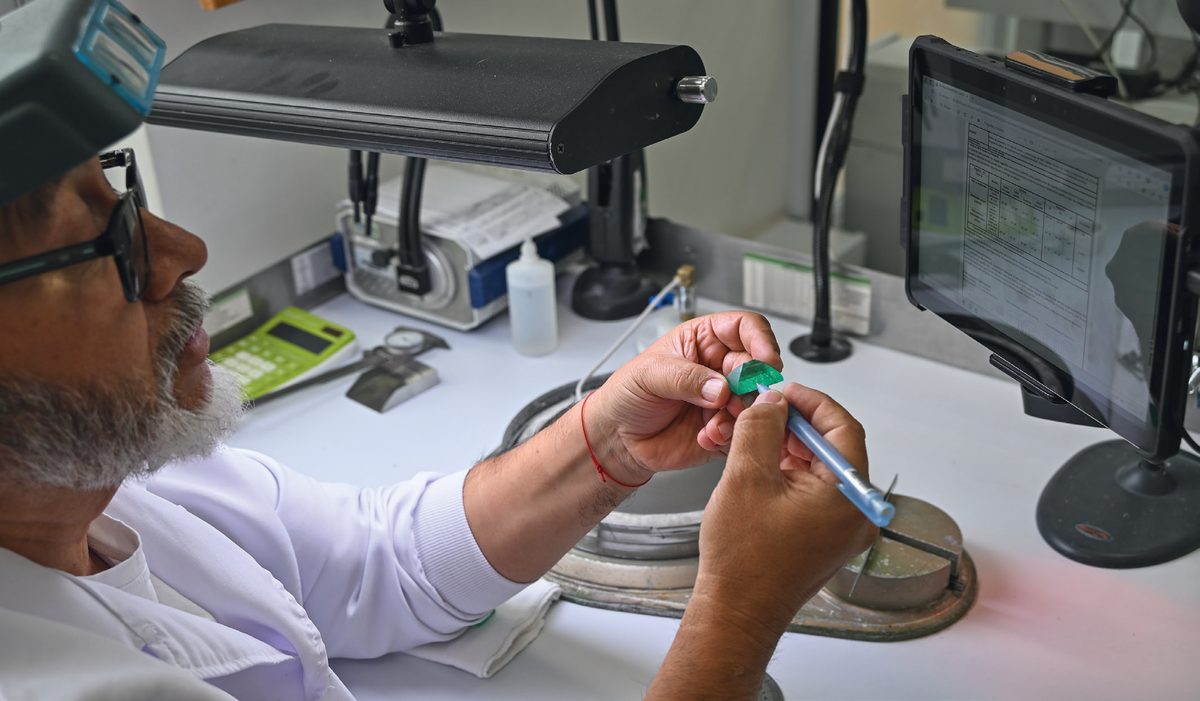
In 2009, Muzo’s investors knew that it was important for their emeralds to correspond to the requirements of potential customers, not only regarding the cut and quality of the gems, but also in terms of their traceability. Thus “MUZO Emeralds” built a vertical model from mine to market with EMS producing efficiently and responsibly mined emeralds; Colombia Customer Services (CSS) enabling the independent valuation of the rough and the payment of taxes; and then EDLA, tasked to transform the rough into faceted stones according to the needs of Muzo’s clients.
In adapting to the new industry requirements with its mine-to-market model, and marketing its gems as MUZO Emeralds, EMS disrupted some of the social dynamics that had been established during the Green Wars, when theft was tolerated and functioned as informal profit-sharing.
While the company employs more than 800 people and gives them social security and health benefits, it cannot provide jobs for everyone. For guaqueros and small emerald dealers who once relied on informal mining and the flow of stones into the informal market, the transition has not been easy.

To help address some of these social issues, the MUZO Foundation was created as a nonprofit organization, whose mission is to contribute to the sustainable development of the communities where the company operates, as well as to work with other organizations to bring shared value projects to the municipalities of Muzo and Quípama, in Western Boyaca.
Since 2014, the MUZO Foundation has led, designed and executed the Corporate Social Responsibility (CSR) initiatives of The Muzo Companies Colombia, the parent company for Muzo Emeralds, EMS, CSS, and EDLA, among others. Its work has helped hundreds of people. It intervenes directly with the municipalities and communities to execute projects that recognize the needs of the local population, offering medium and long-term alternatives to improve living conditions.
Among the most recognized initiatives of the MUZO Foundation is the community dining room, El Mirador de los Abuelos. Here, nearly 300 elders with limited resources, many abandoned and vulnerable, receive free food on a daily basis.
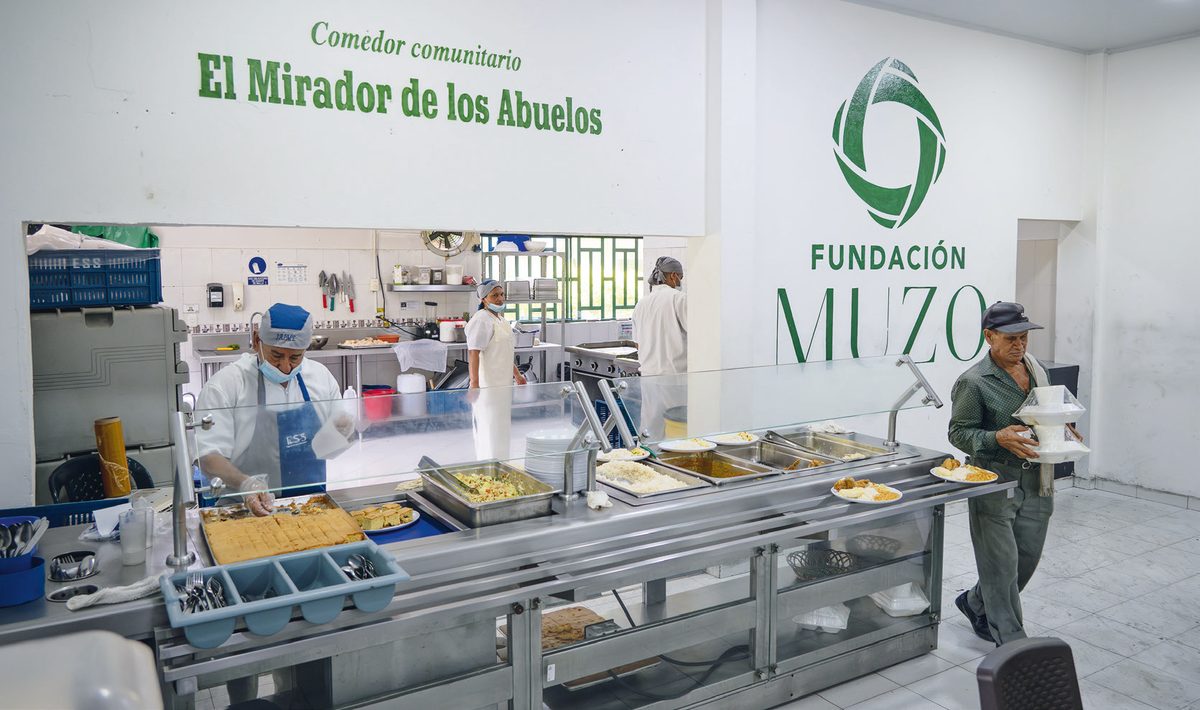
Other projects include higher education scholarships for outstanding students from schools in the region, supplying school kits and uniforms, artistic and sports training schools, as well as crops, sheds, leadership and empowerment promotions, health centers, and much more.
Conclusion
The emerald industry around Muzo has undergone a remarkable transformation over the past centuries. From indigenous people collecting gems in streams to the arrival of greedy Spanish conquerors, from the failure of many mining operations due to the violent Green Wars to finally establishing modern corporate mining, the emerald trade around Muzo has undergone an incredible evolution.
The transformation of the mining operations around Puerto Arturo in less than 40 years—from an informal industry emerging from the aftermath of the Green Wars into a highly organized and efficient mining and cutting enterprise—is a remarkable achievement.
Thanks to the vision and the capital investment of its leaders and the hard work of its employees, MUZO Emeralds not only extracts emeralds safely from unprecedented depths, but has also established a vertically integrated business structure that meets the stringent quality, cutting, and traceability standards demanded by international markets.
Colombian emeralds are not only seen as the reference used to evaluate all emeralds in terms of quality, but the capacity of the Colombian emerald trade to adapt to industry needs and remain the leading emerald producer nation for nearly 500 years is a source of inspiration for the entire gem industry.
History becomes romance. In Colombia, the legacy of Muzo’s past continues and, thanks to the investment in underground mining engineering and understanding of the local geology, the Muzo region should continue to produce fine emeralds for many years. With the help of the MUZO Foundation, MUZO Emeralds will successfully navigate the delicate balance between tradition and modernization. It will continue to showcase the remarkable journey from the hands of its miners to the exquisite jewels of its customers, a journey filled with resilience and reinvention.
About the Author
Vincent Pardieu is a consultant Field Gemologist at VP Consulting WLL, a writer, and a documentary producer. For the past 25 years, he has traveled to gem mining areas around the world for gemological research purposes, completing 156 field expeditions to Asia, Africa, Australia, North and South America. Vincent witnessed firsthand the complex realities associated with mining colored gems, specializing in origin determination of gems such as rubies, sapphires, emeralds, and spinels. His main project today is building a reliable reference collection with samples collected as close as possible from the source for use in gemological research. Vincent is known to have coined the term “field gemology,” starting at AIGS and then building the GIA Field Gemology department from 2008 to 2017. He has also worked with Greenland Ruby and MUZO Emeralds. Currently, he is working with the Laboratoire Francais de Gemmologie in Paris. He can be reached at: vince@fieldgemology.org