Brazil is one of the world’s richest sources of gemstones, offering an extraordinary variety of colors and types. From the depths of its soil come many of the most prized gems known today, with mining activity spread across several key states.
The Gems and Their Locations
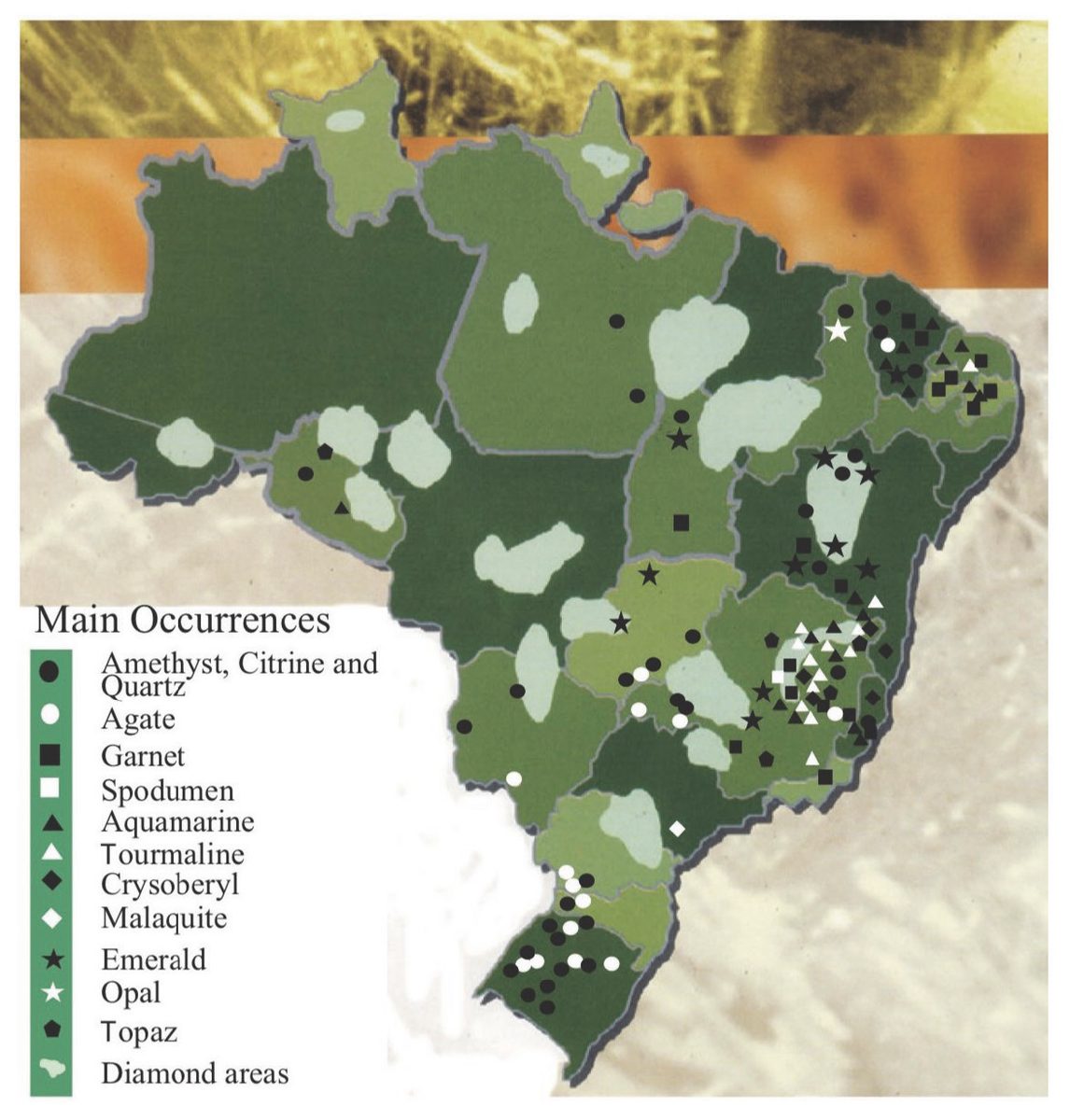
Minas Gerais is known as Brazil’s gemstone heartland, and produces emerald, Imperial topaz, beryl, tourmaline, spodumene, and the unique brazilianite.
Bahia is home to deposits of emeralds, amethyst, aquamarine, and a range of mineral specimens.
Rio Grande do Sul is one of the world’s leading sources of agate and amethyst.
Mato Grosso produces garnet, topaz, zircon, diopside, and various types of quartz and tourmaline, although on a smaller scale.
Goiás is known for its emeralds, garnet, topaz, quartz (including citrine and amethyst), and tourmaline.
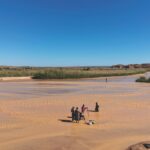
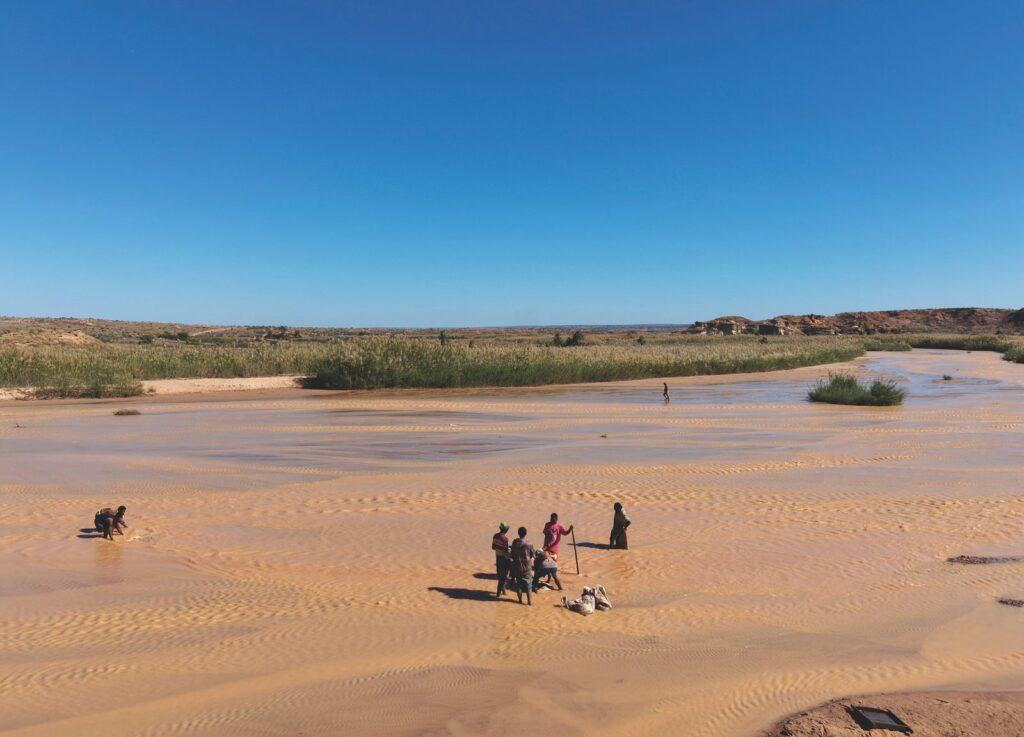
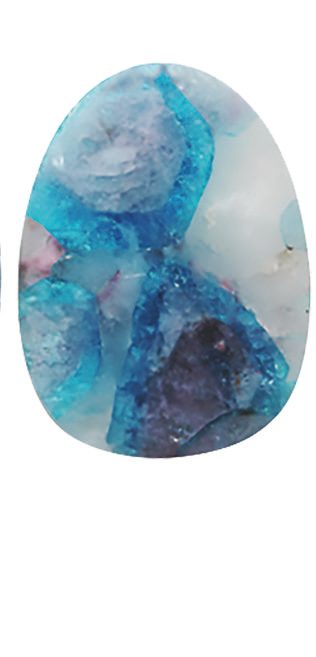
Brazil is also home to other remarkable gems such as Paraiba tourmaline (found in Paraiba state) and opal, found in Piauí state, where most opal mining (alluvial) has taken place since the 1930s. Local communities have creatively repurposed mine waste into mosaic artwork for sale, supporting local economies.
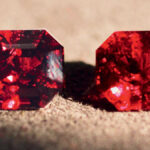
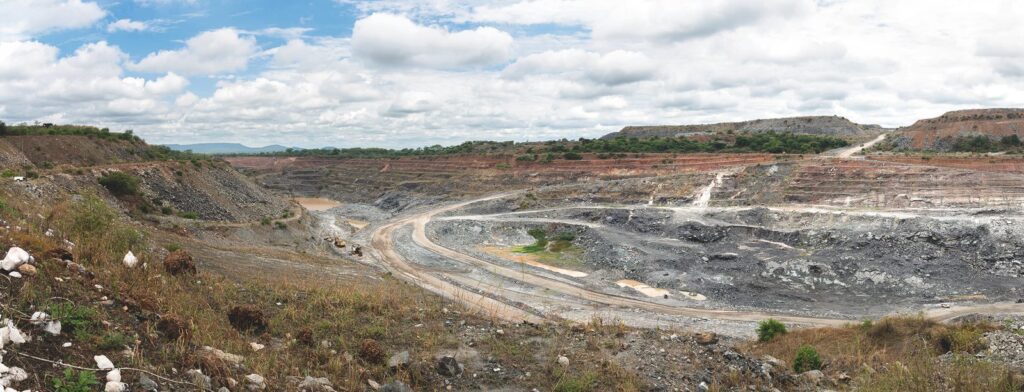
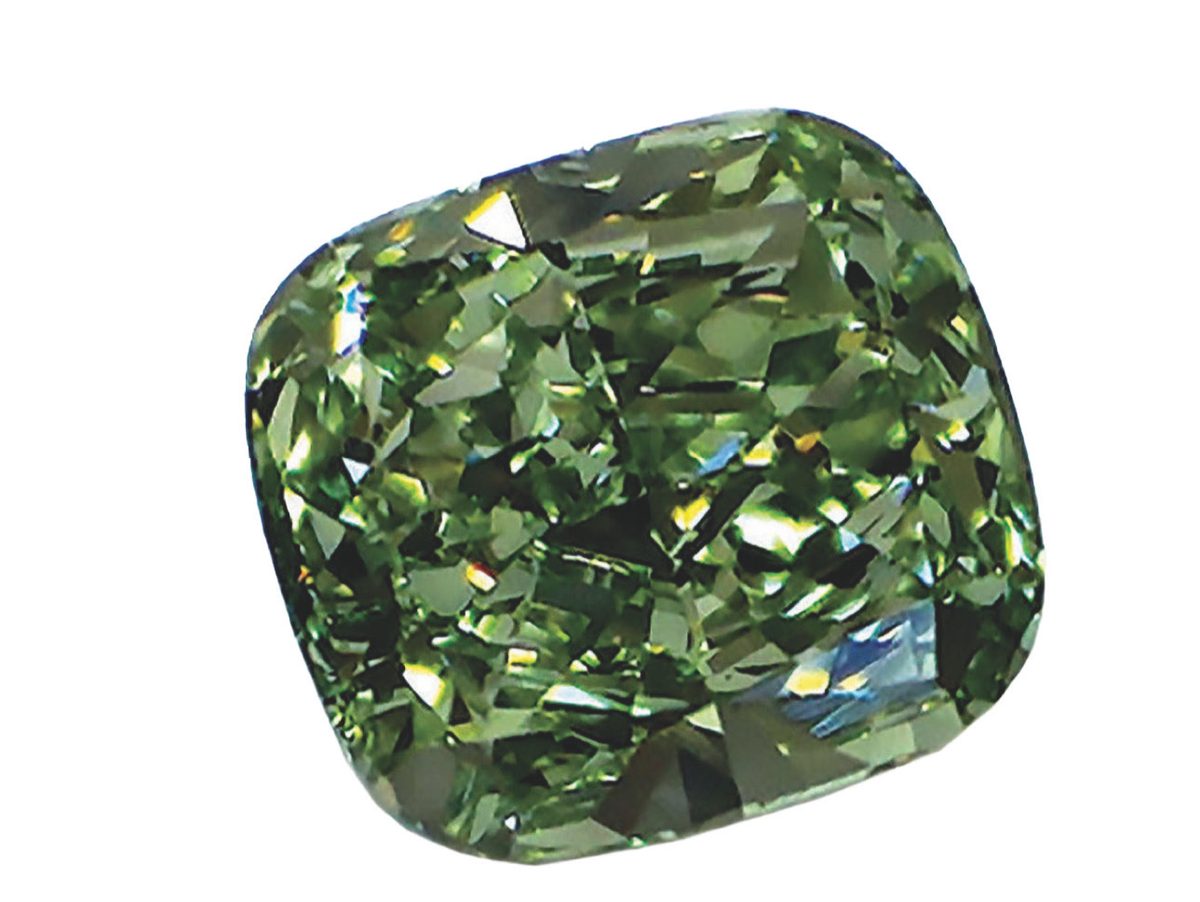
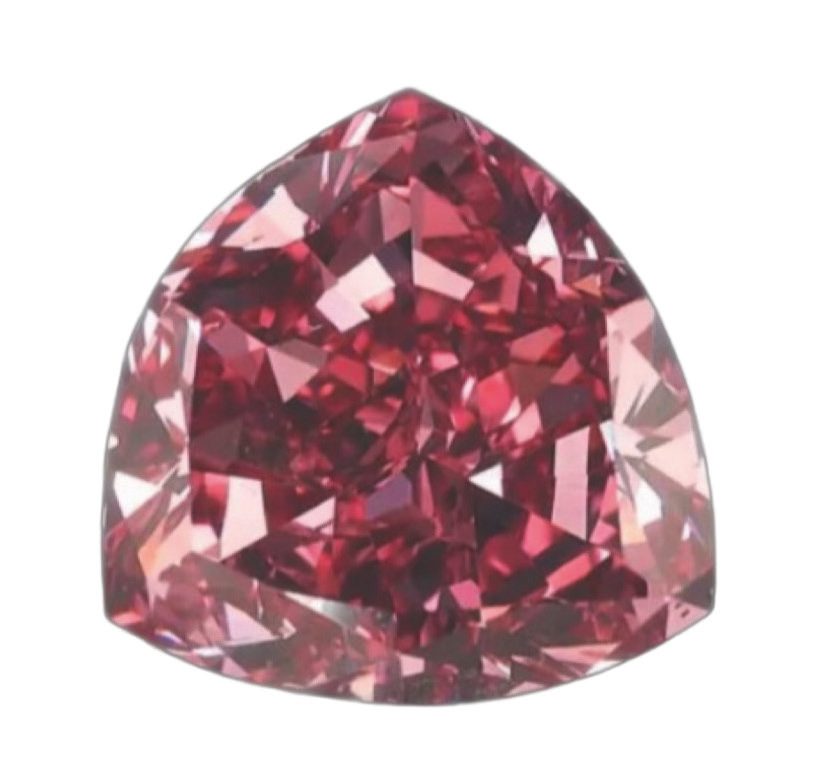
The states of Goiás and Mato Grosso are also notable for its rich diamond mining, with discoveries dating back to the early 20th century. Among the most famous diamonds from Brazil are the Star of the South(128.48 carats, fancy light pink-brown), the President Vargas(726.6 carats, discovered in 1938), the Moussaieff Red(5.11 carats), and the Green Lantern (13.88 carats).
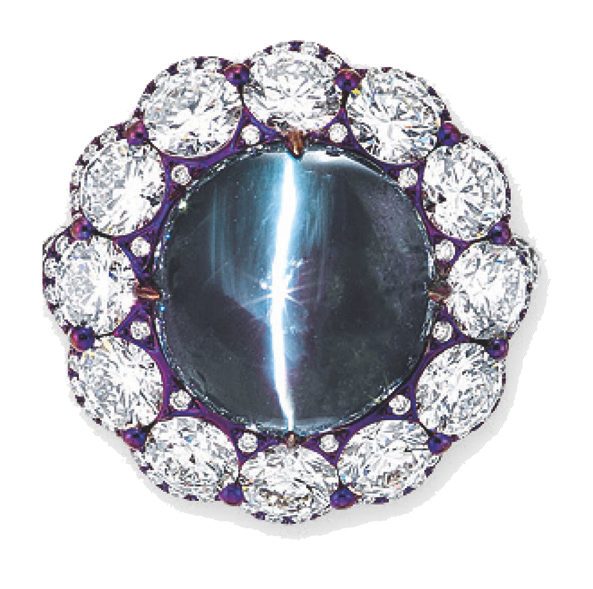
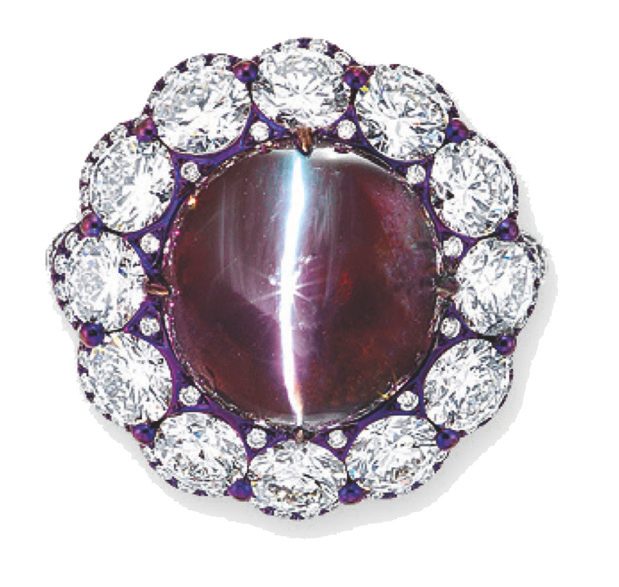
Chrysoberyl, highly prized in the 18th and 19th centuries, has been mined since that time in both Minas Gerais and Bahia. These regions produce both common chrysoberyl and the rarer varieties such as cat’s-eye and the color-changing alexandrite that was discovered in 1846. The most significant source of fine alexandrite is the Malacacheta region in northeast Minas Gerais, with mining peaking between 1975 and 1988. A major breakthrough came in 1987 with the discovery of the Lavra de Hematita deposit, which has since produced tens of kilos of high-quality alexandrite—some stones weighing up to 30 carats, showcasing an exceptional color-change phenomenon.
Amethyst, once primarily sourced from Russia, Germany, and Sri Lanka, was discovered in Brazil in the early 19th century by German settlers from Idar-Oberstein. The amethyst from Marabá, in Pau d’Arco, is known for its exceptional quality, while Rio Grande do Sul holds the record for the longest continuous amethyst production.
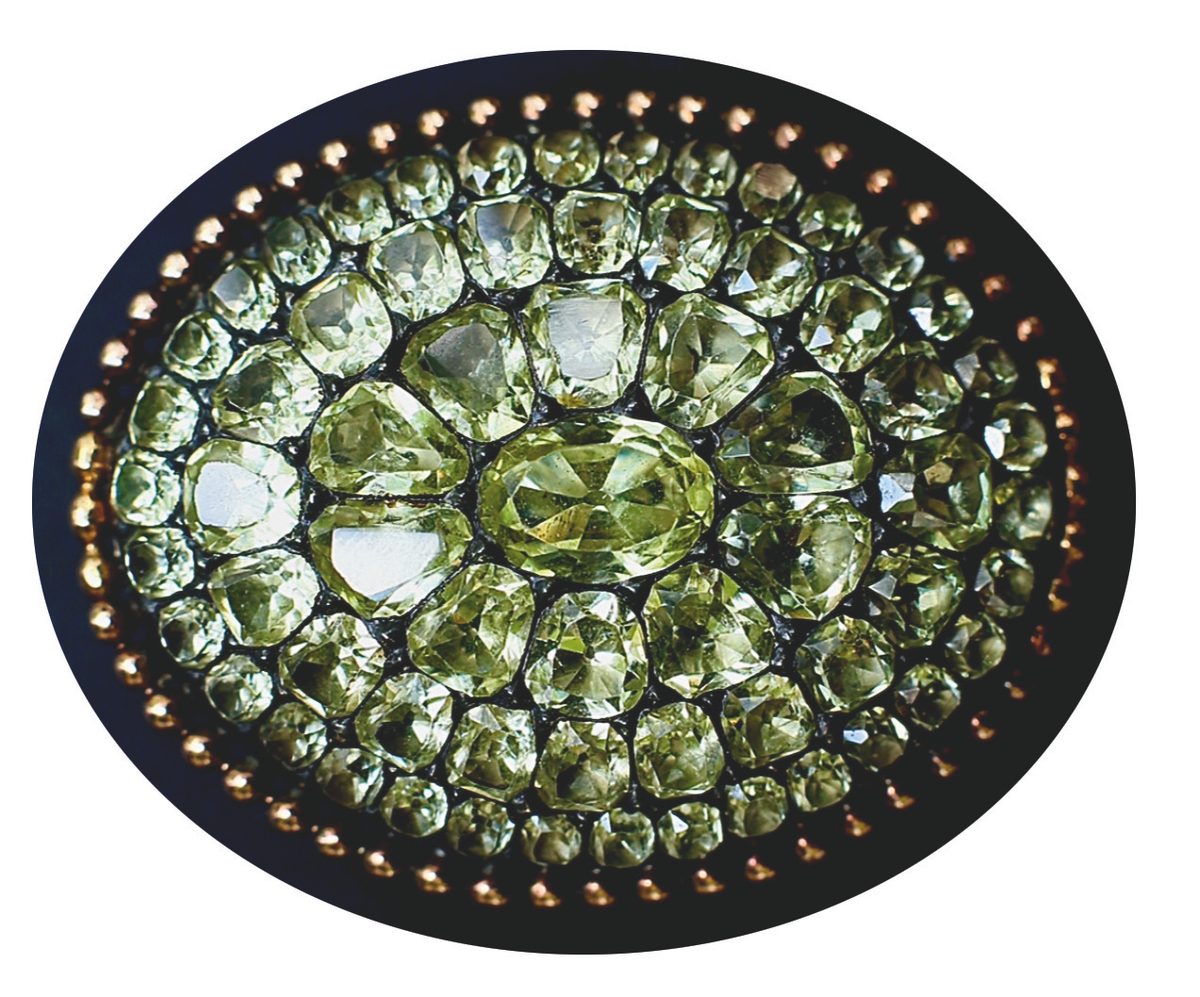
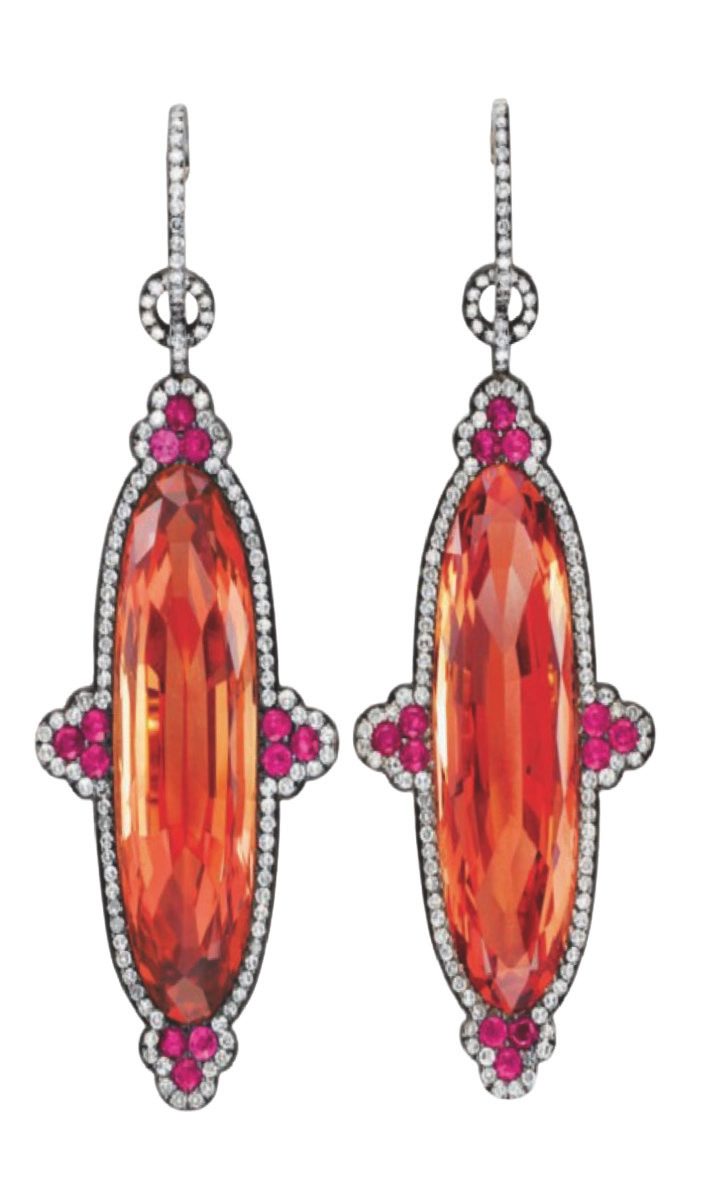
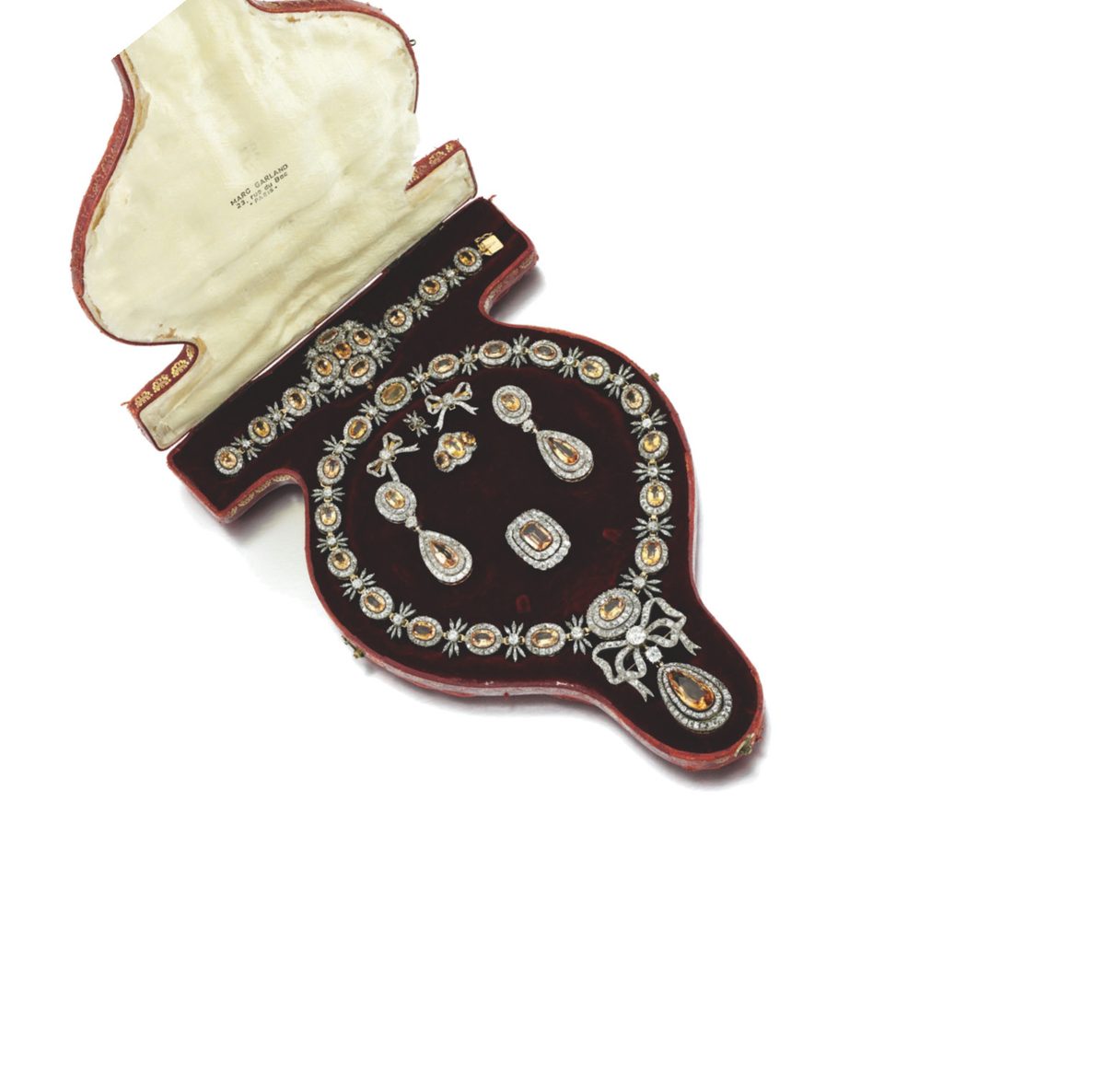
Topaz, particularly Imperial topaz, is one of the gems that put Brazil on the global gemstone map. It has been mined near Ouro Preto in Minas Gerais, since the 1750s. The Ouro Preto district remains the world’s main source of this unique gem. Although Imperial topaz was first discovered in Russia and named in honor of the czar in the 19th century, Brazilian Imperial topaz reached European lapidaries by the 1800s. These gems were often foil-backed to enhance their rich colors.
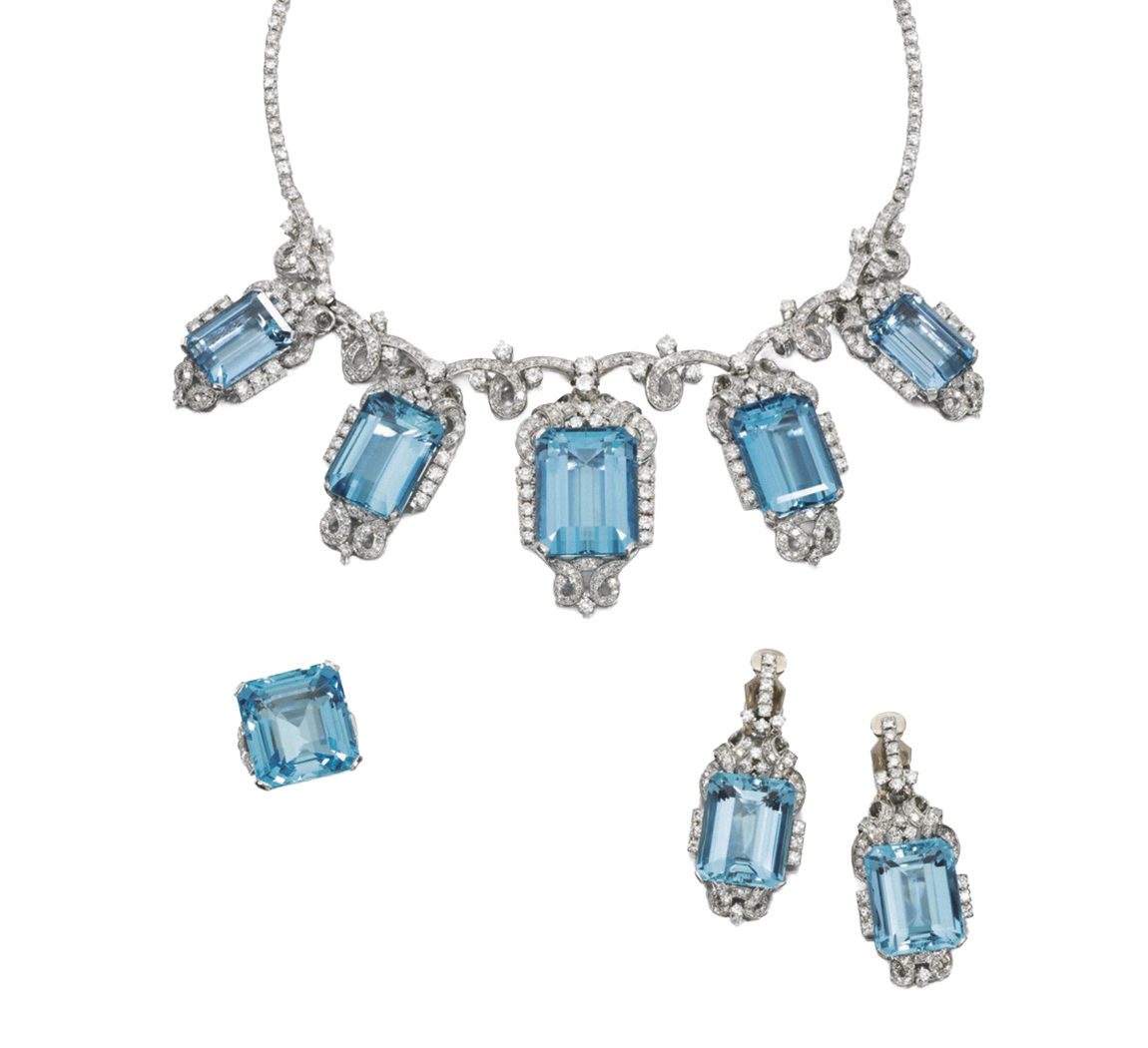
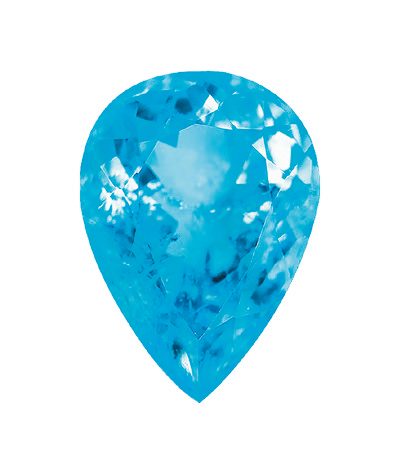
Brazil is currently the world’s largest commercial producer of aquamarine. Most deposits are found in Minas Gerais, with additional sources in Bahia, Espírito Santo, Paraíba, and Rio Grande do Norte.
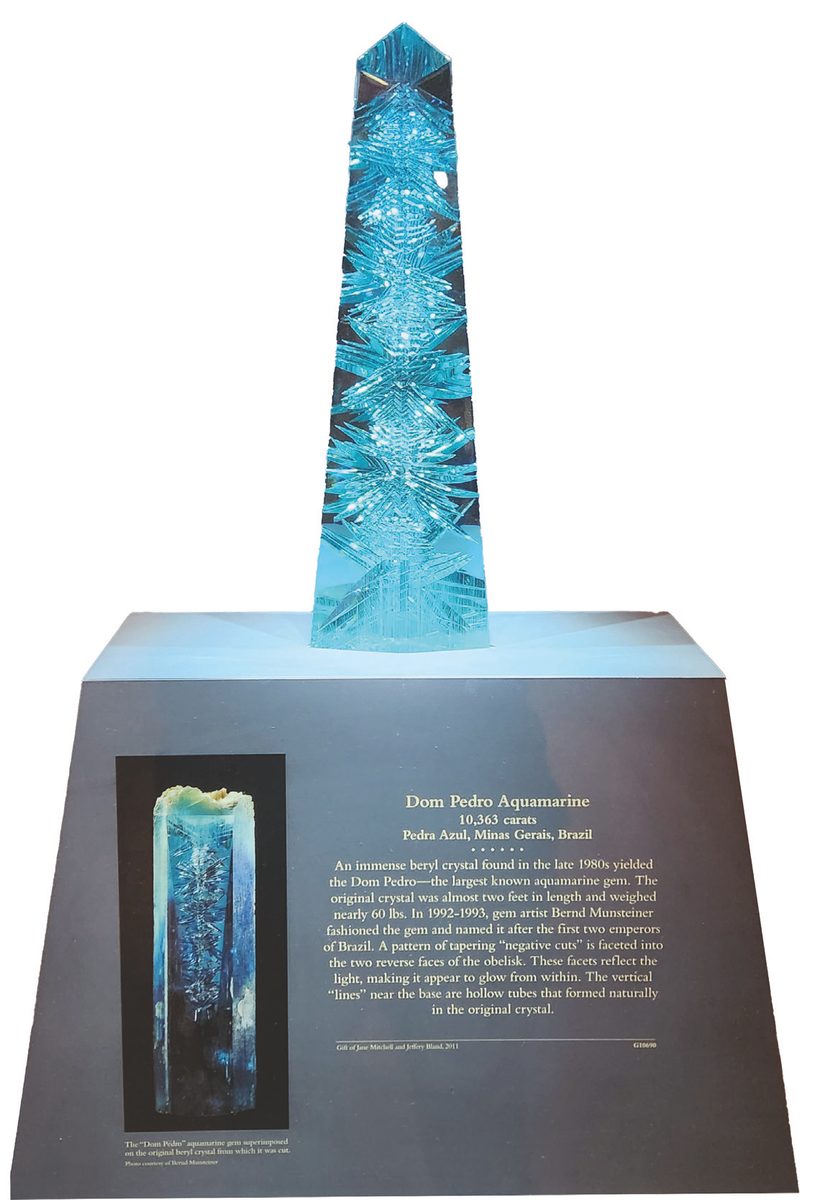
The Pedra Azul region is especially famous for producing large, high-quality aquamarines, such as the remarkable Dom Pedro ─a 10,363-carat sculpture crafted by Bernd Munsteiner in 1992–1993, and now housed in the Smithsonian Museum.
The term Santa Maria aquamarine refers to stones with a rich, deep blue color, originally sourced from the Santa Maria de Itabira mine in Minas Gerais. Today, this name describes any aquamarine exhibiting that coveted hue. Famous collectors, including Lily Marinho and Queen Elizabeth II, have owned extraordinary Santa Maria specimens.
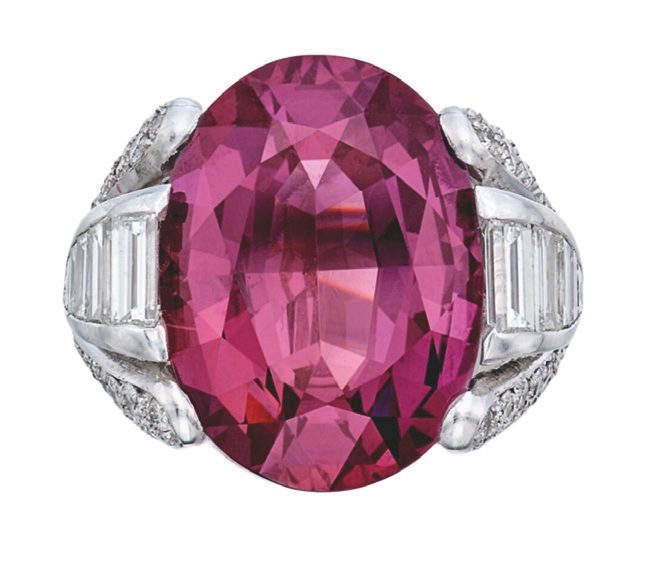
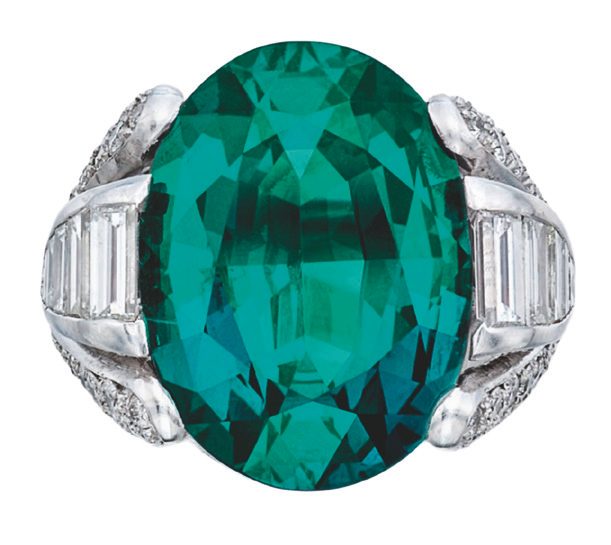
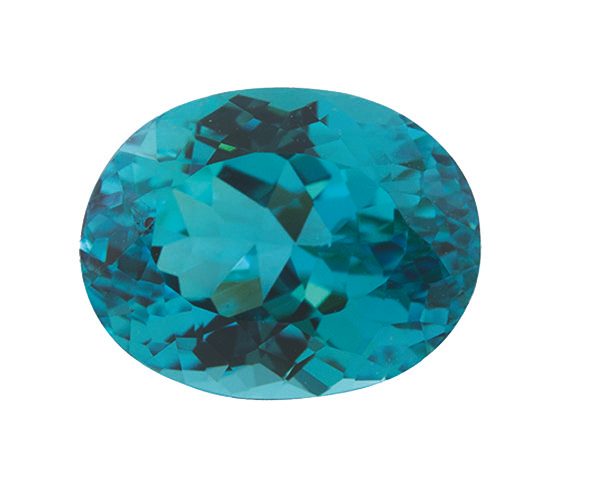
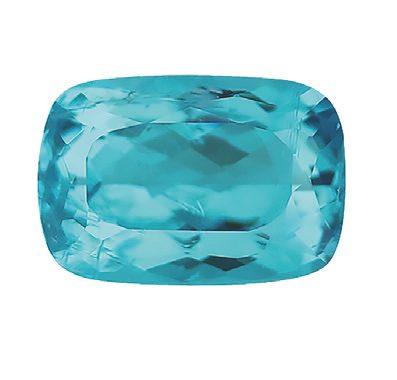

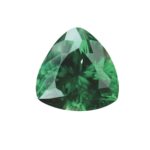
The discovery of Paraíba tourmaline in the late 1980s in Paraíba state stunned the gem world with its vivid neon blues and greens. Most of the mines are located in primary pegmatite deposits. Similar material was later found in Nigeria and Mozambique, with Nigerian stones bearing closer resemblance to the original Brazilian variety. Due to its extreme rarity, Paraíba tourmaline can fetch over $100,000 per carat.
Brazilian Jewelry Designers
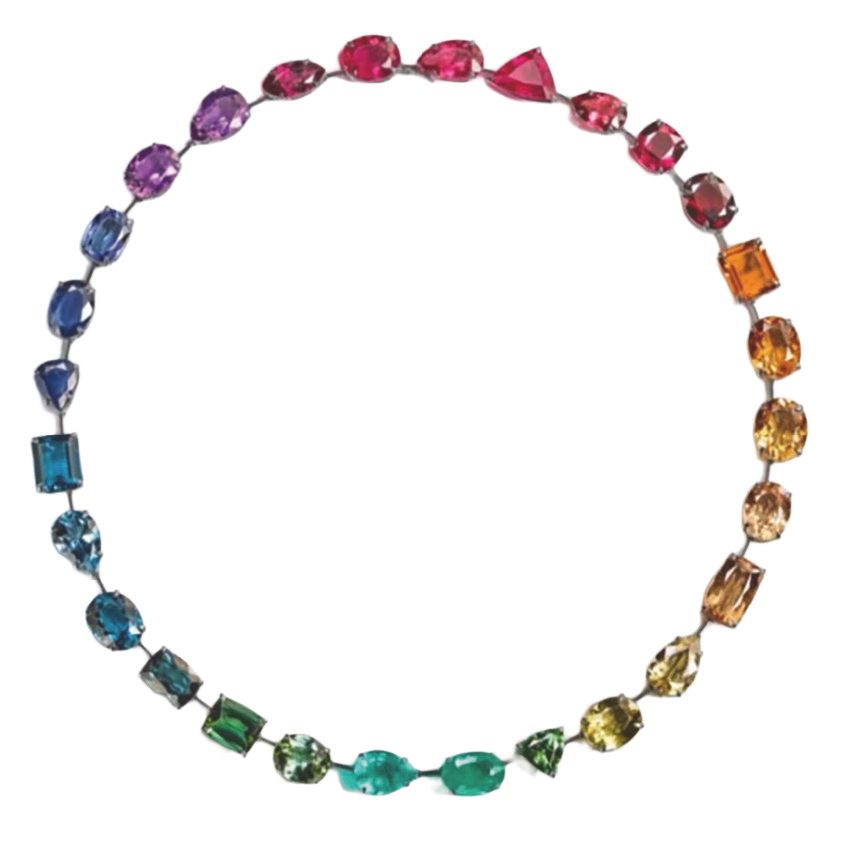
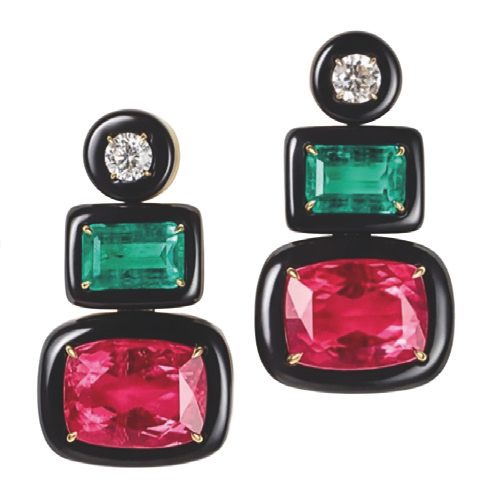
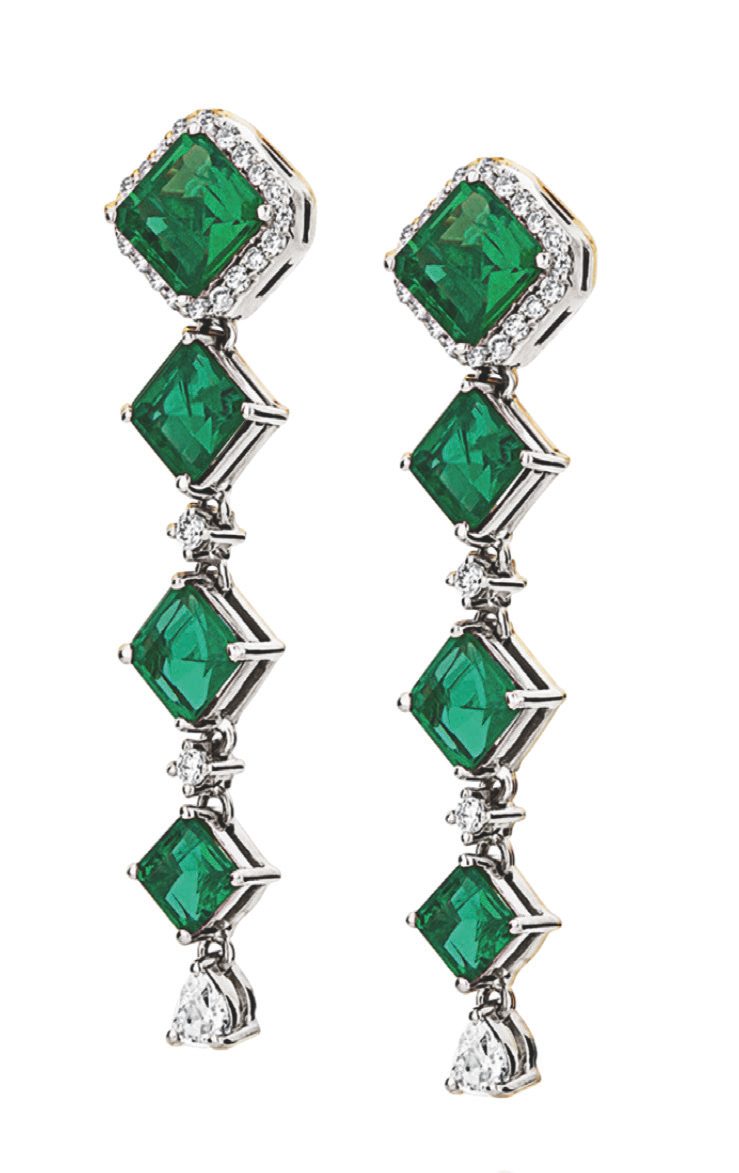
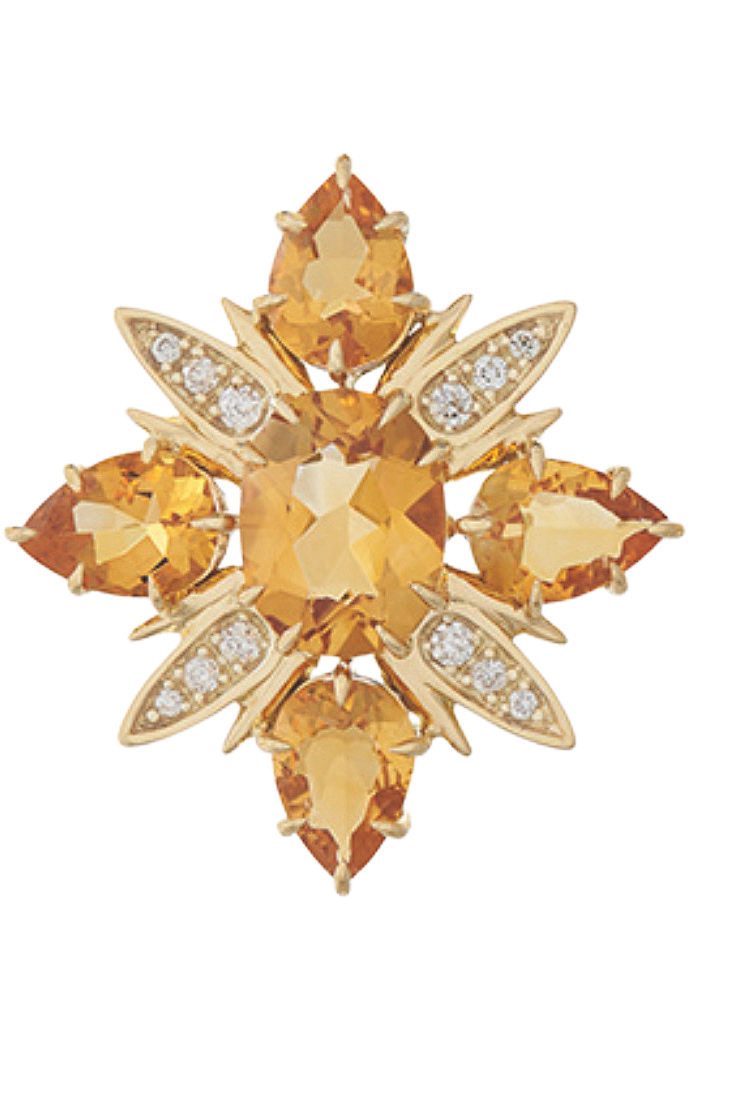
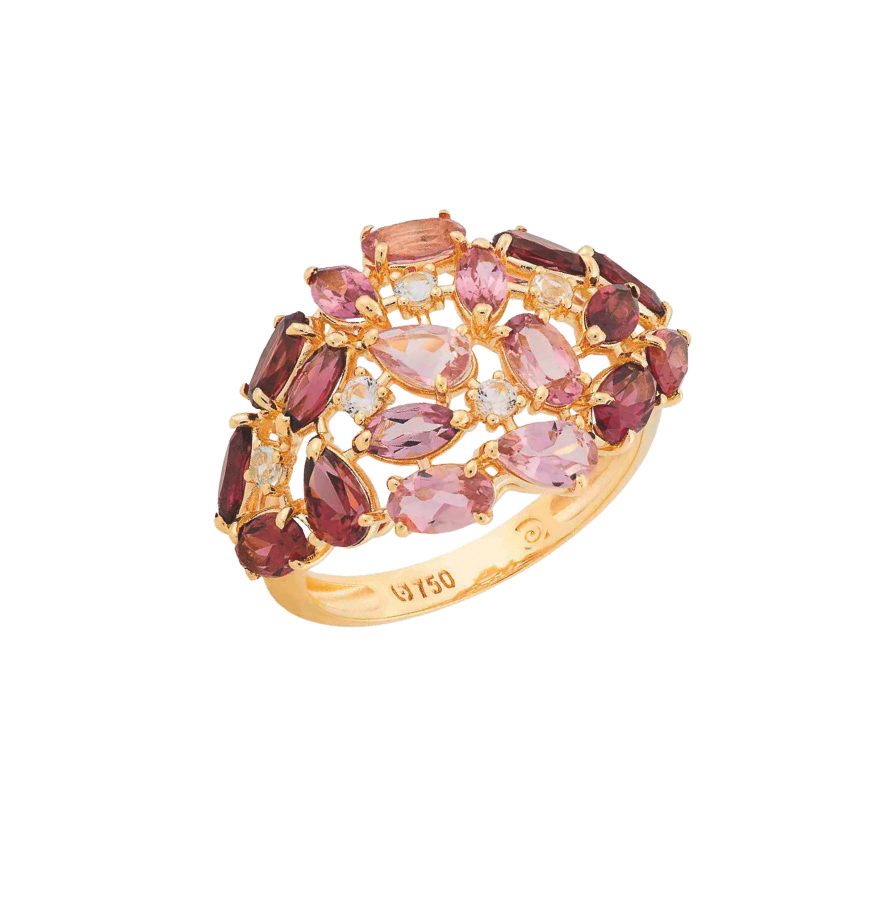
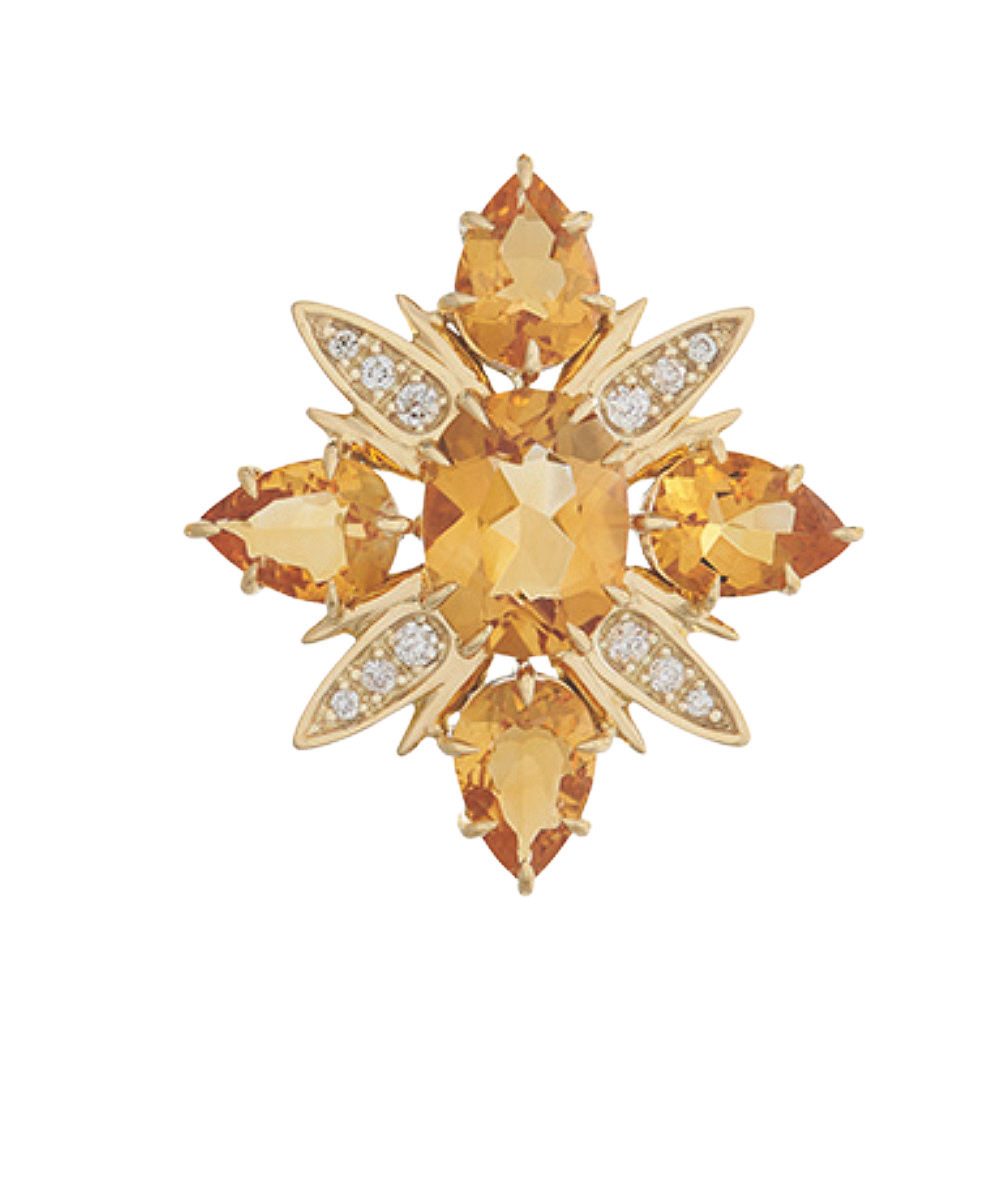
One of the pivotal figures in Brazil’s gemstone industry was Jules Roger Sauer, who founded his company in 1941. He gained international recognition in the 1960s for formalizing the nomenclature of Brazilian emeralds. Sauer was also instrumental in eliminating the outdated term “semi-precious stones” from the gemological lexicon.
Another iconic name in Brazilian gems and jewelry is Hans Stern. He found his company H. Stern in 1945 as a small gem dealer and would eventually grow into a multinational gem and jewelry empire. Based in Rio de Janeiro, he also created a beautiful museum of Brazilian gems, including an entire wall devoted to tourmaline, his favorite.
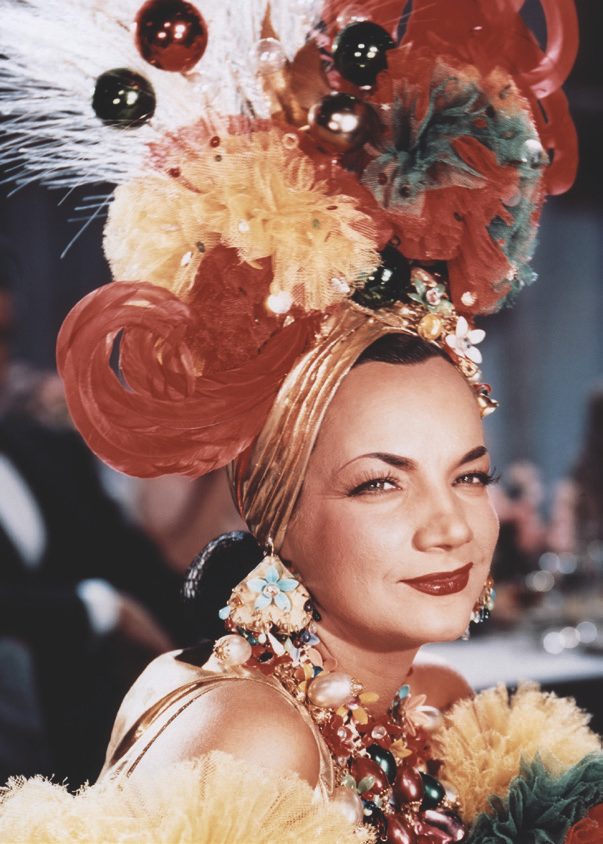
A cultural icon closely tied to Brazilian identity is Portuguese-born Brazilian singer, dancer, and actress Carmen Miranda (1909-1955). As the face of Chiquita Banana and a passionate jewelry enthusiast, she brought Brazilian gems to the global stage.
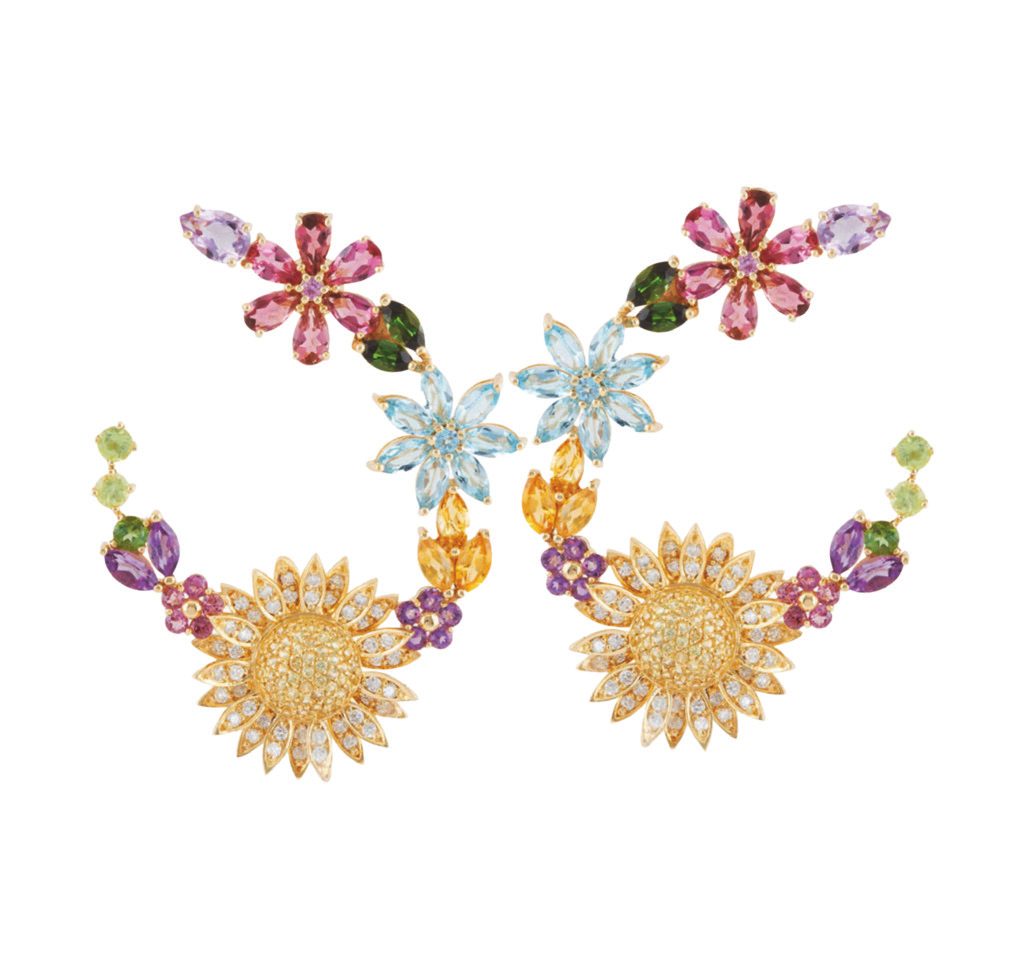
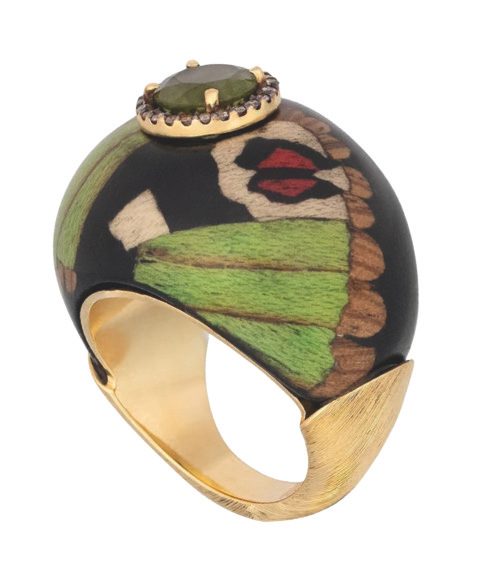
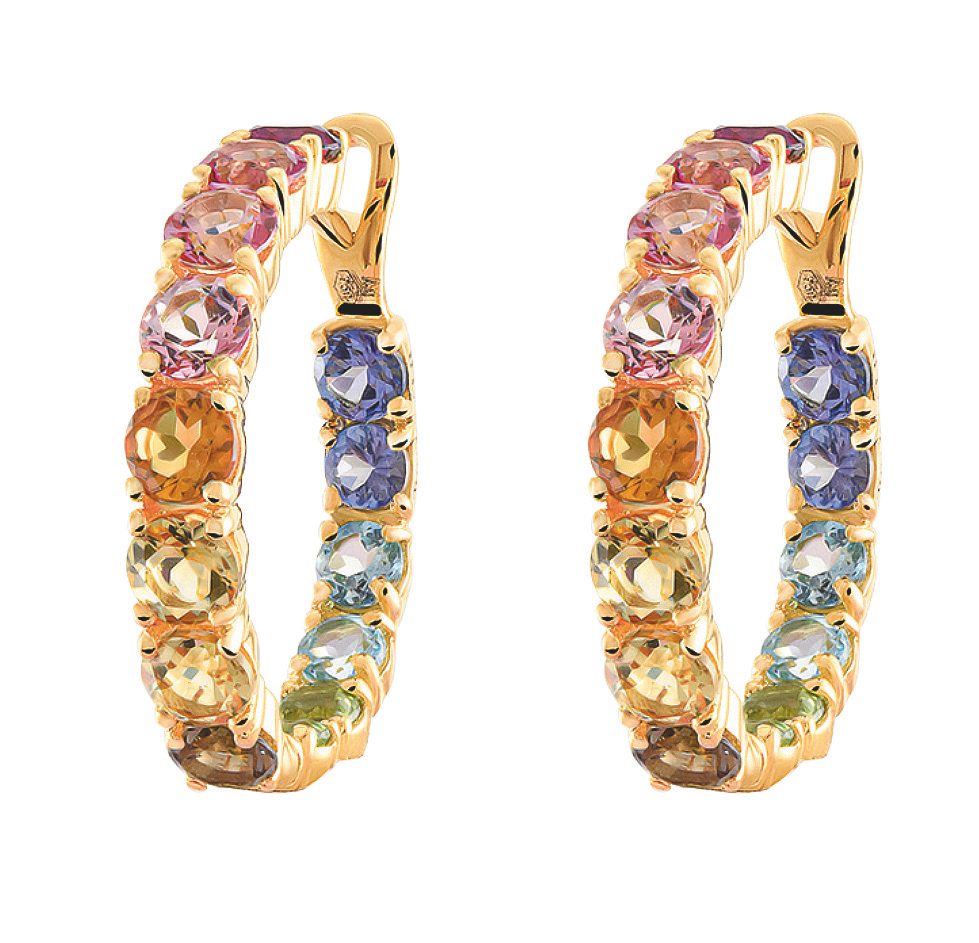
Today, Brazilian jewelry designers are internationally recognized for their ethics, sustainability, and original designs. In addition to the gem and jewelry powerhouses of Sauer and H. Stern, other names that have reached international recognition include Brumani, Bruner, Cris Porto, Guilherme Duque, Manoel Bernardes, Ruth Grieco, Sylvia Furmanovich, Talento, and Vianna Brasil, among many others.
Their work reflects Brazil’s multi-faceted culture, using spectacular gemstones of all types as well as other materials in bold innovative designs. Shown here are only a few examples of Brazilian creativity.
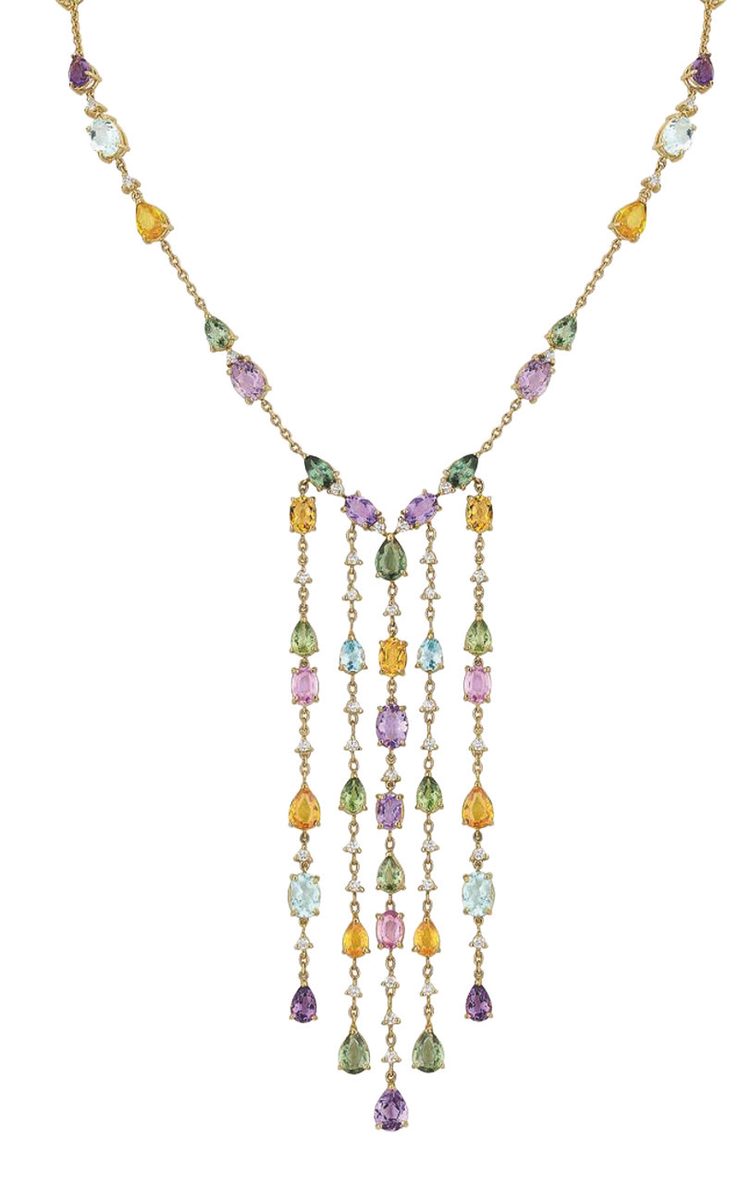
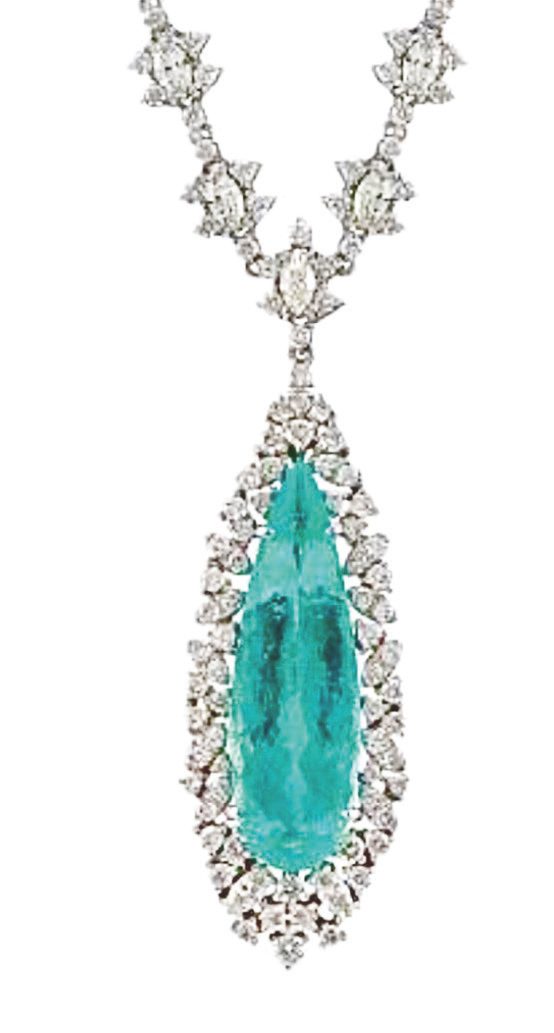


Brazil remains one of the world’s richest gemstone-producing nations, continuously surprising the global market with its diversity and quality. As we look ahead, Brazil’s beautiful gemstones, visionary designers, and commitment to sustainability promise a bright future for the global gemstone trade.
All jewelry images are courtesy of the designer unless otherwise specified.