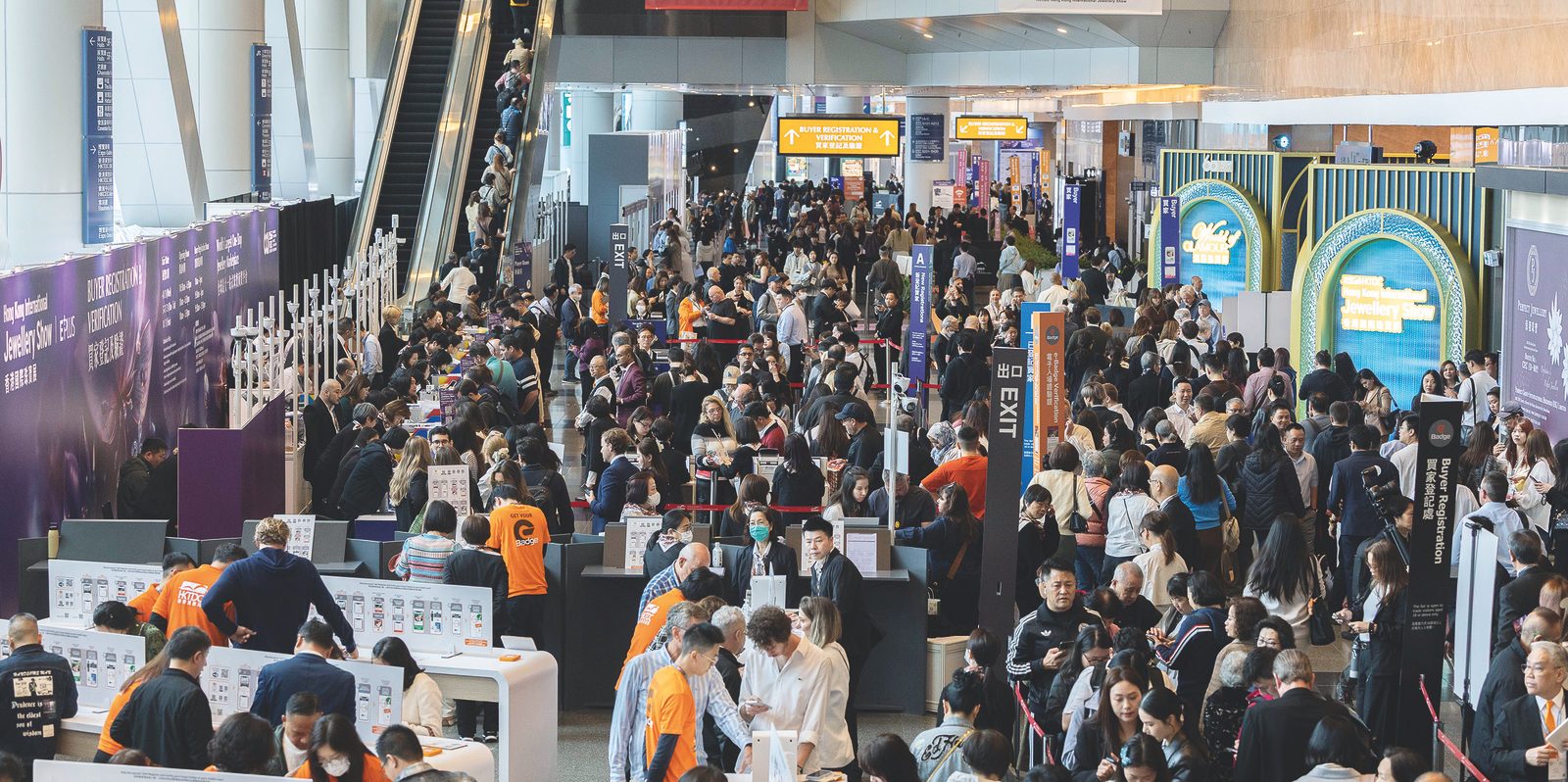
The 42nd Hong Kong International Jewellery Show and the 12th Hong Kong International Diamond, Gem & Pearl Show, organized by the Hong Kong Trade Development Council (HKTDC), were successfully held in March. Operating under the “Two Shows, Two Venues” format, the twin shows together drew some 80,000 buyers from 150 countries and regions, offering goods across the supply chain, from raw materials and design to finished pieces, setting, packaging, and gemological instruments.
“The twin jewelry shows hosted about 4,000 exhibitors from more than 40 countries and regions. Buyer attendance from the Philippines, Korea, Australia, and Switzerland all recorded significant growth, a testament to the strong international standing of the twin shows,” said Jenny Koo, deputy executive director of HKTDC. The shows welcomed a few new pavilions, including the Hong Kong Watch Manufacturers Association Pavilion and the Zhushan Turquoise Pavilion. Zhushan County in Hubei Province of mainland China is known as the “hometown of Chinese turquoise” and for being a renowned production region for high-quality turquoise. This new pavilion brought together 11 exhibitors showcasing natural treasures formed in the Qinba Mountains and seemed to be popular with attendees.
Between the war with Iran unsettling the Middle East and disrupting flights, and a weaker global economy, sentiment at the recent Hong Kong trade shows was slightly dampened. Still, those who were there did seem interested in buying, looking for good value and strong color.
The show also included the Hard Pure Gold Pavilion, reflecting Hong Kong’s move to strengthen its status as an international gold trading market, as indicated in the government’s latest budget speech. Toward that end, the World Gold Council (WGC) hosted 10 exhibitors from the Chinese mainland in the Hard Pure Gold Pavilion. (Hard pure gold combines the purity of traditional 24-karat gold with the hardness and durability of lower-karat alloys to allow for superior durability and design flexibility.) Roland Wang, WGC regional CEO, China, said the popularity of the hard pure gold products was steadily growing in Southeast Asia, the Middle East, and India, and appeals to younger middle-class buyers.
The 42nd Hong Kong International Jewellery Show and 12th Hong Kong International Diamond, Gem & Pearl Show were successfully held in early March. (Photo: Hong Kong Trade Development Council, HKTDC)
Overall Feel
Some buyers from the Middle East, or those whose flight routes went through the Middle East paths or had layovers in the region, particularly from Europe, weren’t able to get to the show due to activity in the area related to the war with Iran. Some exhibitors also couldn’t make it either and, here and there around the shows, HKTDC had put notices up on empty booths noting they couldn’t make it due to the geopolitical events that had kicked off. Show organizers also helped affected buyers rearrange flights and accommodations for deferred arrivals.
As a result, several exhibitors who were there noted that foot attendance seemed lighter and the show was a little quieter for them, with recent events and the global turmoil dampening the show a bit. Selling activity depended on category, but several exhibitors did note that despite a quieter show, many of those in attendance were ready to buy.
As Taymans founder Brieuc Taymans said, it was just an OK show with slower traffic, but noted that rather than it being a “symptom of a broken market,” it’s just a sign of the times.
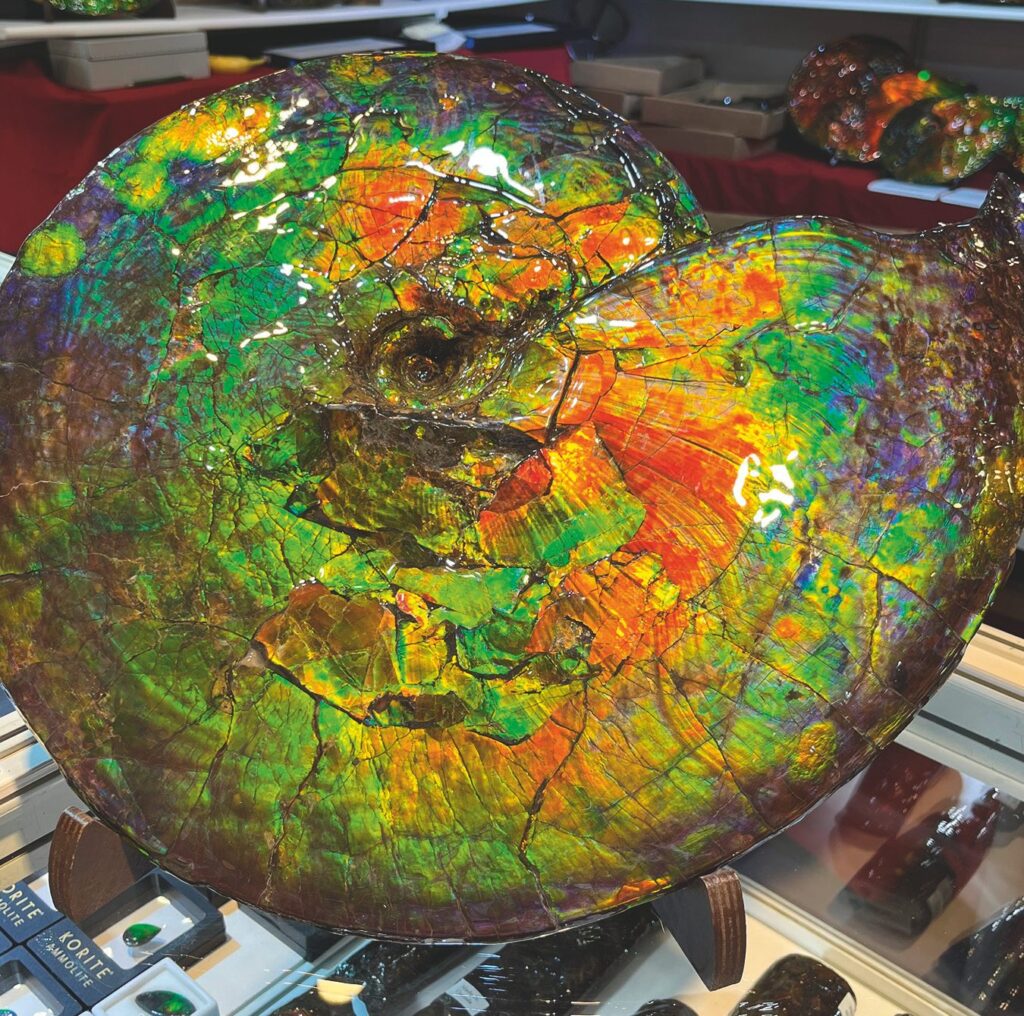
Amarjeet Grewal, president of Korite, also noted that the show was a little slow for the company, especially compared with Tucson, which she called OK. In Hong Kong, buyers were being a little more cautious, she said. Where Korite is finding success in the global market of late is by connecting the ammolite finished jewelry pieces the company makes to the full story of ammonites and their creation and history.
The Digital Component
The shows continued to adopt a hybrid format, enabling businesses to extend their presence to an online matching platform, where exhibitors and buyers could engage in AI-powered business matching through the marketplace app’s “Click2Match,” as well as buyers being able to use the “Scan2Match” to scan exhibitors’ QR codes and continue discussions online after the show. For buyers unable to travel to Hong Kong, the show helped facilitate over 100 online business matching sessions, organizers said.
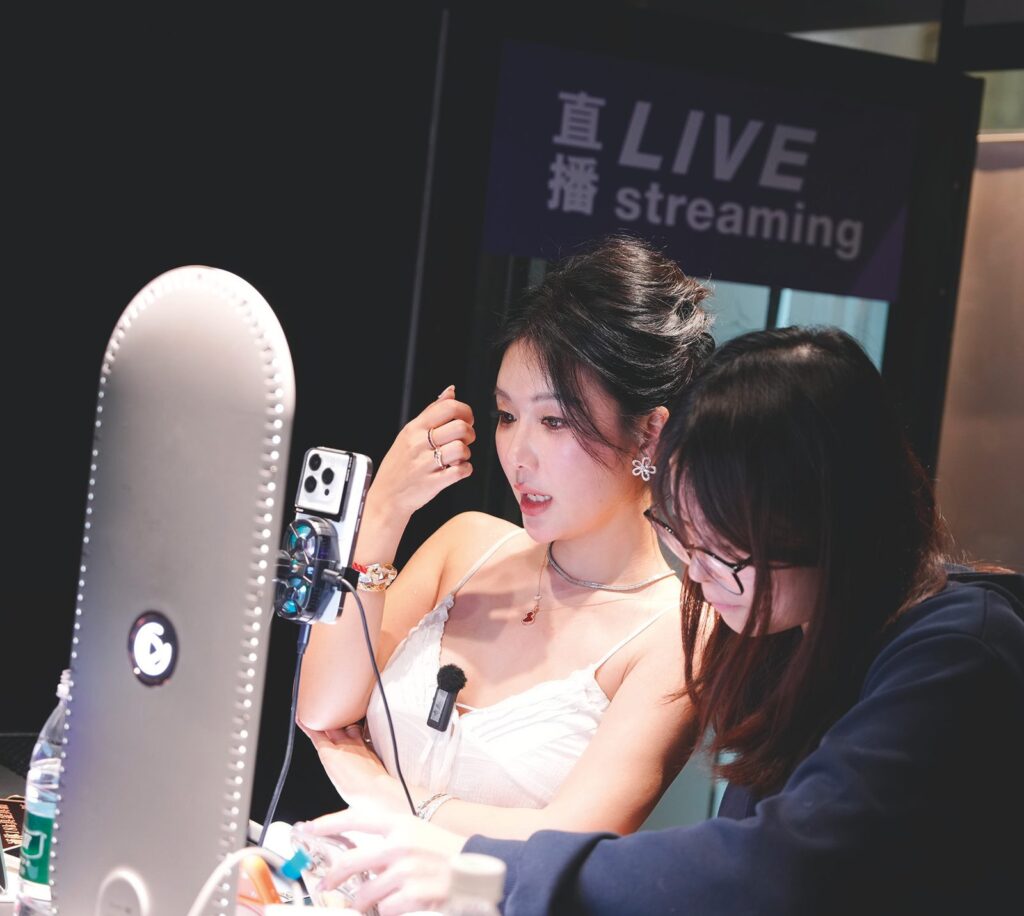
While influencer presence isn’t anything new for industry trade shows, in Hong Kong, they provided an added benefit. To help exhibitors tap into the mainland China market through e-commerce channels, the show partnered with both Taobao Tmall and Douyin for live-streaming and selling. It involved 10 exhibitors and more than 30 influencers and opinion leaders, generating over 35 million online impressions and achieving sales exceeding $20 million, HKTDC said.
Finished Jewelry Trends
Perhaps unsurprisingly, the high gold price has given way to brands rethinking their karat gold jewelry; not only are they offering more karat options, but increasingly, companies are rethinking their designs to be lighter in gold weight. Several companies unveiled such options in Hong Kong, citing price point-driven reasons for recreating a popular bracelet, for example, that weighs 2 grams lighter.
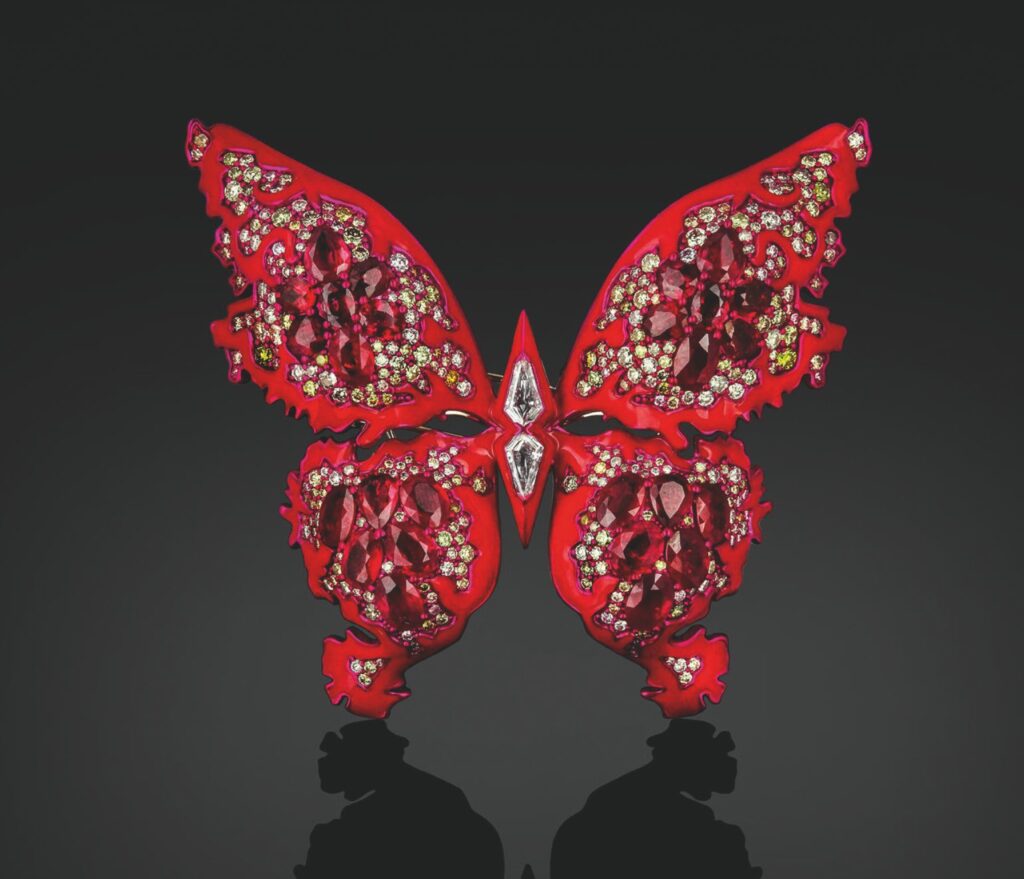
Along the same lines, there were several alternative metals popping up in displays—titanium in particular was popular in designs, with many fine jewelry brands opting to set their fine gems in colored titanium, keeping the pieces lighter and offering a bold look for buyers.

Other notable trends in jewelry included a strong natural inspiration—animal and plant motifs were seen everywhere on the show floor. Butterflies in particular had a strong showing this year. Layered gold looks also continue to be one of the most notable trends in the market.
Color’s Strength
Despite the show’s dampened atmosphere, color continues to be a standout in the market, and the category is growing in market share all the time. If the Hong Kong show is any indication, prices for color, especially fine goods, remain strong.
Ashoo Sinchawla, director of Sant Enterprises said their overall impression of the Hong Kong Show was positive, reporting a number of international buyers from Asia and Europe, as well as a return of Chinese buyers, which she said had disappeared over the last two years, and more Indian buyers.
“We had appointments that were already lined up, and this time diamonds were at an all-time low, with colored stones definitely showing more interest,” she said, noting that single large stones were in demand as were unheated and heated sapphires, Mozambique rubies, spessartites, and tourmalines.
One of the notable finds at the ICA pavilion at AsiaWorld-Expo was the Nigerian emeralds that made an appearance at two booths. Frontline Trading Ltd. had some rough at the show, marking the company’s first time in emeralds, said Indy Khurana, who had been doing some market research to understand pricing and how his Nigerian emeralds might fit into the market. Khurana also noted that people were buying small stones overall in Hong Kong, which he guessed could have something to do with the high gold price that buyers are looking to offset.
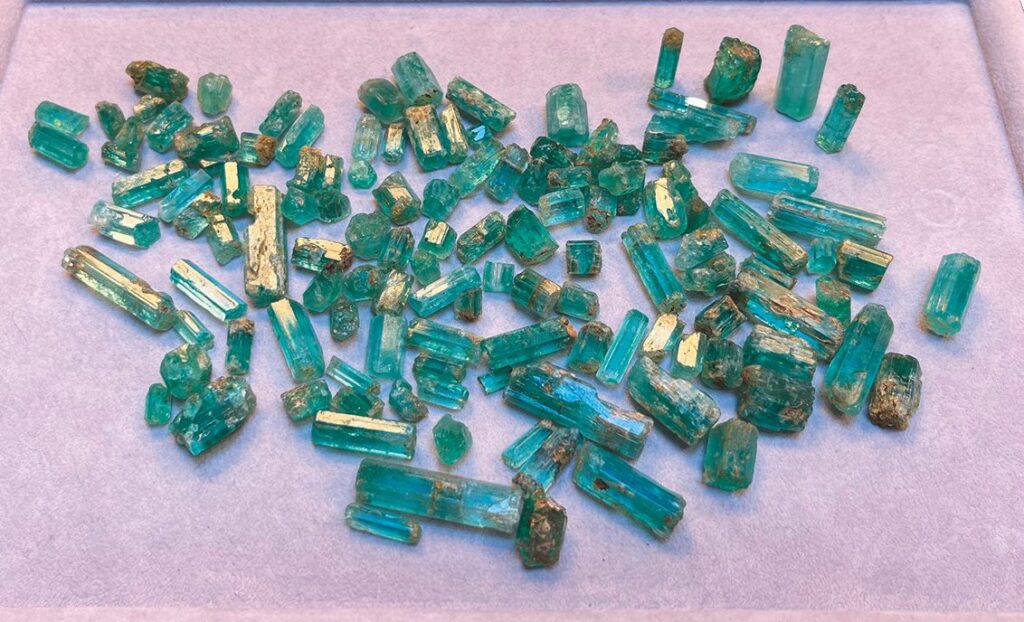
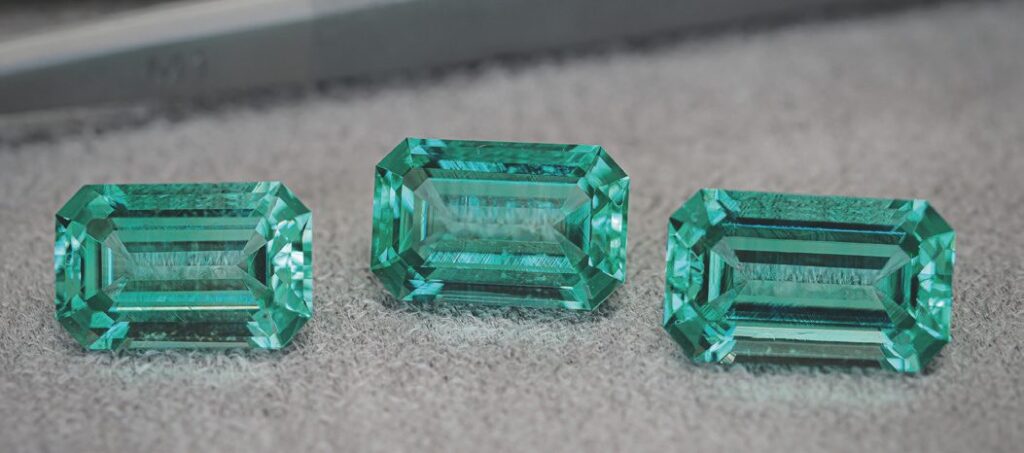
Pamir Gems’ Dzhamshed Gulmamadov said their Nigerian emerald material just came out at the end of 2025. They introduced it to the market first in Tucson this year before bringing it to the Hong Kong show. Gulmamadov said market response has been mixed so far, noting that many people think the color looks similar to lagoon tourmaline with its slightly bluish green hue.
Overall, Gulmamadov said purple and orange garnets have been doing well for them lately, as have their wide variety of tourmalines and spinel. Taymans, too, noted that purple garnet has been selling well for them.
For Intogems’ Terry Coldham, launching Australian sapphires into the Chinese market has been slow progress; he also noted that this show was quiet for the company. Overall, it’s the bicolor and parti colors that are driving the market for them right now, with the U.S. and Canada providing the greatest areas of opportunity outside of the domestic market, he explained.
Unenhanced Australian sapphires, of course, are doing well and are one of the focuses for Intogems, garnering about a 30%-40% price premium over the heated goods, Coldham said.
For Nomad’s, the show seemed busier than in 2025, but down from years prior to that, according to Josh Saltzman, who added that there was less European presence due to the disrupted flights but a strong Asian presence, which perhaps explained a smaller presence noted earlier in the year in Tucson.
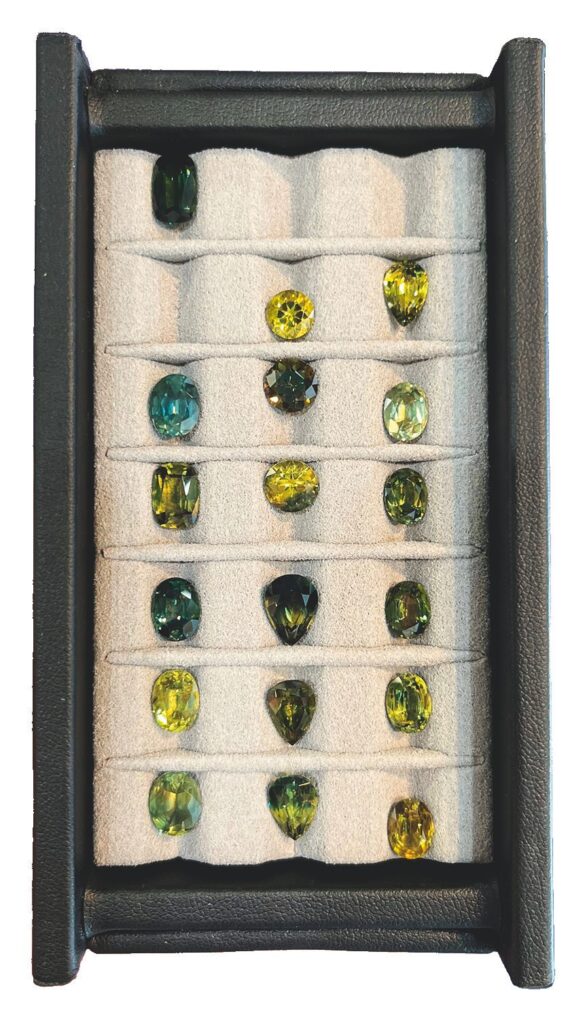
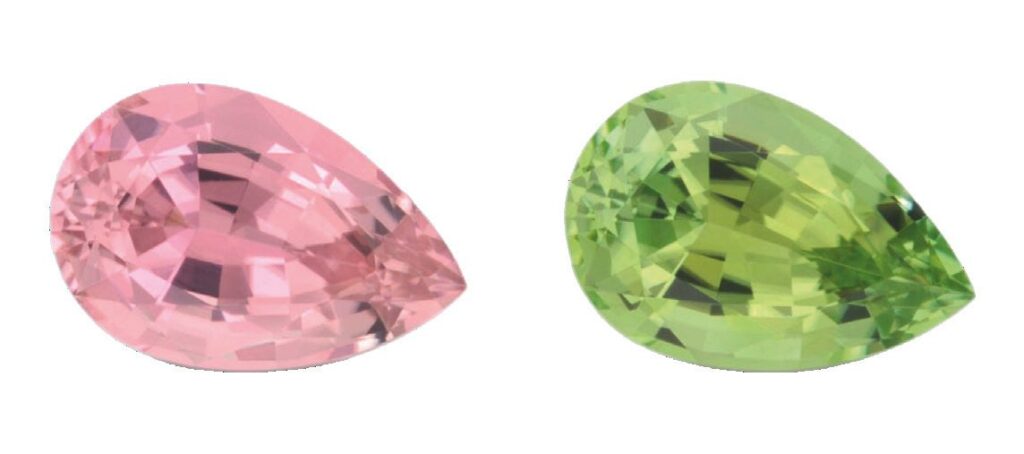
Saltzman said buyers at the show did seem be shopping and buying, with most of the stones that Nomad’s was selling under 10 carats. Standouts of what was popular for them were aquamarine, tourmaline (mint, pink, and lagoon), spinel, and garnet (tsavorite, mandarin, and malaya). Overall, though, buyers were looking for beautiful colors and good prices. “Value for money was definitely a factor,” he said.
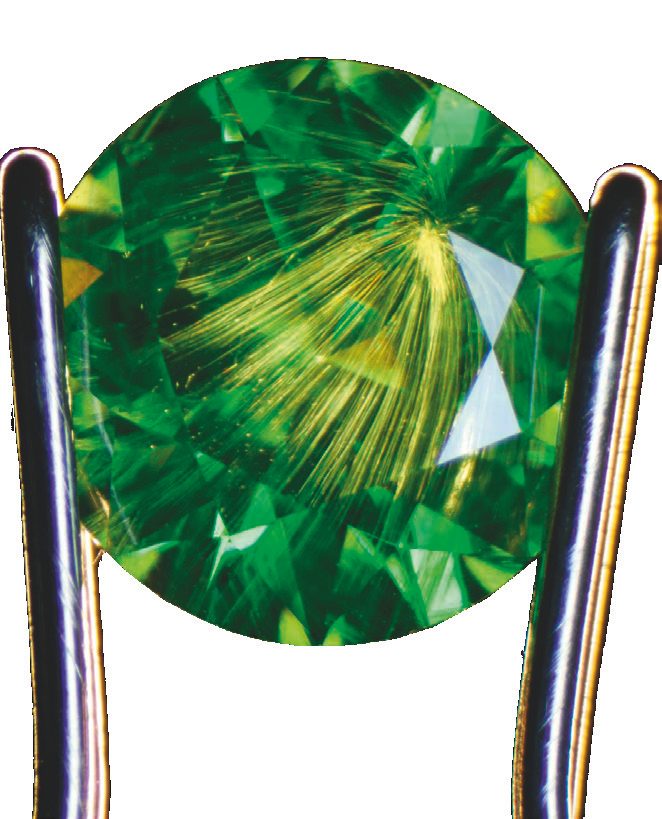
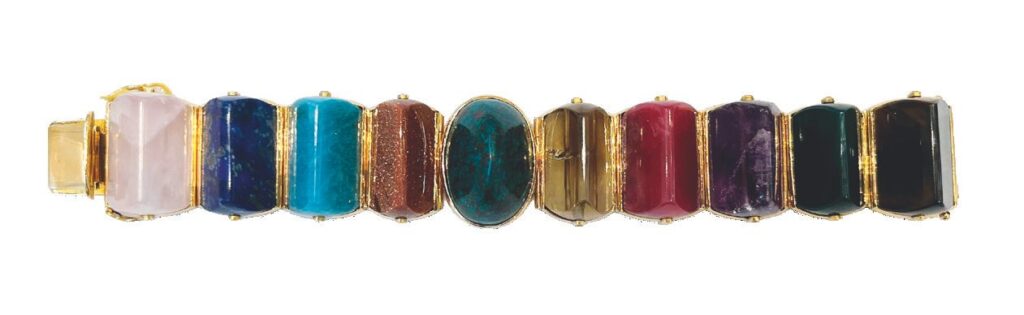
The antique and vintage section of the Hong Kong International Jewellery Show seemed to be one of the most popular, if the crowds were any indication. For many days in this pavilion, the aisles were busy with activity.
Ioannis Alexandris of Gemolithos reiterated the idea on the second day of the show that it had been a little quieter for them but that those who came to the booth were buying. No trends were yet standing out among purchases, as buyers showed interest in products across the board.
Even with the current global instability and gold prices being up, clients seemed to be feeling cautious but positive overall. Most people I talked with, however, said that, these days, it is extremely difficult to plan ahead because the worldwide situation changes day to day.
Survey Results: Trends and Outlook
The HKTDC conducted an on-site survey of more than 1,500 exhibitors and buyers. The results indicated that both buyers and exhibitors are cautiously optimistic about the economic outlook. Among the findings is that 44.3% of respondents said they expect overall sales to increase in the next one to two years; 49% expect sales to remain stable. They indicated they expect the following markets to have good or very good growth potential for jewelry over the next two years: Korea (73.2%), ASEAN (71.8%), mainland China (68.5%), Taiwan (65.3%), and Australia (64.1%). Among those with the greatest development potential, most respondents plan to try out Europe (20.8%), ASEAN (16.8%), mainland China (15.3%), Japan (15.3%), and Taiwan (10.8%).
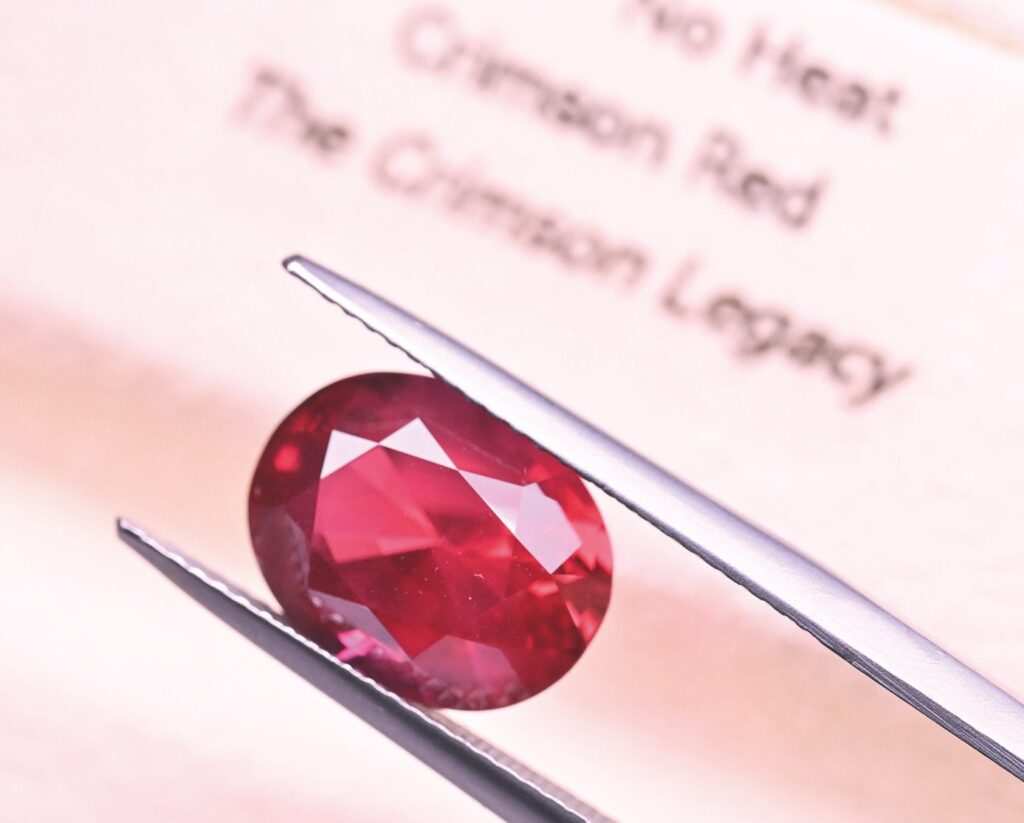
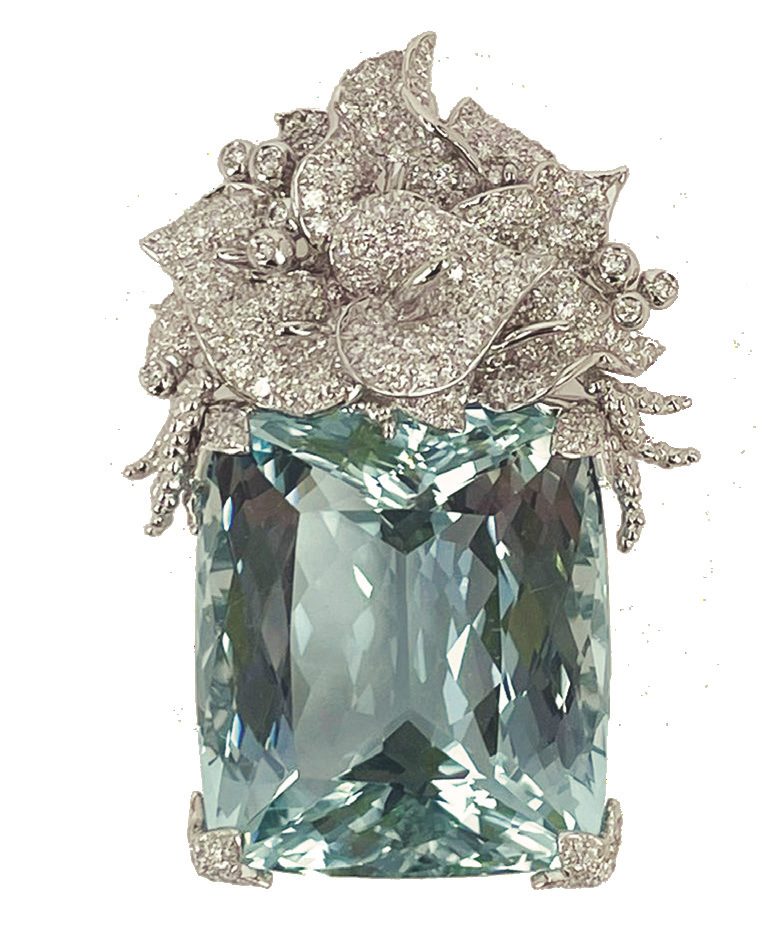
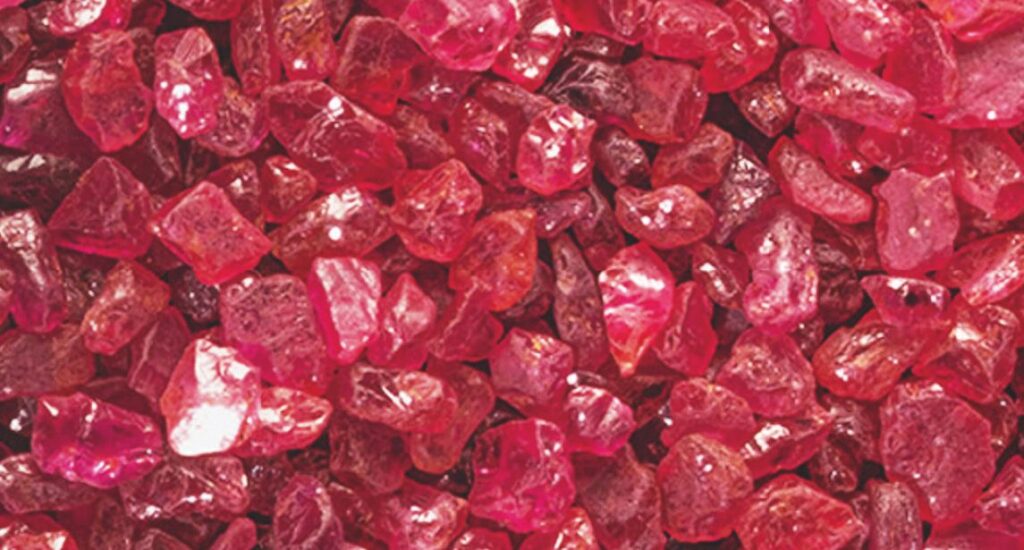
Survey takers were also asked which products have the strongest growth potential this year. Their answers were: trendy fashion jewelry (57.3%), precious jewelry (35.1%), and designer jewelry (21.1%). They also indicated that popular precious metal products in 2026 are: karat yellow gold (40.1%), karat white gold (31.7%), and pure gold (28%). The most popular gemstones this year, meanwhile, are diamonds (28.8%), followed by rubies (24.7%) and pearls (19.7%).
About the Author
Brecken Branstrator, GIA GG, is the editor-in-chief of Gemworld International’s GemGuide publication, the industry leader for gemstone pricing and market information. She has written about gems and jewelry for more than a decade and has dedicated herself to covering the colored gemstone sector in depth, from topics like supply and pricing to responsible sourcing developments. She has traveled extensively across the United States and internationally to attend trade shows and conferences or visit brands and source markets firsthand.