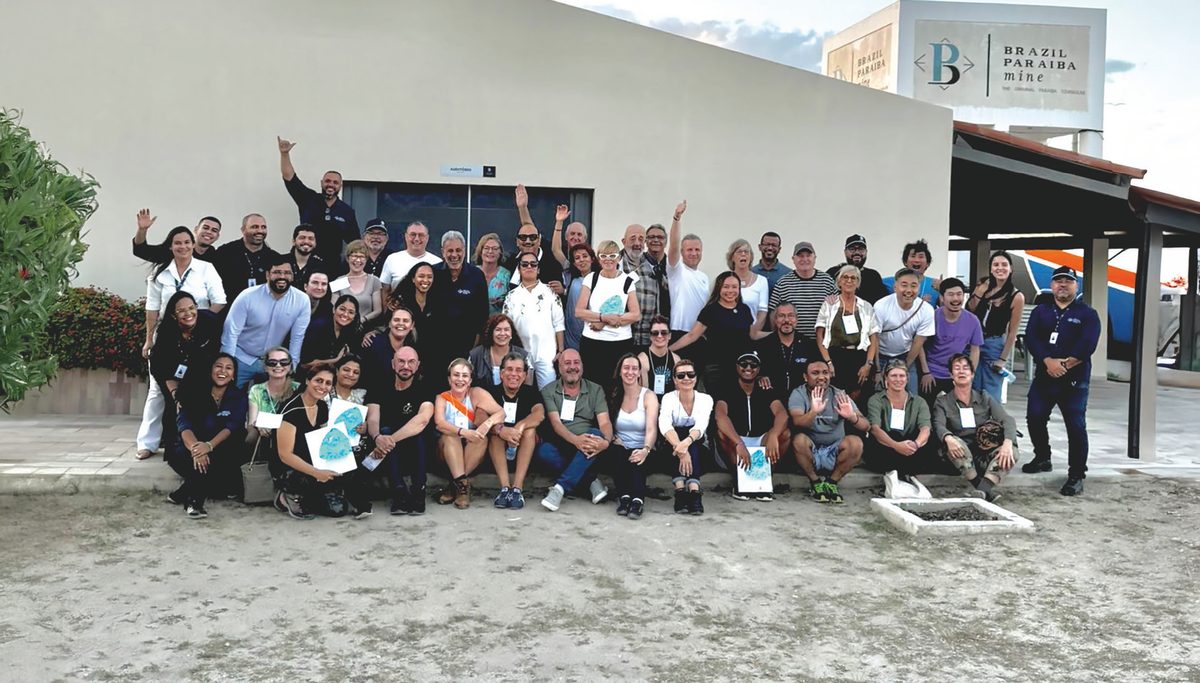
Following the ICA Congress in Brasilia, about 40 of the attendees took the opportunity to visit three of the nation’s many colored gemstone mines. The following is a brief overview of what we experienced on this exceptional adventure.
Embarking on a mine trip is always an experience filled with anticipation and excitement. It often involves long journeys, challenging conditions, and demanding schedules, but there is also the promise of discovery, connection, and inspiration.
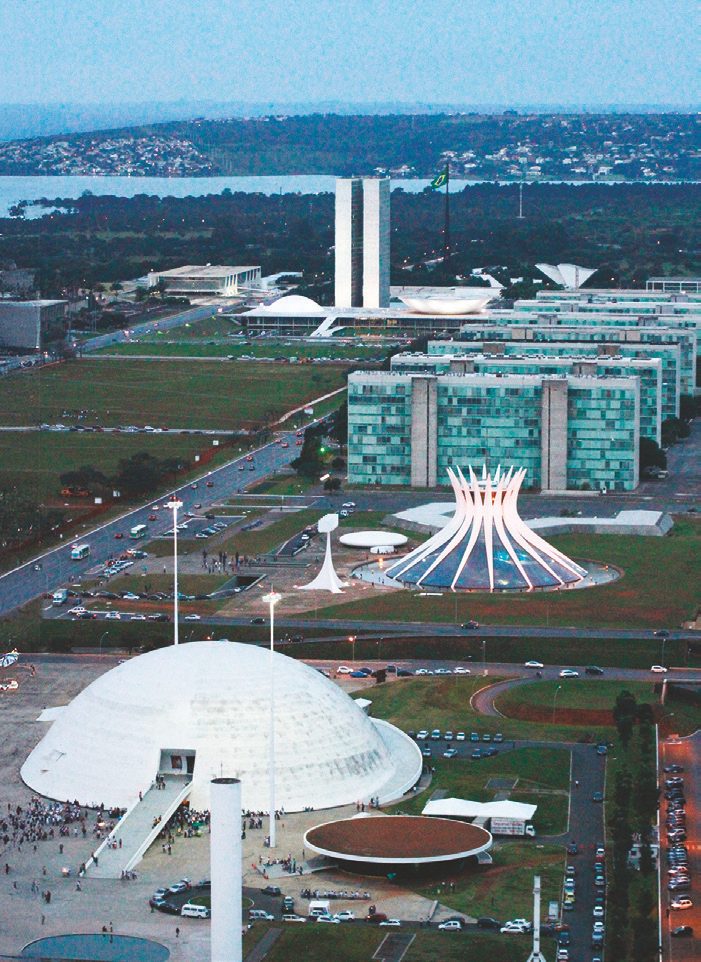
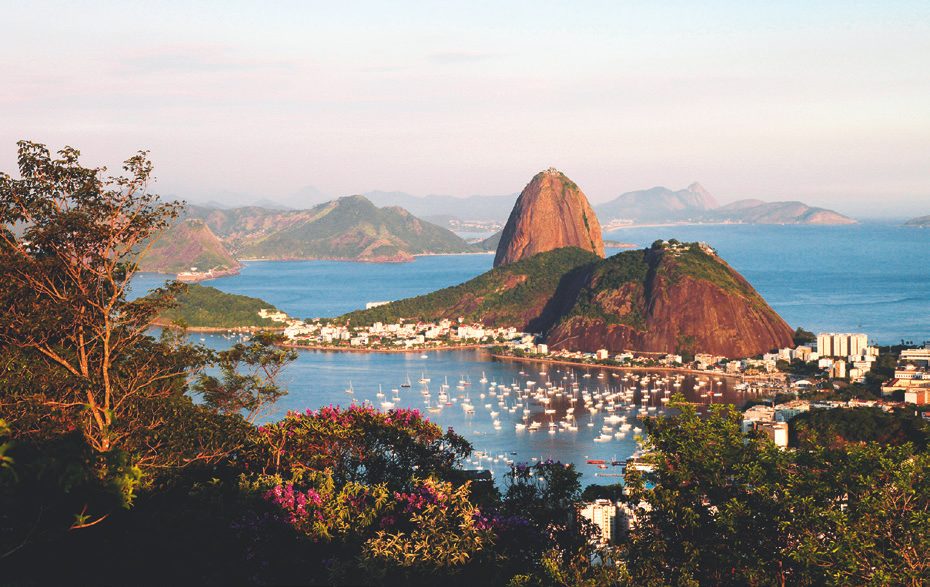


Our recent mine expedition in Brazil was no exception. For many of us, it represented not just a chance to see more of this beautiful country and its culture but to explore some of its most significant gemstone mines. It also offered the opportunity to reconnect with old friends, esteemed professionals, and to forge new friendships with passionate individuals from around the world.
Our adventure began in Brasília, the nation’s capital, where we caught a flight to the vibrant city of Rio de Janeiro. We spent an unforgettable day immersed in the sights and energy of this iconic city. After visiting the majestic Christ the Redeemer statue, towering over the city with wide open arms, we took in the breathtaking panoramic views of the area from Sugarloaf Mountain. As the sun dipped below the horizon, painting the sky in warm golden hues, we shared a spectacular sunset that set the tone for the journey ahead.
Off to the Mines
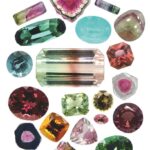
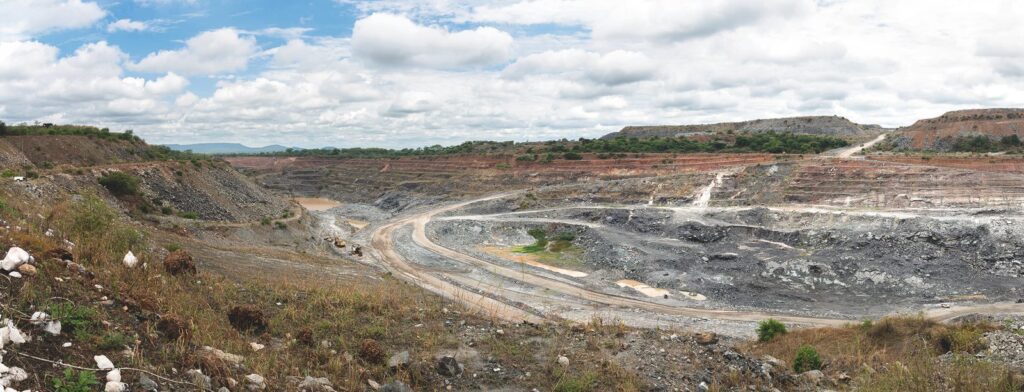
The following day, we traveled to one of Brazil’s most historical mines ─the Golconda Mine, renowned for its production of exquisite tourmalines. We were warmly welcomed by Marco Tironi, the owner, whose generosity and hospitality left a lasting impression on us all. During our visit, we were not only captivated by the vibrant colors and delicate beauty of the tourmalines, but also had the chance to admire stunning geodes and a variety of rare mineral specimens, each telling a story of the Earth’s ancient artistry.
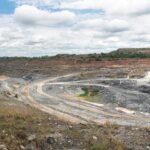
Our journey continued to the Belmont Mine, a technologically advanced operation that plays a key role in Brazil’s gemstone industry. Here, we were offered a comprehensive overview of their innovative mining processes, sustainability practices, and the global significance of their production. It was both an educational and inspiring visit, highlighting the intricate relationship between technology, nature, and craftsmanship in the gem world.
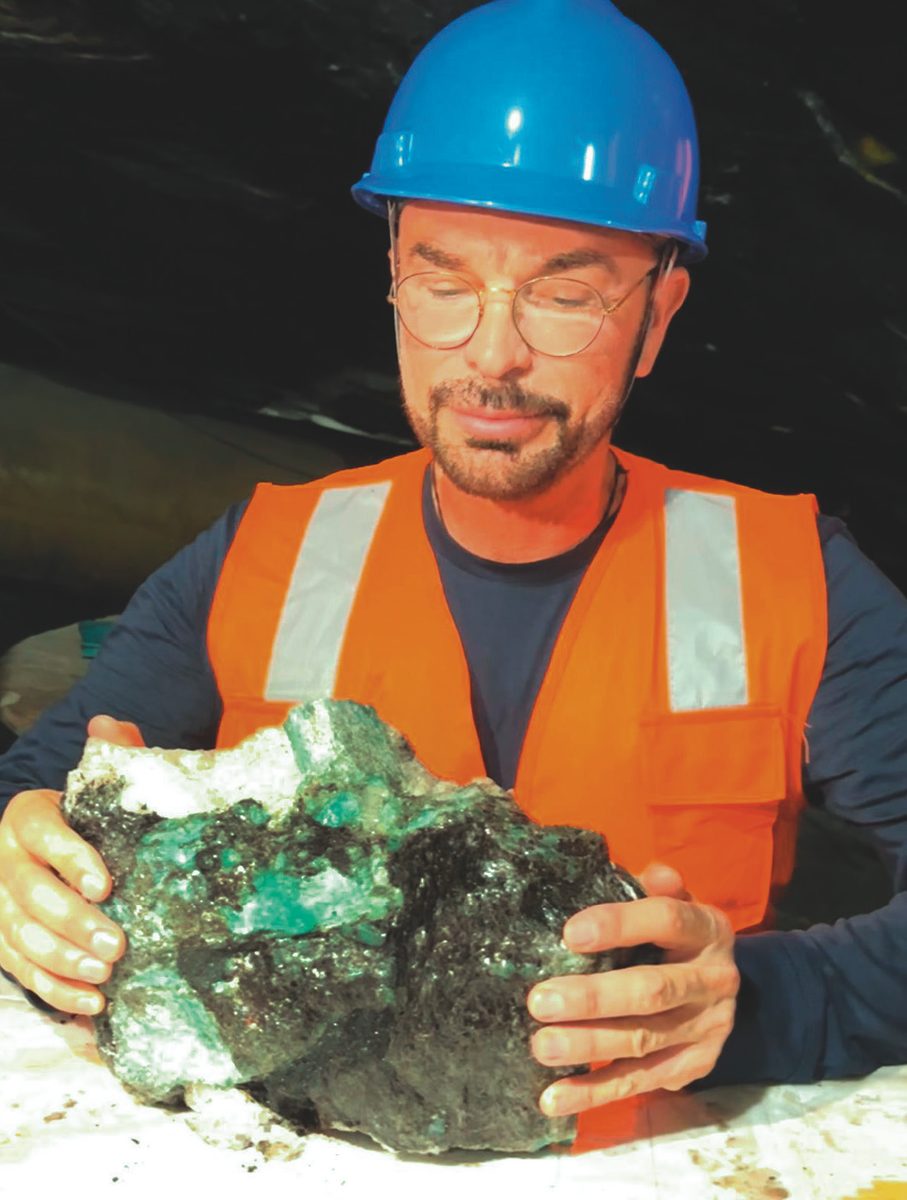
In the evening, we were honored with a delicious dinner in a beautifully preserved traditional Brazilian home belonging to the Ribeiro family. With the heartfelt hospitality of Marcelo and Clarissa, we shared a memorable evening, which concluded with a gift ─a small piece of rough emerald to treasure.
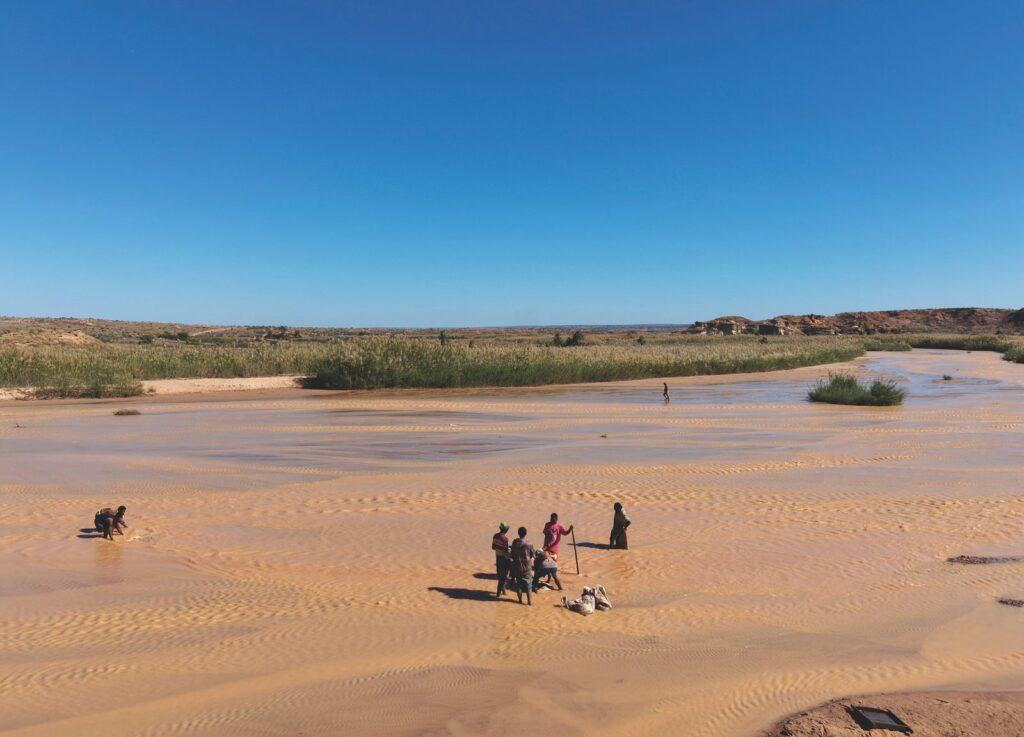
Our final mining destination was the legendary Paraíba Mine, famous for producing some of the most vibrant and rare tourmalines on the planet. Although our visit there was brief, it was immensely rewarding. We managed to catch a glimpse of the mine’s incredible richness and potential and, true to the spirit of our journey, had the pleasure of meeting more like-minded gem lovers and professionals.
To conclude our journey, we spent a relaxing day in the coastal city of Natal. Our beachfront hotel offered the perfect setting to unwind, reflect, and celebrate the memories we had made. With the ocean breeze in our hair and the sound of waves in the background, we enjoyed our final evening together, sharing stories, laughter, and dreams of future adventures.
The following day, each of us departed for our respective destinations, carrying with us not just stones and souvenirs, but hearts full of gratitude and a deep desire to return.
Brazil had left an indelible mark on us, with its natural beauty, generous people, and its unparalleled treasure troves of gems. As we boarded our flights home, we did so with a shared hope: that we would soon be back in this extraordinary land, once again exploring its wonders and reuniting with the friends we now call family.
Golconda ─ A Tourmaline Treasure
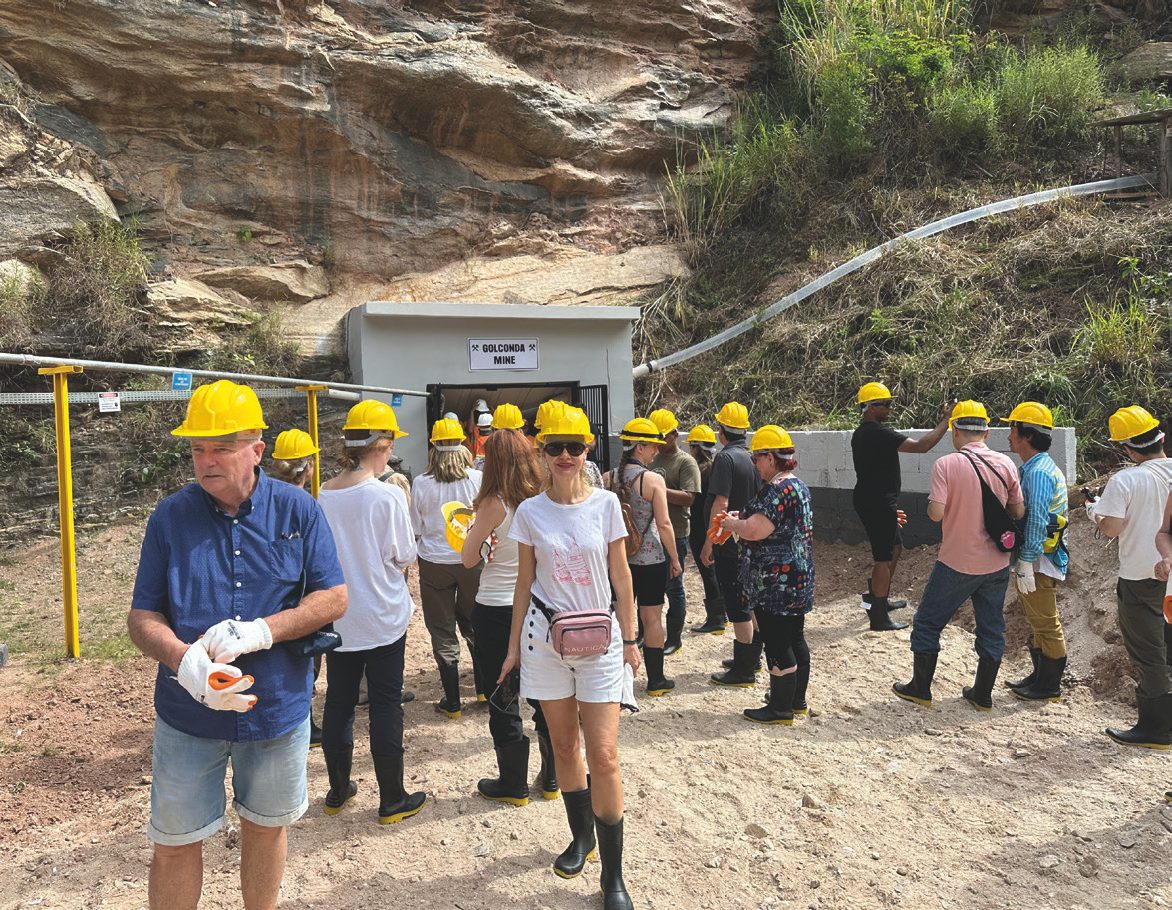
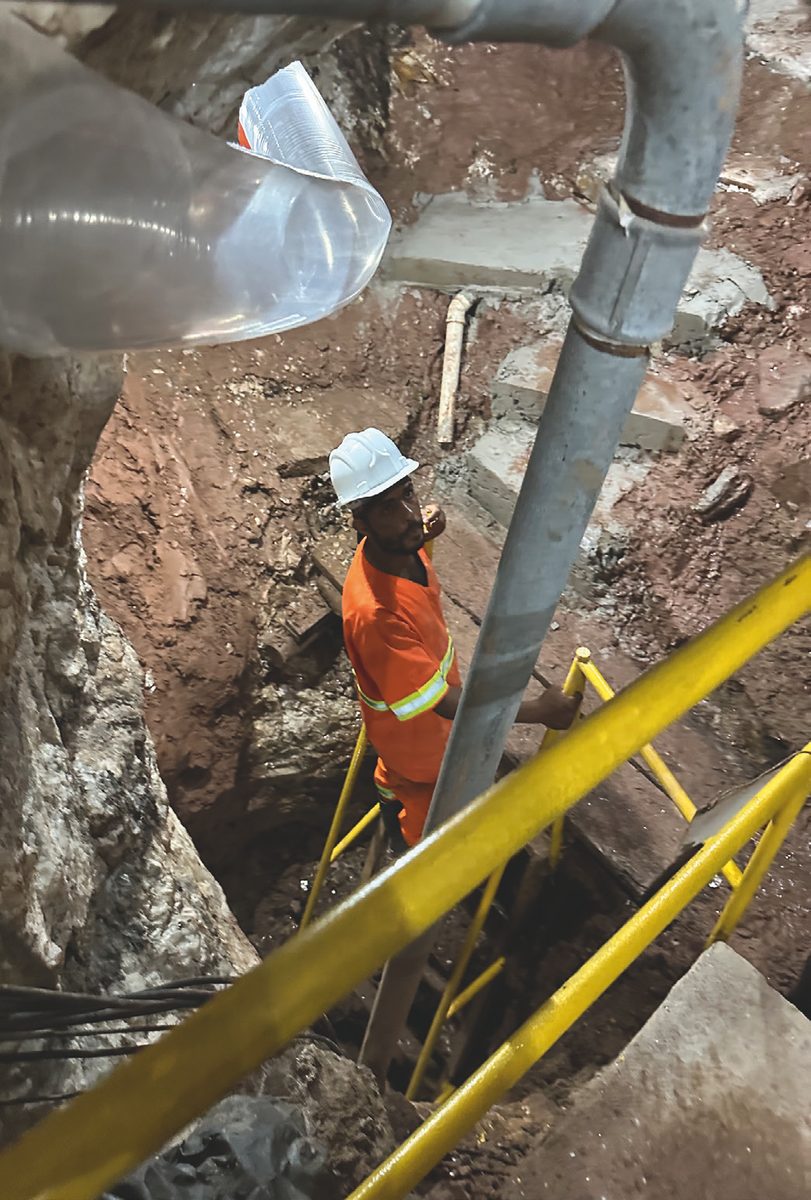
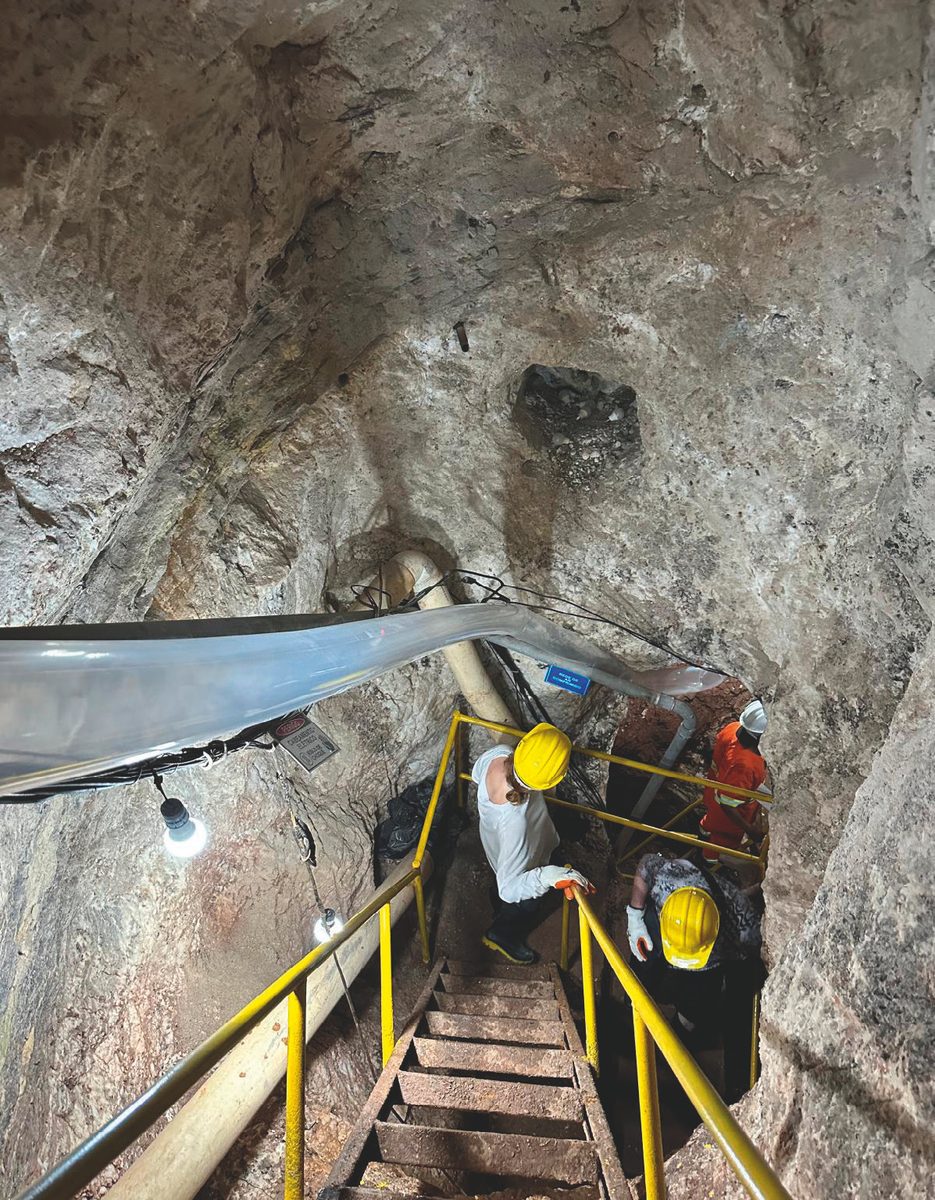
Located in the state of Minas Gerais, the Golconda Pegmatite Field is renowned for its exceptional blue, green, and red tourmaline, among many other gemstones. Despite sharing its name with the famous Golconda diamond market of India, the Brazilian Golconda Mine is celebrated in its own right, primarily for yielding its vibrant, high-quality tourmaline crystals that have captivated gemstone collectors and jewelers around the world. [Incidentally, The mine owes its name to a German mica dealer, Leo Becker, who called it that in 1920, as an allusion to the famous Indian diamond center, the world’s largest mica producer at the beginning of the 20th century.]
Golconda is actually a series of three locations in the greater Golconda Mining District (Golconda 1, 2, and 3) Golconda 1 was discovered in 1908 on the hill known as Cabeceira da Onça, approximately 25 km from the town of Governador Valadares. It initially focused on mica. Golconda 2 opened in 1935, also producing mica, with increased output during WWII. Golconda 3 was discovered in 1961.
Over the decades, the mine experienced a series of industrial mica extraction operations, interspersed with work carried out by garimpeiros (unorganized artisanal and small-scale miners). Golconda gained international fame, however, for its high-quality tourmalines, particularly in the 1960s.
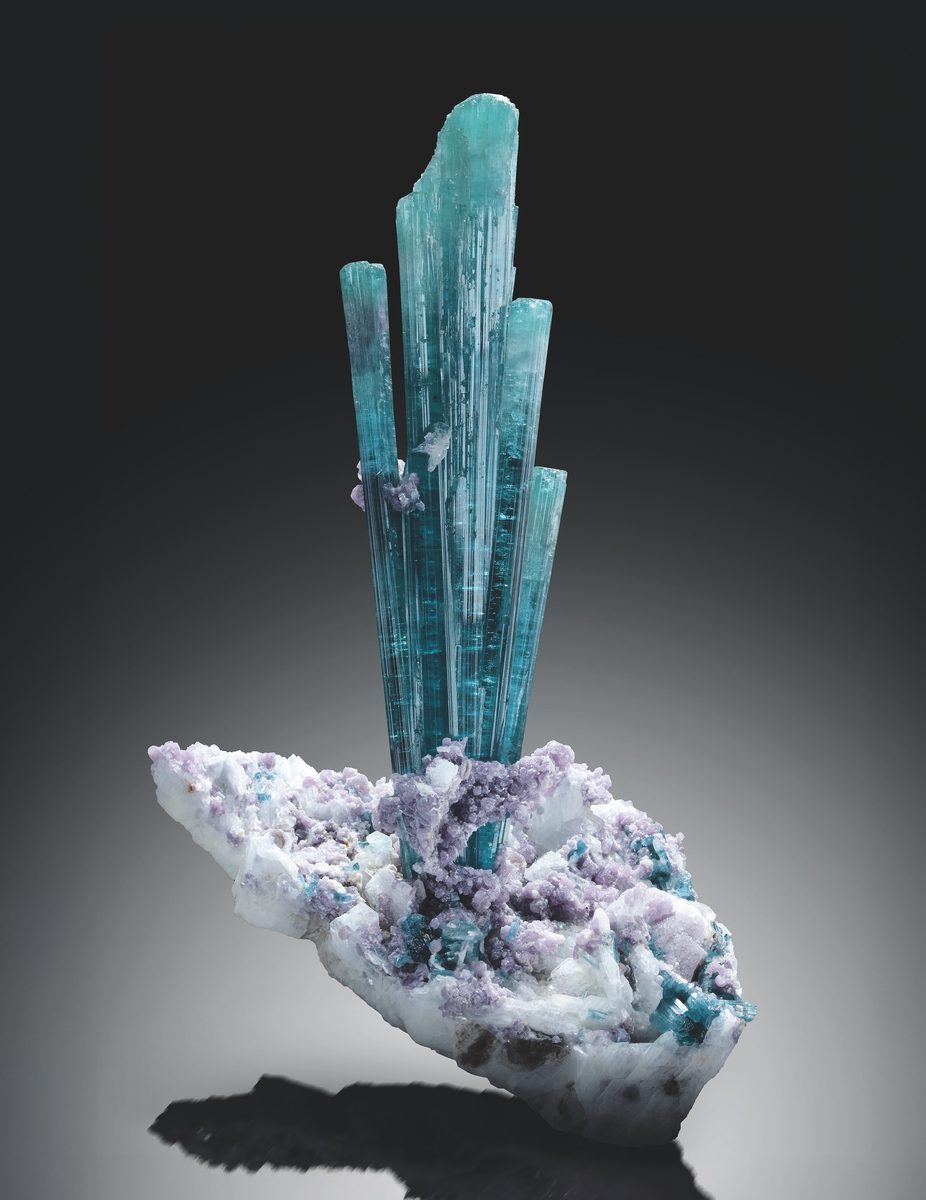
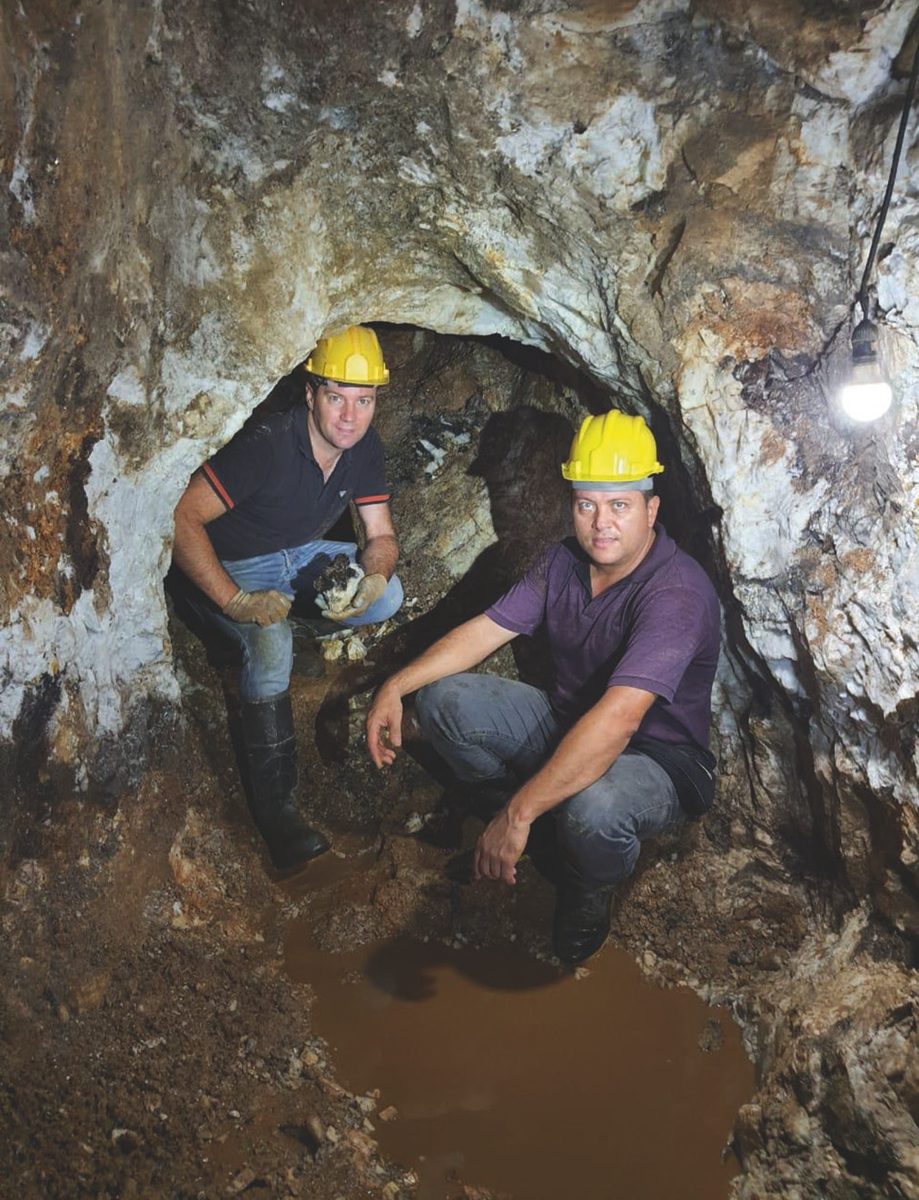
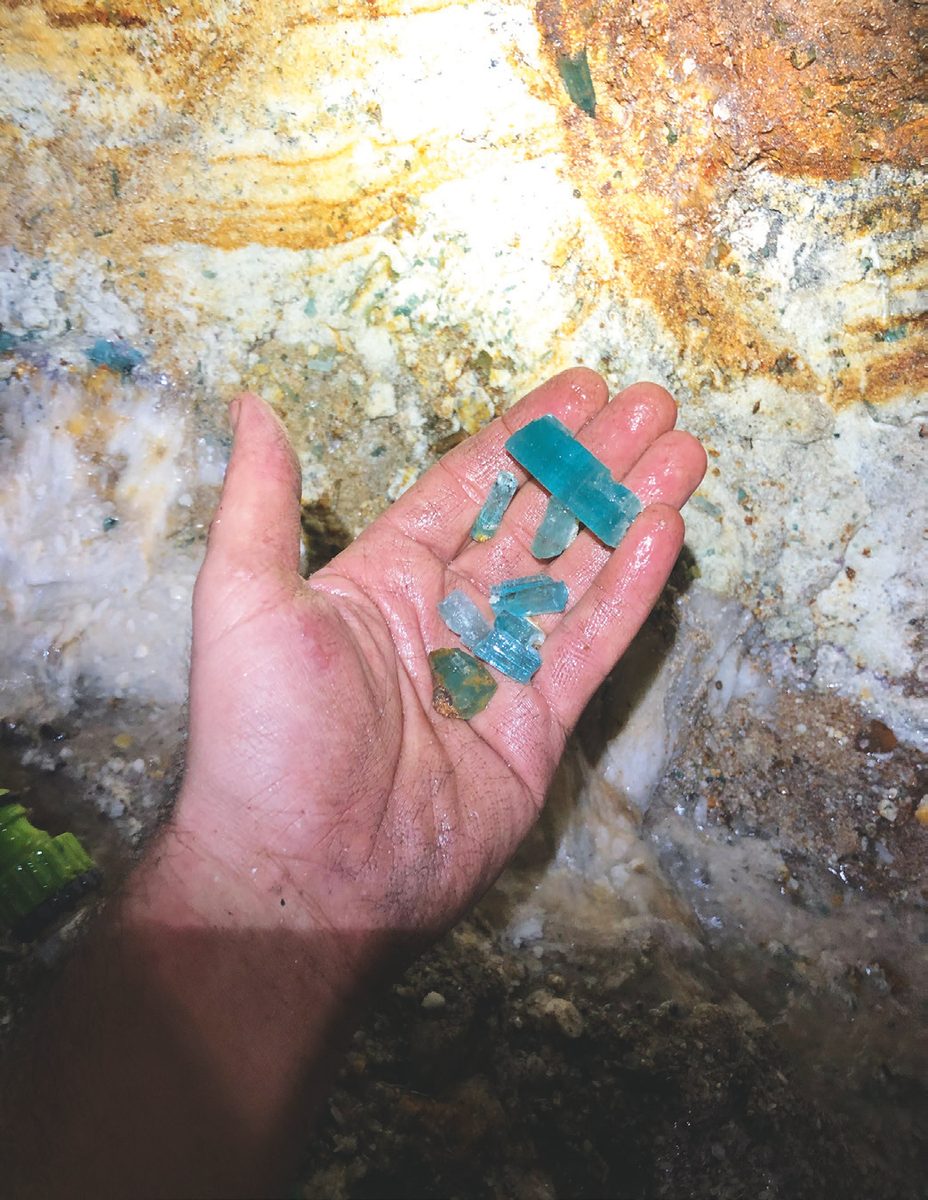
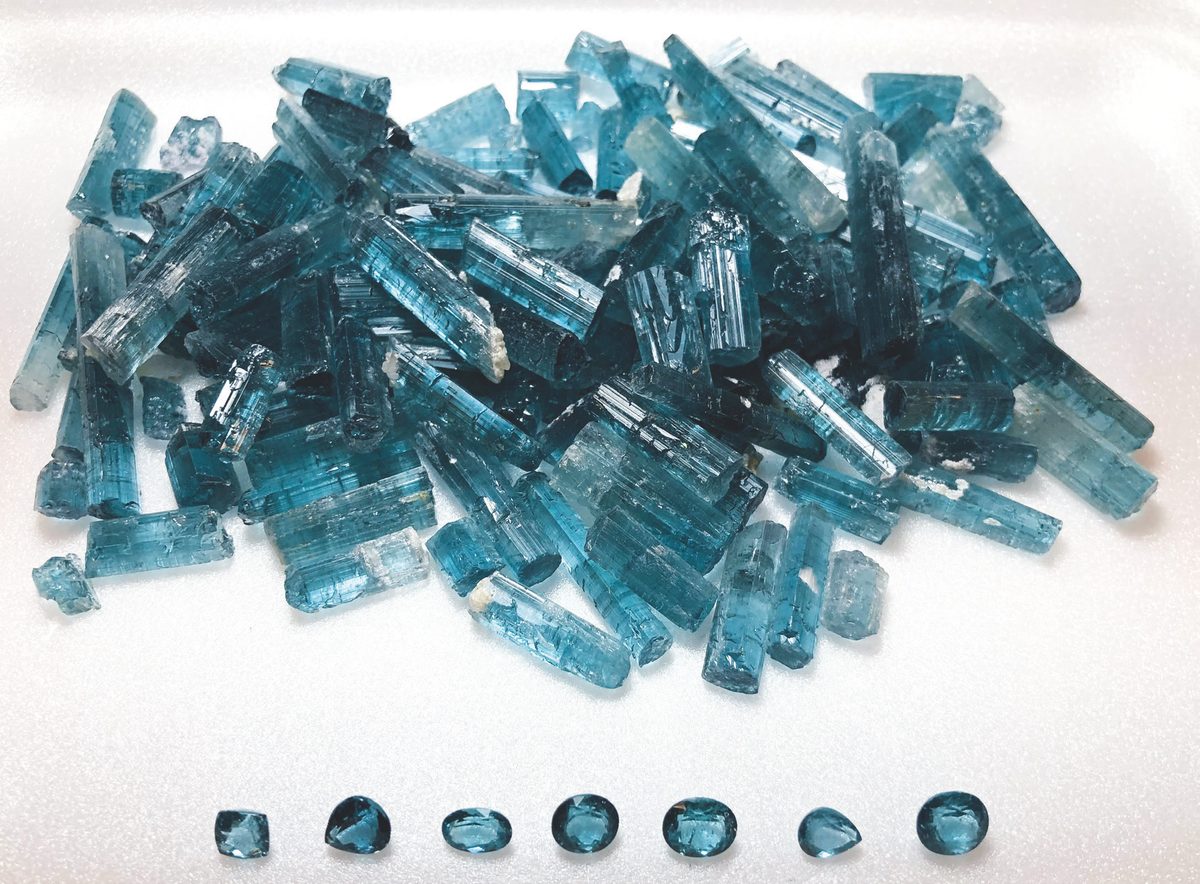
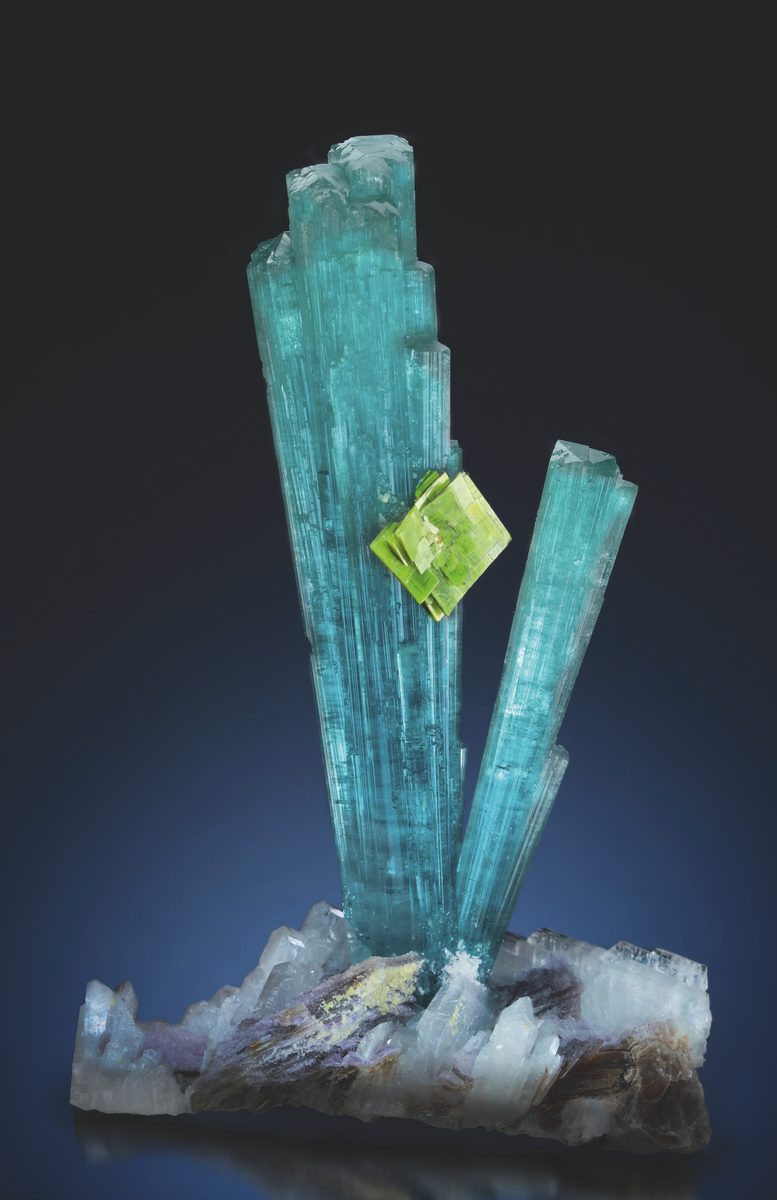
At various intervals throughout the years, important discoveries have included fine hydroxylherderite specimens in the 1990s, as well as blue, purple and pink fluorapatite. Along with fine examples of bertrandite crystals, autunite crystals with tourmaline, other minerals include aquamarine, morganite, green beryl, spessartine, and more, making the Golconda Pegmatite Fields among the most important mineral specimen areas in Brazil.
In 1985, it was purchased and re-activated for industrial feldspar production by Ailton Barbosa, renowned for discovering the legendary rubellite geode in the Itatiaia mine in Conselheiro Pena in 1978. Unfortunately, Ailton died prematurely in 1996, and the mine gradually ceased operations.
In 2019, Marco Tironi acquired 50% of the mining rights from Ronaldo Barbosa (Ailton’s son), marking the beginning of a new era for the Golconda mine.
Under Marco’s leadership, with support from Ronaldo Barbosa and in agreement with the landowner, José Henrique Fernandez, the mine has experienced a revival of activity.
Over the next two years, the external and adjacent structures of the mine were renovated. Mining plans, environmental licenses, detonation permits, and geological and topographical surveys of the entire area were all redone.
In 2021, the newly reborn mine began operating in full compliance with all environmental, mining, and labor regulations ─ finally, a 100% legal Golconda with fully traceable production.
Photos are by the author unless otherwise indicated.
Belmont Emeralds ─ From Green to Green
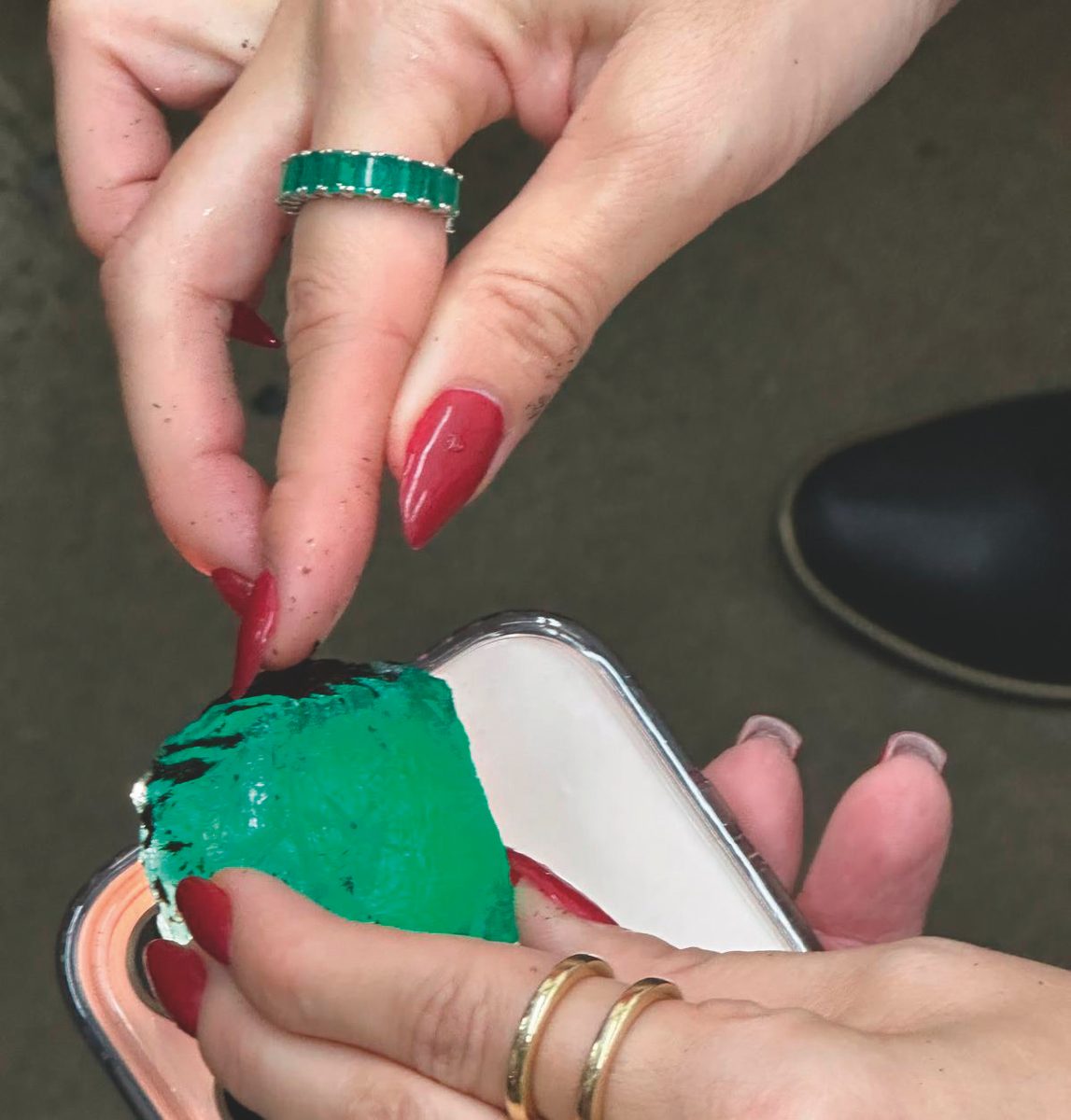
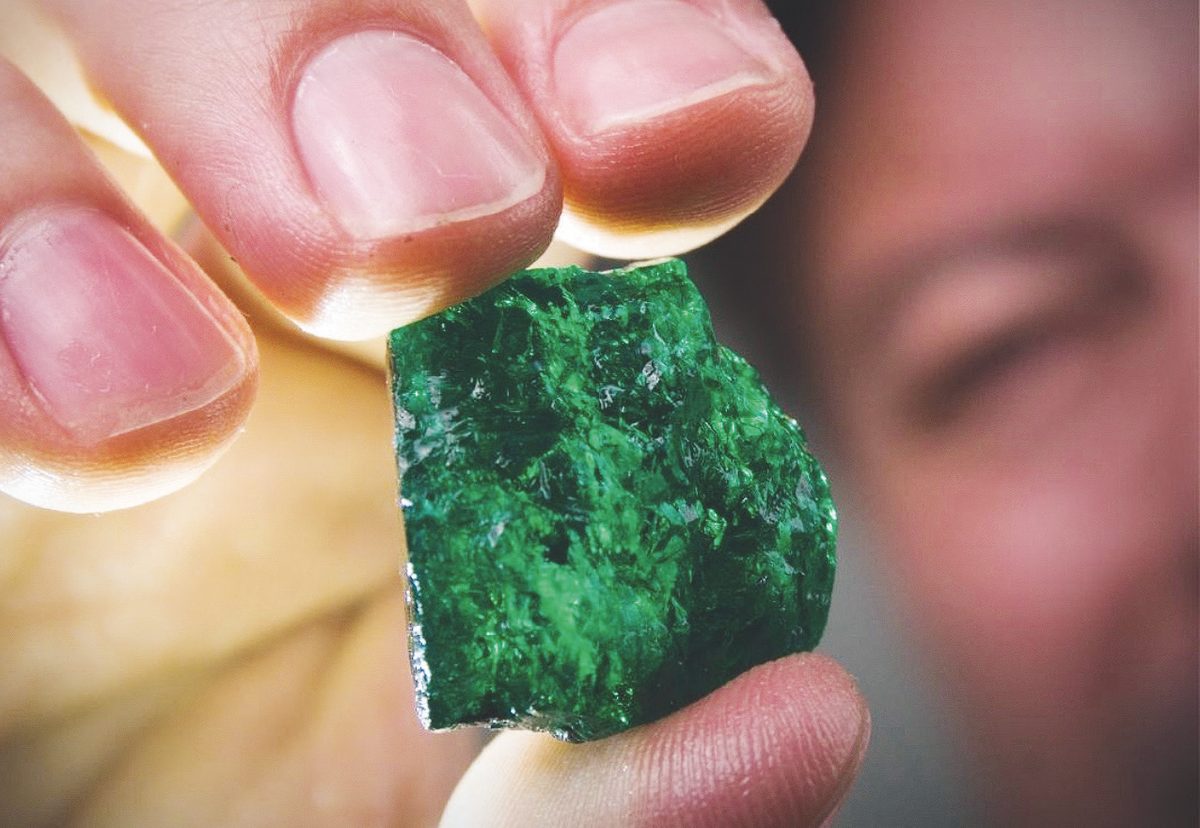
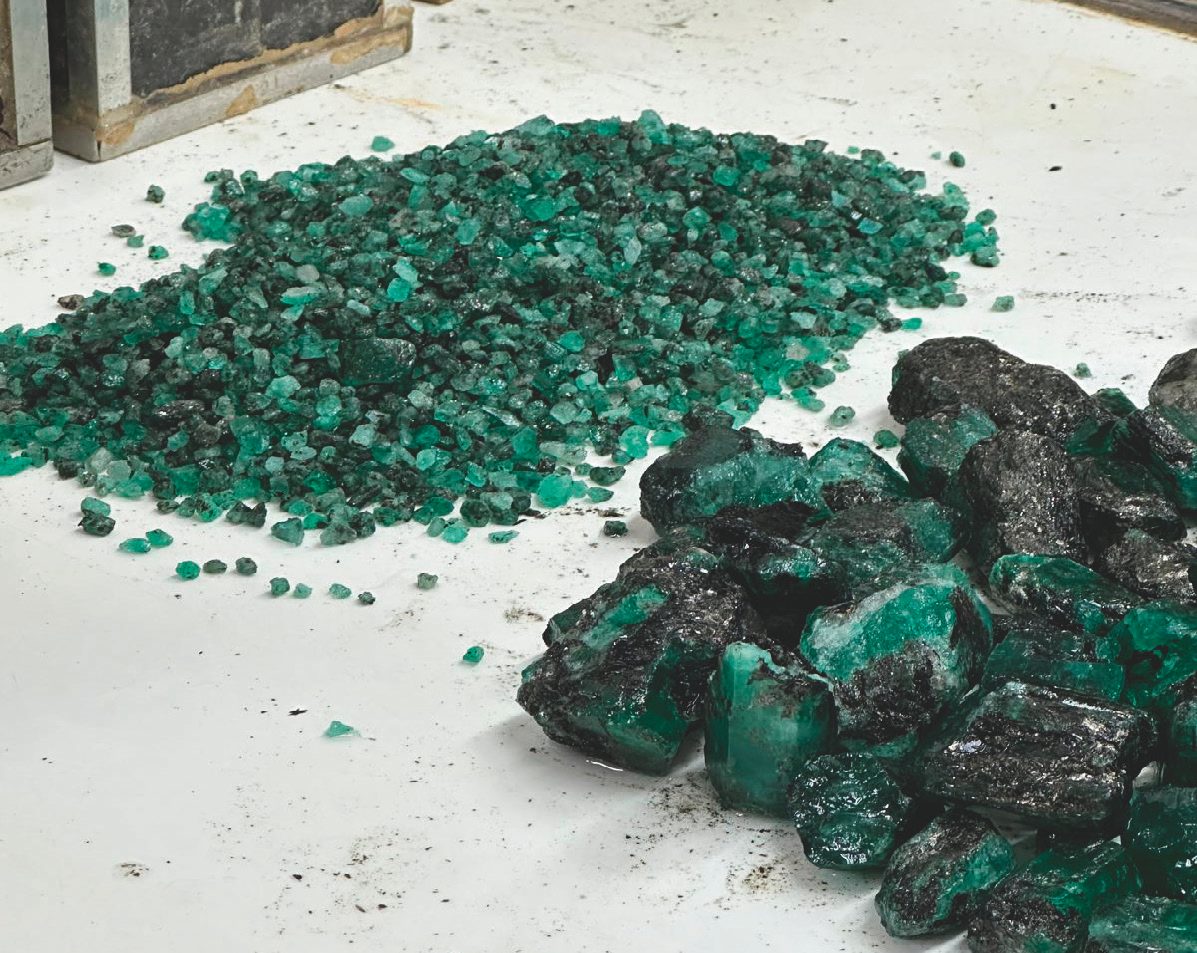
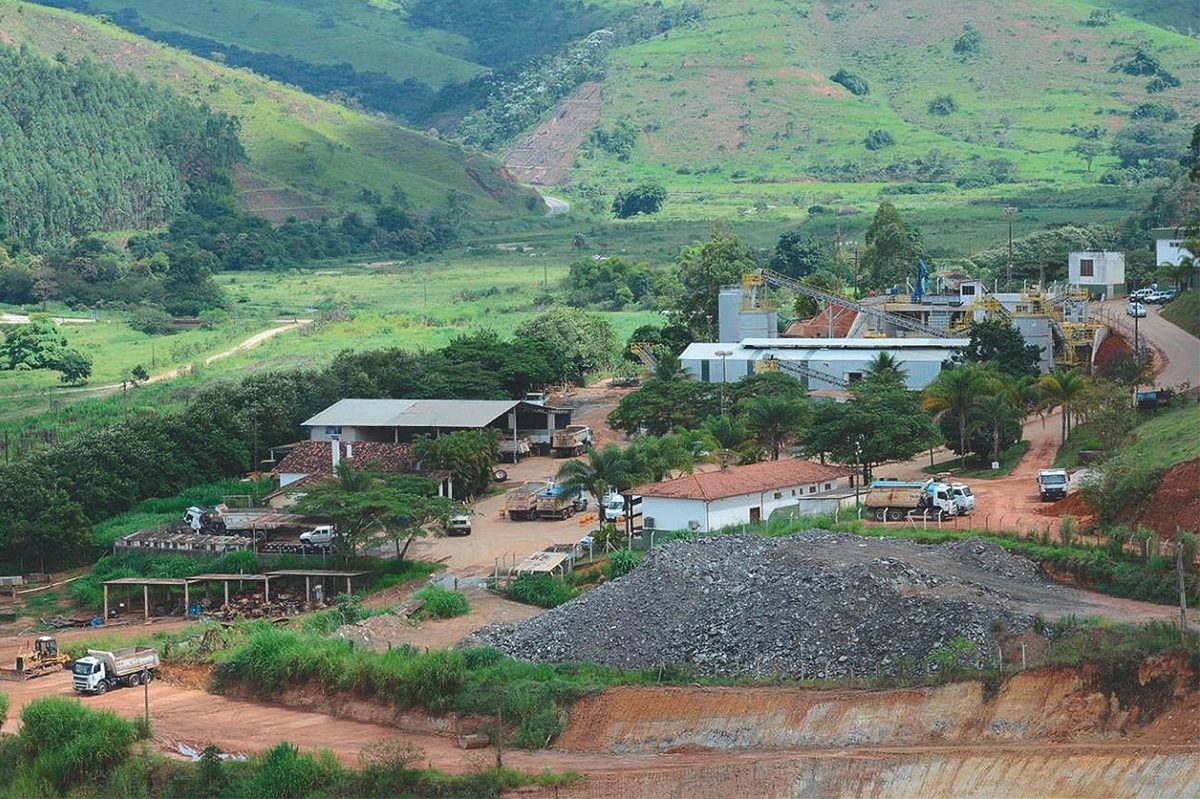
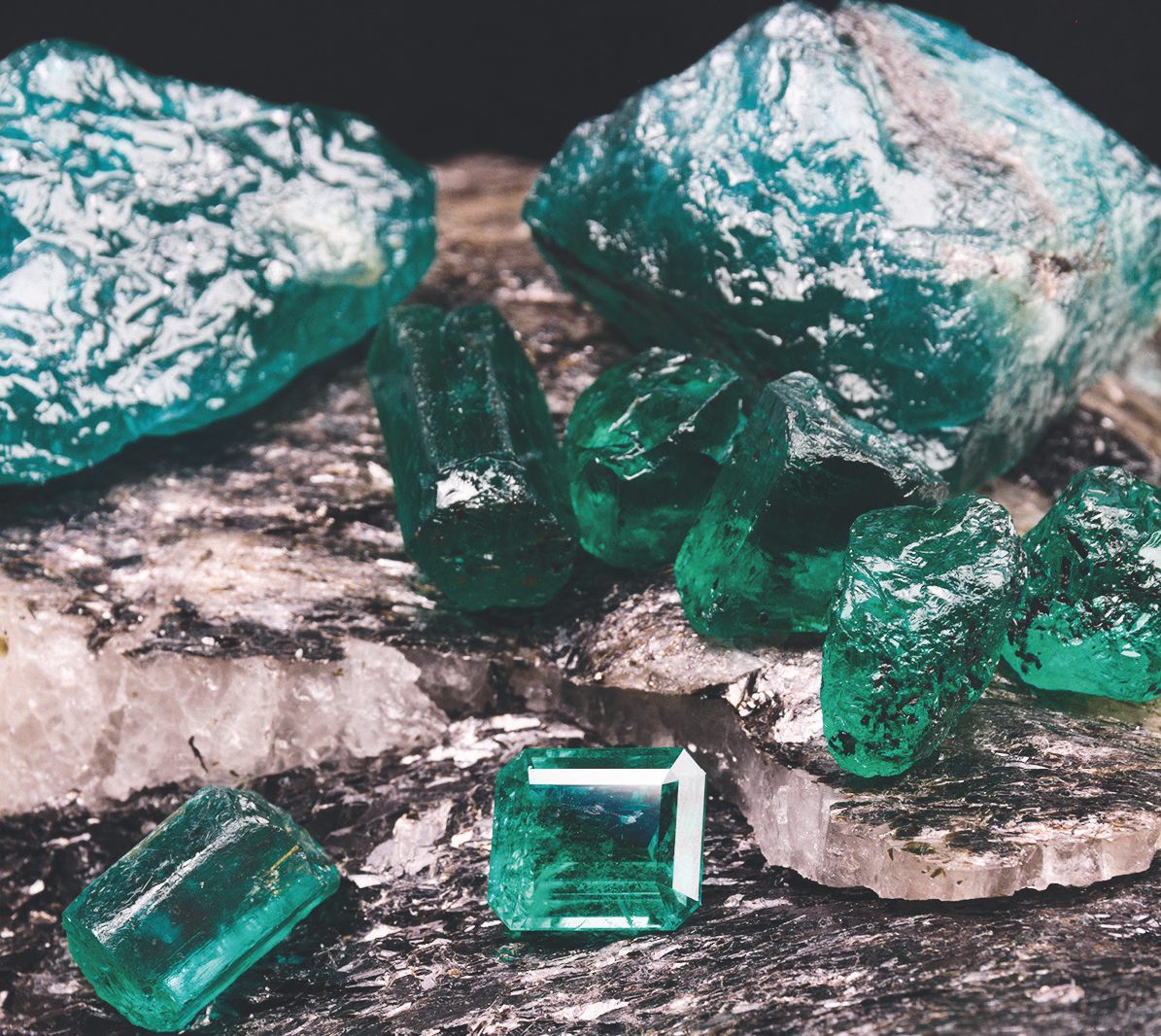
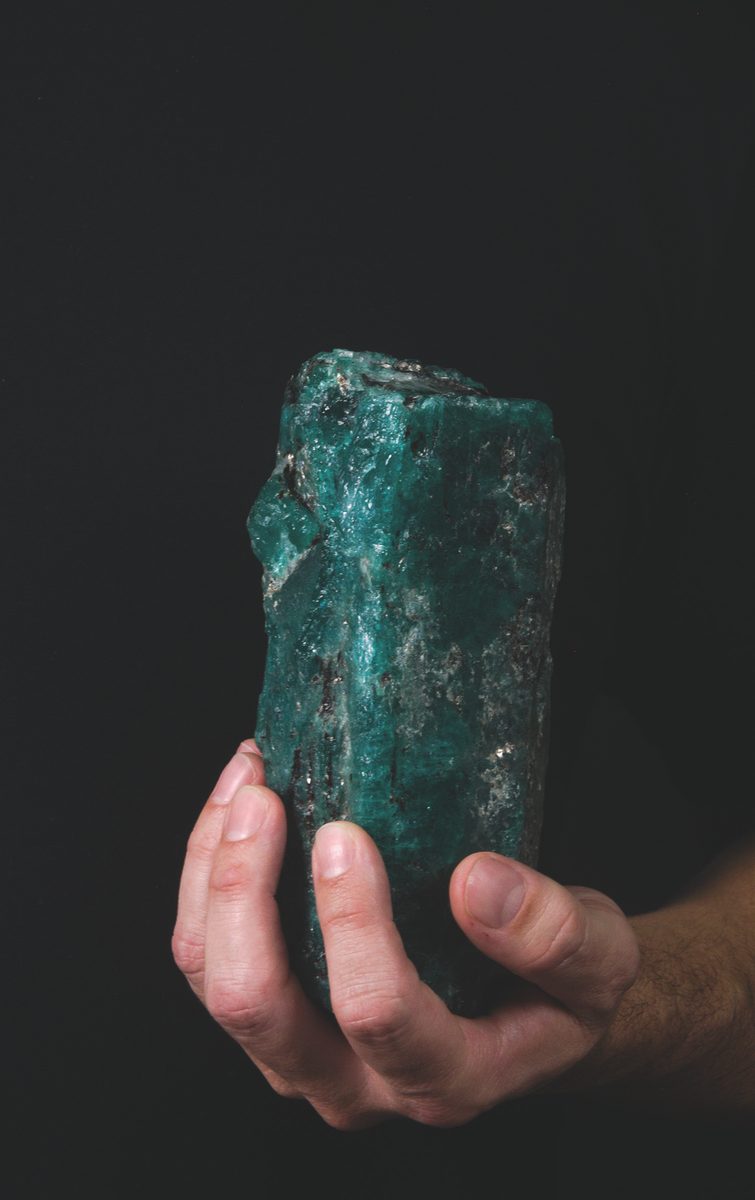
The Belmont Mine, located in the small city of Itabira in the countryside of Minas Gerais, is one of the world’s most renowned sources of high-quality emeralds.
One of the most coveted gemstones in the world, emeralds are known for their rich green color, which is the result of trace amounts of chromium, iron, and vanadium in their chemical structure. But emeralds are not all the same. Those from Belmont are recognizable for their intense green color and exceptional clarity, qualities owed in part to the region’s unique geology. They often exhibit the so-called rain effect, a visual phenomenon created by fluid inclusions within the crystal structure, giving each stone a distinctive internal shimmer under magnification. These inclusions, typically biphasic or polyphasic, are a hallmark of emeralds from the Itabira-Nova Era belt and are cherished by gemologists and collectors alike.
The story of Belmont dates back to 1978, when the property was part of a farm owned by Mauro Ribeiro, a man with no prior knowledge of gemstones. At the time, Ribeiro was focused on providing transportation services for Vale Mining Company, the world’s largest producer of iron ore and nickel. Little did he know, however, that his life ─ and the emerald industry ─was about to change forever.
One day, while operating a front loader to create a small dam for his cattle, Ribeiro stumbled upon some green stones embedded in the soil. A nearby railroad worker, who had some experience with gemstones, noticed the minerals and asked Ribeiro to allow him to collect and sell them. At this point, Ribeiro was unaware of the true nature of the stones. What he couldn’t have known was that beneath the earth, one of the world’s finest emerald deposits lay waiting to be discovered. The railroad worker eventually returned with the results of their arrangement, which revealed the tremendous value of the green stones. This marked the birth of the Belmont Mine.
Today, the family legacy has passed to Marcelo Ribero, the grandson of Mauro, and is located on the same property where generations of his ancestors were born and raised.
While luck may have played a role in the beginning of the Belmont emerald story four decades ago, today Marcelo uses the very latest in geological and scientific surveys and state-of-the-art technology to guide the miners to the emerald-rich reaction zones in their quest for the luxurious Brazilian gems.
Optimizing the latest in technology also extends to identifying and sorting the gems. In 2004, Belmont put into place a fully mechanized optical sorting process. In 2024, the mine incorporated laser sorting technology that uses digital images to detect emeralds based on color and shape, and can measure in tiny 1mm x 1mm increments, thus providing high precision in identifying emeralds. Both the optical and laser methods work in tandem and allow for an estimated 95% recovery rate of the emeralds.
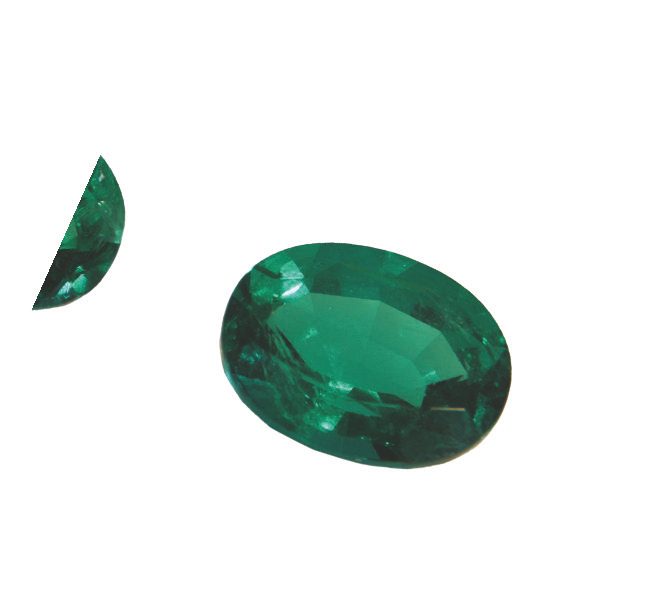

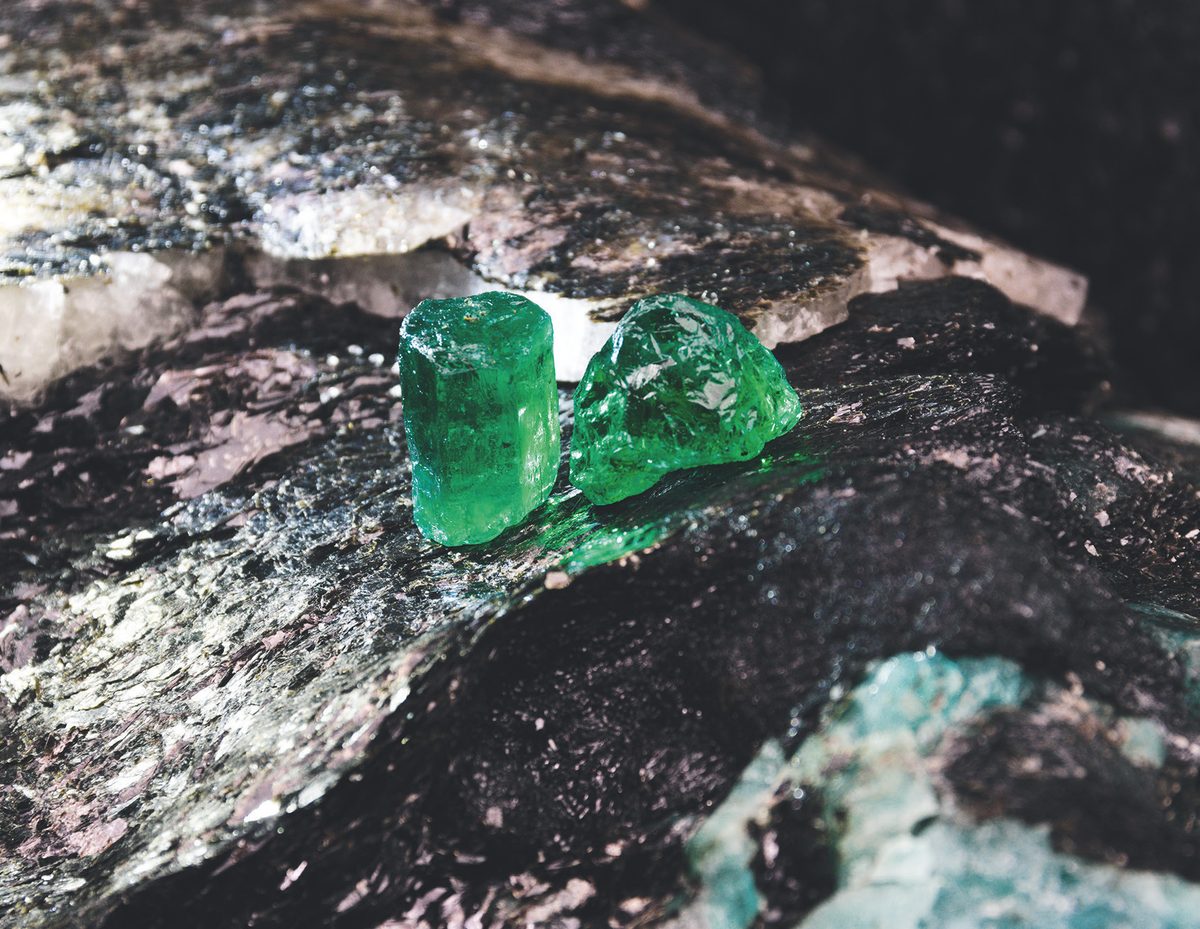
With its vertical integration model from mine to market, some of the gems are cut and polished on-site by trained artisans using advanced equipment; others are sold in rough form through curated, biannual tenders that draw international buyers.
Despite its technological sophistication, Belmont has remained deeply human. Ninety-nine percent of its workforce is local and women make up 75% of the gem-cutting team. The company invests over 400 hours annually in employee training, ensuring not just high standards of craftsmanship, but real economic opportunity in the surrounding community.
The Belmont Mine is redefining what it means to extract beauty from the earth. While its emeralds are prized for their vivid color and clarity, the company’s growing reputation is also rooted in something less visible ─ and increasingly rare ─ a dedicated, long-term commitment to sustainability. Over four decades, this family-run operation has evolved into a model of how mining and environmental responsibility can coexist ─ not as competing forces, but rather as complementary values.
At the center of Belmont’s sustainability strategy is a reforestation program that goes far beyond compliance. The company maintains an on-site nursery, managed by an environmental engineer, to grow native tree species and restore land affected by mining. To date, the initiative has helped protect and reforest approximately 3,700 acres of the Atlantic Rainforest, one of the world’s most biodiverse and threatened ecosystems.
Water conservation is treated with equal care. Belmont recycles 100% of the water used in its operations and implements a variety of conservation strategies ─ from advanced monitoring systems to regular employee training. These measures reflect a broader philosophy: use only what is necessary, restore what you can, and leave as little footprint as possible.
In 2022, the company made a decisive move toward clean energy with the installation of a 1.5-megawatt solar power plant. The investment drastically reduces reliance on fossil fuels ─ a rare step in a sector still largely dependent on conventional energy. It’s a clear signal that Belmont sees sustainability not as a trend, but as an operational foundation.
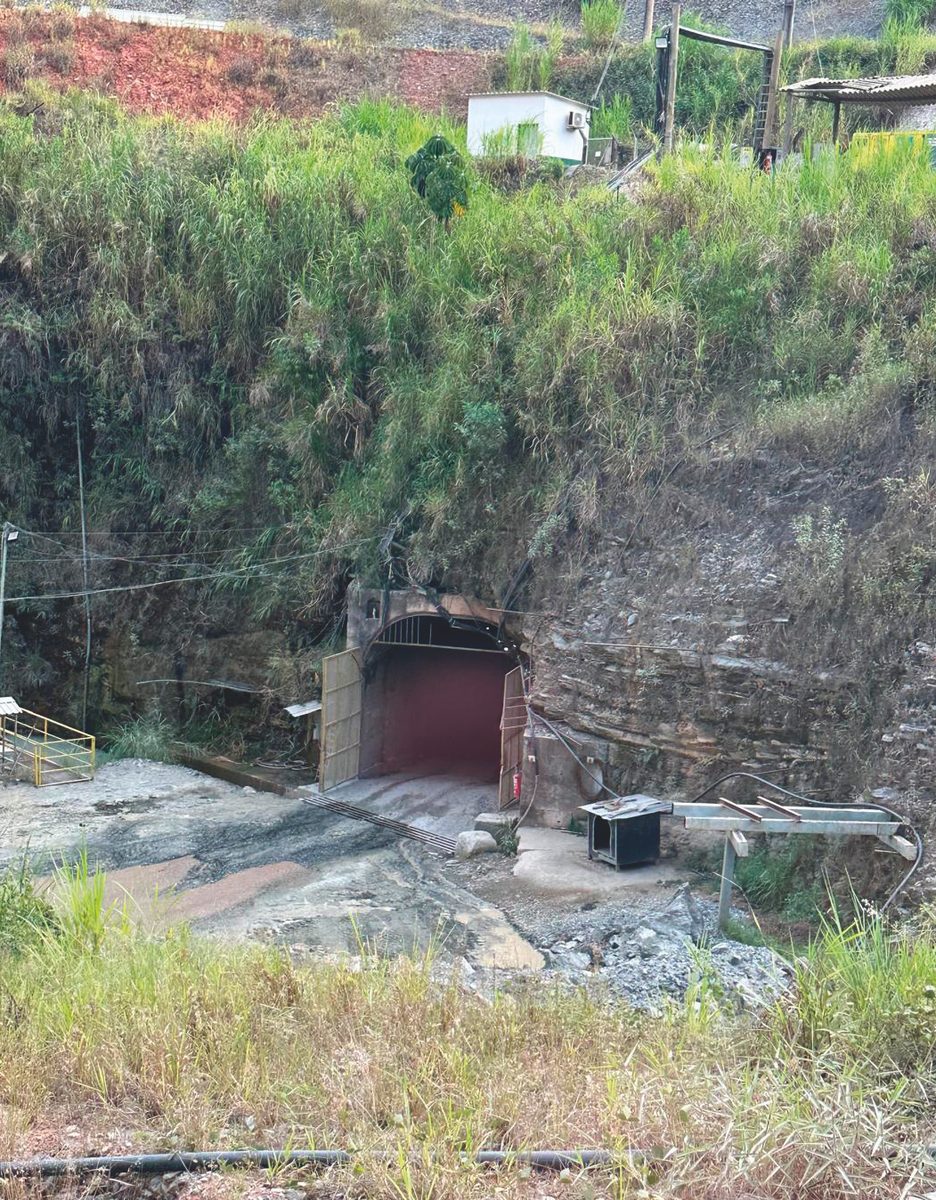
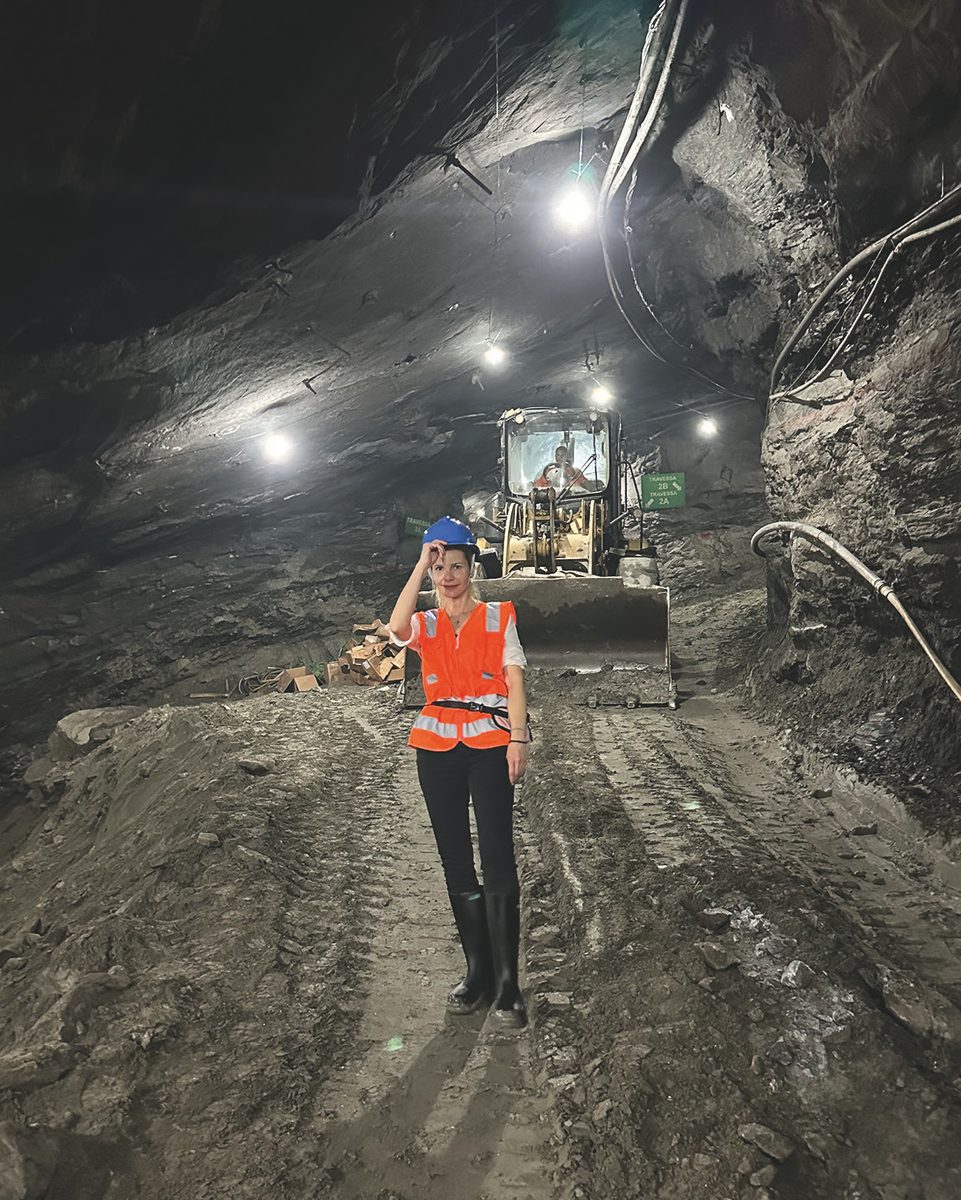
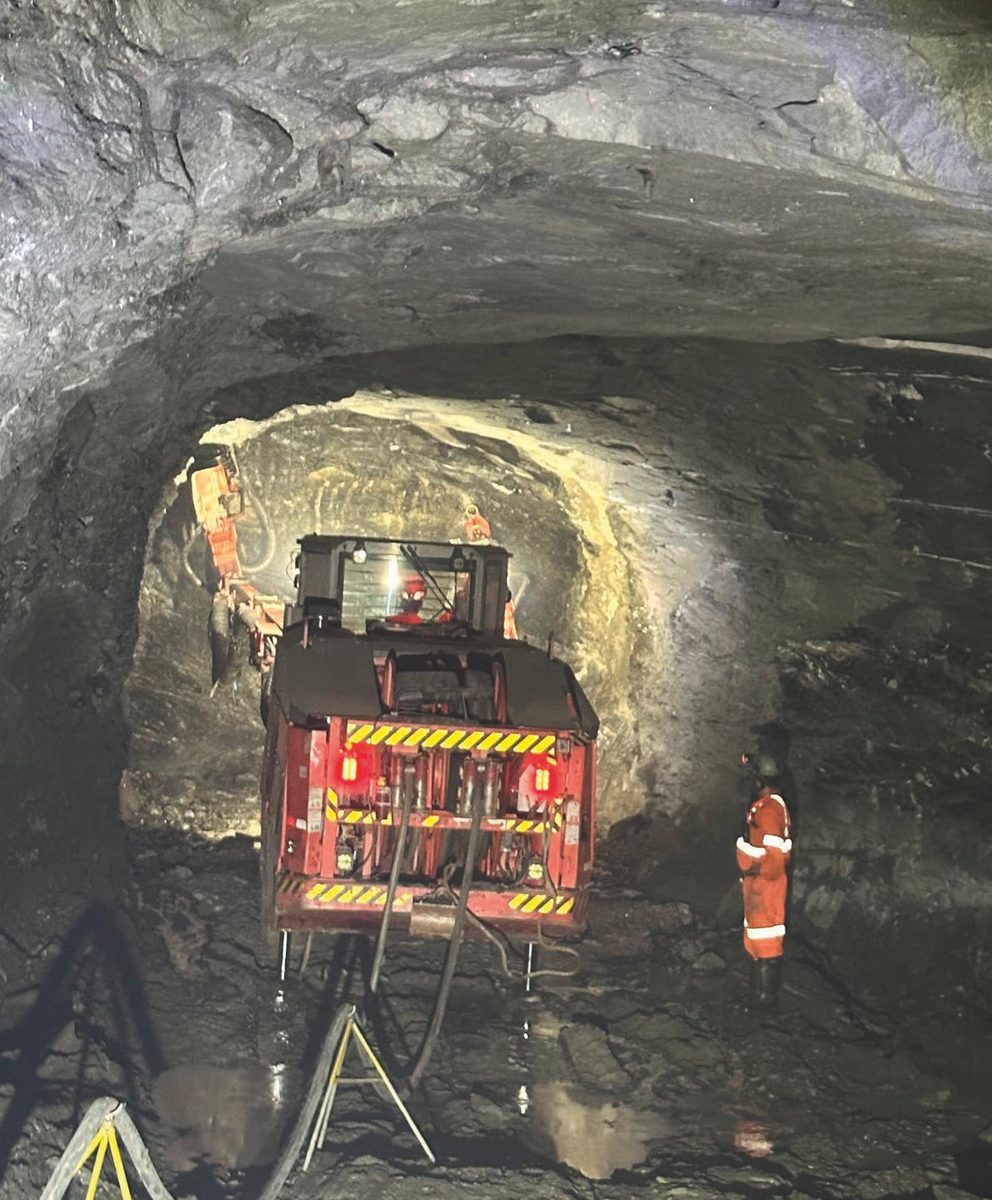
That mindset extends across all stages of the mining process. Whether extracting from open-pit or underground operations, the company emphasizes precision over volume. Careful ecological planning precedes any vegetation removal, ensuring that flora and fauna are relocated responsibly. Even waste and leftover materials are managed to avoid long-term ecological damage.
Belmont also runs ongoing wildlife monitoring programs to track and reduce the impact of mining on local fauna. Where vegetation must be cleared, native seeds are collected and replanted in nearby areas with similar conditions ─ part of an effort to help Nature return and thrive long after the mining work is done.
None of this is by accident. Belmont’s sustainability practices are deeply integrated into its business ─ not as a separate department, but as part of a broader commitment to ethical sourcing, long-term stewardship, and community engagement.
As the demand for responsibly sourced gemstones continues to rise, Belmont stands out, not just for the quality of its emeralds, but for the care it takes in how they are brought to light. In doing so, it quietly reminds the industry ─ and the world ─ that true luxury should leave a legacy, not a scar.
Photos are by the author unless otherwise indicated.
Brazil Paraiba Mine (BPM) ─ Electric Neon Rarities
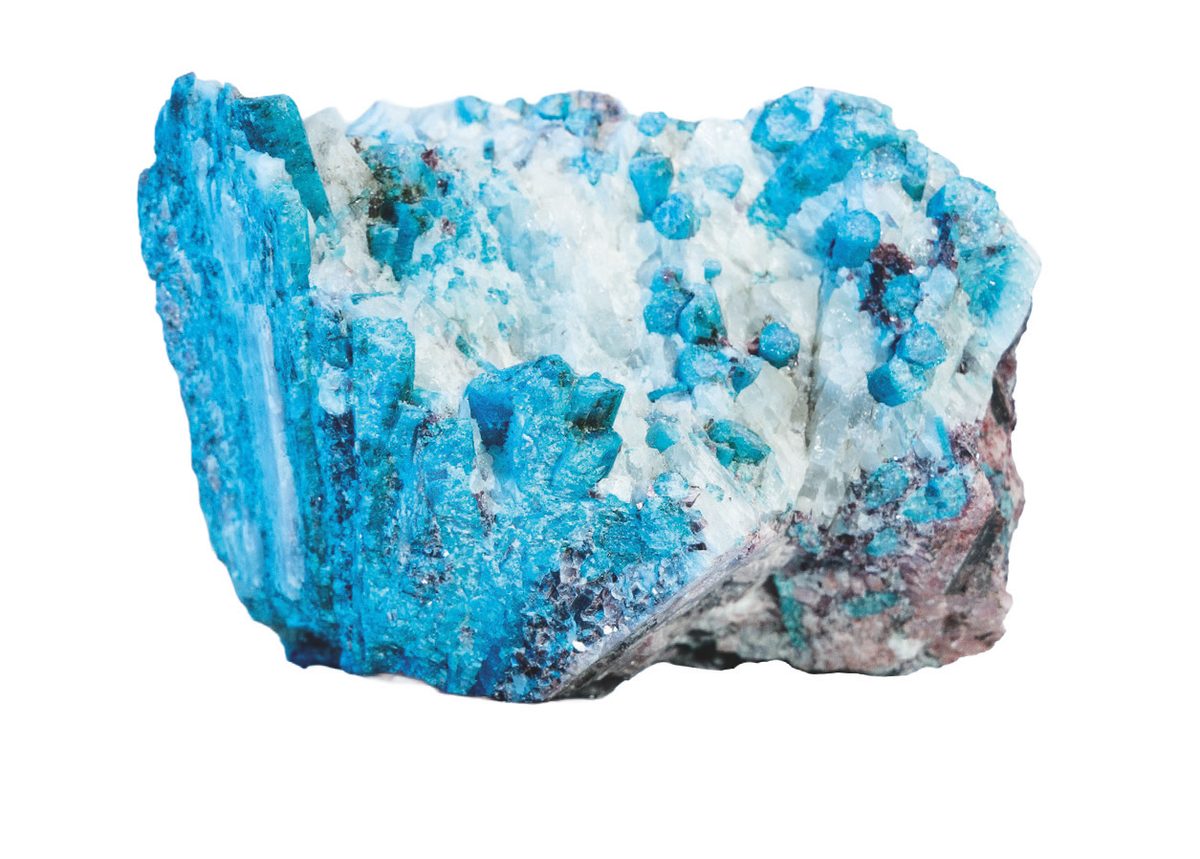
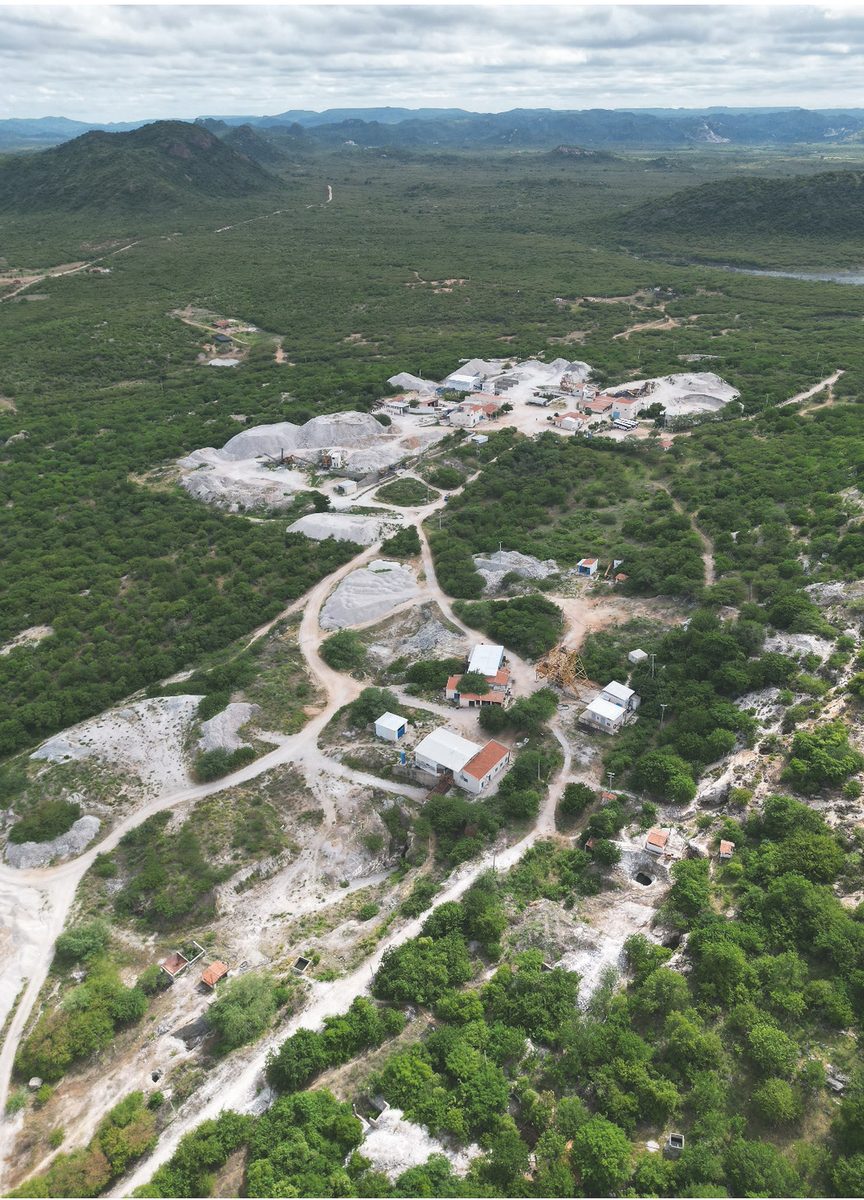
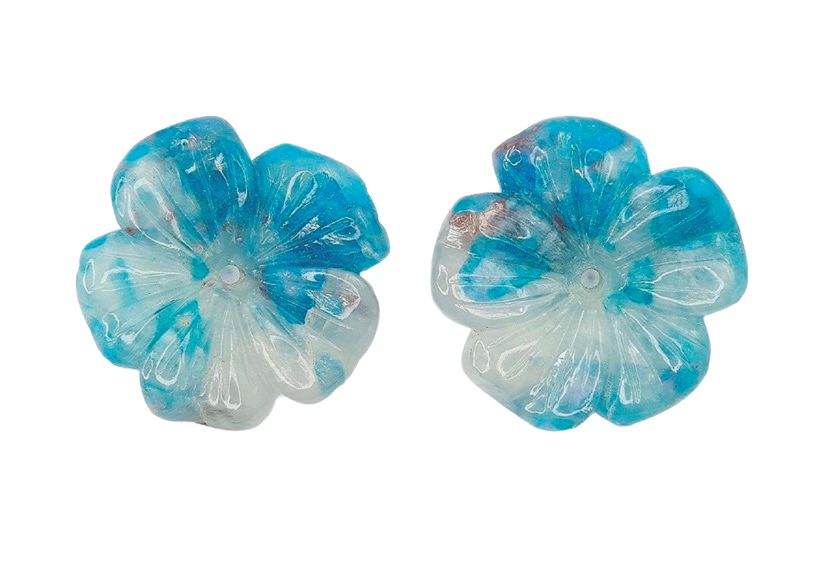
One of the most coveted and dazzling gemstones in the world, Paraíba tourmaline is celebrated for its intense neon blue and green colors that seem to glow from within. The story of this unusual tourmaline began in the early 1980s in the northeastern Brazilian state of Paraíba.
A local gem prospector named Heitor Dimas Barbosa scoured the hills near São José da Batalha, believing that something spectacular lay beneath the soil. Despite skepticism and a lack of support, he spent nearly a decade digging through the rugged terrain. Then, in 1989, his mining team unearthed a cluster of rough stones that glowed with an electric, almost unnatural intensity: neon blues, radiant greens, even flashes of violet. Barbosa had discovered a new breed ─ stones saturated with copper and manganese that gave them their signature glow.
The veins of Paraíba tourmaline in the Mina da Batalha were thin and sporadic, and in just a few short years the supply dwindled. Barbosa’s mine, despite its fame, became only a whisper.
In 1998, realizing the potential for Paraiba tourmaline in the region, Sebastião Ferreira founded the Brazil Paraiba Mine (BPM), near the city of Parelhas, located in the heart of Rio Grande do Norte, Brazil. His goal was to lead in the extraction and commercialization of Paraiba tourmaline, making the gem more accessible to international markets. Today, it is the largest producer of the neon-blue gems.
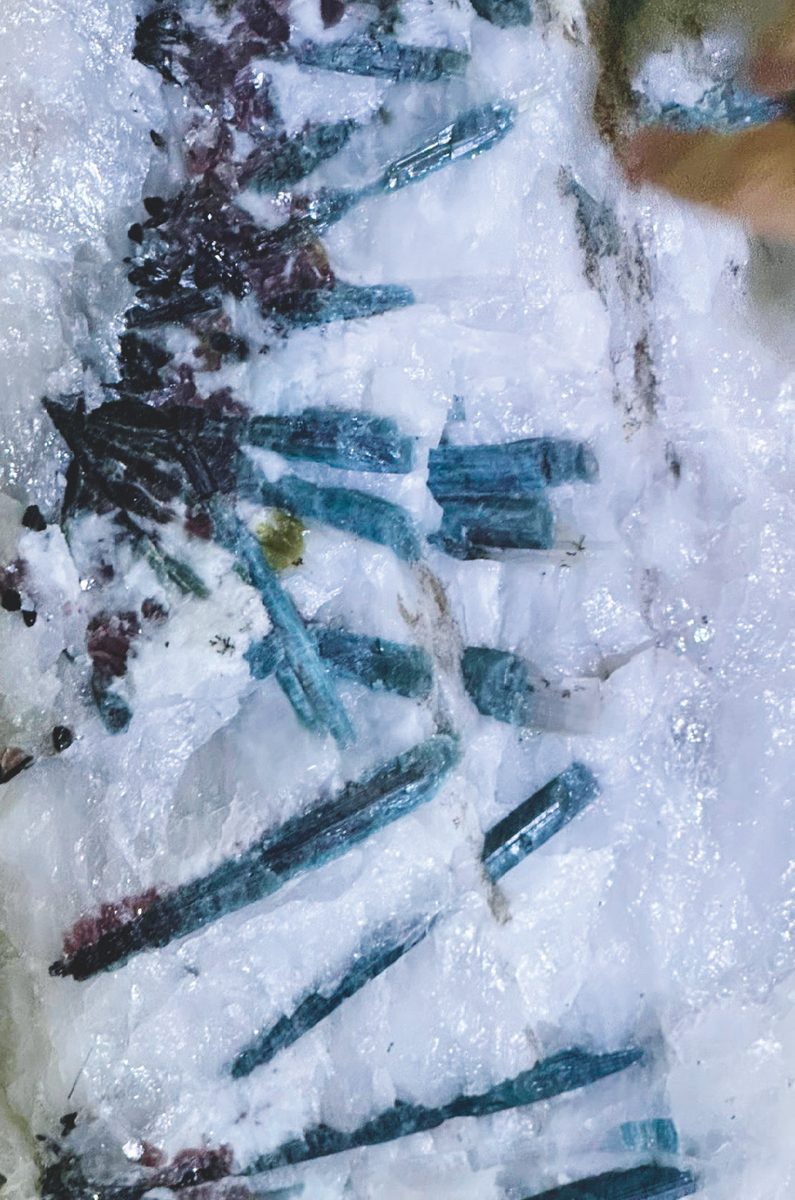
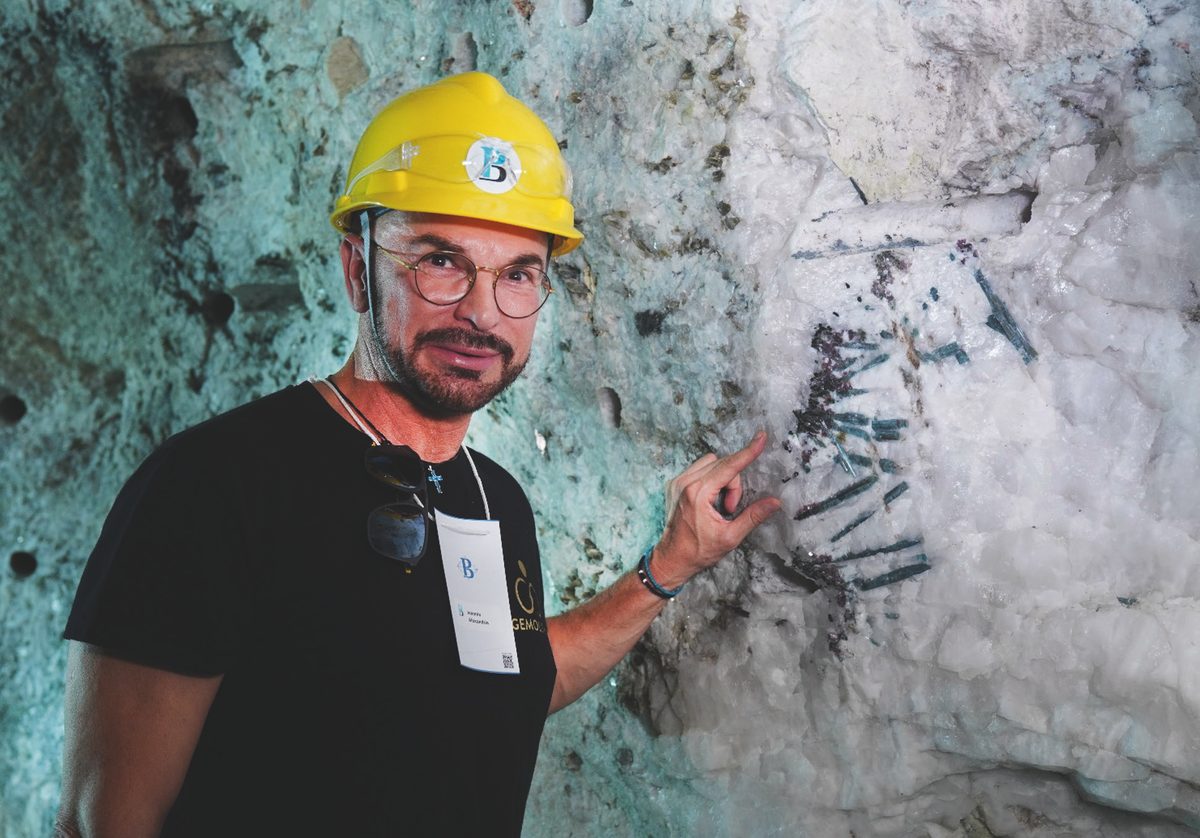
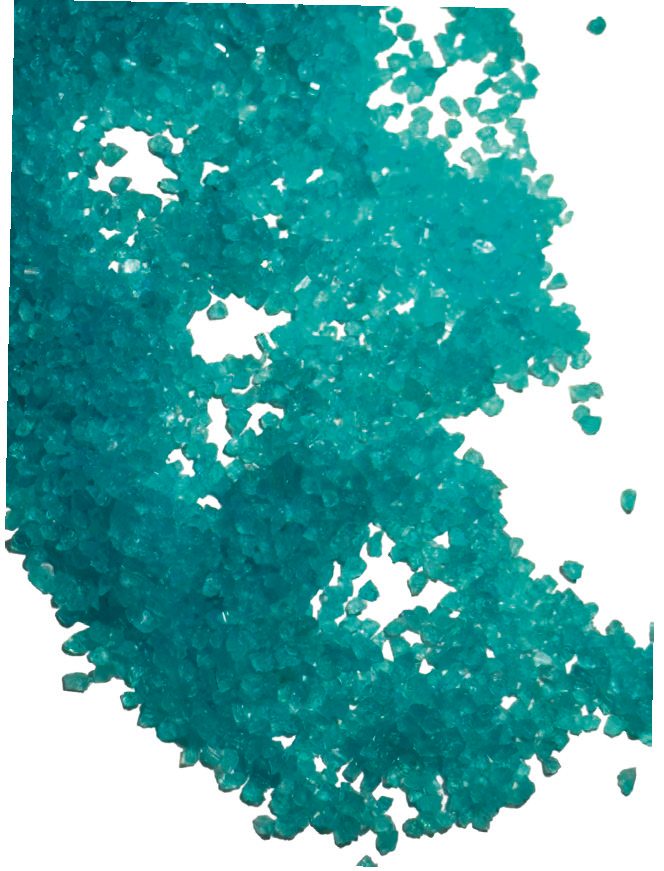
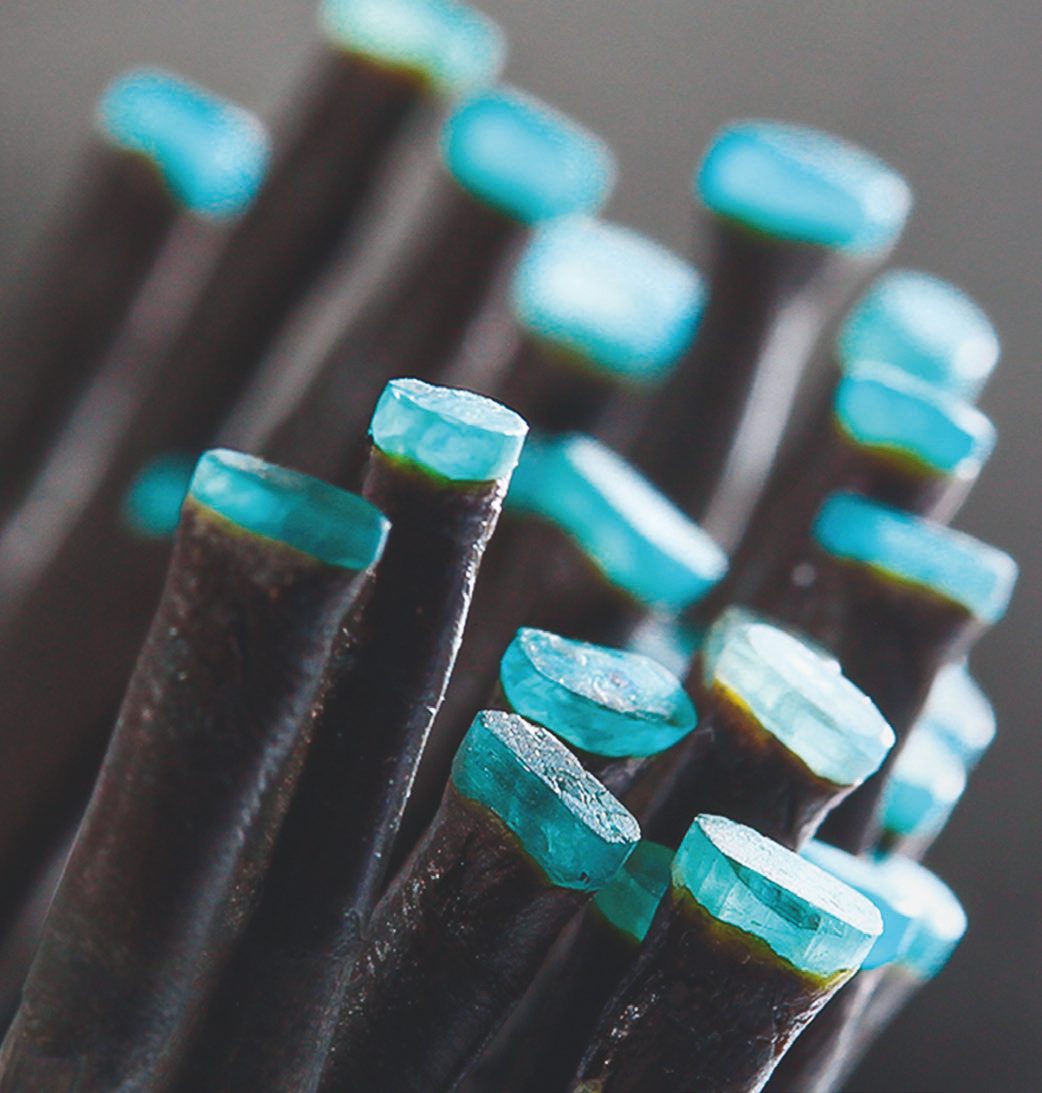
As gemologist Roberto Numeriano explained to the group during our visit, Paraiba Tourmaline is an elbaite, a member of the tourmaline group, that comprises several members with varying chemical composition. It is found in pegmatite bodies where hydrothermal activity introduces copper and other trace elements into its mineral structure.
The presence of copper and manganese is responsible for the gem’s signature neon blue and greenish-blue colors, but they can also have green, purple, and pink color, according to the variation in content of the above elements.
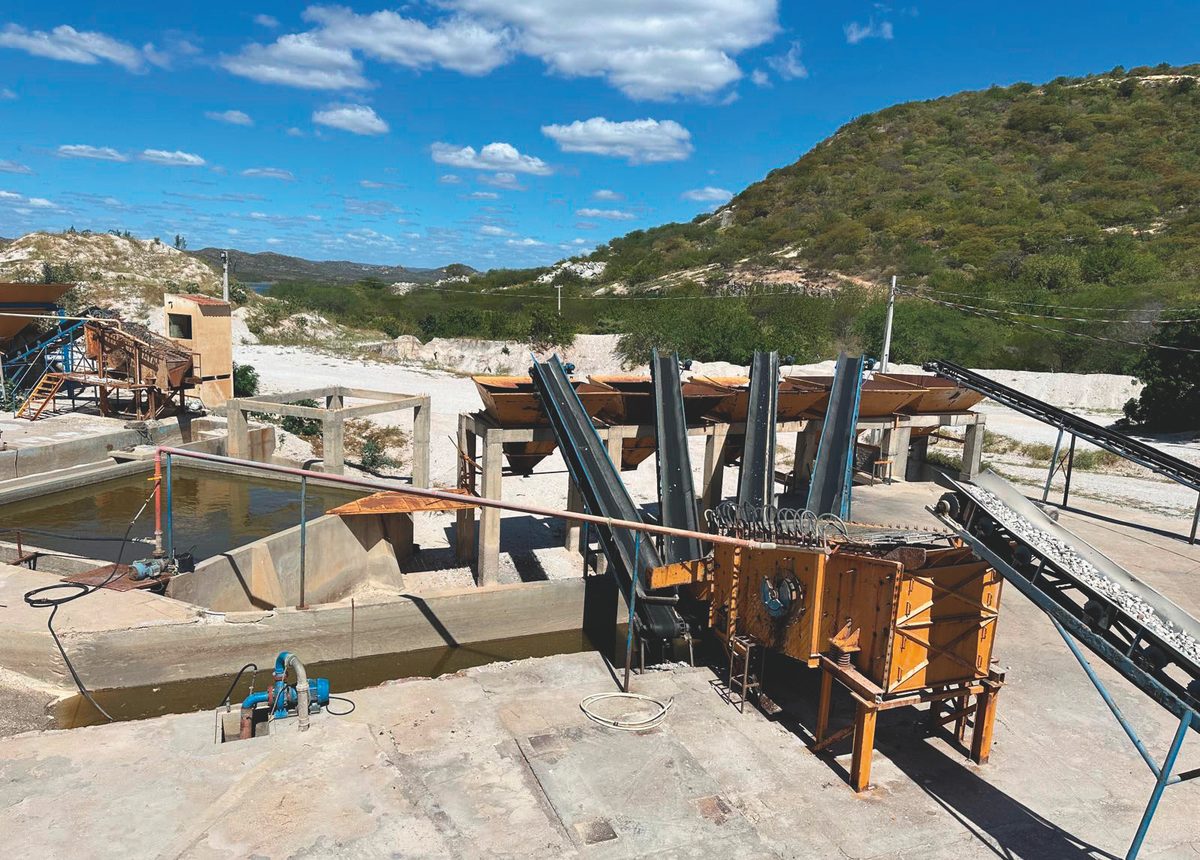
From the very beginning, Brazil Paraiba Mine (BPM) prioritized investments in cutting-edge technology and continuous innovation to enhance its extraction processes. The company has always believed that operational excellence should go hand-in-hand with social and environmental responsibility.
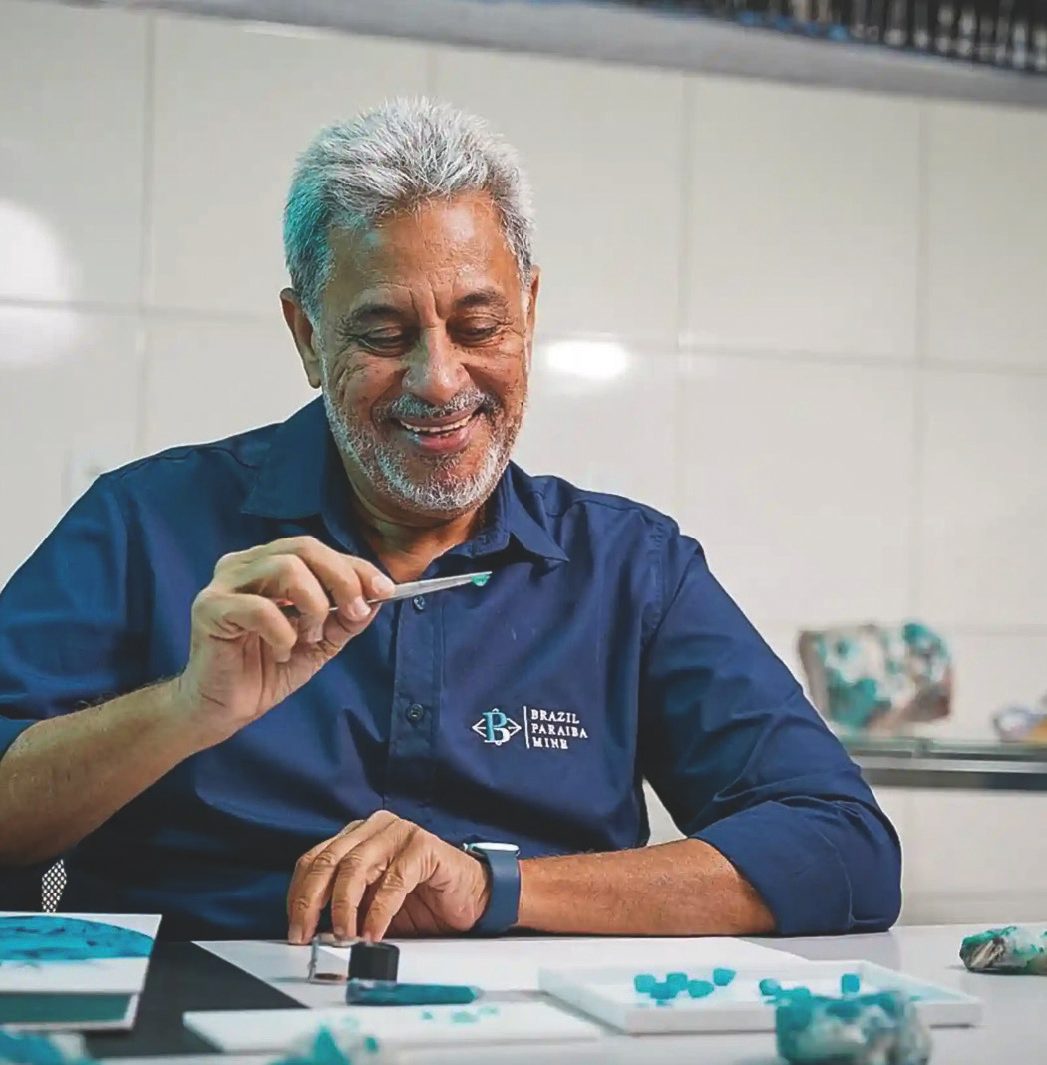
To date, BPM has generated more than 150 direct jobs, contributing significantly to the economic and social development of the region. This includes miners and cutters as well as many other support staff. Their operations not only provide income to local families through employment but also foster a sense of pride in the craftsmanship and value of their natural resources.
They recognize that the success of the company is deeply intertwined with the community around them, and they strive to ensure that their growth benefits everyone involved. The commitment to responsibility extends to every aspect of the mining operations. They understand that extracting a natural resource carries with it a duty to protect the environment and respect the land that sustains them. Therefore, all mining activities are conducted based on detailed geological mapping of the soil and subsoil. This scientific approach allows them to plan operations with precision, minimizing disruption to the surrounding environment and ensuring the sustainability of their work.
Their technical team comprises highly qualified professionals, including specialized engineers and geologists, who lead exploration and extraction efforts. Their expertise allows them to adopt the most efficient and environmentally friendly methods for gemstone mining. By identifying the optimal operational routes through advanced geological studies, they reduce the ecological impact of their activities while maintaining high levels of productivity.
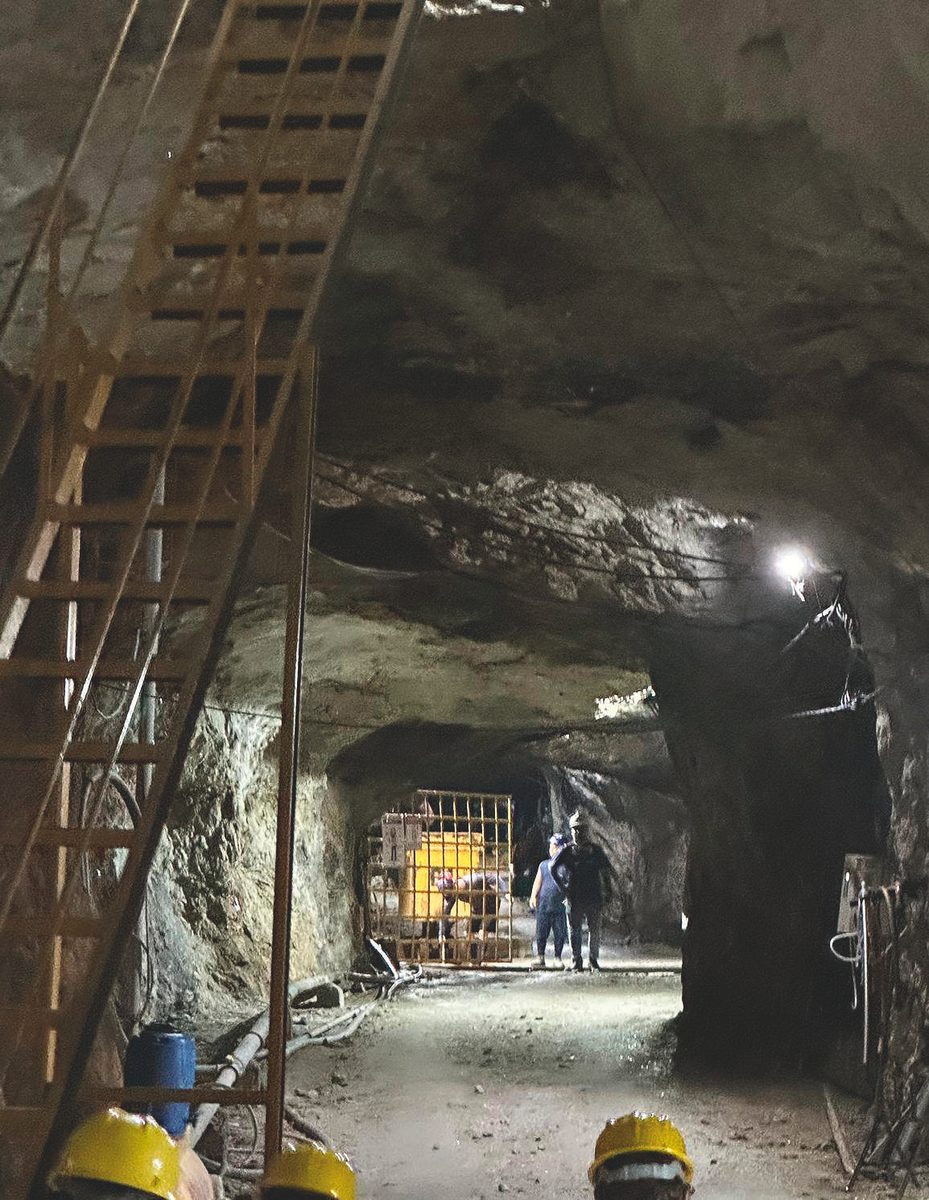
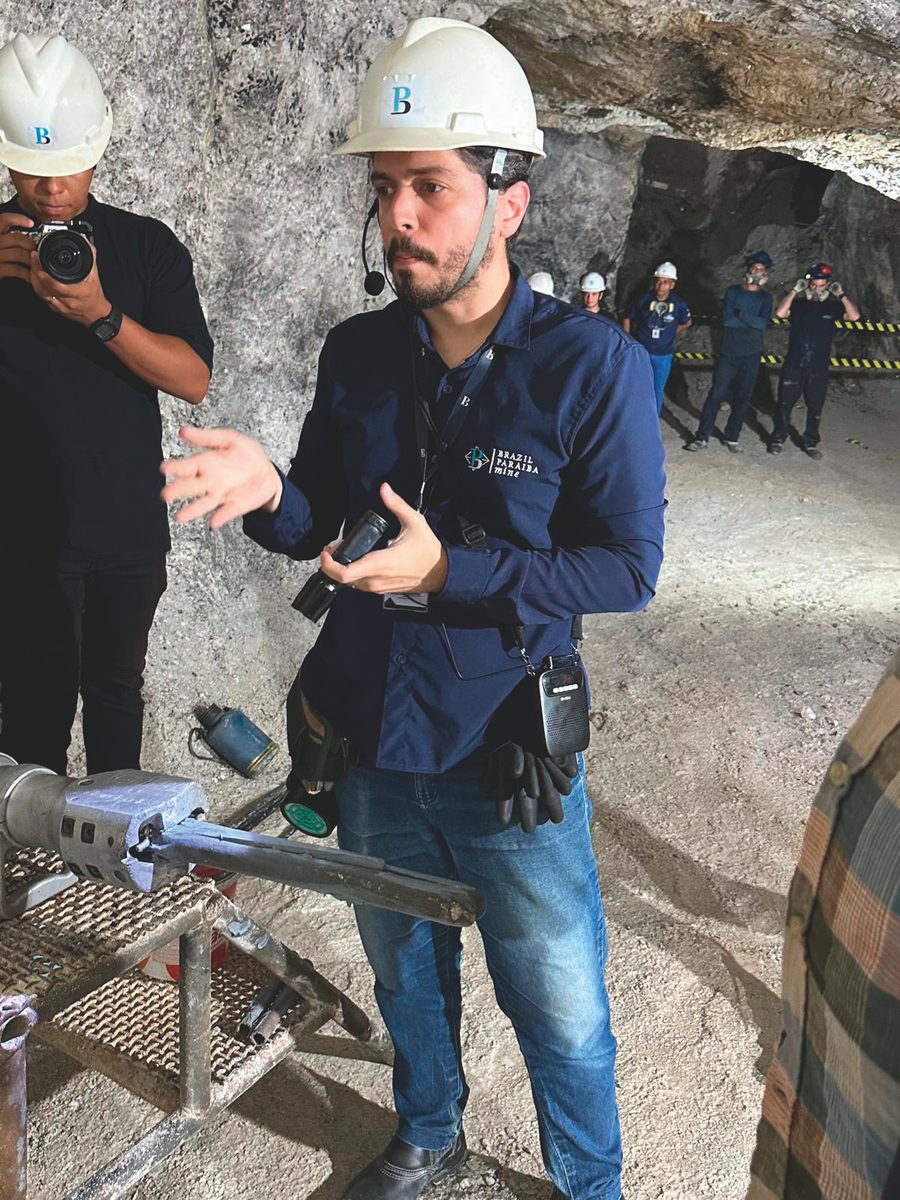

The foundation of the work at Brazil Paraiba Mine is built upon a set of core values that define who they are and guide every decision they make:



Safety and Well-Being. The highest priority is on the health, safety, and well-being of their employees. Their operational protocols are designed to provide a secure working environment, with regular training, proper equipment, and a culture of care that extends to every team member.
Integrity and Transparency. Ethical conduct and open communication are non-negotiable pillars of their business. They foster honest relationships with their partners, clients, and employees, and they believe that transparency is essential to building lasting trust.
Innovation. Continuous improvement is key to success. They actively seek out new ideas, technologies, and methods to refine their processes and enhance their products. By staying at the forefront of innovation, they ensure that their company evolves in line with the dynamic needs of the global market.
Sustainability. A deep respect for the environment drives every action taken at BPM. They are dedicated to preserving natural resources, minimizing their environmental impact, and contributing to the social and economic development of their region. Sustainability is not just a goal; it is a responsibility they embrace fully.
Photos are by the author unless otherwise indicated.