Field gemology is more than just studying gems in the field. It is trying to better understand how gemstones impact everything surrounding them, whether that is the environment or the people working with them. It is only when we understand the full picture of the gem that we’ll start to appreciate the true value of these special treasures. It is critical for all of us to develop a holistic view of our gems, while also recognizing that could mean different things for every individual or organization.
The Gemological Institute of America (GIA) has committed to Field Gemology for over 15 years with the formation of a separate department based in Bangkok. The main goal was to build a collection of gemstones for researchers to work with. By carefully building this collection, GIA is able to focus on the reliability of the samples.
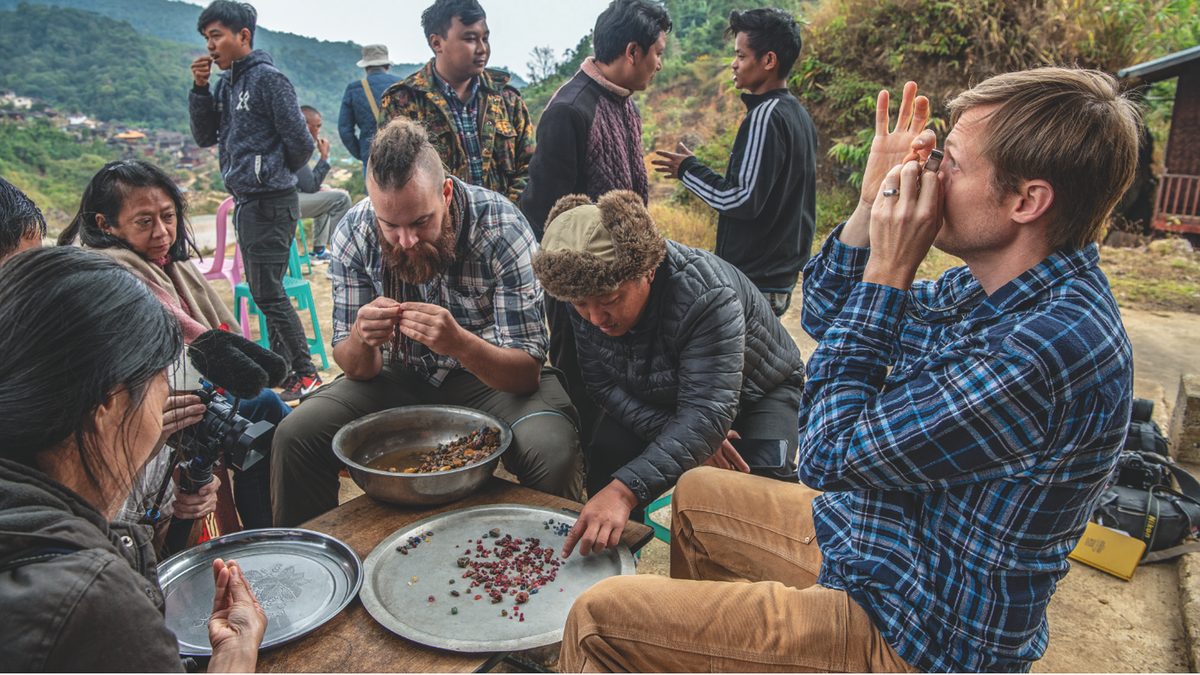
Knowing how much you can trust the stones is critical in interpreting the data acquired: data on stones that were collected directly from the mine is much more reliable than data collected on stones that were acquired by a trader in an international market!
This collection has been built over more than 100 expeditions and allows GIA researchers to focus on gemological challenges such as origin determination and treatment identification, using the best possible samples.
While the main focus is to collect samples close to the source, it also allowed us to form a better understanding of what goes on at the source and how gems are connected to their environment. This is the entire concept that embodies Field Gemology. It is understanding how a gem fits in a greater story, a story that is incredibly complex.
It could stretch back millions of years and touch the lives of hundreds of people. In broader terms, we can divide Field Gemology in four aspects.
The Gems
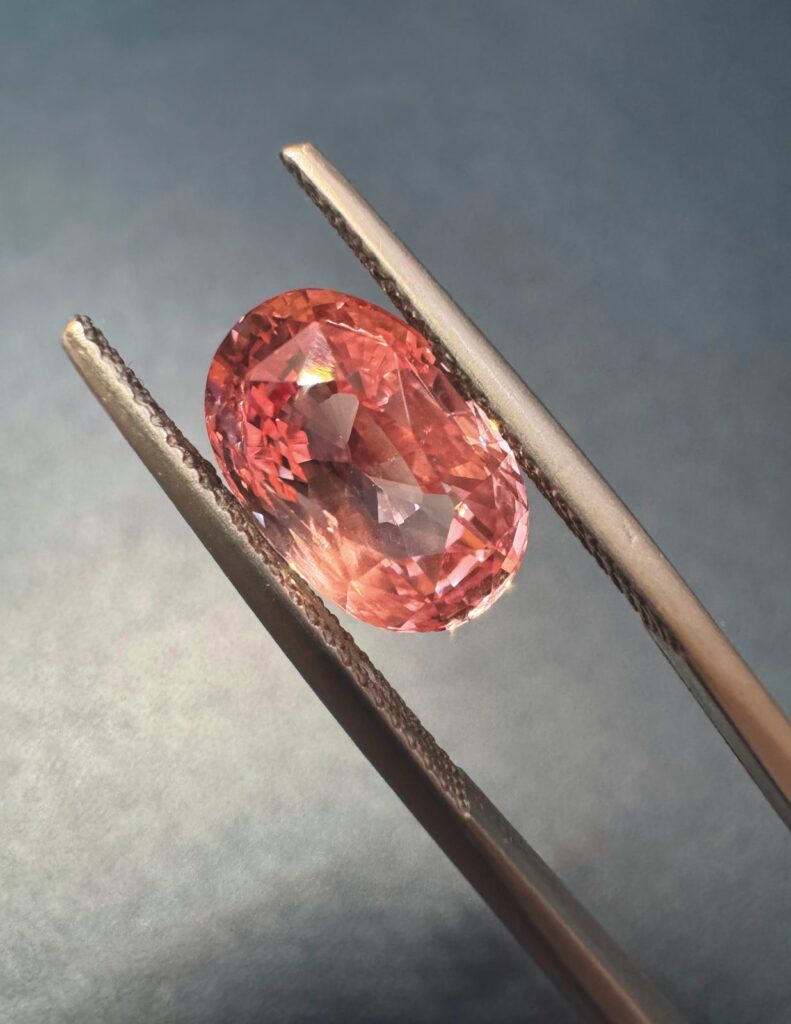
Understanding the gems is critical. The gemology part in field gemology cannot be underestimated. It requires a great deal of theoretical understanding but also practical experience. By understanding the gems, we can study origin determination and treatment detection from a more technical point of view.
It also allows us to have constructive debates on complex topics such as defining color grades or trade terms. Such discussions require a solid, common gemological foundation of everyone who participates.
The Mining
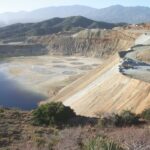
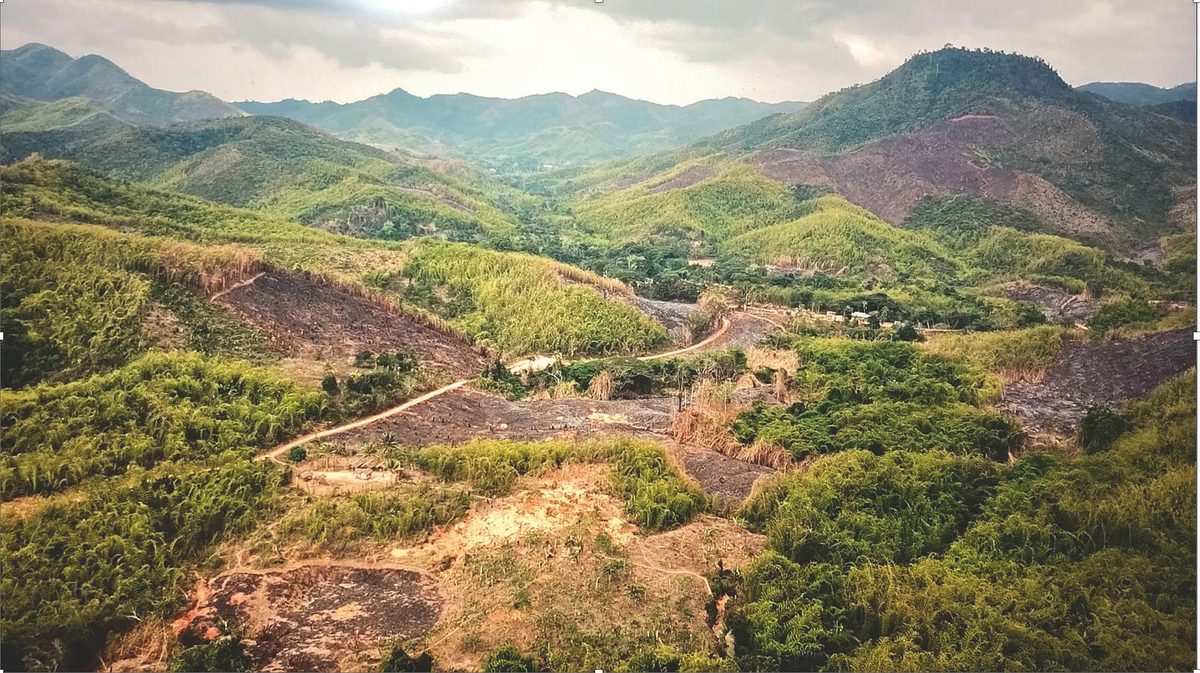
The reality is that our gems come from the earth and are a finite resource. This section often gets (rightfully) placed in a bad light, but it is important for field gemologists to understand the realities of gem mining. If we are not aware of the hardships, challenges, opportunities, and benefits that miners deal with, it is hard to support them further down the supply chain and make sure that value is traced back to them and their communities.
Understanding the geology is another part of this. The realization that gems are truly rare and require unique geological conditions to form will only increase our appreciation for them. When we better understand the spectacular processes that are required to grow gems in the earth, we are also able to optimize the mining and exploration processes which can bring more gems to the surface.
The Trading
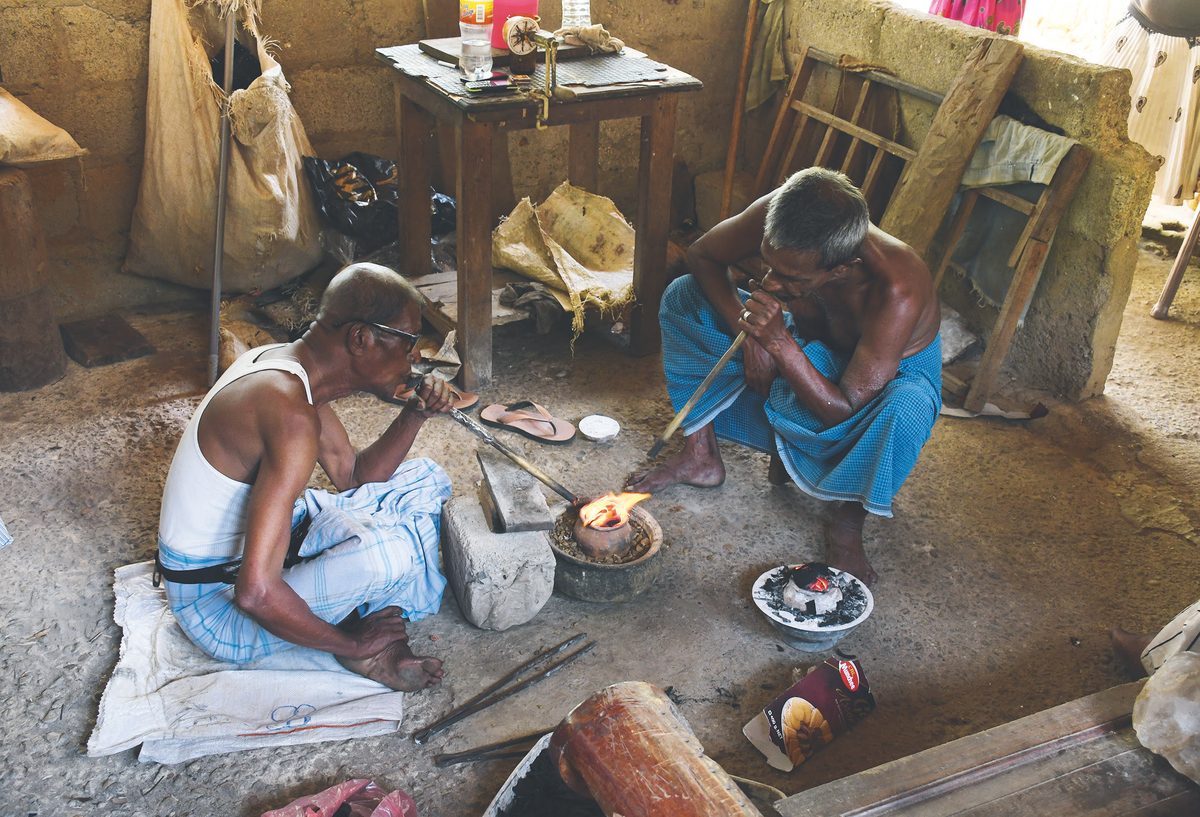
Most gems are seen in finished jewels, but before they reach that stage they have often been on a long journey. The chain from miner to finished product is complex and requires much expertise along the way.
A part of field gemology is understanding how gems move through the world and evolve during their journey from rough stone to faceted gem. The journey often begins from a mixed parcel with the miner, through local brokers who do a first quality sorting, before ending up in a local trading center.
From there, the parcels move internationally and end up in established international trading and manufacturing centers where gems are cut, polished and treated. Eventually, after wholesalers, distributors, and jewelers have handled the gems, they will end up in jewelry for the final consumer. Every single step requires a lot of knowledge and experience, which all adds value to the final gem!
The Source
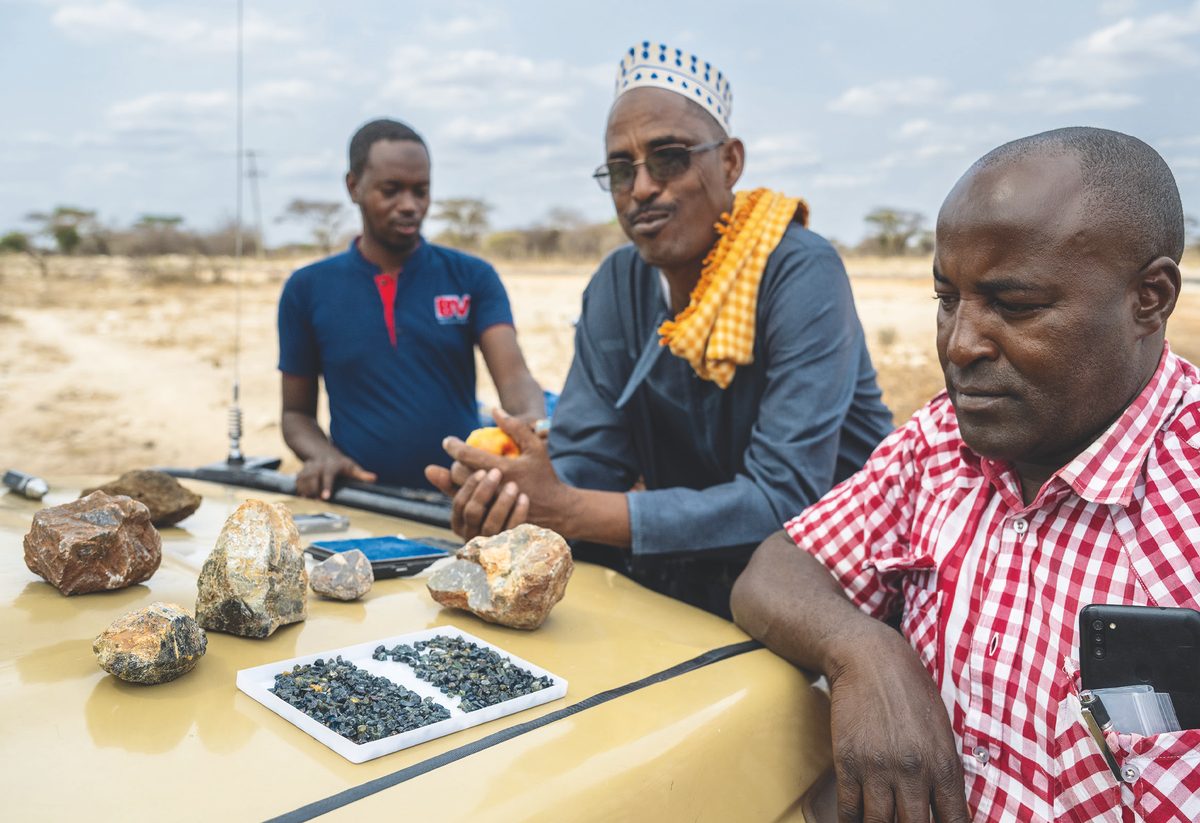
The last pillar of field gemology is about the place the gems come from. Many mining regions have deep cultural connections with their stones, which can add prestige and extra history to them. When learning about these stones, it is also important to learn about the people to whom they matter most.
Another important aspect of learning about the source, is to bring balance to complicated debates. Labels like ethical gems and conflict gems are thrown around, often referring to the gems’ place of origin.
Field gemology aims to better understand the realities on the ground (political, cultural, economic, religious, etc.) which all contribute to the rich heritage of mining regions.
But the most important part is actually understanding how the gems, the mining, the trading and the source all fit together. They are part of the story of our gem and it is the story that makes a gem special.
This holistic view is critical to see the true value of gemstones which are a reflection of everything and everyone around them.
In a way, we are all doing field gemology already, but it is important for all of us to occasionally reflect on the exciting, but sometimes turbulent, journey our stones have been on and to what marvelous results this has led!